

 English
 Deutsch
 Español
 Français

Portable Folding Camping Chair Engineered for Lightweight Comfort and Reliable Outdoor Use
Content
- 1 Product Overview: A Portable Chair Built for Real Camping Scenarios
- 2 Why Lightweight Construction Matters in Outdoor Furniture
- 3 Material Advantage: Oxford Cloth for Durability and Practical Comfort
- 4 Breathable Mesh Back Panel: Comfort During Extended Sitting
- 5 Side Storage Pockets and Cup Holders: Small Features with High User Value
- 6 Quick Folding Design for Space Saving and Efficient Use
- 7 Competitive Advantages in the Camping Furniture Market
- 8 Manufacturing Philosophy: Designed for Weather, Terrain, and Time
- 9 Advanced Manufacturing Process: From Concept to Stable Production
- 10 Quality Control: Reducing Risk for Global Buyers
- 11 Practical Applications Across Outdoor Markets
- 12 Design Details That Improve User Satisfaction
- 13 How the Chair Supports Long-Term Product Value
- 14 Supply Chain and Partnership Strengths
- 15 Sustainability Through Durability and Responsible Product Thinking
- 16 Recommendations for Buyers and Retail Product Managers
- 17 Q&A Section
- 17.1 What is the main purpose of this folding camping chair?
- 17.2 What makes the frame different from many competitor chairs?
- 17.3 Why is Oxford cloth used for the seat?
- 17.4 How does the breathable mesh back panel improve comfort?
- 17.5 Are the storage pockets and cup holders important?
- 17.6 Is the chair suitable for global outdoor retail markets?
- 17.7 How does quick folding benefit users?
- 17.8 What advantages does CragHaven Outdoor provide as a manufacturing partner?
- 17.9 How does the company reduce supply chain uncertainty?
- 17.10 Why should buyers consider long-term value instead of only price?
- 18 Conclusion: A Practical Chair for Modern Outdoor Living
- 19 References
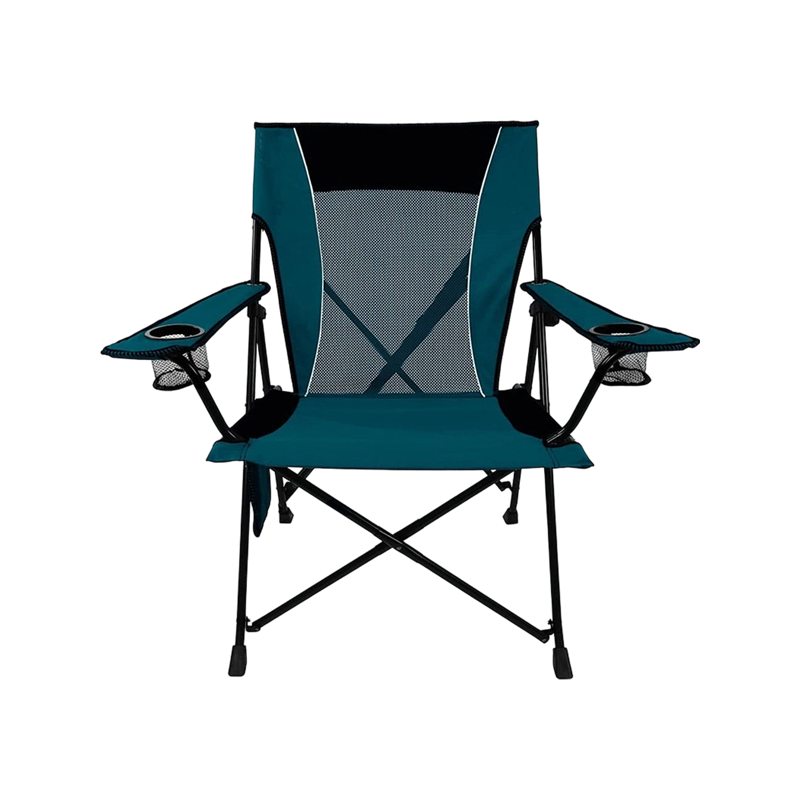
In modern camping, hiking, overlanding, fishing, outdoor festivals, and mountain-base recreation, seating is no longer an afterthought. A chair carried into the outdoors must do more than provide a place to sit. It must support the body on uneven ground, pack efficiently, resist wear from repeated use, and remain comfortable after hours beside a fire, under a tarp, near a trailhead, or around a campsite kitchen. The outdoor folding chair described here, product reference WFLY262002, is designed as a portable multi-functional camping chair that combines a lightweight aviation-grade aluminum alloy frame, durable Oxford cloth, a breathable mesh back panel, side storage pockets, cup holders, and a quick-folding structure for convenient transport and compact storage.
This product belongs to the Camping Furniture category, but its design philosophy reaches beyond basic campsite seating. It is built for users who expect outdoor gear to be practical, reliable, and easy to live with in changing conditions. Many chairs on the market look acceptable in a catalog but reveal weaknesses after repeated folding, long sitting periods, damp weather, sun exposure, or rough campsite handling. This chair focuses on the elements that matter most in real use: manageable weight, structural stability, seating comfort, ventilation, storage convenience, material durability, and efficient packing.
For outdoor brands, distributors, retailers, and procurement teams, the value of a camping chair is not limited to its appearance. A successful product must balance user experience, production consistency, logistics efficiency, quality control, and long-term market acceptance. CragHaven Outdoor, based in Hangzhou, China, approaches this product from both the user side and the manufacturing side. The company’s product development philosophy emphasizes weather, terrain, and time rather than short-term trends. This makes the chair suitable for customers who need dependable camping furniture for global markets and who prefer stable supply partners with a clear understanding of outdoor use scenarios.
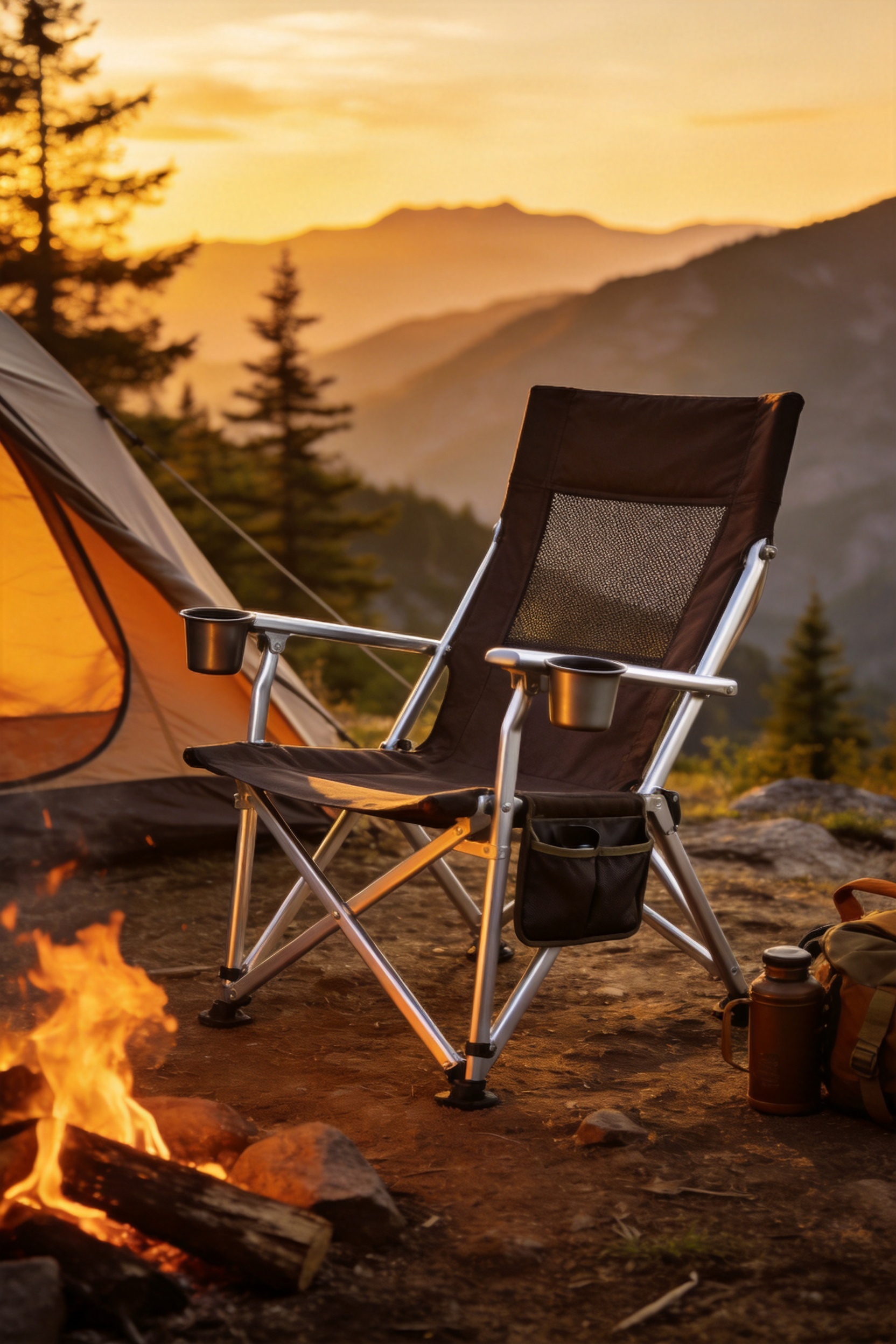
Product Overview: A Portable Chair Built for Real Camping Scenarios
The outdoor folding chair WFLY262002 is designed for people who need seating that can travel easily without feeling fragile or inconvenient. Its structure uses an aviation-grade aluminum alloy frame, chosen to provide a strong yet lightweight foundation. This is an important advantage over many low-cost chairs that rely on heavy steel tubing or poorly reinforced structures. While steel can be strong, it often increases carrying weight, reduces portability, and may be more vulnerable to corrosion when coatings are damaged. Aluminum alloy, when properly processed and assembled, offers a more balanced solution for outdoor furniture that needs to be moved frequently.
The seat area is made with Oxford cloth, a common high-performance fabric choice for outdoor equipment because it is known for durability, abrasion resistance, and practical handling. A chair intended for camping is exposed to friction from clothing, belts, bags, dust, sand, campsite debris, and repeated folding. Oxford cloth supports the chair’s long-term usability by providing a tougher seating surface than many thin, generic woven fabrics. In combination with reinforced sewing and careful pattern design, it helps create a seat that feels stable while remaining flexible enough for comfort.
Comfort is further improved by the breathable mesh back panel. This feature is especially valuable during warm weather, long sitting sessions, and humid environments. Many conventional folding chairs use solid fabric panels across the entire back. While such chairs may appear simple and cost-effective, they can trap heat and moisture, causing discomfort during extended sitting. The mesh back panel helps air circulate behind the user, reducing stuffiness and improving the sitting experience during summer camping, fishing, roadside rest, festival use, or long evenings at camp.
Convenience features are also integrated into the chair. Multi-functional side storage pockets provide a place for items such as a phone, small flashlight, map, snack, multitool, sunglasses, or campsite accessories. Cup holders keep drinks within reach and help prevent spills around the seating area. These features may seem small, but they significantly improve user satisfaction. In outdoor environments, convenience often comes from reducing unnecessary movement. A person seated near a campfire, stove area, riverbank, or tent entrance wants essentials nearby, not scattered on the ground.
The quick-folding design helps the chair save space during transport and storage. This is especially important for campers who must manage limited vehicle space, backpackers who carry compact gear to a trailhead, event users who move multiple chairs at once, or retailers who need efficient packaging for shipping and shelf display. A chair that folds quickly and cleanly reduces frustration and makes repeated use easier. In practical terms, this means the product is more likely to be taken on trips rather than left at home because it is inconvenient.
Why Lightweight Construction Matters in Outdoor Furniture
Weight is one of the most decisive factors in outdoor equipment. A product that is too heavy may perform well in a backyard but fail in the camping market because users do not want to carry it from a parking area to a campsite, beach, riverbank, or mountain viewpoint. The use of an aviation-grade aluminum alloy frame gives this folding camping chair a competitive advantage because it supports portability without abandoning structural confidence.
Competitor products often fall into two categories. Some are inexpensive, heavy chairs with steel frames, low-grade fabric, and basic stitching. They may be acceptable for occasional use but become burdensome for transportation and may show wear quickly. Others attempt to be ultralight but sacrifice comfort, seat width, or stability, making them less suitable for longer sitting sessions. The WFLY262002 chair is positioned between these extremes. It aims to deliver a balanced user experience: light enough to carry conveniently, supportive enough for regular camping use, and comfortable enough for extended sitting.
Aluminum alloy has additional advantages beyond weight. It performs well in outdoor applications because it resists rust better than untreated or poorly coated steel. It can also be shaped, cut, finished, and assembled with precision, allowing manufacturers to create repeatable frame geometry. Consistency in geometry is important because a folding chair depends on aligned joints, stable angles, and reliable load transfer. If the frame is inconsistent, the chair may wobble, fold unevenly, or develop stress points. A well-controlled aluminum frame helps maintain performance from one production batch to another.
For retailers and importers, lightweight construction also has logistics benefits. Lower product weight can contribute to more efficient handling, easier carton movement, and potentially improved shipping arrangements depending on order configuration. While packaging design and final dimensions also matter, a portable chair with a lighter frame is generally easier to manage across warehousing, transportation, showroom display, and consumer delivery.
Material Advantage: Oxford Cloth for Durability and Practical Comfort
The seating material of a folding chair faces constant pressure and friction. It must stretch enough to support the body comfortably but not deform excessively. It must withstand repeated sitting, standing, folding, packing, and contact with outdoor elements. Oxford cloth is a strong choice because it is widely used in outdoor products such as bags, tents, storage organizers, and camp furniture. It offers practical resistance against abrasion and daily wear, making it suitable for a camping chair that must perform in varied environments.
Compared with thin polyester or low-density fabrics often used in entry-level competitor chairs, Oxford cloth gives a more robust impression and better long-term value. Cheap fabrics may initially reduce production cost, but they can result in sagging, tearing near seams, fading, or early customer complaints. For outdoor products, the most expensive failure is not only a broken part; it is the loss of user confidence. A chair that feels flimsy or wears prematurely can damage brand reputation. By using Oxford cloth, the product is better aligned with expectations for repeated outdoor use.
Another benefit of Oxford cloth is its compatibility with reinforced stitching and structured seat design. A fabric panel does not perform alone. It works with seam layout, stress distribution, edge binding, and frame connection points. When fabric is cut accurately and sewn with attention to stress areas, the chair can provide more consistent support. CragHaven Outdoor’s manufacturing approach emphasizes sampling, testing, and optimization, which are essential for this type of product. A seat that looks correct on paper still needs real evaluation under load and repeated folding cycles.
The tactile quality of the fabric also matters. Outdoor users want a chair that feels secure but not harsh. Oxford cloth provides a practical seating surface that can support different clothing types, from hiking pants to insulated layers. It is also relatively easy to maintain, which is valuable for camping equipment exposed to dust, grass, food crumbs, and campsite moisture. A simple wipe-down or careful cleaning routine can help maintain its appearance and function.
Breathable Mesh Back Panel: Comfort During Extended Sitting
One of the most noticeable comfort features of this portable multi-functional camping chair is the breathable mesh back panel. Outdoor sitting is often longer than expected. A camper may sit while cooking, eating, reading, watching children, organizing gear, resting after a hike, or talking with friends into the evening. If the chair traps heat, discomfort builds slowly and can reduce the overall experience. The mesh back panel directly addresses this problem.
In warm weather, airflow behind the back helps prevent the sticky, humid feeling created by solid fabric. This is especially relevant for customers in summer camping markets, coastal regions, humid climates, and festival environments. Even in cooler weather, ventilation can improve comfort when users wear layered outdoor clothing. A breathable back reduces condensation and overheating, making the chair more adaptable across conditions.
Many competing chairs advertise comfort through padding or oversized seats. Padding may be useful in some products, but it adds bulk, absorbs moisture, and may increase drying time. For portable camping furniture, breathability and packability can be more valuable than heavy cushioning. The mesh panel provides comfort through ventilation rather than unnecessary mass. This makes the chair more suitable for users who want a compact, practical product that performs well in real outdoor conditions.
The mesh feature also communicates thoughtful design. It shows that the chair was not developed merely as a frame with fabric attached, but as a product intended for actual sitting experience. This supports CragHaven Outdoor’s stated principle that every feature should solve real-world usage problems. Breathability is not decorative; it is functional, especially when the product is used for hours rather than minutes.
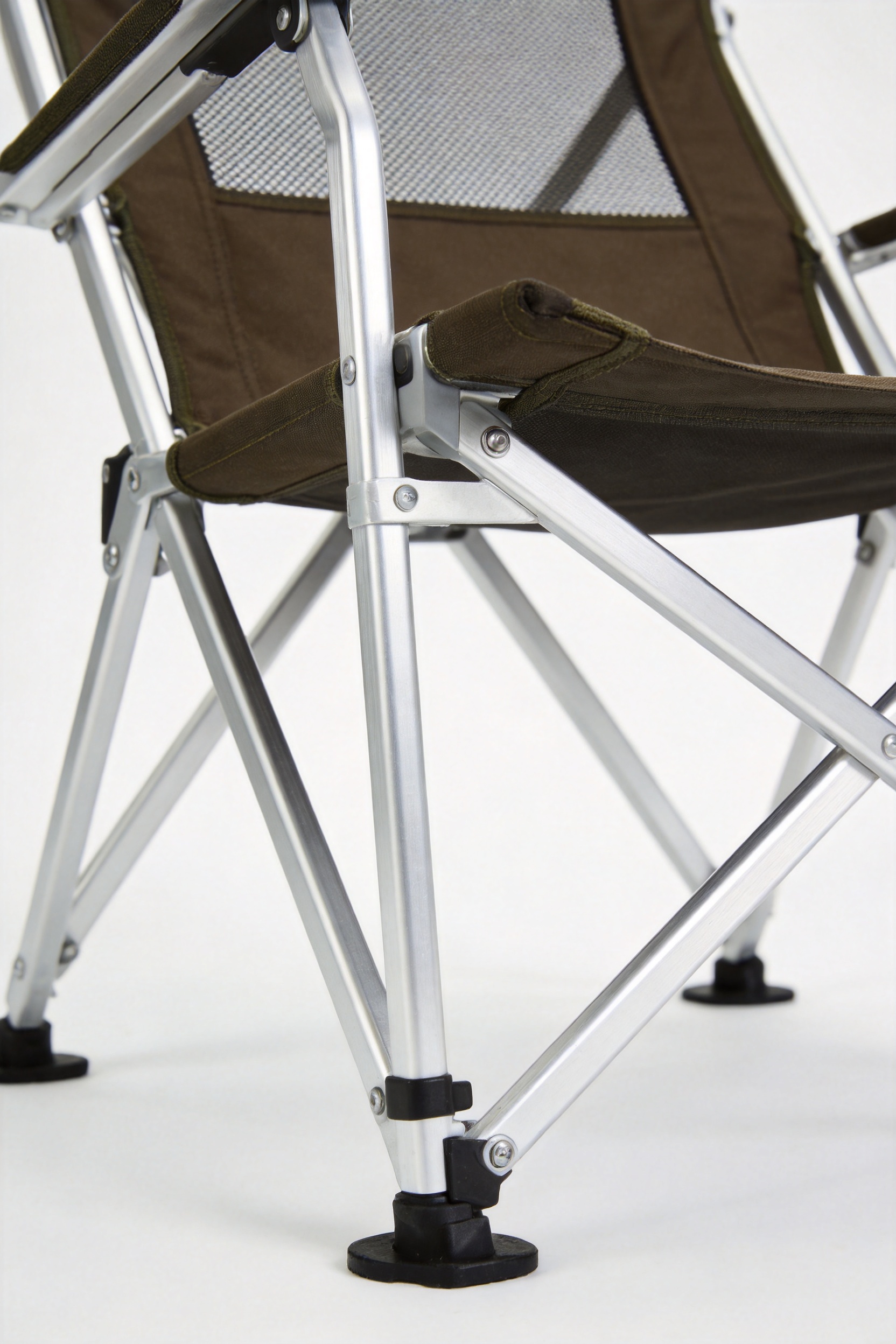
Side Storage Pockets and Cup Holders: Small Features with High User Value
Outdoor convenience often depends on accessible storage. When users sit outdoors, they usually need a place to keep small items. Placing a phone, flashlight, lighter, or drink on the ground can lead to dirt, accidental stepping, loss, or spills. The side storage pockets and cup holders on this folding chair improve the campsite experience by keeping essentials organized and within reach.
Many basic competitor chairs include only a single cup holder or no storage features at all. Others add pockets without considering accessibility, durability, or actual item size. A well-designed side pocket should be easy to reach while seated and should not interfere with folding. The product’s multi-functional storage concept makes it more useful for a range of outdoor activities, including camping, fishing, picnics, sports events, RV travel, tailgating, and mountain-base rest stops.
Cup holders are particularly important because outdoor seating areas rarely provide stable surfaces. Camp tables may be occupied by cooking equipment, food, lanterns, or bags. Keeping a drink in a dedicated holder reduces the chance of spills and makes the chair more relaxing to use. For end consumers, these practical details often become the reason they choose one chair over another at retail. A product that solves small problems repeatedly feels more valuable over time.
From a manufacturing perspective, adding pockets and cup holders requires careful sewing, fabric reinforcement, and placement control. If pockets are poorly attached, they can tear. If they are placed incorrectly, they can affect comfort or folding. If cup holders are made with weak material, they may lose shape. CragHaven Outdoor’s focus on sampling and optimization helps ensure that these features are integrated into the chair rather than simply added as marketing decorations.
Quick Folding Design for Space Saving and Efficient Use
A camping chair must be easy to deploy and easy to pack away. If setup is complicated, users become frustrated. If folding is difficult, the chair may be forced into storage incorrectly, damaging fabric or joints. The quick-folding structure of WFLY262002 is designed to save space and simplify the user experience.
Quick folding provides advantages in multiple situations. Families arriving at a campsite want to set up seating quickly before organizing tents and cooking areas. Hikers or climbers resting near a trailhead may need a chair that can be opened and closed without tools. Event users may carry several chairs at once and need fast packing when leaving. Retailers benefit from compact folded dimensions because the product can be packaged and displayed more efficiently.
Compared with chairs that require assembly poles or complicated tension systems, a quick-folding chair is more intuitive. This matters in mainstream camping markets where users may not want technical assembly. The chair should be approachable for beginners while still satisfying experienced outdoor users who appreciate efficient design. A good folding mechanism is one that disappears into the experience: users simply open the chair, sit comfortably, and fold it when finished.
Durability in folding mechanisms depends on component quality and production accuracy. Hinges, connection points, fabric sleeves, frame bends, and load-bearing angles must work together. Small inconsistencies can lead to uneven folding, noisy movement, instability, or premature wear. This is why manufacturing process control is essential. A chair may be simple in appearance, but repeated reliable folding requires disciplined engineering and inspection.
Competitive Advantages in the Camping Furniture Market
The camping furniture market contains a wide range of products, from low-cost promotional chairs to premium technical seating systems. The WFLY262002 folding chair offers a strong position by combining practical materials, comfort features, and convenience at a product level suitable for global camping and outdoor retail. Its advantages become clear when compared with common competitor weaknesses.
First, the aviation-grade aluminum alloy frame offers a better weight-to-strength balance than many steel-frame alternatives. Heavy chairs may be stable, but they reduce mobility. Extremely light chairs may be compact, but they can feel less comfortable or less supportive. This chair aims for a balanced structure suitable for repeated transport and campsite use.
Second, Oxford cloth provides a more durable seating surface than many thin fabrics used in basic chairs. This helps reduce the risk of early wear and improves perceived quality. Consumers increasingly expect outdoor products to last through more than a few trips, and fabric quality is one of the first signs they notice.
Third, the breathable mesh back panel solves a genuine comfort problem. Instead of relying only on seat shape, the product improves airflow and reduces stuffiness. This makes it more comfortable during long periods of sitting, especially in warm or humid environments.
Fourth, the storage pockets and cup holders increase daily usability. They make the chair more than a seat; they turn it into a small personal outdoor station. This is a meaningful advantage in camping, fishing, and event use, where small items are easily misplaced.
Fifth, the quick-folding design saves time and space. A chair that is easy to fold is used more often, packed more neatly, and appreciated by consumers who value convenience. In retail terms, convenience features help create positive reviews and repeat purchasing behavior.
| Feature | WFLY262002 Folding Camping Chair | Typical Low-Cost Competitor Chair | User Benefit |
|---|---|---|---|
| Frame Material | Aviation-grade aluminum alloy | Often heavy steel or basic alloy | Improved portability with reliable support |
| Seat Fabric | Durable Oxford cloth | Thin generic polyester or low-density fabric | Better wear resistance and longer service value |
| Back Design | Breathable mesh back panel | Solid fabric back with limited airflow | Less stuffiness during extended sitting |
| Storage | Multi-functional side pockets and cup holders | Minimal or no storage | Convenient access to drinks and small items |
| Folding Method | Quick folding for space saving | May be bulky or awkward to fold | Faster setup, easier packing, better transport |
Manufacturing Philosophy: Designed for Weather, Terrain, and Time
CragHaven Outdoor is not positioned simply as a sourcing intermediary. The company presents itself as an outdoor brand and cross-border manufacturing partner that understands mountaineering, hiking, and camping scenarios. This distinction matters because outdoor products must be judged by real usage, not only by factory specifications. A chair may pass a visual inspection but still fail in comfort, folding convenience, or long-term durability if it is not developed with realistic outdoor conditions in mind.
The company’s philosophy can be summarized in three words: weather, terrain, and time. Weather affects materials through heat, humidity, rain, sunlight, and temperature changes. Terrain affects stability, frame stress, and how the chair performs on uneven ground. Time affects everything: stitching, joints, fabric tension, folding cycles, customer satisfaction, and brand reputation. By designing for these factors, the company focuses on long-term value rather than short-lived catalog appeal.
This approach is especially relevant for a folding camping chair. Unlike a static indoor chair, outdoor seating is repeatedly opened, closed, carried, dropped, loaded into vehicles, stored in garages, exposed to dust, and used on imperfect surfaces. Materials and construction must be selected with these realities in mind. The aluminum frame, Oxford cloth, mesh ventilation, pocket placement, and folding structure all reflect practical problem-solving.
For buyers, this manufacturing philosophy helps reduce uncertainty. A supplier that understands use cases can communicate more effectively about materials, quality requirements, testing priorities, packaging, and product improvement. Instead of merely offering a generic chair, CragHaven Outdoor can participate in product refinement and help align the chair with market needs.
Advanced Manufacturing Process: From Concept to Stable Production
Producing a reliable folding chair requires more than assembling frame tubes and fabric panels. It requires a controlled process that connects design intent with repeatable manufacturing. CragHaven Outdoor emphasizes sampling, testing, and optimization as standard steps. This is crucial because outdoor furniture must meet both functional expectations and production consistency requirements.
The process typically begins with scenario analysis. The company considers how the chair will be used: campsite seating, hiking rest points, outdoor events, fishing, vehicle-based camping, and family recreation. This helps define priorities such as weight, folded size, sitting comfort, ventilation, and accessory storage. Product design is then shaped around these use cases rather than abstract appearance alone.
Material selection follows. The aviation-grade aluminum alloy frame is chosen for the balance of strength, weight, and outdoor suitability. Oxford cloth is selected for durability and practical seating performance. Mesh is integrated where ventilation matters most. Accessory fabrics and components for pockets and cup holders are selected to match the chair’s functional purpose. Each material must work not only individually but as part of a complete system.
Frame processing is a key manufacturing stage. Aluminum tubes or components must be cut, shaped, drilled, finished, and assembled with dimensional accuracy. Incorrect angles or inconsistent holes can affect chair stability and folding performance. Surface finishing and edge treatment also matter because sharp or rough areas can damage fabric over time. Controlled processing helps maintain product safety, appearance, and service life.
Fabric production is equally important. Oxford cloth and mesh panels must be cut accurately according to patterns that account for load distribution and folding behavior. Sewing must reinforce stress points, especially where the fabric connects to the frame or supports body weight. Pocket and cup holder stitching must be secure because these areas experience repeated pulling, loading, and movement. Consistent sewing quality is one of the clearest signs of reliable manufacturing.
Assembly connects all product elements. The frame and fabric must align correctly so the chair opens naturally, sits evenly, and folds without excessive force. Quality control checks during assembly help identify problems before final packing. A chair that is slightly misaligned may still look acceptable when folded, but it may wobble or create user discomfort when opened. This makes functional inspection essential.
Testing and optimization complete the development cycle. Samples may be evaluated for seating comfort, folding smoothness, pocket placement, fabric tension, and overall stability. Feedback leads to adjustments in pattern design, stitching reinforcement, frame geometry, or component selection. This iterative process supports the company’s goal of creating products that can be replicated and scaled without losing the original design intent.

Quality Control: Reducing Risk for Global Buyers
For cross-border buyers, product quality is inseparable from supply chain risk. A chair that performs well in one sample but inconsistently in bulk production creates problems for importers, retailers, and end users. CragHaven Outdoor’s strength lies in combining outdoor product understanding with manufacturing process management. This combination helps reduce uncertainty from development through shipment.
Quality control for a folding camping chair should include material verification, frame dimension checks, fabric inspection, stitching assessment, folding function testing, accessory inspection, and packaging review. Each step protects the buyer from common market problems. Material verification helps ensure that the frame and fabric match the intended specification. Frame checks help prevent instability. Fabric inspection identifies defects before assembly. Stitching assessment confirms reinforcement quality. Folding tests ensure usability. Packaging review protects the product during transportation.
Another important aspect is batch consistency. Outdoor retailers need products that deliver the same experience across orders. If one batch has different fabric tension, another has looser cup holders, and another folds differently, the brand experience becomes inconsistent. A disciplined manufacturing partner focuses on repeatability. The goal is not simply to produce a good first sample, but to create a stable production process that can deliver dependable results over time.
Communication also plays a major role in quality control. CragHaven Outdoor describes its communication style as professional and Western-market-oriented. This is valuable because many quality issues arise from unclear expectations rather than technical impossibility. When buyer requirements are translated into precise material, construction, inspection, and packaging standards, production becomes more reliable.
Practical Applications Across Outdoor Markets
The WFLY262002 folding camping chair is suitable for a wide range of outdoor scenarios. Its lightweight and portable design makes it useful for campers who move between car, tent, cooking area, and viewpoint. The durable fabric and aluminum frame make it appropriate for repeated seasonal use. The breathable back panel supports comfort in warm environments, while pockets and cup holders improve daily convenience.
In family camping, the chair can be used around the campsite for meals, games, reading, or resting after activity. Families often value chairs that are easy to fold and store because multiple chairs may be transported together. Quick folding and compact storage help reduce the burden of packing.
For hiking and mountain-base recreation, the chair provides a comfortable rest option at trailheads, base camps, scenic overlooks, or vehicle-accessible outdoor areas. While it is not described as a technical mountaineering chair, its portability and lightweight frame align well with users who prefer efficient outdoor gear.
For fishing, the storage pockets and cup holders are especially useful. Anglers often need small accessories close at hand, and a breathable back panel improves comfort during long waiting periods. A chair that folds quickly is also helpful when moving between fishing spots.
For outdoor events, festivals, sports fields, and picnics, the chair’s user-friendly design is valuable. Event seating often requires carrying gear across parking lots or open grounds, so weight and folding convenience matter. Built-in cup holders and side pockets improve the experience when users spend several hours in one place.
For retailers and private-label outdoor brands, the product can serve as a versatile camping furniture item with broad appeal. Its feature set is easy for consumers to understand, and its practical advantages support merchandising in camping, travel, fishing, and leisure categories.
Design Details That Improve User Satisfaction
User satisfaction in camping furniture often comes from small details that work correctly every time. The frame should open smoothly. The fabric should feel supportive. The back should not become uncomfortably hot. Pockets should be reachable. Cup holders should be stable enough for normal use. The chair should fold without wrestling. These details separate a well-developed product from a generic low-cost alternative.
The WFLY262002 chair’s multi-functional design reflects this user-centered approach. It does not depend on a single feature to create value. Instead, it combines several meaningful improvements: lightweight frame construction, durable seating fabric, breathable comfort, accessory storage, and quick folding. The result is a chair that can satisfy different users for different reasons.
For example, one user may appreciate the portability when carrying the chair from a vehicle to a campsite. Another may care most about ventilation during summer use. A fishing customer may value side storage. A retailer may value the combination of features that makes the chair easier to sell. A distributor may appreciate manufacturing consistency and supplier communication. By addressing multiple needs, the chair becomes more competitive across market segments.
How the Chair Supports Long-Term Product Value
Long-term value is created when a product continues to perform after repeated use. In camping furniture, the most common failure points include fabric tearing, frame bending, joint looseness, stitching failure, corrosion, and inconvenient folding. The WFLY262002 chair addresses these concerns through material selection and manufacturing discipline.
The aluminum alloy frame supports portability and outdoor suitability. Oxford cloth improves durability at the seating surface. Mesh ventilation reduces discomfort and helps the chair remain pleasant during extended sitting. Storage pockets and cup holders add practical function. Quick folding reduces misuse caused by complicated packing. Together, these elements support longer product satisfaction.
From a brand perspective, long-term value helps reduce returns, negative reviews, and warranty pressure. Consumers remember products that work when needed. A reliable chair can become part of repeated camping routines, which strengthens loyalty to the brand or retailer offering it. For private-label programs, this is especially important because the product reflects directly on the buyer’s brand identity.
Supply Chain and Partnership Strengths
CragHaven Outdoor is located in Hangzhou, Zhejiang Province, one of China’s commercially active regions with access to mature manufacturing resources, export experience, and supply chain networks. The company positions itself as a cross-border manufacturing partner for outdoor products, serving global markets with a focus on long-term cooperation. This matters for buyers who need more than a one-time transaction.
A strong manufacturing partner helps buyers manage product development, sampling, production planning, quality control, packaging, and communication. Outdoor furniture requires coordination between metal processing, fabric cutting, sewing, assembly, inspection, and logistics. When these stages are not managed cohesively, problems can emerge late in production. A partner with outdoor product knowledge can identify risks earlier and propose practical solutions.
CragHaven Outdoor’s emphasis on stable and sustainable partnerships also supports product improvement over time. Market feedback can be used to refine materials, packaging, color options, accessory layout, or construction details. Instead of constantly switching suppliers and repeating the same development challenges, buyers can build a more predictable supply chain around a partner that understands their market.
The company’s Western-market-oriented communication is another advantage. Outdoor products sold in Europe, North America, Australia, and other mature markets often require clear product positioning, realistic performance claims, professional packaging language, and attention to user expectations. Communication that bridges manufacturing capability and market demand helps reduce misunderstanding and supports better final products.
Sustainability Through Durability and Responsible Product Thinking
Sustainability in outdoor products is often discussed in terms of materials, but durability is one of the most practical sustainability factors. A chair that lasts longer reduces replacement frequency and helps avoid unnecessary waste. CragHaven Outdoor’s design approach, which values durability and long-term use over short-term trends, supports a more responsible product philosophy.
The use of reliable frame material, robust Oxford cloth, and tested construction contributes to this goal. A product does not need to be overcomplicated to be responsible. It needs to be useful, repair-conscious where possible, efficient to transport, and built with enough quality to remain in service. Consumers increasingly recognize the difference between disposable outdoor gear and equipment that can accompany multiple seasons of use.
For retailers, durability also supports brand trust. Customers who buy outdoor gear expect it to withstand real conditions. When products fail too quickly, they create not only waste but also dissatisfaction. By focusing on practical reliability, the folding camping chair aligns with a more sustainable view of product development.
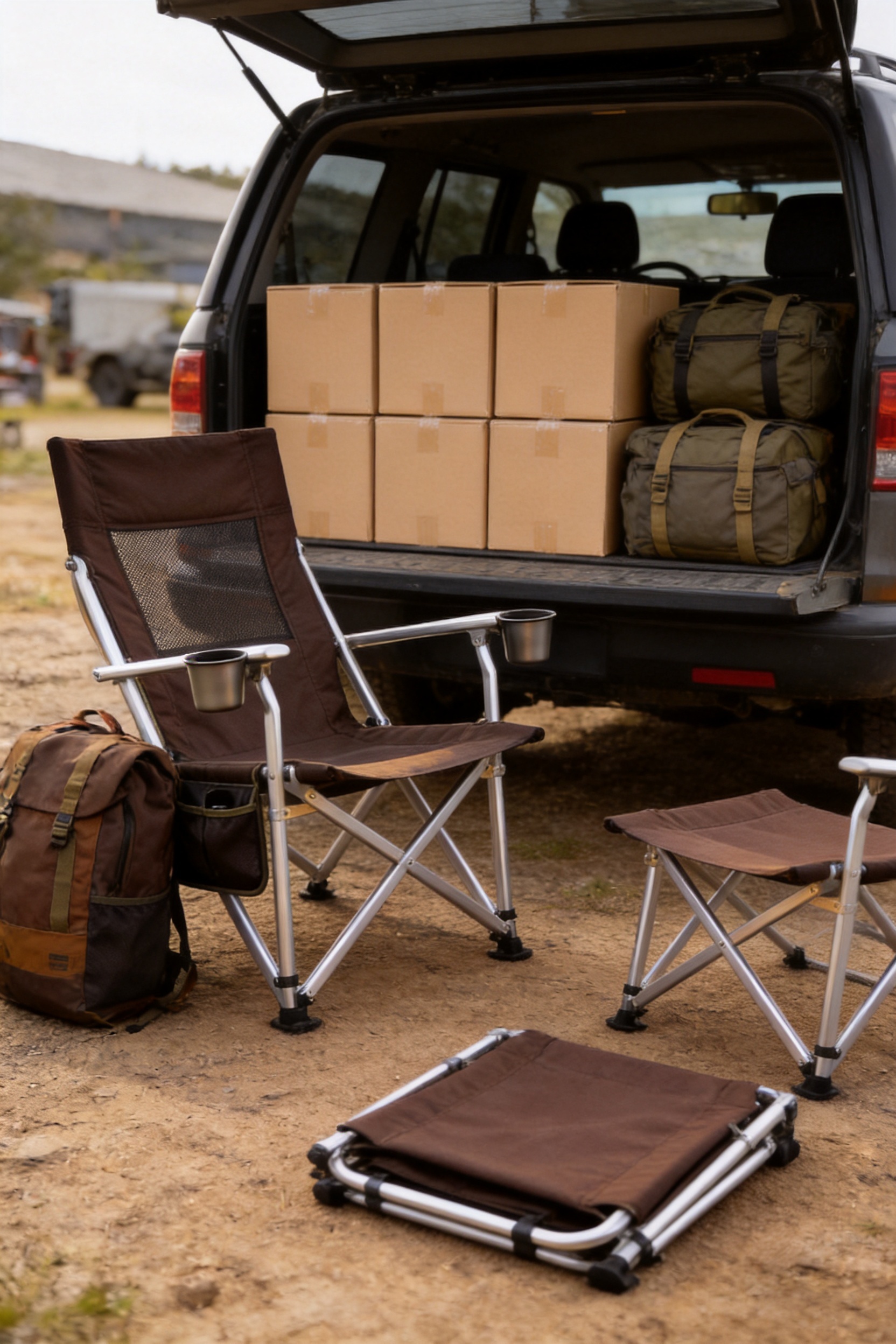
Recommendations for Buyers and Retail Product Managers
Buyers evaluating folding camping chairs should consider more than unit price. A low unit price can become costly if the product is heavy, uncomfortable, fragile, inconsistent, or difficult to package. The WFLY262002 chair offers a balanced feature set that can support strong consumer acceptance in camping and outdoor leisure markets.
Retail product managers should assess the chair according to user scenarios. If the target customer includes family campers, festival users, fishing customers, RV travelers, and casual hikers, the combination of light weight, breathable comfort, storage convenience, and quick folding is highly relevant. These features are easy to explain in product listings and retail displays, which supports conversion.
Importers should also consider supplier capability. The company behind the product demonstrates an understanding of outdoor scenarios and manufacturing discipline. This is important for private-label development, batch consistency, and long-term supply planning. A chair is only as reliable as the process that produces it. CragHaven Outdoor’s emphasis on sampling, testing, optimization, and professional communication supports lower procurement risk.
For brands seeking differentiation, the chair can be positioned around comfort, portability, and practical campsite organization. Rather than competing only on price, sellers can emphasize the product’s material choices and real-use advantages. This is often a stronger long-term strategy because consumers are willing to recognize value when benefits are clear and credible.
Q&A Section
What is the main purpose of this folding camping chair?
The chair is designed to provide portable, comfortable, and reliable seating for camping, hiking rest areas, fishing, picnics, outdoor events, RV travel, and general outdoor leisure. It combines lightweight construction, durable fabric, breathable comfort, and convenient storage features.
What makes the frame different from many competitor chairs?
The chair uses an aviation-grade aluminum alloy frame, which offers a strong balance between weight and support. Compared with many steel-frame chairs, it is better suited for portability and outdoor transport while maintaining dependable structural performance.
Why is Oxford cloth used for the seat?
Oxford cloth is selected because it is durable, practical, and suitable for outdoor use. It resists everyday abrasion better than many thin generic fabrics and supports longer service value when combined with proper stitching and construction.
How does the breathable mesh back panel improve comfort?
The mesh back panel allows air to circulate behind the user, helping reduce heat and stuffiness during extended sitting. This is especially useful in warm weather, humid environments, festivals, fishing sessions, and long campsite evenings.
Are the storage pockets and cup holders important?
Yes. Side storage pockets and cup holders make the chair more convenient by keeping drinks and small items within reach. This reduces clutter around the campsite and improves the user experience during long periods of sitting.
Is the chair suitable for global outdoor retail markets?
Yes. Its combination of lightweight frame construction, Oxford cloth, breathable mesh, quick folding, and practical storage features gives it broad appeal across camping, leisure, fishing, and outdoor event markets.
How does quick folding benefit users?
Quick folding makes the chair easier to set up, pack away, transport, and store. It is especially useful for families, event users, campers with limited vehicle space, and retailers seeking efficient packaging solutions.
What advantages does CragHaven Outdoor provide as a manufacturing partner?
CragHaven Outdoor combines outdoor product understanding with manufacturing capability. The company emphasizes real-use design, material durability, sampling, testing, optimization, quality control, and professional cross-border communication.
How does the company reduce supply chain uncertainty?
The company focuses on stable production, practical product development, quality inspection, and clear buyer communication. This helps ensure that the final product matches market expectations and can be reproduced consistently across production batches.
Why should buyers consider long-term value instead of only price?
A chair with better materials, comfort, and manufacturing consistency can reduce returns, improve customer reviews, and strengthen brand reputation. Low-cost chairs may save money initially but can create greater costs if they fail early or disappoint users.
Conclusion: A Practical Chair for Modern Outdoor Living
The WFLY262002 outdoor folding chair is a strong example of practical camping furniture designed around real user needs. Its aviation-grade aluminum alloy frame supports portability and stability. Its Oxford cloth seat offers durable everyday performance. Its breathable mesh back panel improves comfort during long sitting sessions. Its side pockets and cup holders create convenient personal storage. Its quick-folding structure saves space and simplifies transport.
These advantages make the chair competitive against common alternatives that are heavier, less breathable, less convenient, or less durable. More importantly, the product is supported by CragHaven Outdoor’s broader manufacturing philosophy: design for weather, terrain, and time; choose materials for reliability; test and optimize before scaling; and build long-term partnerships through professional communication and stable production.
For outdoor brands, importers, distributors, and retailers, this chair offers more than a standard campsite seat. It offers a balanced product platform with clear consumer benefits and manufacturing logic behind it. In a market where users increasingly expect comfort, portability, and durability, a well-designed folding camping chair can become an essential part of outdoor life.
References
1. Outdoor Industry Association. Outdoor Recreation Product Trends and Consumer Use Patterns.
2. Horrocks, A. R., and Anand, S. C. Handbook of Technical Textiles. Woodhead Publishing.
3. Ashby, M. F. Materials Selection in Mechanical Design. Butterworth-Heinemann.
4. Kadolph, S. J. Textiles. Pearson Education.
5. Ulrich, K. T., and Eppinger, S. D. Product Design and Development. McGraw-Hill Education.
6. China National Standards and Outdoor Furniture Manufacturing Practice Notes on Metal Frames, Fabric Cutting, Sewing, Assembly, and Inspection.



- Phone: +86-15968800379
- E-mail: [email protected]
- Address: Room 1002, Huishang Building, Gongshu District, Hangzhou City, Zhejiang Province.
Copyright © CragHaven Outdoor All Rights Reserved. Outdoor Gear Manufacturers Wholesale Mountaineering Camping Gear Suppliers
