

 English
 Deutsch
 Español
 Français

Quick-Setup Thickened Camping Tent for Beach Shelter, Sun Protection, and Two-Person Outdoor Comfort
Content
- 1 Product Overview and Core Positioning
- 2 Why Quick Setup Matters in Real Outdoor Use
- 3 Hydraulic Spring Quick-Opening Design
- 4 Double-Layer Structure for Sun and Rain Protection
- 5 Thickened Construction and Durability-Oriented Material Selection
- 6 High-Density Mesh for Breathability and Mosquito Protection
- 7 Two-Person Space: Practical Comfort Without Excess Bulk
- 8 Competitive Advantages at a Glance
- 9 Manufacturing Philosophy Behind the Product
- 10 Material Preparation and Pattern Engineering
- 11 Frame Integration and Opening Mechanism Control
- 12 Stitching, Seam Reinforcement, and Structural Reliability
- 13 Ventilation, Insect Protection, and User Comfort Testing
- 14 Quality Control for Stable Cross-Border Supply
- 15 Advantages for Retailers, Distributors, and Outdoor Brands
- 16 Ideal Use Scenarios
- 17 How This Tent Stands Above Many Competitors
- 18 Care, Use, and Practical Recommendations
- 19 Q&A Section
- 19.1 What makes this tent different from an ordinary pop-up beach tent?
- 19.2 Is this tent suitable for beginners?
- 19.3 Can two people sleep inside comfortably?
- 19.4 Does the tent protect against mosquitoes?
- 19.5 Is the tent only for beach use?
- 19.6 How does the double-layer structure improve performance?
- 19.7 Why is manufacturing quality important for a quick-opening tent?
- 19.8 What type of buyers can benefit from this product?
- 20 Company Strengths Supporting the Product
- 21 Why This Product Fits Today’s Outdoor Market
- 22 Conclusion
- 23 References
- 24 Product: Outdoor thickened tent, quick-setup beach tent, camping sun protection tent.
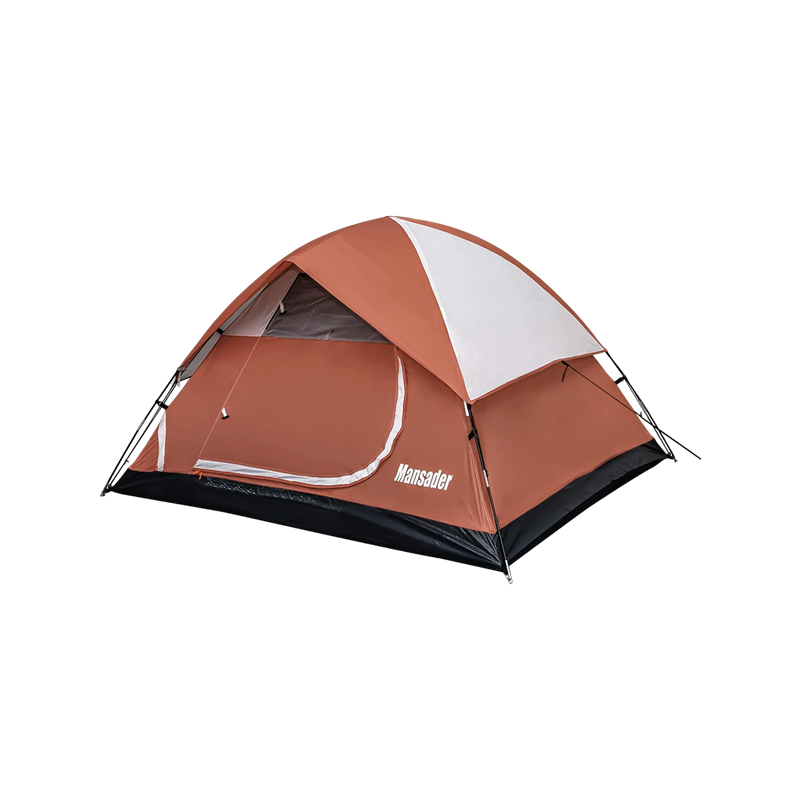
Modern camping users expect shelter that is fast, protective, comfortable, and reliable in changing outdoor conditions. A tent is no longer judged only by its sleeping capacity or folded size. It is judged by how quickly it can be deployed, how calmly it performs in sun and rain, how well it keeps insects out, how easy it is for beginners to handle, and whether it can survive repeated use without frustrating the user. The Outdoor Thickened Tent, Quick-Setup Beach Tent, Camping Sun Protection Tent, product code WFLY261004, is designed around exactly these practical expectations.
This product belongs to the tent category for mountain-climbing, camping, beach leisure, family recreation, hiking rest stops, and general outdoor shelter use. Its core value is simple: it offers a hydraulic spring quick-opening structure that allows the tent to form automatically without complicated assembly. Instead of requiring users to connect multiple poles, read confusing instructions, and spend valuable time struggling with setup, this design makes shelter preparation faster and more intuitive. For novice campers, casual beach users, weekend travelers, and buyers who prioritize convenience, this is a major advantage.
The tent also uses a double-layered structure to help provide sun protection and rain protection. In real outdoor environments, weather can shift quickly. A sunny beach afternoon can become windy or damp, and a camping trip can easily involve both hot daylight and cooler evening moisture. A double-layer design helps create a more versatile shelter compared with single-layer beach shades or basic low-cost tents. Combined with a thickened construction approach, breathable high-density mesh, and a space layout suitable for two people, the product is positioned as a dependable, user-friendly shelter for outdoor comfort.
CragHaven Outdoor, based in Hangzhou, China, develops and manufactures outdoor products with a focus on real-use conditions rather than catalog decoration. The company’s philosophy emphasizes weather, terrain, and time. In other words, features must solve real outdoor problems, materials must support long-term reliability, and manufacturing decisions must produce stable, repeatable quality for global markets. This article examines the product’s design logic, competitive advantages, manufacturing strengths, quality-control approach, and ideal application scenarios.
Outdoor thickened tent, quick-setup beach tent, camping sun protection tent.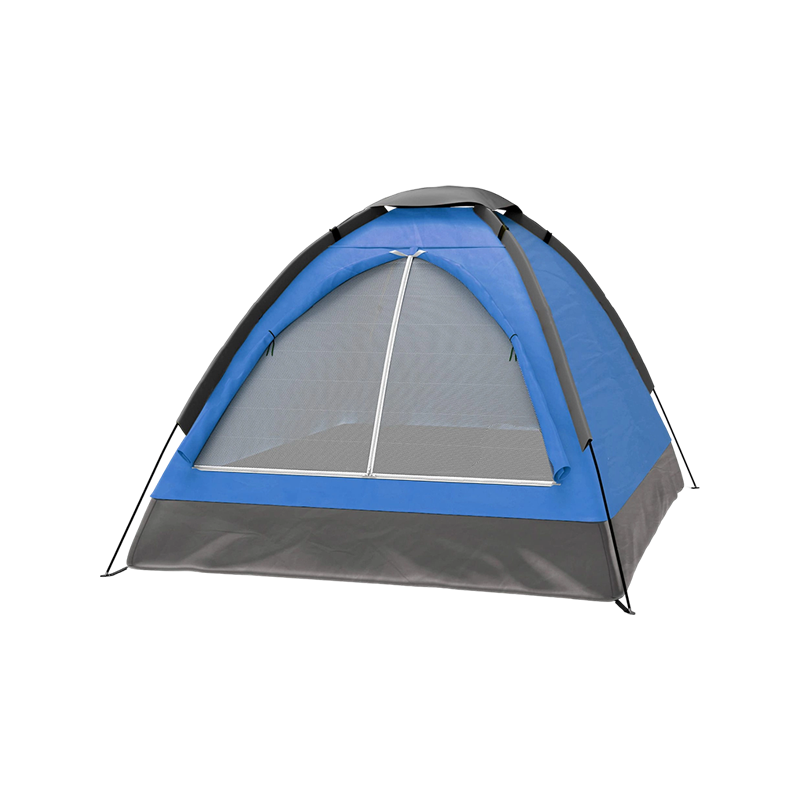
Product Overview and Core Positioning
The Outdoor Thickened Tent is built for users who need a shelter that can be deployed quickly and used with confidence. It is described as a quick-setup beach tent and camping sun protection tent, but its usefulness extends beyond the beach. It can function as a short-stay camping shelter, a resting tent during hiking, a shaded space at outdoor events, a mosquito-resistant sleeping area for two people, or a convenient shelter for beginners who do not want a complicated pole system.
The hydraulic spring quick-opening design is one of its defining features. Traditional tents often require users to thread poles through sleeves, connect joint sections, stake the body, attach a rainfly, adjust tension points, and repeat the process if a pole is inserted incorrectly. For experienced campers, this may be manageable. For beginners, families with children, beach users carrying multiple bags, or travelers arriving at a campsite near sunset, it can be inconvenient. A quick-opening tent removes much of that burden by allowing the frame and tent body to form rapidly through an integrated opening mechanism.
The product is also designed with a double-layered tent structure. This matters because outdoor comfort depends on more than fabric overhead. A single-layer sunshade may block direct sunlight but can become stuffy. A thin single-wall tent may struggle with condensation, rain, and ventilation balance. A double-layer structure supports a more adaptable environment by separating protective coverage from inner comfort. When properly designed, this type of structure can help users manage airflow, shade, and moisture more effectively.
The tent is spacious enough to comfortably sleep two people. Two-person capacity is one of the most popular categories in outdoor leisure because it fits couples, friends, parent-child use, solo campers who want extra space, and beach users who need room for bags and personal items. A shelter of this size is more manageable than large family tents while still offering better comfort than ultracompact emergency shelters.
High-density mesh adds another practical advantage. Outdoor comfort is often disrupted not by major weather but by small annoyances: mosquitoes, flies, insects, heat buildup, and poor airflow. Mesh must be dense enough to reduce insect entry while remaining breathable enough to prevent the interior from feeling sealed and uncomfortable. This product’s mesh design addresses that balance, helping users rest more peacefully in campsites, near water, at beaches, and in warm-weather environments.
Why Quick Setup Matters in Real Outdoor Use
Speed is not merely a convenience feature. In outdoor scenarios, setup time affects safety, comfort, and user confidence. A quick-opening tent can be especially valuable when the weather changes suddenly, when the ground is hot or wet, when insects are active, or when users are tired after travel. The faster a shelter is formed, the faster users can protect themselves and their belongings.
For beach use, rapid setup is particularly important. Sand can make traditional staking and pole assembly more difficult. Wind near shorelines can catch loose fabric before the tent is fully formed. A quick-opening system helps reduce the time during which the tent is vulnerable to flapping fabric and incomplete structure. Users can establish a shaded resting area more quickly and then focus on anchoring, organizing, and relaxing.
For novice campers, quick setup reduces anxiety. Many first-time users hesitate to buy tents because they fear complicated assembly or embarrassment at campsites. A hydraulic spring quick-opening design provides a smoother first experience. When users can deploy a tent without specialized skills, they are more likely to enjoy outdoor activity and more likely to repeat the experience.
For families, setup speed reduces stress. Parents often manage children, food, luggage, and campsite organization at the same time. A shelter that forms quickly allows families to create a base area sooner. Children can rest in shade, belongings can be placed inside, and adults can continue arranging the campsite without struggling through a lengthy tent assembly process.
For cross-border retail and wholesale markets, quick setup also supports product appeal. Online buyers often make decisions based on visible usability. A tent that can be shown opening quickly in product images or videos has strong commercial value. It communicates simplicity and convenience immediately, which can reduce purchase hesitation and increase customer satisfaction after delivery.
Hydraulic Spring Quick-Opening Design
The hydraulic spring quick-opening structure is the technical heart of this tent. While traditional tents depend on separate pole systems, a quick-opening tent integrates the frame and canopy into a more unified mechanism. The user can open the tent with less manual assembly, allowing the shelter to form automatically or near-automatically. This design is especially suitable for users who want a balance between structure and convenience.
Competitor products in the low-cost segment often use basic pop-up wire frames. These can be quick, but they may be difficult to fold, unstable in wind, or less durable over repeated use. Other competitors use traditional pole systems, which may offer rigidity but require longer setup time and more user skill. A hydraulic spring quick-opening design aims to occupy a better middle ground: faster than conventional pole tents and more controlled than simple twist-and-fold pop-up shelters.
The quick-opening frame must be engineered carefully. It needs enough spring force to open smoothly, but not so much that it becomes difficult to control. It must resist deformation from repeated opening and folding cycles. It must align the fabric tension evenly so the tent shape remains stable rather than sagging in key areas. The joints and connection points need consistent manufacturing quality because they carry mechanical stress each time the tent is deployed.
From a manufacturing perspective, the quick-opening system requires coordination between frame engineering, fabric cutting, stitching accuracy, and final assembly. If the fabric panels are not cut correctly, the frame may not open evenly. If seams are misaligned, the tent may pull unevenly. If joints are inconsistent, the opening action may feel stiff or unreliable. CragHaven Outdoor’s strength lies in treating these elements as one integrated product system rather than separate components.
For end users, the result is a tent that feels simple. That simplicity is valuable because it hides a great deal of engineering behind an easy action. Good outdoor design often works this way: the user should not need to think about every technical detail. The product should simply perform when needed.
Double-Layer Structure for Sun and Rain Protection
A double-layered tent structure provides practical advantages over basic single-layer shelters. In outdoor use, a tent must manage multiple environmental pressures at once: sunlight, heat, moisture, wind, insects, and condensation. A single fabric wall can block some direct exposure, but it often creates trade-offs. If the fabric is too sealed, ventilation suffers. If it is too open, rain and insects become problems. A double-layer approach allows the design to distribute these tasks more effectively.
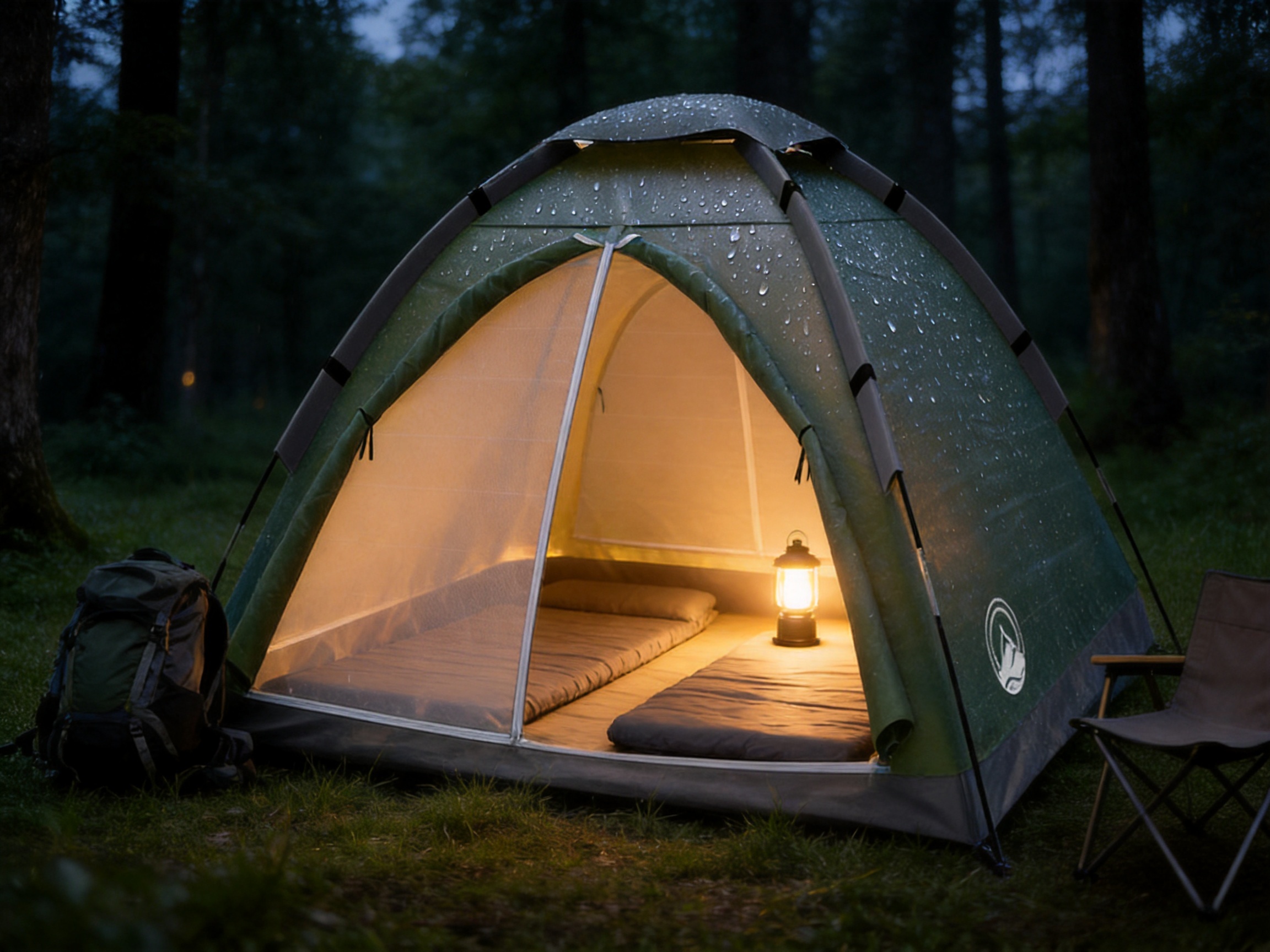
The outer layer can focus on shielding the shelter from sun and light rain. It helps create shade and reduces direct exposure to weather. The inner layer can focus on user comfort, airflow, and insect resistance. This separation supports a more comfortable interior environment, especially during warm-weather camping and beach use.
Sun protection is critical for beach and summer camping scenarios. Users often spend long hours outdoors, and direct sunlight can quickly make an exposed area uncomfortable. A tent that creates dependable shade helps protect users from heat stress, sun fatigue, and excessive exposure. While users should still follow safe sun practices, a well-designed shelter is an important part of outdoor comfort.
Rain protection is equally important, even for a product marketed for beach and leisure use. Many buyers expect a tent to handle unexpected drizzle or damp conditions. A double-layer design gives the product stronger versatility than a simple sunshade. It is not positioned as a high-altitude expedition tent for severe storms, but for normal camping, leisure, beach, and mild-weather shelter use, the double-layer construction increases practicality.
Another advantage of the double-layer structure is improved airflow management. When combined with mesh panels, the tent can allow air movement while maintaining a protective barrier. This is especially useful in humid environments, where trapped heat and moisture can make a shelter unpleasant. A tent that breathes well is more likely to be used repeatedly, because comfort is one of the strongest drivers of customer satisfaction.
Thickened Construction and Durability-Oriented Material Selection
The word “thickened” signals a product direction: the tent is built to feel more substantial than extremely thin disposable-style shelters. In outdoor gear, thickness alone is not the only measure of quality, but material strength, fabric hand feel, stitching integrity, and wear resistance all influence user confidence. A tent used on sand, grass, compacted soil, or campsite surfaces needs to resist routine abrasion and folding stress.
CragHaven Outdoor’s material philosophy focuses on durability, reliability, and long-term use rather than short-term trends. This approach is important because many outdoor products fail not during the first use but after repeated packing, unpacking, tensioning, exposure, and storage. A tent may look attractive when new, but weak fabric, poor stitching, low-quality zippers, or unstable frame joints will reveal themselves over time.
Thickened fabric construction can improve the perceived and functional quality of the tent. Users often notice whether a tent feels flimsy when touched, whether the floor feels vulnerable, and whether the canopy pulls smoothly over the frame. A more robust construction helps the tent maintain shape and provides a more reassuring experience.
Material choice must also consider weight and portability. A tent that is too heavy may be inconvenient for casual use, while one that is too light may lack comfort and durability. The design challenge is to deliver enough strength for real use while preserving easy transport. This is particularly important for beach and camping users who may carry chairs, coolers, backpacks, sleeping equipment, and personal items.
Competitor tents sometimes reduce costs by using minimal fabric weight, simplified stitching, and low-grade accessories. Such products can be appealing at first glance, especially in online marketplaces, but they may result in poor reviews when users encounter tearing, difficult folding, weak mesh, or unstable frames. A durability-oriented tent provides stronger long-term value, especially for distributors and retailers who want fewer complaints and better repeat purchases.
High-Density Mesh for Breathability and Mosquito Protection
Mesh quality is one of the most important comfort factors in a warm-weather tent. Users want air circulation, but they also want protection from mosquitoes and insects. If the mesh openings are too large, insects can enter. If the mesh is too dense or poorly positioned, airflow may be restricted. A high-density mesh system aims to balance these needs.
In beach leisure, lakeside camping, forest edges, and summer fields, insects can turn a pleasant outing into an uncomfortable experience. A tent with effective mesh gives users a place to rest, nap, change clothes, protect children, or store belongings away from insects. For overnight use, mosquito resistance becomes even more important because bites can interrupt sleep and reduce the overall camping experience.
Breathability is equally important. A fully sealed tent in warm weather can become hot and humid quickly. Mesh panels allow airflow while maintaining a protected interior. This supports comfort during daytime shade use and nighttime sleeping. It also helps reduce the feeling of confinement that some users experience in small shelters.
Compared with some entry-level competitors, high-density mesh offers a clear advantage. Low-cost mesh can tear easily, deform after tension, or feel rough and fragile. Poor mesh attachment can create gaps around seams or zippers. A well-manufactured mesh system requires accurate cutting, strong stitching, and careful connection to the tent body. These are manufacturing details that directly affect user satisfaction.
For a two-person quick-setup tent, mesh also supports flexible use. Users may keep the outer layer adjusted for shade and rain while using mesh for ventilation. This adaptability makes the tent useful across different temperatures and environments.
Two-Person Space: Practical Comfort Without Excess Bulk
A two-person tent must be designed carefully because comfort depends on usable space, not just nominal capacity. A tent may technically fit two people but feel cramped if the shape slopes too sharply or if the floor area is poorly organized. The Outdoor Thickened Tent is described as spacious enough to comfortably sleep two people, which positions it as a practical shelter for couples, friends, or solo users who want additional room.
For camping, two-person capacity provides a flexible balance. It is easier to carry and set up than a large family tent, but it offers more comfort than a narrow single-person shelter. For beach use, the space can accommodate users sitting or resting, along with towels, bags, clothing, food containers, or small outdoor accessories. For festival, park, or picnic use, it can serve as a compact private resting area.
Interior comfort also depends on entry access, ventilation layout, and fabric tension. A quick-opening structure helps create the tent shape quickly, but the design must also maintain enough headroom and side space to avoid a collapsed or cramped feeling. This is where pattern engineering and frame geometry are important. A well-designed tent uses its structure efficiently so the interior feels larger than the folded package might suggest.
Compared with low-cost pop-up beach shelters, a two-person thickened double-layer tent can feel more protective and private. Compared with larger traditional camping tents, it is easier to handle and faster to deploy. This balance makes it suitable for a wide range of users, including beginners, casual campers, weekend travelers, and retailers seeking a versatile product category.
Competitive Advantages at a Glance
The tent’s advantages become clearer when compared with common alternatives in the market. Many competitors focus on only one selling point: low price, ultralight weight, quick pop-up action, or visual style. This product is stronger because it combines quick setup, double-layer protection, two-person comfort, breathable insect-resistant mesh, and thickened construction into one practical package.
| Feature | Outdoor Thickened Quick-Setup Tent | Typical Low-Cost Pop-Up Shelter | Traditional Pole Tent |
|---|---|---|---|
| Setup Method | Hydraulic spring quick-opening design for fast automatic forming | Fast opening but often difficult folding and less controlled structure | Manual pole assembly requiring more time and skill |
| Weather Adaptability | Double-layer structure supports sun and light rain protection | Often mainly for shade, with limited rain management | Can be protective, depending on model, but slower to set up |
| User Skill Requirement | Beginner-friendly and suitable for casual outdoor users | Easy to open but sometimes confusing to fold | Moderate to high, especially for first-time campers |
| Comfort | Two-person sleeping space with breathable high-density mesh | May have limited ventilation and privacy | Varies by design; comfort often depends on correct setup |
| Durability Focus | Thickened construction and integrated manufacturing control | Often built for low cost and occasional use | Can be durable but depends heavily on pole and fabric quality |
| Best Use | Camping, beach leisure, novice users, weekend trips, shaded rest | Short beach shade and casual temporary shelter | Longer camping trips where setup time is less important |
This comparison shows that the product does not compete only by being fast. Its real advantage is balanced performance. A quick tent that lacks comfort is not enough. A durable tent that is hard to set up may discourage beginners. A beach shelter that cannot handle insects or light rain has limited use. By combining multiple practical features, the Outdoor Thickened Tent delivers broader value.
Manufacturing Philosophy Behind the Product
CragHaven Outdoor is not positioned merely as a sourcing intermediary. The company participates in design and manufacturing decisions, aiming to reduce uncertainty in the supply chain. This matters because outdoor gear quality depends on process discipline. A product may have a good concept, but without reliable sampling, testing, material control, and assembly standards, the final goods may vary from batch to batch.
The company’s development principles are especially relevant to this tent. First, products are designed for weather, terrain, and time, not only for catalog appearance. For a quick-setup tent, that means evaluating how users open it, how the frame behaves after repeated cycles, how fabric tension changes, and how the shelter handles common outdoor conditions. Second, every feature must solve a real usage problem. The hydraulic opening system solves setup difficulty. The double layer addresses sun and rain. Mesh addresses airflow and insects. Two-person space addresses practical comfort. Third, materials are selected for durability and long-term reliability rather than short-term trends.
Advanced manufacturing for this category includes more than sewing fabric panels. It involves coordinating the mechanical frame, fabric pattern, mesh placement, accessory quality, seam strength, folding logic, packaging, and final inspection. The product must open correctly, fold consistently, pack efficiently, and arrive to customers in good condition. These requirements demand process control from the earliest sample stage.
Sampling and optimization are especially important. A quick-opening tent may require multiple rounds of adjustment before it achieves the right balance of opening force, fabric tension, interior space, folding size, and visual appearance. If one element changes, others may need adjustment. For example, a thicker fabric may improve durability but affect folding behavior. A stronger frame may improve structure but increase weight. A larger mesh panel may improve ventilation but require stronger seam reinforcement. A capable manufacturer must understand these trade-offs and refine the product accordingly.
Material Preparation and Pattern Engineering
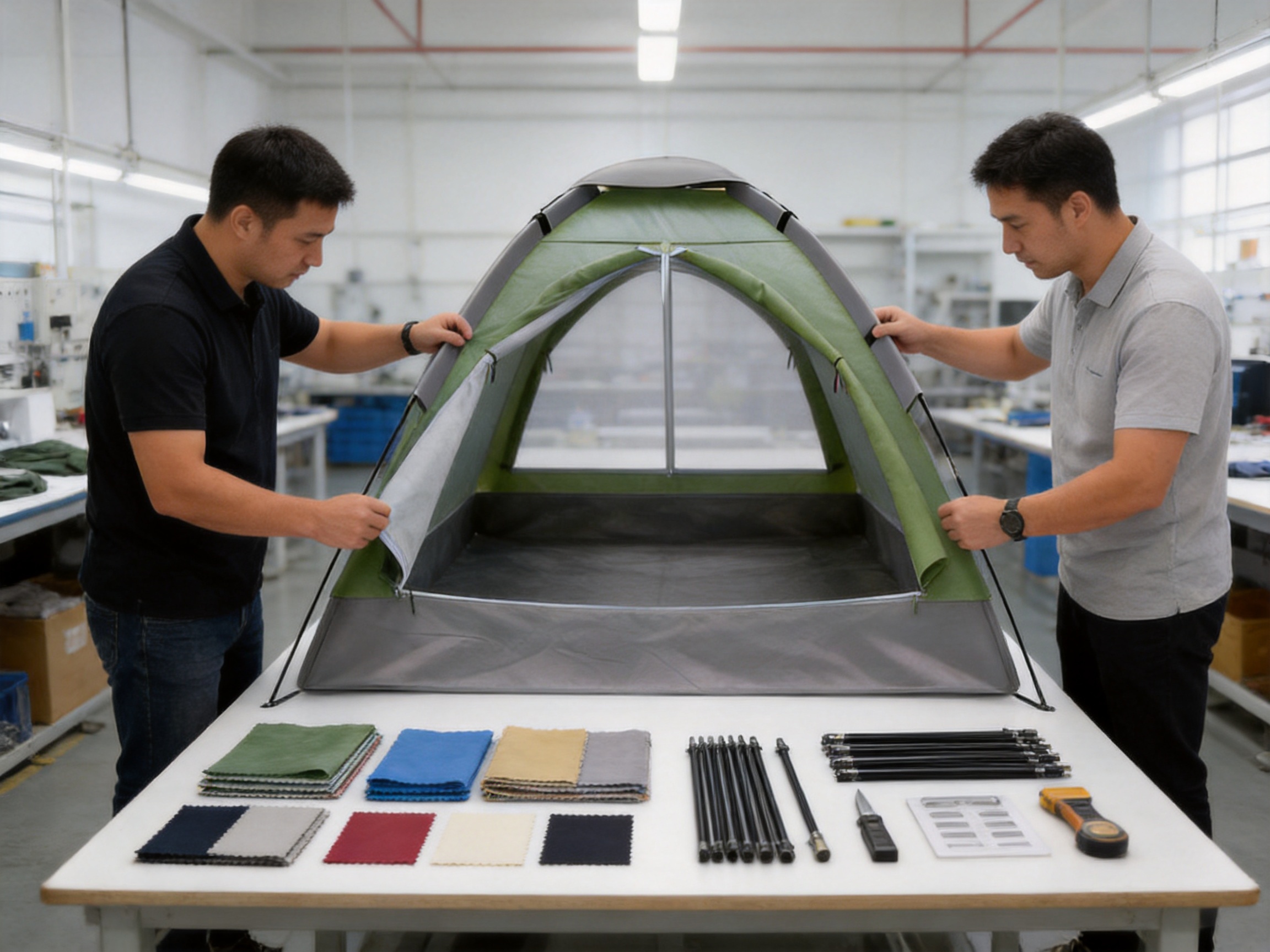
The first stage of reliable tent manufacturing is material preparation and pattern engineering. Fabric, mesh, frame parts, connectors, zippers, stitching thread, ground materials, and packaging components must be selected according to the product’s intended use. For a thickened quick-setup tent, the materials must support repeated folding, tension, and outdoor exposure.
Pattern engineering determines how flat fabric becomes a three-dimensional tent. This process is more complex than it appears. Each panel must match the frame geometry. Seam allowances must be consistent. Mesh panels must align with openings and closure systems. The outer and inner layers must work together without excessive sagging or tension imbalance. Good pattern engineering helps the tent open smoothly and maintain a clean shape.
In lower-quality production, pattern inconsistency can create visible defects such as uneven sides, twisted openings, loose mesh, or difficulty folding. These problems may not always appear in product photos, but users notice them immediately during use. CragHaven Outdoor’s emphasis on sampling, testing, and optimization helps reduce these risks.
Cutting accuracy is also essential. Automated or carefully controlled cutting processes can improve consistency across production batches. When fabric panels are cut precisely, stitching teams can assemble the tent more efficiently, and the final product is more likely to match approved samples. Consistency is particularly important for cross-border buyers, because overseas retailers need stable quality across repeated orders.
Frame Integration and Opening Mechanism Control
The hydraulic spring quick-opening mechanism requires special attention during manufacturing. The frame is not simply an accessory; it is the structural system that defines the user experience. If the frame opens smoothly, the product feels premium and convenient. If it jams, twists, or feels weak, the entire product experience declines.
Frame components must be evaluated for strength, elasticity, connection stability, and repeated-cycle performance. Joints should move predictably. Springs should provide appropriate support. Connection points between frame and fabric must be secure. Stress must be distributed so that repeated opening does not tear fabric or loosen stitching.
During assembly, workers must align the frame with fabric channels or attachment points correctly. Even small misalignment can create tension imbalance. In a quick-opening tent, this can affect both appearance and function. A reliable manufacturing process includes inspection checkpoints during frame installation, not only at final packaging.
Competitors that focus on low-cost production may overlook these details. The tent may open well during the first demonstration but become difficult after several uses. CragHaven Outdoor’s process orientation helps improve long-term performance by treating the opening mechanism as a quality-critical component.
Stitching, Seam Reinforcement, and Structural Reliability
Stitching quality is one of the most visible and important signs of tent durability. A tent is exposed to pulling forces from the frame, wind, user handling, packing, and ground contact. Weak seams can fail even if the fabric itself is acceptable. Therefore, stitch density, thread selection, seam alignment, and reinforcement at stress points are essential.
For a double-layer tent, stitching must also maintain separation and alignment between layers. Poor assembly can cause the inner layer to sag, interfere with ventilation, or reduce usable space. Mesh seams require special care because mesh behaves differently from solid fabric. It can stretch, distort, or tear if handled incorrectly.
Reinforcement is particularly important around corners, door openings, frame connection points, zipper ends, and areas subject to repeated folding. These are the places where outdoor products commonly fail. A durability-oriented production process identifies such points during sample testing and strengthens them before mass production.
Seam neatness also affects brand perception in retail markets. Consumers may not know the technical details of seam construction, but they can recognize uneven stitching, loose threads, and poorly finished edges. Clean workmanship communicates quality and supports premium positioning.
Ventilation, Insect Protection, and User Comfort Testing
A tent can be structurally sound but uncomfortable if ventilation is poor. User comfort testing should evaluate airflow, heat buildup, mesh placement, entry convenience, and interior space. The high-density mesh must be positioned to allow air movement while protecting users from insects. The openings must function smoothly and close securely.
In warm-weather shelters, the relationship between sun protection and ventilation is critical. A tent that blocks sun but traps heat may be unpleasant. A tent that ventilates well but allows too much exposure may not provide enough protection. The double-layer structure and mesh system are designed to balance these needs.
Testing can include repeated opening and closing of doors or mesh panels, checking for snagging, verifying that zippers or closures align properly, and assessing whether the interior remains comfortable for two users. While laboratory tests are useful, real-world scenario evaluation is also important. Beach, campsite, grassland, and park conditions all reveal different product behaviors.
Quality Control for Stable Cross-Border Supply
For global buyers, product quality is only one part of the equation. Consistency is equally important. A supplier must be able to reproduce the approved sample across production batches. CragHaven Outdoor’s advantage lies in its understanding of both real outdoor usage and Western-market expectations. This helps reduce communication gaps and supports stable cooperation with retailers, wholesalers, and brand partners.
Quality control for this tent can include incoming material inspection, frame component checks, fabric cutting verification, sewing-line inspection, opening mechanism testing, visual inspection, packaging inspection, and random final checks. Each checkpoint reduces the chance that defects reach customers.
Final inspection should confirm that the tent opens correctly, folds properly, has no obvious fabric damage, includes required accessories, and is packed according to order requirements. For cross-border shipments, packaging matters because products may experience long transport routes, stacking pressure, humidity changes, and handling impacts. Proper packaging helps protect the quick-opening frame and fabric from deformation or damage.
Stable quality control also reduces after-sales risk. Tents that arrive defective or fail quickly can create returns, negative reviews, and retailer dissatisfaction. A manufacturing partner that focuses on long-term reliability helps customers protect their market reputation.
Advantages for Retailers, Distributors, and Outdoor Brands
This tent is attractive not only for end users but also for business customers. Retailers and distributors need products that are easy to explain, easy to display, and easy to sell. The main selling points of this tent are immediately understandable: quick setup, double-layer protection, two-person comfort, breathable mosquito-proof mesh, and thickened construction. These features can be communicated clearly in online listings, showroom demonstrations, and sales materials.
The product also fits multiple sales channels. It can be positioned for camping, beach leisure, family outdoor recreation, beginner camping kits, summer travel, picnic shelters, festival use, or general outdoor shade. This flexibility helps businesses expand audience reach without needing entirely separate product lines for each scenario.
Another business advantage is reduced customer education. Traditional tents may require detailed setup instructions and create user complaints when buyers fail to assemble them properly. A quick-opening tent simplifies the user journey. When a product is easier to use, customer satisfaction often improves, and support requirements decrease.
For private-label or cross-border manufacturing programs, CragHaven Outdoor’s process knowledge is valuable. The company can communicate in a professional, Western-market-oriented way, which helps international partners clarify specifications, packaging needs, quality standards, and product positioning. Its location in Hangzhou also supports access to China’s mature and efficient manufacturing ecosystem.
Ideal Use Scenarios
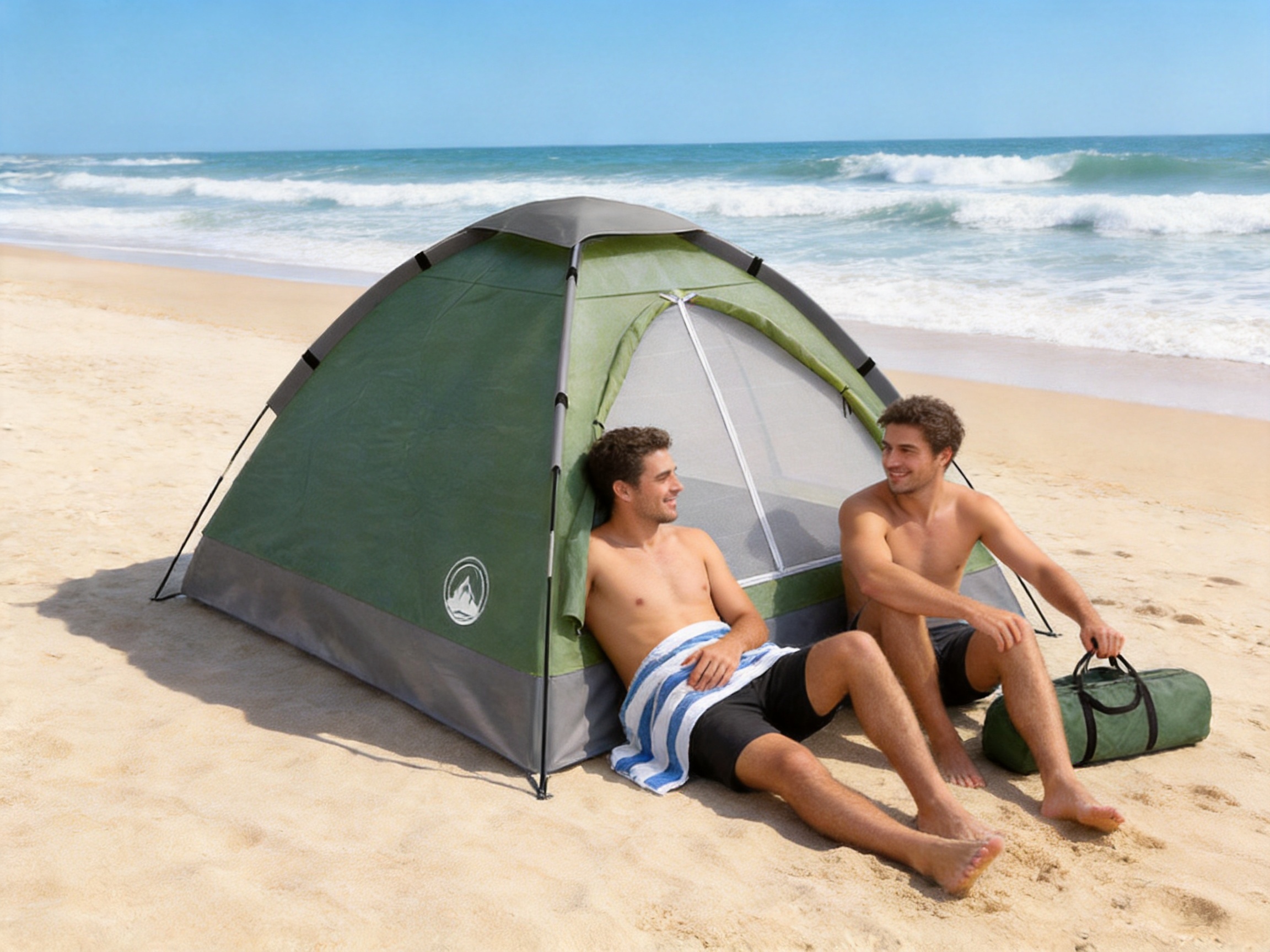
The Outdoor Thickened Tent is suitable for a broad range of outdoor conditions where speed, comfort, and moderate protection are priorities. It is particularly well suited for beach shade because users can create a resting space quickly. The double-layer construction helps reduce direct sun exposure, while breathable mesh improves comfort during warm conditions.
For camping, the tent is a strong choice for beginners or weekend users who value simplicity. It is not necessary to master complicated pole assembly before enjoying the outdoors. The two-person capacity makes it suitable for couples, friends, or solo campers with gear. The mosquito-resistant mesh improves rest quality in warm seasons.
For hiking or mountain recreation, the tent can serve as a temporary rest shelter depending on the travel style and carrying requirements. Users should always match shelter choice to terrain, weather expectations, and trip duration. For casual hiking rest points, base leisure, and short outdoor stays, the quick-opening structure can be highly convenient.
For family outings, the tent can become a shaded rest zone for children, a changing area, a place to store bags, or a nap shelter. Its easy setup reduces the workload for adults and improves the overall outing experience.
For outdoor events, picnics, music festivals, sports days, and park gatherings, the tent offers privacy and shade. Many users in these scenarios are not experienced campers, so the beginner-friendly setup is a major benefit.
How This Tent Stands Above Many Competitors
Many tents in the market are built around a single advantage. Some are inexpensive but fragile. Some are fast to open but troublesome to fold. Some are protective but heavy and complicated. Some are visually attractive but lack ventilation. The Outdoor Thickened Tent stands out because it combines several practical advantages into one coherent design.
First, it reduces setup time without relying on an overly simplistic structure. The hydraulic spring quick-opening design offers convenience while supporting a more organized tent shape. This is an important distinction from basic pop-up shelters that may open quickly but lack structure and long-term durability.
Second, it offers double-layer protection. A tent intended for real use should not be limited to one weather condition. The double-layer structure improves versatility for sun and light rain, making the product more useful across different outdoor scenarios.
Third, it addresses comfort. The two-person capacity and high-density mesh show that the design considers how people actually use tents. Users need space, airflow, and insect protection, not just a fabric cover.
Fourth, it reflects manufacturing discipline. A quick-opening tent can fail if the frame, fabric, and stitching are not integrated properly. CragHaven Outdoor’s emphasis on sampling, testing, optimization, and material reliability supports more stable product performance.
Fifth, it offers business value. For global retailers and outdoor brands, a product that is easy to demonstrate, easy to understand, and suitable for multiple use cases can strengthen sales potential. When quality is consistent, it also supports long-term cooperation and reduces supply-chain uncertainty.
Care, Use, and Practical Recommendations
To maximize service life, users should open the tent on a reasonably clear surface whenever possible. Sharp stones, broken shells, branches, and rough ground can damage any tent fabric over time. A groundsheet or mat can provide additional protection in abrasive environments.
After use in damp conditions, the tent should be dried before long-term storage. Moisture trapped inside folded fabric can cause odor, mildew, or material degradation. Even tents designed for outdoor use benefit from proper care.
Users should avoid forcing the frame during folding. Quick-opening mechanisms are designed to follow a specific motion. If resistance is felt, it is better to check alignment than to apply excessive force. Proper folding preserves frame performance and fabric shape.
At the beach, users should secure the tent appropriately according to local wind conditions. Any tent or shelter can be affected by wind if not anchored. Sand pockets, stakes suitable for sand, or weighted items may help depending on the final accessory configuration and local conditions.
For rain, users should remember that product performance depends on intensity, duration, setup, and site selection. A double-layer structure improves protection for common outdoor use, but users should avoid low ground where water pools and should not treat leisure tents as substitutes for specialized expedition shelters.
Q&A Section
What makes this tent different from an ordinary pop-up beach tent?
The key difference is its balanced design. Many ordinary pop-up beach tents focus only on fast opening and shade. This product combines a hydraulic spring quick-opening structure, double-layer sun and rain protection, thickened construction, two-person space, and high-density mosquito-resistant mesh. It is designed to be more versatile for both beach leisure and camping use.
Is this tent suitable for beginners?
Yes. The quick-opening design is especially friendly for novice campers and casual outdoor users. It reduces the need for complicated pole assembly and allows users to create shelter quickly. This makes it suitable for first-time campers, families, beach users, and weekend travelers.
Can two people sleep inside comfortably?
The tent is designed to be spacious enough for two people to sleep. It is suitable for couples, friends, parent-child use, or solo users who prefer extra space for gear. As with all tents, comfort also depends on user height, sleeping equipment, and the amount of gear stored inside.
Does the tent protect against mosquitoes?
Yes. The product uses high-density mesh designed to support breathability while helping block mosquitoes and insects. This is valuable for warm-weather camping, lakeside use, beach evenings, forest edges, and other outdoor environments where insects are common.
Is the tent only for beach use?
No. Although it is suitable as a quick-setup beach tent and sun protection shelter, it can also be used for camping, picnics, park outings, outdoor events, family recreation, and short rest stops during outdoor activity. Its double-layer design and two-person interior make it more versatile than a simple sunshade.
How does the double-layer structure improve performance?
The double-layer structure helps separate weather protection from interior comfort. The outer layer contributes to sun and rain shielding, while the inner area can support ventilation and insect protection through mesh. This makes the tent more adaptable than many single-layer shelters.
Why is manufacturing quality important for a quick-opening tent?
A quick-opening tent depends on accurate integration of frame, fabric, seams, and folding geometry. If these elements are not manufactured consistently, the tent may open unevenly, fold poorly, or experience stress at weak points. Good manufacturing control helps ensure smoother operation and longer-lasting performance.
What type of buyers can benefit from this product?
End users benefit from convenience, comfort, and protection. Retailers, distributors, and outdoor brands benefit from a product that is easy to explain, suitable for multiple scenarios, and aligned with popular outdoor leisure demand. It is especially attractive for markets where beginner-friendly camping gear is growing.
Company Strengths Supporting the Product
CragHaven Outdoor is based in Hangzhou, Zhejiang Province, one of China’s important commercial and manufacturing regions. The company focuses on mountaineering, hiking, and camping scenarios, delivering functional and reliable outdoor gear for global markets. Its work is guided by the idea that outdoor products should be built for real environments rather than designed only for catalog appeal.
The company’s strength comes from connecting product understanding with manufacturing execution. Many suppliers can provide products that look similar in photos, but fewer can explain how the product will be used, where it may fail, and how to improve it before mass production. CragHaven Outdoor emphasizes real outdoor usage experience, sampling, testing, and optimization.
This approach is valuable for international buyers. Cross-border outdoor products must satisfy customer expectations in different markets. Buyers often need clear communication, stable quality, professional documentation, packaging coordination, and responsive problem solving. CragHaven Outdoor aims to reduce uncertainty by participating in both design and manufacturing rather than acting only as a factory source.
The company also values long-term partnerships. In outdoor manufacturing, long-term cooperation allows suppliers and buyers to improve products over time. Feedback from customers can be translated into updated materials, adjusted patterns, stronger accessories, improved packaging, or expanded color and style options. A stable manufacturing partner helps brands build a more reliable product line.
Why This Product Fits Today’s Outdoor Market
Outdoor participation has become more diverse. Not every user is an expert mountaineer or long-distance backpacker. Many customers are families, casual campers, beach travelers, weekend hikers, festival visitors, or people seeking simple contact with nature. These users want gear that lowers the barrier to outdoor enjoyment. A quick-setup, comfortable, protective tent fits this trend well.
At the same time, customers are becoming more critical of quality. Low-cost outdoor products may sell quickly, but negative experiences can damage trust. Buyers increasingly look for products that combine convenience with durability. A thickened, double-layer quick-opening tent answers this demand by providing a stronger sense of reliability than basic temporary shelters.
The product also fits the growth of visual online selling. Quick setup can be demonstrated clearly in short videos and product photos. Mesh ventilation, two-person space, and double-layer coverage are easy to communicate. For e-commerce platforms, products with obvious functional benefits often perform better because shoppers can understand the value quickly.
For wholesale and private-label programs, the tent offers a flexible foundation. It can be positioned as a beach tent, camping tent, beginner shelter, sun protection tent, family leisure tent, or outdoor rest tent. This adaptability allows businesses to tailor marketing to different seasons and customer groups.
Conclusion
The Outdoor Thickened Tent, Quick-Setup Beach Tent, Camping Sun Protection Tent, product code WFLY261004, offers a strong combination of convenience, protection, comfort, and manufacturing reliability. Its hydraulic spring quick-opening design reduces setup difficulty and makes outdoor shelter accessible to beginners and casual users. Its double-layered structure supports sun and rain protection, while high-density mesh improves breathability and mosquito resistance. Its two-person space provides practical comfort without unnecessary bulk.
Compared with many competitor products, it stands out through balance. It is more protective than a simple beach shade, easier to use than many traditional pole tents, more comfortable than minimal pop-up shelters, and more commercially versatile than single-scenario products. The thickened construction and durability-oriented design further strengthen its long-term value.
Behind the product is CragHaven Outdoor’s manufacturing philosophy: design for weather, terrain, and time; ensure every feature solves a real problem; and use sampling, testing, and optimization to support stable quality. For end users, this means a tent that is easier to trust. For retailers, distributors, and brand partners, it means a product with clear selling points and a supplier focused on reliable execution.
In a market crowded with tents that look similar at first glance, genuine value comes from practical design and disciplined manufacturing. This quick-setup thickened tent delivers that value by making shelter simpler, more comfortable, and more dependable for real outdoor life.
References
1. Ryan, K. Outdoor Shelter Design Principles: Weather Protection, Ventilation, and User Comfort. Outdoor Equipment Technical Review.
2. Miller, J. Camping Gear Manufacturing and Quality Control: Fabric, Frame, and Seam Performance. Textile Product Engineering Journal.
3. Anderson, P. Recreational Tent Usage Patterns in Beach and Family Camping Markets. Leisure Outdoor Industry Report.
4. Chen, L. Functional Textile Selection for Lightweight Outdoor Shelters. Applied Materials and Outdoor Products Review.
5. Thompson, E. Consumer Expectations in Beginner Camping Equipment: Convenience, Safety, and Durability. Global Outdoor Retail Studies.
Product: Outdoor thickened tent, quick-setup beach tent, camping sun protection tent.


- Phone: +86-15968800379
- E-mail: [email protected]
- Address: Room 1002, Huishang Building, Gongshu District, Hangzhou City, Zhejiang Province.
Copyright © CragHaven Outdoor All Rights Reserved. Outdoor Gear Manufacturers Wholesale Mountaineering Camping Gear Suppliers
