CragHaven Outdoor
Deng Yuli — International Sales Manager
  • Envelope-Style Sleeping Bag for Cold-Season Camping, Travel, and Outdoor Rest

    Envelope-Style Sleeping Bag for Cold-Season Camping, Travel, and Outdoor Rest

    2026-07-06
    For campers, hikers, festival travelers, road-trippers, and outdoor families, a sleeping bag is not simply a soft item packed at the bottom of a backpack. It is the piece of gear that determines whether the night becomes restorative or uncomfortable. The autumn and winter outdoor envelope-style sleeping bag introduced here is designed around that exact reality: reliable warmth, simple use, easy care, and flexible comfort in changing outdoor conditions. Built with waterproof polyester fabric, warm hollow cotton filling, smooth anti-snag zippers, and a space-efficient storage format, it answers the most common needs of practical outdoor users who want dependable performance without unnecessary complexity. This sleeping bag belongs to the camping and mountain-climbing gear category, yet its value is not limited to technical expeditions. Its envelope design makes it suitable for campgrounds, cabin stays, vehicle camping, tent camping, short-distance hiking, emergency rest, school trips, and even indoor naps during colder seasons. It is especially useful in temperatures from 5 to 15℃, making it a practical choice for autumn, early winter, spring nights, and cool mountain environments where daytime comfort can quickly shift into nighttime chill. Many sleeping bags on the market attempt to compete by emphasizing extreme temperature ratings, decorative styling, or low price. This product takes a more balanced route. It focuses on the core qualities that most users actually experience: fabric feel, moisture resistance, insulation loft, zipper reliability, cleaning convenience, packing size, and multi-purpose usability. By combining these factors into one approachable envelope-style design, it offers a strong advantage for users and retailers seeking a dependable product that can serve a wide customer base. CragHaven Outdoor, based in Hangzhou, China, develops and manufactures outdoor gear with a focus on real-world use rather than catalog-only specifications. The company’s philosophy emphasizes weather, terrain, and time. In practice, this means that the sleeping bag is not treated as a simple textile item, but as a comfort system that must perform repeatedly under variable outdoor conditions. Material selection, sampling, testing, stitching, zipper installation, packing, and quality control are all part of the manufacturing approach that supports the product’s reliability. Autumn and winter outdoor envelope-style sleeping bag, camping sleeping bag, hollow cotton sleeping bag, nap sleeping bag Product Overview: A Practical Sleeping Bag for Cool-Weather Outdoor Use The autumn and winter outdoor envelope-style sleeping bag is built for users who want an easy-to-use sleeping solution with enough warmth for cool nights and enough flexibility for different travel situations. The outer fabric uses high-quality waterproof polyester, helping resist light moisture, tent condensation, and damp ground exposure when used with appropriate sleeping pads or mats. The filling is warm and fluffy hollow cotton, selected for its ability to trap air and provide insulation while maintaining a soft hand feel. The recommended temperature range of 5 to 15℃ places this sleeping bag in a highly useful category. It is not a heavy expedition bag for extreme alpine winter conditions, nor is it a thin summer liner. Instead, it occupies the practical middle zone that many outdoor users need most often. In many regions, camping nights in spring, autumn, mountain areas, lakeside sites, and forest environments fall within this range. For families, youth groups, beginner campers, and recreational hikers, this is often the temperature band where comfort matters most. The envelope-style structure is one of the product’s defining features. Unlike mummy sleeping bags, which prioritize close body fit and maximum thermal efficiency, envelope sleeping bags provide more internal movement space. Users can turn more naturally, stretch their legs, and sleep in positions closer to home bedding. This can be a major advantage for casual campers and users who dislike the restrictive feel of narrow sleeping bags. The same structure also allows the bag to be opened fully and used as a blanket, increasing its usefulness in cabins, cars, tents, offices, dormitories, and travel accommodation. Another major advantage is the smooth anti-snag zipper system. Zipper failure is one of the most frustrating issues in sleeping bags, particularly in the dark, in cold weather, or when users need to enter and exit quickly. A durable zipper that moves smoothly reduces fabric catching, improves user experience, and extends product life. This feature may seem small on a product listing, but in actual camping use it often becomes one of the most noticeable indicators of quality. Machine washability adds another practical benefit. Outdoor gear is exposed to sweat, dust, campfire odors, food crumbs, ground dirt, pet hair, and storage humidity. A sleeping bag that can be cleaned easily is more likely to be used often and maintained properly. For group buyers, rental programs, schools, camps, and retailers, easy care can significantly reduce post-use maintenance challenges. Key Materials and Their Functional Advantages The performance of a sleeping bag depends heavily on the relationship between shell fabric, insulation, lining comfort, zipper quality, and construction methods. A low-quality sleeping bag may look similar from a distance, but differences quickly appear during repeated use. Fabric may tear, filling may shift, zippers may jam, and insulation may compress unevenly. This product addresses these concerns with a material structure designed for practical durability and comfort. The waterproof polyester fabric offers a strong balance between weight, durability, and moisture resistance. Polyester is widely used in outdoor gear because it has good abrasion resistance, dries relatively quickly, and maintains structural stability better than many natural fibers in damp conditions. For a sleeping bag intended for camping and travel, this is important. Users may pack the bag into a vehicle trunk, place it inside a tent, lay it on cabin floors, or handle it with gloves. The fabric must tolerate repeated folding, rolling, compression, and contact with other equipment. Waterproof or water-resistant treatment on the polyester shell helps protect the insulation from incidental moisture. While no sleeping bag should be treated as a substitute for a waterproof shelter, the outer fabric provides an important first layer of defense. Tent condensation, mist, accidental splashes, and slightly damp environments are common in real camping. By slowing moisture penetration, the fabric helps the hollow cotton filling maintain loft and warmth more effectively. Hollow cotton filling is selected for its warm, fluffy structure. The hollow fiber concept relies on air retention. Air is a poor conductor of heat, so insulation works by trapping stable pockets of air around the body. Hollow cotton creates loft that helps form this warm zone. Compared with ordinary flat or low-grade synthetic fill, quality hollow cotton provides better resilience, softer comfort, and more consistent thermal performance after compression and storage. Synthetic hollow cotton also has advantages over down in many practical consumer contexts. Down is valued for premium warmth-to-weight performance, but it can be costly, requires careful cleaning, and loses loft when wet unless specially treated. Hollow cotton is more forgiving for everyday users. It can tolerate easier cleaning, performs more predictably in humid conditions, and is cost-effective for broad-market outdoor products. This makes the sleeping bag suitable for buyers who want a dependable balance of comfort, price, and care convenience. The anti-snag zipper is another essential component. In outdoor equipment, zippers are stress points. They are pulled repeatedly, exposed to dirt, and often operated in low light. A smooth zipper reduces friction and helps prevent the shell or lining fabric from being caught in the teeth. This improves comfort and reduces the risk of sudden damage. Compared with low-end sleeping bags where zippers often snag, split, or jam after limited use, this construction offers a more durable experience. Feature Material or Design Choice User Benefit Competitive Advantage Outer Shell High-quality waterproof polyester fabric Resists light moisture, improves durability, and dries efficiently Better protection than untreated low-cost fabrics Insulation Warm and fluffy hollow cotton filling Traps heat, provides softness, and remains practical for cool nights More user-friendly and easier to maintain than many delicate fillings Shape Envelope-style construction Allows more sleeping space and can unfold into a blanket More versatile than restrictive mummy-only designs Zipper Smooth durable anti-snag zipper Easy entry and exit, fewer jams, longer service life Improved reliability over basic zipper systems Care Machine washable design Easy cleaning after camping, travel, or group use Lower maintenance burden than hand-wash-only products Storage Compact packed volume Convenient transport and storage at home or in vehicles More practical for frequent use and retail shipping Why the Envelope Design Matters The shape of a sleeping bag affects far more than appearance. A mummy bag narrows around the legs and often includes a hood, minimizing empty space to improve thermal efficiency. That design is excellent for mountaineering and cold expeditions, but many recreational users find it restrictive. The envelope-style sleeping bag uses a rectangular format that gives the sleeper more room to move. This matters for side sleepers, larger users, children who move frequently, and anyone who prefers a less confined sleeping experience. Comfort is a form of performance. If a user cannot sleep well because the bag feels too tight, the theoretical insulation rating becomes less meaningful. The envelope shape supports a more natural rest posture, helping users relax during outdoor nights. For casual camping, road trips, and family use, this can be more important than shaving a small amount of weight or creating a highly tapered shape. The ability to unfold fully into a blanket is a significant advantage. A sleeping bag that only works as a sleeping bag has a narrower usage value. This product can be spread over a cot, used as a quilt in a cabin, shared as a camp blanket, placed over a mattress, used during an outdoor picnic, or kept in a vehicle for emergency warmth. In mild weather, users may prefer it as a top blanket rather than a fully zipped bag. In colder conditions within the recommended range, they can zip it closed for better heat retention. For retailers, this multi-function format broadens the customer base. The same product can be marketed to campers, students, travel groups, outdoor event participants, vehicle owners, and household users needing an extra blanket for guests. This versatility supports stronger inventory efficiency because one product can satisfy multiple demand scenarios. Compared with some competitor products that prioritize either low price or specialized technical design, this sleeping bag occupies a flexible middle ground. It is comfortable enough for entry-level users, practical enough for frequent campers, and easy enough to maintain for institutional buyers. The envelope design is not simply a traditional shape; it is a strategic choice for broad usability. Temperature Range and Real-World Comfort The stated suitable temperature range of 5 to 15℃ should be understood as a practical guidance range for cool-weather camping. Actual warmth always depends on many factors, including the user’s metabolism, clothing, sleeping pad insulation, tent ventilation, humidity, wind exposure, fatigue level, and meal intake before sleep. A sleeping bag works best as part of a full sleep system. When paired with an insulating sleeping pad and appropriate base layers, this bag is well suited to autumn and mild winter environments. In outdoor retail, temperature ratings can be confusing. Some products promote extreme survival numbers that do not represent comfortable sleep. Users may then purchase a bag expecting warmth, only to discover that the rating indicates survival rather than comfort. This product takes a more realistic approach by positioning itself for the 5 to 15℃ range, where its materials and construction are aligned with practical comfort needs. At around 15℃, the sleeping bag can be used loosely, partially unzipped, or opened as a blanket. This is useful in early autumn, late spring, or indoor travel situations. At around 10℃, most users will benefit from zipping the bag and wearing light thermal or comfortable sleep clothing. At around 5℃, proper use becomes more important: a sleeping pad should be used, the bag should be zipped fully, and users should avoid going to sleep in damp clothing. The hollow cotton insulation supports steady warmth by maintaining loft around the body. Because the envelope shape has more internal space than a mummy bag, it gives better movement comfort but may contain slightly more air volume to warm. This is why the product is especially well suited to cool-weather camping rather than severe winter expedition use. Its design intentionally favors balanced comfort, versatility, and ease of use. For buyers comparing this sleeping bag with very thin summer models, the advantage is clear. Summer bags may be compact and inexpensive, but they often fail when temperatures drop after midnight. This product provides more insulation and better shoulder-season usefulness. Compared with heavy winter mummy bags, it is less restrictive, easier to use in varied environments, and more suitable for customers who do not need extreme cold protection. Advantages Over Competing Sleeping Bags In a crowded market, sleeping bags often appear similar in online photographs. The differences emerge through use, care, storage, and repeated handling. This envelope-style hollow cotton sleeping bag offers several advantages over common competitors in the same practical outdoor category. Balanced Warmth Without Excess Bulk Some low-cost sleeping bags reduce material weight to lower price, but the result is poor loft and weak warmth. Others add heavy filling without attention to packability, making the bag inconvenient to carry or store. This product offers a balanced insulation level for 5 to 15℃ conditions while maintaining compact storage volume. That balance is important for users who need warmth but do not want a bulky product that fills an entire trunk or closet. More Versatility Than Narrow Technical Bags Highly technical mummy sleeping bags are useful in demanding environments, but they are not always comfortable for general use. This envelope-style bag can function as a sleeping bag, blanket, travel quilt, nap cover, or emergency bedding. Competitors with fixed narrow designs cannot offer the same level of daily versatility. Better Maintenance Than Delicate Premium Fill Options Down sleeping bags can be excellent, but they require careful washing, drying, and storage. Many casual users do not want that maintenance responsibility. The machine-washable hollow cotton construction makes this product easier to care for after real outdoor use. For families, youth camps, rental programs, and group buyers, this is a major practical advantage. Improved User Experience Through Anti-Snag Zippers Low-quality zippers are a frequent failure point in budget sleeping bags. A zipper that catches fabric repeatedly can damage the lining, frustrate the user, and shorten product life. This sleeping bag’s smooth anti-snag zipper design improves daily usability and helps maintain product integrity over time. Moisture-Resistant Shell for Practical Outdoor Conditions Untreated fabric can absorb moisture quickly, causing discomfort and reducing insulation performance. The waterproof polyester shell provides a protective advantage in damp tents, dewy mornings, and variable camp environments. While users should still protect any sleeping bag from heavy rain, this fabric choice improves resilience in normal outdoor conditions. Comfort-Oriented Shape for Broader Users Not every user wants a tight, technical sleeping system. Many people simply want to sleep well outdoors. The envelope shape offers more interior space, making the product more welcoming for beginners and recreational users. This comfort advantage can reduce returns and increase customer satisfaction in retail channels. Manufacturing Philosophy: Designed for Weather, Terrain, and Time CragHaven Outdoor approaches product development from a usage-first perspective. The company does not treat outdoor gear as a collection of decorative specifications. Instead, it studies how products behave in weather, terrain, and over time. This philosophy is particularly important for sleeping bags because comfort and reliability depend on details that may not be immediately visible: fabric coating consistency, filling distribution, stitching accuracy, zipper alignment, compression recovery, and long-term durability. Located in Hangzhou, Zhejiang Province, CragHaven Outdoor benefits from access to China’s mature textile and outdoor manufacturing supply chain. This regional strength supports efficient material sourcing, sampling, production coordination, and export-oriented quality control. For global buyers, the company functions not only as a supplier but as a cross-border manufacturing partner capable of understanding both production realities and Western-market expectations. The company emphasizes long-term value rather than short-term trends. In sleeping bag manufacturing, this matters because many visual features can be added cheaply, but true product quality depends on repeatable processes. A good sleeping bag must remain consistent from sample to bulk production. It must pack properly, loft correctly, zip smoothly, and withstand cleaning. These outcomes require manufacturing discipline. CragHaven Outdoor’s approach includes material selection, sampling, testing, and optimization before scaling production. This helps reduce uncertainty for buyers. When a product is developed from actual usage scenarios, fewer problems appear after launch. The goal is not to create a sleeping bag that looks impressive only in product photos, but one that performs reliably across many nights of use. Advanced Manufacturing Processes Behind the Sleeping Bag A sleeping bag may appear simple, but producing it consistently at scale requires coordinated processes. Each stage affects the final user experience. From fabric inspection to final packing, quality must be built into the product rather than checked only at the end. Material Evaluation and Incoming Inspection The process begins with material evaluation. Polyester shell fabric must be checked for weight, texture, coating quality, color consistency, and surface defects. Waterproof performance depends on both the base fabric and finishing treatment, so inspection helps ensure that the fabric can provide the intended moisture resistance. Hollow cotton filling must be evaluated for loft, distribution consistency, cleanliness, resilience, and hand feel. If insulation quality varies, the finished sleeping bags may feel uneven or perform inconsistently. Incoming inspection is especially important for bulk orders. A sample may perform well, but production consistency depends on controlling the quality of every material batch. CragHaven Outdoor’s manufacturing mindset places importance on reducing variation before cutting and sewing begin. Precision Cutting and Pattern Control The envelope shape may look straightforward, but accurate cutting is necessary for proper alignment. If fabric panels are cut unevenly, the sleeping bag may twist, zipper tracks may misalign, or edges may become difficult to sew cleanly. Pattern control ensures that the product maintains its intended size, shape, and folding behavior. Consistent cutting also helps achieve better packing volume because the finished bag folds and rolls predictably. Insulation Placement and Loft Management Hollow cotton must be placed evenly to avoid cold spots. Uneven filling can cause certain areas to feel thin while others become bulky. Proper insulation distribution helps the sleeping bag maintain balanced warmth across the body. Loft management is also important during sewing and packing. Excessive compression during production can reduce the fluffy structure of insulation, so handling procedures should preserve resilience. Stitching and Seam Construction Stitching quality determines durability. Outdoor products are repeatedly folded, pulled, compressed, washed, and used on uneven surfaces. Seams must withstand this stress. Clean stitch lines also improve appearance, which matters for retail presentation. More importantly, consistent stitching helps secure insulation and maintain the structure of the sleeping bag over time. Seam quality is one area where manufacturing experience becomes visible. Low-end products may use loose threads, uneven spacing, weak seam allowances, or insufficient reinforcement near stress points. A better manufacturing process addresses these risks through controlled sewing standards and in-line inspection. Zipper Installation and Anti-Snag Performance The zipper must be aligned accurately with the shell and lining fabric. Anti-snag performance depends not only on the zipper itself but also on how fabric is positioned around the zipper path. If the lining is too loose or poorly controlled, it can still catch. Proper zipper installation reduces this issue and creates smoother operation. For users, this means easier nighttime use and reduced risk of damage. Cleaning and Care Considerations Because the sleeping bag is machine washable, construction must account for washing stress. Fabric, insulation, seams, and zippers all experience movement during laundering. A product intended for easy care must be made with materials and stitching that can tolerate cleaning without immediate deformation. This feature is especially useful for high-frequency users and organizations managing multiple sleeping bags. Compression, Packing, and Final Quality Control Compact storage is achieved not only by design but also by final packing methods. The sleeping bag must compress efficiently while preserving insulation recovery. Final inspection should check appearance, zipper function, seam integrity, fabric cleanliness, labeling, folding, and packing. For export buyers, packing consistency affects logistics efficiency, warehouse handling, and customer unboxing experience. Use Scenarios: From Campsites to Daily Travel The broad usefulness of this sleeping bag is one of its strongest commercial and practical advantages. It is not limited to a single outdoor niche. Instead, it performs well across many situations where warmth, portability, and comfort are needed. Autumn Camping Autumn is one of the best seasons for camping, but nighttime temperatures can drop quickly. This sleeping bag provides suitable warmth for cool evenings while remaining less bulky than heavy winter expedition bags. The waterproof polyester shell also helps in dewy conditions common during autumn mornings. Mild Winter Travel In regions where winter temperatures remain moderate, this bag can support comfortable rest in cabins, tents with proper insulation, hostels, or vehicles. Users should match it with suitable sleeping pads and clothing when temperatures approach the lower end of the range. Hiking and Short Outdoor Trips For short-distance hiking or vehicle-supported hiking trips, the compact storage volume is practical. While ultralight backpackers may prefer specialized minimalist systems, many recreational hikers benefit more from durability, comfort, and easy care. This sleeping bag offers those qualities. Family Camping Families often prioritize comfort, cleaning convenience, and versatility. Children may use the sleeping bag as a blanket, adults may appreciate the roomier envelope shape, and parents may value machine washability after the trip. The product’s simple format reduces the learning curve for new campers. Camping Events and Group Programs Schools, outdoor education programs, youth camps, and event organizers need sleeping bags that are easy to issue, use, clean, and store. The product’s practical materials and maintenance-friendly construction make it a strong candidate for group-use environments. Vehicle Emergency Kit Keeping a sleeping bag in a vehicle can be useful during road trips, unexpected delays, cold-weather breakdowns, or emergency waiting situations. Because this bag packs compactly and can unfold as a blanket, it is suitable for vehicle storage. Indoor Naps and Extra Bedding The product is also useful indoors. It can serve as a nap sleeping bag in offices, dormitories, shared housing, or guest rooms. Its blanket function increases daily value beyond occasional camping. Care, Storage, and Long-Term Use Proper care extends the life of any sleeping bag. Although this product is machine washable, users should still follow sensible cleaning habits. Washing too frequently is unnecessary unless the bag is dirty, sweaty, or odor-affected. When washing is needed, gentle cycles and mild detergent are typically preferable for preserving fabric and insulation quality. Users should avoid harsh chemicals that may damage coatings or fibers. Drying should be thorough before storage. Moisture trapped inside insulation can create odor or reduce loft over time. After drying, the bag should be aired completely. For long-term storage, it is generally better not to keep any insulated sleeping bag tightly compressed for months. While compact packing is excellent for travel, looser storage helps insulation recover and maintain loft. Users can store it in a larger breathable bag, on a shelf, or loosely folded when space allows. During camping, the sleeping bag should be used inside a tent, shelter, cabin, or vehicle rather than directly exposed to rain. Waterproof polyester helps resist light moisture, but a sleeping bag is not a rainproof bivy shelter. Pairing the bag with a sleeping pad improves warmth dramatically because ground contact can drain heat from the body. This is especially important near the lower end of the recommended temperature range. Users should also avoid entering the sleeping bag with wet clothing. Even synthetic insulation performs better when kept dry. If clothing becomes damp from hiking or rain, changing into dry sleep layers improves warmth and comfort. Small habits like airing the bag in the morning, shaking it to restore loft, and keeping sharp objects away from the fabric can significantly extend product life. Commercial Value for Global Buyers and Outdoor Retailers For distributors, retailers, and cross-border buyers, this envelope-style sleeping bag offers several business advantages. First, it targets a broad and stable demand category. Cool-weather camping, travel bedding, family outdoor activities, and emergency preparedness are not short-lived trends. Consumers continue to need affordable, reliable sleeping solutions that are comfortable and easy to maintain. Second, the product’s feature set is easy to communicate. Waterproof polyester fabric, hollow cotton filling, 5 to 15℃ suitability, anti-snag zipper, machine washability, blanket conversion, and compact storage are benefits that customers can quickly understand. Products that require excessive explanation often face sales friction. This sleeping bag’s advantages are direct and practical. Third, the envelope design reduces customer hesitation. Some consumers avoid mummy bags because they appear technical or restrictive. A rectangular sleeping bag feels familiar, like bedding, making it approachable for first-time campers. This can support conversion in both online and offline retail environments. Fourth, the product is suitable for multiple sales channels. It can be sold through outdoor stores, camping equipment platforms, travel gear shops, general e-commerce, seasonal promotions, school supply programs, and emergency preparedness categories. This channel flexibility improves inventory potential. CragHaven Outdoor’s role as a manufacturing partner adds further value. The company understands outdoor use scenarios and participates in both design and production. This helps buyers avoid the common problem of working with suppliers who only match surface-level specifications without understanding product performance. Professional communication, sampling, testing, and optimization support smoother development cycles and more reliable bulk delivery. How This Sleeping Bag Reflects a Better Product Development Approach The best outdoor products are not always the most extreme. They are the ones that solve real problems repeatedly. This sleeping bag reflects that principle through its emphasis on balanced warmth, comfort, durability, care convenience, and versatility. Each major feature corresponds to a real user need. Waterproof polyester addresses damp outdoor environments. Hollow cotton addresses warmth and softness. The envelope shape addresses movement and multi-purpose use. Anti-snag zippers address one of the most common frustrations in sleeping bags. Machine washability addresses hygiene and maintenance. Compact storage addresses transport and home organization. Together, these features create a product that is practical rather than overcomplicated. In competitor comparisons, this matters. Some sleeping bags are designed mainly to look impressive in advertisements. Others compete only on cost, sacrificing durability and comfort. This product aims for long-term value. It is not presented as an extreme alpine solution, but as a reliable cool-weather sleeping bag for the conditions many users actually face. CragHaven Outdoor’s manufacturing philosophy supports this positioning. By focusing on weather, terrain, and time, the company recognizes that outdoor gear must survive more than a showroom inspection. It must work after being packed, transported, unrolled, slept in, washed, dried, and stored. This repeated-use perspective is what separates practical outdoor equipment from disposable seasonal merchandise. Frequently Asked Questions What temperature range is this sleeping bag suitable for? This sleeping bag is suitable for temperatures from 5 to 15℃. Actual comfort depends on clothing, sleeping pad insulation, humidity, wind protection, personal metabolism, and shelter conditions. For colder nights near 5℃, users should pair it with a proper sleeping pad and dry warm sleepwear. Can the sleeping bag be used in winter? It can be used in mild winter or early winter conditions within the recommended temperature range. It is not intended for severe alpine winter or extreme sub-zero expeditions. Its strength is cool-weather camping, autumn use, mild winter travel, and versatile outdoor rest. Is the outer fabric waterproof? The sleeping bag uses high-quality waterproof polyester fabric, which helps resist light moisture, condensation, and damp campsite conditions. However, it should still be used inside a tent, cabin, vehicle, or shelter. It should not be treated as a substitute for a rainproof shelter. What is hollow cotton filling? Hollow cotton is a synthetic insulation material designed to trap air within and around its fiber structure. This trapped air helps retain body heat. It is warm, fluffy, practical, and easier to maintain than some delicate natural fillings. Can it be machine washed? Yes, the sleeping bag is machine washable, making it easier to clean after camping, travel, or group use. Gentle washing and thorough drying are recommended to help preserve fabric quality and insulation loft. How is an envelope sleeping bag different from a mummy sleeping bag? An envelope sleeping bag has a rectangular shape and provides more interior space. It allows users to move more naturally and can often be opened fully as a blanket. A mummy sleeping bag is narrower and more thermally efficient for extreme conditions, but it can feel restrictive for casual users. Can this sleeping bag be opened and used as a blanket? Yes. The envelope design allows it to be fully unfolded and used as a blanket. This increases its value for camping, cabins, road trips, indoor naps, guest bedding, and emergency use. Who is this product best suited for? It is suitable for campers, hikers, families, students, outdoor education groups, road travelers, event organizers, and users who need a practical sleeping bag for cool-weather rest. It is especially attractive to people who want comfort, easy maintenance, and multi-purpose use. What makes the zipper better than ordinary sleeping bag zippers? The sleeping bag uses a smooth and durable anti-snag zipper designed to reduce fabric catching. This improves entry and exit, especially at night, and helps extend the product’s service life compared with basic zipper systems that jam easily. Why is this sleeping bag a good option for retailers? It offers clear selling points, broad use scenarios, approachable comfort, and easy care. Its features are simple for customers to understand, and its versatility allows it to fit camping, travel, emergency, and household categories. CragHaven Outdoor’s manufacturing experience also supports stable supply and product consistency. References American Society for Testing and Materials. Standard Practices for Textile Testing and Performance Evaluation. International Organization for Standardization. Outdoor Sleeping Bag Performance and Textile Quality Assessment Guidelines. Holmér, I. Thermal Comfort and Cold Weather Protection in Outdoor Equipment Design. Gibson, P. W. Effect of Moisture on Textile Insulation and Outdoor Comfort Performance. Collier, B. J., and Epps, H. H. Textile Testing and Analysis: Material Performance in Consumer Products. Outdoor Industry Association. Consumer Trends in Camping, Hiking, and Outdoor Recreation Equipment. Horrocks, A. R., and Anand, S. C. Handbook of Technical Textiles: Fibers, Fabrics, and Functional Finishes. Product: Autumn and winter outdoor envelope-style sleeping bag, camping sleeping bag, hollow cotton sleeping bag, nap sleeping bag .profile-card { display: flex; align-items: flex-start; gap: 2rem; background-color: white; padding: 2rem; border-radius: 12px; box-shadow: 0 2px 10px rgba(0,0,0,0.05); } .profile-avatar { width: 120px; height: 120px; border-radius: 50%; overflow: hidden; flex-shrink: 0; } .profile-avatar img { width: 100%; height: 100%; object-fit: cover; display: block; } .profile-info { flex-grow: 1; } .profile-name { font-size:27px; font-weight: 900; margin-bottom: 1rem; color: #1a1a1a; } .profile-bio { line-height: 1.6; color: #333; } @media (max-width: 600px) { .profile-card { flex-direction: column; align-items: center; text-align: center; gap: 1.5rem; } } Deng Yuli — International Sales Manager 10 years of B2B sales experience in outdoor equipment manufacturing, focusing on key account development, quotation negotiation, product proposal preparation, and long-term cooperation with overseas distributors and private-label brands.
    View Article
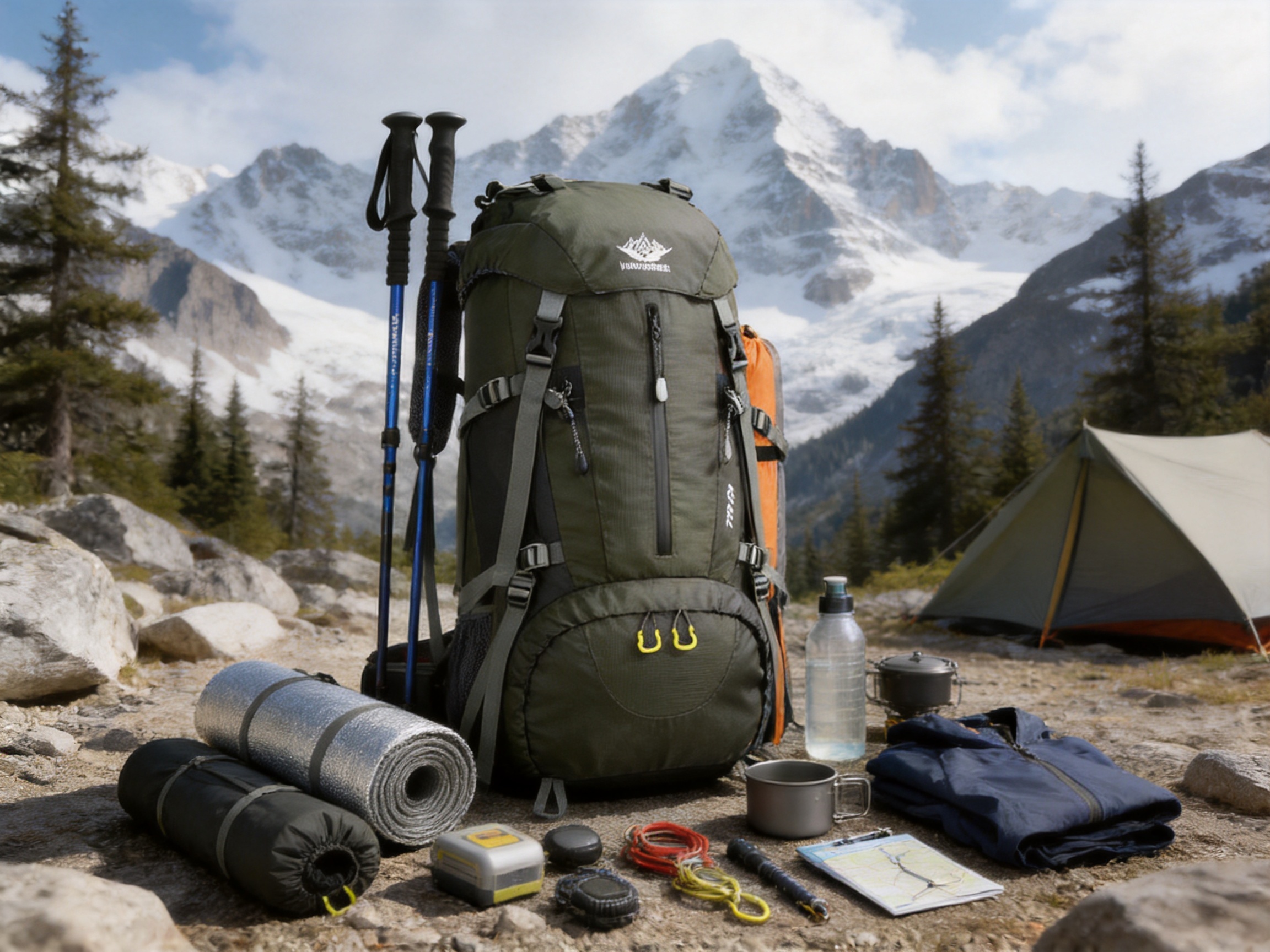
  • Two-Person Camping Outdoor Tent for Reliable Double Camping in Real Weather

    Two-Person Camping Outdoor Tent for Reliable Double Camping in Real Weather

    2026-06-26
    A two-person camping tent is not merely a sleeping shelter. For hikers, weekend campers, overland travelers, scouts, and outdoor retailers serving active users, it is a small, portable weather-management system. The Two-person camping outdoor tent, product model WFLY261001, is designed around that practical understanding. It combines a classic double-layer structure, a rainproof outer tent, a breathable inner tent, waterproof-coated polyester fabric, fully taped seams, and manual setup stability to create a dependable shelter for two-person camping scenarios. This article examines the product from a professional outdoor equipment perspective. It explains why the double-layer design remains one of the most proven configurations for camping tents, how waterproofing and condensation control work together, why taped seams matter, how manual setup can improve reliability, and how manufacturing discipline directly affects performance in the field. It also highlights the strengths of CragHaven Outdoor as a manufacturing partner for global outdoor markets, especially in product development, material selection, sampling, testing, and long-term supply-chain cooperation. For outdoor buyers, brand owners, distributors, and retailers, a tent must be evaluated beyond appearance. Color selection, packability, and marketing photos matter, but the most important questions are practical: Will the tent resist rain? Will it reduce condensation? Will the seams leak after repeated use? Can the setup process remain stable in changing outdoor conditions? Can the supplier maintain consistent quality across batches? WFLY261001 is positioned as a functional answer to those questions. Two-person camping outdoor tent Product Overview: A Practical Shelter for Two Campers The Two-person camping outdoor tent is categorized as a camping tent for mountain-climbing and camping gear applications. Its core structure uses a classic double-layer design: an outer rainproof flysheet and an inner breathable compartment. This construction is widely respected in outdoor equipment because it separates the rain-protection layer from the sleeping area. Instead of forcing one fabric to manage both waterproofing and breathability, the tent assigns each layer a distinct job. The rainproof outer tent is designed to block external precipitation and help guide water away from the sleeping area. The breathable inner tent supports ventilation and comfort inside the sleeping space. Together, the two layers help reduce condensation, one of the most common comfort problems in compact tents. Condensation can occur when warm, humid air from breathing and body heat meets cooler tent fabric. A double-layer structure gives moisture a better path to escape or collect away from the occupants. The product uses polyester fabric with a waterproof coating. Polyester is a practical tent material because it offers a strong balance of weight, durability, dimensional stability, and cost efficiency. Compared with some nylon fabrics, polyester generally absorbs less water and stretches less when wet, which helps the tent maintain shape during rainfall. The waterproof coating adds an essential barrier against water penetration, while fully taped seams reinforce one of the most vulnerable areas in any tent: the stitched lines. The tent is available in multiple colors to meet individual preferences and market positioning. Color options are more than cosmetic. Retailers may use different colors to target family camping, outdoor youth programs, adventure travel, or minimalist hiking markets. In outdoor use, color can also influence visibility, heat absorption, and the user’s emotional connection to the product. The tent uses manual setup. While automatic mechanisms are popular in casual camping products, manual setup remains a reliable choice for users who prioritize stability, field repairability, and structural control. A properly designed manual tent can offer stronger tension distribution, more secure anchoring, and better adaptability to uneven ground. For two-person camping, where a compact but stable shelter is essential, manual setup is often the preferred approach. Key Product Information Item Details Product Name Two-person camping outdoor tent Product Model WFLY261001 Category Tent Suitable Use Two-person camping, hiking camps, outdoor travel, weekend camping Structure Classic double-layer design Outer Layer Rainproof outer tent Inner Layer Breathable inner tent Fabric Polyester with waterproof coating Seam Treatment Fully taped seams Setup Type Manual setup for stability and reliability Color Options Multiple colors available Why the Double-Layer Structure Matters The double-layer tent structure is one of the most important advantages of this product. Many entry-level tents use a single-layer design because it can be simpler and cheaper to produce. However, single-layer tents often struggle to balance waterproof protection with ventilation. If the fabric is highly waterproof but poorly ventilated, condensation may form inside. If the fabric is highly breathable but not waterproof enough, rain resistance becomes weak. The double-layer design solves this conflict by separating functions. In WFLY261001, the outer tent works as the first defense against weather. Rain, drizzle, wind-driven moisture, and morning dew are intercepted by the outer layer. The inner tent creates a breathable sleeping chamber that helps manage internal humidity. The gap between the outer and inner layers functions as a buffer zone. This space allows airflow and helps reduce direct contact between condensed moisture and the occupants’ sleeping bags or clothing. For two campers, condensation control is especially important. A small tent contains limited air volume, and two sleeping people release significant moisture through breathing. In cool weather, the temperature difference between the inside and outside can create moisture on fabric surfaces. If a tent lacks effective ventilation and layer separation, users may wake up with damp sleeping bags, wet walls, or an uncomfortable interior. A double-layer design improves comfort and protects gear. This structure also enhances seasonal flexibility. While the tent is not presented as an extreme expedition shelter, its design is suitable for general outdoor camping conditions where rain protection, breathability, and stability are necessary. For distributors, this broad usability is valuable because it allows the product to serve multiple consumer groups rather than a narrow niche. Rain Protection and Waterproof-Coated Polyester Rain protection is one of the defining responsibilities of a camping tent. A tent that looks attractive but fails under rain quickly damages user trust. WFLY261001 uses polyester fabric with a waterproof coating, which gives the shelter a practical foundation for wet-weather use. Polyester is widely used in outdoor shelters because it performs consistently under varied conditions. It is generally resistant to stretching when wet, helping the tent maintain its intended shape during rainfall. When a tent fabric sags, water can collect in low points, tension can become uneven, and fabric may touch the inner layer. By helping retain shape, polyester contributes to reliable rain shedding. The waterproof coating improves the fabric’s ability to resist water penetration. In tent manufacturing, coating quality matters as much as fabric selection. A coating must be applied evenly, cured properly, and matched to the intended product category. Poorly coated fabric may show weak points, uneven waterproof performance, or reduced long-term durability. CragHaven Outdoor’s product philosophy emphasizes material reliability and long-term use rather than short-term trends, which is essential for outdoor shelters. Waterproof performance depends not only on the main fabric panel but also on the full construction. Fabric panels, seams, corners, zipper areas, guy-out points, and floor connections all influence real-world water resistance. This is why WFLY261001’s fully taped seams are a major advantage. Even if the main fabric is waterproof, needle holes created during sewing can allow water to pass through. Seam taping seals these stitched areas, improving the tent’s resistance to leakage. The Importance of Fully Taped Seams Seams are often the hidden test of tent quality. Consumers may notice fabric color, shape, or size first, but experienced campers and professional buyers pay close attention to seam treatment. Every stitched seam creates small needle holes. Without proper sealing, these points may become leakage paths under sustained rain or pressure. Fully taped seams provide a protective layer over the stitching. During manufacturing, seam tape is applied with controlled heat, pressure, and alignment. This process bonds the tape to the fabric and covers the needle holes. Good seam taping requires compatible materials, trained operators, consistent equipment settings, and careful inspection. If temperature is too low, the tape may not bond securely. If temperature is too high, the fabric or coating may be damaged. If pressure is uneven, tape adhesion can be inconsistent. This is where manufacturing strength becomes visible. A supplier that treats seam taping as a routine step may overlook small defects. A professional outdoor manufacturer understands that seam sealing is directly connected to user experience. CragHaven Outdoor’s approach emphasizes sampling, testing, and optimization as standard processes. For a waterproof tent, that means the design cannot stop at a drawing or catalog image. It must be tested in ways that reflect actual outdoor use. Compared with competitors that rely only on basic stitching or partial seam sealing, WFLY261001 provides a stronger rain-resistance solution. Fully taped seams support the product’s positioning as a practical double camping shelter. For buyers, this feature can also reduce after-sales complaints caused by water leakage. In competitive outdoor markets, fewer performance complaints mean stronger brand reputation and better long-term customer retention. Breathable Inner Tent and Condensation Management Condensation is frequently misunderstood. Many users assume that any moisture inside a tent means the tent is leaking. In reality, condensation can occur even when the tent is fully waterproof. Human breathing, damp clothing, wet ground, and temperature differences all contribute to moisture accumulation. A good tent design does not promise to eliminate condensation under every condition, but it can significantly reduce the likelihood of uncomfortable moisture buildup. The breathable inner tent in WFLY261001 helps manage this issue. By allowing moisture vapor to move away from the sleeping area, the inner tent improves interior comfort. The double-layer structure also helps keep condensed moisture on the inside of the outer fly rather than directly against the campers. This is especially important when two people share the same compact shelter. Ventilation is not only about comfort. It also helps protect sleeping bags, insulating clothing, electronic devices, and personal items. Damp gear can reduce warmth, increase odor, and create inconvenience during multi-day trips. A breathable inner tent supports better gear preservation and a more pleasant camping experience. Compared with low-cost single-layer competitors, the breathable inner layer gives WFLY261001 a clear usability advantage. It is better suited for real outdoor conditions where temperature changes, humidity, and user activity create moisture challenges. For outdoor retailers, explaining condensation management can become an important selling point because it educates customers and reduces unrealistic expectations. Manual Setup: Stability, Control, and Field Reliability Manual setup is sometimes viewed as less convenient than instant or pop-up systems, but for many outdoor users it is the more reliable choice. A manual tent allows users to control pole placement, fabric tension, stake positioning, and guyline adjustment. This matters in real campsites, where the ground may be uneven, wind direction may change, and available space may be limited. WFLY261001 uses manual setup for stability and reliability. Instead of relying on complex spring-loaded structures, the tent can be pitched with deliberate tensioning. This allows the outer tent to maintain proper shape, improving rain shedding and wind behavior. A well-tensioned flysheet is less likely to flap excessively, sag into the inner tent, or collect water. Manual setup also supports easier field understanding. Users can see how the shelter works: poles create structure, stakes secure the base, guylines distribute stress, and fabric panels form protective surfaces. If something needs adjustment, users can usually identify the issue and correct it. With some automatic systems, failure of a mechanism may be difficult to repair outdoors. For manufacturers and private-label buyers, manual setup can also support product consistency. It avoids overdependence on fragile mechanical components and focuses instead on fabric cutting accuracy, pole geometry, stitching quality, and tension design. In competitive markets, this can be an advantage because it combines user confidence with simpler long-term maintenance. Advantages Over Common Competitor Tents The two-person tent category is highly competitive. Many products look similar in product photos, but differences become clear in outdoor use. WFLY261001 distinguishes itself through a balanced combination of double-layer construction, waterproof-coated polyester, fully taped seams, condensation-conscious design, manual setup stability, and manufacturing discipline. First, compared with basic single-layer tents, this model offers better separation between weather protection and living comfort. Single-layer tents may be attractive for low-cost markets, but they often create condensation problems. WFLY261001’s rainproof outer tent and breathable inner tent provide a more complete shelter solution. Second, compared with tents that use waterproof fabric but neglect seam sealing, this product improves the weakest points of water resistance. Fully taped seams help prevent leakage along stitch lines. This is a meaningful performance advantage, especially in rainy camping conditions. Third, compared with purely fashion-driven tents, WFLY261001 focuses on real outdoor needs. The product does offer multiple colors, but its foundation is functional: waterproofing, ventilation, stability, and reliable setup. This aligns with CragHaven Outdoor’s principle that products should be designed for weather, terrain, and time rather than for catalogs alone. Fourth, compared with suppliers that only source existing factory products, CragHaven Outdoor participates in design and manufacturing decisions. This matters for global buyers because performance consistency depends on more than finding a low price. It depends on understanding usage scenarios, selecting appropriate materials, controlling production details, and improving products through testing. Fifth, compared with overly complicated designs, this tent remains straightforward. A two-person camping tent must be practical for ordinary outdoor users. Excessive features can increase weight, failure points, and cost. WFLY261001 keeps the main value clear: dependable shelter for two campers. Designed for Real Camping Scenarios A tent intended for real use must consider how campers behave in the field. Users may arrive at camp near sunset, pitch the tent in light rain, handle poles with cold hands, place gear inside quickly, and expect the shelter to perform overnight. They may not have perfect ground conditions. They may need to repack the tent in the morning when the flysheet is damp. They may use the tent repeatedly over a season. WFLY261001’s practical design supports these situations. The double-layer structure offers weather protection and breathability. Polyester fabric helps maintain shape in wet conditions. Taped seams address leakage risks. Manual setup allows stable pitching and adjustment. Multiple colors help retailers and buyers match different market preferences. For two-person camping, space efficiency is important. A tent must provide enough sleeping room while remaining portable. Although exact packed dimensions and weight are not specified in the provided materials, the product concept clearly targets double camping use. The value lies in creating a shelter that two people can depend on for common outdoor trips, rather than an oversized family tent or a specialized alpine shelter. This makes the tent suitable for weekend camping, hiking trips, outdoor education, campground travel, youth programs, festival camping where weather resistance is still needed, and general recreational outdoor use. It is also appropriate for global private-label programs that require a reliable mid-range two-person tent with proven construction logic. Manufacturing Philosophy Behind the Product CragHaven Outdoor is based in Hangzhou, China, and operates as an outdoor brand and cross-border manufacturing partner. The company focuses on mountaineering, hiking, and camping scenarios, delivering functional and reliable outdoor gear for global markets. Its manufacturing philosophy is especially relevant to a tent like WFLY261001 because outdoor shelters depend on material decisions, process consistency, and product testing. The company’s development principles are clear: products should not be designed only for catalogs, but for weather, terrain, and time. Every feature must solve real-world usage problems. Materials should be selected for durability, reliability, and long-term use rather than temporary trends. Sampling, testing, and optimization are standard processes that cannot be omitted. This philosophy directly supports the product’s strengths. A double-layer tent is not chosen merely because it is common; it is chosen because it solves the practical conflict between rain protection and breathability. Waterproof-coated polyester is not selected merely because it is available; it is chosen because it supports stable shelter performance in wet conditions. Fully taped seams are not a decorative specification; they are a response to the real leakage risks created by stitching. CragHaven Outdoor also aims to reduce uncertainty in the supply chain. For international buyers, uncertainty is a major cost. Delayed communication, inconsistent materials, untested substitutions, and poor batch control can damage market launches. A manufacturing partner that understands outdoor use and communicates in a Western-market-oriented way can help reduce these risks. Advanced Manufacturing Processes and Quality Control Reliable tent manufacturing requires a connected production system. Each step affects the next. Fabric selection affects cutting, coating compatibility affects seam taping, stitching accuracy affects waterproofing, and final inspection affects user satisfaction. CragHaven Outdoor’s strength lies in its understanding that outdoor product quality cannot be added at the end; it must be built into every stage. The process begins with product definition. Before production, the intended use scenario must be clear. A two-person camping tent needs different priorities from a family cabin tent or an ultralight expedition shelter. WFLY261001 is positioned for stable double camping, so the design emphasizes waterproofing, breathability, reliable setup, and practical durability. Material selection follows. Polyester fabric with waterproof coating must be evaluated for hand feel, coating uniformity, water resistance, tear behavior, color consistency, and compatibility with sewing and seam taping. Good material sourcing is not simply buying fabric at the lowest cost. It requires selecting materials that can be manufactured consistently and perform reliably after repeated folding, pitching, packing, and exposure. Pattern development and cutting are also important. Tent panels must be cut accurately to achieve proper shape and tension. If panels are inconsistent, the tent may pitch poorly, creating sagging areas that collect water or stress points that reduce durability. Computer-aided pattern management and disciplined cutting control can improve batch consistency. Sewing quality determines structural strength. Stitch density, thread type, seam alignment, reinforcement placement, and operator skill all affect tent performance. A strong-looking seam may still fail if thread tension is wrong or if reinforcement is insufficient at stress points. For a tent that must withstand repeated setup and outdoor tension, sewing consistency is essential. Seam taping is another advanced process area. As noted earlier, taped seams require controlled heat, pressure, and material compatibility. The process must be monitored carefully because small defects may not be visible to casual inspection but can become leakage points in the field. Professional manufacturing includes inspection of tape alignment, adhesion, and coverage. Assembly testing completes the loop. A tent should be pitched and checked to confirm shape, tension, component fit, and usability. Sampling and testing help identify issues before mass production. CragHaven Outdoor’s emphasis on repeated sampling and optimization supports this kind of process discipline. Supply-Chain Strength for Global Buyers For global outdoor companies, product quality is only one part of supplier value. Communication, consistency, scalability, and long-term cooperation are equally important. CragHaven Outdoor presents itself as a cross-border manufacturing partner, not simply a factory source. This distinction matters because successful outdoor products require alignment between market expectations and production execution. International buyers often need suppliers who understand Western outdoor markets. This includes realistic performance claims, clean product communication, practical packaging needs, regulatory awareness, and responsiveness during development. A supplier that understands how outdoor products are actually used can help prevent overpromising and underperforming. CragHaven Outdoor’s location in Hangzhou, Zhejiang Province, supports access to China’s mature and efficient manufacturing system. This industrial environment helps transform design intent into stable, replicable, and scalable products. For a tent such as WFLY261001, scalability matters because buyers may start with smaller orders and later expand into larger programs. Consistent replication of materials, colors, seam quality, and packaging is essential. The company’s focus on long-term, stable, and sustainable partnerships also benefits buyers. Outdoor product programs often evolve over multiple seasons. A tent may require color updates, packaging adjustments, material refinements, or custom branding. A dependable manufacturing partner can maintain the core construction while adapting details for specific markets. Material and Construction Balance A good camping tent is a balance of competing demands. It must be protective but not overly heavy, durable but not unnecessarily expensive, breathable but water resistant, stable but easy enough to pitch, and attractive but not superficial. WFLY261001 reflects this balance. The polyester fabric supports durability and shape retention. The waterproof coating provides rain resistance. The breathable inner tent supports comfort. Fully taped seams address a critical vulnerability. Manual setup provides stability and control. Multiple colors support market flexibility. This balanced construction is important because some competitor tents overemphasize one attribute at the expense of others. A very cheap tent may sacrifice seam sealing. A highly stylized tent may lack ventilation. An instant tent may be convenient but less stable in wind. A technical tent may be too expensive for general camping. WFLY261001 is positioned as a practical two-person shelter that prioritizes dependable field use. For buyers building an outdoor product line, this type of tent can serve as a core item. It is not an experimental concept. It is based on proven outdoor shelter principles, supported by manufacturing processes that can be controlled and repeated. User Experience: What Campers Notice Campers judge tents through experience, not specifications alone. The first impression may come from setup. A tent that pitches cleanly and feels stable creates confidence. Manual setup allows campers to understand the structure and tension the shelter properly. When the flysheet sits correctly over the inner tent, users can see that the shelter is prepared for weather. During rain, users notice whether water beads and runs off, whether seams remain dry, and whether the interior stays protected. Waterproof-coated polyester and fully taped seams help support this experience. Users also notice whether the inner tent feels stuffy. The breathable inner layer and double-wall structure help improve comfort. In the morning, campers notice condensation, dampness, and ease of packing. While condensation depends on weather, campsite selection, and ventilation habits, the double-layer design improves the user’s chances of waking up with a more comfortable interior. For two people sharing a tent, this is a meaningful advantage. Over repeated trips, users notice durability. Fabric that maintains shape, seams that remain secure, and waterproofing that continues to perform all contribute to satisfaction. A tent that performs reliably becomes part of the user’s outdoor routine. This kind of trust is valuable for brands and retailers because satisfied customers return for additional outdoor gear. Commercial Value for Retailers and Private-Label Programs WFLY261001 offers strong commercial value because it combines recognizable consumer benefits with credible construction details. Retailers can present it as a practical two-person tent with a double-layer structure, rainproof outer tent, breathable inner tent, waterproof-coated polyester, fully taped seams, and stable manual setup. These are understandable selling points that connect directly to user concerns. For private-label buyers, the tent provides a reliable platform for market adaptation. Multiple colors allow segmentation. Packaging and branding can be adjusted to suit different retail channels. The product’s functional foundation reduces the risk of building a product line around a weak shelter design. The two-person tent category is also commercially important because it serves many customer types. Couples, friends, solo campers wanting extra room, youth outdoor groups, festival campers, and casual hikers all may choose a two-person tent. A dependable design can therefore support broad market reach. Another advantage is that the product’s strengths are easy to explain without exaggerated claims. It does not need unrealistic extreme-weather positioning. Its value is grounded in practical camping performance. This is useful in mature markets where consumers increasingly recognize the difference between marketing language and real construction quality. Maintenance and Long-Term Use Guidance Even a well-made tent benefits from proper care. Users should pitch the tent with balanced tension, avoid sharp ground when possible, use suitable ground protection when needed, and allow the tent to dry before long-term storage. If the tent must be packed wet, it should be unpacked and dried as soon as possible to reduce odor, coating stress, and mildew risk. Campers should avoid open flames near the tent and should not use harsh detergents on coated fabric. Dirt can be removed with mild cleaning methods. Zippers, seams, and stress points should be inspected occasionally, especially after stormy use. Proper care extends the life of waterproof coatings and seam tape. Retailers can improve customer satisfaction by providing simple care instructions. Many tent complaints are caused not by product failure but by improper storage, poor pitching, or misunderstanding condensation. Educating users helps preserve product reputation and reduces unnecessary returns. Why Manufacturing Consistency Is a Competitive Advantage In outdoor equipment, consistency is often more valuable than dramatic claims. A tent buyer does not want one excellent sample and one inconsistent production batch. They need the same fabric quality, seam taping, stitching, color, and setup performance across orders. CragHaven Outdoor’s focus on stable, replicable, and scalable products addresses this requirement. Manufacturing consistency depends on process control. Fabric batches must be checked. Cutting must remain accurate. Operators must follow defined sewing standards. Seam taping settings must be maintained. Finished products must be inspected. Packaging must protect the product during shipping. Each step reduces uncertainty. For global buyers, consistency also affects brand trust. A consumer who receives a well-made tent may recommend it. A consumer who receives a defective tent may post negative feedback. In the digital marketplace, quality variation becomes visible quickly. Working with a supplier that values process discipline is therefore a strategic decision, not just a procurement choice. WFLY261001 benefits from a design that can be manufactured consistently because it uses proven construction principles. The double-layer structure, polyester fabric, waterproof coating, seam taping, and manual setup are all established technologies when executed correctly. The competitive advantage comes from doing these things reliably, not merely listing them as specifications. Recommended Positioning in the Outdoor Market This tent is best positioned as a reliable two-person camping shelter for general outdoor use. It should appeal to users who want more protection and comfort than a basic single-layer tent but do not require a highly specialized expedition tent. The strongest messaging should focus on double-layer weather protection, condensation reduction, waterproof-coated polyester, fully taped seams, and stable manual setup. Retail product pages can emphasize that the outer tent helps resist rain while the inner tent improves breathability. Sales teams can explain that fully taped seams protect stitched areas from leakage. Marketing materials can highlight multiple color choices while keeping the primary message focused on performance. For wholesale buyers, the tent can be positioned as a dependable core item in a camping range. It pairs naturally with sleeping bags, sleeping pads, camp lights, backpacks, trekking poles, and other outdoor accessories. Because it serves two-person camping, it can be promoted for weekend escapes, campground travel, hiking camps, and outdoor education. Q&A Section Q1: What is the main advantage of the double-layer structure? The double-layer structure separates weather protection from interior comfort. The rainproof outer tent helps block precipitation, while the breathable inner tent supports ventilation and reduces direct contact with condensation. This creates a more comfortable shelter for two campers. Q2: Why are fully taped seams important? Seams are potential leakage points because sewing creates needle holes in the fabric. Fully taped seams cover these stitched areas and improve rain resistance. This feature is especially important during sustained rainfall or repeated outdoor use. Q3: Is polyester a good fabric for camping tents? Yes. Polyester is widely used for camping tents because it offers durability, practical weight, and good dimensional stability. It generally stretches less when wet than some other fabrics, helping the tent maintain its shape during rain. Q4: How does the breathable inner tent help campers? The breathable inner tent helps moisture vapor move away from the sleeping area. This reduces stuffiness and helps manage condensation, which is especially useful when two people sleep inside a compact tent. Q5: Why choose manual setup instead of an automatic structure? Manual setup gives users better control over pole placement, fabric tension, staking, and guyline adjustment. It supports stability and reliability, especially on uneven ground or in changing weather conditions. Q6: Is this tent suitable for rainy camping? The tent is designed with a rainproof outer layer, waterproof-coated polyester fabric, and fully taped seams, all of which support rainy-weather performance. As with any tent, correct pitching, proper tension, and suitable campsite selection also affect performance. Q7: Who is the ideal user for this two-person tent? The ideal users include couples, friends, solo campers who prefer extra space, weekend campers, hiking groups, outdoor education programs, and retailers seeking a practical two-person camping shelter. Q8: What makes this product stronger than many low-cost competitors? Its key advantages include double-layer construction, condensation-conscious design, waterproof-coated polyester, fully taped seams, and stable manual setup. Many low-cost tents may omit one or more of these features, especially full seam taping or breathable inner construction. Q9: How does CragHaven Outdoor support product reliability? CragHaven Outdoor focuses on real outdoor usage scenarios, material reliability, sampling, testing, optimization, and manufacturing consistency. The company participates in both design and manufacturing decisions, helping reduce supply-chain uncertainty for global buyers. Q10: Can the tent be adapted for different markets? Yes. Multiple color options make the tent suitable for different retail strategies and customer preferences. Its functional foundation also makes it appropriate for private-label and wholesale outdoor programs. Conclusion The Two-person camping outdoor tent WFLY261001 is a practical shelter built around proven outdoor principles. Its classic double-layer structure provides a rainproof outer tent and a breathable inner tent, helping balance weather protection with interior comfort. Polyester fabric with waterproof coating supports rain resistance and shape stability, while fully taped seams strengthen one of the most important areas of tent waterproofing. Manual setup adds reliability, tension control, and field confidence. In a crowded market, the tent’s advantage is not based on unnecessary complexity. It is based on doing essential things well. It offers the features campers actually need: protection from rain, reduced condensation discomfort, stable pitching, practical durability, and color flexibility. For retailers and private-label buyers, these attributes create a clear and credible product story. CragHaven Outdoor’s manufacturing strengths further increase the product’s value. The company’s focus on weather, terrain, time, material reliability, sampling, testing, and optimization reflects a professional approach to outdoor gear production. By combining real usage understanding with China’s mature manufacturing capabilities, the company supports stable, replicable, and scalable product development for global markets. For buyers seeking a dependable two-person camping tent that can serve real outdoor users and support long-term market programs, WFLY261001 offers a strong balance of function, manufacturability, and commercial practicality. References 1. Ryan, K. Outdoor Shelter Design: Principles of Weather Protection and Ventilation. Field Equipment Studies Press. 2. McCullough, E. Fabric Performance in Outdoor Applications: Waterproofing, Breathability, and Durability. Technical Textile Review. 3. Turner, M. Camping Equipment Engineering: Tent Structures, Materials, and Field Reliability. Alpine Product Development Series. 4. Hughes, D. Seam Sealing and Coated Fabric Construction for Lightweight Shelters. Journal of Outdoor Gear Manufacturing. 5. Peterson, L. Condensation Management in Double-Wall Tents. Wilderness Travel Equipment Handbook. Product: Two-person camping outdoor tent .profile-card { display: flex; align-items: flex-start; gap: 2rem; background-color: white; padding: 2rem; border-radius: 12px; box-shadow: 0 2px 10px rgba(0,0,0,0.05); } .profile-avatar { width: 120px; height: 120px; border-radius: 50%; overflow: hidden; flex-shrink: 0; } .profile-avatar img { width: 100%; height: 100%; object-fit: cover; display: block; } .profile-info { flex-grow: 1; } .profile-name { font-size:27px; font-weight: 900; margin-bottom: 1rem; color: #1a1a1a; } .profile-bio { line-height: 1.6; color: #333; } @media (max-width: 600px) { .profile-card { flex-direction: column; align-items: center; text-align: center; gap: 1.5rem; } } Deng Yuli — International Sales Manager 10 years of B2B sales experience in outdoor equipment manufacturing, focusing on key account development, quotation negotiation, product proposal preparation, and long-term cooperation with overseas distributors and private-label brands.
    View Article
  • 25cm High-Carbon Steel Ground Stakes for Reliable Camping Anchoring

    25cm High-Carbon Steel Ground Stakes for Reliable Camping Anchoring

    2026-06-24
    In camping, hiking, beach shelter use, and mountain-adjacent outdoor travel, a tent or tarp is only as reliable as the components that hold it to the ground. Fabric strength, waterproof coatings, and pole geometry often receive attention first, yet ground anchoring is the quiet foundation of shelter safety. A weak stake can turn a well-designed tent into unstable equipment in one gust of wind. A bent peg can slow down setup, damage guy lines, or leave users improvising when they should be resting. The 25cm high-carbon steel ground stake discussed in this article is designed to solve these real outdoor problems with a practical combination of hardened steel, corrosion-resistant galvanization, nighttime visibility, universal attachment compatibility, and dependable grip in both sandy and grassy ground conditions. This product belongs to the camping accessories segment, but its importance extends beyond a simple accessory. It is a critical anchoring component for tents, beach tarpaulins, canopies, picnic shelters, windbreaks, awnings, and outdoor shade systems. Its 25cm length provides deeper ground penetration than many short pegs, while its high-carbon steel construction offers bending resistance that common lightweight alternatives often cannot match. For users who camp in changing weather, for families setting up a beach tarp in loose sand, and for distributors seeking a durable item with broad market appeal, this stake provides a balanced answer: strong enough for repeated use, practical enough for everyday camping, and engineered with real terrain in mind. CragHaven Outdoor approaches this type of product not as a catalog filler, but as a field-use component. The company’s philosophy is rooted in weather, terrain, and time: products should be developed around actual outdoor problems rather than superficial specifications. This perspective is especially relevant for ground stakes because their performance is tested directly by soil density, wind load, repeated hammering, moisture, salt exposure, and night operation. A stake may look simple, but its reliability depends on steel quality, heat treatment, surface finishing, head design, hook geometry, dimensional consistency, and quality control. The following article examines the product’s advantages, its manufacturing logic, and the reasons it stands apart from many conventional tent pegs in the camping gear market. Outdoor camping tent with 25cm ground stakes, beach tarpaulin, and windproof steel studs Product Overview: A Small Component with Large Outdoor Responsibility The featured camping ground stake is made from high-carbon steel, hardened for improved hardness and bending resistance, then galvanized to help resist corrosion. It includes a glow-in-the-dark head for easier nighttime visibility and offers universal hooks and knot-friendly contact points for different tent ropes, tarps, awnings, beach shelters, and camping canopies. The 25cm length gives it a strong grip in both sandy and grassy areas, making it more versatile than short pegs designed only for compact soil or light backyard use. At first glance, a ground stake may seem like a basic rod. However, anyone who has camped in wind, rain, or loose terrain understands that anchoring hardware must be reliable. A stake must resist bending when hammered into firm ground. It must hold when wind pulls the guy line at an angle. It must remain visible enough to prevent tripping or loss at night. It must survive exposure to water, mud, salt air, sand abrasion, and repeated packing. In these conditions, low-cost untreated iron, thin aluminum, or plastic stakes can fail quickly. The high-carbon steel design gives this product a stronger structural foundation, while the galvanized surface adds long-term utility. The product is especially suitable for camping tents, beach tarpaulins, family shade shelters, picnic canopies, temporary outdoor covers, hiking basecamp setups, and festival camping. In commercial outdoor gear assortments, it can be positioned as a durable replacement stake, a tent accessory upgrade, a beach tarp anchoring solution, or a windproof camping accessory. Because it is not limited to one shelter type, it offers strong merchandising flexibility for retailers, e-commerce sellers, outdoor distributors, and private-label programs. The 25cm dimension is an important part of the product’s practical value. Short stakes are easy to pack but often lack holding power in soft soil. Oversized anchors may hold well but can be heavy, difficult to transport, or unnecessary for average camping. A 25cm stake sits in a useful middle zone: long enough to grip more deeply than short pins, but still manageable for general camping kits. This balance makes it suitable for a wide range of users, from casual campers to more experienced outdoor travelers who value dependable hardware. Why Ground Stakes Matter More Than Many Campers Realize A tent or tarp system is a tension structure. Its fabric, poles, guylines, and stakes work together. When the stakes fail, tension is lost. Once tension is lost, the shelter fabric may flap, poles may shift, seams may experience stress, and water runoff can be affected. In windy conditions, a failed stake can allow one side of the shelter to lift, increasing pressure on the remaining anchor points. The result can be a chain reaction of instability. In mountain-climbing support camps, hiking campsites, coastal beaches, grassy parks, and recreational camping grounds, terrain is rarely perfect. Soil may be too hard, too loose, too wet, or mixed with small stones. A weak stake can bend before reaching the correct depth. A smooth stake may pull out from soft sand. A poorly designed head may damage guy lines or make removal difficult. A dark-colored stake may disappear at night, becoming both a loss risk and a tripping hazard. These everyday problems demonstrate why ground stake design deserves careful engineering. This product addresses those issues through material strength, surface protection, head visibility, and compatibility. High-carbon steel provides a strong core. Hardening improves resistance to deformation. Galvanization provides protection against moisture-related corrosion. A glow-in-the-dark head improves visibility during nighttime checks, late arrivals, or early departures. Universal hooks and knots increase compatibility with different cord thicknesses and shelter systems. The 25cm body length improves holding power across sandy and grassy terrain. Competitors often focus on only one advantage. Some lightweight aluminum stakes are easy to carry but bend under heavy hammering or rocky ground. Plastic stakes are visible and inexpensive but can snap or deform under load. Short steel pegs are strong but may lack sufficient ground penetration in sand or wet soil. Untreated iron pegs may feel solid initially but rust quickly after repeated exposure. The 25cm galvanized high-carbon steel stake combines multiple performance factors, making it a more dependable choice for users who want fewer compromises. Core Material Advantage: High-Carbon Steel for Strength and Bending Resistance The product’s foundation is high-carbon steel. Compared with ordinary low-carbon steel, high-carbon steel can achieve greater hardness and strength through proper heat treatment. For a ground stake, this matters because the product is frequently driven into the ground with impact force. It may encounter compacted earth, roots, stones, or uneven pressure from a hammer or mallet. If the metal is too soft, it bends. If it bends repeatedly, it becomes difficult to drive, difficult to remove, and less effective at anchoring. High-carbon steel helps create a more reliable stake for repeated outdoor use. The material supports better resistance to deformation during insertion and while under lateral tension from tent ropes or tarp lines. In windy conditions, the pulling force on a guy line is rarely perfectly vertical. It usually pulls at an angle, creating leverage against the stake. A stronger steel body helps resist that leverage and maintain the stake’s holding position. Many low-priced camping stakes are made from soft metals that look adequate in product photos but fail during real use. Thin aluminum pegs may be attractive for ultralight hiking, but they are not always ideal for beach tarps, family canopies, or repeated hammering into firm campsite soil. Plastic stakes may be suitable for soft ground in low-wind conditions, but they are vulnerable to cracking, especially in colder environments or under impact. High-carbon steel gives this product a durability profile that appeals to users who prioritize reliability over minimal weight. The value of high-carbon steel is not only in strength, but in consistency when processed correctly. CragHaven Outdoor’s manufacturing approach emphasizes material selection and stable production rather than trend-driven shortcuts. For a stake, this means the material must be appropriate for forming, hardening, surface treatment, and final field use. A stake that is too brittle could crack under impact, while one that is too soft could bend. The correct balance is achieved through controlled processing, not by material choice alone. Hardened Construction: Designed for Impact and Repeated Use Hardening is a major reason this stake performs well against bending and deformation. During outdoor use, the stake is not treated gently. It may be hammered into compact ground, stepped on accidentally, pulled sideways, twisted during removal, or packed with metal tools. A stake that deforms after a few uses reduces customer satisfaction and increases replacement frequency. Hardened construction helps extend the functional life of the product. The hardening process must be controlled carefully. Excessive hardness without proper toughness can make steel brittle. Insufficient hardness may not deliver the expected bending resistance. Advanced manufacturing requires careful attention to heating, cooling, and post-treatment controls so that the stake has the right balance of hardness and resilience. This is where process knowledge becomes as important as material specification. CragHaven Outdoor’s product development method emphasizes sampling, testing, and optimization. For a steel ground stake, this can include impact evaluation, bending resistance checks, head integrity inspection, hook geometry verification, and surface treatment quality testing. The goal is not simply to produce a stake that looks correct, but to manufacture one that remains useful after repeated field cycles. This practical engineering mindset provides an advantage over suppliers who focus mainly on low-cost, low-control production. Repeated use is especially relevant for campers who pack and unpack equipment across many trips. A stake may be inserted and removed dozens of times in one season. It may be used in grass one weekend, sandy soil the next, and damp campsite ground after that. Hardened high-carbon steel improves the chance that the stake remains straight, functional, and dependable throughout these changing conditions. Galvanized Finish: Corrosion Resistance for Outdoor Environments Outdoor hardware faces moisture constantly. Morning dew, rain, wet grass, beach humidity, muddy ground, and storage in damp bags all contribute to corrosion risk. Once rust begins, it can reduce surface quality, weaken long-term durability, stain fabric or storage bags, and make the product look old before its useful life is over. Galvanization helps address this by adding a protective zinc-based layer to the steel surface. The galvanized finish gives the stake a practical advantage over untreated steel pegs. In typical camping conditions, ground stakes are often packed away before they are fully dry. They may be stored in a tent bag or accessory pouch with soil residue still attached. Over time, untreated steel can rust quickly in this environment. A galvanized surface improves resistance to oxidation, supporting a longer service life and better product appearance. For beach use, corrosion resistance is even more important. Sand, salt air, and moisture accelerate metal degradation. While no outdoor metal product is completely immune to harsh marine exposure, galvanization provides a meaningful protective barrier. This makes the stake more appropriate for beach tarpaulins and coastal camping than low-cost bare steel alternatives. Surface finishing also affects customer perception. A clean galvanized stake looks professional, durable, and ready for repeated outdoor use. For retailers and brand owners, this improves shelf appeal and reduces complaints related to early rust. For B2B buyers, consistent galvanization reflects manufacturing discipline. Poor surface treatment may lead to uneven protection, rough spots, or premature corrosion. CragHaven Outdoor’s emphasis on stable, repeatable manufacturing supports more reliable finish quality across production batches. Glow-in-the-Dark Head: Safety and Convenience After Sunset Nighttime visibility is a practical feature that many campers appreciate only after they have experienced the problem of invisible stakes. At night, standard dark metal pegs disappear into grass, sand, or shadow. Campers may trip over guy lines, step on exposed stake heads, or lose pegs during late-night adjustments. A glow-in-the-dark head helps make the stake easier to identify in low-light conditions. This feature is particularly useful for family camping, group campsites, festival camping, beach evenings, and late arrivals. When a campsite is set up near dusk, users may need to adjust tension after dark. A visible head reduces frustration and helps locate anchor points quickly. In shared camping areas, improved visibility can also reduce accidental contact with guy lines and stakes. Compared with ordinary metal stakes, this product offers an added layer of user-centered design. The glow feature does not replace careful campsite organization, but it improves awareness. It is a small detail that reflects attention to actual outdoor behavior. Campers do not always set up in perfect daylight. They may return to camp after hiking, cooking, or social activities. They may need to secure a tarp when wind rises at night. In those moments, visible hardware matters. From a competitive standpoint, the glow-in-the-dark head differentiates the stake from basic steel pegs that rely only on strength. Many competitors offer durability but overlook nighttime usability. Others offer bright plastic heads but lack strong steel bodies. This product combines visibility with hardened high-carbon steel, allowing users to benefit from both convenience and structural strength. Universal Hooks and Knot Compatibility A ground stake must connect effectively with different types of cords, loops, webbing, and tarp lines. Camping gear is not standardized across all brands. Some tents use thin guy lines, others use thicker ropes, elastic loops, plastic tensioners, metal rings, or fabric tabs. A stake with limited attachment geometry may work for one system but not another. This product includes universal hooks and knot-friendly features to improve compatibility. The hook design helps prevent ropes from slipping off under tension. This is especially important when wind pulls on a tarp or when the ground angle causes line movement. A secure hook point allows users to tension the shelter more confidently. Knot compatibility also gives campers flexibility when using improvised rope, replacement guy lines, beach tarp cords, or canopy tie-downs. This universality makes the stake suitable for multiple product categories: tents, tarps, beach shelters, sunshades, awnings, picnic canopies, windbreaks, and outdoor covers. For retailers, this broad compatibility helps position the item as a general-purpose anchoring accessory rather than a narrow replacement part. For private-label programs, it allows one SKU to serve multiple user groups. Competitor stakes may have simple round heads, weak hooks, or attachment points that do not hold well when the line angle changes. Some designs are difficult to remove because there is no convenient leverage point. Others damage ropes due to rough edges. A well-designed hook system must consider both secure holding and user handling. Manufacturing precision matters here because inconsistent hook geometry can affect performance and safety. CragHaven Outdoor’s commitment to sampling and optimization helps improve repeatability in such details. 25cm Length: A Practical Balance of Grip, Portability, and Versatility The 25cm length is one of the stake’s most important functional features. Ground holding power depends on several factors, including soil type, stake shape, insertion angle, surface friction, and depth. Longer stakes generally provide better grip than short stakes because they engage more ground volume. In sandy or loose soil, depth becomes especially important because the material around the stake may shift under load. At 25cm, the stake provides stronger anchoring than many compact pegs commonly included with budget tents. These shorter pegs may work in firm lawn soil but can pull out quickly in sand, wet ground, or windy conditions. The deeper reach of this stake improves stability for tarps and tent guy lines, especially when inserted at an appropriate angle away from the shelter. At the same time, 25cm remains practical for transport. Extremely long stakes may be excellent for specialized sand anchoring or large commercial tents, but they can be inconvenient for general camping packs. They add weight, require more storage space, and may be unnecessary for typical family or recreational use. This product balances holding strength and portability, which is one reason it is suitable for both grass and beach environments. The length also supports better performance when used with windproof tarpaulins. A tarp presents a large surface area to the wind. Even moderate wind can generate significant pulling force on anchor points. A deeper stake helps distribute that force into the ground. This is particularly useful on beaches, open campsites, and exposed grassy areas where wind can move freely. Performance in Sandy Areas Sand is one of the most challenging surfaces for ordinary tent pegs. It lacks the compact structure of firm soil and can shift under load. Short, thin pegs often pull out easily, especially when the wind lifts a tarp or canopy. The 25cm high-carbon steel stake improves performance in sand by penetrating deeper and providing more engaged surface area than short pegs. For beach tarpaulins, shade shelters, and seaside camping, reliable anchoring is essential. A loose tarp can flap aggressively, creating noise, stress on fabric, and possible safety risks. When inserted properly, a longer stake can improve resistance against pullout. Users may also angle the stake away from the direction of pull to increase holding strength. In very loose dry sand, additional anchoring methods such as burying the line, using sandbags, or wetting the sand may still be useful, but the 25cm steel stake provides a stronger baseline than many standard pegs. The galvanized surface is also valuable for beach use because salt air and wet sand accelerate corrosion. While users should still clean and dry gear after coastal trips, a corrosion-resistant finish helps extend product life. The glow-in-the-dark head is convenient for evening beach setups when tarps remain installed after sunset. Compared with plastic beach stakes, this steel model offers greater impact strength and bending resistance. Plastic stakes may be wide but can crack under force or become brittle with time and UV exposure. Compared with thin aluminum stakes, the high-carbon steel construction better resists deformation during insertion and removal. The result is a rugged, reusable beach anchoring accessory suited to frequent outdoor use. Performance in Grassy and Firm Ground Grassy campsites and firm soil require a different performance profile from sand. In compact ground, the main challenge is insertion resistance and bending risk. A soft stake may bend before it reaches full depth. A weak head may deform under hammering. A poorly finished stake may scrape, rust, or become difficult to remove. The hardened high-carbon steel body is well suited to this environment because it better tolerates impact and ground resistance. In grassy areas, a 25cm stake can anchor tent corners, guy lines, tarps, and small canopy structures with dependable grip. The deeper penetration helps resist uplift forces from wind, while the hook head secures rope or loop attachments. Because grassy campsites are common in parks, campgrounds, hiking rest zones, and festival areas, this performance profile makes the stake broadly useful. The glow-in-the-dark head is especially helpful in grass because dark stakes can disappear visually after sunset. Campers walking around a tent at night often encounter guy lines unexpectedly. A visible head helps identify the anchor point and reduces the chance of stepping directly on the stake or pulling the line accidentally. Against competitors, this product offers a stronger alternative to the basic pegs often included in entry-level tents. Many included pegs are thin, short, and easily bent. Campers often replace them after a few trips. A durable 25cm galvanized steel stake can be marketed as an upgrade accessory that improves the usability and confidence of an existing tent system. Table: Product Features and Practical Benefits Feature Technical Purpose User Benefit Competitive Advantage High-carbon steel body Provides strength and structural integrity Resists bending during hammering and wind tension Stronger than many plastic, thin aluminum, or soft metal pegs Hardened processing Improves hardness and deformation resistance Supports repeated use across different campsites Better long-term durability than low-control untreated stakes Galvanized surface Helps resist corrosion from moisture and soil exposure Extends service life and improves appearance after use More suitable for damp grass, rain, and beach environments than bare steel Glow-in-the-dark head Improves low-light visibility Helps users locate stakes at night and reduces trip risk Adds user convenience beyond standard metal stakes Universal hook and knot compatibility Allows connection with different ropes, loops, and tarp lines Works with tents, beach tarps, awnings, and canopies Broader use range than single-purpose pegs 25cm length Creates deeper ground penetration Improves grip in sandy and grassy areas More holding power than many short stock tent pegs while remaining portable Advantages Over Common Competitor Products The outdoor market contains many types of ground stakes. Each has a place, but many involve compromises. The featured 25cm high-carbon steel stake is designed to reduce those compromises by combining strength, corrosion resistance, visibility, compatibility, and versatile length. Compared with Lightweight Aluminum Stakes Aluminum stakes are popular because they are light. For ultralight backpacking, weight can be a decisive factor. However, aluminum stakes are often easier to bend when hammered into hard ground or when exposed to strong lateral force. Thin aluminum pegs can deform during removal, especially if twisted. For general camping, beach tarps, family shelters, and windy open areas, users may prefer stronger hardware even if it weighs more. The high-carbon steel stake offers greater bending resistance and impact tolerance. It is better suited to situations where durability is more important than minimal pack weight. For retailers, this distinction allows the product to be positioned as a heavy-duty or reliable-use anchoring option rather than an ultralight specialty item. Compared with Plastic Stakes Plastic stakes are inexpensive, colorful, and sometimes effective in soft ground. However, they can crack under impact, deform under load, or become brittle over time. They are not ideal for firm soil and may not provide the same confidence in windy conditions. Plastic heads can break when struck with a mallet, especially in cold weather. The steel stake provides a more rugged construction. Its glow-in-the-dark head preserves the visibility advantage often associated with plastic stakes, while the metal body delivers significantly stronger structural performance. This combination gives users the convenience of visibility without sacrificing strength. Compared with Short Steel Pegs Short steel pegs are common in budget tent kits. They may be strong enough in compact soil, but their limited length reduces holding power in loose terrain. In wind, short pegs can pull out more easily because they do not engage enough ground depth. They are also often untreated or poorly coated, leading to rust. The 25cm length gives this product a stronger grip profile. Galvanization improves corrosion resistance, and the glow head improves usability. These features make it a meaningful upgrade over the standard short steel pegs supplied with many entry-level shelters. Compared with Untreated Iron Stakes Untreated iron or low-grade steel stakes may look durable at first, but rust can appear quickly after exposure to wet grass, rain, or beach conditions. Rust reduces surface quality and can eventually affect performance. Poorly controlled metal quality may also lead to inconsistent bending resistance. The galvanized high-carbon steel stake offers a better long-term value proposition. It resists corrosion more effectively and benefits from a stronger material foundation. For buyers focused on customer satisfaction and fewer after-sales issues, this difference is important. Manufacturing Philosophy: Built for Weather, Terrain, and Time CragHaven Outdoor’s company philosophy is highly relevant to this product. The company states that it does not design products merely for catalogs, but for weather, terrain, and time. This idea means that a product must solve real-world usage problems, use materials that support long-term reliability, and go through sampling, testing, and optimization before production is finalized. For a ground stake, the real-world usage problems are clear. Users need anchoring strength in varied ground. They need resistance to bending and rust. They need nighttime visibility. They need compatibility with many shelter systems. They need a product that survives more than one trip. These are not decorative features; they are practical requirements derived from field conditions. The company’s manufacturing strength comes from combining outdoor product understanding with China’s mature and efficient manufacturing system. This combination supports stable, repeatable, scalable production. It also helps reduce uncertainty for international buyers who need reliable supply, consistent quality, and professional communication adapted to Western market expectations. Rather than treating the stake as a commodity, the company can evaluate material grade, hardening behavior, coating quality, dimensional tolerance, head design, packaging requirements, and use-case positioning. This integrated perspective benefits both end users and business partners. A simple product becomes stronger when it is developed through a disciplined manufacturing process. Advanced Manufacturing Processes Behind the Product A high-quality steel ground stake requires more than cutting metal into a pointed shape. Each manufacturing stage influences performance. While exact factory procedures may vary depending on order requirements and production line configuration, the core manufacturing logic includes material selection, forming, hardening, surface treatment, head assembly or finishing, inspection, packaging, and batch control. Material Selection The process begins with choosing high-carbon steel suitable for outdoor stake production. Material consistency is essential because variations in composition can affect hardness, bending resistance, and response to heat treatment. Reliable sourcing reduces the risk of inconsistent batches. For B2B customers, this is important because one batch should not perform differently from another. Forming and Shaping The steel must be formed into a stake body with appropriate geometry for ground penetration and holding strength. The shape must support hammering, insertion, line attachment, and removal. Dimensional consistency ensures that each stake in a set performs similarly. Poorly formed stakes may have uneven tips, weak heads, rough edges, or inaccurate hook angles. Hardening and Strength Optimization Heat treatment or hardening improves the stake’s mechanical properties. The goal is to increase resistance to bending while maintaining enough toughness for impact use. This stage requires process control. Overprocessing can create brittleness, while underprocessing may leave the stake too soft. A manufacturer with practical outdoor product knowledge understands that laboratory hardness alone is not enough; the product must also survive field-style impact and leverage. Galvanization After forming and strengthening, the stake receives a galvanized finish to help protect against corrosion. Surface preparation is important because poor cleaning can reduce coating uniformity. A consistent zinc layer improves resistance to moisture and supports long-term appearance. Quality inspection may check coating coverage, surface defects, and overall finish. Glow Head Integration The glow-in-the-dark head must be durable enough for outdoor handling and visible enough for nighttime use. Its integration should not interfere with rope attachment or hammering performance. If the head is poorly attached or weak, it may become a failure point. Proper design and inspection ensure that the visibility feature adds value without compromising structural function. Final Inspection and Packaging Finished stakes should be inspected for straightness, surface finish, hook geometry, head quality, and overall appearance. Packaging must protect the product during shipping and make it convenient for retail or e-commerce sales. For international buyers, packaging can be adapted for private-label branding, set quantities, barcode needs, or market-specific presentation. Quality Control: Reducing Risk for Users and Buyers Quality control is a major differentiator in camping accessories. Because ground stakes are often seen as low-complexity items, some suppliers may reduce inspection standards. This can lead to inconsistent hardness, bent products, rough edges, poor galvanization, weak heads, or inaccurate dimensions. Such issues damage user trust and create supply chain problems for retailers. CragHaven Outdoor aims to reduce uncertainty in the supply chain by participating in both design and manufacturing. This is different from simple factory sourcing. The company’s approach includes understanding how outdoor products are used, communicating in a Western-market-oriented way, and prioritizing stable long-term partnerships. For buyers, this means better alignment between product specification, real usage requirements, and production execution. Potential quality checks for this type of product include visual inspection for surface defects, straightness checks, bend resistance evaluation, hook shape verification, head attachment inspection, corrosion resistance assessment, coating uniformity checks, and packaging review. For larger orders, batch sampling can help confirm consistency. These controls reduce the probability of defective products reaching end users. Quality control also supports brand reputation. A camper may not think much about a ground stake when it works properly. But if it bends, rusts, or disappears in the grass at night, the problem becomes memorable. A reliable stake helps the entire shelter experience feel better. For retailers and distributors, dependable small accessories can drive repeat purchases and strengthen trust. Design for Real Outdoor Use, Not Just Specifications Many outdoor products are marketed through specifications alone: length, weight, material, coating, and quantity. Specifications matter, but they do not tell the whole story. A stake must be evaluated according to use patterns. How will people hammer it? What ground will they use it in? How will they remove it? Will they find it at night? Will it rust after storage? Will it work with different ropes? The 25cm high-carbon steel stake reflects a use-driven design approach. Its material choice addresses bending. Its galvanized finish addresses corrosion. Its glow head addresses visibility. Its universal hook addresses compatibility. Its length addresses holding power. These features align directly with field problems rather than decorative marketing claims. This practical design philosophy is especially important in the current outdoor market. Consumers are increasingly informed. They compare reviews, watch setup videos, and understand the difference between low-cost accessories and dependable gear. A product that performs well in everyday conditions has greater long-term value than one that only appears attractive in online images. For business buyers, use-driven design also reduces returns and negative feedback. When an accessory solves real problems, customers are more likely to perceive it as a worthwhile upgrade. The stake can be sold as part of a tent kit, a beach tarp bundle, a camping accessory set, or a replacement hardware pack. Applications Across Camping, Beach, and Outdoor Shelter Systems The stake’s broad compatibility makes it useful in many outdoor scenarios. Its main applications include tent anchoring, tarp tie-downs, beach shelter support, awning stabilization, canopy anchoring, windbreak setup, picnic cover installation, and emergency outdoor shelter reinforcement. Because the product works in both sandy and grassy areas, it can move between environments without requiring separate specialized hardware for every trip. In tent camping, the stakes can secure tent corners and guy lines. Better anchoring helps maintain fabric tension and improves weather performance. In windy conditions, properly installed guy lines reduce stress on poles and fabric panels. A strong stake contributes to the entire tent structure. For beach tarps, the stakes provide deeper anchoring than short pegs. Users can secure shade cloths, sun shelters, or windbreak lines more confidently. The galvanized finish helps withstand moisture exposure, and the glow head helps locate anchor points after sunset. For camping canopies and picnic shelters, the stakes can help hold ropes or tie-down lines. Canopies can catch wind easily, so anchoring hardware is important even in mild weather. While users must always match stake selection to shelter size and conditions, a 25cm high-carbon steel stake is a strong general-purpose option for many recreational setups. In emergency or temporary outdoor use, such as securing a rain cover, storage tarp, or gear protection sheet, the universal hook design allows flexible rope attachment. This adaptability adds value for campers who prefer multi-purpose equipment. Market Value for Retailers, Distributors, and Private-Label Buyers From a commercial perspective, the product has several attractive qualities. It is practical, widely needed, easy to understand, and compatible with multiple outdoor categories. Ground stakes are replacement items because users bend, lose, or upgrade them. They are also bundle items that can be packaged with tarps, tents, rope kits, camping mallets, or beach shelter accessories. Retailers can position the stake as a durable upgrade from standard tent pegs. E-commerce sellers can highlight its high-carbon steel body, 25cm length, corrosion-resistant galvanized finish, glow-in-the-dark head, and universal hook compatibility. Outdoor distributors can offer it as part of a stable camping accessory assortment. Private-label buyers can request customized packaging, set quantities, or market-specific presentation depending on project needs. The product’s value is not only in individual performance, but in supply chain reliability. CragHaven Outdoor is based in Hangzhou, China, and focuses on mountaineering, hiking, and camping scenarios for global markets. The company combines outdoor product understanding with manufacturing participation, rather than only acting as a sourcing intermediary. This can help international partners reduce development uncertainty and improve product-market fit. For global buyers, communication quality is also important. Outdoor products must be described accurately, packaged appropriately, and aligned with target-market expectations. CragHaven Outdoor emphasizes professional, Western-market-oriented communication and long-term partnerships. This can support smoother sampling, specification confirmation, quality expectations, and repeat production. Sustainability Through Durability and Long-Term Use Sustainability in outdoor gear is often discussed through recycled materials or minimal packaging, but durability is also a critical part of responsible product design. A stake that bends after one trip creates waste. A stake that rusts quickly is replaced sooner. A product that lasts longer reduces unnecessary consumption and improves user value. The high-carbon steel construction, hardening, and galvanized surface all contribute to longer service life. The product is designed for repeated use rather than disposable convenience. This aligns with CragHaven Outdoor’s principle of choosing materials for durability, reliability, and long-term use rather than short-term trends. Durability also supports customer trust. Outdoor users depend on their gear in real conditions. When equipment performs reliably over time, users are more likely to keep it, recommend it, and return to the brand or retailer for future purchases. In this way, long-term product value is both an environmental and commercial advantage. Best Practices for Using 25cm Steel Ground Stakes Even the best stake performs better when used correctly. Users should insert the stake at an angle away from the direction of pull, usually around 45 degrees depending on terrain and shelter setup. This improves resistance against pullout. The guy line should be tensioned firmly but not excessively, as overtensioning can stress fabric or cord components. In firm ground, users should avoid striking the stake at an extreme side angle. A camping mallet or appropriate hammer should be used with controlled force. If the stake encounters a rock or root, repositioning may prevent unnecessary stress. In sandy ground, deeper insertion and a more horizontal pull angle can improve holding. In very loose sand, additional methods such as burying the anchor line or using wider sand anchors may be considered for large shelters or strong wind. After use, stakes should be cleaned of mud, sand, and salt residue. They should be dried before long-term storage when possible. Although galvanization improves corrosion resistance, good maintenance extends product life further. Users should also store stakes in a pouch or dedicated compartment to protect tent fabric and other gear from abrasion. At night, the glow-in-the-dark head helps identify anchor points, but users should still keep walking paths clear and avoid placing guy lines across high-traffic areas. For group camps, visible lines or reflective cord can further improve safety. Why This Product Reflects Better Outdoor Manufacturing Strong outdoor manufacturing is not only about factory capacity. It is about understanding the relationship between environment, material, process, and user behavior. This stake reflects that relationship. The terrain demands grip, so the stake uses a 25cm length. The weather brings moisture, so the product is galvanized. The ground resists insertion, so the body is high-carbon and hardened. Users operate after dark, so the head glows. Different shelters use different ropes, so the hook is universal. This chain of reasoning is what separates purpose-built outdoor accessories from generic hardware. CragHaven Outdoor’s strengths lie in this type of reasoning: observing real outdoor usage, developing products around practical scenarios, relying on mature manufacturing systems, and optimizing through sampling and testing. The result is a product that can serve end users while also meeting the reliability expectations of international buyers. The stake’s simple appearance should not hide the manufacturing discipline behind it. Material selection, hardening control, galvanization quality, head design, hook geometry, and final inspection all influence whether the product performs well. When these elements are handled carefully, a ground stake becomes a dependable part of the camping system rather than a weak link. Q&A Section What is the main purpose of this 25cm high-carbon steel ground stake? Its main purpose is to anchor tents, tarps, beach shelters, canopies, awnings, and other outdoor covers securely to the ground. It is designed to provide strong grip in sandy and grassy areas while resisting bending and corrosion. Why is high-carbon steel better than ordinary soft metal for this product? High-carbon steel can provide stronger hardness and bending resistance when properly processed. This makes the stake more suitable for hammering into firm ground and resisting wind tension compared with many soft metal alternatives. Does the galvanized finish prevent all rust? Galvanization improves corrosion resistance by adding a protective surface layer, but no outdoor metal product is completely immune to harsh conditions. Cleaning and drying the stakes after wet or salty use will help extend their service life. Why is the glow-in-the-dark head useful? The glow-in-the-dark head improves visibility at night, making it easier to locate anchor points, adjust guy lines, and reduce the risk of tripping or losing stakes in grass or sand. Can this stake be used on beaches? Yes. The 25cm length provides better grip than many short pegs in sandy areas, and the galvanized finish helps resist moisture-related corrosion. In very loose dry sand or strong wind, users may combine the stake with additional anchoring methods for larger shelters. Can this stake be used in firm grassy ground? Yes. The hardened high-carbon steel body is designed to resist bending during insertion, making it suitable for grassy campsites and firmer soil conditions. How does it compare with aluminum stakes? Aluminum stakes are usually lighter, but they can bend more easily under impact or side load. This high-carbon steel stake is better suited for users who prioritize durability, grip, and repeated use over minimum weight. Is this product suitable for private-label or wholesale outdoor gear programs? Yes. Its broad application range, practical feature set, and manufacturing stability make it suitable for retailers, distributors, e-commerce sellers, and private-label camping accessory programs. What makes this stake different from basic tent pegs included with many tents? Many basic tent pegs are short, thin, untreated, or easily bent. This product offers a 25cm length, high-carbon steel construction, hardened processing, galvanized corrosion resistance, universal hook compatibility, and a glow-in-the-dark head. How should users maintain the stakes after camping? Users should remove soil, sand, and salt residue, dry the stakes before storage when possible, and keep them in a pouch or accessory bag to protect other gear. Conclusion: A Reliable Anchor for Better Outdoor Shelter Performance The 25cm high-carbon steel ground stake demonstrates how a seemingly simple camping accessory can deliver significant practical value when designed and manufactured with real outdoor use in mind. Its hardened high-carbon steel body provides strength and bending resistance. Its galvanized finish helps protect against corrosion. Its glow-in-the-dark head improves nighttime visibility. Its universal hook and knot compatibility support different shelter systems. Its 25cm length offers dependable grip in both sandy and grassy areas. Compared with many competitor products, it provides a better balance of durability, usability, and versatility. It is stronger than many lightweight aluminum or plastic alternatives, more corrosion-resistant than untreated steel, and more secure in loose terrain than many short pegs. For campers, this means improved confidence during setup. For retailers and distributors, it means a practical product with clear selling points and broad market application. CragHaven Outdoor’s manufacturing strengths further support the product’s value. The company’s emphasis on weather, terrain, and time leads to products designed around actual field problems. Its commitment to material durability, sampling, testing, optimization, and stable production helps reduce supply chain uncertainty for global partners. In a market crowded with generic camping accessories, this approach creates meaningful differentiation. A shelter is only as stable as its anchor points. By improving those anchor points with stronger material, smarter finishing, better visibility, and versatile compatibility, this 25cm high-carbon steel ground stake becomes more than a small accessory. It becomes a dependable part of the outdoor experience, helping tents, tarps, and shelters remain secure when users need them most. References 1. Outdoor Industry Association. Outdoor Recreation Product Durability and Consumer Use Patterns. 2. ASTM International. Standard Practices Related to Metallic Coatings and Corrosion Resistance Testing. 3. ASM International. Heat Treatment and Properties of Carbon and Alloy Steels. 4. The Mountaineers. Camping and Outdoor Shelter Setup Principles. 5. National Outdoor Leadership School. Field Practices for Campsite Safety and Shelter Anchoring. 6. Materials Engineering Handbook. Zinc Coatings, Galvanization, and Atmospheric Corrosion Protection. Product: Outdoor camping tent with 25cm ground stakes, beach tarpaulin, and windproof steel studs .profile-card { display: flex; align-items: flex-start; gap: 2rem; background-color: white; padding: 2rem; border-radius: 12px; box-shadow: 0 2px 10px rgba(0,0,0,0.05); } .profile-avatar { width: 120px; height: 120px; border-radius: 50%; overflow: hidden; flex-shrink: 0; } .profile-avatar img { width: 100%; height: 100%; object-fit: cover; display: block; } .profile-info { flex-grow: 1; } .profile-name { font-size:27px; font-weight: 900; margin-bottom: 1rem; color: #1a1a1a; } .profile-bio { line-height: 1.6; color: #333; } @media (max-width: 600px) { .profile-card { flex-direction: column; align-items: center; text-align: center; gap: 1.5rem; } } Deng Yuli — International Sales Manager 10 years of B2B sales experience in outdoor equipment manufacturing, focusing on key account development, quotation negotiation, product proposal preparation, and long-term cooperation with overseas distributors and private-label brands.
    View Article
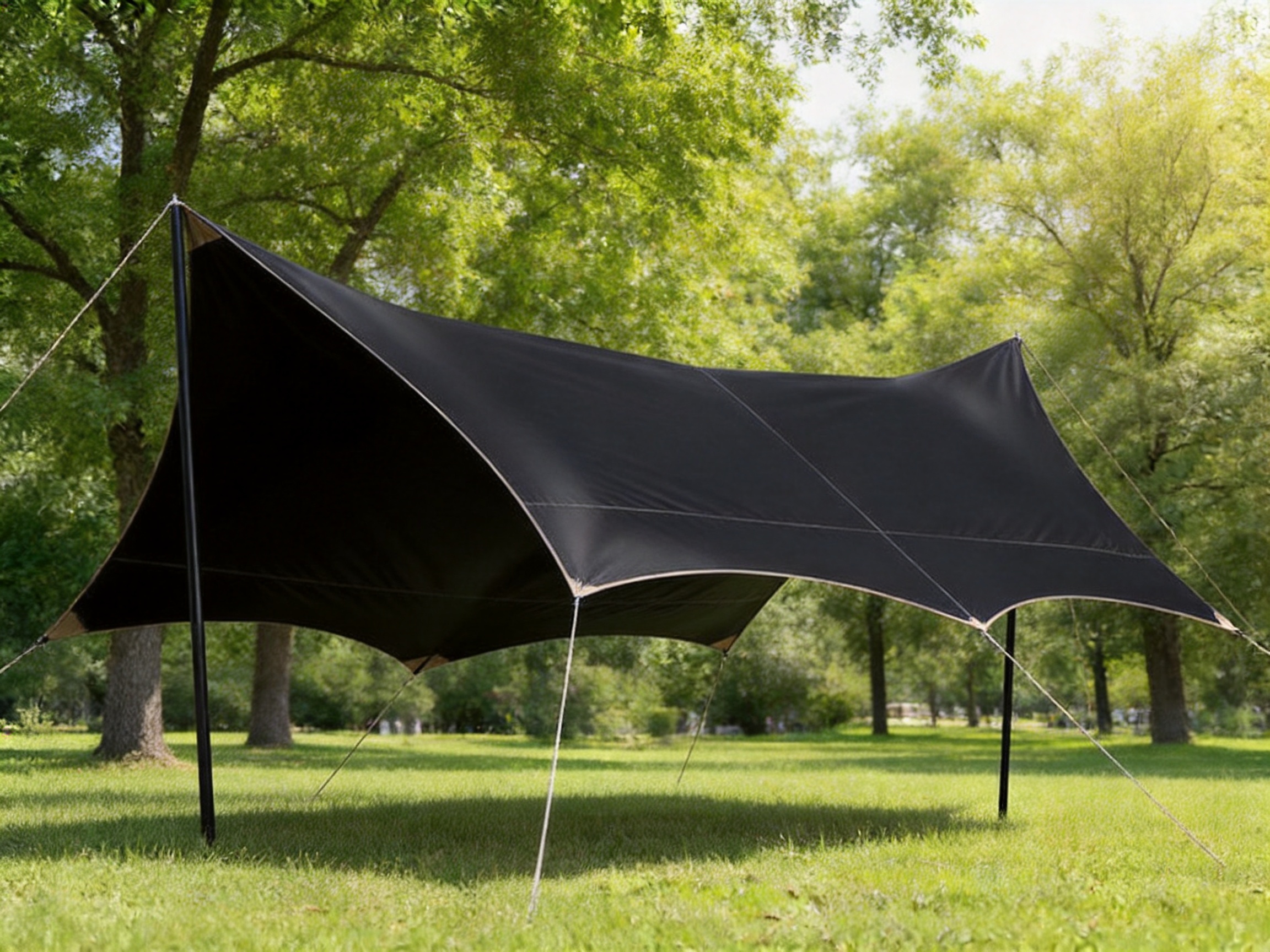
  • Large-Capacity Nylon Mountaineering Backpack for Multi-Day Outdoor Use

    Large-Capacity Nylon Mountaineering Backpack for Multi-Day Outdoor Use

    2026-06-18
    For serious hikers, mountain travelers, camping enthusiasts, and outdoor professionals, a backpack is more than a storage container. It is a mobile gear system that must remain stable, durable, weather-ready, and comfortable across changing terrain. The Large-Capacity Nylon Professional Mountaineering Backpack is designed around that reality. Built with a high-strength water-repellent nylon outer layer, a durable Oxford cloth inner lining, an independent rain cover, a spacious main compartment, trekking pole securing points, external attachment options, and an ergonomic carrying system, it is intended for demanding outdoor use where ordinary daypacks are not enough. This article examines the product from practical, manufacturing, and competitive perspectives. It explains how the backpack supports multi-day hikes, mountaineering trips, camping routes, and rugged travel scenarios. It also highlights the strengths of CragHaven Outdoor as a manufacturing partner: material-focused development, repeated sampling, scenario-based optimization, stable production logic, and a supply-chain approach designed for long-term value rather than short-term catalog trends. Large-capacity nylon professional mountaineering backpack, multi-functional sports double-shoulder mountaineering backpack Product Overview: A Professional Backpack Built for Real Outdoor Conditions The Large-Capacity Nylon Professional Mountaineering Backpack is positioned in the mountaineering backpack category, with a design language focused on long-distance load carrying, adaptable gear organization, and resistance to outdoor weather. Unlike casual backpacks or lightweight urban sports bags, this model is built for users who may carry clothing layers, food, hydration supplies, sleeping equipment, camping accessories, rain gear, navigation tools, and trekking poles over several days. The core material system combines a high-strength nylon shell with an Oxford cloth lining. This dual-layer structure is important because outdoor backpacks face both external and internal stress. Externally, the backpack may rub against rocks, tree branches, vehicle storage compartments, ground surfaces, and rough campsite terrain. Internally, equipment with hard corners, cookware, tools, stakes, or metal accessories may create abrasion from the inside. A backpack that only looks strong from the outside can still fail if the lining is weak. By using a water-repellent nylon exterior and a durable Oxford cloth inner layer, the product offers practical double protection for typical mountaineering and camping loads. The backpack also includes an independent rain cover, which is a major advantage for unpredictable mountain weather. Water-repellent fabric helps reduce moisture penetration during light rain or wet trail contact, but prolonged rainfall, wind-driven moisture, or storm conditions require a separate weather barrier. The independent rain cover adds an extra level of protection when the environment becomes more severe. This makes the backpack suitable for users who cannot rely on perfect forecasts and need gear protection during changing conditions. Large-capacity storage is another major feature. Multi-day hiking and mountaineering require more than minimal packing. Even experienced users who travel efficiently still need enough volume for insulation layers, spare socks, gloves, food supplies, cooking equipment, basic safety tools, shelter accessories, and other essentials. The main compartment is designed to support this kind of load planning. A large central compartment also allows users to pack bulkier items more easily, improving flexibility compared with small segmented bags that restrict packing options. In addition, the backpack includes a professional trekking pole securing system on the sides. This is a practical outdoor feature that directly reflects real trail use. Trekking poles are frequently used on steep ascents, long descents, loose gravel, muddy surfaces, and snow-covered trails. However, users may need to store them when climbing, traveling through brush, entering vehicles, handling camp tasks, or moving through areas where poles are inconvenient. A dedicated securing system keeps poles accessible and stable instead of forcing users to improvise with loose straps or internal storage. Why Large Capacity Matters in Mountaineering and Camping Capacity is not simply about carrying more items. In mountaineering and camping, capacity affects safety, comfort, packing efficiency, and adaptability. A backpack that is too small forces users to attach too many items externally, which can create imbalance, snagging, noise, and exposure to rain or dirt. A backpack with more usable internal volume allows critical gear to be packed securely and protected from the environment. For multi-day hikes, users typically need a combination of soft goods, hard goods, consumables, and emergency items. Soft goods may include thermal layers, base layers, rainwear, hats, gloves, sleeping accessories, or extra clothing. Hard goods may include cooking pots, fuel canisters, repair tools, lighting equipment, and water filtration devices. Consumables include food, snacks, and sometimes large water loads. Emergency items may include a first-aid kit, fire starter, headlamp, compass, rescue blanket, communication device, or compact shelter support. A large main compartment helps organize these categories without forcing critical equipment to be left behind. Another advantage of capacity is seasonal flexibility. In warm weather, users may pack lighter, but in cold weather or high-altitude conditions, insulation needs increase significantly. A backpack suitable only for summer day hikes may become useless when temperatures drop or route duration increases. The large-capacity design of this mountaineering backpack gives it broader application across different seasons and terrain types. Capacity also affects group use. In many outdoor teams, one user may need to carry shared equipment such as shelter components, a cooking system, group food, medical supplies, or technical accessories. A professional large backpack allows load sharing to be handled more efficiently. This is especially useful for guides, experienced hikers, expedition organizers, outdoor clubs, and camping groups that require practical equipment distribution. Compared with many competitor backpacks that focus heavily on appearance, compactness, or fashion styling, this backpack prioritizes functional volume. The design is not limited to light urban travel or single-day use. Instead, it addresses the reality that outdoor users often need a stable platform for substantial loads. This gives the product stronger value for retailers, distributors, and outdoor equipment buyers looking for practical gear rather than seasonal novelty products. Material Advantage: High-Strength Nylon Outer Layer The outer layer of a mountaineering backpack must handle repeated abuse. Nylon is widely used in outdoor equipment because it offers a strong balance of strength, flexibility, abrasion resistance, and manageable weight. In this product, the high-strength nylon shell is selected to support outdoor durability while remaining suitable for active use. It is not just a cosmetic surface; it is the first protective layer against weather, impact, friction, and trail wear. Water repellency is especially important. In the field, backpacks are frequently exposed to dew, light rain, wet grass, snow contact, dripping tent surfaces, muddy ground, and damp transport environments. A water-repellent outer shell helps moisture bead and run off rather than immediately soaking into the fabric. This improves user confidence and reduces the risk of damp contents during routine outdoor exposure. High-strength nylon also supports structural reliability. A large-capacity backpack must resist tearing at stress points, especially when loaded with heavy gear. Shoulder strap connections, side panels, compression zones, external attachment areas, and base sections often experience concentrated stress. A stronger shell material helps the backpack maintain integrity under dynamic movement, where loads shift with each step, climb, or descent. Competitor products in the low-cost market may use thinner fabric with a similar visual appearance. At first glance, these bags can look comparable, but differences emerge after repeated use. Thin materials can wrinkle, deform, fray, or tear around high-stress points. Lower-grade fabric may also lose its water-repellent performance faster. By focusing on durable nylon rather than purely appearance-oriented materials, this backpack is positioned for longer service life and more reliable outdoor use. The choice of material also reflects CragHaven Outdoor’s design philosophy: products should be developed for weather, terrain, and time. This means material selection is not based only on marketing terms or trend-driven specifications. It is based on how the backpack will be dragged, carried, packed, unpacked, compressed, rained on, leaned against rocks, placed on campsite ground, and used repeatedly over long periods. Inner Protection: Oxford Cloth Lining for Internal Durability While many customers focus on outer fabric, experienced product developers understand that the lining is equally important. The inner lining of this backpack uses durable Oxford cloth, creating an additional protective layer between packed contents and the outer shell. This structure is valuable because outdoor equipment often causes internal abrasion. Cookware, tools, tent accessories, buckles, poles, and containers may rub against the inside of a bag during movement. Oxford cloth is known for its woven strength and practical durability. As an inner lining, it helps protect the backpack from hidden wear that may not be visible during early use but can reduce long-term reliability. This is particularly important in large-capacity backpacks because users often pack heavier and more varied equipment than they would in a daypack. The combination of nylon and Oxford cloth creates a double-protection concept. The outer nylon resists external moisture and abrasion, while the Oxford lining reinforces the internal storage environment. This layered approach gives the backpack a competitive advantage over simpler designs that rely on a single layer of fabric or a weak lining to reduce cost. From a user perspective, a stronger lining also improves confidence when packing. Users do not want to worry constantly about whether a stove, tool, or hard container will damage the inside of the bag. While careful packing is always recommended, a durable lining makes the backpack more forgiving in real conditions. This is important because outdoor use is rarely perfect. Packing may be done quickly in rain, wind, darkness, or cold temperatures. For business buyers, the lining choice matters because product returns and customer complaints often result from durability failures after repeated use. A backpack that survives longer in real outdoor scenarios supports better brand reputation, stronger repeat purchases, and reduced after-sales issues. CragHaven Outdoor’s focus on long-term value makes this internal material strategy especially relevant for global markets. Weather Readiness: Independent Rain Cover for Extreme Conditions Mountain weather changes quickly. A clear morning can become an afternoon storm. Wind can push rain sideways. Mist can soak fabric over time. Campsites near lakes, rivers, or high elevations often experience heavy condensation. In these conditions, a water-repellent shell is helpful but may not be enough by itself. The independent rain cover included with this backpack gives users an additional defense layer when weather becomes more severe. A separate rain cover improves protection in several ways. First, it reduces direct water contact with the backpack body. Second, it helps shield zippers, seams, and fabric panels from prolonged rainfall. Third, it protects externally attached items from some moisture exposure, depending on how they are secured. Fourth, it allows users to respond quickly when rain begins without repacking the entire bag. This is a clear advantage over competitor backpacks that sell rain covers separately or omit them entirely. When a rain cover is not included, users may delay purchasing one or rely on improvised solutions such as plastic bags, ponchos, or pack liners. These methods can help, but they may not fit securely and may become inconvenient during movement. An integrated or dedicated independent cover is more practical for actual field use. The rain cover also increases the backpack’s suitability for multi-day routes. During a short hike, users can sometimes wait out a storm or return quickly. During a longer journey, they may have no choice but to continue through bad weather. A professional backpack must support those decisions by protecting essential gear. Dry clothing, insulation, food, and sleeping items can affect comfort and safety. Keeping gear dry is therefore not a luxury feature; it is a functional requirement. From a manufacturing standpoint, including a rain cover demonstrates that the product is designed as a complete outdoor system rather than a basic shell with straps. It reflects scenario-based thinking: the backpack is expected to encounter rain, and the solution is provided as part of the product. This aligns with CragHaven Outdoor’s principle that every feature should solve real-world usage problems. Ergonomic Carrying System: Comfort Under Load A large-capacity backpack must do more than hold equipment. It must carry weight in a way that supports the body during long movement. Poor load distribution can create shoulder pain, neck tension, lower back fatigue, unstable balance, and inefficient walking. The ergonomic carrying system of this backpack is therefore a central performance feature. An effective carrying system typically works by distributing weight across the shoulders, back, and hips while keeping the load close enough to the body to maintain control. Although users should always pack properly, the backpack structure can make a major difference. A well-designed back panel, shoulder strap shape, adjustment system, and stabilizing structure help reduce pressure points and improve movement efficiency. Ergonomics are especially important when terrain changes. On flat ground, a poorly balanced backpack may feel merely uncomfortable. On steep trails, rocky paths, muddy slopes, or narrow ridges, poor balance can become a safety issue. A backpack that shifts excessively or pulls backward can affect footing. A stable carrying system helps users maintain better posture and confidence. Compared with many competitor bags that emphasize maximum volume without sufficient support, this product approaches capacity and comfort as a combined system. Large storage is only useful if the user can carry it. A backpack that holds a lot but becomes painful after one hour is not truly functional. The ergonomic design helps turn capacity into practical field performance. For distributors and outdoor retailers, comfort-focused design is important because customers often judge backpacks after real use, not just in-store inspection. If a bag looks large and strong but causes discomfort, repeat purchase potential declines. CragHaven Outdoor’s attention to real-world use patterns supports products that satisfy users beyond the initial purchase moment. Trekking Pole Securing System: Practical Trail Adaptability Trekking poles are essential tools for many hikers and mountaineers. They reduce knee strain during descents, improve stability on uneven ground, help test terrain, and support rhythm during long-distance walking. However, there are times when poles need to be stored quickly. Climbers may need hands free. Travelers may enter crowded transport. Campers may need to handle equipment. Trail sections may require scrambling or gripping rocks. In these moments, a reliable pole securing system becomes valuable. This backpack includes professional trekking pole securing points on the sides. Side storage is practical because it keeps poles accessible without occupying the main compartment. It also prevents dirty or wet poles from contacting clothing, sleeping gear, or food inside the bag. Properly secured poles are less likely to swing, fall, or snag compared with improvised attachment methods. External pole storage also supports better packing organization. Users can reserve internal space for items that must remain dry and protected, while rugged tools remain outside. This is part of a larger outdoor design principle: not every item belongs in the main compartment. A professional backpack should provide multiple ways to manage different gear categories. Many lower-end backpacks provide generic side pockets or straps but do not secure poles effectively. Poles may slide, bounce, or interfere with walking. A dedicated securing approach improves reliability and reflects attention to real trail behavior. This detail gives the product an advantage for experienced users who evaluate backpacks based on field practicality rather than only volume or appearance. External Attachment Points: Expanding Gear Management Options Outdoor trips often require equipment that is bulky, wet, dirty, or frequently used. External attachment points help users manage these items without compromising the organization of the main compartment. This backpack includes abundant external attachment options, allowing users to secure gear such as sleeping pads, lightweight tools, jackets, water bottles, helmets, rope accessories, camp items, or other suitable outdoor equipment depending on the route and packing style. External attachment points add flexibility. For example, a user may want to keep a rain jacket accessible during unstable weather, attach a foam sleeping pad outside the pack, separate muddy gear from clean clothing, or secure items that do not fit easily inside the main compartment. The ability to customize load placement is especially useful on multi-day trips where packing needs change over time. However, external storage must be balanced carefully. Too many loose items can create instability. A good backpack provides attachment points that allow gear to be secured closely and firmly. This helps maintain a stable load profile. The design of this backpack supports versatile attachment while maintaining a professional mountaineering function. Competitor products sometimes limit external gear management to decorative loops or minimal straps that do not perform well under load. Others overload the exterior with unnecessary details that add complexity without practical value. This backpack aims for useful external attachment capacity, making it suitable for users who need adaptable storage rather than purely visual outdoor styling. From a product development standpoint, attachment points are not minor details. They influence how people interact with the backpack throughout a journey. A well-placed strap or loop can save time, reduce frustration, and improve trail efficiency. CragHaven Outdoor’s usage-based development approach supports this kind of practical feature planning. Competitive Advantages Over Ordinary Outdoor Backpacks The outdoor backpack market includes a wide range of products, from low-cost casual bags to technical expedition packs. Many products look similar in online listings, but performance differences become clear in actual use. The Large-Capacity Nylon Professional Mountaineering Backpack stands out because it combines durable materials, weather protection, large storage, pole management, external attachment capacity, and ergonomic support in one integrated product. One major advantage is the dual-material protection system. Some competitor backpacks use a single outer fabric and minimal lining. Others rely on visually rugged patterns without strong internal reinforcement. This backpack’s nylon outer shell and Oxford cloth lining create stronger protection from both outside and inside. For users carrying mixed outdoor equipment, this matters greatly. Another advantage is the included independent rain cover. In many competitor products, rain protection is treated as optional. That can reduce the advertised price but shifts the burden to the user. Including the rain cover makes the backpack more complete and more suitable for unpredictable conditions. It also adds value for retail customers who appreciate ready-to-use outdoor equipment. The large main compartment is also a competitive strength. Some backpacks divide storage into too many small zones, which can reduce usable volume for bulky gear. Others provide large volume but poor structure. This model balances generous main storage with external organization and carrying support, making it practical for multi-day packing. The trekking pole securing system gives the product an advantage among users who actively hike or climb rather than simply commute with an outdoor-style bag. This feature targets real mountain behavior and helps differentiate the backpack from generic sports backpacks. Ergonomics further strengthen the product’s position. Large capacity alone is not enough. If a competitor backpack lacks a supportive carrying system, users may experience discomfort during longer trips. The ergonomic design of this backpack supports extended movement and helps users manage heavier loads more effectively. The final competitive advantage comes from CragHaven Outdoor’s development and manufacturing philosophy. The company does not treat products as catalog items assembled only for visual appeal. It emphasizes weather, terrain, time, material durability, sampling, testing, and optimization. This approach supports stable quality and makes the backpack more attractive to business buyers seeking dependable supply rather than inconsistent one-time sourcing. Manufacturing Philosophy: Designed for Weather, Terrain, and Time CragHaven Outdoor is based in Hangzhou, China, and focuses on mountaineering, hiking, and camping scenarios. Its development philosophy is built around a practical statement: products should not be designed for catalogs, but for weather, terrain, and time. This philosophy is important because outdoor gear must perform after the first impression has passed. A backpack must survive repeated packing, lifting, carrying, rain exposure, trail abrasion, compression, storage, and transport. Designing for weather means considering moisture, rain, humidity, condensation, temperature changes, mud, and wind-driven exposure. In this backpack, that thinking is visible in the water-repellent nylon outer layer and independent rain cover. These features are not decorative; they directly respond to environmental uncertainty. Designing for terrain means understanding abrasion, load movement, balance, external gear contact, and the need for trekking pole management. Mountain trails create constant friction between user, equipment, and environment. The backpack’s durable shell, Oxford lining, external attachment points, and pole securing system reflect this terrain-aware logic. Designing for time means prioritizing durability and long-term use. Many outdoor products perform acceptably during early use but degrade quickly after repeated trips. CragHaven Outdoor emphasizes materials and construction decisions that support long-term value. Sampling, testing, and optimization are treated as standard processes rather than optional steps. This philosophy is particularly valuable for global buyers. In cross-border manufacturing, one of the main risks is inconsistency between product concept, sample quality, and mass production output. A manufacturer with scenario-based development knowledge can reduce misunderstanding and improve the chance that the final product performs as intended. CragHaven Outdoor positions itself not merely as a factory source but as a partner that understands outdoor usage. Advanced Manufacturing Strengths and Process Control Advanced manufacturing in outdoor gear is not only about machines. It is about connecting design intent, material selection, sampling, quality control, production repeatability, and real-world function. CragHaven Outdoor’s strength lies in combining China’s mature manufacturing system with outdoor product understanding. This allows the company to transform design ideas into stable, replicable, and scalable products. The process begins with scenario analysis. Instead of designing a backpack only around a target size or a visual trend, the company considers how the product will be used. Will it carry multi-day loads? Will it face rain? Will users attach trekking poles? Will the interior experience abrasion? Will the carrying system remain comfortable during long movement? These questions guide early decisions. Material selection follows. The high-strength water-repellent nylon outer layer and Oxford cloth lining are selected because they address specific performance needs. CragHaven Outdoor’s principle is to choose materials for durability, reliability, and long-term use rather than short-term trends. This reduces the risk of products that look attractive but fail under outdoor stress. Sampling is another key process. A sample is not only a sales model; it is a test object. Through sampling, developers can evaluate structure, capacity, attachment placement, carrying comfort, stitching performance, lining compatibility, rain cover integration, and overall usability. Problems identified in sampling can be corrected before larger production begins. Testing and optimization are also essential. Outdoor products require repeated refinement because small details can affect user experience. Strap position, pocket access, attachment tension, fabric behavior, and load balance may all require adjustment. CragHaven Outdoor treats testing and optimization as standard processes that cannot be omitted. This approach improves product maturity and reduces risk for customers. Production repeatability is critical for business buyers. A strong sample is not enough if mass production varies significantly. By working within China’s mature and efficient manufacturing ecosystem, CragHaven Outdoor can support scalable production while maintaining attention to functional requirements. This matters for importers, private-label brands, wholesalers, and retailers who need stable batches and predictable quality. Quality-Oriented Material and Construction Decisions Material quality and construction quality must work together. Strong fabric can fail if stitching is weak, and good stitching cannot compensate for unsuitable materials. In a large-capacity mountaineering backpack, stress points require special attention because the user may carry heavy gear over long distances. Shoulder strap connections, side attachment zones, bottom panels, and compression areas must be designed with load behavior in mind. The product’s combination of nylon and Oxford cloth supports both external and internal durability. Water repellency improves protection during wet conditions, while the rain cover extends weather resistance during heavy exposure. External attachment points provide flexibility, while the ergonomic system supports load comfort. These features must be integrated carefully so that one function does not weaken another. For example, external attachment points should be positioned where they can support gear without tearing fabric or disturbing balance. Trekking pole securing systems must hold poles securely without interfering with walking motion. The rain cover must be accessible enough to use quickly. The large main compartment must provide practical storage without creating an unstable shape. The carrying system must support load transfer without excessive pressure. These details show why manufacturing experience matters. A backpack is a system of interacting parts. A small change in strap angle, fabric thickness, seam placement, or panel shape can affect performance. CragHaven Outdoor’s emphasis on repeated sampling and optimization helps ensure that these interactions are addressed before production scale-up. Practical Use Scenarios This backpack is suitable for a wide range of outdoor scenarios, especially those involving extended carrying and variable conditions. In multi-day hiking, it provides space for clothing, shelter accessories, food, water systems, rain protection, and safety equipment. The rain cover helps protect the load during changing weather, while the ergonomic system supports longer movement. In mountaineering approaches, users can benefit from the trekking pole securing system and external attachment points. Poles can be stored when hands are needed, and external gear can be arranged according to route demands. The durable outer shell helps resist contact with rough terrain, while the inner lining protects against equipment abrasion. For camping trips, the large main compartment is useful for bulkier items. Campers often carry sleeping accessories, cooking equipment, extra layers, and personal items. External attachment points can help manage items that are too large, wet, or frequently accessed. The water-repellent shell and rain cover provide confidence when the backpack is placed near tents, under trees, or on damp ground. For outdoor travel and overland movement, the backpack offers flexible packing and durable construction. Users who travel through mixed environments, such as buses, trailheads, campsites, hostels, and mountain villages, need gear that can handle both transport abuse and outdoor exposure. A strong nylon shell and Oxford lining support this type of use. For outdoor clubs, training groups, and guided trips, the backpack can serve as reliable group equipment. Its feature set addresses common needs without excessive complexity. Large capacity, weather protection, external attachment options, and carrying comfort make it practical for users with different skill levels. Feature and Benefit Summary Product Feature Practical Benefit Competitive Advantage High-strength water-repellent nylon outer layer Helps resist abrasion, light moisture, and outdoor wear Stronger long-term value than thin fashion-oriented fabrics Durable Oxford cloth inner lining Protects the interior from gear abrasion and repeated packing stress Improves durability compared with single-layer or weak-lined backpacks Independent rain cover Adds protection during heavy rain and unpredictable weather More complete than competitor models that require separate purchase Large main compartment Supports multi-day hiking, camping loads, clothing, food, and equipment More useful for serious outdoor trips than compact casual packs Trekking pole securing system Keeps poles accessible and stable when not in use Targets real trail behavior better than generic side straps External attachment points Allows flexible storage for bulky, wet, or frequently used gear Improves adaptability for different routes and seasons Ergonomic carrying system Improves comfort and load control over long distances Balances capacity with practical carrying performance Scenario-based manufacturing development Connects design, materials, sampling, testing, and production Reduces sourcing uncertainty for global buyers Value for Retailers, Distributors, and Private-Label Buyers For business buyers, the value of a backpack is measured not only by unit cost but also by customer satisfaction, repeatability, market positioning, and after-sales risk. A low-cost backpack that creates frequent complaints can become expensive in the long run. A reliable product with clear functional advantages can support stronger brand trust and better market performance. This Large-Capacity Nylon Professional Mountaineering Backpack offers a strong selling proposition because its features are easy to explain and directly relevant to users. Retail staff, online product pages, distributors, and brand owners can communicate the benefits clearly: durable nylon exterior, Oxford cloth lining, independent rain cover, large capacity, trekking pole securing system, external attachment points, and ergonomic carrying support. The product also fits multiple market segments. It can appeal to hikers planning multi-day trips, campers needing practical storage, outdoor travelers seeking a rugged bag, and mountaineering users who require pole management and weather readiness. This broad relevance helps buyers reduce inventory complexity because one product can serve several outdoor scenarios. CragHaven Outdoor’s manufacturing role adds further value. The company understands outdoor products and participates in design and manufacturing rather than only factory sourcing. It communicates in a professional, Western-market-oriented way, which is important for cross-border cooperation. Clear communication reduces errors, improves expectations, and supports efficient project development. Long-term partnership is another advantage. CragHaven Outdoor prioritizes stable and sustainable relationships. This matters because outdoor product lines often require seasonal planning, repeat orders, packaging adjustments, quality consistency, and possible feature refinements. A supplier focused on long-term cooperation can help buyers develop stronger product programs rather than constantly restarting with new factories. How the Backpack Supports Safer and More Efficient Packing Effective packing is a key part of outdoor safety. A backpack with a large main compartment and external attachment points allows users to separate gear by weight, access frequency, and weather sensitivity. Heavy items can be placed closer to the back to improve balance. Soft items can fill gaps. Rain-sensitive items can remain protected inside, while wet or rugged items can be attached outside when appropriate. The Oxford cloth lining helps protect the inside when mixed equipment is packed. The nylon outer shell helps defend against external abrasion. The rain cover can be deployed when conditions worsen. Trekking poles can be secured externally when not in use. These features work together to support better organization and quicker transitions on the trail. For example, when approaching a steep section where poles are no longer useful, the user can secure them on the sides and keep hands free. When rain begins, the rain cover can be used without unpacking. When arriving at camp, external attachment points can help separate wet gear from dry contents. These small efficiencies matter during long trips because they reduce fatigue and decision pressure. In comparison, a basic backpack may force users to make compromises: poles carried by hand, wet jackets stuffed inside, rain cover purchased separately, hard equipment rubbing against weak lining, or heavy loads carried with poor support. The professional design of this backpack reduces those compromises and improves overall outdoor workflow. Design Balance: Strength, Capacity, Weather Protection, and Comfort The best outdoor backpack is not the one with the most features on paper. It is the one that balances the right features for actual use. Too much structure can add unnecessary weight. Too little structure can reduce comfort. Too many pockets can limit bulk storage. Too few attachment points can reduce flexibility. Excessively technical features may confuse casual users, while overly simple designs may fail experienced users. This backpack achieves balance by focusing on core mountaineering and camping needs. Its large compartment provides storage flexibility. Its material system supports durability. Its rain cover improves weather protection. Its trekking pole system addresses trail equipment management. Its external attachment points support adaptable packing. Its ergonomic system helps carry the load. This balance is also commercially valuable. Products that are too specialized may appeal only to a narrow segment. Products that are too generic may lack differentiation. This backpack sits in a practical middle ground: professional enough for serious outdoor use, but understandable enough for broad market acceptance. CragHaven Outdoor’s design philosophy supports this balance. By starting from usage scenarios rather than catalog appearance, the company can prioritize features that matter. The goal is not to overload the backpack with unnecessary claims, but to make each included feature solve a practical problem. Durability as Long-Term Value Durability is one of the most important measures of outdoor gear quality. A backpack may be carried for hundreds of kilometers, exposed to rain, compressed during transport, placed on rough ground, and loaded repeatedly with heavy equipment. If it fails during a trip, the consequences can be inconvenient or even serious. Long-term durability therefore creates both user value and business value. The nylon exterior contributes to durability by resisting external wear. The Oxford cloth lining contributes by protecting against internal abrasion. The rain cover reduces weather-related stress. The ergonomic system helps stabilize the load, which may also reduce unnecessary strain on certain parts of the backpack. External attachment points provide proper gear placement, reducing the need for improvised methods that may damage fabric or straps. Durability also supports sustainability in a practical sense. A backpack that lasts longer reduces the need for frequent replacement. This aligns with the idea of long-term value rather than short-term trends. CragHaven Outdoor’s product development approach reflects this by focusing on reliable materials and testing rather than purely visual novelty. For global buyers, durable products can improve customer reviews, reduce return rates, and strengthen brand credibility. In outdoor markets, trust is built through repeated successful use. Customers remember gear that performs during difficult trips. They also remember gear that fails. A durable backpack helps businesses build the right kind of reputation. Why Scenario-Based Development Matters Scenario-based development means designing from actual use conditions rather than from isolated specifications. A specification sheet can list capacity, material, color, and size, but it does not automatically guarantee field performance. Outdoor gear must be understood through scenarios: packing before dawn, walking in rain, climbing steep ground, storing poles, accessing gear at camp, carrying loads when tired, and protecting equipment during unexpected weather. This backpack reflects scenario-based development in multiple ways. The rain cover responds to sudden storms. The large compartment responds to multi-day load needs. The trekking pole securing system responds to changing trail sections. The external attachment points respond to varied gear types. The ergonomic carrying system responds to long-distance fatigue. The material pairing responds to external and internal abrasion. CragHaven Outdoor’s company philosophy emphasizes that excellent outdoor products are not built on a pile of parameters but on deep understanding of environment, usage patterns, and the test of time. This perspective is important for buyers who want products that perform beyond marketing images. It also supports better product differentiation because features are connected to real user problems. Q&A Section What type of user is this backpack best suited for? This backpack is best suited for hikers, campers, mountaineering users, outdoor travelers, and group activity participants who need large-capacity storage, durable materials, weather readiness, and comfortable load carrying. It is especially useful for multi-day trips and routes where trekking poles, external attachments, and rain protection are important. How does the nylon outer layer benefit outdoor users? The high-strength nylon outer layer helps resist abrasion, outdoor friction, and routine trail wear. Its water-repellent property helps reduce moisture absorption during light rain, wet vegetation contact, and damp conditions. This makes it more suitable for mountain and camping environments than ordinary casual backpack fabrics. Why is the Oxford cloth lining important? The Oxford cloth lining adds internal durability. Outdoor users often carry hard or rough equipment such as cookware, tools, poles, containers, and camp accessories. A stronger lining helps protect the inside of the backpack from abrasion caused by repeated packing and movement. Does the backpack provide rain protection? Yes. The backpack uses a water-repellent nylon outer layer and includes an independent rain cover. The outer material helps during light moisture exposure, while the rain cover adds protection during heavier or prolonged rain. What makes this backpack different from ordinary sports backpacks? Ordinary sports backpacks often focus on light use, appearance, or short trips. This backpack is designed for professional outdoor scenarios with large-capacity storage, double material protection, rain cover support, trekking pole securing points, external attachment options, and an ergonomic carrying system. Can trekking poles be attached to the backpack? Yes. The backpack includes a professional trekking pole securing system on the sides. This allows users to store poles when they need their hands free or when poles are not required for a section of the route. Why are external attachment points useful? External attachment points allow users to carry bulky, wet, dirty, or frequently used items outside the main compartment. This improves packing flexibility and helps users adapt to different terrain, weather, and trip duration. How does the ergonomic carrying system improve the experience? The ergonomic carrying system helps distribute weight more comfortably and supports better load stability during long movement. This is especially important when carrying heavy gear over uneven mountain terrain. What manufacturing strengths support the product? CragHaven Outdoor supports the product through scenario-based design, durable material selection, sampling, testing, optimization, and scalable manufacturing within China’s mature production system. The company focuses on long-term reliability and stable supply rather than short-term catalog trends. Is this backpack suitable for business buyers? Yes. Retailers, distributors, private-label brands, and outdoor equipment buyers can benefit from the backpack’s clear feature set, broad outdoor application, durable construction concept, and the manufacturer’s focus on communication, repeatability, and long-term partnership. Conclusion: A Functional Backpack for Serious Outdoor Value The Large-Capacity Nylon Professional Mountaineering Backpack is designed for users who need dependable performance in real outdoor environments. Its high-strength water-repellent nylon outer layer, durable Oxford cloth lining, independent rain cover, spacious main compartment, trekking pole securing system, abundant external attachment points, and ergonomic carrying system create a well-rounded product for mountaineering, hiking, camping, and rugged travel. Its advantages over many competitor products come from practical integration. It does not rely on appearance alone. It offers double material protection, built-in weather readiness, real trail equipment management, adaptable external storage, and load-carrying comfort. These features respond directly to the challenges outdoor users face during multi-day movement and variable conditions. The product also reflects the manufacturing strengths of CragHaven Outdoor. The company’s approach is based on weather, terrain, and time; material durability; sampling; testing; optimization; and long-term supply-chain stability. For global buyers, this reduces uncertainty and supports more reliable product development. For end users, it means a backpack built with practical outdoor experience in mind. In a market filled with backpacks that may look similar online, real value comes from the details that survive repeated use. This model offers those details in a balanced, functional, and commercially meaningful way. It is a strong choice for buyers seeking a professional mountaineering backpack that supports serious outdoor activity while delivering durable long-term value. References Ryan, L. Outdoor Gear Design Principles: Materials, Load Systems, and Field Durability. Mountain Equipment Studies Press. Hampton, C. Backpacking Systems and Trail Load Management. Alpine Fieldcraft Publications. Miller, A. Textile Performance in Outdoor Equipment: Nylon, Oxford Cloth, and Weather Protection. Technical Fabric Review. Thompson, J. Ergonomics for Hiking and Mountaineering Packs. Journal of Applied Outdoor Product Design. Wang, S. Manufacturing Quality Control for Functional Outdoor Gear. International Production and Sourcing Review. Product: Large-capacity nylon professional mountaineering backpack, multi-functional sports double-shoulder mountaineering backpack .profile-card { display: flex; align-items: flex-start; gap: 2rem; background-color: white; padding: 2rem; border-radius: 12px; box-shadow: 0 2px 10px rgba(0,0,0,0.05); } .profile-avatar { width: 120px; height: 120px; border-radius: 50%; overflow: hidden; flex-shrink: 0; } .profile-avatar img { width: 100%; height: 100%; object-fit: cover; display: block; } .profile-info { flex-grow: 1; } .profile-name { font-size:27px; font-weight: 900; margin-bottom: 1rem; color: #1a1a1a; } .profile-bio { line-height: 1.6; color: #333; } @media (max-width: 600px) { .profile-card { flex-direction: column; align-items: center; text-align: center; gap: 1.5rem; } } Deng Yuli — International Sales Manager 10 years of B2B sales experience in outdoor equipment manufacturing, focusing on key account development, quotation negotiation, product proposal preparation, and long-term cooperation with overseas distributors and private-label brands.
    View Article
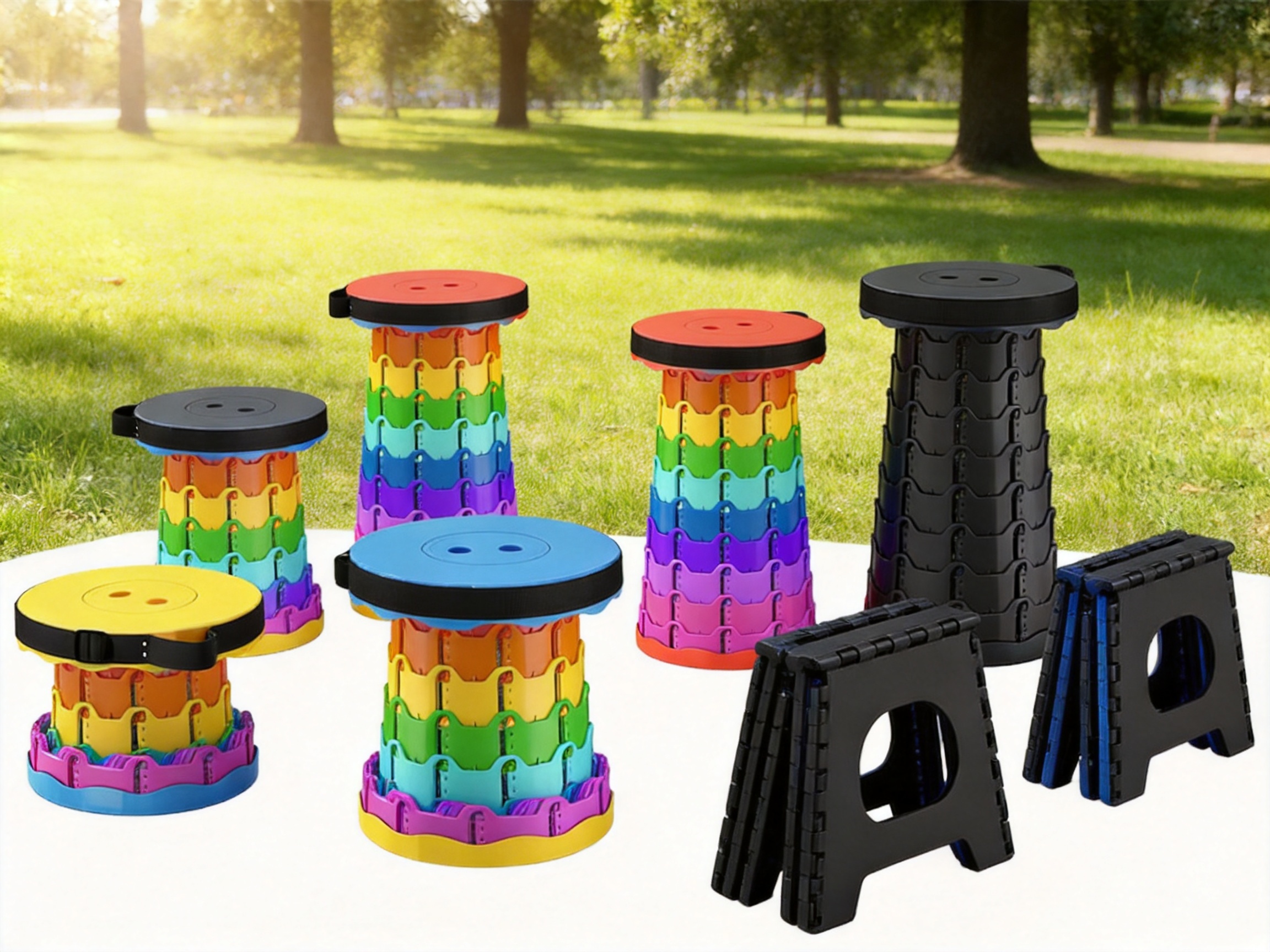
  • Large-Capacity Nylon Professional Mountaineering Backpack for Multi-Day Expeditions

    Large-Capacity Nylon Professional Mountaineering Backpack for Multi-Day Expeditions

    2026-06-16
    For mountaineers, trekkers, and long-distance campers, a backpack is not simply a storage container. It is the moving base camp that carries shelter, food, insulation, tools, emergency equipment, and personal essentials across rough terrain and unstable weather. A professional expedition backpack must therefore balance capacity, weather resistance, structural reliability, comfort, and practical organization. The large-capacity nylon professional mountaineering backpack described here is designed for exactly that purpose: multi-day hiking, alpine approaches, camping travel, and outdoor missions where ordinary daypacks are not enough. This backpack belongs to the mountaineering backpack category and is built with a high-strength, water-repellent nylon outer layer, a durable Oxford cloth inner lining, an independent rain cover, a spacious main compartment, side trekking pole securing systems, multiple external attachment points, and an ergonomic carrying structure. These design choices are not decorative features; they solve real field problems. Gear must remain dry, loads must remain stable, external tools must be easy to attach, and shoulder pressure must be controlled during long hours on trails, rock paths, forest routes, and mountain ridges. In competitive outdoor markets, many backpacks appear similar at first glance. They may share a large silhouette, multiple straps, and aggressive outdoor styling. However, real performance depends on materials, sewing quality, load distribution, weather protection, and functional layout. This model is positioned as a professional, practical, and durable option for users and distributors who value long-term performance over short-term visual appeal. It is also supported by the product development and manufacturing capabilities of CragHaven Outdoor, a Hangzhou-based outdoor gear manufacturer focused on mountaineering, hiking, and camping scenarios for global markets. Large-capacity nylon professional mountaineering backpack, multi-functional sports double-shoulder mountaineering backpack Designed for Real Mountain Use, Not Just Product Catalogs A major strength of this backpack is that it is developed around actual outdoor use. Multi-day mountain travel places very different demands on equipment compared with city commuting or casual travel. A climber or trekker may need to carry a sleeping bag, rainwear, spare layers, cooking equipment, hydration supplies, trekking poles, navigation tools, repair items, and emergency protection. These items are varied in shape, weight, and accessibility requirements. A good pack must therefore allow both large-volume storage and flexible external organization. The large main compartment provides the base capacity required for multi-day hikes and camping trips. Rather than limiting the user to short outings, the pack supports extended travel where volume matters. The main compartment can accommodate bulky equipment, while exterior attachment points help manage items that should remain outside the pack, such as damp rain gear, trekking poles, foam pads, rope accessories, or lightweight tools. This flexibility gives the backpack an advantage over simpler competitor models that rely only on one large chamber and offer limited external carrying options. The side trekking pole securing system is particularly important for mountaineering and long-distance hiking. Trekking poles may be essential on steep ascents, descents, snowfield approaches, river crossings, and unstable ground, but they also need to be stowed safely when hands must be free. Without secure side retention, poles can shift, fall, scratch other gear, or create imbalance. A dedicated system keeps them controlled and accessible. For outdoor users, this small feature can make a large difference in efficiency and safety. Another practical advantage is the independent rain cover. Water-repellent fabric is valuable, but no backpack fabric should be expected to replace full rain protection during sustained downpours. An integrated or independent rain cover gives the user an additional layer of weather defense when the pack is exposed to heavy rain, wet vegetation, or storm conditions. This is especially useful during long routes where there is no immediate shelter and where dry clothing and sleeping equipment are critical to comfort and safety. Material System: High-Strength Nylon with Oxford Cloth Lining The outer layer of the backpack is made of high-strength, water-repellent nylon. Nylon is widely valued in outdoor gear because it offers a strong balance between abrasion resistance, tensile strength, flexibility, and manageable weight. In mountain environments, backpacks are frequently exposed to rock surfaces, tree branches, snow edges, muddy ground, transport handling, and repeated loading cycles. A weak outer fabric may begin to fray, tear, or lose structure quickly. High-strength nylon helps the pack withstand these conditions and supports longer service life. The water-repellent treatment adds protection against light rain, snow contact, mist, and splashes. While the rain cover provides the most complete defense in harsh weather, the water-repellent nylon outer layer helps reduce water absorption during normal use. This keeps the pack lighter in damp conditions and helps protect internal contents during brief exposure. Compared with lower-grade polyester shells often found in entry-level competitor packs, this nylon-based construction provides a more performance-oriented material foundation. Inside the pack, durable Oxford cloth serves as the lining. The purpose of the lining is often underestimated, but it plays an essential role in day-to-day durability. Internal items such as cookware, tool handles, tent hardware, food containers, and gear edges can rub against the inside of the pack. A weak lining may fail even when the outer shell remains intact. Oxford cloth improves inner abrasion resistance and provides an additional protective layer. The combination of nylon outside and Oxford cloth inside creates a double-protection material system. This dual-layer approach is one of the backpack’s clearest advantages over many simplified competitor designs. Some budget backpacks focus only on outer appearance while using thin inner materials that wear quickly under heavy loads. In contrast, this pack is designed with both external and internal stress in mind. The outer fabric faces weather and terrain, while the inner lining faces equipment friction and repeated packing. Together, they support reliability during extended use. Weather Protection for Uncertain Conditions Mountain weather is rarely predictable. A morning may begin with clear skies and end with rain, fog, wind, or cold mist. On long routes, a backpack must be prepared for changing conditions without requiring complicated adjustments. This model addresses weather uncertainty through three layers of protection: water-repellent nylon, durable inner lining, and an independent rain cover. The water-repellent nylon shell helps shed surface moisture and reduces the speed at which water penetrates the outer layer. The Oxford lining provides a second barrier and adds structure. When conditions become extreme, the rain cover can be deployed to cover the backpack more completely. This layered approach is more practical than relying on a single material feature. It recognizes that real outdoor weather is variable and that protection should be redundant rather than minimal. Competitor backpacks sometimes advertise water resistance but omit a rain cover or provide only limited fabric protection. This can be acceptable for short walks but risky for multi-day outdoor travel. Wet gear can reduce comfort, increase pack weight, damage electronics, and compromise insulation. For campers, a wet sleeping system can turn a routine trip into a serious problem. By including independent rain protection, this backpack offers more confidence for users traveling through wet forests, mountain passes, rainy campsites, and unpredictable shoulder-season conditions. Weather protection also has business value for distributors and retailers. Customers who buy outdoor gear for serious use expect products to perform when conditions worsen. A backpack that helps protect gear can reduce dissatisfaction, returns, and negative reviews. For buyers sourcing outdoor products for global markets, robust weather-oriented design is not just a feature; it is a competitive positioning point. Large Capacity Without Losing Functional Control Large capacity is valuable only when it remains manageable. A pack that simply offers volume but lacks organization can become inefficient and uncomfortable. Users may waste time searching for essential items, overload the wrong areas, or create unstable weight distribution. This mountaineering backpack is built around a large main compartment supported by external systems that improve functional control. The main compartment is intended for larger items needed during multi-day hikes and camping trips. This may include clothing layers, sleeping equipment, food bags, compact cooking gear, and personal supplies. Because multi-day loads are often dense and irregular, the compartment must be strong enough to handle repeated packing and compression. The durable outer and inner materials support this purpose. External attachment points expand usability. Outdoor users often carry items that do not fit neatly inside a pack or that should remain outside due to moisture, shape, or accessibility. For example, trekking poles, rain shells, ground mats, light tools, or tent accessories may be attached externally. Abundant attachment points allow users to adapt the pack to different activities and packing styles. This versatility gives the product an advantage over more basic competitor packs with fixed layouts and fewer exterior options. For mountaineering and camping, flexibility is especially important because no two trips are exactly the same. A summer hiking route, a rainy forest camp, a high-altitude approach, and a long-distance trekking itinerary all require different packing decisions. A multifunctional backpack should support these changes without forcing the user into one rigid organization method. This product’s combination of large internal space and external expandability makes it suitable for varied outdoor scenarios. Ergonomic Carrying System for Long-Distance Comfort Comfort is one of the most decisive factors in backpack performance. Even a strong, spacious pack becomes a liability if it causes shoulder pain, poor balance, or rapid fatigue. This model uses an ergonomically designed carrying system to improve load handling during long hours of movement. The purpose of ergonomic design is to help the pack follow the body more naturally, distribute weight more effectively, and reduce unnecessary pressure points. In outdoor use, a backpack is constantly moving with the user. It shifts during climbs, descents, turns, steps over rocks, and changes in body angle. A poorly designed carrying system can swing, pull backward, or concentrate weight on the shoulders. Over several hours, this may lead to fatigue, soreness, and reduced stability. An ergonomic structure improves the relationship between pack and body, helping users maintain better posture and more controlled movement. The double-shoulder mountaineering design is important because it allows load distribution across both shoulders and the back. For heavy loads, the shoulder system must be stable and comfortable. While the specific shoulder strap details are not listed in the product data, the overall ergonomic carrying concept indicates that comfort and load management were considered as core requirements. This differentiates the backpack from low-cost large bags that may offer capacity but lack professional carrying design. For business buyers, ergonomic performance can influence customer satisfaction strongly. Users may forgive minor aesthetic limitations, but they rarely continue using a backpack that hurts during real trips. Comfort becomes a repeat-purchase driver. A backpack that carries well is more likely to be recommended by hikers, guides, campers, and outdoor communities. Professional Details That Improve Field Efficiency Small details often determine whether outdoor gear feels professional or ordinary. This backpack includes several practical features that improve field efficiency. The trekking pole securing system allows poles to be carried securely when not in use. The external attachment points allow modular packing. The independent rain cover provides fast weather response. The large main compartment supports multi-day planning. The nylon and Oxford material system supports durability inside and outside. These features work together rather than standing alone. A backpack with only durable fabric but poor organization still feels incomplete. A backpack with many straps but weak materials may fail under stress. A large pack without weather protection can expose critical gear to moisture. This model combines capacity, durability, protection, and usability into a balanced platform for mountain travel. The advantage over competitors is not based on a single exaggerated claim. Instead, it comes from practical integration. Many competing products emphasize one visible selling point, such as size or sporty appearance. This backpack emphasizes the combination of field-relevant features. That makes it better suited to users who actually carry gear through difficult environments. Manufacturing Philosophy Behind the Product The product is supported by the manufacturing philosophy of CragHaven Outdoor, an outdoor brand and cross-border manufacturing partner based in Hangzhou, China. The company focuses on mountaineering, hiking, and camping scenarios, with the goal of delivering functional, reliable, and long-term value outdoor gear for global markets. Its approach is rooted in the belief that outdoor products should be designed for weather, terrain, and time rather than merely for catalog display. This philosophy matters because the outdoor industry is full of products that look capable but are not built around actual use. A pack may photograph well, but real performance depends on material choice, stitch consistency, load-bearing construction, and feature placement. CragHaven Outdoor emphasizes that every feature should solve a real-world usage problem. In this backpack, that principle can be seen in the weather protection system, trekking pole attachment, external expansion points, and ergonomic carrying structure. The company also emphasizes material selection for durability, reliability, and long-term use rather than short-term trends. This is reflected in the use of high-strength nylon and Oxford cloth. Instead of relying only on surface styling, the material system addresses repeated outdoor stress. For global buyers, this approach supports product consistency and practical customer value. Sampling, testing, and optimization are described as standard processes that cannot be omitted. This is an important manufacturing strength. Outdoor gear often requires refinement after prototypes are produced. Strap placement, compartment proportions, rain cover compatibility, fabric behavior, and comfort characteristics may all require adjustment. A company that builds sampling and optimization into its workflow is better positioned to deliver stable products at scale. Advanced Production Strengths and Supply Chain Reliability CragHaven Outdoor aims to reduce uncertainty in the supply chain. This is a significant advantage for international buyers, retailers, importers, and outdoor brands seeking reliable manufacturing partners. Outdoor gear sourcing can be challenging because products must satisfy functional expectations, material requirements, cost targets, packaging needs, and delivery schedules. A supplier that understands both outdoor usage and manufacturing execution can reduce communication gaps and product risk. The company participates in both design and manufacturing rather than acting only as a factory sourcing channel. This gives it a stronger ability to translate field requirements into production details. For a mountaineering backpack, that translation includes selecting appropriate fabrics, choosing lining materials, ensuring attachment points are practical, planning rain protection, and considering how the carrying system will perform under load. A purely trading-oriented supplier may not provide the same depth of product understanding. Hangzhou and the broader Chinese manufacturing ecosystem provide mature production infrastructure for textile, bag, and outdoor equipment categories. CragHaven Outdoor uses this manufacturing environment to transform design intent into stable, repeatable, and scalable products. This combination of practical outdoor understanding and efficient manufacturing capability is one of the company’s core strengths. For global markets, communication style is also important. The company positions itself as Western-market-oriented in its communication. This can help buyers clarify specifications, understand product positioning, refine features, and manage expectations. In cross-border manufacturing, clear communication is not a minor service detail; it is essential for avoiding mistakes in materials, colors, packaging, labeling, and performance requirements. Comparison with Typical Competitor Backpacks The following comparison summarizes how this professional mountaineering backpack stands against common competitor models in the same general category. The table is based on the provided product features and typical market differences between professional outdoor packs and basic large-capacity bags. Evaluation Area This Mountaineering Backpack Typical Basic Competitor Backpack Practical Advantage Outer Material High-strength, water-repellent nylon Often standard polyester or lower-grade synthetic fabric Better balance of durability, weather resistance, and mountain suitability Inner Protection Durable Oxford cloth lining May use thin lining or simplified internal fabric Improved resistance to internal abrasion from gear Weather Defense Water-repellent shell plus independent rain cover May rely only on surface water resistance More reliable protection in rain, wet vegetation, and storm conditions Capacity Large main compartment for multi-day hikes May offer volume but limited practical organization Better suited to camping, trekking, and longer routes External Carrying Abundant external attachment points Often fewer attachment options More flexible packing for tools, poles, rain gear, and accessories Trekking Pole Storage Professional side securing system May lack dedicated pole retention Safer, cleaner, and more convenient pole management Carrying Comfort Ergonomic carrying system May prioritize size over fit and comfort Reduced fatigue and improved stability during long movement Manufacturing Support Backed by design, sampling, testing, and optimization processes May be sourced mainly for appearance or low price More consistent product reliability for serious outdoor markets The table shows that the product’s competitive edge comes from integration. The backpack does not depend on one feature alone. It combines durable materials, weather readiness, large capacity, modular external storage, pole management, ergonomic support, and professional manufacturing discipline. This combination is what separates a true mountaineering backpack from a generic large sports bag. Use Scenarios and Target Users This backpack is suitable for a wide range of outdoor users. Multi-day hikers can use the large main compartment for clothing, food, and shelter equipment. Campers can benefit from the external attachment points for mats, rain gear, and accessories. Mountaineers and alpine approach users can use the trekking pole securing system and weather protection features. Outdoor travelers can use the large capacity and durable construction for rugged travel routes where ordinary luggage is not practical. The backpack is also suitable for outdoor clubs, retail product lines, e-commerce sellers, expedition equipment distributors, and private-label outdoor programs. Its feature set addresses common customer expectations in global outdoor markets: durability, weather resistance, carrying comfort, and practical organization. Because the product is not limited to a narrow niche, it can serve multiple sales channels and outdoor scenarios. For beginners moving beyond casual day hiking, the backpack offers a step up in capacity and structure. For experienced users, its value lies in practical details and material reliability. For retailers, it can be positioned as a professional large-capacity pack for mountain hiking and camping. For distributors, it provides a product with clear feature explanations and strong merchandising potential. How the Backpack Supports Multi-Day Packing On a multi-day route, packing strategy becomes essential. Heavier items should generally remain close to the back and centered to improve balance. Frequently used items should be placed where they can be reached quickly. Wet or dirty equipment may need to be separated or attached externally. The structure of this backpack supports these practical packing needs. The main compartment can carry the core load, including clothing, compact sleeping gear, food, and camping essentials. External attachment points allow users to keep bulky or irregular items outside the main storage area when needed. Trekking poles can be secured to the sides when not in use, preventing them from interfering with internal packing. The rain cover can be deployed when conditions change, protecting the overall load without requiring a complete repack. This adaptability is particularly useful in mountain travel because conditions change throughout the day. A user may begin with poles in hand, later attach them during a scramble, then retrieve them for a descent. Rain gear may be packed externally after use. A wet cover or ground sheet may need separation from dry clothes. The backpack’s feature layout supports these transitions. Compared with simpler competitors, the product gives users more control over how they organize their equipment. That control saves time, reduces frustration, and improves safety. In outdoor environments, efficiency is not just convenience; it helps users conserve energy and respond more effectively to weather or terrain changes. Durability as a Long-Term Value Proposition Durability is one of the strongest value arguments for this backpack. Outdoor users often judge products not by first impressions but by how they perform after repeated trips. A backpack may look attractive when new, but its real quality becomes visible after it has been loaded heavily, dragged through transport, exposed to rain, placed on rough ground, and opened repeatedly in camp. The high-strength nylon outer layer supports resistance to abrasion and tearing. The Oxford cloth lining helps protect against internal wear. The rain cover helps reduce moisture stress. The external attachment system allows users to manage equipment without forcing everything into the main compartment, which may reduce internal strain. The ergonomic carrying system supports more stable load movement, which can also reduce stress on materials during travel. For customers, durability means fewer replacements and better trust in the product. For sellers, durability can mean stronger reviews, fewer complaints, and better brand reputation. For manufacturers, durability reflects disciplined material selection and construction decisions. This backpack’s material and feature system is aligned with long-term value rather than disposable consumption. Why Manufacturing Process Matters in Backpack Quality Backpack quality is not created by fabric alone. Manufacturing process determines whether good materials become a dependable product. Cutting accuracy, sewing consistency, reinforcement placement, strap assembly, compartment alignment, and inspection all influence final performance. A professional mountaineering backpack must be produced with attention to both visible and hidden details. CragHaven Outdoor’s stated process includes design involvement, sampling, testing, and optimization. This is important because every backpack design must pass through practical evaluation before stable production. A prototype may reveal that a strap angle needs adjustment, an attachment point needs reinforcement, or a compartment proportion needs improvement. Optimization helps correct these issues before larger production runs. Advanced manufacturing strength also includes the ability to repeat results. For global buyers, a good sample is not enough if mass production cannot match it. Stable, replicable manufacturing is essential. The company’s use of China’s mature and efficient manufacturing system supports scalable production while maintaining product intent. This is especially valuable for buyers who need consistent inventory and predictable quality. In competitive sourcing, low price alone is not a complete advantage. If a backpack fails in use, the cost of returns, customer dissatisfaction, and damaged reputation may exceed initial savings. A manufacturing partner that understands outdoor function can help buyers avoid these hidden costs. This product benefits from that function-first approach. Product Positioning for Global Outdoor Markets The global outdoor market includes many user segments, from casual weekend hikers to serious expedition planners. This backpack is best positioned for users who need more than a simple travel bag but still want a practical, versatile, and durable mountaineering solution. Its key messages are large capacity, water-repellent nylon construction, Oxford lining, rain cover protection, trekking pole securing, external expansion, and ergonomic comfort. For e-commerce listings, the product can be presented as a professional large-capacity mountaineering backpack for hiking, camping, trekking, and outdoor sports. For retail stores, it can be displayed as a multi-day backpack with weather protection and functional carrying details. For private-label programs, it can serve as a strong base model that reflects outdoor credibility and manufacturing reliability. The product’s story is also easy to explain. It is built for real conditions: rain, terrain, time, load, and repeated use. That message aligns with the company’s broader philosophy. Instead of relying on exaggerated claims, the backpack can be marketed through clear functional benefits that users understand immediately. Care and Maintenance Recommendations Proper care will help extend the service life of the backpack. After each outdoor trip, users should remove dirt, leaves, sand, and moisture from the pack. If the backpack becomes wet, it should be dried naturally in a ventilated area before storage. Long-term storage in a damp environment should be avoided because moisture can affect fabrics, coatings, and odor control. Users should avoid unnecessary exposure to sharp objects inside the main compartment. Although the Oxford lining is durable, tools, cookware edges, and metal hardware should be packed carefully. Heavy items should be placed thoughtfully to maintain balance and reduce strain on seams. External attachment points should be used within reasonable limits and should not be overloaded with excessive swinging weight. The rain cover should be dried after use before being stored. If dirt accumulates on the nylon shell, gentle cleaning with mild water and a soft cloth is preferable to harsh detergents. Proper care supports the backpack’s long-term performance and helps preserve its water-repellent function. Business Value for Importers, Retailers, and Outdoor Brands For importers and retailers, the backpack offers a strong mix of product features and supply-side reliability. The feature set is easy to communicate to customers, while the company behind it provides design and manufacturing participation rather than simple sourcing. This combination can reduce product development uncertainty and improve market readiness. The backpack’s practical benefits support multiple sales arguments. Customers looking for comfort can focus on the ergonomic carrying system. Customers concerned about weather can focus on the water-repellent nylon and rain cover. Customers planning longer trips can focus on the large capacity. Customers carrying trekking poles or external gear can focus on the securing systems and attachment points. This creates broad merchandising flexibility. CragHaven Outdoor’s background as a cross-border manufacturing partner also matters. The company understands the need for professional communication, stable production, and long-term cooperation. For buyers serving Western markets, this can help align product expectations, quality standards, and market positioning. A good product combined with reliable supplier cooperation is more valuable than either element alone. Quality Built from Outdoor Understanding One of the most important ideas behind this backpack is that excellent outdoor products are not built on a pile of parameters alone. Specifications matter, but the deeper value comes from understanding environment, usage patterns, and time. A backpack may list many features, but those features must work together in real conditions. This product reflects that approach through its material system, weather protection, load capacity, pole management, external flexibility, and ergonomic design. The company’s development philosophy begins with real outdoor usage experience. From initial design concepts to repeated sampling and testing, the goal is to transform practical field needs into stable products. This is a strong foundation for manufacturing because it prevents design from becoming disconnected from use. When a backpack is created for actual mountain scenarios, it is more likely to meet the expectations of serious users. The result is a product that offers both immediate appeal and long-term value. It looks suitable for mountain use, but more importantly, its construction and feature set support that appearance. It is large enough for multi-day travel, protected enough for uncertain weather, organized enough for varied gear, and supported by manufacturing processes focused on reliability. Q&A Section What is the main purpose of this backpack? The backpack is designed for mountaineering, hiking, camping, trekking, and multi-day outdoor travel. Its large main compartment, external attachment points, trekking pole securing system, rain cover, and ergonomic carrying structure make it suitable for carrying outdoor gear across demanding terrain and changing weather. What materials are used in the backpack? The outer layer is made of high-strength, water-repellent nylon, while the inner lining is made of durable Oxford cloth. This combination provides double protection: the nylon shell helps resist outdoor abrasion and moisture, while the Oxford lining helps protect against internal gear friction. Is the backpack waterproof? The backpack uses water-repellent nylon and includes an independent rain cover for stronger weather protection. It is designed to resist rain and moisture more effectively than ordinary fabric packs, especially when the rain cover is used. As with most outdoor backpacks, users should still pack sensitive items in waterproof bags for maximum protection during severe or prolonged rain. How does it compare with ordinary large-capacity backpacks? Ordinary large-capacity backpacks may provide storage space but often lack professional outdoor details. This model adds a trekking pole securing system, abundant external attachment points, an Oxford cloth lining, a water-repellent nylon shell, a rain cover, and an ergonomic carrying system. These features make it more suitable for mountain and camping use. Why is the independent rain cover important? Weather in mountain environments can change quickly. The rain cover provides an additional protective layer during heavy rain, wet forest routes, storm conditions, or exposed trails. It helps protect the pack contents and reduces the risk of wet clothing, sleeping gear, and personal items. Can the backpack be used for camping? Yes. The large capacity and external attachment options make it suitable for camping trips. Users can carry clothing, food, shelter equipment, cooking items, and accessories. External points can help manage bulky or damp gear that may not fit conveniently inside the main compartment. What manufacturing strengths support this product? The backpack is supported by CragHaven Outdoor’s product development approach, which includes real-use design thinking, material selection for durability, sampling, testing, optimization, and scalable manufacturing. The company participates in both design and manufacturing, helping reduce uncertainty for global buyers. Who should consider sourcing this backpack? Importers, retailers, e-commerce sellers, outdoor brands, camping equipment distributors, and private-label buyers can consider this backpack. It offers clear product advantages, practical outdoor features, and supplier support from a manufacturing partner focused on mountaineering, hiking, and camping gear. Conclusion The large-capacity nylon professional mountaineering backpack is built for outdoor users who need strength, space, weather protection, and practical field organization. Its high-strength water-repellent nylon shell, Oxford cloth lining, independent rain cover, spacious main compartment, trekking pole securing system, external attachment points, and ergonomic carrying structure create a balanced solution for multi-day mountain and camping use. Its advantages over competitors are rooted in practical integration rather than superficial styling. It is not merely a large bag; it is a functional carrying system designed for weather, terrain, load, and time. The double-material protection improves durability, the rain cover improves confidence in changing weather, the external systems improve flexibility, and the ergonomic structure improves comfort during long-distance movement. Behind the product is CragHaven Outdoor’s manufacturing and development strength. Based in Hangzhou, China, the company focuses on real outdoor scenarios, durable material choices, sampling, testing, optimization, and long-term supply chain reliability. For global buyers, this means the backpack is not only a marketable product but also a practical result of function-first design and scalable manufacturing capability. For hikers, campers, mountaineers, retailers, and outdoor brands seeking dependable gear, this backpack offers a strong combination of performance, value, and professional production support. It is designed not for display alone, but for the trail, the mountain, the campsite, the weather, and repeated use over time. References Graydon, D., and Hanson, K. Mountaineering: The Freedom of the Hills. The Mountaineers Books. Long, S. Hillwalking: The Official Handbook of the Mountain Training Walking Schemes. Mountain Training UK. Fasulo, D. Self-Rescue: How to Rock Climb Series. Falcon Guides. O’Bannon, A. Backpacker Magazine’s Complete Guide to Outdoor Gear Maintenance and Repair. Falcon Guides. National Outdoor Leadership School. NOLS Wilderness Guide. Stackpole Books. Twight, M., and Martin, J. Extreme Alpinism: Climbing Light, Fast, and High. The Mountaineers Books. Product: Large-capacity nylon professional mountaineering backpack, multi-functional sports double-shoulder mountaineering backpack .profile-card { display: flex; align-items: flex-start; gap: 2rem; background-color: white; padding: 2rem; border-radius: 12px; box-shadow: 0 2px 10px rgba(0,0,0,0.05); } .profile-avatar { width: 120px; height: 120px; border-radius: 50%; overflow: hidden; flex-shrink: 0; } .profile-avatar img { width: 100%; height: 100%; object-fit: cover; display: block; } .profile-info { flex-grow: 1; } .profile-name { font-size:27px; font-weight: 900; margin-bottom: 1rem; color: #1a1a1a; } .profile-bio { line-height: 1.6; color: #333; } @media (max-width: 600px) { .profile-card { flex-direction: column; align-items: center; text-align: center; gap: 1.5rem; } } Deng Yuli — International Sales Manager 10 years of B2B sales experience in outdoor equipment manufacturing, focusing on key account development, quotation negotiation, product proposal preparation, and long-term cooperation with overseas distributors and private-label brands.
    View Article
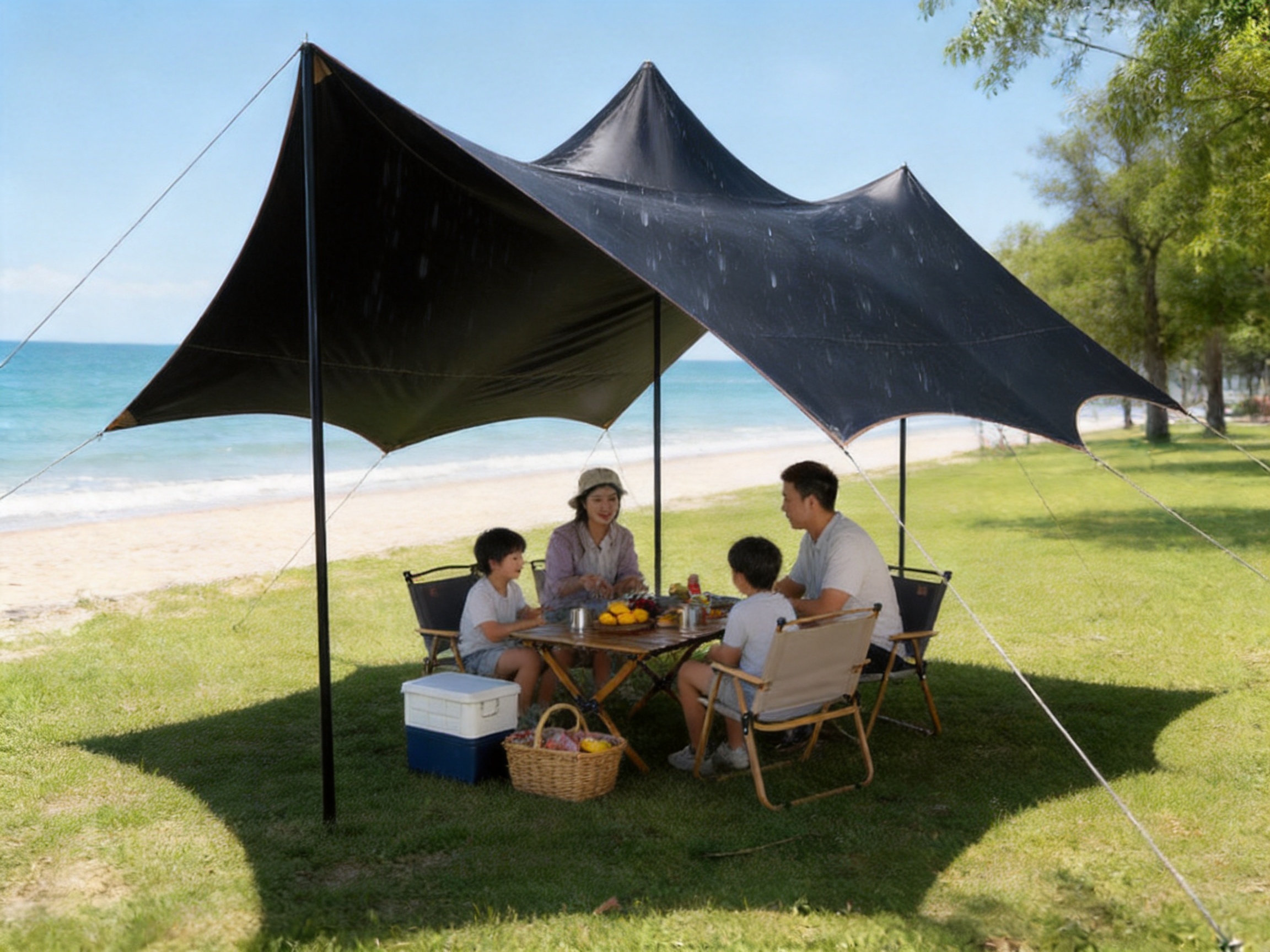
  • Portable Folding Extendable Stool for Hiking, Camping, Fishing, and Everyday Outdoor Rest

    Portable Folding Extendable Stool for Hiking, Camping, Fishing, and Everyday Outdoor Rest

    2026-06-10
    Outdoor comfort is often decided by small pieces of gear that solve repeated, practical problems. A portable folding extendable stool is one of those items: simple in appearance, but highly valuable in real use. Whether a user is hiking along uneven trails, waiting at a campsite, fishing beside a river, queuing during travel, or taking a short rest during a mountain approach, a compact stool can turn uncomfortable ground into a usable resting place within seconds. The portable outdoor storage folding extendable stool, adjustable hiking stool is designed around that exact need: immediate use, compact storage, adaptable height, and dependable support. This product belongs to the category of mountaineering accessories, but its use goes beyond mountaineering alone. It is equally suited to camping gear kits, hiking packs, fishing equipment, outdoor events, roadside travel, and emergency preparedness. Its core value comes from an innovative folding structure that allows the stool to unfold quickly and fold away just as easily. When folded, it is only about the size of a water bottle, allowing it to fit into a backpack without taking over the space normally reserved for food, clothing, water, navigation tools, or safety gear. In the outdoor gear market, lightweight seats and portable stools are common, but not all are designed for rugged and varied use. Some are too bulky, some are difficult to assemble, some have fixed heights that are unsuitable for sloped terrain, and others use weak materials that may deform after repeated use. This adjustable hiking stool addresses these pain points through thickened PP material, a height-adjustable body, a fast-deploying folding structure, and a storage-friendly shape. It is made for users who want a seat that is available whenever needed without adding unnecessary burden to their load. CragHaven Outdoor approaches this product not as a decorative accessory, but as a functional outdoor tool. The company’s development philosophy emphasizes weather, terrain, and time rather than catalog-driven styling. This matters because real users do not judge an outdoor stool by appearance alone. They judge it after repeated folding, after use on uneven ground, after carrying it for hours, and after relying on it in a moment when sitting on mud, rock, snow, or wet grass is not desirable. The stool’s design and manufacturing approach are therefore centered on repeatable reliability, material stability, and practical comfort. Portable outdoor storage folding extendable stool, adjustable hiking stool Product Overview The portable outdoor storage folding extendable stool is a compact, adjustable, and easy-carry seating solution developed for outdoor and travel scenarios. Its structure allows users to unfold it rapidly, sit securely, and then fold it down into a compact form for transport. The folding mechanism is designed to be intuitive, making it useful for a wide range of users, from experienced hikers to casual campers and travelers who simply need a lightweight resting solution. The product is made with thickened PP material, selected for its balance of durability, weight control, and practical outdoor performance. PP, or polypropylene, is widely used in outdoor and utility products because it offers impact resistance, moisture tolerance, and structural stability when properly processed. In this stool, thickened PP helps improve seat load-bearing performance and supports repeated folding and unfolding. This is particularly important because portable stools experience stress at joints, locking points, and seat surfaces every time they are used. The adjustable height function is one of the stool’s strongest advantages. Outdoor terrain is rarely flat or predictable. A stool with only one fixed height may be comfortable on a campsite platform but awkward on a riverbank, roadside, slope, or rocky surface. With an adjustable height structure, the user can adapt the stool to different sitting needs and terrain conditions. It can be used lower for stability and higher for convenience, depending on the situation. When folded, the stool occupies minimal backpack space. The comparison to the size of a water bottle is meaningful because water bottles are familiar objects in outdoor packing. Users can immediately understand that the stool does not require a separate carry bag the size of a chair or a dedicated storage compartment. It can be placed in a backpack, vehicle storage area, fishing kit, or camping box with minimal disruption. Why Compact Seating Matters Outdoors In outdoor activity, rest is not a luxury; it is a performance factor. Hikers need to reduce fatigue during long routes. Campers need comfortable waiting and cooking areas. Anglers may sit for extended periods while maintaining mobility along the shoreline. Climbers and mountaineers often need a quick place to sit during gear sorting, meal breaks, or route observation. Travelers may face long queues, delayed transport, and crowded spaces where no seating is available. Traditional outdoor chairs provide comfort, but they often require more space and weight. Folding camping chairs may be suitable for car camping but inconvenient for backpacking. Fabric tripod stools may be light but can lack stable support or height flexibility. Foam pads are extremely light but do not raise the user above wet ground. The adjustable folding stool fills the gap between these categories. It provides elevated seating while remaining much more compact than a full chair. Another important factor is cleanliness. Sitting directly on soil, wet grass, snow, sand, or rock can make clothing uncomfortable and increase exposure to moisture. A stool helps keep the user cleaner and drier. For outdoor workers, event staff, market vendors, photographers, birdwatchers, and field researchers, this can be as important as it is for campers and hikers. Compact seating also supports better posture during short breaks. Sitting on the ground may require awkward bending or stretching, especially when users are wearing backpacks, heavy boots, or climbing layers. A small stool provides a practical resting position without requiring the user to fully unpack or settle into camp mode. This is useful when breaks need to be efficient. Key Design Advantages Fast Folding and Immediate Use The innovative folding structure is central to the product’s value. A portable stool must be fast. If a user has to spend too much time assembling legs, unfolding frames, tightening screws, or adjusting fabric tension, the product becomes less useful in real outdoor scenarios. This stool is designed to unfold and use immediately. The user can deploy it in seconds, rest, and then fold it back down when ready to move. This advantage is especially noticeable during hiking and travel. Trail breaks are often short. Weather can change quickly, groups may need to keep moving, and users do not want complicated accessories slowing them down. A stool that opens quickly encourages frequent, efficient rests without turning every pause into a setup process. Competitor products that rely on multi-part frames may be more vulnerable to missing components, loose hardware, or slower setup. Fabric-based stools may require careful orientation or may sag over time. A compact folding extendable stool with an integrated body reduces these complications. Its structure is self-contained, making it easier to carry, store, and operate. Thickened PP Material for Reliable Support Material choice is one of the clearest differences between ordinary portable stools and more dependable outdoor accessories. Thin plastic products may look similar at first glance but can feel unstable under load. They may flex too much, lose shape, or become less reliable after repeated use. The use of thickened PP material improves the seat’s load-bearing capacity and contributes to long-term usability. PP is a practical material for outdoor gear because it handles moisture better than many untreated natural materials and can be molded into stable forms. It is also suitable for repeated use when thickness, structure, and processing are properly controlled. In the context of this stool, the thickened material supports a stronger sitting platform while still preserving portability. The advantage over some metal-framed stools is also worth noting. Metal can be strong, but it may increase weight and introduce risks of corrosion if not properly finished. Fabric seats can be comfortable, but they may absorb water, retain dirt, or suffer from seam fatigue. Thickened PP provides a different balance: compact, easy to clean, structurally integrated, and suitable for a product that must fold into a tight shape. Height Adjustment for Different Terrains Height adjustment is more than a convenience feature. It directly affects comfort and adaptability. In mountain and camping environments, ground height, slope angle, surface type, and user preference vary constantly. A fixed-height stool forces the user to adapt to the product. An adjustable stool allows the product to adapt to the user and environment. Lower settings may provide a more stable feel on uneven terrain, while higher settings may be preferable for relaxed sitting, cooking, fishing, or waiting. Users of different body types can also choose a more suitable position. This makes the stool more versatile than many compact competitors that are either too low for comfort or too high for certain outdoor surfaces. The adjustable design also makes the stool useful in non-outdoor scenarios. It can be used while waiting in lines, attending outdoor events, resting during city travel, organizing equipment in a garage, or taking quick breaks during work. This broad applicability increases the product’s value because it is not limited to one narrow activity. Water-Bottle-Size Folded Form Outdoor packing is a constant negotiation between necessity and space. Every item must justify its place in a backpack. Large chairs are comfortable but often excluded from hiking loads because they consume too much volume. A stool that folds to around the size of a water bottle solves this problem by fitting into existing packing habits. Users can store it in a side pocket, internal backpack space, car organizer, campsite storage bin, fishing bag, or travel case. The compact shape also makes the stool easier for retailers and distributors to handle, because it supports efficient packaging, shipping, and shelf presentation. For cross-border markets, compactness can contribute to lower logistics complexity and better consumer acceptance. Many competing stools claim portability but remain awkwardly shaped when folded. Some have protruding legs, loose straps, or fabric components that snag on other gear. A compact cylindrical or bottle-like folded profile is easier to understand, easier to pack, and easier to recommend to customers who care about space efficiency. Comparison with Common Competitor Products The portable folding extendable stool competes with several categories of outdoor seating: traditional camping chairs, tripod stools, folding plastic stools, foam sitting pads, and ultralight collapsible seats. Each has strengths, but each also has limitations. The adjustable hiking stool is valuable because it combines features that are often separated across these categories. Product Type Main Strength Common Limitation Advantage of the Adjustable Folding Stool Traditional camping chair Comfortable for long sitting Bulky and less suitable for backpacking Much more compact and easier to carry for mobile outdoor use Tripod fabric stool Lightweight and simple Often fixed height and may feel unstable Adjustable height and integrated structure improve adaptability Basic folding plastic stool Affordable and familiar May not fold small enough for hiking packs Water-bottle-size folded form saves backpack space Foam sitting pad Very light and flat No elevation from wet or rough ground Provides raised seating and better rest posture Ultralight collapsible seat Designed for minimal weight Can require assembly or sacrifice durability Fast deployment and thickened PP construction balance convenience and strength This comparison shows that the stool is not trying to replace every type of outdoor chair in every possible use case. Instead, it occupies a practical middle ground. It is more comfortable and protective than a ground pad, more compact than a chair, more adjustable than many basic stools, and more immediately usable than products requiring assembly. For many users, this balance is exactly what is needed. In retail positioning, this balance is also important. Customers often hesitate to buy large outdoor chairs unless they are planning car camping or basecamp use. A compact adjustable stool is easier to add to a cart because it solves multiple everyday problems. It can be marketed to hikers, campers, anglers, travelers, parents, event attendees, and anyone who needs portable seating. Use Scenarios Hiking and Mountain Approaches During hiking, rest breaks must be efficient. A hiker may stop to drink water, adjust socks, check a map, photograph scenery, or wait for companions. Sitting directly on rocks or muddy ground is not always comfortable or safe. A compact adjustable stool gives hikers a clean, elevated place to rest without unpacking a full chair. On mountain approaches, terrain changes rapidly. A stool that can adjust in height is more useful than a fixed option because different surfaces demand different sitting positions. The stool’s small folded size also means it does not interfere with essential hiking gear. It can travel with the user rather than staying behind because it is too bulky. Camping and Campsite Organization At campsites, seating is always useful. Campers need a place to sit while cooking, eating, sorting gear, tending a fire area where permitted, or putting on footwear. Full-size camping chairs are comfortable, but not every camping trip allows for large equipment. Minimalist campers, motorcycle campers, bike campers, and backpackers may all prefer compact seating. The stool’s thickened PP construction also makes it easy to clean after campsite use. Dirt, dust, and moisture are normal outdoors. A seat that can be wiped down quickly is an advantage over fabric alternatives that may retain stains or odors. Its compact storage form also helps maintain an organized campsite and reduces clutter in tents, shelters, or vehicle storage areas. Fishing and Waterside Activities Fishing often involves waiting, repositioning, and carrying equipment across banks, docks, or shorelines. A portable stool helps anglers rest without carrying a larger chair. Since fishing environments may include damp ground, sand, mud, and grass, elevated seating is valuable. The stool’s compact folded size makes it easier to include in a tackle setup or backpack. Height adjustment can be especially helpful for fishing because different banks and platforms require different positions. A lower setting may work near the water’s edge, while a higher setting may be preferable when managing lines, bait, or gear. The quick folding structure allows users to move when fish activity changes without a slow packing process. Queuing, Travel, and Public Events The product description mentions queuing, and this is an important real-world use. People often wait in long lines at transport hubs, events, attractions, medical facilities, markets, or registration points. A compact stool can reduce fatigue during extended standing. Because it folds to a small shape, it can be carried discreetly without looking like oversized outdoor equipment. Travelers often value products that serve multiple purposes. A stool used for hiking during one part of a trip can also be used at a station, roadside stop, or outdoor concert. This versatility increases perceived value and makes the product easier to recommend as a travel companion rather than a niche hiking item. Work, Field Tasks, and Emergency Preparedness Field workers, photographers, surveyors, gardeners, market sellers, outdoor instructors, and emergency volunteers may all need compact seating. A stool that opens quickly can support short rests, equipment handling, or observation tasks. In emergency kits, compact seating may assist elderly users, injured individuals, or anyone who needs rest during evacuation or long waits. Because the product stores compactly, it can be placed in a vehicle emergency kit or household preparedness box. Unlike a large chair, it does not require dedicated storage space. This makes it practical for consumers who live in apartments or who prefer compact utility items. Manufacturing Philosophy Behind the Product CragHaven Outdoor is based in Hangzhou, China, and operates as an outdoor brand and cross-border manufacturing partner. The company focuses on mountaineering, hiking, and camping scenarios, with an emphasis on functional and reliable outdoor gear for global markets. Its manufacturing philosophy is especially relevant for this stool because the product’s value depends on consistent structure, reliable material performance, and repeatable folding function. The company’s stated principle is that products should not be designed merely for catalogs, but for weather, terrain, and time. This idea influences the way a compact stool is developed. Weather affects material behavior and cleanliness. Terrain affects stability and height requirements. Time affects durability, repeated folding cycles, and long-term consumer satisfaction. A product designed only to look attractive in photos may fail when exposed to these factors. A product designed with these factors in mind has a stronger chance of long-term market success. CragHaven Outdoor’s development process includes sampling, testing, and optimization. These steps are essential for a product with moving and load-bearing parts. Sampling allows the team to evaluate the folding structure, user handling, material thickness, and storage size. Testing helps identify stress points, comfort issues, and usability concerns. Optimization turns feedback into structural and manufacturing improvements before large-scale production. The company also emphasizes material selection based on durability, reliability, and long-term use rather than short-term trends. For the adjustable folding stool, this means prioritizing a practical material such as thickened PP and ensuring that the structure supports repeated outdoor handling. In an industry where some products compete only on low price, this approach helps create a more sustainable value proposition for distributors and end users. Advanced Manufacturing Strengths Integrated Product Development One of the company’s strengths is participation in both design and manufacturing. This is different from simple factory sourcing, where a buyer selects an existing product with limited control over structure, material, or long-term quality. By being involved in product development, CragHaven Outdoor can connect market needs with manufacturing feasibility. This is important for cross-border customers who need products suitable for Western-market expectations. For a folding stool, integrated development helps ensure that the product is not overcomplicated. The best portable products often look simple because unnecessary features have been removed. However, achieving simplicity requires careful design. The folding structure must be intuitive, the height adjustment must be practical, the material must support the user, and the folded size must remain compact. Integrated development helps balance these needs. Material Control and Structural Consistency Thickened PP material must be processed consistently to maintain product performance. If material distribution is uneven, a stool may feel unstable or show weak points. If thickness is increased without thoughtful structure, weight may rise unnecessarily. If thickness is reduced too far, load-bearing performance may suffer. Manufacturing strength lies in finding the correct balance and reproducing it across batches. CragHaven Outdoor’s emphasis on stable, replicable, and scalable products directly supports this need. A successful outdoor accessory must perform consistently not only in one sample, but in every production run. Importers and retailers depend on that consistency because returns, complaints, and quality variations can damage a product line. A manufacturing partner that prioritizes repeatability reduces uncertainty in the supply chain. Testing and Optimization Testing is especially important for portable seating. A stool is a load-bearing product, and users place direct trust in it. The folding system, contact surfaces, and adjustable sections must work together. Repeated opening and closing should remain smooth. The seat should feel supportive. The folded form should remain secure enough for transport. Optimization may involve refining wall thickness, improving grip points, adjusting locking feel, smoothing edges, or enhancing packaging efficiency. These details may not be obvious in a product listing, but they strongly affect customer satisfaction. A stool that feels pleasant and dependable during everyday use is more likely to receive positive reviews and repeat purchases. Cross-Border Manufacturing Awareness Global outdoor markets require more than production capacity. They require communication, packaging awareness, consumer expectation management, and product positioning suitable for different regions. CragHaven Outdoor describes its communication style as professional and Western-market-oriented. This is valuable for buyers who need clear product information, practical marketing claims, and stable cooperation. The stool’s simple but versatile function makes it suitable for cross-border e-commerce, retail distribution, and private-label outdoor programs. Its compact folded size supports efficient shipping and storage. Its broad use scenarios make it easier to localize for different markets, including hiking, camping, fishing, travel, and event seating. Design Details That Improve User Experience Ease of Carrying Carry convenience is not only about weight; it is also about shape, storage behavior, and how the product interacts with the rest of the user’s gear. A compact folded stool that resembles the size of a water bottle is easier to place in standard backpack spaces. Users do not need to strap a bulky chair to the outside of a pack or worry about long frame sections catching on branches, vehicle interiors, or other luggage. This is particularly useful in mountain-climbing and hiking environments, where external pack clutter can be inconvenient. A streamlined item helps preserve mobility and reduces the likelihood of gear shifting during movement. For casual users, it also reduces the mental barrier to carrying a stool. If it is small enough to bring along “just in case,” it is more likely to be used frequently. Simple Cleaning and Maintenance Outdoor gear must be easy to clean. Mud, dust, food residue, fish bait, rainwater, and campsite debris are normal. A stool made with PP material can generally be wiped down more easily than fabric seating. While users should still care for the product properly and avoid unnecessary abuse, the material choice supports practical maintenance. Easy cleaning improves long-term satisfaction. A product that looks dirty after one trip and is difficult to restore may be used less often. A stool that can be cleaned quickly after camping or fishing is more likely to remain in regular rotation. This is also beneficial for rental programs, outdoor education groups, and families who share gear among multiple users. Space Efficiency at Home and in Retail Many outdoor consumers live in cities or apartments where storage space is limited. A full-size chair may be used only occasionally because it is difficult to store. A compact folding stool can be kept near a door, in a closet, in a car trunk, or inside a backpack. This increases its usefulness beyond planned expeditions. For retailers, space efficiency matters too. Compact products are easier to display, pack, and ship. A product that solves a clear problem while occupying limited shelf or warehouse space can be attractive in both online and offline channels. The stool’s compactness supports multi-unit purchasing as well; families or groups may buy several without needing large storage areas. Benefits for Distributors and Retail Buyers From a business perspective, the portable folding extendable stool has several advantages. First, it addresses a broad customer base. It is not limited to elite mountaineers or highly specialized outdoor users. It can be sold to hikers, campers, anglers, travelers, festival attendees, commuters, and families. This broad audience helps retailers reduce category risk. Second, the product is easy to explain. Some technical outdoor gear requires detailed education before customers understand its value. This stool communicates its purpose immediately: carry it, unfold it, sit on it, adjust it, fold it away. Simple value propositions often perform well in online marketplaces because customers quickly understand the benefit from images and short descriptions. Third, the folded size supports logistics. Cross-border shipping rewards compact products. Smaller packaging can improve storage efficiency and may reduce handling complexity. While exact shipping economics depend on packaging configuration and order volume, compact design generally benefits supply chain planning. Fourth, the product can support different merchandising angles. It can be positioned as a camping accessory, hiking stool, fishing seat, travel waiting stool, queue stool, outdoor rest tool, or compact emergency seating solution. This flexibility allows distributors to adapt marketing language to seasonal demand. For example, camping and fishing may be emphasized in spring and summer, while travel and emergency preparedness may be promoted year-round. Practical Advantages Over Low-Cost Imitations Low-cost imitations are common in portable outdoor accessories. They may copy the general appearance of a product while reducing material thickness, ignoring structural refinement, or using inconsistent manufacturing controls. At first glance, such products may appear similar. Over time, however, differences become more obvious through stability, feel, durability, and customer feedback. The thickened PP material used in this stool is an important differentiator. A stool must support dynamic real-world sitting, not just static display. Users sit down with different speeds, shift their weight, adjust posture, and use the stool on surfaces that are not perfectly flat. A stronger material structure helps provide confidence in these conditions. The height-adjustable feature also requires manufacturing discipline. Poorly executed adjustment systems can feel loose, difficult, or unreliable. A well-developed adjustable stool should offer practical usability while maintaining compact storage. This balance is not achieved by appearance alone; it depends on design, tooling, material control, and production consistency. Another advantage is the company’s long-term orientation. Products made only for short-term trend sales may not receive enough attention during sampling and testing. CragHaven Outdoor’s emphasis on long-term partnerships and stable supply chain cooperation supports a more professional product lifecycle. For buyers, this can mean fewer surprises, clearer communication, and a better foundation for repeat orders. How the Stool Supports Outdoor Safety and Comfort Although a stool is not safety equipment in the same way as a helmet, rope, or navigation device, it still contributes to outdoor well-being. Fatigue is one of the factors that can reduce judgment and enjoyment. Having a clean, quick resting place encourages users to take breaks before exhaustion becomes a problem. This is especially valuable for older hikers, children, beginners, photographers carrying heavy equipment, and anyone recovering from physical strain. The stool also helps users avoid sitting in unsuitable places. Wet ground can chill the body, especially during cooler conditions. Sharp rocks, insects, mud, and unstable surfaces can create discomfort. A raised seat reduces contact with these elements. In camp, it can also help users maintain a cleaner and more organized routine. Because the stool is compact, users are more likely to bring it along than a larger chair. The most comfortable chair provides no value if left at home or in the vehicle. The best portable accessory is the one that users actually carry, and the water-bottle-size folded form directly supports that behavior. Product Positioning in Modern Outdoor Culture Modern outdoor consumers increasingly seek gear that is multifunctional, compact, and easy to integrate into everyday life. Many people are not exclusively mountaineers, campers, or travelers; they may be all three depending on the season. A compact adjustable stool matches this lifestyle because it moves between outdoor and urban scenarios without feeling out of place. The stool also aligns with the trend toward practical minimalism. Minimalism in outdoor gear does not always mean owning the lightest possible item. It means carrying items that deliver high utility for their size and complexity. This stool earns its place by offering immediate seating, height adjustment, easy storage, and broad scenario coverage. In family outdoor use, the stool can be especially attractive. Parents may need portable seating for children, grandparents, or themselves during picnics, queues, fishing trips, or roadside breaks. Group activities often require multiple seats, and compact stools are easier to carry in quantity than full camping chairs. This creates opportunities for bundle sales and multi-pack retail strategies. Recommended Care and Use Principles To maintain long-term performance, users should operate the stool according to reasonable outdoor gear practices. It should be unfolded fully before sitting, placed on the most stable available surface, and adjusted carefully according to the terrain. Users should avoid unnecessary impact, misuse, or placing the stool on surfaces that could cause slipping or imbalance. After exposure to mud, sand, or moisture, the stool should be cleaned and dried before long-term storage. This helps maintain smooth folding operation and keeps the product ready for the next trip. Although PP material is practical and easy to maintain, good care habits extend the useful life of any outdoor product. Users should also inspect the stool periodically, especially after heavy use. Checking the folding structure and contact surfaces helps ensure continued confidence. These simple practices are common for outdoor gear and support safe, comfortable use. Why This Product Fits Global Outdoor Markets The global outdoor market values products that are easy to understand, practical in multiple settings, and reliable enough for repeated use. The adjustable folding hiking stool fits these requirements. It is not dependent on a single climate, single sport, or single type of consumer. It can be sold in regions where hiking is popular, where camping culture is growing, where fishing is common, or where travel and public waiting scenarios create demand for portable seating. Its compact folded size is especially suitable for e-commerce. Online customers often worry about storage and portability. A product described as folding to about the size of a water bottle provides an immediate mental image. This can improve conversion because customers can imagine where the stool will fit in their own lives. CragHaven Outdoor’s location in Hangzhou, combined with China’s mature manufacturing system, supports scalable production and supply chain responsiveness. The company’s emphasis on transforming design intent into stable, replicable, and scalable products is important for global buyers. A successful item must not only be attractive in a sample order; it must remain dependable across repeated production, seasonal demand, and different customer markets. Company Strengths Behind Long-Term Supply CragHaven Outdoor aims to reduce uncertainty in the supply chain. This is a meaningful promise in outdoor gear sourcing because uncertainty can appear in many forms: inconsistent materials, unclear communication, delayed sampling, poor packaging decisions, or products that do not match real user expectations. The company’s outdoor-focused approach helps address these risks. By understanding how outdoor products are used in real environments, the company can make better decisions during product development. For the folding stool, this means paying attention to portability, fast deployment, terrain adaptability, cleaning needs, and repeated use. These details are more likely to be recognized by a team that studies actual outdoor usage rather than only manufacturing from a static specification sheet. The company also prioritizes long-term, stable, and sustainable partnerships. For buyers, this means the relationship can extend beyond a single transaction. Product feedback can be incorporated into future optimization. Packaging can be adjusted for market needs. New colorways, bundles, or category extensions may be considered as demand develops. This partnership mindset is valuable in competitive outdoor markets where product lines must evolve. Frequently Asked Questions What is the main purpose of this portable folding extendable stool? The main purpose is to provide quick, compact, and adjustable seating for outdoor and everyday scenarios. It is suitable for hiking, camping, fishing, queuing, travel, and other situations where users need a clean and convenient place to rest. What makes this stool different from a regular camping chair? A regular camping chair usually offers more back support but is much bulkier. This stool focuses on compact storage, fast deployment, and easy carrying. When folded, it takes up minimal backpack space, making it more suitable for mobile users who cannot carry a full-size chair. Why is the adjustable height feature important? Adjustable height allows the stool to adapt to different terrains, user preferences, and activities. Outdoor ground is often uneven, and different sitting positions may be needed for hiking breaks, cooking, fishing, or waiting in line. What material is used for the stool? The stool uses thickened PP material. This material choice supports practical durability, high seat load-bearing capacity, and easier cleaning compared with many fabric-based alternatives. Is the stool suitable for backpacking? Yes. Its folded size is approximately comparable to a water bottle, so it can fit into a backpack more easily than traditional camping seating. This makes it useful for backpacking, hiking, and compact travel. Can it be used for fishing? Yes. The stool is well suited for fishing because it is compact, quick to unfold, and useful on riverbanks, docks, shorelines, and other waterside environments where carrying a large chair may be inconvenient. How does the product compare with foam sitting pads? Foam sitting pads are light and simple, but they do not elevate the user above wet or rough ground. This stool provides raised seating, which can improve comfort, cleanliness, and posture during rests. Why is thickened PP an advantage? Thickened PP helps improve structural support and durability while keeping the product practical for portable use. It also supports easier cleaning after contact with mud, dust, or campsite debris. Who is the product best suited for? It is suitable for hikers, campers, anglers, travelers, outdoor event attendees, families, field workers, and anyone who needs portable seating that is easy to carry and quick to use. What manufacturing strengths support this product? The product is supported by CragHaven Outdoor’s focus on real outdoor usage, material reliability, sampling, testing, optimization, and scalable manufacturing. The company participates in both design and manufacturing, helping reduce supply chain uncertainty for global buyers. Conclusion The portable outdoor storage folding extendable stool, adjustable hiking stool is a practical answer to one of the most common outdoor needs: a reliable place to sit without carrying bulky equipment. Its core strengths are clear. It unfolds quickly, folds compactly, uses thickened PP material, offers adjustable height, and stores at about the size of a water bottle. These features make it useful across hiking, camping, fishing, queuing, travel, field work, and emergency preparedness. Compared with traditional camping chairs, it is more compact. Compared with basic stools, it offers better storage efficiency and height flexibility. Compared with foam pads, it provides raised seating. Compared with many low-cost imitations, it benefits from a more thoughtful approach to material selection, structural design, and manufacturing consistency. Behind the product is CragHaven Outdoor’s broader manufacturing philosophy: design for weather, terrain, and time; select materials for durability and reliability; and treat sampling, testing, and optimization as essential steps. This approach helps transform a simple-looking stool into a dependable outdoor accessory suitable for global markets. For consumers, the stool is a convenient companion that can be carried almost anywhere. For retailers and distributors, it is an easy-to-understand, versatile, and space-efficient product with broad appeal. For outdoor users, it represents the kind of gear that proves its value not through complexity, but through repeated usefulness in real situations. References CragHaven Outdoor. Product Information Sheet: Portable Outdoor Storage Folding Extendable Stool, Adjustable Hiking Stool, Model WFDS263001. CragHaven Outdoor. Company Profile and Manufacturing Philosophy, Hangzhou, Zhejiang Province. Outdoor Industry Association. Outdoor Participation and Consumer Gear Use Reports. Polypropylene Materials Handbook. Practical Applications of PP in Consumer and Outdoor Products. Backpacking and Camping Equipment Design Guide. Principles of Portability, Durability, and Field Usability. Product: Portable outdoor storage folding extendable stool, adjustable hiking stool .profile-card { display: flex; align-items: flex-start; gap: 2rem; background-color: white; padding: 2rem; border-radius: 12px; box-shadow: 0 2px 10px rgba(0,0,0,0.05); } .profile-avatar { width: 120px; height: 120px; border-radius: 50%; overflow: hidden; flex-shrink: 0; } .profile-avatar img { width: 100%; height: 100%; object-fit: cover; display: block; } .profile-info { flex-grow: 1; } .profile-name { font-size:27px; font-weight: 900; margin-bottom: 1rem; color: #1a1a1a; } .profile-bio { line-height: 1.6; color: #333; } @media (max-width: 600px) { .profile-card { flex-direction: column; align-items: center; text-align: center; gap: 1.5rem; } } Deng Yuli — International Sales Manager 10 years of B2B sales experience in outdoor equipment manufacturing, focusing on key account development, quotation negotiation, product proposal preparation, and long-term cooperation with overseas distributors and private-label brands.
    View Article
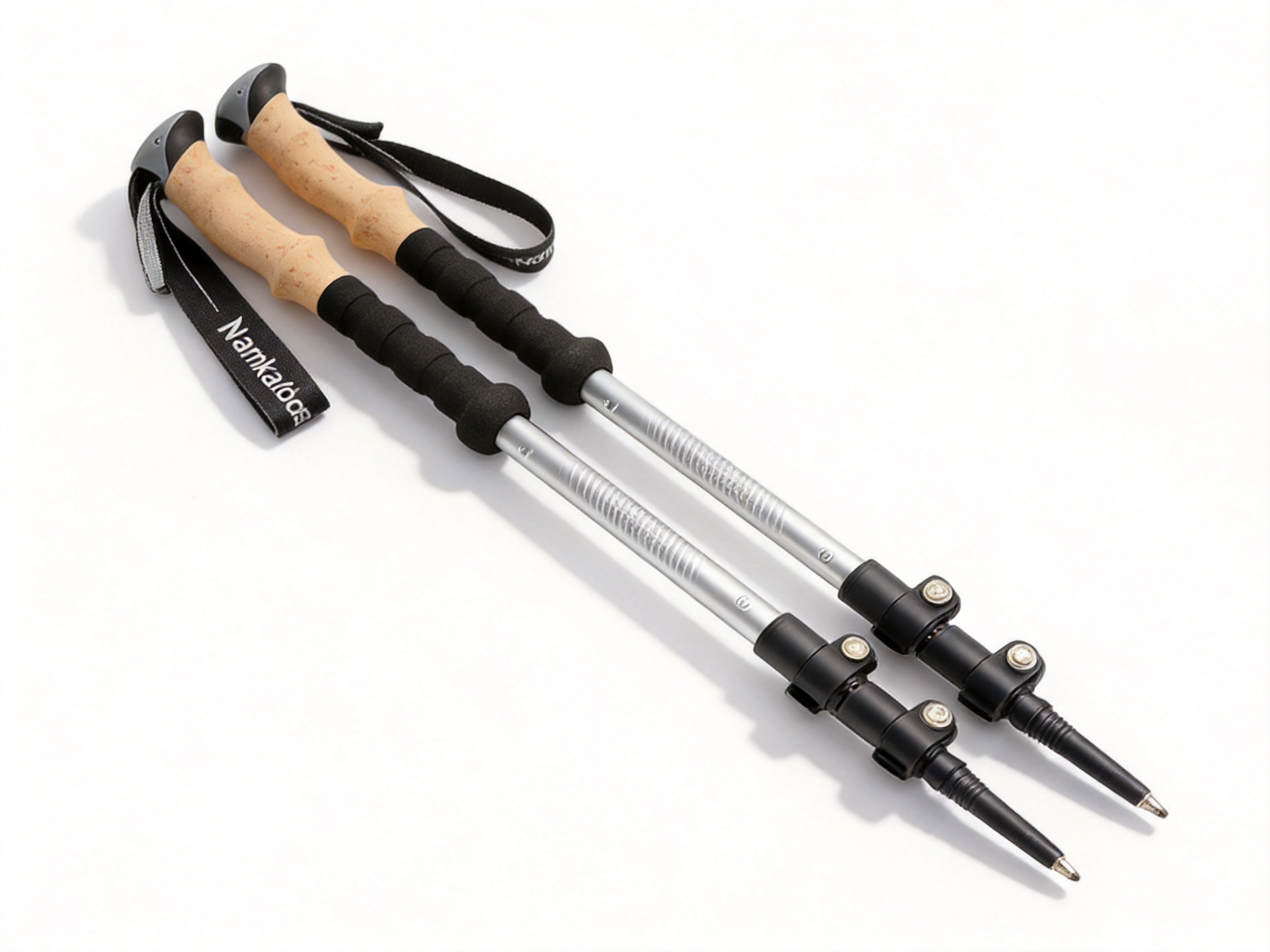
  • Outdoor Aluminum Roll-Top Folding Table for Reliable Camp Cooking and Dining

    Outdoor Aluminum Roll-Top Folding Table for Reliable Camp Cooking and Dining

    2026-05-31
    In modern camping, a table is no longer a minor accessory. It is the working surface for meal preparation, the center of camp dining, the place where stoves, cookware, lanterns, maps, water bottles, tools, and personal items are organized, and often the point around which a campsite becomes comfortable and efficient. The outdoor aluminum alloy folding table described here is designed for exactly that role: a compact, portable, corrosion-resistant, roll-top camping table that can be deployed quickly and packed away with minimal effort. This camping table belongs to the category of practical camping furniture, but its value extends beyond simple convenience. It is built around selected aerospace-grade aluminum alloy, a roll-up tabletop, a sturdy support structure, tool-free assembly, and a portable storage bag. These features directly answer the everyday problems campers face: unstable work surfaces, heavy furniture, complicated setup, rust-prone materials, bulky storage, and poor durability after repeated outdoor use. For outdoor users, especially those involved in mountaineering, vehicle camping, hiking base camps, family camping, fishing trips, overland travel, and outdoor cooking, equipment must perform consistently under changing conditions. A good camp table should not only look compact in product photos; it must also remain stable when loaded, resist environmental exposure, and be easy to use when the ground is uneven, the weather changes, or daylight is fading. This product is designed with those real scenarios in mind. CragHaven Outdoor, based in Hangzhou, China, positions its outdoor gear around function, reliability, and long-term value. The company’s development philosophy emphasizes real terrain, real weather, and real time in use rather than catalog styling alone. This approach is particularly relevant for a folding camping table, because the weaknesses of low-quality tables often become visible only after repeated assembly, packing, transport, and exposure to outdoor conditions. Outdoor aluminum alloy folding table, camping table, egg roll table Product Overview: A Practical Roll-Top Table for Outdoor Living The product is an outdoor aluminum alloy folding table, also described as a camping table or egg roll table because of its roll-up tabletop structure. This style is popular among campers because it combines a relatively broad usable surface with compact packed volume. Unlike one-piece rigid tabletops that can be awkward to carry, the roll-up tabletop can be folded into a smaller form and stored conveniently in a carry bag. The table is made with selected aerospace-grade aluminum alloy. In outdoor furniture, material selection matters because camping gear is repeatedly exposed to moisture, dust, cooking residue, temperature changes, and mechanical stress during transport. Aluminum alloy offers a strong balance between weight control and structural performance. It is naturally corrosion-resistant compared with many untreated steels, and it allows the product to remain suitable for repeated outdoor use. The roll-up tabletop unfolds and folds quickly. This is one of the table’s central advantages. Many campers do not want to spend excessive time assembling furniture after arriving at camp, especially after a long drive, hike, or day of climbing. A fast-opening table helps users establish a cooking and dining area quickly. It also makes packing easier when weather changes or when camp must be cleared early in the morning. The structure is designed to be sturdy and load-bearing. A camping table is frequently used to support kettles, cookware, food containers, small stoves, cutting boards, lanterns, and personal equipment. Stability is therefore not optional. A table that wobbles or flexes too much creates inconvenience and safety concerns, particularly around hot cookware or fuel-burning equipment. The structure of this product is intended to provide a reliable platform for ordinary camp tasks. Tool-free assembly is another important advantage. Outdoor users often operate in low-light conditions, in cold weather, or with gloves on. Tool-dependent furniture increases the risk of lost parts and unnecessary frustration. By removing the need for tools, the table becomes more accessible to a wide range of users, from experienced campers to families and first-time outdoor travelers. The included portable storage bag supports organized transport and storage. A storage bag protects the table from scratches during transport, keeps components together, and makes the product easier to load into vehicles, closets, garages, tents, or camp storage areas. For cross-border buyers and retailers, a good storage solution also improves the perceived completeness and usability of the product. Why a Table Matters in Real Camping Conditions At first glance, a camping table may appear less critical than a tent, backpack, sleeping bag, or stove. In practice, however, it has a major effect on camp efficiency. Without a stable surface, users often place cookware on the ground, balance items on boxes, or use cooler lids as improvised tables. These makeshift solutions are inconvenient, unhygienic, and sometimes unsafe. A proper camping table creates order. Cooking ingredients can be separated from tools. Hot cookware can be placed away from tent fabric and dry grass. Water bottles, headlamps, knives, utensils, and maps can be located quickly. For families and groups, a central table prevents the campsite from becoming disorganized. For solo campers, it saves time and reduces repeated bending and searching. The outdoor aluminum alloy folding table is particularly suitable for campsites where setup speed and storage efficiency matter. Its roll-up tabletop design provides a useful surface while remaining compact in transport. This is valuable for car campers with limited trunk space, overland travelers carrying multiple pieces of gear, and outdoor businesses that need furniture that can be stacked, moved, and deployed efficiently. Compared with many low-cost folding tables, the aluminum alloy roll-top structure offers a better balance of portability and durability. Plastic tables may be light but can deform under heat or heavy loads. Steel tables may be strong but are often heavier and more prone to rust if coatings are damaged. Wooden tables may look attractive but require more maintenance and may be less practical in wet environments. Aluminum alloy provides a more outdoor-oriented solution. This product also fits the changing expectations of outdoor consumers. Many campers now expect gear that is portable, cleanly designed, fast to operate, and suitable for both natural and social settings. A camp table may be used at a mountain base camp one weekend and at a beach picnic, backyard gathering, or outdoor market the next. The table’s lightweight structure and simple assembly make it adaptable across these situations. Key Features and User Benefits The main features of the table are not decorative; they are tied directly to practical user benefits. Each feature solves a problem that outdoor users commonly experience. The selected aerospace-grade aluminum alloy construction gives the table a durable yet lightweight foundation. The phrase “aerospace-grade” indicates an emphasis on high-quality aluminum alloy selection, with the goal of providing strength, corrosion resistance, and reliable performance under repeated use. For users, this means easier carrying, better resistance to damp environments, and reduced concern about rust-related deterioration. The roll-up tabletop allows quick opening and compact storage. A rigid tabletop of similar usable size would require more storage space. A roll-up format allows the table surface to be separated into slim sections that fold together efficiently. This design is especially useful for camping gear because packed volume is always a concern. The sturdy support structure provides load-bearing confidence. Camp cooking and dining involve shifting loads, cookware, food containers, and sometimes accidental bumps. A table must remain steady while being used. Structural reliability can make the difference between a comfortable camp kitchen and a frustrating setup. The tool-free assembly design reduces setup complexity. Users do not need to search for screws, wrenches, or special accessories. This is useful for consumers and also important for rental operators, event organizers, and outdoor clubs that need equipment to be used by many people with minimal instruction. The portable storage bag improves the full product experience. It simplifies transport, protects the table during handling, and keeps components organized. From a buyer’s perspective, this makes the table more complete and marketable because customers receive not only a table but also a practical carrying solution. Feature Practical Benefit Advantage in Outdoor Use Selected aerospace-grade aluminum alloy Lightweight, corrosion-resistant, and durable Suitable for repeated camping, cooking, and outdoor dining Roll-up tabletop Fast folding and compact packing Saves vehicle, tent, garage, and storage space Sturdy support structure Strong load-bearing performance Supports cookware, utensils, food, lamps, and daily camp items Tool-free assembly No extra tools required Convenient for quick setup, low light, and group use Portable storage bag Easy transport and organized storage Improves protection, handling, and customer experience Advantages Over Common Competing Camping Tables The camping furniture market includes many table designs, from ultra-light backpacking tables to large folding picnic tables. Each has its place, but this aluminum alloy roll-top table occupies a highly practical middle ground. It is portable enough for transport and storage, yet sturdy enough for real camp cooking and dining. Compared with plastic folding tables, the aluminum alloy table provides better resistance to heat, abrasion, and long-term deformation. Plastic surfaces can become unstable when exposed to high temperatures, heavy cookware, or repeated outdoor use. Plastic also scratches easily and may feel less premium. Aluminum alloy provides a cleaner, more durable, and more professional outdoor impression. Compared with steel camping tables, this product offers a stronger portability advantage. Steel can provide strength, but it often increases product weight. For campers, every kilogram matters when loading gear, moving between parking and camp, or storing equipment at home. Steel also depends heavily on surface coatings to resist rust. Once coatings are damaged, corrosion can spread. Aluminum alloy is naturally more suitable for outdoor exposure. Compared with wooden roll-top tables, the aluminum table requires less maintenance and handles moisture more confidently. Wooden tables can look warm and stylish, but they may swell, crack, stain, or require regular surface care. For buyers seeking dependable outdoor furniture at scale, aluminum alloy reduces maintenance concerns and improves consistency. Compared with very small backpacking tables, this table provides a more useful camp surface. Ultra-compact tables are good for holding a mug or small stove, but they may not support full meal preparation or group dining. The roll-top camping table is better suited for practical campsite organization, where users need enough space for cooking and eating. Compared with low-cost generic roll-up tables, the difference lies in material focus, structural reliability, and manufacturing discipline. A roll-up form alone does not guarantee quality. The details of aluminum selection, joint design, machining consistency, assembly fit, surface finish, and load-bearing structure all determine whether the product performs well after repeated use. CragHaven Outdoor’s manufacturing-oriented approach strengthens the product’s competitive position. Material Selection: Why Aluminum Alloy Is Well Suited for Camp Furniture Outdoor furniture must balance several requirements that are often in tension: strength, low weight, corrosion resistance, cost control, ease of manufacturing, surface quality, and long-term reliability. Aluminum alloy is one of the best materials for meeting these combined demands. Weight is a major factor. Campers frequently carry tables from vehicles to campsites, lift them into roof boxes, move them around cooking areas, or pack them with other gear. A lighter table is simply used more often because it is less burdensome. If a table is too heavy, users may leave it at home, even if it is strong. Corrosion resistance is equally important. Camping tables are exposed to rain, dew, spilled drinks, food residue, wet grass, humid storage areas, and sometimes salty coastal environments. Corrosion-prone furniture can deteriorate quickly, creating rough surfaces, weakened parts, and an unattractive appearance. Aluminum alloy helps address these risks. Strength is another requirement. Aluminum alloy allows the table to remain lightweight while still offering solid support when engineered correctly. The structural design, including frame geometry and connection points, is as important as the material itself. A well-designed aluminum frame distributes load effectively and reduces unwanted flexing. Surface feel and appearance also matter. Aluminum alloy can deliver a clean, modern, technical look that aligns well with outdoor gear aesthetics. It can be finished to resist wear and provide a more refined user experience. For retail display and online sales, the perceived quality of aluminum surfaces can support stronger product positioning. From a manufacturing perspective, aluminum alloy is also highly workable. It can be cut, formed, machined, and assembled with high consistency when supported by mature production systems. This makes it suitable for scalable manufacturing, quality control, and repeatable product batches, which are essential for global buyers and long-term distribution partners. Roll-Up Tabletop Design: Compact, Fast, and Field-Friendly The roll-up tabletop is one of the most important functional elements of the product. A camping table must offer enough usable surface area while packing into a manageable size. The roll-up structure addresses this challenge by allowing the tabletop to fold into a narrow bundle rather than remaining as a bulky flat panel. This design improves portability. Users can store the table in a vehicle trunk, camper van, garage shelf, or storage closet more easily. For outdoor retailers and distributors, compact packing can also reduce handling difficulties and improve storage efficiency. The roll-up format also supports fast setup. When the tabletop unfolds quickly and aligns with the support structure, users can assemble the table without complex steps. This is particularly useful when arriving at camp late, cooking in windy weather, or setting up during group activities where time matters. Another benefit is damage management during transport. Long rigid surfaces can be awkward and vulnerable to impact at corners. A roll-up tabletop divides the surface into manageable sections and stores more compactly in the bag, reducing the chance of large-panel bending or breakage during normal handling. In practical use, the tabletop can serve as a cooking preparation station, dining platform, equipment sorting surface, coffee area, lantern stand, or general campsite organizer. The user gains a clean, elevated surface that keeps items away from dust, mud, insects, and uneven ground. For families, the roll-top table helps create a recognizable dining and activity area. For serious campers, it supports camp kitchen workflow. For outdoor professionals, it provides a repeatable furniture solution that can be deployed quickly and packed consistently. Stability and Load-Bearing Performance Stability is one of the most important performance indicators for any camping table. A table used outdoors must handle uneven ground, shifting loads, and repeated contact. It may be used for hot kettles, cookware, food boxes, water containers, and tools. If it shakes too much, the user loses confidence. This product emphasizes a sturdy structure with strong load-bearing capacity. While exact load limits depend on model specifications and testing standards, the design intent is clear: the table is not only for decorative use but for real outdoor tasks. The support frame is intended to provide dependable strength for camping, cooking, and dining. A strong load-bearing table improves safety. Outdoor cooking often involves hot pans, boiling water, knives, and fuel. A stable platform helps reduce accidents. This is especially important when children, pets, or group members are moving around the campsite. Stability also affects comfort. A table that moves every time someone cuts food or places a cup on it becomes irritating. Over a weekend or longer trip, small frustrations accumulate. A sturdier table improves the entire camp experience because it allows users to focus on cooking, conversation, and rest. From a product development standpoint, stability is achieved not only by using stronger materials but also through thoughtful geometry and precise connections. The frame, tabletop interface, folding points, and support distribution must work together. Poorly fitted parts can create wobble even when materials appear strong. This is where manufacturing accuracy becomes a key advantage. Tool-Free Assembly and Ease of Use Tool-free assembly is a significant competitive advantage because it reduces friction between purchase and use. A product that looks good but is difficult to assemble may receive negative feedback, even if its materials are acceptable. Outdoor users value intuitive operation. At camp, users may be tired, cold, or in a hurry. They may be setting up in fading light or light rain. They may not want to open a manual or search for a screwdriver. A tool-free table allows the setup process to be simple and direct. This feature also reduces the risk of missing parts. Small screws, nuts, and tools can be lost easily in grass, sand, or gravel. Once a critical part is missing, the table may become unusable. Tool-free assembly lowers this risk and supports a more reliable long-term experience. For commercial buyers, tool-free assembly improves customer satisfaction and reduces after-sales problems. Retail consumers are more likely to recommend a table that they can set up immediately. Rental companies and outdoor activity organizers benefit because many different users can operate the product without specialized knowledge. Ease of use is also linked to inclusivity. A good camping table should not require advanced outdoor experience. Families, casual campers, and new users should be able to assemble it confidently. This broadens the product’s market appeal. Portability and Storage Bag Value The portable storage bag may appear to be a simple accessory, but it is an important part of the product system. Outdoor gear is rarely used in isolation. It must be stored, carried, loaded, unloaded, transported, and packed repeatedly. A storage bag improves every one of these stages. When the table is packed into a dedicated bag, all parts stay together. This reduces the chance of leaving components behind at home or at camp. It also makes the table easier to stack with tents, chairs, cookware, and other equipment. The bag helps protect the table from scratches and impact during transport. Camping gear often rubs against metal stoves, hard containers, cooler boxes, and vehicle interiors. A protective bag keeps the table cleaner and preserves the product’s appearance for longer. For users living in apartments or smaller homes, compact storage is very valuable. The roll-up table can be stored vertically or horizontally in a closet, storage room, or vehicle. This makes it more convenient than bulky one-piece tables. For distributors and retailers, the storage bag also improves product presentation. It communicates that the table is designed as complete outdoor equipment, not just a loose set of parts. A well-considered carry solution can influence customer purchasing decisions. Manufacturing Strengths Behind the Product CragHaven Outdoor is not positioned merely as a sourcing intermediary. The company describes itself as an outdoor brand and cross-border manufacturing partner with a focus on mountaineering, hiking, and camping scenarios. This distinction matters because outdoor products require more than low-cost procurement. They require understanding of use cases, materials, repeatability, testing, and long-term supply stability. The company’s product development philosophy is based on three practical principles: products should be designed for weather, terrain, and time; each feature should solve a real-world problem; and materials should be selected for durability and long-term use rather than short-term trends. These principles are highly relevant to the aluminum roll-top table. Designing for weather means considering moisture, heat, dust, wind, and temperature variation. For a camping table, this leads naturally to corrosion-resistant materials, easy cleaning, and fast packing. Designing for terrain means considering uneven ground, transport over rough surfaces, and outdoor handling. Designing for time means focusing on repeated folding, repeated loading, repeated storage, and consistent performance after many trips. CragHaven Outdoor’s emphasis on sampling, testing, and optimization helps reduce uncertainty. In outdoor furniture production, small defects can have large effects. An imprecise connection may create wobble. A weak joint may fail after repeated folding. A poor surface finish may scratch easily. A storage bag with weak stitching may fail before the table itself. Iteration during sampling allows these issues to be identified and corrected before larger production runs. The company benefits from China’s mature and efficient manufacturing system. Hangzhou and the surrounding Zhejiang region are connected to strong supply chains, experienced material processing, metal fabrication capability, packaging resources, and export logistics. This ecosystem supports scalable production and stable delivery for global markets. For cross-border buyers, manufacturing strength includes communication as well as production. CragHaven Outdoor states that it communicates in a professional, Western-market-oriented way and prioritizes long-term partnerships. This matters because international buyers need clear product information, realistic quality expectations, consistent packaging, and responsiveness during sampling and production. Advanced Manufacturing Process Considerations Although the visible product is a simple camping table, the manufacturing process behind a reliable roll-top table involves multiple quality-sensitive steps. These include material selection, cutting, shaping, surface treatment, frame assembly, component fitting, stability checks, load-related evaluation, accessory matching, packaging, and final inspection. Material selection begins with choosing aluminum alloy that meets the intended balance of strength, weight, corrosion resistance, and processing stability. Poor material selection can lead to bending, denting, inconsistent finish, or weak connection points. A company focused on long-term value must choose materials that remain reliable beyond initial appearance. Cutting and forming require dimensional accuracy. Roll-up tabletop sections must align properly. Frame components must fit together without excessive looseness or difficult assembly. If tolerances are inconsistent, the user may experience rattling, wobble, or difficulty during setup. Precision at this stage directly affects field performance. Surface treatment and finishing influence both durability and user perception. Outdoor tables are touched frequently and exposed to outdoor elements. Edges should be comfortable, surfaces should be appropriately finished, and visible parts should meet quality expectations. A refined surface is not only cosmetic; it contributes to safe handling and long-term satisfaction. Assembly design must balance firmness and convenience. If parts are too tight, users struggle during setup. If they are too loose, the table lacks stability. Tool-free assembly requires especially careful design because the product must lock or support itself reliably without extra hardware. This is a manufacturing and engineering challenge, not merely a marketing feature. Quality checks should evaluate the table as a system. The tabletop, frame, joints, storage bag, and packaging all interact. A strong frame is not enough if the bag fails quickly. A good tabletop is not enough if the support system is unstable. A responsible manufacturing partner evaluates the complete user experience. Designing for Weather, Terrain, and Time The table reflects a design philosophy that prioritizes real outdoor environments. Weather affects material durability and user behavior. Rain and dew can wet surfaces. Sun can heat materials. Wind can pressure lightweight objects. Dust and cooking residue can accumulate. A practical table must tolerate these conditions without becoming difficult to use. Terrain affects stability and handling. Campsites are rarely perfectly flat. Users may place the table on packed dirt, gravel, grass, sand, wooden decks, or uneven campground surfaces. A sturdy frame and reliable structure help maintain usability in these environments. While no folding table can eliminate all effects of uneven terrain, stronger structural design improves confidence. Time affects every folding product. The first setup is not the true test. The real test comes after many trips, many folds, and many loading cycles. Hinges, joints, tabletop sections, frame interfaces, and storage accessories must remain functional after repeated use. Designing for time means looking beyond first impressions and focusing on long-term consistency. This long-term approach helps separate a serious outdoor product from a short-lived promotional item. Consumers increasingly recognize the value of durable products, especially in outdoor markets where equipment failure can disrupt trips. Retailers and distributors also benefit from fewer returns and stronger customer loyalty. Use Scenarios: From Camp Kitchen to Outdoor Dining The table is especially useful as a camp kitchen workstation. Users can place a stove, cutting board, ingredients, cookware, utensils, and seasoning containers on a raised surface. This creates a cleaner and more efficient cooking process than working directly on the ground or on unstable boxes. For outdoor dining, the table provides a central location for meals. Whether used by a couple, a family, or a small group, it helps organize plates, bowls, cups, and shared dishes. The elevated surface makes eating more comfortable and reduces the likelihood of food contamination from ground dust or insects. For mountaineering base camps and hiking support camps, the table can serve as a gear organization platform. Maps, radios, first-aid kits, headlamps, gloves, and small tools can be placed where they are visible and accessible. Organization is important in outdoor environments because misplaced gear can waste time or create safety issues. For fishing trips, the table can support bait containers, tackle boxes, drinks, snacks, or cleaning tools. For beach or lakeside use, the aluminum alloy construction offers advantages in damp conditions compared with more moisture-sensitive materials, although normal care and cleaning are still recommended after exposure to sand or salt air. For overlanding and vehicle-based travel, the table’s compact storage is especially useful. Vehicle travelers often carry tents, awnings, recovery tools, water containers, cookware, chairs, and personal bags. A roll-up table that packs neatly into a storage bag fits well into this equipment ecosystem. The table is also useful beyond traditional camping. It can be used for backyard barbecues, outdoor markets, emergency preparedness, field work, photography support, roadside meals, and temporary workstations. This versatility increases the product’s value and expands its potential market. User Experience: What Makes the Table Feel Reliable A reliable camping table is not judged only by specifications. Users evaluate it through repeated interactions: how it feels when carried, how fast it opens, how stable it is once assembled, how the tabletop sits on the frame, how it handles cleaning, and how easily it returns to the bag. The lightweight aluminum alloy construction makes the first interaction easier. A product that is not burdensome to lift is more likely to be brought on trips. Portability increases real usage frequency, which is the ultimate measure of product value. The quick unfolding tabletop reduces setup resistance. Users appreciate gear that works naturally. If a table requires excessive force, unclear steps, or repeated adjustment, it becomes a source of frustration. A smooth roll-up and fold-down process supports positive reviews and repeat purchases. The sturdy frame contributes to trust. When a user places cookware or a full water bottle on the table, they expect the surface to remain stable. Stability creates confidence, and confidence creates satisfaction. In outdoor gear, trust is one of the strongest forms of product value. The storage bag completes the experience. After a trip, users are often tired and want to pack efficiently. If the table fits back into its bag without difficulty, the final impression remains positive. Poor packing experiences can damage perception even if the table performs well during use. Market Positioning for Global Buyers This aluminum alloy folding table is well positioned for global outdoor markets because it combines recognizable consumer demand with practical manufacturing advantages. Camping furniture remains a strong category because it supports comfort, lifestyle, and functional outdoor use. A table is an easy-to-understand product with broad appeal across experience levels. For retailers, the product offers clear selling points: aluminum alloy construction, roll-up tabletop, compact storage, tool-free assembly, strong load-bearing structure, and portable carry bag. These benefits can be communicated easily in online listings, retail displays, product videos, and sales conversations. For distributors, the table fits into a broader camping furniture assortment. It can be paired with folding chairs, cookware, storage boxes, tents, tarps, and outdoor lighting. Its versatile use cases make it suitable for seasonal promotions, family camping collections, and outdoor cooking bundles. For private-label buyers, the product offers opportunities for customization in packaging, branding, color direction, and accessory configuration, depending on production planning and order requirements. Because CragHaven Outdoor has a cross-border manufacturing orientation, it can support buyers who need not only a product but also communication, sampling, and supply chain coordination. For outdoor brands seeking stable manufacturing partners, the company’s emphasis on durability, testing, and long-term cooperation is valuable. Many buyers are trying to reduce supply chain uncertainty, avoid inconsistent quality, and develop products that can remain in their catalogs for multiple seasons. A practical, well-made camping table is suitable for this strategy. Quality Control and Long-Term Reliability Quality control for camping furniture should focus on the actual conditions of use. Visual inspection is important, but it is not enough. A table must be checked for component fit, assembly smoothness, frame stability, tabletop alignment, surface finish, storage bag durability, and packaging protection. Repeated assembly testing is especially important. A folding table may perform well once but develop looseness if the design or production quality is poor. Testing repeated setup and takedown cycles helps evaluate whether the product can maintain performance over time. Load-related evaluation is also important. Since the table is intended for cooking and dining, it should support typical camping loads with confidence. The frame should distribute weight effectively, and the tabletop should remain stable under normal use. Responsible testing helps prevent unrealistic claims and improves customer trust. Environmental considerations should also be part of quality thinking. Moisture exposure, dust, temperature changes, and transport vibration can all affect performance. Aluminum alloy helps address corrosion concerns, but proper finishing and component matching remain important. Packaging inspection supports successful international delivery. A product may be well made but arrive damaged if packaging is weak. Cross-border shipments involve stacking, handling, vibration, and long transit times. A manufacturing partner that understands export requirements helps protect product quality from factory to customer. Sustainability Through Durability Sustainability in outdoor gear is often discussed in terms of materials, but durability is one of the most practical sustainability factors. Products that last longer reduce replacement frequency and waste. A camping table built with durable aluminum alloy and a reliable structure supports longer service life compared with disposable or short-lived alternatives. Long-term value also benefits consumers financially. A slightly better-built table that can be used repeatedly over many seasons may be more economical than a cheaper table that fails after limited use. For serious outdoor users, reliability is worth paying for because gear failure affects trip quality. CragHaven Outdoor’s stated focus on long-term use rather than short-term trends aligns with this approach. By emphasizing materials, testing, and optimization, the company supports products that are meant to perform beyond initial sale. For retailers, durable products can strengthen brand reputation. Customers remember outdoor gear that works well. A reliable camping table can become a repeat-use item that reinforces trust in the seller and manufacturer. Care and Maintenance Recommendations Although aluminum alloy is corrosion-resistant and suitable for outdoor use, proper care will help extend the table’s life. After use, users should wipe away food residue, moisture, sand, and dirt before storage. Keeping the table clean helps preserve surface quality and prevents unnecessary wear. If the table is used near saltwater or in sandy environments, it is advisable to clean and dry it more carefully before packing. Salt and sand can affect moving parts, surfaces, and storage bags over time. Simple maintenance after each trip can greatly improve long-term performance. Users should avoid placing the table directly in fire or exposing it to extreme heat beyond normal outdoor cooking conditions. While aluminum alloy handles typical outdoor use well, direct flame or excessive heat can affect materials and finishes. The table should be packed into its storage bag after drying. Storing wet gear for long periods can create odors, stains, or unnecessary wear on fabric accessories. A dry, clean storage condition helps keep the complete product ready for the next trip. When setting up the table, users should choose the flattest available surface and distribute heavier items evenly. Like all portable folding furniture, performance is best when used within reasonable load expectations and on appropriate ground. Q&A Section What is the main advantage of this aluminum alloy folding table? The main advantage is its balance of portability, strength, corrosion resistance, and ease of use. The selected aluminum alloy construction keeps it lightweight and durable, while the roll-up tabletop and tool-free assembly make it convenient for camping, cooking, and outdoor dining. Why is a roll-up tabletop useful for camping? A roll-up tabletop provides a practical surface while allowing the table to pack into a compact form. This saves storage space in vehicles, tents, garages, and closets. It also makes transport easier compared with many rigid tabletop designs. Is aluminum alloy better than plastic or steel for a camping table? For many outdoor scenarios, aluminum alloy offers a stronger balance. It is lighter than many steel structures, more corrosion-resistant when properly finished, and more durable and heat-tolerant than many plastic alternatives. It also gives the table a more professional outdoor appearance. Does the table require tools for assembly? No. The table is designed for tool-free assembly, which makes setup faster and reduces the risk of losing small hardware at camp. This is useful for families, casual campers, outdoor clubs, and commercial users. What outdoor activities is the table suitable for? It is suitable for camping, outdoor cooking, dining, fishing, overland travel, picnic use, backyard gatherings, field organization, and base camp support. Its compact storage and sturdy structure make it adaptable to many outdoor environments. How does the storage bag improve the product? The storage bag keeps components organized, makes the table easier to carry, protects it during transport, and improves storage at home or in a vehicle. It also contributes to a more complete and convenient user experience. What makes the product competitive for global buyers? The product has clear consumer benefits, practical material advantages, compact packaging potential, and strong market appeal in the camping furniture category. CragHaven Outdoor’s focus on manufacturing, sampling, testing, and cross-border communication further supports international buyer confidence. How should the table be maintained after outdoor use? Users should wipe off moisture, dust, food residue, and sand before storage. After use near saltwater or in wet environments, the table should be cleaned and dried carefully. It should be stored in its bag in a dry place. Conclusion: A Reliable Camp Table Built for Practical Outdoor Use The outdoor aluminum alloy folding table is a strong example of practical camping furniture designed around real user needs. It is lightweight, corrosion-resistant, quick to assemble, compact to store, and sturdy enough for common camp cooking and dining tasks. These qualities make it more than a simple accessory; it becomes a central piece of equipment for organized outdoor living. Its advantages over many competing tables come from the combination of aluminum alloy material, roll-up tabletop design, tool-free assembly, load-bearing structure, and portable storage. Plastic, steel, and wooden alternatives each have limitations, while this product offers a balanced solution for modern campers who want durability without unnecessary weight or complexity. Behind the product, CragHaven Outdoor brings manufacturing-oriented strengths, including practical design thinking, material discipline, sampling, testing, optimization, and cross-border supply chain understanding. The company’s philosophy of designing for weather, terrain, and time aligns well with the demands of outdoor furniture, where long-term reliability matters as much as appearance. For consumers, the table improves the camping experience by creating a stable, clean, and organized surface. For retailers and distributors, it offers clear selling points and broad market application. For outdoor brands and private-label buyers, it represents a practical product category supported by manufacturing capability and long-term partnership potential. In a market filled with camping furniture that often looks similar at first glance, true value is found in materials, structure, usability, manufacturing consistency, and long-term performance. This aluminum roll-top folding table is designed to deliver those values in a compact and field-friendly form. References 1. Horrocks, A. R., and Anand, S. C. Handbook of Technical Textiles. Woodhead Publishing. 2. Ashby, M. F. Materials Selection in Mechanical Design. Butterworth-Heinemann. 3. Davis, J. R. Aluminum and Aluminum Alloys. ASM International. 4. International Organization for Standardization. General Principles for Product Quality Management and Manufacturing Inspection. 5. Outdoor Industry Association. Outdoor Participation and Consumer Equipment Trends Report. 6. Norman, D. A. The Design of Everyday Things. Basic Books. 7. Ulrich, K. T., and Eppinger, S. D. Product Design and Development. McGraw-Hill Education. Product: Outdoor aluminum alloy folding table, camping table, egg roll table .profile-card { display: flex; align-items: flex-start; gap: 2rem; background-color: white; padding: 2rem; border-radius: 12px; box-shadow: 0 2px 10px rgba(0,0,0,0.05); } .profile-avatar { width: 120px; height: 120px; border-radius: 50%; overflow: hidden; flex-shrink: 0; } .profile-avatar img { width: 100%; height: 100%; object-fit: cover; display: block; } .profile-info { flex-grow: 1; } .profile-name { font-size:27px; font-weight: 900; margin-bottom: 1rem; color: #1a1a1a; } .profile-bio { line-height: 1.6; color: #333; } @media (max-width: 600px) { .profile-card { flex-direction: column; align-items: center; text-align: center; gap: 1.5rem; } } Deng Yuli — International Sales Manager 10 years of B2B sales experience in outdoor equipment manufacturing, focusing on key account development, quotation negotiation, product proposal preparation, and long-term cooperation with overseas distributors and private-label brands.
    View Article
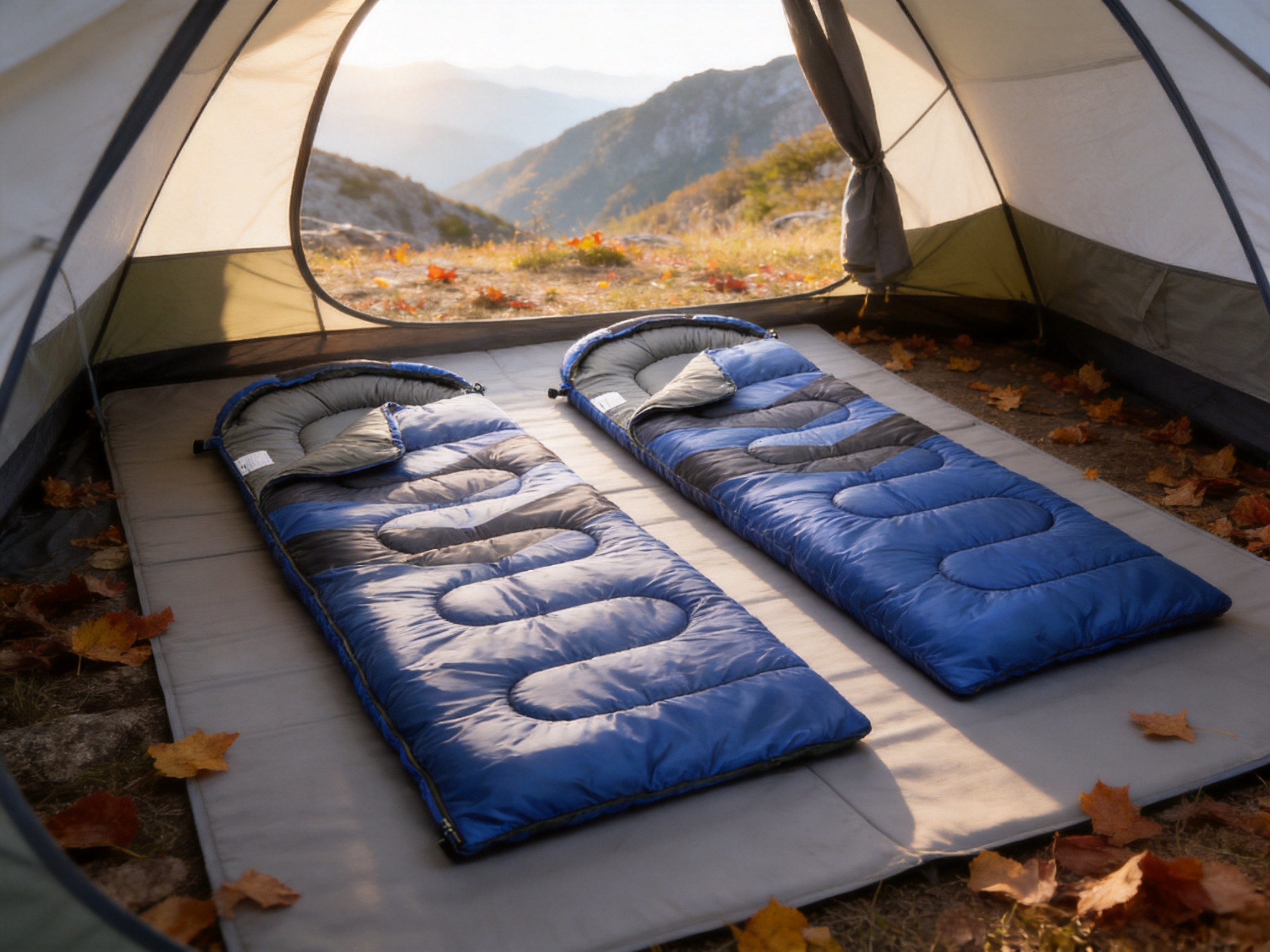
  • Quick-Setup Thickened Camping Tent for Beach Shelter, Sun Protection, and Two-Person Outdoor Comfort

    Quick-Setup Thickened Camping Tent for Beach Shelter, Sun Protection, and Two-Person Outdoor Comfort

    2026-05-29
    Modern camping users expect shelter that is fast, protective, comfortable, and reliable in changing outdoor conditions. A tent is no longer judged only by its sleeping capacity or folded size. It is judged by how quickly it can be deployed, how calmly it performs in sun and rain, how well it keeps insects out, how easy it is for beginners to handle, and whether it can survive repeated use without frustrating the user. The Outdoor Thickened Tent, Quick-Setup Beach Tent, Camping Sun Protection Tent, product code WFLY261004, is designed around exactly these practical expectations. This product belongs to the tent category for mountain-climbing, camping, beach leisure, family recreation, hiking rest stops, and general outdoor shelter use. Its core value is simple: it offers a hydraulic spring quick-opening structure that allows the tent to form automatically without complicated assembly. Instead of requiring users to connect multiple poles, read confusing instructions, and spend valuable time struggling with setup, this design makes shelter preparation faster and more intuitive. For novice campers, casual beach users, weekend travelers, and buyers who prioritize convenience, this is a major advantage. The tent also uses a double-layered structure to help provide sun protection and rain protection. In real outdoor environments, weather can shift quickly. A sunny beach afternoon can become windy or damp, and a camping trip can easily involve both hot daylight and cooler evening moisture. A double-layer design helps create a more versatile shelter compared with single-layer beach shades or basic low-cost tents. Combined with a thickened construction approach, breathable high-density mesh, and a space layout suitable for two people, the product is positioned as a dependable, user-friendly shelter for outdoor comfort. CragHaven Outdoor, based in Hangzhou, China, develops and manufactures outdoor products with a focus on real-use conditions rather than catalog decoration. The company’s philosophy emphasizes weather, terrain, and time. In other words, features must solve real outdoor problems, materials must support long-term reliability, and manufacturing decisions must produce stable, repeatable quality for global markets. This article examines the product’s design logic, competitive advantages, manufacturing strengths, quality-control approach, and ideal application scenarios. Outdoor thickened tent, quick-setup beach tent, camping sun protection tent. Product Overview and Core Positioning The Outdoor Thickened Tent is built for users who need a shelter that can be deployed quickly and used with confidence. It is described as a quick-setup beach tent and camping sun protection tent, but its usefulness extends beyond the beach. It can function as a short-stay camping shelter, a resting tent during hiking, a shaded space at outdoor events, a mosquito-resistant sleeping area for two people, or a convenient shelter for beginners who do not want a complicated pole system. The hydraulic spring quick-opening design is one of its defining features. Traditional tents often require users to thread poles through sleeves, connect joint sections, stake the body, attach a rainfly, adjust tension points, and repeat the process if a pole is inserted incorrectly. For experienced campers, this may be manageable. For beginners, families with children, beach users carrying multiple bags, or travelers arriving at a campsite near sunset, it can be inconvenient. A quick-opening tent removes much of that burden by allowing the frame and tent body to form rapidly through an integrated opening mechanism. The product is also designed with a double-layered tent structure. This matters because outdoor comfort depends on more than fabric overhead. A single-layer sunshade may block direct sunlight but can become stuffy. A thin single-wall tent may struggle with condensation, rain, and ventilation balance. A double-layer structure supports a more adaptable environment by separating protective coverage from inner comfort. When properly designed, this type of structure can help users manage airflow, shade, and moisture more effectively. The tent is spacious enough to comfortably sleep two people. Two-person capacity is one of the most popular categories in outdoor leisure because it fits couples, friends, parent-child use, solo campers who want extra space, and beach users who need room for bags and personal items. A shelter of this size is more manageable than large family tents while still offering better comfort than ultracompact emergency shelters. High-density mesh adds another practical advantage. Outdoor comfort is often disrupted not by major weather but by small annoyances: mosquitoes, flies, insects, heat buildup, and poor airflow. Mesh must be dense enough to reduce insect entry while remaining breathable enough to prevent the interior from feeling sealed and uncomfortable. This product’s mesh design addresses that balance, helping users rest more peacefully in campsites, near water, at beaches, and in warm-weather environments. Why Quick Setup Matters in Real Outdoor Use Speed is not merely a convenience feature. In outdoor scenarios, setup time affects safety, comfort, and user confidence. A quick-opening tent can be especially valuable when the weather changes suddenly, when the ground is hot or wet, when insects are active, or when users are tired after travel. The faster a shelter is formed, the faster users can protect themselves and their belongings. For beach use, rapid setup is particularly important. Sand can make traditional staking and pole assembly more difficult. Wind near shorelines can catch loose fabric before the tent is fully formed. A quick-opening system helps reduce the time during which the tent is vulnerable to flapping fabric and incomplete structure. Users can establish a shaded resting area more quickly and then focus on anchoring, organizing, and relaxing. For novice campers, quick setup reduces anxiety. Many first-time users hesitate to buy tents because they fear complicated assembly or embarrassment at campsites. A hydraulic spring quick-opening design provides a smoother first experience. When users can deploy a tent without specialized skills, they are more likely to enjoy outdoor activity and more likely to repeat the experience. For families, setup speed reduces stress. Parents often manage children, food, luggage, and campsite organization at the same time. A shelter that forms quickly allows families to create a base area sooner. Children can rest in shade, belongings can be placed inside, and adults can continue arranging the campsite without struggling through a lengthy tent assembly process. For cross-border retail and wholesale markets, quick setup also supports product appeal. Online buyers often make decisions based on visible usability. A tent that can be shown opening quickly in product images or videos has strong commercial value. It communicates simplicity and convenience immediately, which can reduce purchase hesitation and increase customer satisfaction after delivery. Hydraulic Spring Quick-Opening Design The hydraulic spring quick-opening structure is the technical heart of this tent. While traditional tents depend on separate pole systems, a quick-opening tent integrates the frame and canopy into a more unified mechanism. The user can open the tent with less manual assembly, allowing the shelter to form automatically or near-automatically. This design is especially suitable for users who want a balance between structure and convenience. Competitor products in the low-cost segment often use basic pop-up wire frames. These can be quick, but they may be difficult to fold, unstable in wind, or less durable over repeated use. Other competitors use traditional pole systems, which may offer rigidity but require longer setup time and more user skill. A hydraulic spring quick-opening design aims to occupy a better middle ground: faster than conventional pole tents and more controlled than simple twist-and-fold pop-up shelters. The quick-opening frame must be engineered carefully. It needs enough spring force to open smoothly, but not so much that it becomes difficult to control. It must resist deformation from repeated opening and folding cycles. It must align the fabric tension evenly so the tent shape remains stable rather than sagging in key areas. The joints and connection points need consistent manufacturing quality because they carry mechanical stress each time the tent is deployed. From a manufacturing perspective, the quick-opening system requires coordination between frame engineering, fabric cutting, stitching accuracy, and final assembly. If the fabric panels are not cut correctly, the frame may not open evenly. If seams are misaligned, the tent may pull unevenly. If joints are inconsistent, the opening action may feel stiff or unreliable. CragHaven Outdoor’s strength lies in treating these elements as one integrated product system rather than separate components. For end users, the result is a tent that feels simple. That simplicity is valuable because it hides a great deal of engineering behind an easy action. Good outdoor design often works this way: the user should not need to think about every technical detail. The product should simply perform when needed. Double-Layer Structure for Sun and Rain Protection A double-layered tent structure provides practical advantages over basic single-layer shelters. In outdoor use, a tent must manage multiple environmental pressures at once: sunlight, heat, moisture, wind, insects, and condensation. A single fabric wall can block some direct exposure, but it often creates trade-offs. If the fabric is too sealed, ventilation suffers. If it is too open, rain and insects become problems. A double-layer approach allows the design to distribute these tasks more effectively. The outer layer can focus on shielding the shelter from sun and light rain. It helps create shade and reduces direct exposure to weather. The inner layer can focus on user comfort, airflow, and insect resistance. This separation supports a more comfortable interior environment, especially during warm-weather camping and beach use. Sun protection is critical for beach and summer camping scenarios. Users often spend long hours outdoors, and direct sunlight can quickly make an exposed area uncomfortable. A tent that creates dependable shade helps protect users from heat stress, sun fatigue, and excessive exposure. While users should still follow safe sun practices, a well-designed shelter is an important part of outdoor comfort. Rain protection is equally important, even for a product marketed for beach and leisure use. Many buyers expect a tent to handle unexpected drizzle or damp conditions. A double-layer design gives the product stronger versatility than a simple sunshade. It is not positioned as a high-altitude expedition tent for severe storms, but for normal camping, leisure, beach, and mild-weather shelter use, the double-layer construction increases practicality. Another advantage of the double-layer structure is improved airflow management. When combined with mesh panels, the tent can allow air movement while maintaining a protective barrier. This is especially useful in humid environments, where trapped heat and moisture can make a shelter unpleasant. A tent that breathes well is more likely to be used repeatedly, because comfort is one of the strongest drivers of customer satisfaction. Thickened Construction and Durability-Oriented Material Selection The word “thickened” signals a product direction: the tent is built to feel more substantial than extremely thin disposable-style shelters. In outdoor gear, thickness alone is not the only measure of quality, but material strength, fabric hand feel, stitching integrity, and wear resistance all influence user confidence. A tent used on sand, grass, compacted soil, or campsite surfaces needs to resist routine abrasion and folding stress. CragHaven Outdoor’s material philosophy focuses on durability, reliability, and long-term use rather than short-term trends. This approach is important because many outdoor products fail not during the first use but after repeated packing, unpacking, tensioning, exposure, and storage. A tent may look attractive when new, but weak fabric, poor stitching, low-quality zippers, or unstable frame joints will reveal themselves over time. Thickened fabric construction can improve the perceived and functional quality of the tent. Users often notice whether a tent feels flimsy when touched, whether the floor feels vulnerable, and whether the canopy pulls smoothly over the frame. A more robust construction helps the tent maintain shape and provides a more reassuring experience. Material choice must also consider weight and portability. A tent that is too heavy may be inconvenient for casual use, while one that is too light may lack comfort and durability. The design challenge is to deliver enough strength for real use while preserving easy transport. This is particularly important for beach and camping users who may carry chairs, coolers, backpacks, sleeping equipment, and personal items. Competitor tents sometimes reduce costs by using minimal fabric weight, simplified stitching, and low-grade accessories. Such products can be appealing at first glance, especially in online marketplaces, but they may result in poor reviews when users encounter tearing, difficult folding, weak mesh, or unstable frames. A durability-oriented tent provides stronger long-term value, especially for distributors and retailers who want fewer complaints and better repeat purchases. High-Density Mesh for Breathability and Mosquito Protection Mesh quality is one of the most important comfort factors in a warm-weather tent. Users want air circulation, but they also want protection from mosquitoes and insects. If the mesh openings are too large, insects can enter. If the mesh is too dense or poorly positioned, airflow may be restricted. A high-density mesh system aims to balance these needs. In beach leisure, lakeside camping, forest edges, and summer fields, insects can turn a pleasant outing into an uncomfortable experience. A tent with effective mesh gives users a place to rest, nap, change clothes, protect children, or store belongings away from insects. For overnight use, mosquito resistance becomes even more important because bites can interrupt sleep and reduce the overall camping experience. Breathability is equally important. A fully sealed tent in warm weather can become hot and humid quickly. Mesh panels allow airflow while maintaining a protected interior. This supports comfort during daytime shade use and nighttime sleeping. It also helps reduce the feeling of confinement that some users experience in small shelters. Compared with some entry-level competitors, high-density mesh offers a clear advantage. Low-cost mesh can tear easily, deform after tension, or feel rough and fragile. Poor mesh attachment can create gaps around seams or zippers. A well-manufactured mesh system requires accurate cutting, strong stitching, and careful connection to the tent body. These are manufacturing details that directly affect user satisfaction. For a two-person quick-setup tent, mesh also supports flexible use. Users may keep the outer layer adjusted for shade and rain while using mesh for ventilation. This adaptability makes the tent useful across different temperatures and environments. Two-Person Space: Practical Comfort Without Excess Bulk A two-person tent must be designed carefully because comfort depends on usable space, not just nominal capacity. A tent may technically fit two people but feel cramped if the shape slopes too sharply or if the floor area is poorly organized. The Outdoor Thickened Tent is described as spacious enough to comfortably sleep two people, which positions it as a practical shelter for couples, friends, or solo users who want additional room. For camping, two-person capacity provides a flexible balance. It is easier to carry and set up than a large family tent, but it offers more comfort than a narrow single-person shelter. For beach use, the space can accommodate users sitting or resting, along with towels, bags, clothing, food containers, or small outdoor accessories. For festival, park, or picnic use, it can serve as a compact private resting area. Interior comfort also depends on entry access, ventilation layout, and fabric tension. A quick-opening structure helps create the tent shape quickly, but the design must also maintain enough headroom and side space to avoid a collapsed or cramped feeling. This is where pattern engineering and frame geometry are important. A well-designed tent uses its structure efficiently so the interior feels larger than the folded package might suggest. Compared with low-cost pop-up beach shelters, a two-person thickened double-layer tent can feel more protective and private. Compared with larger traditional camping tents, it is easier to handle and faster to deploy. This balance makes it suitable for a wide range of users, including beginners, casual campers, weekend travelers, and retailers seeking a versatile product category. Competitive Advantages at a Glance The tent’s advantages become clearer when compared with common alternatives in the market. Many competitors focus on only one selling point: low price, ultralight weight, quick pop-up action, or visual style. This product is stronger because it combines quick setup, double-layer protection, two-person comfort, breathable insect-resistant mesh, and thickened construction into one practical package. Feature Outdoor Thickened Quick-Setup Tent Typical Low-Cost Pop-Up Shelter Traditional Pole Tent Setup Method Hydraulic spring quick-opening design for fast automatic forming Fast opening but often difficult folding and less controlled structure Manual pole assembly requiring more time and skill Weather Adaptability Double-layer structure supports sun and light rain protection Often mainly for shade, with limited rain management Can be protective, depending on model, but slower to set up User Skill Requirement Beginner-friendly and suitable for casual outdoor users Easy to open but sometimes confusing to fold Moderate to high, especially for first-time campers Comfort Two-person sleeping space with breathable high-density mesh May have limited ventilation and privacy Varies by design; comfort often depends on correct setup Durability Focus Thickened construction and integrated manufacturing control Often built for low cost and occasional use Can be durable but depends heavily on pole and fabric quality Best Use Camping, beach leisure, novice users, weekend trips, shaded rest Short beach shade and casual temporary shelter Longer camping trips where setup time is less important This comparison shows that the product does not compete only by being fast. Its real advantage is balanced performance. A quick tent that lacks comfort is not enough. A durable tent that is hard to set up may discourage beginners. A beach shelter that cannot handle insects or light rain has limited use. By combining multiple practical features, the Outdoor Thickened Tent delivers broader value. Manufacturing Philosophy Behind the Product CragHaven Outdoor is not positioned merely as a sourcing intermediary. The company participates in design and manufacturing decisions, aiming to reduce uncertainty in the supply chain. This matters because outdoor gear quality depends on process discipline. A product may have a good concept, but without reliable sampling, testing, material control, and assembly standards, the final goods may vary from batch to batch. The company’s development principles are especially relevant to this tent. First, products are designed for weather, terrain, and time, not only for catalog appearance. For a quick-setup tent, that means evaluating how users open it, how the frame behaves after repeated cycles, how fabric tension changes, and how the shelter handles common outdoor conditions. Second, every feature must solve a real usage problem. The hydraulic opening system solves setup difficulty. The double layer addresses sun and rain. Mesh addresses airflow and insects. Two-person space addresses practical comfort. Third, materials are selected for durability and long-term reliability rather than short-term trends. Advanced manufacturing for this category includes more than sewing fabric panels. It involves coordinating the mechanical frame, fabric pattern, mesh placement, accessory quality, seam strength, folding logic, packaging, and final inspection. The product must open correctly, fold consistently, pack efficiently, and arrive to customers in good condition. These requirements demand process control from the earliest sample stage. Sampling and optimization are especially important. A quick-opening tent may require multiple rounds of adjustment before it achieves the right balance of opening force, fabric tension, interior space, folding size, and visual appearance. If one element changes, others may need adjustment. For example, a thicker fabric may improve durability but affect folding behavior. A stronger frame may improve structure but increase weight. A larger mesh panel may improve ventilation but require stronger seam reinforcement. A capable manufacturer must understand these trade-offs and refine the product accordingly. Material Preparation and Pattern Engineering The first stage of reliable tent manufacturing is material preparation and pattern engineering. Fabric, mesh, frame parts, connectors, zippers, stitching thread, ground materials, and packaging components must be selected according to the product’s intended use. For a thickened quick-setup tent, the materials must support repeated folding, tension, and outdoor exposure. Pattern engineering determines how flat fabric becomes a three-dimensional tent. This process is more complex than it appears. Each panel must match the frame geometry. Seam allowances must be consistent. Mesh panels must align with openings and closure systems. The outer and inner layers must work together without excessive sagging or tension imbalance. Good pattern engineering helps the tent open smoothly and maintain a clean shape. In lower-quality production, pattern inconsistency can create visible defects such as uneven sides, twisted openings, loose mesh, or difficulty folding. These problems may not always appear in product photos, but users notice them immediately during use. CragHaven Outdoor’s emphasis on sampling, testing, and optimization helps reduce these risks. Cutting accuracy is also essential. Automated or carefully controlled cutting processes can improve consistency across production batches. When fabric panels are cut precisely, stitching teams can assemble the tent more efficiently, and the final product is more likely to match approved samples. Consistency is particularly important for cross-border buyers, because overseas retailers need stable quality across repeated orders. Frame Integration and Opening Mechanism Control The hydraulic spring quick-opening mechanism requires special attention during manufacturing. The frame is not simply an accessory; it is the structural system that defines the user experience. If the frame opens smoothly, the product feels premium and convenient. If it jams, twists, or feels weak, the entire product experience declines. Frame components must be evaluated for strength, elasticity, connection stability, and repeated-cycle performance. Joints should move predictably. Springs should provide appropriate support. Connection points between frame and fabric must be secure. Stress must be distributed so that repeated opening does not tear fabric or loosen stitching. During assembly, workers must align the frame with fabric channels or attachment points correctly. Even small misalignment can create tension imbalance. In a quick-opening tent, this can affect both appearance and function. A reliable manufacturing process includes inspection checkpoints during frame installation, not only at final packaging. Competitors that focus on low-cost production may overlook these details. The tent may open well during the first demonstration but become difficult after several uses. CragHaven Outdoor’s process orientation helps improve long-term performance by treating the opening mechanism as a quality-critical component. Stitching, Seam Reinforcement, and Structural Reliability Stitching quality is one of the most visible and important signs of tent durability. A tent is exposed to pulling forces from the frame, wind, user handling, packing, and ground contact. Weak seams can fail even if the fabric itself is acceptable. Therefore, stitch density, thread selection, seam alignment, and reinforcement at stress points are essential. For a double-layer tent, stitching must also maintain separation and alignment between layers. Poor assembly can cause the inner layer to sag, interfere with ventilation, or reduce usable space. Mesh seams require special care because mesh behaves differently from solid fabric. It can stretch, distort, or tear if handled incorrectly. Reinforcement is particularly important around corners, door openings, frame connection points, zipper ends, and areas subject to repeated folding. These are the places where outdoor products commonly fail. A durability-oriented production process identifies such points during sample testing and strengthens them before mass production. Seam neatness also affects brand perception in retail markets. Consumers may not know the technical details of seam construction, but they can recognize uneven stitching, loose threads, and poorly finished edges. Clean workmanship communicates quality and supports premium positioning. Ventilation, Insect Protection, and User Comfort Testing A tent can be structurally sound but uncomfortable if ventilation is poor. User comfort testing should evaluate airflow, heat buildup, mesh placement, entry convenience, and interior space. The high-density mesh must be positioned to allow air movement while protecting users from insects. The openings must function smoothly and close securely. In warm-weather shelters, the relationship between sun protection and ventilation is critical. A tent that blocks sun but traps heat may be unpleasant. A tent that ventilates well but allows too much exposure may not provide enough protection. The double-layer structure and mesh system are designed to balance these needs. Testing can include repeated opening and closing of doors or mesh panels, checking for snagging, verifying that zippers or closures align properly, and assessing whether the interior remains comfortable for two users. While laboratory tests are useful, real-world scenario evaluation is also important. Beach, campsite, grassland, and park conditions all reveal different product behaviors. Quality Control for Stable Cross-Border Supply For global buyers, product quality is only one part of the equation. Consistency is equally important. A supplier must be able to reproduce the approved sample across production batches. CragHaven Outdoor’s advantage lies in its understanding of both real outdoor usage and Western-market expectations. This helps reduce communication gaps and supports stable cooperation with retailers, wholesalers, and brand partners. Quality control for this tent can include incoming material inspection, frame component checks, fabric cutting verification, sewing-line inspection, opening mechanism testing, visual inspection, packaging inspection, and random final checks. Each checkpoint reduces the chance that defects reach customers. Final inspection should confirm that the tent opens correctly, folds properly, has no obvious fabric damage, includes required accessories, and is packed according to order requirements. For cross-border shipments, packaging matters because products may experience long transport routes, stacking pressure, humidity changes, and handling impacts. Proper packaging helps protect the quick-opening frame and fabric from deformation or damage. Stable quality control also reduces after-sales risk. Tents that arrive defective or fail quickly can create returns, negative reviews, and retailer dissatisfaction. A manufacturing partner that focuses on long-term reliability helps customers protect their market reputation. Advantages for Retailers, Distributors, and Outdoor Brands This tent is attractive not only for end users but also for business customers. Retailers and distributors need products that are easy to explain, easy to display, and easy to sell. The main selling points of this tent are immediately understandable: quick setup, double-layer protection, two-person comfort, breathable mosquito-proof mesh, and thickened construction. These features can be communicated clearly in online listings, showroom demonstrations, and sales materials. The product also fits multiple sales channels. It can be positioned for camping, beach leisure, family outdoor recreation, beginner camping kits, summer travel, picnic shelters, festival use, or general outdoor shade. This flexibility helps businesses expand audience reach without needing entirely separate product lines for each scenario. Another business advantage is reduced customer education. Traditional tents may require detailed setup instructions and create user complaints when buyers fail to assemble them properly. A quick-opening tent simplifies the user journey. When a product is easier to use, customer satisfaction often improves, and support requirements decrease. For private-label or cross-border manufacturing programs, CragHaven Outdoor’s process knowledge is valuable. The company can communicate in a professional, Western-market-oriented way, which helps international partners clarify specifications, packaging needs, quality standards, and product positioning. Its location in Hangzhou also supports access to China’s mature and efficient manufacturing ecosystem. Ideal Use Scenarios The Outdoor Thickened Tent is suitable for a broad range of outdoor conditions where speed, comfort, and moderate protection are priorities. It is particularly well suited for beach shade because users can create a resting space quickly. The double-layer construction helps reduce direct sun exposure, while breathable mesh improves comfort during warm conditions. For camping, the tent is a strong choice for beginners or weekend users who value simplicity. It is not necessary to master complicated pole assembly before enjoying the outdoors. The two-person capacity makes it suitable for couples, friends, or solo campers with gear. The mosquito-resistant mesh improves rest quality in warm seasons. For hiking or mountain recreation, the tent can serve as a temporary rest shelter depending on the travel style and carrying requirements. Users should always match shelter choice to terrain, weather expectations, and trip duration. For casual hiking rest points, base leisure, and short outdoor stays, the quick-opening structure can be highly convenient. For family outings, the tent can become a shaded rest zone for children, a changing area, a place to store bags, or a nap shelter. Its easy setup reduces the workload for adults and improves the overall outing experience. For outdoor events, picnics, music festivals, sports days, and park gatherings, the tent offers privacy and shade. Many users in these scenarios are not experienced campers, so the beginner-friendly setup is a major benefit. How This Tent Stands Above Many Competitors Many tents in the market are built around a single advantage. Some are inexpensive but fragile. Some are fast to open but troublesome to fold. Some are protective but heavy and complicated. Some are visually attractive but lack ventilation. The Outdoor Thickened Tent stands out because it combines several practical advantages into one coherent design. First, it reduces setup time without relying on an overly simplistic structure. The hydraulic spring quick-opening design offers convenience while supporting a more organized tent shape. This is an important distinction from basic pop-up shelters that may open quickly but lack structure and long-term durability. Second, it offers double-layer protection. A tent intended for real use should not be limited to one weather condition. The double-layer structure improves versatility for sun and light rain, making the product more useful across different outdoor scenarios. Third, it addresses comfort. The two-person capacity and high-density mesh show that the design considers how people actually use tents. Users need space, airflow, and insect protection, not just a fabric cover. Fourth, it reflects manufacturing discipline. A quick-opening tent can fail if the frame, fabric, and stitching are not integrated properly. CragHaven Outdoor’s emphasis on sampling, testing, optimization, and material reliability supports more stable product performance. Fifth, it offers business value. For global retailers and outdoor brands, a product that is easy to demonstrate, easy to understand, and suitable for multiple use cases can strengthen sales potential. When quality is consistent, it also supports long-term cooperation and reduces supply-chain uncertainty. Care, Use, and Practical Recommendations To maximize service life, users should open the tent on a reasonably clear surface whenever possible. Sharp stones, broken shells, branches, and rough ground can damage any tent fabric over time. A groundsheet or mat can provide additional protection in abrasive environments. After use in damp conditions, the tent should be dried before long-term storage. Moisture trapped inside folded fabric can cause odor, mildew, or material degradation. Even tents designed for outdoor use benefit from proper care. Users should avoid forcing the frame during folding. Quick-opening mechanisms are designed to follow a specific motion. If resistance is felt, it is better to check alignment than to apply excessive force. Proper folding preserves frame performance and fabric shape. At the beach, users should secure the tent appropriately according to local wind conditions. Any tent or shelter can be affected by wind if not anchored. Sand pockets, stakes suitable for sand, or weighted items may help depending on the final accessory configuration and local conditions. For rain, users should remember that product performance depends on intensity, duration, setup, and site selection. A double-layer structure improves protection for common outdoor use, but users should avoid low ground where water pools and should not treat leisure tents as substitutes for specialized expedition shelters. Q&A Section What makes this tent different from an ordinary pop-up beach tent? The key difference is its balanced design. Many ordinary pop-up beach tents focus only on fast opening and shade. This product combines a hydraulic spring quick-opening structure, double-layer sun and rain protection, thickened construction, two-person space, and high-density mosquito-resistant mesh. It is designed to be more versatile for both beach leisure and camping use. Is this tent suitable for beginners? Yes. The quick-opening design is especially friendly for novice campers and casual outdoor users. It reduces the need for complicated pole assembly and allows users to create shelter quickly. This makes it suitable for first-time campers, families, beach users, and weekend travelers. Can two people sleep inside comfortably? The tent is designed to be spacious enough for two people to sleep. It is suitable for couples, friends, parent-child use, or solo users who prefer extra space for gear. As with all tents, comfort also depends on user height, sleeping equipment, and the amount of gear stored inside. Does the tent protect against mosquitoes? Yes. The product uses high-density mesh designed to support breathability while helping block mosquitoes and insects. This is valuable for warm-weather camping, lakeside use, beach evenings, forest edges, and other outdoor environments where insects are common. Is the tent only for beach use? No. Although it is suitable as a quick-setup beach tent and sun protection shelter, it can also be used for camping, picnics, park outings, outdoor events, family recreation, and short rest stops during outdoor activity. Its double-layer design and two-person interior make it more versatile than a simple sunshade. How does the double-layer structure improve performance? The double-layer structure helps separate weather protection from interior comfort. The outer layer contributes to sun and rain shielding, while the inner area can support ventilation and insect protection through mesh. This makes the tent more adaptable than many single-layer shelters. Why is manufacturing quality important for a quick-opening tent? A quick-opening tent depends on accurate integration of frame, fabric, seams, and folding geometry. If these elements are not manufactured consistently, the tent may open unevenly, fold poorly, or experience stress at weak points. Good manufacturing control helps ensure smoother operation and longer-lasting performance. What type of buyers can benefit from this product? End users benefit from convenience, comfort, and protection. Retailers, distributors, and outdoor brands benefit from a product that is easy to explain, suitable for multiple scenarios, and aligned with popular outdoor leisure demand. It is especially attractive for markets where beginner-friendly camping gear is growing. Company Strengths Supporting the Product CragHaven Outdoor is based in Hangzhou, Zhejiang Province, one of China’s important commercial and manufacturing regions. The company focuses on mountaineering, hiking, and camping scenarios, delivering functional and reliable outdoor gear for global markets. Its work is guided by the idea that outdoor products should be built for real environments rather than designed only for catalog appeal. The company’s strength comes from connecting product understanding with manufacturing execution. Many suppliers can provide products that look similar in photos, but fewer can explain how the product will be used, where it may fail, and how to improve it before mass production. CragHaven Outdoor emphasizes real outdoor usage experience, sampling, testing, and optimization. This approach is valuable for international buyers. Cross-border outdoor products must satisfy customer expectations in different markets. Buyers often need clear communication, stable quality, professional documentation, packaging coordination, and responsive problem solving. CragHaven Outdoor aims to reduce uncertainty by participating in both design and manufacturing rather than acting only as a factory source. The company also values long-term partnerships. In outdoor manufacturing, long-term cooperation allows suppliers and buyers to improve products over time. Feedback from customers can be translated into updated materials, adjusted patterns, stronger accessories, improved packaging, or expanded color and style options. A stable manufacturing partner helps brands build a more reliable product line. Why This Product Fits Today’s Outdoor Market Outdoor participation has become more diverse. Not every user is an expert mountaineer or long-distance backpacker. Many customers are families, casual campers, beach travelers, weekend hikers, festival visitors, or people seeking simple contact with nature. These users want gear that lowers the barrier to outdoor enjoyment. A quick-setup, comfortable, protective tent fits this trend well. At the same time, customers are becoming more critical of quality. Low-cost outdoor products may sell quickly, but negative experiences can damage trust. Buyers increasingly look for products that combine convenience with durability. A thickened, double-layer quick-opening tent answers this demand by providing a stronger sense of reliability than basic temporary shelters. The product also fits the growth of visual online selling. Quick setup can be demonstrated clearly in short videos and product photos. Mesh ventilation, two-person space, and double-layer coverage are easy to communicate. For e-commerce platforms, products with obvious functional benefits often perform better because shoppers can understand the value quickly. For wholesale and private-label programs, the tent offers a flexible foundation. It can be positioned as a beach tent, camping tent, beginner shelter, sun protection tent, family leisure tent, or outdoor rest tent. This adaptability allows businesses to tailor marketing to different seasons and customer groups. Conclusion The Outdoor Thickened Tent, Quick-Setup Beach Tent, Camping Sun Protection Tent, product code WFLY261004, offers a strong combination of convenience, protection, comfort, and manufacturing reliability. Its hydraulic spring quick-opening design reduces setup difficulty and makes outdoor shelter accessible to beginners and casual users. Its double-layered structure supports sun and rain protection, while high-density mesh improves breathability and mosquito resistance. Its two-person space provides practical comfort without unnecessary bulk. Compared with many competitor products, it stands out through balance. It is more protective than a simple beach shade, easier to use than many traditional pole tents, more comfortable than minimal pop-up shelters, and more commercially versatile than single-scenario products. The thickened construction and durability-oriented design further strengthen its long-term value. Behind the product is CragHaven Outdoor’s manufacturing philosophy: design for weather, terrain, and time; ensure every feature solves a real problem; and use sampling, testing, and optimization to support stable quality. For end users, this means a tent that is easier to trust. For retailers, distributors, and brand partners, it means a product with clear selling points and a supplier focused on reliable execution. In a market crowded with tents that look similar at first glance, genuine value comes from practical design and disciplined manufacturing. This quick-setup thickened tent delivers that value by making shelter simpler, more comfortable, and more dependable for real outdoor life. References 1. Ryan, K. Outdoor Shelter Design Principles: Weather Protection, Ventilation, and User Comfort. Outdoor Equipment Technical Review. 2. Miller, J. Camping Gear Manufacturing and Quality Control: Fabric, Frame, and Seam Performance. Textile Product Engineering Journal. 3. Anderson, P. Recreational Tent Usage Patterns in Beach and Family Camping Markets. Leisure Outdoor Industry Report. 4. Chen, L. Functional Textile Selection for Lightweight Outdoor Shelters. Applied Materials and Outdoor Products Review. 5. Thompson, E. Consumer Expectations in Beginner Camping Equipment: Convenience, Safety, and Durability. Global Outdoor Retail Studies. Product: Outdoor thickened tent, quick-setup beach tent, camping sun protection tent. .profile-card { display: flex; align-items: flex-start; gap: 2rem; background-color: white; padding: 2rem; border-radius: 12px; box-shadow: 0 2px 10px rgba(0,0,0,0.05); } .profile-avatar { width: 120px; height: 120px; border-radius: 50%; overflow: hidden; flex-shrink: 0; } .profile-avatar img { width: 100%; height: 100%; object-fit: cover; display: block; } .profile-info { flex-grow: 1; } .profile-name { font-size:27px; font-weight: 900; margin-bottom: 1rem; color: #1a1a1a; } .profile-bio { line-height: 1.6; color: #333; } @media (max-width: 600px) { .profile-card { flex-direction: column; align-items: center; text-align: center; gap: 1.5rem; } } Deng Yuli — International Sales Manager 10 years of B2B sales experience in outdoor equipment manufacturing, focusing on key account development, quotation negotiation, product proposal preparation, and long-term cooperation with overseas distributors and private-label brands.
    View Article
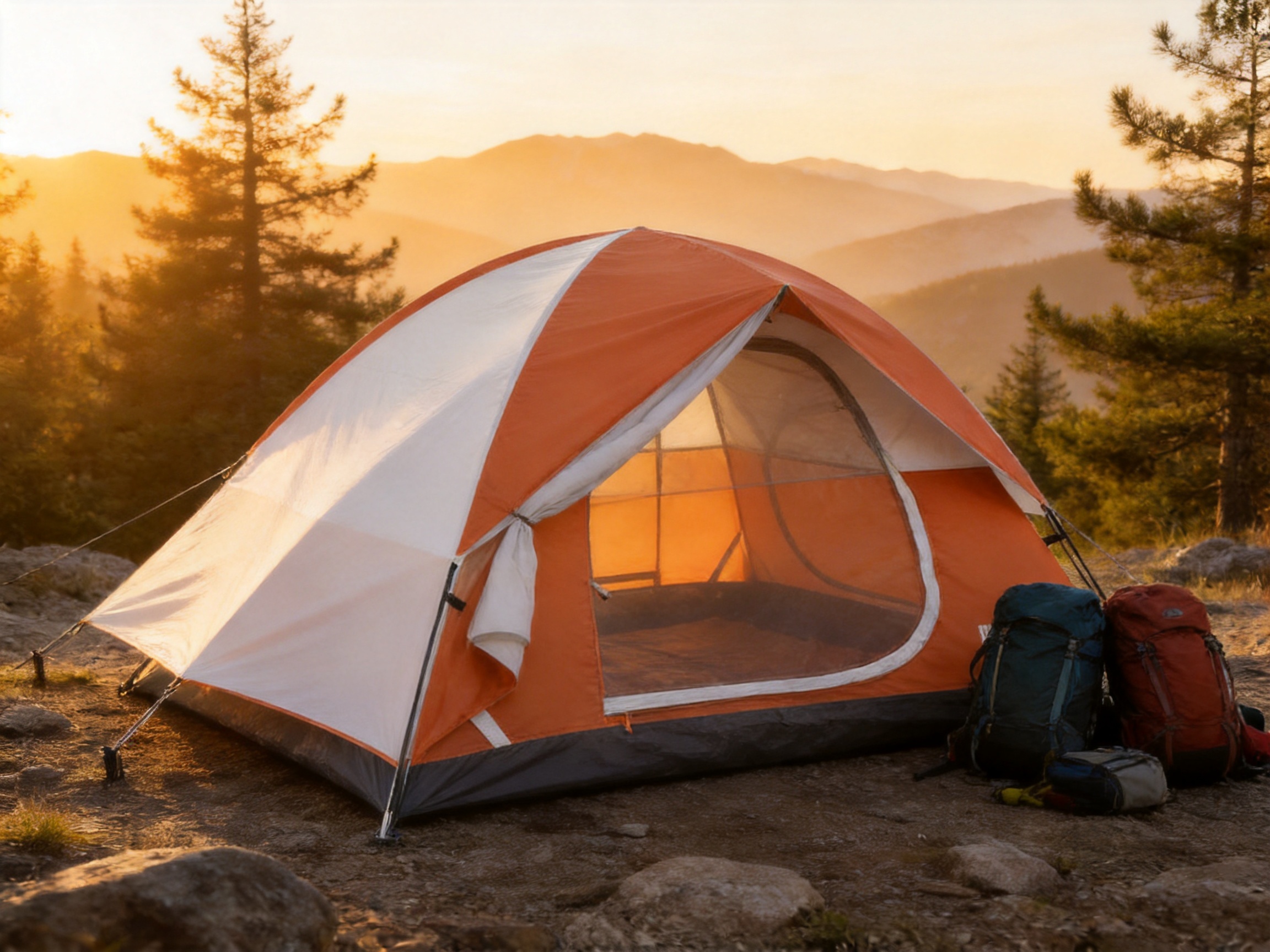
  • Portable Folding Camping Chair Built for Comfort, Stability, and Real Outdoor Use

    Portable Folding Camping Chair Built for Comfort, Stability, and Real Outdoor Use

    2026-05-23
    Outdoor seating is often treated as a simple accessory, yet anyone who has spent long hours at a campsite, mountain base, lakeside rest area, festival ground, or overland travel stop knows that a chair can change the entire outdoor experience. A reliable camping chair must do more than unfold and hold weight. It must pack down efficiently, resist repeated transport, remain comfortable during extended sitting, manage heat and moisture, and offer practical storage where users actually need it. The Outdoor folding chair, portable multi-functional camping chair, model WFLY262002, is designed around these real usage conditions. It combines an aviation-grade aluminum alloy frame, Oxford cloth seating surface, breathable mesh back panel, side storage pockets, cup holders, and quick-folding construction into a compact and user-friendly camping furniture solution. The product is suitable for camping, hiking rest areas, mountain-climbing support camps, fishing, outdoor events, road trips, and leisure use in backyards or parks. Unlike generic folding chairs that focus only on low cost or basic appearance, this chair emphasizes a balanced outdoor performance profile: lightweight structure, dependable support, comfort during long sitting sessions, organized storage, fast deployment, and compact transport. These elements make it attractive for retail brands, outdoor distributors, e-commerce sellers, promotional buyers, and sourcing teams seeking a practical camping furniture product with long-term market potential. Behind the product is CragHaven Outdoor, an outdoor brand and cross-border manufacturing partner based in Hangzhou, China. The company focuses on mountaineering, hiking, and camping scenarios, with a development philosophy centered on durability, reliability, real-world function, and supply-chain stability. Instead of designing products only for catalog photography, the company approaches product development through weather, terrain, repeated use, and time. Product Overview The WFLY262002 portable multi-functional camping chair is built to serve the modern outdoor user who wants convenience without sacrificing structural confidence. The aviation-grade aluminum alloy frame gives the chair a strong yet lightweight foundation, while Oxford cloth provides a durable and practical seating surface. The breathable mesh back panel helps reduce stuffiness during warm-weather use or extended sitting, and the integrated side pockets and cup holders keep essentials close at hand. In the camping furniture category, portability is essential. A chair that is comfortable but difficult to carry loses value for many outdoor users. This model is designed for quick folding and space-saving storage, making it easier to load into a vehicle, carry to a campsite, move between locations, or store at home when not in use. The product supports a wide range of outdoor lifestyles, from family camping and weekend hiking to mountain base rest zones and recreational travel. The chair’s design is not overloaded with unnecessary decorative elements. Instead, its features are purpose-driven. The frame supports mobility and stability. The fabric supports comfort and durability. The mesh supports airflow. The side storage supports convenience. The cup holder supports everyday campsite habits. The folding structure supports fast setup and packing. Each feature serves a practical role in improving outdoor usability. Core Product Specifications and Functional Advantages Product Element Material or Function User Benefit Competitive Advantage Frame Aviation-grade aluminum alloy Lightweight handling with dependable structural support Better portability than many heavy steel-frame chairs and stronger confidence than low-grade light frames Seat Fabric Oxford cloth Durable sitting surface suitable for repeated outdoor use More practical for rugged use than thin decorative fabrics Back Panel Breathable mesh Improved ventilation during long sitting sessions Reduces the stuffy feeling common in fully fabric-backed camping chairs Storage Design Side pockets and cup holders Keeps phones, bottles, small tools, and personal items nearby More functional than basic folding chairs without organized storage Folding System Quick-folding structure Fast setup, compact packing, and easier storage Improves mobility and saves space in vehicles, tents, and storage areas Application Camping, hiking, outdoor leisure, mountain support use Versatile seating for multiple scenarios Broader market appeal than single-purpose outdoor seating products Why a Better Camping Chair Matters Outdoor comfort is not a luxury; it is part of energy management. After hiking, climbing, cooking, fishing, driving, or setting up camp, users need a stable place to rest. Poor seating can cause fatigue, discomfort, heat buildup, and inconvenience. A badly designed chair may be heavy, unstable, difficult to fold, or uncomfortable after only a short period. These problems reduce the user’s overall outdoor experience and can damage customer satisfaction for retailers and brands. The WFLY262002 chair addresses these concerns by treating the camping chair as an essential piece of outdoor equipment rather than a disposable accessory. It is built around the realities of field use: users carry gear, sit for extended periods, need nearby storage, drink water or coffee around camp, and often move equipment several times a day. A chair that is easy to open, easy to carry, comfortable to sit in, and simple to store has direct value in these conditions. For sourcing managers and product planners, a chair like this also has commercial importance. Camping furniture is a competitive category, and customers compare products quickly. Visible features such as breathable mesh, side pockets, cup holders, and aluminum framing help communicate value at retail and online. Practical details increase perceived quality and help distinguish the product from low-end alternatives. Aviation-Grade Aluminum Alloy Frame: Lightweight Strength for Outdoor Mobility The frame is one of the most important components of any folding chair. It determines portability, structural feel, corrosion resistance potential, and long-term user confidence. The WFLY262002 uses an aviation-grade aluminum alloy frame, giving the chair a favorable balance between strength and weight. Many entry-level camping chairs rely on heavier steel frames. Steel can provide strength, but it often increases total carry weight and may be less convenient for users who frequently transport equipment. For car camping, an extra kilogram may not seem important at first, but users notice weight when carrying multiple items from a parking area to a campsite, moving gear across uneven ground, or packing a vehicle with limited space. Aluminum alloy offers an advantage because it supports a lighter, more travel-friendly product structure. Compared with lower-grade lightweight frames, aviation-grade aluminum alloy offers improved confidence in product positioning. It supports a more premium perception and aligns well with outdoor consumers who care about reliable materials. In outdoor furniture, users may not always analyze technical specifications, but they quickly recognize whether a chair feels cheap, flimsy, or unstable. A well-selected aluminum alloy frame helps deliver a stronger product impression. The aluminum structure also supports cross-border market appeal. Many Western outdoor consumers expect camping gear to be functional, packable, and durable. A lightweight frame is especially important for e-commerce because shipping efficiency, package size, and customer handling all influence sales performance. By combining portability with structural performance, this chair serves both user needs and business needs. Oxford Cloth Seat: Practical Durability for Repeated Use The seat material must resist tension, friction, movement, and contact with outdoor clothing, dust, and occasional moisture. Oxford cloth is a practical choice for camping furniture because it offers durability and usability in common outdoor conditions. It is not selected only for appearance; it is selected for repeated sitting, folding, packing, and transport. Some low-cost folding chairs use thin or weak fabric that may stretch, tear, or lose shape after repeated use. Others use materials that appear attractive in photos but are less suitable for rugged outdoor conditions. The Oxford cloth seat on this chair supports a more dependable product experience. It gives users a stable seating surface and helps maintain the chair’s functional value over time. The fabric choice also matters for manufacturing consistency. For global buyers, stable material sourcing is essential. A product line must be repeatable from sample to bulk production. Oxford cloth is widely recognized in outdoor and luggage categories, making it easier to align user expectations, production planning, and quality control. When paired with proper stitching and reinforced construction, it contributes to a camping chair that can withstand routine outdoor use. Breathable Mesh Back Panel: Comfort During Long Sitting Sessions Comfort is not only about softness. Ventilation is equally important, especially in warm seasons or humid environments. A fully covered fabric back can trap heat and moisture, causing discomfort during extended sitting. The breathable mesh back panel of the WFLY262002 helps solve this problem by allowing better airflow across the user’s back. This feature is particularly valuable for camping, hiking rest stops, fishing, outdoor cooking, festivals, and mountain support camps. Users may sit for long periods while preparing meals, waiting for weather changes, relaxing after exertion, or socializing around a campsite. Breathability helps maintain comfort and reduces the stuffy feeling often associated with basic folding chairs. The mesh back panel also gives the chair a lighter visual and physical character. It communicates ventilation and outdoor practicality immediately. In retail presentation, this is a visible advantage over chairs that appear bulky or hot to sit in. For online product pages, breathable construction is easy to explain and easy for customers to understand. Multi-Functional Storage: Pockets and Cup Holders Where Users Need Them Good outdoor design often comes from small details. Side pockets and cup holders may appear simple, but they solve frequent real-world problems. Campers need places for phones, maps, flashlights, snacks, gloves, small tools, power banks, and water bottles. Without built-in storage, these items end up on the ground, inside bags, or scattered around camp. The WFLY262002 includes convenient side storage pockets and cup holders that support organized outdoor living. A user can keep a drink nearby while cooking, reading, talking, or resting. A phone can be placed within reach instead of being lost in a tent or backpack. Small items can be separated from dirt, sand, or damp grass. This functional storage also improves the product’s competitiveness. Many basic chairs only provide a seat. A multi-functional chair provides a more complete campsite experience. For consumers comparing products, storage pockets and cup holders are tangible value points. For distributors and retailers, these features support stronger marketing messages and higher perceived usefulness. Quick Folding and Space-Saving Design Outdoor equipment must be easy to deploy and easy to pack. Complicated setup discourages use and frustrates customers. The quick-folding design of this chair helps users transition quickly between transport and relaxation. It is suitable for frequent movement, short stops, vehicle-based camping, event use, and storage in compact home spaces. Space saving is especially important in modern outdoor lifestyles. Many users pack tents, sleeping bags, cooking equipment, lighting, coolers, backpacks, trekking poles, and personal items into a single vehicle. Furniture must compete for limited cargo space. A chair that folds quickly and stores compactly increases its likelihood of being brought on trips rather than left at home. From a business perspective, compact folding design also supports logistics efficiency. Although package specifications may vary according to final buyer requirements, products that are designed with space awareness can better support warehousing, shipping, retail display, and e-commerce fulfillment. A chair that is easier to handle throughout the supply chain creates value beyond the campsite. Advantages Over Common Competitor Products The camping chair market includes many low-cost models, heavy-duty steel chairs, compact ultralight chairs, oversized lounge chairs, and promotional folding seats. Each type has strengths, but many also involve compromises. The WFLY262002 aims to deliver a balanced solution that avoids the most common weaknesses. Compared with low-end promotional chairs, it offers a more considered material combination, better comfort features, and more complete functionality. Low-end products may look similar at a distance, but they often suffer from weak fabric, poor stitching, heavy frames, limited storage, or uncomfortable back construction. This model is designed to feel more purposeful and durable. Compared with heavy steel-frame chairs, the aviation-grade aluminum alloy frame supports easier carrying and a more premium material identity. Heavy chairs may be stable but inconvenient, particularly when users must walk from a vehicle to a campsite or carry several items at once. A lighter chair improves mobility and increases actual usage frequency. Compared with minimalist ultralight stools or compact hiking chairs, this chair provides more campsite comfort and storage convenience. Ultralight products are useful for specialized backpacking, but they often sacrifice sitting comfort, back support, and practical organization. The WFLY262002 is better suited for users who want comfort, functionality, and portability in a single product. Compared with oversized lounge chairs, this model is more space-conscious and easier to transport. Large lounge chairs can be comfortable, but they often occupy too much vehicle and storage space. For many outdoor users, the ideal camping chair is not the largest chair; it is the chair that provides dependable comfort while remaining easy to carry and store. Designed for Real Outdoor Scenarios The product’s value becomes clearer when viewed through actual outdoor scenarios. In a mountain-climbing support camp, users need a place to rest between activities, sort equipment, drink water, and discuss route plans. The chair’s lightweight frame makes movement easier, while the storage pockets help keep small essentials within reach. At a family campsite, comfort and convenience are equally important. Parents may need a cup holder for a drink, a pocket for a phone, and breathable seating for long evenings around a fire or cooking area. Quick folding helps when weather changes or when the family needs to leave quickly. During fishing or lakeside recreation, users often sit for extended periods. Breathable back support and nearby storage are practical advantages. The chair can hold small accessories, drinks, or personal items while reducing the need to repeatedly reach into a tackle bag or backpack. For road trips and overland travel, packability matters. A chair that folds quickly and stores efficiently is easier to use during short rest stops, scenic breaks, and overnight camps. The product’s balanced construction makes it suitable for travelers who need reliable seating without unnecessary bulk. For outdoor events, festivals, and public gatherings, users value seating that can be carried, opened, used comfortably, and packed again without difficulty. Cup holders and pockets add convenience, while the breathable back panel supports comfort in crowded or warm environments. Manufacturing Philosophy: Built for Weather, Terrain, and Time CragHaven Outdoor’s product development philosophy is based on the belief that outdoor gear should be designed for weather, terrain, and time rather than simply for catalog presentation. This approach is important because outdoor users judge products through experience, not slogans. A chair must perform when the ground is uneven, when the air is warm, when it is carried repeatedly, and when it is folded and unfolded many times. The company does not treat features as decorations. Every component must solve a usage problem. The aluminum alloy frame addresses weight and structural confidence. Oxford cloth addresses durability. Mesh addresses ventilation. Side storage addresses organization. Quick folding addresses transport and storage. This problem-solving approach results in a chair that is easier to understand, easier to sell, and more satisfying to use. The company also emphasizes material selection for durability and long-term value rather than short-term trends. Outdoor products often fail when materials are chosen only for cost reduction or temporary visual appeal. By focusing on reliable material choices and repeatable production methods, the company supports stable product quality for global markets. Sampling, Testing, and Optimization Sampling is a critical step in outdoor product development. A chair may look correct in a drawing, but only physical samples reveal how the frame feels, how the fabric responds to tension, how the folding action works, and how storage pockets perform in actual use. CragHaven Outdoor treats sampling, testing, and optimization as standard processes that cannot be omitted. During development, prototypes can be reviewed for seating comfort, folding convenience, material compatibility, stitching placement, storage access, and overall handling. If a chair is difficult to fold, the structure must be adjusted. If a pocket is poorly placed, it must be repositioned. If a fabric panel does not provide the intended comfort, the pattern or material may need refinement. This iterative process helps transform a concept into a stable and scalable product. Testing also supports confidence in bulk production. For cross-border buyers, a beautiful sample is not enough. The product must be manufacturable at scale with consistent quality. A systematic development process helps reduce uncertainty and supports reliable delivery across orders. Advanced Manufacturing Strengths CragHaven Outdoor benefits from China’s mature and efficient manufacturing system while maintaining a product-development mindset rooted in real outdoor use. This combination is valuable for international buyers. The company is not simply sourcing from factories; it participates in design and manufacturing decisions, helping convert market needs into practical product specifications. Advanced manufacturing in this context is not only about machines. It is also about process discipline, material control, sampling management, production communication, and quality awareness. A camping chair requires coordination among frame production, fabric cutting, sewing, mesh integration, folding structure assembly, accessory placement, inspection, packaging, and shipment planning. Weakness in any step can affect the final product. The company’s approach supports stable production because it begins with product logic. When the purpose of each feature is clear, manufacturing decisions become more precise. Frame material must support lightweight strength. Fabric must support durability and comfort. Mesh placement must support ventilation. Storage pockets must be usable. Folding mechanisms must support convenient packing. These requirements guide production and inspection. For buyers serving Western markets, communication is another major strength. CragHaven Outdoor understands the importance of professional, market-oriented communication. Product details must be explained clearly, specifications must match customer expectations, and samples must be evaluated through the standards of the target market. This helps reduce misunderstandings and improves project efficiency. Quality Control Considerations Quality control for a portable folding camping chair should cover materials, workmanship, structure, function, and packaging. The aluminum alloy frame should be checked for surface finish, connection consistency, alignment, and folding performance. Oxford cloth should be inspected for fabric quality, cutting accuracy, stitching strength, and tension balance. Mesh panels should be reviewed for ventilation function, attachment quality, and comfort. Storage pockets and cup holders should be evaluated for placement, usability, stitching security, and capacity for common campsite items. The folding system should be checked repeatedly to ensure smooth operation and practical packing. Packaging should protect the product during transport and support efficient handling for international logistics. Because outdoor products are used in variable conditions, quality control cannot be limited to visual inspection. Functional checks are important. The chair should open properly, sit evenly, fold efficiently, and present a consistent user experience. These details influence reviews, repeat purchases, and brand reputation. Value for Global Buyers and Outdoor Brands The WFLY262002 chair offers value not only to end users but also to global buyers. It is a product with clear selling points: lightweight aluminum alloy frame, Oxford cloth durability, breathable mesh comfort, side pockets, cup holders, quick folding, and multi-scenario use. These are easy to communicate in product listings, retail displays, catalogs, and sales presentations. For e-commerce sellers, the product’s advantages are customer-friendly. Shoppers can quickly understand why the chair is useful. It solves common problems such as heat buildup, lack of storage, heavy carrying, and inconvenient folding. These features can support stronger product descriptions, comparison charts, and review-driven marketing. For distributors, the chair fits a broad outdoor category. It can be positioned as camping furniture, festival seating, fishing seating, travel seating, or general outdoor leisure furniture. This flexibility helps expand market channels and reduce dependence on a single customer segment. For private-label brands, CragHaven Outdoor’s manufacturing and development strengths provide partnership value. The company can support product refinement, material discussions, sampling processes, and market-oriented communication. Buyers seeking stable long-term supply relationships can benefit from a partner that understands both outdoor use and manufacturing execution. Ergonomics and User Experience A camping chair does not need to be overly complex to be comfortable, but it must respect the way people sit outdoors. Users often lean back, shift weight, reach for drinks, hold phones, eat meals, or talk for long periods. The chair’s structure and materials must support these behaviors without creating discomfort. The breathable mesh back panel improves comfort by reducing heat accumulation. The Oxford cloth seat provides a practical sitting surface that can handle normal movement. The side pockets and cup holders reduce unnecessary reaching or standing. The folding structure allows users to spend less time managing equipment and more time enjoying the outdoors. Comfort also includes psychological ease. A chair that feels unstable or inconvenient distracts the user. A chair that opens quickly, supports the body, keeps essentials nearby, and packs away easily contributes to a smoother outdoor experience. This is the kind of value that users remember after the trip. Material Balance: Avoiding Overdesign and Underdesign Outdoor products can fail in two opposite ways: underdesign and overdesign. Underdesigned products are too weak, too simple, or too uncomfortable. Overdesigned products may be bulky, expensive, complicated, or unsuitable for everyday users. The WFLY262002 aims for a balanced middle ground. The aluminum alloy frame improves portability without turning the chair into an extreme ultralight product that sacrifices comfort. Oxford cloth provides durability without unnecessary luxury materials that raise cost without improving outdoor function. Mesh ventilation adds comfort without complicated mechanical systems. Storage pockets and cup holders add utility without making the chair cumbersome. Quick folding supports convenience without requiring complex assembly. This balance is important for broad market success. Most outdoor consumers want reliable, comfortable, practical products at reasonable value. They do not necessarily need the most technical product in the market; they need a product that works every time they use it. This chair is designed around that practical expectation. Supply Chain Stability and Long-Term Partnership Potential In global outdoor product sourcing, uncertainty can be expensive. Delayed samples, inconsistent materials, unclear communication, and unstable production quality can disrupt sales plans. CragHaven Outdoor aims to reduce uncertainty in the supply chain by combining product understanding with manufacturing coordination. The company’s focus on long-term, stable, and sustainable partnerships is especially relevant for buyers who plan seasonal launches, private-label programs, or multi-year product lines. A camping chair may appear simple, but repeated orders require consistency. Buyers need confidence that the second order will match the approved sample and that production refinements will be communicated clearly. Because the company participates in both design and manufacturing considerations, it can help bridge the gap between market demand and factory execution. This is an advantage over simple sourcing models where the supplier only searches for existing products and does not deeply understand how the item will be used. Outdoor equipment benefits from a partner that understands field conditions, user expectations, and production realities. Western-Market-Oriented Product Communication Successful cross-border outdoor products require more than manufacturing capacity. They require clear communication in the language of the target market. Features must be translated into benefits. Materials must be explained in terms of user value. Product positioning must match how consumers compare alternatives. For this chair, the strongest communication points are practical and easy to understand. The aluminum alloy frame supports lightweight portability. Oxford cloth supports durability. Mesh supports breathability. Pockets and cup holders support organization. Quick folding supports convenience. Multi-scenario use supports versatility. These messages work well for outdoor retail, online listings, wholesale catalogs, and buyer presentations. CragHaven Outdoor’s professional communication approach helps buyers develop product narratives that are credible rather than exaggerated. In outdoor markets, trust matters. Overpromising can lead to dissatisfaction, while clear and accurate product positioning supports long-term brand reputation. Environmental and Practical Longevity Considerations Durability is also an environmental consideration. Products that last longer reduce the need for frequent replacement. While no camping chair is immune to wear, a product designed with stronger materials and practical construction can support longer useful life under normal conditions. This aligns with a more responsible approach to outdoor consumption. The company’s philosophy of choosing materials for long-term use rather than short-term trends supports this idea. A chair should not be designed only to look fashionable for one season. It should continue to provide value across repeated trips. Practical longevity benefits consumers, retailers, and brands by reducing complaints and improving satisfaction. Outdoor users are increasingly aware of waste and product quality. A chair that feels disposable may attract short-term purchases but can weaken brand trust. A chair that feels thoughtfully built can support repeat customers and positive word of mouth. Retail and Merchandising Potential The WFLY262002 chair has strong retail potential because its advantages are visible and demonstrable. In a physical store, customers can touch the fabric, feel the frame, test the folding action, sit in the chair, and see the pockets and cup holders. These tactile experiences help justify the product’s value. In online sales, the same features can be presented through structured product descriptions, comparison charts, lifestyle photography, and customer-use scenarios. The product is easy to categorize and easy to explain. It fits common search intentions related to portable camping chairs, folding outdoor chairs, breathable camping seating, lightweight camp furniture, and multi-functional outdoor chairs. For seasonal promotions, the chair can be included in camping bundles, hiking rest kits, outdoor event packages, or family camping collections. Its broad usability makes it suitable for multiple sales periods, including spring camping launches, summer festival season, autumn hiking promotions, and holiday gift programs. Risk Reduction for Buyers Product sourcing always involves risk. Buyers must consider whether the product will meet expectations, whether production can remain consistent, whether packaging will protect the goods, and whether customer reviews will support future sales. A supplier with outdoor product understanding and manufacturing discipline helps reduce these risks. The WFLY262002 chair is based on straightforward, proven user needs rather than speculative trends. People need portable seating. They need comfort. They need ventilation. They need storage. They need quick folding. These needs are stable across markets and seasons. This reduces the risk associated with overly trendy or niche products. CragHaven Outdoor’s emphasis on sampling, testing, and optimization further supports risk reduction. Buyers can evaluate the product before bulk production, request refinements where needed, and align final details with market expectations. This process helps create a more predictable path from concept to shipment. Q&A Section What is the main purpose of this portable folding camping chair? The chair is designed to provide comfortable, convenient, and portable outdoor seating for camping, hiking rest areas, mountain support camps, fishing, outdoor events, road trips, and general leisure use. What makes the frame different from many basic camping chairs? The chair uses an aviation-grade aluminum alloy frame, which helps balance lightweight handling with dependable structural support. This gives it an advantage over many heavier steel-frame chairs and lower-grade lightweight alternatives. Why is Oxford cloth used for the seat? Oxford cloth is practical for outdoor furniture because it offers durability, usability, and resistance to repeated sitting, folding, and transport. It supports a more reliable seating surface than thin decorative fabrics commonly found on low-end chairs. How does the breathable mesh back panel improve comfort? The mesh back panel allows better airflow, helping reduce heat and stuffiness during long sitting sessions. This is especially useful in warm weather, humid conditions, outdoor events, and extended campsite relaxation. What storage features does the chair include? The chair includes side storage pockets and cup holders. These features help users keep drinks, phones, snacks, small tools, and personal items within reach while reducing clutter around the campsite. Is the chair suitable for mountain-climbing support scenarios? Yes. While it is not climbing equipment, it is suitable as support-camp furniture for resting, organizing small items, drinking water, and recovering between outdoor activities near mountain or hiking environments. How does the quick-folding design benefit users? The quick-folding structure makes setup and packing faster. It also saves space during transport and storage, which is valuable for camping trips, road travel, events, and home storage. How does this chair compare with oversized lounge chairs? Oversized lounge chairs may offer comfort but often require more storage and transport space. This chair provides a more balanced solution by combining comfort, portability, storage, and compact folding. How does this chair compare with ultralight minimalist stools? Minimalist stools are highly compact but often lack back support, storage, and extended-sitting comfort. This chair offers a fuller outdoor seating experience while remaining portable and easy to use. What manufacturing strengths support the product? The product is supported by CragHaven Outdoor’s focus on real outdoor usage, material selection, sampling, testing, optimization, manufacturing coordination, and professional cross-border communication. These strengths help improve product consistency and reduce sourcing uncertainty. Can the product be suitable for private-label programs? Yes. Its clear feature set, broad market appeal, and practical camping furniture positioning make it suitable for private-label outdoor brands, distributors, retailers, and e-commerce sellers. Why is supplier experience important for a camping chair? A camping chair involves frame design, fabric selection, stitching, folding function, storage layout, inspection, and packaging. A supplier that understands both outdoor use and manufacturing execution can help deliver more consistent quality and better market fit. Conclusion The WFLY262002 Outdoor folding chair, portable multi-functional camping chair, is a practical and competitive product in the camping furniture category. It combines an aviation-grade aluminum alloy frame, Oxford cloth seat, breathable mesh back panel, side storage pockets, cup holders, and quick-folding structure into a chair designed for real outdoor use. Its advantages are clear: lighter handling than many heavy steel-frame chairs, stronger functional value than basic promotional seats, better comfort than minimalist stools, and better portability than oversized lounge chairs. It offers the balanced performance that many outdoor users actually need: comfort, convenience, durability, ventilation, organization, and easy transport. The product is also strengthened by the manufacturing philosophy and capabilities of CragHaven Outdoor. Based in Hangzhou, China, the company focuses on mountaineering, hiking, and camping scenarios, emphasizing practical design, reliable materials, sampling, testing, optimization, and long-term manufacturing partnerships. Its approach is built around weather, terrain, and time, not temporary catalog trends. For global buyers, retailers, distributors, and private-label outdoor brands, this chair provides a compelling combination of user-centered design and production support. It is easy to explain, easy to position, and relevant to a wide range of outdoor activities. In a crowded market, the best product is not always the most complicated one. Often, it is the product that understands real users most clearly. This portable folding camping chair is designed with that understanding at its core. References Outdoor Industry Association. Outdoor Recreation Participation and Consumer Behavior Reports. American Society for Testing and Materials. General Guidance on Textile Performance and Outdoor Product Testing. Industrial Fabrics Association International. Technical Notes on Oxford Fabric Applications in Outdoor Equipment. Aluminum Association. Aluminum Alloy Properties and Applications in Lightweight Structures. Human Factors and Ergonomics Society. Ergonomic Principles for Seating Comfort and User-Centered Product Design. Camping and Outdoor Retail Product Development Handbooks. Practical Guidelines for Portable Furniture Design, Inspection, and Merchandising. .profile-card { display: flex; align-items: flex-start; gap: 2rem; background-color: white; padding: 2rem; border-radius: 12px; box-shadow: 0 2px 10px rgba(0,0,0,0.05); } .profile-avatar { width: 120px; height: 120px; border-radius: 50%; overflow: hidden; flex-shrink: 0; } .profile-avatar img { width: 100%; height: 100%; object-fit: cover; display: block; } .profile-info { flex-grow: 1; } .profile-name { font-size:27px; font-weight: 900; margin-bottom: 1rem; color: #1a1a1a; } .profile-bio { line-height: 1.6; color: #333; } @media (max-width: 600px) { .profile-card { flex-direction: column; align-items: center; text-align: center; gap: 1.5rem; } } Deng Yuli — International Sales Manager 10 years of B2B sales experience in outdoor equipment manufacturing, focusing on key account development, quotation negotiation, product proposal preparation, and long-term cooperation with overseas distributors and private-label brands.
    View Article
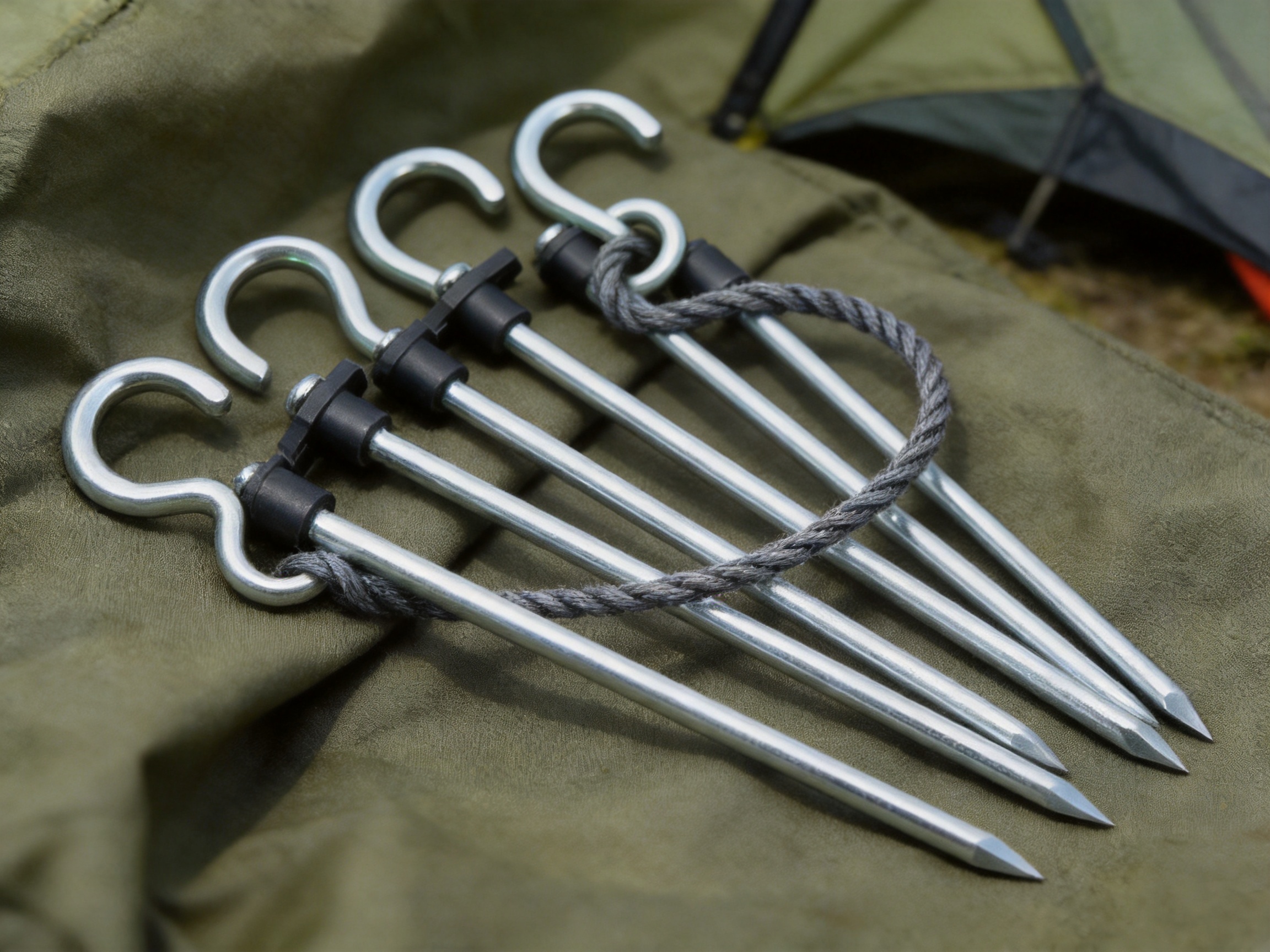
  • Retractable External-Lock Trekking Poles for Reliable Mountain Travel

    Retractable External-Lock Trekking Poles for Reliable Mountain Travel

    2026-05-19
    Modern trekking poles are no longer simple walking sticks. For mountain hikers, camping travelers, backpackers, and expedition buyers, they are stability tools, load-management tools, terrain-reading tools, and confidence-building equipment. The retractable external-lock trekking poles introduced here are designed for real outdoor movement rather than catalog appearance. Built with an aerospace-grade aluminum alloy shaft, a professional 3LS external locking system, an EVA foam handle, an adjustable wrist strap, and a three-section telescopic structure, this product responds to the practical needs of hikers who move across steep trails, loose gravel, wet ground, forest paths, campsites, and long-distance routes. Product code WFDS262003 represents a trekking pole concept centered on dependable locking strength, manageable weight, hand comfort, and compact portability. The pole is especially suitable for mountain-climbing and camping gear markets where retailers, distributors, and outdoor brands need products that can withstand repeated use, changing weather, and varied user profiles. While many low-cost trekking poles focus only on appearance or basic adjustability, this model is built around the daily realities of outdoor use: a pole must lock securely, adjust smoothly, resist bending, feel comfortable during long movement, and pack down easily when the terrain no longer requires it. CragHaven Outdoor, based in Hangzhou, China, positions this type of product within a broader philosophy: outdoor gear should be designed for weather, terrain, and time. That means each feature should solve a field problem. The locking system should reduce slippage. The shaft should balance strength and weight. The handle should remain comfortable when hands sweat. The strap should adapt to different hand sizes. The telescopic structure should make storage practical. This article explores the product’s functional advantages, manufacturing logic, competitive strengths, quality-control priorities, and suitability for international outdoor markets. Product Overview: A Three-Section Trekking Pole Built for Practical Terrain The retractable external-lock hiking pole is a three-section telescopic trekking pole designed for users who need both compact carrying and stable support. The three-section layout allows the pole to collapse into a shorter size for transport, storage, and attachment to a backpack. When extended, the pole provides the length adjustment needed for uphill climbing, downhill walking, flat-ground hiking, and users of different heights. This adjustability is important because trekking poles are not used in one fixed position throughout a journey. Mountain terrain changes constantly, and the pole must adapt quickly. The central structural material is aerospace-grade aluminum alloy. In outdoor equipment, aluminum alloy remains one of the most trusted shaft materials because it offers a strong balance between impact resistance, durability, and cost efficiency. Carbon fiber can be lighter, but it is often more vulnerable to sudden fracture under side impact. Basic low-grade aluminum can be inexpensive, but it may bend too easily or feel heavy. The selected aluminum alloy used in this pole provides a practical middle ground: it is tough enough for demanding trekking use while remaining light enough for long-distance carrying. The pole is equipped with a 3LS professional external lock mechanism. External locking systems are widely valued because they are easy to inspect, easy to operate, and more intuitive than many internal twist-lock structures. When a hiker is wearing gloves, dealing with cold air, or adjusting pole length on a steep slope, a visible external lever is easier to use than a hidden internal system. The 3LS design is intended to deliver a strong, slip-resistant lock, helping prevent unexpected pole collapse during downward pressure. The EVA foam handle adds another key layer of field comfort. EVA foam is lightweight, soft to the touch, sweat-absorbent, and non-slip. It remains comfortable through long use and helps reduce hand fatigue compared with harder plastic handles. The adjustable wrist strap supports different hand shapes and gives users better control over the pole without gripping too tightly. Together, these elements form a trekking pole that is simple, durable, and practical for outdoor travel. Why External Locking Matters in Mountain and Camping Use The locking mechanism is one of the most important parts of a trekking pole. A pole can have an attractive handle and a light shaft, but if the locking system slips under load, the user loses trust in the product. In mountain travel, a slipping pole can create more than inconvenience. It can cause instability during downhill steps, river crossings, rocky transitions, and fatigue-heavy sections of a trail. This is why the 3LS external lock system is central to the product’s value. External locking systems provide clear advantages over many traditional twist-lock designs. Twist locks rely on internal expansion parts that may wear, become contaminated with dust, or become difficult to tighten evenly. Users may also over-tighten or under-tighten them without immediate visual confirmation. External locks, by contrast, provide a visible clamping action. The user can see whether the lock is closed, adjust it more easily, and operate it quickly with less guesswork. This is especially helpful in cold, wet, or muddy environments where fine hand movements may be limited. The 3LS professional external lock mechanism is designed to create strong clamping force around the pole sections. A strong lock helps maintain the selected pole length when the user applies body weight through the shaft. This matters during descents, where each pole strike may carry significant downward force. It also matters when a hiker uses poles to push forward on steep climbs or to stabilize a loaded backpack while stepping across uneven ground. Compared with entry-level trekking poles that may use weak plastic clamps or inconsistent locking tolerances, this external-lock structure is intended for repeatable performance. It supports efficient adjustment while giving the user confidence that the pole will remain stable. For retailers and buyers, this is a major selling point because lock reliability strongly affects customer satisfaction, return rates, and brand reputation. A trekking pole is often judged after months of field use, not just at the moment of purchase, and the locking system is one of the first components users notice when quality is poor. Aerospace-Grade Aluminum Alloy: Strength Without Unnecessary Weight The shaft material determines how a trekking pole feels, performs, and survives impact. Aerospace-grade aluminum alloy is used here because it offers a strong combination of structural reliability and weight control. For trekking poles, the ideal material is not simply the lightest possible material. It must also handle repeated compression, accidental knocks against rocks, side pressure from uneven placement, and the stress of being packed, transported, and used in changing weather. Aluminum alloy has long been trusted in outdoor and sports equipment because it bends before it catastrophically fails in many situations. This characteristic can be valuable in mountain environments. A pole that deforms slightly after severe abuse may still provide partial support until the user returns safely, while a brittle failure can be more dangerous. High-quality aluminum alloy also allows manufacturers to control wall thickness, tube diameter, and surface treatment to achieve a reliable strength-to-weight balance. Compared with low-cost steel or inferior aluminum shafts, aerospace-grade aluminum alloy reduces unnecessary carrying weight. This is important because trekking poles are moved thousands of times during a long hike. Every swing of the arm and every planted step contributes to fatigue. A lighter shaft improves comfort, especially over long distances. At the same time, the material avoids the fragility concerns that some users associate with ultralight carbon poles in rough terrain. The material also supports scalable manufacturing. Aluminum alloy tubes can be formed with consistent dimensions, treated for corrosion resistance, and assembled into telescopic sections with controlled tolerances. For professional buyers, this consistency matters as much as the material name itself. A pole must perform reliably across batches, not only in a single sample. When tube quality, surface finish, and section fit are controlled, the final pole feels smoother to adjust, locks more securely, and presents a more professional appearance to the end user. EVA Foam Handle: Comfort, Grip, and Long-Distance Usability The handle is the user’s most direct point of contact with the trekking pole. Over a short walk, almost any grip can feel acceptable. Over hours of hiking, poor handle design can lead to hand fatigue, rubbing, sweating, hot spots, and unnecessary tension in the wrist and forearm. The EVA foam handle used in this product is chosen to improve comfort in long-duration outdoor movement. EVA foam is valued because it is soft, light, and pleasant to hold. It provides a warmer feel than metal or hard plastic in cold weather and a more forgiving surface during continuous gripping. Its sweat-absorbent and non-slip qualities are especially useful in mountain and camping scenarios, where users may encounter heat, rain, humidity, or rapid changes in exertion. When a user climbs uphill, hands often sweat quickly. A slippery grip can cause over-gripping, which increases fatigue. EVA foam helps maintain contact without requiring excessive hand pressure. Compared with cork handles, EVA foam can offer a more consistent feel across different production batches and can be easier to shape for ergonomic support. Cork remains popular in certain premium trekking categories, but it may vary in density and can be less suitable for buyers seeking stable large-scale supply. Compared with hard rubber or plastic, EVA is generally lighter and more comfortable for long use. The handle on this pole is therefore positioned for practical field value rather than decorative styling. The handle works together with the adjustable wrist strap. A well-used trekking pole should not be controlled by grip strength alone. The strap transfers part of the load to the wrist and helps the hand guide the pole naturally. When adjusted correctly, the user can relax the fingers slightly, reducing hand strain on long trails. This combination of EVA handle and adaptable strap makes the pole more inclusive for different hand sizes and hiking styles. Three-Section Telescopic Design for Easy Transport and Flexible Adjustment A trekking pole must be strong when extended and compact when stored. The three-section telescopic design answers both needs. By dividing the shaft into three adjustable sections, the pole can collapse to a more convenient length for packing in luggage, attaching to a backpack, storing in a vehicle, or carrying when poles are not required. This is especially valuable for travelers who combine hiking with camping, public transportation, air travel, or multi-activity trips. The telescopic structure also supports multiple use scenarios. On flat trails, users typically set trekking poles near a standard elbow-angle position. On uphill climbs, shorter pole length often improves leverage and reduces awkward arm extension. On downhill sections, a longer setting can help the user reach lower terrain and reduce knee strain by transferring some load to the upper body. In snow, scree, forest paths, or river crossings, users may adjust pole length again according to ground conditions. A fixed-length pole cannot offer this flexibility. The three-section design must be engineered carefully because every joint introduces a possible source of movement. This is where locking quality, tube tolerance, and assembly precision become essential. A poorly made telescopic pole may rattle, slip, or feel unstable. A well-made one should extend smoothly, lock confidently, and feel integrated during use. The 3LS external lock mechanism helps address this requirement by providing reliable clamping at the adjustment points. For outdoor retailers and private-label brands, the three-section format is a strong commercial choice. It appeals to beginners because it is easy to carry and adjust. It appeals to experienced users because it can be adapted to varied terrain. It also suits e-commerce packaging and cross-border logistics because compact dimensions reduce handling inconvenience. In a market where consumers often compare storage length, weight, comfort, and locking reliability, the three-section design provides a balanced and easily understood advantage. Competitive Advantages Over Common Trekking Pole Alternatives The trekking pole market includes a wide range of competing designs: entry-level twist-lock poles, ultralight carbon poles, fixed-length poles, folding Z-poles, and decorative low-cost poles intended mainly for casual walking. The retractable external-lock aluminum alloy pole competes by offering a practical balance of reliability, durability, adjustability, and accessible performance. Compared with basic twist-lock poles, the external-lock design is easier to operate and inspect. Many hikers have experienced twist locks that gradually slip, become difficult to tighten, or fail because internal parts wear or collect debris. An external lock is more visible and more user-friendly. It also communicates quality more clearly at the point of sale because buyers can feel the clamp action immediately. Compared with ultralight carbon fiber poles, the aerospace-grade aluminum alloy shaft offers strong impact tolerance and dependable value. Carbon poles can be excellent for fast hiking and racing, but they may not be ideal for all users or all terrain. In rocky mountain environments, camping trips with heavy gear, and general consumer use, aluminum alloy often provides a safer durability profile and better cost-performance ratio. Many mainstream hikers prefer equipment that can tolerate rough handling rather than equipment optimized only for minimal weight. Compared with fixed-length poles, this telescopic model offers far greater versatility. Fixed-length poles can be strong and simple, but they are inconvenient for travel and less adaptable to terrain changes. The three-section retractable design supports different users, different slopes, and different packing needs. Compared with some folding Z-poles, telescopic poles may provide more intuitive length adjustability and a more familiar structure for general outdoor consumers. The EVA foam handle also improves competitiveness against low-cost hard-grip products. Comfort is a powerful differentiator in real use. A customer may not fully understand alloy grade or locking geometry, but they quickly notice whether the grip feels secure and comfortable. The adjustable wrist strap further broadens the user base by accommodating different hand shapes. Together, these features create a product that can be marketed as durable, comfortable, field-ready, and suitable for real hiking rather than occasional sidewalk walking. Feature and Benefit Comparison Product Feature Practical User Benefit Advantage Over Basic Alternatives 3LS professional external lock mechanism Strong, slip-resistant length control during hiking, climbing, and descending Easier to inspect and operate than many internal twist-lock systems Aerospace-grade aluminum alloy shaft Reliable strength with manageable weight for long-distance use More impact-tolerant than many ultralight fragile options and lighter than low-grade heavy materials EVA foam handle Sweat-absorbent, non-slip, and comfortable during extended gripping More comfortable than hard plastic grips and consistent for scalable production Adjustable wrist strap Adapts to different hand shapes and reduces the need for excessive gripping Improves control and comfort compared with fixed or poorly shaped straps Three-section telescopic structure Easy to carry, store, and adjust for different terrain and user heights More portable than fixed-length poles and more adjustable than many folding designs Field-oriented manufacturing philosophy Features are selected for real weather, terrain, and long-term use Stronger value than catalog-driven products focused only on appearance Manufacturing Philosophy: Designed for Weather, Terrain, and Time Outdoor equipment succeeds only when it performs outside the showroom. CragHaven Outdoor’s manufacturing philosophy is based on three practical principles: products are designed for weather, terrain, and time; every feature must solve a real usage problem; and materials are selected for durability, reliability, and long-term value rather than temporary trends. These principles are especially relevant for trekking poles because the product is repeatedly loaded, adjusted, carried, dropped, exposed to moisture, and used on unpredictable ground. Designing for weather means considering how materials and parts behave in heat, cold, humidity, rain, and dust. The EVA foam handle must remain comfortable when the user sweats. The external lock must remain operable when hands are cold or when gloves are used. The aluminum alloy shaft must resist the ordinary environmental challenges of outdoor travel. Even packaging and storage considerations matter because cross-border products may experience different climates before reaching the end user. Designing for terrain means recognizing that a trekking pole is not used only on smooth paths. It may be planted between stones, pressed into mud, dragged against rock, used to test ground firmness, or loaded unevenly when a hiker loses balance. A field-oriented pole needs stable locking, adequate shaft strength, and a grip system that supports control. The product must help users manage uncertainty rather than create new uncertainty. Designing for time means planning beyond the first impression. Outdoor buyers increasingly recognize that reliable gear should survive many trips. A trekking pole should maintain lock function, grip comfort, and shaft integrity through repeated adjustment and use. Sampling, testing, and optimization are therefore not optional steps. They are part of the path from design intent to stable production. This long-term view supports both end-user satisfaction and stronger supply-chain relationships for global buyers. Advanced Manufacturing Processes Behind a Reliable Trekking Pole A trekking pole may look simple, but producing a dependable telescopic model requires coordination across material selection, tube forming, surface treatment, component molding, assembly, inspection, and packaging. Advanced manufacturing is not defined only by expensive machines. It is defined by process control, repeatability, and the ability to translate product design into stable batch production. The aluminum alloy shaft begins with material selection and tube preparation. Tube diameter, wall thickness, straightness, and surface finish all influence final performance. If tolerances are poor, pole sections may wobble, lock unevenly, or feel rough during adjustment. Controlled tube forming and sizing help ensure that the three sections fit together smoothly while maintaining enough structural strength for outdoor use. Surface treatment can improve corrosion resistance, appearance, and handling durability. The external lock components require careful molding and assembly. A lock must close firmly without feeling brittle or difficult to operate. The clamping geometry must match the shaft dimensions so that pressure is distributed effectively. Too little clamping force may cause slipping, while too much force may make adjustment inconvenient or damage components. The 3LS mechanism is therefore not merely an accessory; it is a precision-related performance component. The EVA foam handle must also be produced with attention to density, shape, bonding, and finish. A grip that is too soft may wear quickly, while one that is too hard may reduce comfort. The wrist strap must be securely attached and adjustable, with stitching or fastening methods that support repeated use. Final assembly requires workers and inspection teams to check extension smoothness, lock engagement, grip alignment, strap function, and appearance consistency. For cross-border outdoor markets, packaging and documentation also form part of manufacturing strength. Poles must be protected during transport, presented clearly to retailers or consumers, and delivered with consistent specifications. A strong manufacturing partner reduces uncertainty by managing these details from sampling through production. Quality Control: From Sampling to Batch Consistency Quality control is essential for trekking poles because small defects can become serious field problems. A slightly inconsistent tube dimension may create lock slippage. A poorly attached handle may rotate under pressure. A weak strap connection may fail when the user needs support. A rough telescopic surface may frustrate customers and make the product feel cheap. Therefore, dependable production requires inspection at multiple stages rather than only at the end. Sampling is the first stage. Before mass production, samples should confirm that the design concept works in real handling. The pole should extend and retract smoothly. The 3LS external lock should clamp securely. The handle should feel comfortable in dry and sweaty conditions. The strap should be easy to adjust. The collapsed length and extended length should match product requirements. Sampling also allows improvements before tooling, procurement, and production schedules are fully locked. Material inspection is another important stage. Aluminum alloy tubes should be checked for straightness, dimensions, surface defects, and consistency. Lock parts should be checked for fit and mechanical function. EVA grips should be checked for density, shape, and surface quality. Straps should be inspected for stitching, adjustability, and attachment strength. When components are controlled before assembly, final product quality becomes more predictable. During assembly, workers should confirm that every section fits correctly and every lock functions as intended. Finished poles should be tested for adjustment smoothness, lock security, visual appearance, grip alignment, and packing accuracy. Random load checks and repeated lock operation tests can help identify issues that might not appear during a quick visual inspection. For global buyers, this process reduces after-sales risk and helps protect brand reputation. CragHaven Outdoor emphasizes sampling, testing, and optimization as standard processes that cannot be omitted. This approach is especially important in outdoor gear because real users test products with their full body weight, in changing weather, and often far from immediate assistance. A consistent quality-control system is therefore a direct contributor to user safety, product value, and long-term customer trust. Comfort and Stability During Real Hiking Scenarios The true value of trekking poles appears on the trail. On uphill sections, poles help distribute effort between the legs and upper body. A hiker can push through the poles to maintain rhythm, especially while carrying a backpack. The adjustable length allows the poles to be shortened for a natural climbing position. The EVA handle supports grip comfort during high-exertion movement, while the wrist strap allows the user to apply force without squeezing too hard. On downhill terrain, trekking poles can reduce impact on the knees by helping transfer some load through the arms and shoulders. This is where lock reliability becomes especially important. The pole may receive strong downward pressure with each step. A slipping lock can disrupt balance and confidence. The 3LS external lock system is designed to resist this problem by maintaining length under load. The aluminum alloy shaft contributes the strength needed for repeated compression and occasional side contact. On uneven ground, poles serve as additional points of contact. They help the user test surfaces, cross shallow streams, move over roots, or stabilize during rocky transitions. The three-section telescopic design allows users to adjust one or both poles when traversing slopes or dealing with irregular ground. The external lock makes these adjustments efficient and visible. At camp, trekking poles can also serve secondary roles. They may support lightweight shelter configurations, help users walk around uneven campsites after fatigue sets in, or assist with balance when carrying water, food, or equipment. Portability becomes important when poles are not in active use. The retractable design allows them to be stowed neatly instead of becoming awkward long objects around the campsite. For beginner hikers, the pole provides confidence. For experienced trekkers, it provides efficiency. For older users or those carrying heavier loads, it can provide meaningful support. This broad usability is one reason the product is well suited for international outdoor markets. Supply-Chain Strength for Global Outdoor Buyers Product performance is only one part of value. For distributors, retailers, private-label brands, and cross-border sellers, supply-chain dependability is equally important. A trekking pole program must support stable quality, repeatable production, clear communication, and reliable delivery. CragHaven Outdoor aims to reduce uncertainty in the supply chain by combining outdoor product understanding with manufacturing participation, rather than acting only as a sourcing intermediary. This distinction matters. A supplier that understands real outdoor use can identify problems before they become market complaints. For example, a catalog-focused supplier may emphasize color, price, and packaging while overlooking lock strength, grip comfort, or shaft tolerance. A field-oriented manufacturing partner pays attention to how the pole will actually be loaded, adjusted, and carried. This helps buyers develop products with stronger market fit. Hangzhou, Zhejiang Province, provides access to China’s mature and efficient manufacturing system. This environment supports material sourcing, component production, assembly coordination, and export operations. When combined with product development experience, it allows design intent to become stable, replicable, and scalable production. Scalability is important for buyers who need consistent quality across repeat orders or seasonal demand cycles. Professional, Western-market-oriented communication is another advantage. Outdoor buyers in Europe, North America, and other international markets often require clear specifications, realistic production planning, and product positioning that matches consumer expectations. Communication gaps can lead to wrong materials, weak packaging, unclear instructions, or inconsistent branding. A partner familiar with Western outdoor market language can help reduce these risks. Long-term cooperation also improves product quality. When buyers and manufacturers work together over multiple orders, feedback can be used to refine details such as lock tension, grip shape, strap length, packaging configuration, and accessory options. CragHaven Outdoor’s emphasis on stable and sustainable partnerships supports this improvement cycle. Market Positioning and Buyer Benefits The retractable external-lock aluminum alloy trekking pole is positioned as a practical, dependable, mid-to-high-value product for hiking, mountain-climbing, and camping gear assortments. It is not limited to extreme mountaineers, nor is it a basic casual walking accessory. Its ideal market position is for users who want real outdoor functionality without unnecessary complexity or excessive cost. Retailers can present the pole around clear selling points: professional external locking, aluminum alloy strength, EVA comfort grip, adjustable wrist strap, and compact three-section portability. These benefits are easy for consumers to understand. The pole does not require technical explanation to demonstrate value. A customer can open the lock, adjust the section, hold the grip, feel the strap, and immediately understand the main advantages. For e-commerce sellers, the product supports strong content creation. Images can highlight the external lock, telescopic structure, handle texture, strap adjustability, and compact packed form. Product descriptions can focus on trail stability, downhill support, long-distance comfort, and travel convenience. Because the features solve real user problems, marketing can remain honest and practical rather than relying on exaggerated claims. For private-label outdoor brands, the product provides a strong foundation for customization. Color, packaging, accessories, and branding can potentially be adapted according to market needs, while the core performance structure remains stable. A consistent base product helps brands reduce development risk and speed up market entry. Buyers can build a line around reliable function rather than starting from uncertain untested designs. The product is also suitable for camping retailers that want cross-category value. Campers often hike around campsites, access remote locations, or carry gear across uneven terrain. Trekking poles complement tents, backpacks, footwear, sleeping bags, and outdoor apparel. As part of a complete mountain and camping gear offering, they increase basket value while meeting a genuine user need. Sustainability Through Durability and Long-Term Use Sustainability in outdoor gear is often discussed through materials, packaging, and manufacturing energy, but durability is one of the most practical sustainability factors. A product that lasts longer reduces replacement frequency, waste, and customer dissatisfaction. The design philosophy behind this trekking pole supports long-term value by prioritizing reliable materials and functional features over short-lived trends. The aerospace-grade aluminum alloy shaft contributes to durability. A strong shaft is less likely to fail under normal outdoor use, and aluminum alloy’s practical toughness supports long service life. The external lock system supports maintainable usability because its function is visible and easy for users to understand. When users can operate equipment correctly, they are less likely to damage it through misuse. The EVA handle and adjustable strap add comfort that encourages continued use rather than abandonment after a few uncomfortable trips. Long-term use also depends on consistent manufacturing. A product may be durable in concept but fail if production quality is inconsistent. That is why sampling, testing, and optimization are important. Stable production ensures that the durability designed into the product actually reaches the customer. For global buyers, this reduces waste caused by returns, replacements, and unsellable inventory. Durability also supports brand loyalty. Outdoor consumers remember equipment that performs reliably during difficult travel. A trekking pole that holds its lock on a steep descent or remains comfortable during a long approach becomes part of a positive outdoor experience. This emotional trust can be more valuable than a short-term price advantage. Buyers who select durable products build stronger customer relationships over time. Practical Use and Care Recommendations To get the best performance from the trekking poles, users should adjust pole length according to terrain. On flat ground, the elbow should generally form a comfortable angle when the pole tip contacts the surface. On uphill climbs, shortening the pole can improve pushing efficiency. On downhill trails, lengthening the pole can improve reach and stability. Users should always close the external lock fully before applying body weight. The wrist strap should be adjusted so the hand can guide the pole without excessive gripping. A properly fitted strap supports the wrist and helps transfer force efficiently. Users should avoid relying only on finger strength, especially during long hikes. The EVA foam handle should be held naturally, with relaxed pressure whenever possible. After hiking in rain, mud, sand, or dusty conditions, users should wipe the pole sections before collapsing them for long-term storage. Keeping the telescopic sections clean helps preserve smooth adjustment. If the poles are exposed to saltwater or heavy mud, they should be cleaned and dried carefully. Storage in a dry place helps maintain material condition and prevents unnecessary wear. Users should inspect the locks periodically. If a lock feels loose, it should be adjusted according to the product’s structure or checked before continued use. Pole tips and baskets, if included in a final accessory configuration, should also be inspected because they contact the ground directly and experience wear. Proper care extends product life and maintains performance. These recommendations are simple, but they reflect an important truth: reliable outdoor equipment works best when design quality and user care meet. A well-manufactured pole gives the user a strong foundation, and basic maintenance protects that value over time. Q&A Section Q1: What is the main advantage of the 3LS external lock mechanism? The main advantage is secure, visible, and user-friendly length control. The 3LS external lock is designed to create a strong, slip-resistant hold on the telescopic sections. Compared with many internal twist-lock systems, it is easier to inspect, easier to operate, and more convenient when users need quick adjustments on changing terrain. Q2: Why use aerospace-grade aluminum alloy instead of carbon fiber? Aerospace-grade aluminum alloy provides a strong balance of durability, impact resistance, manageable weight, and cost-performance value. Carbon fiber can be lighter, but it may be more vulnerable to sudden fracture under sharp side impact. For general mountain hiking, camping, and broad consumer use, aluminum alloy offers dependable toughness and long-term practicality. Q3: Is the EVA foam handle suitable for long hikes? Yes. EVA foam is lightweight, sweat-absorbent, and non-slip, making it suitable for extended use. It feels softer and more comfortable than hard plastic, especially when users hike for many hours or when their hands sweat during uphill movement. Q4: Why is a three-section telescopic design useful? The three-section telescopic design allows the pole to collapse into a compact size for carrying and storage while still offering adjustable length during use. This helps users adapt to uphill, downhill, flat, and uneven terrain. It also makes the pole easier to pack for camping trips, travel, and cross-border retail shipping. Q5: How does the adjustable wrist strap improve performance? The adjustable wrist strap helps transfer force from the hand and wrist to the pole, reducing the need for constant tight gripping. It also adapts to different hand shapes and sizes. When adjusted correctly, it improves control, comfort, and efficiency during long-distance trekking. Q6: What types of users are best suited for this trekking pole? The pole is suitable for hikers, mountain travelers, campers, backpackers, outdoor beginners, experienced trekkers, and users who want dependable support on varied terrain. It is also appropriate for retailers and private-label brands seeking a practical trekking pole with clear consumer benefits. Q7: What makes this product competitive in international markets? Its competitiveness comes from the combination of a professional external lock, aluminum alloy strength, EVA grip comfort, adjustable wrist support, and compact telescopic portability. These are easy-to-understand benefits that solve real outdoor problems. The product is also supported by a manufacturing philosophy focused on durability, testing, and stable supply. Q8: How does the manufacturer support long-term buyer cooperation? CragHaven Outdoor supports buyers by combining product development understanding, manufacturing participation, sampling, testing, optimization, and professional communication. This helps reduce uncertainty in sourcing and supports stable, repeatable production for global markets. Conclusion: A Field-Ready Trekking Pole for Stable Outdoor Movement The retractable external-lock aluminum alloy trekking pole is a practical product built around the core needs of mountain and camping users: stability, strength, comfort, adjustability, and portability. Its 3LS professional external lock mechanism addresses one of the most important performance concerns in trekking poles: secure length control. Its aerospace-grade aluminum alloy shaft offers dependable durability without unnecessary weight. Its EVA foam handle and adjustable wrist strap improve long-distance comfort and control. Its three-section telescopic structure makes it convenient for transport, storage, and changing terrain. In a competitive market, this product stands out because its features are not decorative. Each one solves a real outdoor problem. The lock helps prevent slipping. The alloy shaft supports strength and impact tolerance. The foam grip manages sweat and hand comfort. The strap adapts to different users. The telescopic design improves packability and field flexibility. These advantages make the pole suitable for serious hiking assortments, camping gear lines, private-label programs, and cross-border outdoor retail. Equally important is the manufacturing approach behind the product. CragHaven Outdoor’s emphasis on weather, terrain, time, material reliability, sampling, testing, and optimization reflects a long-term view of outdoor equipment. The company’s role as a design-aware and manufacturing-oriented partner helps buyers reduce uncertainty and develop products that match real user expectations. In global outdoor markets, where customer trust depends on field performance, this kind of disciplined approach is a meaningful advantage. For buyers seeking a trekking pole that balances function, durability, comfort, and scalable production value, product WFDS262003 provides a strong foundation. It is designed not merely to look like outdoor equipment, but to perform as outdoor equipment when the trail becomes steep, the weather changes, the backpack feels heavy, and the user needs reliable support with every step. References British Mountaineering Council. Hill Walking and Trekking Equipment Guidance. International Mountaineering and Climbing Federation. Recommendations for Mountain Walking Safety and Equipment Use. Outdoor Industry Association. Outdoor Participation and Consumer Gear Trends Reports. Mountaineers Books. Freedom of the Hills: Mountaineering and Outdoor Travel Principles. Materials Science and Engineering Handbook. Aluminum Alloy Properties and Applications in Lightweight Structures. Ergonomics in Product Design. Human Grip Comfort, Load Transfer, and Repetitive Use Considerations. .profile-card { display: flex; align-items: flex-start; gap: 2rem; background-color: white; padding: 2rem; border-radius: 12px; box-shadow: 0 2px 10px rgba(0,0,0,0.05); } .profile-avatar { width: 120px; height: 120px; border-radius: 50%; overflow: hidden; flex-shrink: 0; } .profile-avatar img { width: 100%; height: 100%; object-fit: cover; display: block; } .profile-info { flex-grow: 1; } .profile-name { font-size:27px; font-weight: 900; margin-bottom: 1rem; color: #1a1a1a; } .profile-bio { line-height: 1.6; color: #333; } @media (max-width: 600px) { .profile-card { flex-direction: column; align-items: center; text-align: center; gap: 1.5rem; } } Deng Yuli — International Sales Manager 10 years of B2B sales experience in outdoor equipment manufacturing, focusing on key account development, quotation negotiation, product proposal preparation, and long-term cooperation with overseas distributors and private-label brands.
    View Article
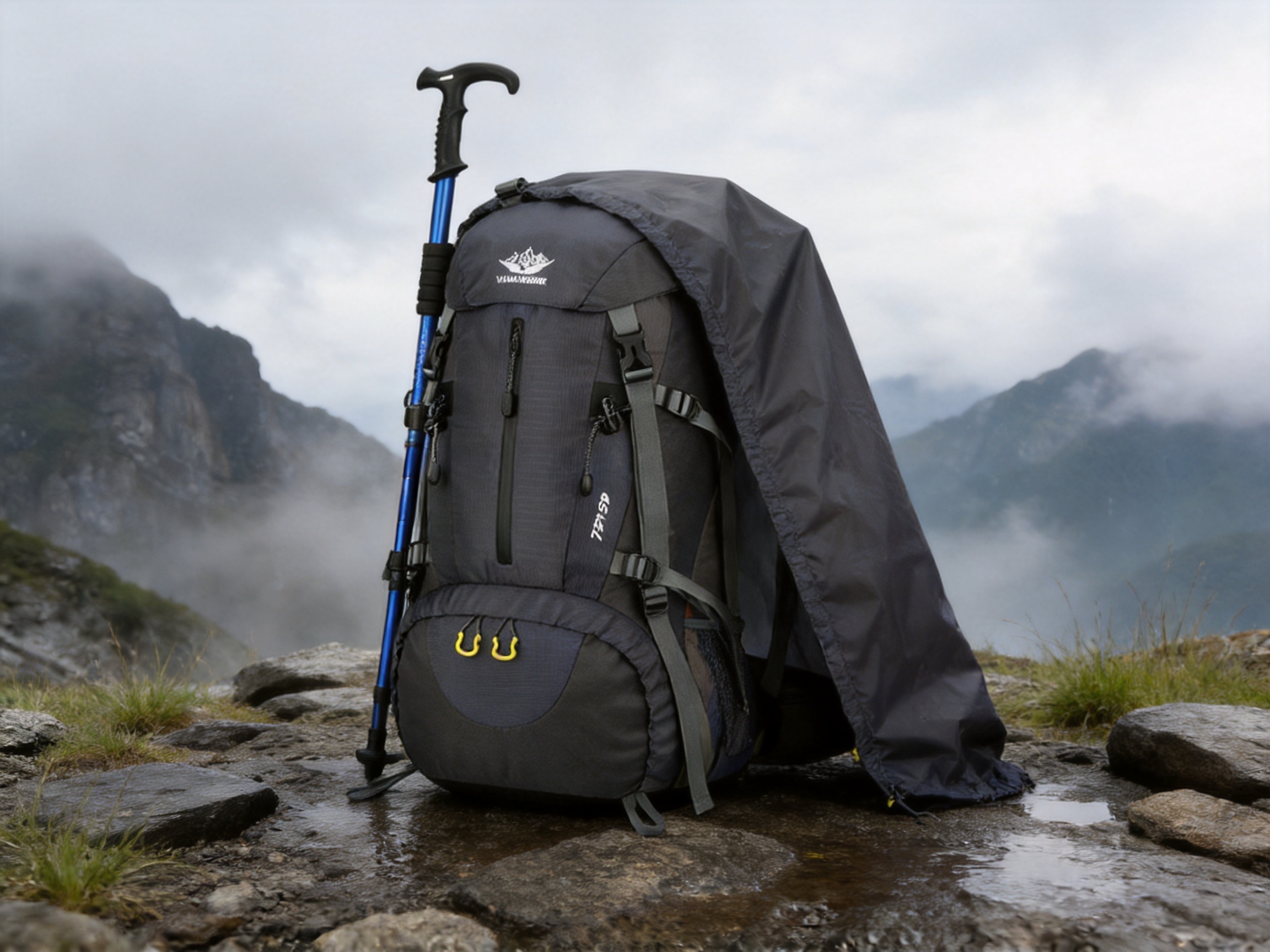
  • Ultralight Shock-Absorbing Aluminum Trekking Pole for Long-Distance Hiking and Mountain Travel

    Ultralight Shock-Absorbing Aluminum Trekking Pole for Long-Distance Hiking and Mountain Travel

    2026-05-15
    In mountain-climbing, hiking, camping, and long-distance trekking, a trekking pole is more than a simple walking aid. It is a piece of functional outdoor equipment that influences balance, joint comfort, energy management, and safety on varied terrain. The ultralight, internally locking aluminum alloy straight handle trekking pole with telescopic strap and shock absorption is designed for users who need dependable support across rocky trails, forest paths, steep ascents, gravel descents, wet campsites, and daily hiking routes. This product, categorized as a trekking pole and identified by the model reference WFDS262002, combines a built-in spring shock absorption system, an internal locking structure, an aerospace-grade aluminum alloy body, an ergonomic non-slip straight handle, and a telescopic strap. Each feature is intended to solve a real outdoor problem: reducing impact on knees, maintaining stable pole length, improving hand comfort, supporting repeated extension and retraction, and offering reliable performance during extended use. Unlike low-cost trekking poles that focus only on appearance or catalog specifications, this pole is developed around real terrain, real weather, and real user fatigue. It is suitable for outdoor brands, distributors, camping gear retailers, cross-border e-commerce sellers, and professional sourcing teams looking for a stable product that can serve both recreational hikers and frequent trekkers. CragHaven Outdoor, based in Hangzhou, China, positions this product within a broader philosophy of functional reliability and long-term value. The company focuses on mountaineering, hiking, and camping gear, with a product development approach that emphasizes actual usage scenarios, durability-oriented material selection, repeated sampling, testing, and manufacturing consistency. For business partners, this means the pole is not treated as an isolated commodity but as part of a systematic outdoor gear development process. Product Overview The trekking pole features a straight handle design, an aluminum alloy shaft, an internally locking adjustment mechanism, a telescopic strap, and a spring-based shock absorption system. Its overall purpose is to provide dependable support while minimizing unnecessary weight. In outdoor use, every gram matters, but lightweight construction must not come at the expense of structural reliability. The aluminum alloy body provides an effective balance between manageable weight, impact resistance, and long-term durability. The internal locking structure is one of the most important functional elements. External clamps may be quick and visible, but they can also catch on vegetation, become contaminated by mud, or loosen under repeated vibration if not well designed. An internal locking system keeps the adjustment mechanism protected inside the pole body, creating a cleaner profile and improving durability during long-distance movement. This makes the pole suitable for narrow mountain paths, dense brush, and travel conditions where equipment is frequently packed, unpacked, and handled. The shock absorption system is built around a spring mechanism that helps reduce the impact transferred from the ground to the wrist, arm, and knee joints. When hikers descend long slopes, walk across hard stone steps, or move on compacted trails, repeated impact can build fatigue quickly. A pole with effective shock absorption can help smooth the walking rhythm and reduce discomfort, especially for users carrying backpacks or traveling over long distances. The ergonomic non-slip handle is designed to provide comfort during extended use. A handle must remain secure when the user’s palms sweat, when rain increases surface moisture, or when gloves are worn. A poor handle can lead to blisters, reduced grip confidence, and inefficient pole planting. This product’s handle is shaped for steady hand placement, helping hikers maintain control through changing terrain. The telescopic strap supports wrist engagement and hand security. When adjusted properly, a strap allows part of the downward force to transfer through the wrist rather than relying entirely on grip strength. This is important for long hikes because it reduces hand fatigue and improves walking efficiency. The strap also helps prevent accidental pole loss during water crossings, uneven stepping, or quick transitions between walking and climbing motions. Why Trekking Pole Design Matters in Real Outdoor Conditions Outdoor users often underestimate how much a trekking pole affects movement efficiency. On smooth pavement, almost any pole may appear adequate. On real terrain, however, the difference between a basic pole and a carefully engineered trekking pole becomes obvious. Mountain trails involve constant changes in surface angle, ground hardness, step height, and traction. A pole must manage these changes without distracting the user. During ascent, a trekking pole helps distribute effort between the lower and upper body. It allows hikers to push against the ground and maintain momentum, especially on steep inclines. During descent, the pole becomes a stabilizing tool that reduces knee load and improves balance. On uneven ground, it provides an additional point of contact, helping the user test surfaces before committing body weight. In wet or loose terrain, it can help prevent slips by improving body positioning. A poorly designed trekking pole can create problems rather than solve them. If it collapses unexpectedly, it may cause a loss of balance. If it is too heavy, it increases arm fatigue. If the handle is uncomfortable, it becomes a source of irritation. If the shock absorption system is weak or inconsistent, it may feel unstable. If the shaft material bends easily, the pole will not survive demanding use. Therefore, the engineering of the pole must consider the complete user experience rather than isolated specifications. This aluminum alloy shock-absorbing trekking pole is developed with these realities in mind. It combines lightweight handling with a practical internal locking structure, comfortable grip design, and impact-reducing spring system. The result is a product suitable for both occasional hikers and repeat outdoor users who value predictable performance. Core Product Features Ultralight Aluminum Alloy Construction The shaft is made from aerospace-grade aluminum alloy, chosen for its combination of low weight, strength, and resistance to deformation under common trekking conditions. Aluminum alloy remains one of the most practical materials for trekking poles because it offers a favorable balance of durability and cost efficiency. Compared with many carbon fiber poles, aluminum alloy can be more tolerant of sudden impacts, side loads, and rough handling. While carbon fiber is known for being very light, it can fail sharply when overloaded or damaged. Aluminum alloy, by contrast, often bends or shows visible deformation before complete failure, giving users a clearer warning sign. For outdoor brands and distributors, this material choice is especially important. It allows the product to serve a broad range of users without positioning it only as an expensive specialist item. The aluminum alloy body supports stable mass production while maintaining dependable field performance. This makes it well suited for global retail programs, private label projects, and cross-border sales channels where durability and value must be balanced. Internal Locking Structure The internal locking structure is designed to keep the pole length stable after adjustment. A trekking pole must stay locked under repetitive vertical pressure, twisting motion, and vibration. If the length slips during use, the user loses confidence and may face safety risks on steep or uneven terrain. The internal lock provides a clean appearance and helps protect the mechanism from external abrasion. Compared with many external clamp designs, internal locks can offer a smoother profile and reduced snagging risk. External levers may be convenient, but they are exposed to accidental impact, dirt, and repeated contact with backpacks or rocks. The internal mechanism is more discreet and better protected. For users who pack poles into luggage, attach them to backpacks, or move through narrow trails, this cleaner design can be a meaningful advantage. Built-In Spring Shock Absorption The built-in spring shock absorption system is a defining feature of this trekking pole. Its function is to reduce the impact felt when the pole tip contacts hard ground. This is especially useful during downhill travel, where each step produces greater force through the knees and lower body. By absorbing part of the impact, the pole helps improve comfort and supports a smoother walking rhythm. Shock absorption is not only about comfort. It also affects endurance. When users hike for hours, repeated small impacts can accumulate into fatigue. A spring-based system helps reduce this accumulation, making the pole suitable for long-distance treks, daily hiking, and outdoor travel involving mixed terrain. The system is also useful for older hikers, users recovering from previous joint discomfort, and anyone carrying additional backpack weight. Ergonomic Non-Slip Straight Handle The straight handle is designed for a stable, direct grip. Ergonomic shaping supports natural hand placement, while the non-slip surface improves control in wet, sweaty, or gloved conditions. A good handle should not force the wrist into an awkward angle, and it should remain comfortable during repeated pole planting. The straight handle design offers simplicity and familiarity, making the pole easy to use for beginners while still practical for experienced hikers. Compared with low-grade plastic handles, an ergonomic non-slip handle provides better tactile security. It helps reduce grip pressure because users do not need to squeeze excessively to maintain control. This can reduce hand fatigue and improve comfort on longer routes. For retailers, handle comfort is also important because customers often judge trekking pole quality immediately by how the handle feels in the hand. Telescopic Strap for Secure Adjustment The telescopic strap improves hand security and walking efficiency. A properly adjusted strap supports the wrist, helps transfer force, and reduces the chance of dropping the pole. The telescopic design allows different users to adjust the strap according to hand size, glove thickness, and walking style. This is valuable for family use, rental programs, retail customers, and outdoor groups where users may have different preferences. Strap quality is often overlooked, but it has a direct effect on real comfort. A poorly adjusted or rough strap can irritate the skin, while a secure and adjustable strap improves confidence. The strap on this pole supports stable use without adding unnecessary complexity. Technical Feature Summary Feature Product Solution User Benefit Competitive Advantage Shaft Material Aerospace-grade aluminum alloy Lightweight handling with reliable strength Better impact tolerance than many fragile lightweight alternatives Locking System Internal locking structure Stable length adjustment and clean pole profile Reduced snagging and better mechanism protection compared with exposed designs Shock Absorption Built-in spring system Reduced impact on knees, wrists, and arms Improved comfort on descents and hard surfaces Handle Ergonomic non-slip straight handle Comfortable grip and improved control Better long-distance usability than basic hard plastic grips Strap Telescopic adjustable strap Secure wrist support and reduced hand fatigue Adaptable fit for different users and conditions Application Long-distance trekking, daily hiking, camping travel Versatile use across multiple outdoor scenarios Suitable for broad retail and private label markets Advantages Over Competing Trekking Poles Balanced Weight and Durability Many competing trekking poles emphasize either low weight or high strength, but not both. Some ultralight poles become too fragile for rough users, while some heavy-duty poles become tiring on long routes. This aluminum alloy trekking pole is designed to occupy a practical middle ground. It is light enough for long-distance walking but strong enough for common outdoor impact and repeated use. For most hikers, this balance is more important than achieving the lowest possible weight on paper. Real users need equipment that survives transport, trail contact, accidental drops, and repeated adjustments. A pole that saves a few grams but cracks under pressure can create more risk than value. The aluminum alloy body provides a dependable solution for users who want confidence without excessive weight. Protected Locking Mechanism Competitor products with exposed locking levers can work well in controlled conditions, but they may be vulnerable to damage or contamination. Mud, sand, and vegetation can interfere with exposed mechanisms. A lever may also loosen when repeatedly pressed against luggage or backpack straps. The internal locking structure of this pole helps protect the adjustment system and maintains a cleaner exterior. This advantage is particularly relevant for cross-border e-commerce and wholesale distribution. Customers often use trekking poles in unpredictable ways. They pack them into suitcases, strap them to backpacks, lend them to friends, or use them in mixed weather. A protected locking design reduces the chance of external damage and improves perceived product quality. Shock Absorption for Comfort-Oriented Users Some basic trekking poles offer only rigid support. While rigid poles can be efficient for certain technical users, many recreational hikers prefer a more forgiving feel. The built-in spring shock absorption system makes this product more comfortable on hard ground and long descents. This gives it an advantage in consumer markets where comfort, joint care, and ease of use influence purchasing decisions. The shock-absorbing structure is especially useful for users who hike on stone paths, compacted soil, city-to-trail routes, and mountain stairs. These surfaces can create repetitive impact. By reducing the sharpness of each pole plant, the product supports a smoother experience and may help users remain active for longer periods. Comfortable Handle for Extended Use Inexpensive trekking poles sometimes use handles that look acceptable but feel uncomfortable after extended use. Hard edges, slippery surfaces, and poor shaping can quickly become problems. This pole’s ergonomic non-slip handle improves the user experience by supporting a more natural grip and reducing unnecessary hand tension. Handle comfort also affects customer satisfaction after purchase. A buyer may not immediately understand alloy grade or locking structure, but they will notice whether the handle feels secure and pleasant. For retailers and outdoor brands, this feature helps improve perceived value and reduces the risk of dissatisfaction. Adaptable Strap Design The telescopic strap gives the product an advantage over poles with fixed or poorly adjustable straps. Outdoor users vary widely in hand size, glove use, and preferred wrist position. Adjustable straps allow a better fit and improve control. This is important for markets with diverse consumer groups, including beginners, travelers, families, and outdoor clubs. Practical Design Instead of Over-Engineering Some trekking poles become overly complicated, adding features that increase cost and failure points without improving real usage. This product focuses on practical functions: stable length adjustment, lightweight strength, shock absorption, secure grip, and wrist support. This design philosophy aligns with real outdoor needs. Every feature serves a clear purpose, making the product easy to explain, easy to use, and suitable for scalable manufacturing. Performance in Key Outdoor Scenarios Long-Distance Trekking On long-distance routes, small design differences become significant. A pole that feels acceptable during a short walk may become tiring after several hours. The lightweight aluminum body reduces arm fatigue, while the shock absorption system helps manage repetitive impact. The ergonomic handle and adjustable strap support comfort over time. Together, these features make the pole suitable for users who spend full days on trails. Long-distance trekking also demands consistency. Gear must perform the same way on the first kilometer and the last. The internal locking system supports stable length adjustment, and the aluminum alloy shaft maintains dependable structural behavior under normal trekking loads. For users crossing mixed terrain, this consistency is crucial. Mountain Descents Descending is often harder on the knees than climbing. Each step transfers body weight and backpack load downward, increasing pressure on joints. Trekking poles help by allowing the upper body to share part of the load. The built-in spring shock absorption system further improves comfort by reducing the sharpness of ground contact. This makes the pole particularly valuable on steep paths, stone steps, and gravel slopes. Daily Hiking Not every user is planning a multi-day expedition. Many customers want a pole for local trails, weekend hikes, park routes, or travel. This product is suitable for daily hiking because it is easy to handle, comfortable, and practical. The internal locking system provides straightforward adjustment, while the non-slip handle and strap support secure use by different types of hikers. Camping and Outdoor Travel Camping trips often involve carrying equipment across uneven ground, walking between campsites, collecting water, or exploring nearby trails. A trekking pole can improve stability during these activities. The pole’s telescopic design makes it convenient for transport, while its aluminum construction can tolerate the practical demands of camping environments. For camping gear retailers, this product pairs naturally with backpacks, tents, sleeping bags, and other hiking accessories. Wet and Variable Weather Outdoor products must work in changing weather. Rain can make handles slippery and trails unstable. A non-slip handle and secure strap improve control in damp conditions. The internal locking structure also reduces external exposure compared with open clamp systems. While all trekking poles require proper care after wet use, the design supports reliable performance in common outdoor weather scenarios. Manufacturing Philosophy Behind the Product CragHaven Outdoor develops outdoor gear with an emphasis on weather, terrain, and time. This means products are not created simply to fill catalogs. They are developed to solve real usage problems and remain dependable through repeated use. For a trekking pole, that philosophy affects material selection, structural design, comfort details, and quality control. The company’s manufacturing approach benefits from China’s mature and efficient outdoor gear production ecosystem. Based in Hangzhou, Zhejiang Province, CragHaven Outdoor is positioned to coordinate product development, sampling, manufacturing, and export-oriented communication. The company focuses not only on factory sourcing but also on the connection between design intent and replicable production. In practical terms, this means the trekking pole is developed with attention to how it will be produced at scale. A product that performs well in one sample but cannot be manufactured consistently is not suitable for global markets. CragHaven Outdoor emphasizes stable, repeatable, and scalable product outcomes, which are essential for distributors, importers, and private label buyers. Advanced Manufacturing Processes and Quality Strengths Material Selection and Alloy Control The aluminum alloy shaft begins with material selection. For trekking poles, the alloy must provide strength without excessive weight. It must also be suitable for forming, finishing, and long-term use. Aerospace-grade aluminum alloy is selected because it offers a strong balance between structural performance and manageable mass. Proper material selection reduces the risk of bending, cracking, or premature wear. In competitive manufacturing, material consistency is critical. If batches vary too much, finished poles may feel different, lock differently, or perform inconsistently. A disciplined sourcing and inspection process helps ensure that raw material quality supports stable production. This is especially important for business buyers who need consistent product quality across repeat orders. Tube Forming and Dimensional Precision The pole shaft must be manufactured with accurate dimensions. Telescopic poles depend on proper tube fit. If tolerances are too loose, the pole may wobble. If tolerances are too tight, extension and retraction may become difficult. Precision in tube forming helps ensure smooth adjustment and stable locking performance. Dimensional control also affects user perception. A pole that extends smoothly and locks securely feels more professional. This sense of quality begins with manufacturing accuracy rather than surface decoration. CragHaven Outdoor’s development approach recognizes that outdoor product value depends on functional consistency, not just appearance. Surface Finishing and Durability Surface finishing protects the aluminum shaft and improves appearance. A well-finished pole resists everyday abrasion better and maintains a clean look during retail handling and field use. Surface treatment also contributes to corrosion resistance when the pole is exposed to moisture, sweat, and soil. While proper user care remains important, quality finishing helps extend product life. For global sales, surface consistency is also a branding advantage. Products displayed online or in stores must look uniform across inventory. Scratches, color inconsistency, or uneven finishing can reduce customer confidence. Manufacturing control helps maintain visual and tactile quality. Internal Lock Assembly The internal locking structure must be assembled with careful attention to engagement strength and adjustment smoothness. A reliable lock should hold the pole length under normal trekking pressure while still allowing users to adjust the pole without excessive force. The internal design requires alignment between shaft sections and locking components. Compared with simpler fixed-length poles, telescopic locking poles require more detailed assembly control. Each section must interact correctly. This is where manufacturing experience matters. CragHaven Outdoor’s emphasis on sampling, testing, and optimization supports the development of mechanisms that can be produced consistently rather than only functioning in a prototype. Spring Shock Absorption Calibration The built-in spring shock absorption system must be tuned for practical outdoor use. If the spring is too soft, the pole may feel unstable or inefficient. If it is too stiff, the user may not notice meaningful shock reduction. The goal is to reduce impact while maintaining control. Proper calibration affects comfort, rhythm, and user confidence. This process requires understanding how hikers actually use poles. The system must respond to repeated pole plants, not just a single laboratory compression. It must remain comfortable during long descents and stable during normal walking. Manufacturing quality depends on spring consistency, assembly alignment, and functional testing. Handle and Strap Integration The handle and strap are direct contact points between the user and the product. Even if the shaft is strong, poor handle integration can weaken the overall experience. The ergonomic non-slip handle must be securely attached, shaped consistently, and comfortable in the hand. The telescopic strap must adjust smoothly and remain stable during use. Manufacturing attention to these components helps improve customer satisfaction. In outdoor retail, comfort details often determine whether customers recommend a product. A well-integrated handle and strap show that the product is designed for repeated real-world use rather than short-term display. Functional Testing and Optimization Sampling, testing, and optimization are central to CragHaven Outdoor’s product development process. For trekking poles, functional testing may include extension and retraction checks, locking stability evaluation, shaft straightness inspection, shock absorption feel assessment, handle security checks, strap adjustment checks, and surface finish review. These steps help identify issues before products enter broader distribution. Testing is not merely a final inspection step. It informs design improvement. If a sample reveals that a lock feels too tight, the mechanism can be optimized. If a handle texture does not provide enough grip, the material or surface pattern can be adjusted. This iterative process is one of the company’s strengths because it connects design ideas with manufacturing reality. Company Strengths for Global Buyers CragHaven Outdoor serves as both an outdoor brand and a cross-border manufacturing partner. This dual role is valuable because the company understands both product function and international market expectations. Many sourcing suppliers focus only on price and production capacity. CragHaven Outdoor emphasizes real outdoor usage, professional communication, and long-term cooperation. The company is based in Room 1002, Huishang Building, Gongshu District, Hangzhou City, Zhejiang Province. Its location in Hangzhou provides access to China’s mature manufacturing resources, logistics networks, and export services. For global buyers, this supports efficient communication, sampling, coordination, and order management. One of the company’s key strengths is its focus on reducing uncertainty in the supply chain. Outdoor gear buyers often face problems such as inconsistent quality, unclear communication, unstable factories, and products that look good in catalogs but fail in real use. CragHaven Outdoor addresses these concerns by participating in product design and manufacturing decisions rather than acting only as a basic sourcing intermediary. The company also communicates in a professional, Western-market-oriented way. This matters for buyers selling in North America, Europe, Australia, and other markets where product descriptions, quality expectations, packaging requirements, and customer service standards may differ from domestic manufacturing assumptions. Clear communication reduces misunderstandings and helps align product specifications with market demand. CragHaven Outdoor prioritizes long-term, stable, and sustainable partnerships. For distributors and private label brands, this is important because outdoor product programs often require repeated orders, seasonal updates, packaging adjustments, and consistent after-sales support. A stable manufacturing partner can help brands build product lines rather than simply purchase one-time inventory. Design Philosophy: Weather, Terrain, and Time The company’s guiding principle is that products should be designed for weather, terrain, and time. This idea is particularly relevant to trekking poles. Weather affects grip, corrosion resistance, and trail difficulty. Terrain affects shaft strength, locking stability, and shock absorption. Time affects fatigue, durability, and long-term customer satisfaction. Designing for weather means considering wet hands, muddy trails, temperature changes, and storage conditions. The non-slip handle, protected locking structure, and durable aluminum alloy body all support this requirement. Designing for terrain means acknowledging that users will encounter rocks, roots, gravel, inclines, declines, and uneven steps. The pole’s shock absorption, stable lock, and strong shaft help address these challenges. Designing for time means creating a product that remains useful after repeated trips, not one that performs only during first impressions. This philosophy separates practical outdoor gear from decorative outdoor products. A trekking pole must prove itself through thousands of ground contacts. Its value is measured not only by specifications but by how it feels after hours of use and how reliably it performs after repeated adjustment. Business Value for Retailers, Importers, and Private Label Brands This trekking pole offers strong business value because it combines broad consumer appeal with practical manufacturing feasibility. It is suitable for customers who want comfort, stability, and durability without entering the highest-cost technical category. The aluminum alloy construction, shock absorption system, internal locking mechanism, ergonomic handle, and telescopic strap create a complete feature set that is easy to market and easy for customers to understand. For retailers, the product can be positioned as a dependable hiking and trekking accessory for beginners and intermediate users. For outdoor specialty stores, it can serve as an accessible performance pole with comfort-oriented features. For cross-border e-commerce sellers, its clear selling points support product listings, comparison charts, and customer education. For private label brands, it provides a strong foundation for customization in packaging, color, branding, and market positioning. The pole also supports bundled sales. It can be paired with backpacks, hiking shoes, camping accessories, rain gear, gaiters, and travel equipment. Because trekking poles are frequently purchased by users preparing for trips, they fit naturally into seasonal outdoor campaigns and adventure travel promotions. From a supply chain perspective, a product with practical materials and scalable construction is easier to manage than highly specialized equipment with narrow demand. Aluminum alloy trekking poles remain popular across many markets because they are understandable, useful, and cost-effective. Adding shock absorption and internal locking improves value without making the product overly complex. User Experience and Field Benefits The user experience begins when the hiker adjusts the pole length. The internal locking structure allows the user to set the desired height and prepare for terrain. During walking, the aluminum alloy shaft provides a sense of reliable support without excessive heaviness. The handle gives a secure contact point, and the strap helps transfer force through the wrist. When the pole tip contacts hard ground, the spring shock absorption system helps reduce impact. On uphill sections, the pole assists forward movement. On downhill sections, it helps reduce stress and improve confidence. On uneven ground, it provides an additional point of stability. During fatigue, it helps maintain rhythm. These benefits are simple but meaningful. They are the reasons trekking poles have become essential gear for many hikers. The product’s design is also friendly to less experienced users. It does not require complex setup or technical knowledge. The straight handle is intuitive, the strap is adjustable, and the shock absorption system works automatically. This makes it suitable for broad consumer markets where buyers may be purchasing their first trekking pole. Care and Maintenance Recommendations Proper care helps extend the life of any trekking pole. After use in rain, mud, sand, or salt air, users should wipe the pole clean and allow it to dry before storage. Telescopic sections should be checked periodically to ensure smooth extension and retraction. If dirt enters the adjustment area, cleaning can help maintain locking performance. The handle and strap should also be dried after wet use to prevent odor and material wear. Users should avoid forcing the pole beyond its intended adjustment range. They should also avoid using trekking poles as pry bars or load-bearing climbing tools. While the aluminum alloy shaft is durable for trekking support, every outdoor product has appropriate usage limits. Clear user guidance can reduce damage and improve customer satisfaction. Retailers and brands can include simple care instructions in packaging or online listings. This helps customers understand how to maintain performance and reduces preventable after-sales issues. Sustainability Through Durability Sustainability in outdoor products is not only about material labels. It is also about useful life. A product that lasts longer reduces unnecessary replacement and waste. CragHaven Outdoor’s emphasis on durability, reliability, and long-term use supports this practical approach. By selecting robust materials and focusing on real-world function, the trekking pole is designed to provide lasting value. Durability also supports brand trust. Customers who have a positive experience with a trekking pole are more likely to buy related outdoor gear from the same brand or retailer. For business partners, reliable products help create repeat customers and reduce the hidden costs of returns, complaints, and reputation damage. Q&A Section Q1: What type of user is this trekking pole best suited for? This trekking pole is suitable for long-distance hikers, daily walkers, camping travelers, recreational mountain users, and outdoor consumers who want a balance of lightweight handling, support, and comfort. It is especially useful for users who hike on mixed terrain or want shock absorption during descents and hard-surface walking. Q2: What makes the aluminum alloy shaft a good choice? The aerospace-grade aluminum alloy shaft provides a practical balance of strength, weight, and durability. It is lighter than many basic metal poles while offering better impact tolerance than some fragile ultralight alternatives. This makes it suitable for real outdoor use and scalable retail markets. Q3: How does the shock absorption system help hikers? The built-in spring shock absorption system helps reduce impact when the pole contacts hard ground. This can improve comfort for the wrists, arms, and knees, especially during downhill travel, long-distance walking, and hiking on stone or compacted surfaces. Q4: Why use an internal locking structure instead of an external clamp? An internal locking structure keeps the adjustment mechanism protected inside the pole body and creates a cleaner exterior. This reduces snagging risk, protects the mechanism from external contact, and gives the pole a smooth profile for packing and trail use. Q5: Is the straight handle comfortable for long hikes? Yes. The ergonomic non-slip straight handle is designed to support stable hand placement and reduce unnecessary grip tension. Its non-slip surface improves control in sweaty, wet, or gloved conditions, making it suitable for extended use. Q6: Can the strap be adjusted for different users? Yes. The telescopic strap can be adjusted to suit different hand sizes, glove thicknesses, and walking preferences. A properly adjusted strap helps transfer force through the wrist and reduces hand fatigue. Q7: How does this product compare with low-cost basic trekking poles? Compared with basic poles, this product offers a stronger feature combination: aluminum alloy construction, internal locking, spring shock absorption, ergonomic non-slip grip, and adjustable strap support. These features improve comfort, stability, and perceived quality. Q8: Is the product suitable for private label or wholesale programs? Yes. The product is suitable for outdoor retailers, importers, distributors, cross-border e-commerce sellers, and private label brands. Its practical feature set, scalable construction, and broad market appeal make it a strong candidate for customized outdoor gear programs. Q9: What manufacturing strengths support product consistency? CragHaven Outdoor emphasizes material selection, sampling, testing, optimization, functional design, and scalable manufacturing. The company focuses on turning design intent into stable, repeatable, and market-ready outdoor products. Q10: How should users maintain the trekking pole? Users should wipe the pole clean after use, dry it before storage, avoid forcing the telescopic sections, and remove dirt from adjustment areas when needed. Proper care helps maintain smooth adjustment, locking performance, and overall product life. Conclusion The ultralight, internally locking aluminum alloy straight handle trekking pole with telescopic strap and shock absorption is a practical and reliable solution for hiking, trekking, camping, and mountain travel. It addresses the most important needs of outdoor users: stability, comfort, durability, adjustability, and impact reduction. Its aerospace-grade aluminum alloy body provides a strong yet lightweight foundation. Its internal locking system supports secure adjustment and a clean exterior. Its built-in spring shock absorption system helps reduce repeated impact. Its ergonomic non-slip handle and telescopic strap improve control and comfort during extended use. For consumers, the product offers a dependable companion on long trails, daily hikes, and outdoor travel routes. For retailers and distributors, it provides a clear feature set that is easy to explain and market. For private label buyers, it offers a strong manufacturing foundation with room for brand positioning and customization. For global supply chain partners, CragHaven Outdoor brings the advantages of real outdoor product understanding, China-based manufacturing coordination, professional communication, and a long-term cooperation mindset. In a market filled with products that often compete only on price or appearance, this trekking pole stands out through practical engineering and user-centered design. It is built not merely to look like outdoor gear, but to perform in weather, terrain, and time. References 1. UIAA Safety Commission. Recommendations and general guidance on mountaineering equipment performance and user safety. 2. International Organization for Standardization. General principles for product quality management and manufacturing consistency. 3. Whiting, W. C., and Zernicke, R. F. Biomechanics of Musculoskeletal Injury. Human Kinetics. 4. REI Expert Advice Editorial Team. General educational materials on trekking pole selection, adjustment, and trail use. 5. American Hiking Society. Hiking safety, trail preparation, and equipment usage guidance. 6. Aluminum Association. General technical references on aluminum alloy properties and applications. 7. Outdoor Industry Association. Market observations and consumer trends related to hiking and outdoor recreation equipment. .profile-card { display: flex; align-items: flex-start; gap: 2rem; background-color: white; padding: 2rem; border-radius: 12px; box-shadow: 0 2px 10px rgba(0,0,0,0.05); } .profile-avatar { width: 120px; height: 120px; border-radius: 50%; overflow: hidden; flex-shrink: 0; } .profile-avatar img { width: 100%; height: 100%; object-fit: cover; display: block; } .profile-info { flex-grow: 1; } .profile-name { font-size:27px; font-weight: 900; margin-bottom: 1rem; color: #1a1a1a; } .profile-bio { line-height: 1.6; color: #333; } @media (max-width: 600px) { .profile-card { flex-direction: column; align-items: center; text-align: center; gap: 1.5rem; } } Deng Yuli — International Sales Manager 10 years of B2B sales experience in outdoor equipment manufacturing, focusing on key account development, quotation negotiation, product proposal preparation, and long-term cooperation with overseas distributors and private-label brands.
    View Article