

 English
 Deutsch
 Español
 Français

Portable Folding Camping Chair Engineering for Mountain, Coastal, and Basecamp Use
Content
- 1 1. Product Overview: A Portable Chair Built for Real Outdoor Scenarios
- 2 2. Key Product Advantages Over Conventional Camping Chairs
- 3 3. Material Engineering: Aluminum, Steel, and Outdoor Performance
- 4 4. Corrosion Resistance and Marine Environment Considerations
- 5 5. Structural Design: Strength Comes from Geometry, Not Material Alone
- 6 6. Comfort Engineering: Why Breathability, Angle, and Support Matter
- 7 7. Fabric and Stitching: Hidden Details That Determine Lifespan
- 8 8. Manufacturing Strength: From Scenario-Based Design to Scalable Production
- 9 9. OEM and ODM Value for Retailers and Outdoor Brands
- 10 10. Quality Control: What Should Be Checked Before Shipment
- 11 11. Competitive Positioning in the Camping Furniture Market
- 12 12. Use Scenarios: From Mountain Trails to Coastal Camps
- 13 13. Care and Maintenance for Longer Service Life
- 14 14. Why Manufacturing Philosophy Matters
- 15 15. Q&A: Practical Questions About the Portable Folding Camping Chair
- 15.1 Q1: What makes this folding camping chair different from ordinary low-cost outdoor chairs?
- 15.2 Q2: Is an aluminum frame better than a steel frame for camping chairs?
- 15.3 Q3: Is the chair suitable for beach and coastal camping?
- 15.4 Q4: Why is the breathable mesh back panel important?
- 15.5 Q5: Are the side pockets and cup holders only convenience features?
- 15.6 Q6: What should retailers consider when sourcing folding camping chairs?
- 15.7 Q7: Can the chair be customized for private-label or OEM/ODM programs?
- 15.8 Q8: How does manufacturing quality affect the chair’s performance?
- 16 16. Conclusion: A Practical Balance of Portability, Comfort, and Manufacturing Reliability
- 17 References
- 18 Product: Outdoor folding chair, portable multi-functional camping chair
Modern outdoor seating is no longer a simple accessory packed at the end of a trip checklist. For hikers, campers, beach anglers, overland travelers, mountain guides, retailers, and outdoor equipment buyers, a portable folding camping chair must deliver a precise balance of strength, low weight, packability, corrosion resistance, user comfort, and long-term reliability. The Outdoor Folding Chair, Portable Multi-Functional Camping Chair is designed around this balance. It combines an aviation-grade aluminum alloy frame, Oxford cloth seating surface, breathable mesh back panel, side storage pockets, cup holders, and a quick-folding structure to create a practical seating solution for camping furniture applications across mountain, coastal, and general outdoor environments.
This article examines the product from a practical and engineering-focused perspective. It explains how the chair’s structure, material selection, fabric design, storage layout, and production process contribute to performance in real use. It also highlights how CragHaven Outdoor, a Hangzhou-based outdoor gear manufacturer and cross-border manufacturing partner, supports global retailers with OEM and ODM portable outdoor chair solutions through scenario-based design, repeated sampling, laboratory testing, scalable manufacturing, and professional export-oriented communication.
The discussion focuses not only on visible features, but also on the hidden decisions that determine whether a folding camping chair remains stable, comfortable, and durable after repeated outdoor use. These decisions include frame alloy selection, tube geometry, load distribution, corrosion protection, fabric reinforcement, joint design, stitching quality, folding tolerance control, packing methods, and quality inspection. A chair that looks similar in a catalog can perform very differently in the field depending on how these details are engineered and manufactured.
Outdoor folding chair, portable multi-functional camping chair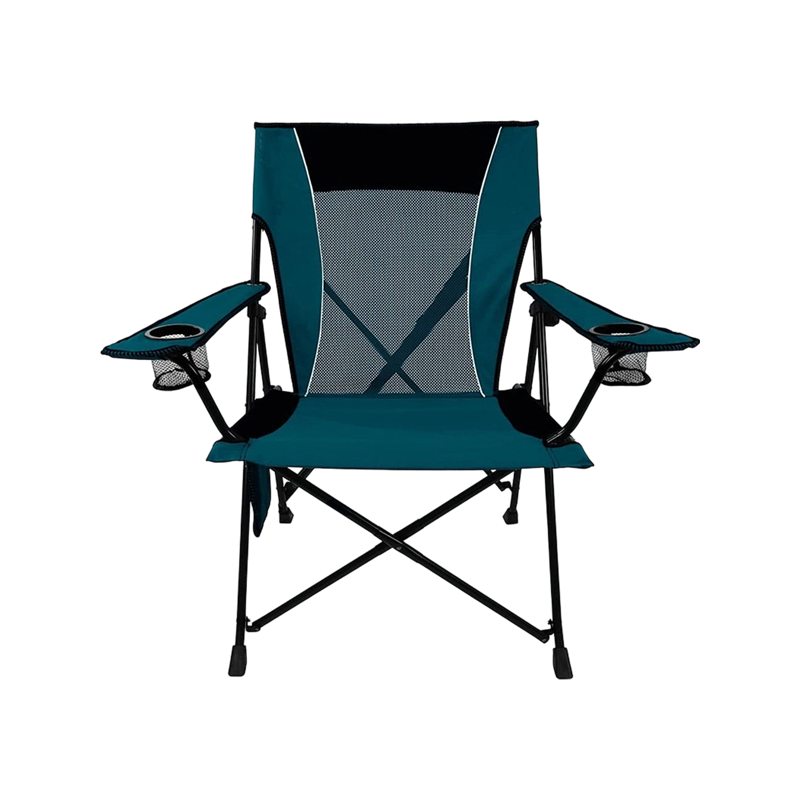
1. Product Overview: A Portable Chair Built for Real Outdoor Scenarios
The Outdoor Folding Chair, Portable Multi-Functional Camping Chair is positioned as a lightweight, compact, and functional seating product for camping, mountain travel, hiking rest points, fishing, beach use, festivals, road trips, basecamp relaxation, and outdoor retail programs. Its core design uses an aviation-grade aluminum alloy frame combined with Oxford cloth and a breathable mesh back panel. The side layout includes practical storage pockets and cup holders, allowing users to keep bottles, phones, maps, small tools, snacks, or personal accessories within easy reach.
Unlike heavy steel-framed leisure chairs intended mainly for backyards or car-side use, this chair is designed for outdoor mobility. The folding structure reduces packed volume, making it easier to carry, store, transport, and display. For retailers and distributors, compact folding size also improves shipping efficiency and warehouse utilization. For end users, quick setup and quick folding reduce frustration at campsites, trail rest zones, beach areas, or event grounds.
The product belongs to the camping furniture category, but its intended value extends beyond basic seating. It is a field-use support item. In a mountain environment, a chair must sit securely on uneven terrain, tolerate moisture, resist abrasion from rock or soil contact, and survive repeated packing. In coastal or lakeside use, it must resist corrosion caused by salt air, humidity, and water exposure. In family camping or retail consumer markets, it must also offer comfort, convenience, and an attractive appearance. The design is therefore based on functional requirements rather than superficial styling alone.
CragHaven Outdoor develops products according to the principle that outdoor gear should be designed for weather, terrain, and time. This philosophy is particularly important for portable chairs because they experience repeated loading, twisting, folding, dragging, storage compression, fabric tension, and environmental exposure. A chair may be used by different body types, placed on different surfaces, carried in vehicles, stored in damp garages, or exposed to sand and salt. Robust design must account for these varied conditions.
2. Key Product Advantages Over Conventional Camping Chairs
The portable folding chair offers several competitive advantages when compared with ordinary camping chairs that rely on low-grade steel tubing, thin polyester fabric, minimal reinforcement, or poorly controlled folding joints. These advantages can be grouped into five major areas: weight efficiency, outdoor durability, sitting comfort, functional storage, and supply-chain reliability.
2.1 Lightweight Aviation-Grade Aluminum Alloy Frame
The use of aviation-grade aluminum alloy gives the chair a clear advantage over common high-tensile steel frames in portability. Aluminum has a much lower density than steel, allowing the frame to provide useful load-bearing capacity without creating excessive carrying weight. This matters for mountain camping, backpack-supported travel, beach walking, fishing spots, and any situation where the user must carry equipment beyond the parking area.
A steel chair may feel strong in a showroom, but its weight becomes a disadvantage during real outdoor movement. The chair may be left behind because it is too heavy, or it may reduce the user’s willingness to carry additional essential gear. A lightweight aluminum frame encourages actual use because the product is easier to pack and transport.
Compared with low-cost steel designs, an aluminum frame also offers better natural corrosion resistance. This is especially valuable near lakes, rivers, humid forests, rainy campsites, and marine environments. While aluminum still requires proper surface treatment and alloy selection, it does not develop red rust like bare steel. This improves long-term appearance and reduces structural degradation caused by corrosion.
2.2 Oxford Cloth Seat for Abrasion Resistance and Support
The chair uses Oxford cloth for the seating surface. Oxford fabric is widely valued in outdoor gear because it combines good tensile strength, abrasion resistance, dimensional stability, and cost-effective durability. In a folding chair, the fabric must support body weight while resisting friction from clothing, sand, dust, tools, and repeated folding. A weak fabric can stretch, sag, tear at stress points, or fail around stitched seams.
Oxford cloth performs better than many thin decorative fabrics because it can be woven to provide a dense, stable surface. When paired with reinforced stitching and correct edge binding, it helps distribute seating load across the frame. This creates a more secure sitting experience and reduces the risk of premature fabric failure.
The material also supports practical maintenance. Outdoor chairs are often exposed to dirt, food residue, moisture, and campfire dust. Oxford cloth can be cleaned more easily than delicate textiles, making it suitable for repeated outdoor use and retail consumer expectations.
2.3 Breathable Mesh Back Panel for Long Sitting Comfort
A breathable mesh back panel helps prevent stuffiness during extended sitting. This is not merely a comfort detail; it is an important feature in warm-weather camping, beach use, fishing, summer festivals, and long outdoor gatherings. Conventional full-fabric backrests can trap heat and moisture, making the user uncomfortable after prolonged use. Mesh ventilation improves airflow and reduces perspiration buildup.
The comfort benefit is particularly noticeable in humid environments. When users sit after hiking, climbing, cycling, or carrying equipment, their body temperature is often elevated. A breathable backrest allows heat to dissipate more efficiently. This encourages longer and more enjoyable use, increasing product satisfaction and repeat purchase potential for retailers.
2.4 Multi-Functional Storage Pockets and Cup Holders
Side storage pockets and cup holders add daily convenience. Many standard folding chairs provide only a sitting surface, forcing users to place bottles, phones, sunglasses, flashlights, gloves, or snacks on the ground. This can lead to lost items, dust contamination, spills, or inconvenience when the user needs to stand up frequently.
The multi-functional pocket layout makes the chair more practical for camping and fishing. A cup holder can secure a beverage during relaxation, while side pockets can hold small personal items. For outdoor retail buyers, these details make the product easier to position as a value-added camping chair rather than a basic commodity.
2.5 Quick Folding and Space-Saving Structure
The quick folding mechanism saves space and reduces setup time. Folding efficiency matters because users often open and close chairs many times during a trip. A chair that is difficult to fold may become annoying, especially in cold weather, low light, rain, or when packing a vehicle quickly. A compact folded shape also improves portability and storage.
From a commercial perspective, space-saving folding design supports more efficient packaging, container loading, warehouse management, and retail display. For OEM and ODM customers, this can reduce shipping cost per unit and improve supply-chain competitiveness.
3. Material Engineering: Aluminum, Steel, and Outdoor Performance
Frame material is one of the most important engineering decisions in portable chair manufacturing. The three common frame categories are 7075 aluminum, 6061 aluminum, and high-tensile steel. Each material provides different trade-offs in weight, strength, corrosion resistance, manufacturing complexity, and cost.
7075 aluminum is known for very high strength and is commonly associated with aircraft-grade applications. It offers excellent strength-to-weight performance, making it attractive for premium ultralight products. However, it is more sensitive to corrosion in chloride-rich marine environments than 6061 aluminum and may require more advanced surface treatment to reduce pitting and stress-corrosion cracking risk.
6061 aluminum is widely used in outdoor consumer products because it provides a strong balance of moderate strength, excellent corrosion resistance, good formability, and stable manufacturing performance. It is often preferred for coastal and all-purpose chairs because it tolerates humid and salt-influenced environments better than 7075 aluminum.
High-tensile steel offers strong impact toughness and low raw-material cost, but its density is much higher than aluminum. As a result, a steel chair with similar load capacity is significantly heavier. Steel also requires protective coatings to avoid rust, especially in marine or humid environments. Even with powder coating, scratches can expose the metal and initiate corrosion beneath the coating.
The following table summarizes the practical comparison of these materials for portable outdoor chair frames.
| Performance Factor | 7075 Aluminum | 6061 Aluminum | High-Tensile Steel |
|---|---|---|---|
| Strength-to-weight ratio | Very high; suitable for ultralight premium models | High; balanced for general outdoor use | Lower because of high density |
| Corrosion resistance | Moderate; requires careful anodizing for marine use | Excellent, especially with sealed anodizing or coating | Poor without coating; coating damage can cause rust |
| Portability | Excellent | Very good | Limited by weight |
| Impact toughness | Moderate | Moderate to good | Excellent |
| Manufacturing complexity | Higher; requires careful processing and inspection | Stable and efficient for mass production | Simple forming, but coating process is critical |
| Best use scenario | Ultralight mountain or backcountry products | All-purpose camping, coastal use, and retail programs | Heavy-duty basecamp or budget-oriented applications |
| Commercial advantage | Premium positioning and low packed weight | Balanced cost, durability, and reliability | Lower raw material cost, but higher corrosion-management burden |
For a portable multi-functional camping chair, aluminum alloy is a logical choice because it supports the central requirement of easy transport. The chair benefits from reduced frame weight while maintaining useful structural capacity. Compared with many conventional steel folding chairs, the user experiences less carrying burden and better long-term resistance to rust-related appearance damage.
4. Corrosion Resistance and Marine Environment Considerations
Outdoor chairs are often used in environments where moisture is unavoidable. Beach camping, coastal fishing, lake trips, rainy campsites, morning dew, riverbanks, and humid forests can all expose chair frames to corrosive conditions. In marine environments, chloride ions from saltwater and sea air accelerate corrosion. This makes material selection and surface treatment critical.
Aluminum naturally forms an oxide layer, which provides a level of corrosion resistance. However, not all aluminum alloys behave the same way. 6061 aluminum generally performs better in salt-influenced environments because its alloy composition is less prone to aggressive pitting than 7075 aluminum. 7075 aluminum can provide exceptional strength but needs more careful protection when used near saltwater.
Steel behaves differently. Bare steel can develop red rust quickly under salt-spray exposure. A protective coating system can delay corrosion, but scratches, chips, and pinholes can create localized corrosion points. Once rust begins beneath a coating, it may spread under the film and weaken both appearance and structure. For portable chairs that are dragged, packed, dropped, or stored with other gear, coating damage is a realistic concern.
CragHaven Outdoor’s material evaluation approach considers both laboratory testing and real-world exposure. Salt-spray testing, cyclic corrosion testing, coating adhesion checks, and field observation all contribute to material decisions. This is important because continuous laboratory salt spray does not fully duplicate the wet-dry cycle of actual coastal use. In the field, saltwater may dry on the frame, concentrate in joints, and remain in crevices. These conditions can cause corrosion patterns that are not always obvious in simple testing.
For portable outdoor chairs intended for coastal or humid environments, recommended design measures include sealed or protected tube ends, smooth joint transitions, proper drainage, anodized or coated aluminum surfaces, high-quality fasteners, and user-friendly cleaning instructions. After beach use, rinsing the frame with fresh water and drying it before storage can further extend service life.
5. Structural Design: Strength Comes from Geometry, Not Material Alone
A strong chair is not created simply by choosing a strong material. Frame geometry, tube diameter, wall thickness, joint layout, fabric suspension, load path, cross-bracing, and folding tolerance all determine real performance. A poorly designed aluminum chair may fail earlier than a well-designed steel chair, while a properly engineered aluminum chair can outperform heavier alternatives in portability and durability.
The folding camping chair’s frame must transfer body weight from the seat fabric into the legs and then into the ground. This load path must remain stable even when the user leans back, shifts weight, sits down abruptly, reaches sideways, or places the chair on uneven surfaces. Outdoor conditions rarely provide a perfectly flat floor. Therefore, the frame must tolerate twisting and side loads as well as vertical compression.
Tube geometry is central to this performance. Larger-diameter tubes can improve stiffness without requiring excessive wall thickness. Properly selected wall thickness helps prevent buckling under compression while keeping weight controlled. Bends and connection points must be managed carefully because they concentrate stress. Reinforced hubs, smooth transitions, and precise assembly reduce the risk of fatigue failure.
Folding chairs also experience repeated movement at joints. Hinges, pivots, shock-cord connections, or socket interfaces must maintain alignment over many cycles. If tolerances are loose, the chair may wobble. If tolerances are too tight, folding may be difficult or parts may wear quickly. A professional manufacturing process must maintain consistency across production batches so that every chair folds smoothly and supports load reliably.
The seat fabric is part of the structure. It is not only a comfort surface; it also stabilizes the frame by distributing tension. If the fabric stretches too much, the user sinks excessively and the frame angle changes. If the fabric is too rigid or stitched incorrectly, stress concentrates at seams. Oxford cloth selection, cutting accuracy, seam reinforcement, and attachment design all affect the chair’s stability and comfort.
6. Comfort Engineering: Why Breathability, Angle, and Support Matter
Comfort is one of the strongest differentiators in camping furniture. Outdoor users may sit for meals, campfire conversations, fishing sessions, scenic rest breaks, map planning, or festival events. A chair that feels acceptable for five minutes may become uncomfortable after one hour if its back angle, seat depth, fabric tension, or ventilation is poorly designed.
The breathable mesh back panel improves thermal comfort by allowing air circulation. This is especially helpful in summer and humid regions. It reduces the heat-trapping effect common in full-fabric backrests. The Oxford cloth seat provides a supportive base, while the frame structure helps maintain a balanced sitting position.
A good outdoor chair should not force the user into an unstable posture. The seat height and backrest angle should allow users to sit naturally, stand up without excessive effort, and relax without feeling that the chair will tip backward. For mountain and camp use, a slightly relaxed but stable posture is preferable to an overly reclined lounge angle, because the user may be eating, wearing boots, handling gear, or sitting on uneven ground.
Side storage also supports comfort indirectly. When a bottle, phone, headlamp, or small tool is within reach, the user does not need to bend down repeatedly or place items in dirt. These small conveniences improve the overall outdoor experience and make the chair more practical than simpler models.
7. Fabric and Stitching: Hidden Details That Determine Lifespan
Fabric failure is one of the most common problems in low-quality folding chairs. The frame may remain intact while the seat tears, seams open, or pockets detach. For this reason, textile engineering is as important as metal engineering.
Oxford cloth is selected because it provides a durable platform for outdoor seating. However, fabric performance depends on yarn quality, weave density, coating treatment, cutting direction, seam allowance, and reinforcement design. Stress areas such as seat corners, backrest attachments, pocket edges, and cup holder openings require careful stitching and sometimes extra layers of material.
Reinforced seams help distribute load and resist tearing. Bartack stitching or dense reinforcement stitching can be used at high-stress points. Edge binding prevents fraying and improves appearance. Pocket stitching must withstand repeated pulling because users often place bottles, phones, tools, or heavier-than-expected objects inside. A weak pocket may fail even if the main seat is durable.
Breathable mesh also requires careful specification. Mesh must allow airflow while maintaining tear resistance. If the mesh is too soft, it may stretch or deform. If it is too stiff, it may feel uncomfortable or crack over time. The connection between mesh and Oxford cloth is especially important because different materials may stretch at different rates under load.
CragHaven Outdoor’s sampling and testing process helps identify these risks before mass production. Prototype chairs can be evaluated for seam strength, repeated loading, abrasion, folding wear, and user comfort. Improvements can then be made to fabric thickness, reinforcement shape, thread specification, or stitching pattern before large-scale production begins.
8. Manufacturing Strength: From Scenario-Based Design to Scalable Production
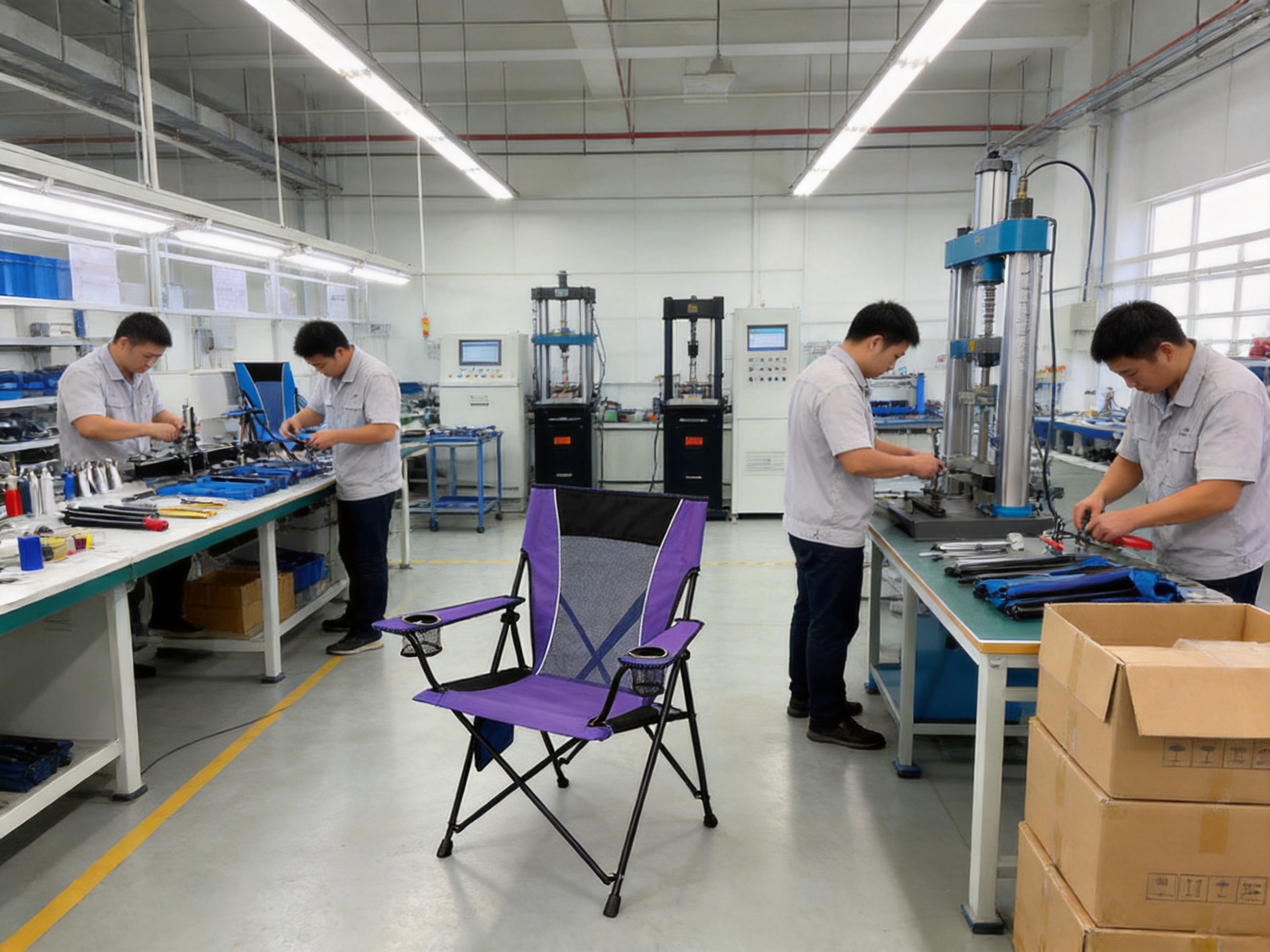
CragHaven Outdoor is not only a product supplier but also a manufacturing partner for outdoor gear programs. The company is based in Hangzhou, China, and focuses on mountaineering, hiking, and camping scenarios. Its development philosophy emphasizes real usage conditions, long-term value, material reliability, and repeated optimization. This approach is valuable for global retailers that need stable product quality, consistent communication, and supply-chain predictability.
The manufacturing process begins with scenario analysis. Instead of designing only for catalog appearance, the team considers where and how the chair will be used. A product for beach camping may require stronger corrosion protection. A product for mountain camping may prioritize low weight and compact packing. A product for family camping may emphasize comfort, storage, and cost balance. A product for institutional or rental use may require heavier-duty materials and simplified maintenance.
After the design direction is established, material and structure are selected. For the folding chair, the aluminum alloy frame provides the foundation for lightweight portability. Oxford cloth and mesh are chosen for durability and comfort. Storage pockets and cup holders are positioned for accessibility without interfering with folding. The frame geometry is refined to create a stable seating posture and efficient folded size.
Sampling follows. Initial prototypes are produced to validate dimensions, assembly sequence, fabric tension, folding behavior, packaging volume, and visual finish. The prototypes are then tested and adjusted. This may include static load testing, repeated sitting tests, folding cycle checks, corrosion exposure, seam strength evaluation, and field-use feedback. Problems discovered during sampling are corrected before production tooling and batch manufacturing are finalized.
During production, process control is essential. Aluminum tubes must be cut accurately, bent consistently, treated properly, and assembled without misalignment. Fabric panels must be cut according to pattern specifications, stitched with consistent tension, and inspected for defects. Plastic or metal connectors must fit correctly. Fasteners must be secured. The folded chair must match packing requirements. Final inspection must confirm that each product opens, supports, folds, and packs as intended.
China’s mature manufacturing system supports efficient scaling, but scale alone does not guarantee quality. CragHaven Outdoor’s advantage lies in combining manufacturing access with outdoor product understanding. The company participates in both design and production decision-making, rather than treating the factory as a simple sourcing point. This helps reduce uncertainty for OEM and ODM customers because design intent is more likely to be preserved during mass production.
9. OEM and ODM Value for Retailers and Outdoor Brands
Global retailers and outdoor brands need more than a chair that looks good in photographs. They need reliable production, consistent specifications, export-ready communication, packaging support, customization options, and products that match the expectations of their target markets. CragHaven Outdoor supports custom portable outdoor chair projects and OEM/ODM folding camping chair programs for retailers.
OEM buyers may already have a target design, packaging concept, price range, or market positioning. In this case, the manufacturing partner must translate the concept into a reliable production-ready product. Material suggestions, structural adjustments, cost optimization, and testing feedback can help improve the design while preserving the buyer’s brand requirements.
ODM buyers may need a more complete product-development solution. They may want to select from existing design platforms, customize color, fabric, logo, packaging, accessories, storage layout, or frame finish, and then launch under their own brand. A flexible folding chair platform can support different market tiers, from value-oriented retail to premium outdoor collections.
Customization options may include frame color, anodized or powder-coated finish, fabric color, mesh type, logo printing, embroidery, carry bag design, pocket configuration, cup holder size, retail packaging, instruction sheets, barcode labels, carton specifications, and compliance documentation. For cross-border retail programs, these details matter because they affect shelf presentation, customer reviews, logistics, and after-sales support.
A professional supplier also helps manage risk. If a chair is too heavy, customers may complain about portability. If the fabric is too thin, returns may increase. If the frame coating fails near the coast, brand reputation may suffer. If packaging is weak, damage may occur during shipping. Scenario-based design and structured testing reduce these risks before products reach the market.
10. Quality Control: What Should Be Checked Before Shipment
Quality control for folding camping chairs should cover materials, components, assembly, function, appearance, packaging, and performance. Each category affects customer satisfaction and commercial reliability.
Material inspection confirms that the frame alloy, fabric specification, mesh quality, thread type, coating finish, and connectors match approved samples. Dimensional inspection checks tube length, bend angle, seat panel size, seam placement, and folded dimensions. Functional inspection confirms that the chair opens smoothly, locks or stabilizes correctly if applicable, supports the intended posture, and folds without excessive force.
Load testing is especially important. A chair must support static load and repeated use. Static testing may evaluate whether the chair can safely hold a specified weight. Dynamic or cyclic testing simulates repeated sitting and shifting. Side-load testing may evaluate stability when users lean or reach. Drop or impact testing may reveal weaknesses in connectors or frame joints.
Fabric inspection checks seam strength, pocket attachment, cup holder stitching, edge binding, fabric defects, color consistency, and contamination. Coating inspection checks scratches, thin areas, bubbles, peeling, color matching, and corrosion-protection quality. Packaging inspection confirms that each chair is folded correctly, protected inside its carry bag or packaging, labeled properly, and packed into cartons that meet export transport requirements.
For OEM and ODM programs, golden samples and pre-production samples should be approved before mass production. During production, inline inspections help catch problems early. Final random inspection before shipment provides additional assurance that the batch meets agreed specifications.
11. Competitive Positioning in the Camping Furniture Market
The camping furniture market includes many similar-looking folding chairs, but real differentiation comes from performance, user experience, and manufacturing consistency. The Outdoor Folding Chair, Portable Multi-Functional Camping Chair is positioned above basic commodity chairs by combining lightweight frame design, durable fabric, breathable comfort, convenient storage, and space-saving folding.
Against low-cost steel chairs, the aluminum frame offers a major portability advantage and better resistance to rust-related issues. Steel chairs may be cheaper at first glance, but their heavier packed weight and corrosion risk can reduce long-term value, especially for coastal users or frequent campers. Aluminum construction makes the chair more suitable for users who carry gear between campsites, beaches, vehicles, and activity areas.
Against minimalist ultralight stools or chairs, this product offers more comfort and functionality. A stool may be lighter, but it lacks back support, storage pockets, and cup holders. For longer sitting sessions, back support and breathable ventilation improve user satisfaction. The product therefore serves users who want portability without sacrificing comfort.
Against bulky lounge chairs, the quick-folding structure and compact storage create a practical advantage. Large lounge chairs may be comfortable at fixed campsites, but they are harder to transport, store, and ship. A compact folding design supports more flexible use and better logistics.
Against visually similar low-quality folding chairs, the advantage lies in material selection, process control, and testing philosophy. CragHaven Outdoor’s emphasis on weather, terrain, and time helps ensure that features are not decorative only. The pockets must hold real items. The mesh must improve comfort. The frame must withstand repeated use. The folding system must work consistently. These practical details distinguish a reliable outdoor product from a short-life promotional item.
12. Use Scenarios: From Mountain Trails to Coastal Camps
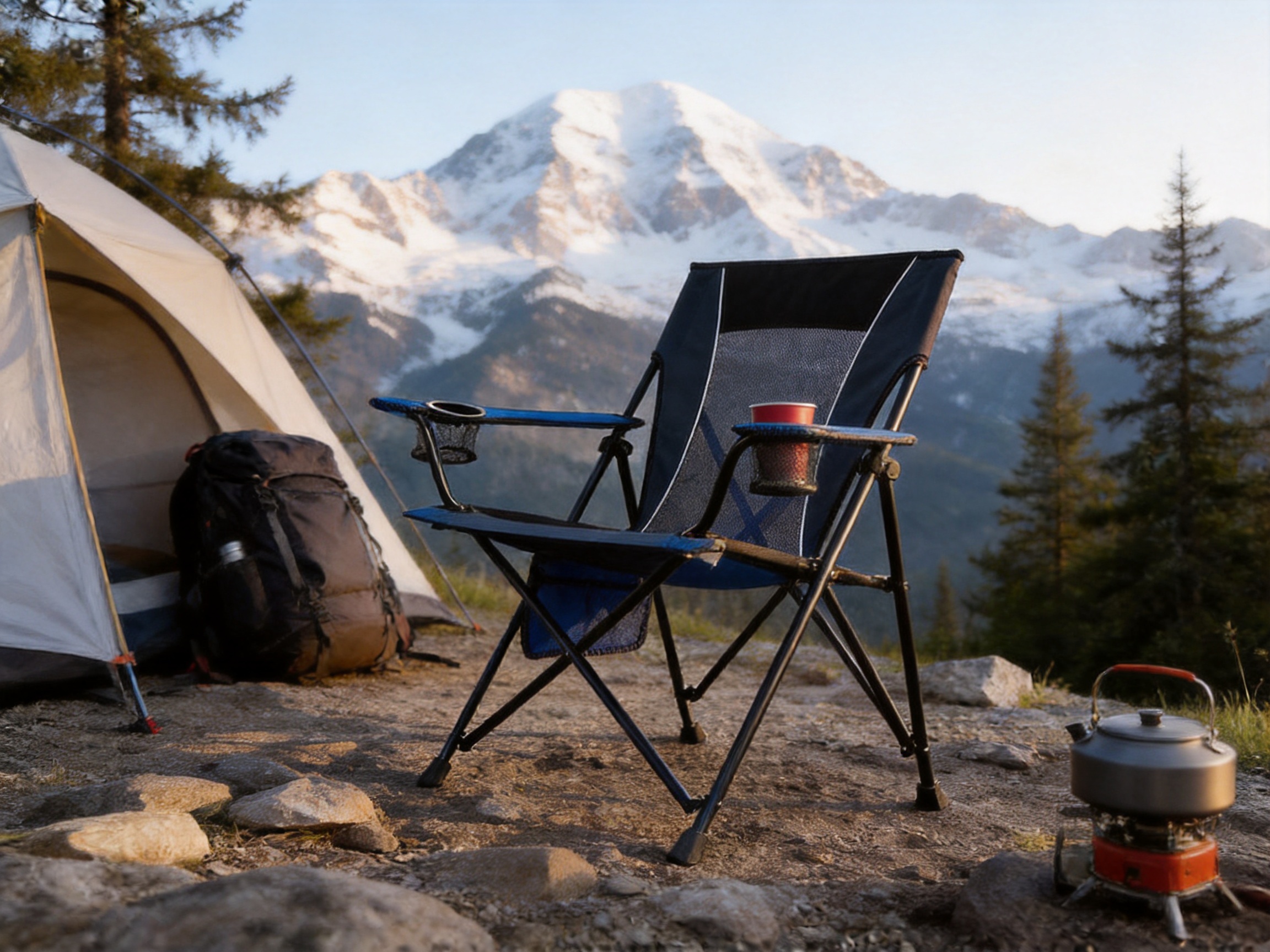
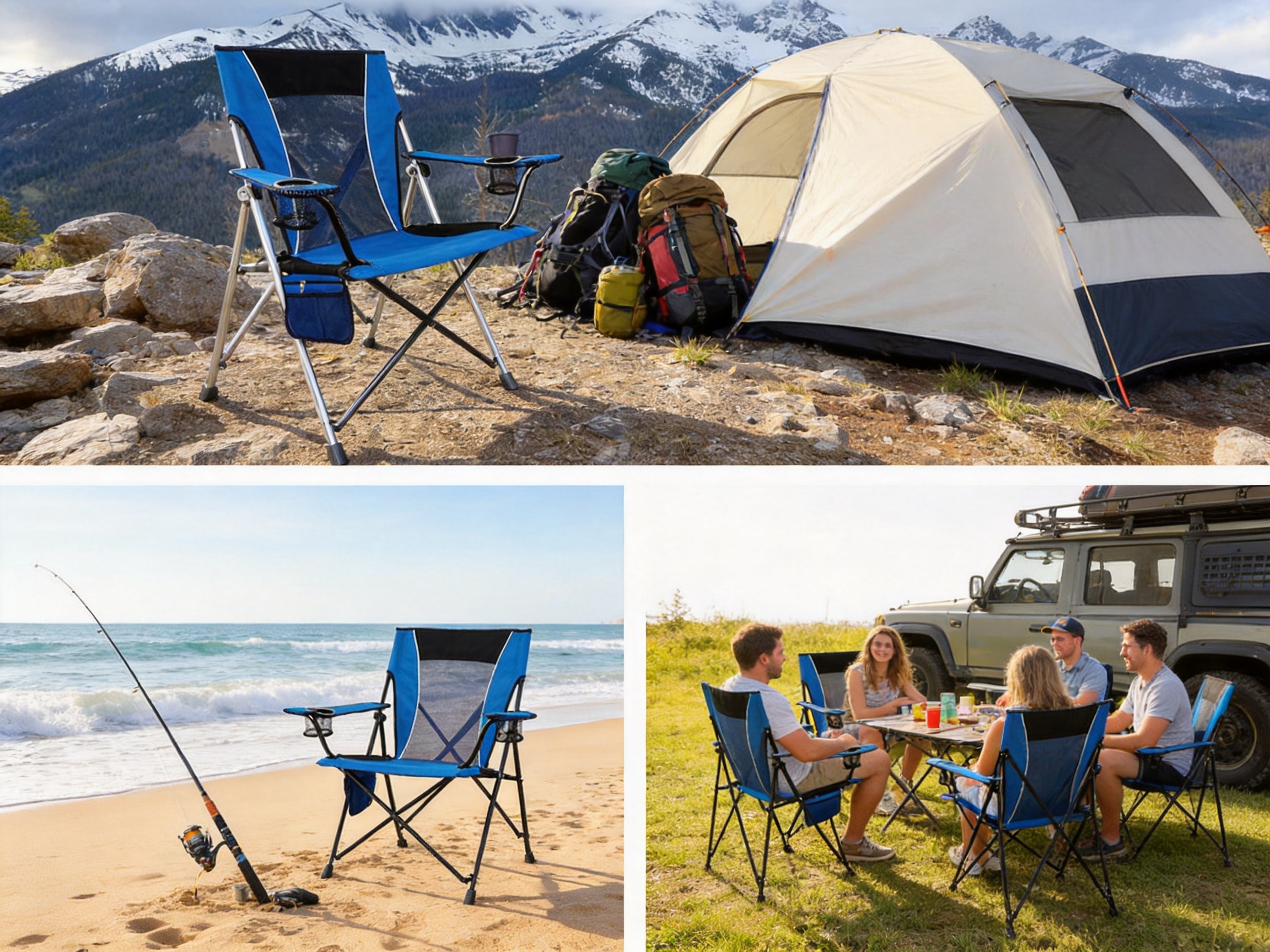
In mountain camping, users value low weight, compact packing, and stable seating. After carrying gear over uneven terrain, a comfortable chair improves rest and recovery. The aluminum alloy frame reduces carrying burden, while the Oxford cloth seat provides support. The quick-folding structure allows users to set up a rest point quickly at camp, near a viewpoint, or beside a cooking area.
In coastal camping and beach fishing, corrosion resistance and easy cleaning become more important. Sand, salt air, and humidity can damage poorly protected chairs. Aluminum construction provides an advantage over steel, especially when combined with proper surface treatment and basic user maintenance. The cup holder and side pockets are useful for fishing accessories, drinks, phones, and small tools.
In family camping, comfort and convenience are key. Users may sit around a table, near a campfire, beside a tent, or at an outdoor event for several hours. Breathable mesh helps reduce heat buildup, while storage pockets keep personal items organized. The folding design makes it easy to pack multiple chairs into a vehicle.
In overlanding and road-trip scenarios, gear must be durable, compact, and easy to deploy. A chair that opens quickly and stores neatly is more likely to be used at scenic stops, roadside meals, and temporary camps. The space-saving design is valuable when vehicle storage is shared with tents, coolers, tools, and cooking equipment.
In retail and promotional markets, the chair’s combination of visible features and practical engineering supports strong consumer appeal. Customers can immediately understand the benefits of lightweight construction, breathable back support, side pockets, and cup holders. At the same time, the underlying manufacturing quality helps reduce returns and complaints.
13. Care and Maintenance for Longer Service Life
Even a well-made outdoor chair benefits from proper care. Users should shake off sand, dirt, and debris before folding. After exposure to saltwater or beach conditions, the frame and fabric should be rinsed lightly with fresh water and dried before storage. This simple step greatly reduces salt accumulation in joints, fabric seams, and tube interfaces.
The chair should be stored in a dry, ventilated location. Long-term storage while wet can encourage mildew on fabric and accelerate corrosion on metal parts or fasteners. Users should avoid leaving the chair in direct harsh sunlight for extended periods when not in use, because UV exposure can gradually degrade fabrics and coatings over time.
The chair should be used within its intended load range and placed on reasonably stable ground. Although outdoor chairs are designed for uneven terrain, sharp rocks, unstable slopes, or deep soft sand can affect stability. Users should sit down smoothly rather than jumping into the chair, and they should avoid standing on the seat.
Periodic inspection is recommended. Users can check frame joints, fabric seams, pockets, cup holders, and feet for wear. If dirt accumulates in folding joints, it should be removed gently. If the chair includes coated or anodized surfaces, users should avoid abrasive cleaning tools that may scratch the finish.
14. Why Manufacturing Philosophy Matters
Many outdoor products fail not because the initial idea is poor, but because the product is not developed with enough attention to real use. A catalog image cannot show whether a chair will wobble after six months, whether a pocket seam will fail, whether salt will collect in a joint, or whether the folded package will survive international shipping. These issues are determined by engineering and manufacturing discipline.
CragHaven Outdoor’s philosophy emphasizes that excellent outdoor products are built through understanding environment, usage patterns, and the test of time. This is especially relevant for folding camping chairs because they combine metal, textile, plastic, ergonomic, and logistics considerations in one product. Each part must work with the others.
The company’s role as both an outdoor brand and manufacturing partner helps bridge the gap between product concept and factory execution. It can evaluate whether a design is practical for real users, whether a material choice matches the intended environment, whether a feature adds true value, and whether the final product can be produced consistently at scale.
For global retailers, this approach reduces uncertainty. A supplier that understands outdoor use can anticipate problems earlier, communicate more clearly, and recommend improvements before costly mass-production issues occur. This supports long-term stable partnerships rather than one-time transactions.
15. Q&A: Practical Questions About the Portable Folding Camping Chair
Q1: What makes this folding camping chair different from ordinary low-cost outdoor chairs?
The main differences are its lightweight aluminum alloy frame, durable Oxford cloth seating surface, breathable mesh back panel, integrated side pockets and cup holders, and quick-folding compact structure. Many low-cost chairs use heavier steel frames, thinner fabrics, weaker seams, or less refined folding mechanisms. This chair is designed for real outdoor portability, comfort, and repeated use rather than basic appearance only.
Q2: Is an aluminum frame better than a steel frame for camping chairs?
For most portable camping applications, aluminum offers a better balance of low weight and corrosion resistance. Steel can provide excellent impact toughness and may be cheaper as a raw material, but it is much heavier and more vulnerable to rust if the coating is damaged. Aluminum is especially suitable for users who need to carry the chair or use it in humid, lakeside, or coastal environments.
Q3: Is the chair suitable for beach and coastal camping?
Yes, the aluminum alloy frame provides an advantage over ordinary steel frames in coastal environments. However, users should still rinse off salt and sand after beach use and dry the chair before storage. Good maintenance extends the lifespan of any outdoor product, especially one exposed to salt air and moisture.
Q4: Why is the breathable mesh back panel important?
The mesh back panel improves airflow and reduces heat buildup during long sitting periods. This makes the chair more comfortable in warm weather, humid climates, summer camping, beach fishing, and outdoor events. It also helps reduce the stuffy feeling often caused by full-fabric backrests.
Q5: Are the side pockets and cup holders only convenience features?
They are convenience features, but they also improve the overall outdoor experience. Users can keep drinks, phones, small tools, snacks, sunglasses, or fishing accessories within reach instead of placing them on the ground. This reduces clutter and makes the chair more practical for camping, fishing, festivals, and basecamp use.
Q6: What should retailers consider when sourcing folding camping chairs?
Retailers should evaluate frame material, load capacity, fabric durability, seam reinforcement, folding smoothness, packed size, corrosion resistance, packaging quality, and supplier testing capability. A low unit price is not the only factor. Product returns, poor reviews, corrosion complaints, fabric tearing, and shipping damage can create higher long-term costs than choosing a better-engineered product from the beginning.
Q7: Can the chair be customized for private-label or OEM/ODM programs?
Yes. CragHaven Outdoor supports custom portable outdoor chair and OEM/ODM folding camping chair projects for retailers. Customization may include fabric color, frame finish, logo application, pocket configuration, carry bag design, packaging, carton specifications, and market-specific design adjustments.
Q8: How does manufacturing quality affect the chair’s performance?
Manufacturing quality determines whether the approved design is reproduced consistently. Tube cutting, bending, coating, stitching, seam reinforcement, connector fit, folding tolerance, and final inspection all affect real-world durability. A good design can fail if production control is weak, while disciplined manufacturing helps ensure stable performance across large orders.
16. Conclusion: A Practical Balance of Portability, Comfort, and Manufacturing Reliability
The Outdoor Folding Chair, Portable Multi-Functional Camping Chair demonstrates how thoughtful product design can improve a common outdoor item. Its aviation-grade aluminum alloy frame supports lightweight portability and better corrosion resistance than conventional steel alternatives. Its Oxford cloth seat provides durable support, while the breathable mesh back panel improves comfort during extended sitting. Side storage pockets and cup holders add practical value, and the quick-folding structure supports efficient transport, storage, and retail logistics.
For end users, the chair offers a balanced solution for camping, hiking rest points, coastal relaxation, fishing, road trips, festivals, and basecamp use. For retailers and outdoor brands, it offers a customizable product platform supported by CragHaven Outdoor’s scenario-based design philosophy, material understanding, manufacturing process control, and OEM/ODM service capability.
In a competitive camping furniture market, true value comes from the details that remain visible after months or years of use: a frame that does not become an unnecessary burden, fabric that resists wear, seams that stay intact, pockets that remain useful, a folding system that continues to operate smoothly, and a supplier that understands how outdoor gear is actually used. This chair is designed around those long-term expectations.
References
ASTM International. ASTM B117: Standard Practice for Operating Salt Spray Apparatus.
ASTM International. ASTM G85: Standard Practice for Modified Salt Spray Testing.
Davis, J. R. Aluminum and Aluminum Alloys. ASM International.
ASM International. Metals Handbook: Properties and Selection of Nonferrous Alloys and Special-Purpose Materials.
Totten, G. E., and MacKenzie, D. S. Handbook of Aluminum: Physical Metallurgy and Processes.
Outdoor Industry Association. Outdoor Participation Trends and Consumer Gear Usage Reports.
Textile Institute. Performance Textiles for Outdoor and Recreational Applications.
Product: Outdoor folding chair, portable multi-functional camping chair


- Phone: +86-15968800379
- E-mail: [email protected]
- Address: Room 1002, Huishang Building, Gongshu District, Hangzhou City, Zhejiang Province.
Copyright © CragHaven Outdoor All Rights Reserved. Outdoor Gear Manufacturers Wholesale Mountaineering Camping Gear Suppliers
