

 English
 Deutsch
 Español
 Français

25cm High-Carbon Steel Ground Stakes for Reliable Camping Anchoring
Content
- 1 Product Overview: A Small Component with Large Outdoor Responsibility
- 2 Why Ground Stakes Matter More Than Many Campers Realize
- 3 Core Material Advantage: High-Carbon Steel for Strength and Bending Resistance
- 4 Hardened Construction: Designed for Impact and Repeated Use
- 5 Galvanized Finish: Corrosion Resistance for Outdoor Environments
- 6 Glow-in-the-Dark Head: Safety and Convenience After Sunset
- 7 Universal Hooks and Knot Compatibility
- 8 25cm Length: A Practical Balance of Grip, Portability, and Versatility
- 9 Performance in Sandy Areas
- 10 Performance in Grassy and Firm Ground
- 11 Table: Product Features and Practical Benefits
- 12 Advantages Over Common Competitor Products
- 13 Manufacturing Philosophy: Built for Weather, Terrain, and Time
- 14 Advanced Manufacturing Processes Behind the Product
- 15 Quality Control: Reducing Risk for Users and Buyers
- 16 Design for Real Outdoor Use, Not Just Specifications
- 17 Applications Across Camping, Beach, and Outdoor Shelter Systems
- 18 Market Value for Retailers, Distributors, and Private-Label Buyers
- 19 Sustainability Through Durability and Long-Term Use
- 20 Best Practices for Using 25cm Steel Ground Stakes
- 21 Why This Product Reflects Better Outdoor Manufacturing
- 22 Q&A Section
- 22.1 What is the main purpose of this 25cm high-carbon steel ground stake?
- 22.2 Why is high-carbon steel better than ordinary soft metal for this product?
- 22.3 Does the galvanized finish prevent all rust?
- 22.4 Why is the glow-in-the-dark head useful?
- 22.5 Can this stake be used on beaches?
- 22.6 Can this stake be used in firm grassy ground?
- 22.7 How does it compare with aluminum stakes?
- 22.8 Is this product suitable for private-label or wholesale outdoor gear programs?
- 22.9 What makes this stake different from basic tent pegs included with many tents?
- 22.10 How should users maintain the stakes after camping?
- 23 Conclusion: A Reliable Anchor for Better Outdoor Shelter Performance
- 24 References
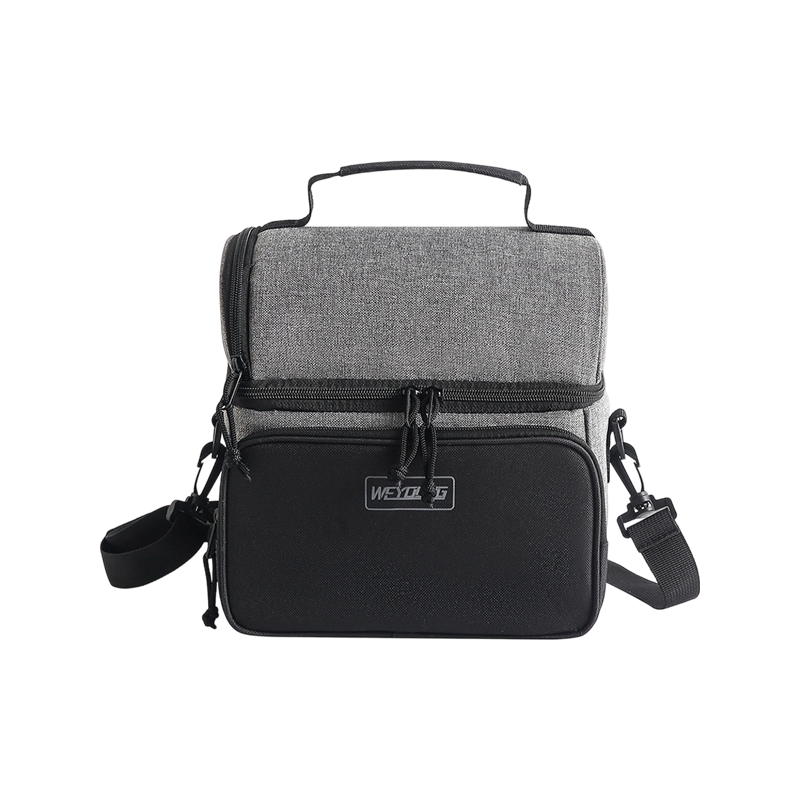
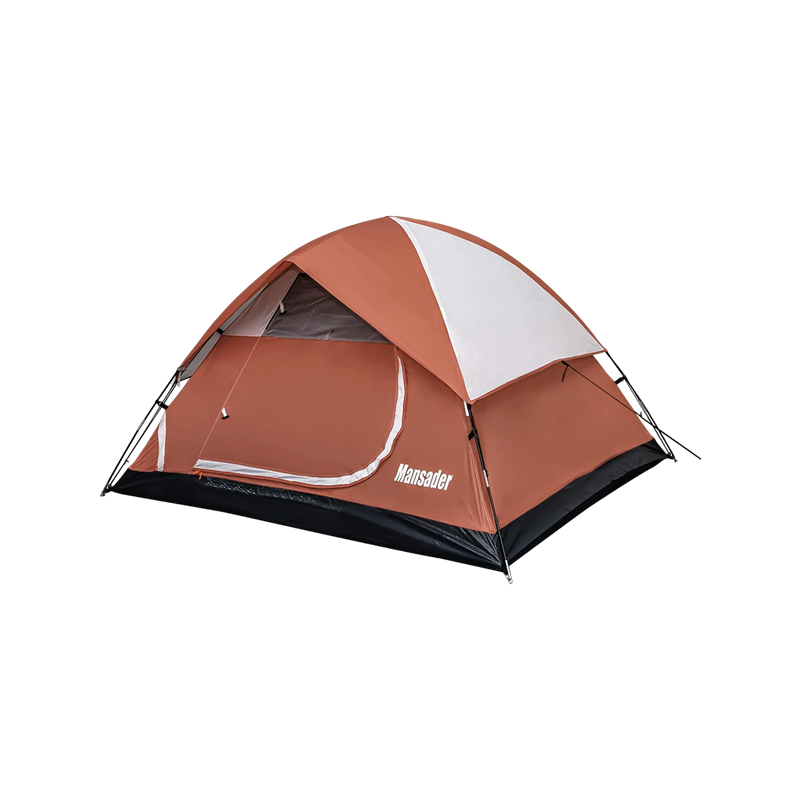
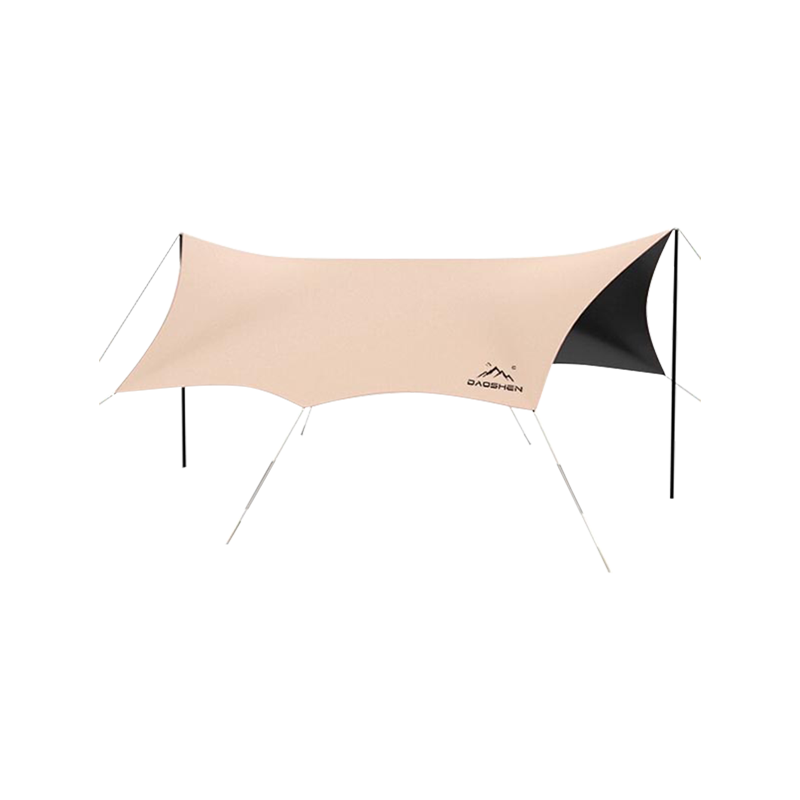
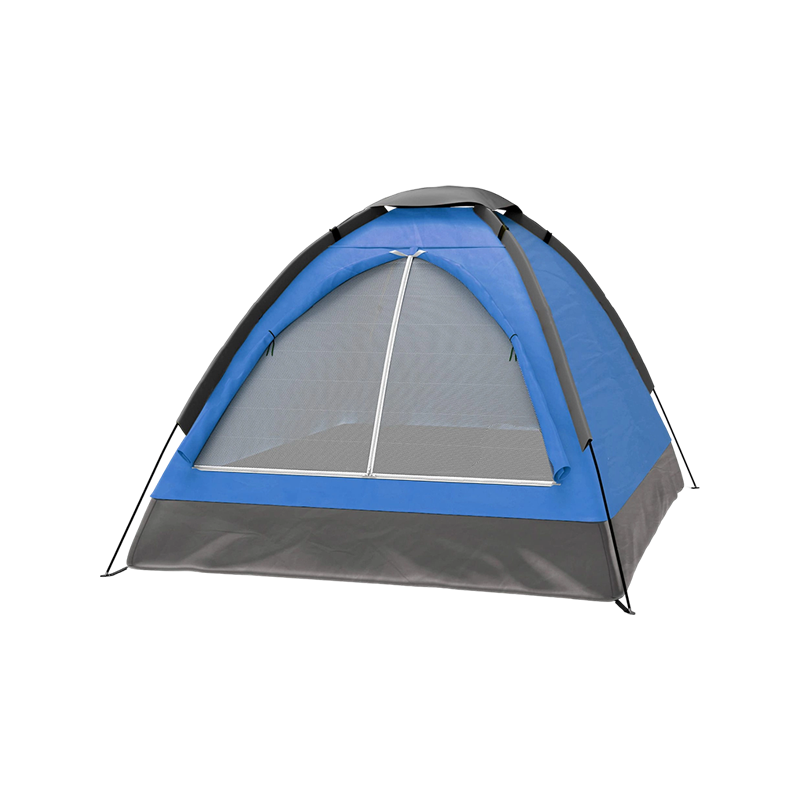
- 25 Product: Outdoor camping tent with 25cm ground stakes, beach tarpaulin, and windproof steel studs
In camping, hiking, beach shelter use, and mountain-adjacent outdoor travel, a tent or tarp is only as reliable as the components that hold it to the ground. Fabric strength, waterproof coatings, and pole geometry often receive attention first, yet ground anchoring is the quiet foundation of shelter safety. A weak stake can turn a well-designed tent into unstable equipment in one gust of wind. A bent peg can slow down setup, damage guy lines, or leave users improvising when they should be resting. The 25cm high-carbon steel ground stake discussed in this article is designed to solve these real outdoor problems with a practical combination of hardened steel, corrosion-resistant galvanization, nighttime visibility, universal attachment compatibility, and dependable grip in both sandy and grassy ground conditions.
This product belongs to the camping accessories segment, but its importance extends beyond a simple accessory. It is a critical anchoring component for tents, beach tarpaulins, canopies, picnic shelters, windbreaks, awnings, and outdoor shade systems. Its 25cm length provides deeper ground penetration than many short pegs, while its high-carbon steel construction offers bending resistance that common lightweight alternatives often cannot match. For users who camp in changing weather, for families setting up a beach tarp in loose sand, and for distributors seeking a durable item with broad market appeal, this stake provides a balanced answer: strong enough for repeated use, practical enough for everyday camping, and engineered with real terrain in mind.
CragHaven Outdoor approaches this type of product not as a catalog filler, but as a field-use component. The company’s philosophy is rooted in weather, terrain, and time: products should be developed around actual outdoor problems rather than superficial specifications. This perspective is especially relevant for ground stakes because their performance is tested directly by soil density, wind load, repeated hammering, moisture, salt exposure, and night operation. A stake may look simple, but its reliability depends on steel quality, heat treatment, surface finishing, head design, hook geometry, dimensional consistency, and quality control. The following article examines the product’s advantages, its manufacturing logic, and the reasons it stands apart from many conventional tent pegs in the camping gear market.
Outdoor camping tent with 25cm ground stakes, beach tarpaulin, and windproof steel studs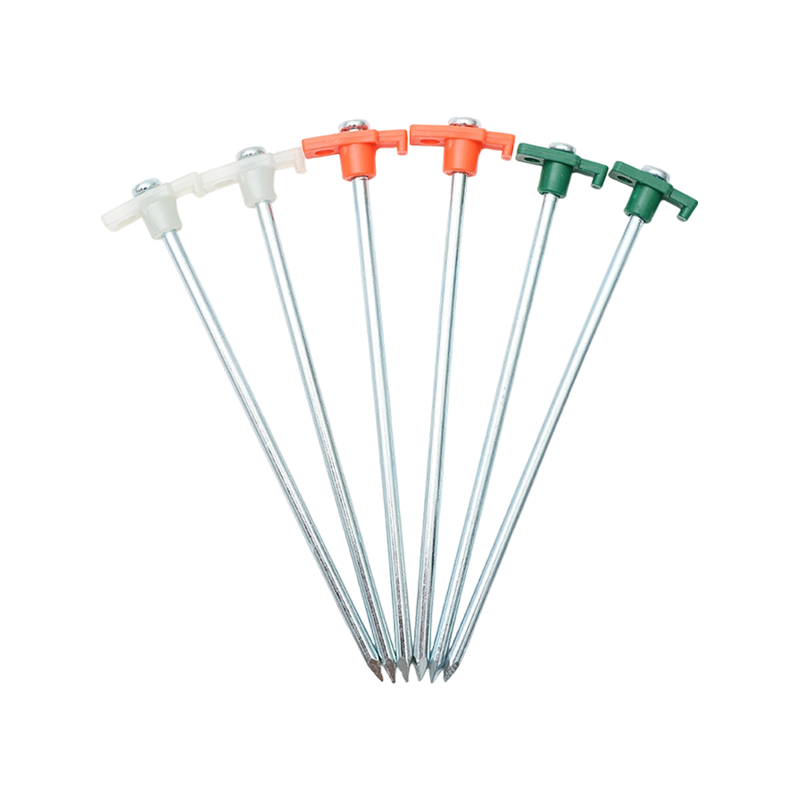
Product Overview: A Small Component with Large Outdoor Responsibility
The featured camping ground stake is made from high-carbon steel, hardened for improved hardness and bending resistance, then galvanized to help resist corrosion. It includes a glow-in-the-dark head for easier nighttime visibility and offers universal hooks and knot-friendly contact points for different tent ropes, tarps, awnings, beach shelters, and camping canopies. The 25cm length gives it a strong grip in both sandy and grassy areas, making it more versatile than short pegs designed only for compact soil or light backyard use.
At first glance, a ground stake may seem like a basic rod. However, anyone who has camped in wind, rain, or loose terrain understands that anchoring hardware must be reliable. A stake must resist bending when hammered into firm ground. It must hold when wind pulls the guy line at an angle. It must remain visible enough to prevent tripping or loss at night. It must survive exposure to water, mud, salt air, sand abrasion, and repeated packing. In these conditions, low-cost untreated iron, thin aluminum, or plastic stakes can fail quickly. The high-carbon steel design gives this product a stronger structural foundation, while the galvanized surface adds long-term utility.
The product is especially suitable for camping tents, beach tarpaulins, family shade shelters, picnic canopies, temporary outdoor covers, hiking basecamp setups, and festival camping. In commercial outdoor gear assortments, it can be positioned as a durable replacement stake, a tent accessory upgrade, a beach tarp anchoring solution, or a windproof camping accessory. Because it is not limited to one shelter type, it offers strong merchandising flexibility for retailers, e-commerce sellers, outdoor distributors, and private-label programs.
The 25cm dimension is an important part of the product’s practical value. Short stakes are easy to pack but often lack holding power in soft soil. Oversized anchors may hold well but can be heavy, difficult to transport, or unnecessary for average camping. A 25cm stake sits in a useful middle zone: long enough to grip more deeply than short pins, but still manageable for general camping kits. This balance makes it suitable for a wide range of users, from casual campers to more experienced outdoor travelers who value dependable hardware.
Why Ground Stakes Matter More Than Many Campers Realize
A tent or tarp system is a tension structure. Its fabric, poles, guylines, and stakes work together. When the stakes fail, tension is lost. Once tension is lost, the shelter fabric may flap, poles may shift, seams may experience stress, and water runoff can be affected. In windy conditions, a failed stake can allow one side of the shelter to lift, increasing pressure on the remaining anchor points. The result can be a chain reaction of instability.
In mountain-climbing support camps, hiking campsites, coastal beaches, grassy parks, and recreational camping grounds, terrain is rarely perfect. Soil may be too hard, too loose, too wet, or mixed with small stones. A weak stake can bend before reaching the correct depth. A smooth stake may pull out from soft sand. A poorly designed head may damage guy lines or make removal difficult. A dark-colored stake may disappear at night, becoming both a loss risk and a tripping hazard. These everyday problems demonstrate why ground stake design deserves careful engineering.
This product addresses those issues through material strength, surface protection, head visibility, and compatibility. High-carbon steel provides a strong core. Hardening improves resistance to deformation. Galvanization provides protection against moisture-related corrosion. A glow-in-the-dark head improves visibility during nighttime checks, late arrivals, or early departures. Universal hooks and knots increase compatibility with different cord thicknesses and shelter systems. The 25cm body length improves holding power across sandy and grassy terrain.
Competitors often focus on only one advantage. Some lightweight aluminum stakes are easy to carry but bend under heavy hammering or rocky ground. Plastic stakes are visible and inexpensive but can snap or deform under load. Short steel pegs are strong but may lack sufficient ground penetration in sand or wet soil. Untreated iron pegs may feel solid initially but rust quickly after repeated exposure. The 25cm galvanized high-carbon steel stake combines multiple performance factors, making it a more dependable choice for users who want fewer compromises.
Core Material Advantage: High-Carbon Steel for Strength and Bending Resistance
The product’s foundation is high-carbon steel. Compared with ordinary low-carbon steel, high-carbon steel can achieve greater hardness and strength through proper heat treatment. For a ground stake, this matters because the product is frequently driven into the ground with impact force. It may encounter compacted earth, roots, stones, or uneven pressure from a hammer or mallet. If the metal is too soft, it bends. If it bends repeatedly, it becomes difficult to drive, difficult to remove, and less effective at anchoring.
High-carbon steel helps create a more reliable stake for repeated outdoor use. The material supports better resistance to deformation during insertion and while under lateral tension from tent ropes or tarp lines. In windy conditions, the pulling force on a guy line is rarely perfectly vertical. It usually pulls at an angle, creating leverage against the stake. A stronger steel body helps resist that leverage and maintain the stake’s holding position.
Many low-priced camping stakes are made from soft metals that look adequate in product photos but fail during real use. Thin aluminum pegs may be attractive for ultralight hiking, but they are not always ideal for beach tarps, family canopies, or repeated hammering into firm campsite soil. Plastic stakes may be suitable for soft ground in low-wind conditions, but they are vulnerable to cracking, especially in colder environments or under impact. High-carbon steel gives this product a durability profile that appeals to users who prioritize reliability over minimal weight.
The value of high-carbon steel is not only in strength, but in consistency when processed correctly. CragHaven Outdoor’s manufacturing approach emphasizes material selection and stable production rather than trend-driven shortcuts. For a stake, this means the material must be appropriate for forming, hardening, surface treatment, and final field use. A stake that is too brittle could crack under impact, while one that is too soft could bend. The correct balance is achieved through controlled processing, not by material choice alone.
Hardened Construction: Designed for Impact and Repeated Use
Hardening is a major reason this stake performs well against bending and deformation. During outdoor use, the stake is not treated gently. It may be hammered into compact ground, stepped on accidentally, pulled sideways, twisted during removal, or packed with metal tools. A stake that deforms after a few uses reduces customer satisfaction and increases replacement frequency. Hardened construction helps extend the functional life of the product.
The hardening process must be controlled carefully. Excessive hardness without proper toughness can make steel brittle. Insufficient hardness may not deliver the expected bending resistance. Advanced manufacturing requires careful attention to heating, cooling, and post-treatment controls so that the stake has the right balance of hardness and resilience. This is where process knowledge becomes as important as material specification.
CragHaven Outdoor’s product development method emphasizes sampling, testing, and optimization. For a steel ground stake, this can include impact evaluation, bending resistance checks, head integrity inspection, hook geometry verification, and surface treatment quality testing. The goal is not simply to produce a stake that looks correct, but to manufacture one that remains useful after repeated field cycles. This practical engineering mindset provides an advantage over suppliers who focus mainly on low-cost, low-control production.
Repeated use is especially relevant for campers who pack and unpack equipment across many trips. A stake may be inserted and removed dozens of times in one season. It may be used in grass one weekend, sandy soil the next, and damp campsite ground after that. Hardened high-carbon steel improves the chance that the stake remains straight, functional, and dependable throughout these changing conditions.
Galvanized Finish: Corrosion Resistance for Outdoor Environments
Outdoor hardware faces moisture constantly. Morning dew, rain, wet grass, beach humidity, muddy ground, and storage in damp bags all contribute to corrosion risk. Once rust begins, it can reduce surface quality, weaken long-term durability, stain fabric or storage bags, and make the product look old before its useful life is over. Galvanization helps address this by adding a protective zinc-based layer to the steel surface.
The galvanized finish gives the stake a practical advantage over untreated steel pegs. In typical camping conditions, ground stakes are often packed away before they are fully dry. They may be stored in a tent bag or accessory pouch with soil residue still attached. Over time, untreated steel can rust quickly in this environment. A galvanized surface improves resistance to oxidation, supporting a longer service life and better product appearance.
For beach use, corrosion resistance is even more important. Sand, salt air, and moisture accelerate metal degradation. While no outdoor metal product is completely immune to harsh marine exposure, galvanization provides a meaningful protective barrier. This makes the stake more appropriate for beach tarpaulins and coastal camping than low-cost bare steel alternatives.
Surface finishing also affects customer perception. A clean galvanized stake looks professional, durable, and ready for repeated outdoor use. For retailers and brand owners, this improves shelf appeal and reduces complaints related to early rust. For B2B buyers, consistent galvanization reflects manufacturing discipline. Poor surface treatment may lead to uneven protection, rough spots, or premature corrosion. CragHaven Outdoor’s emphasis on stable, repeatable manufacturing supports more reliable finish quality across production batches.
Glow-in-the-Dark Head: Safety and Convenience After Sunset
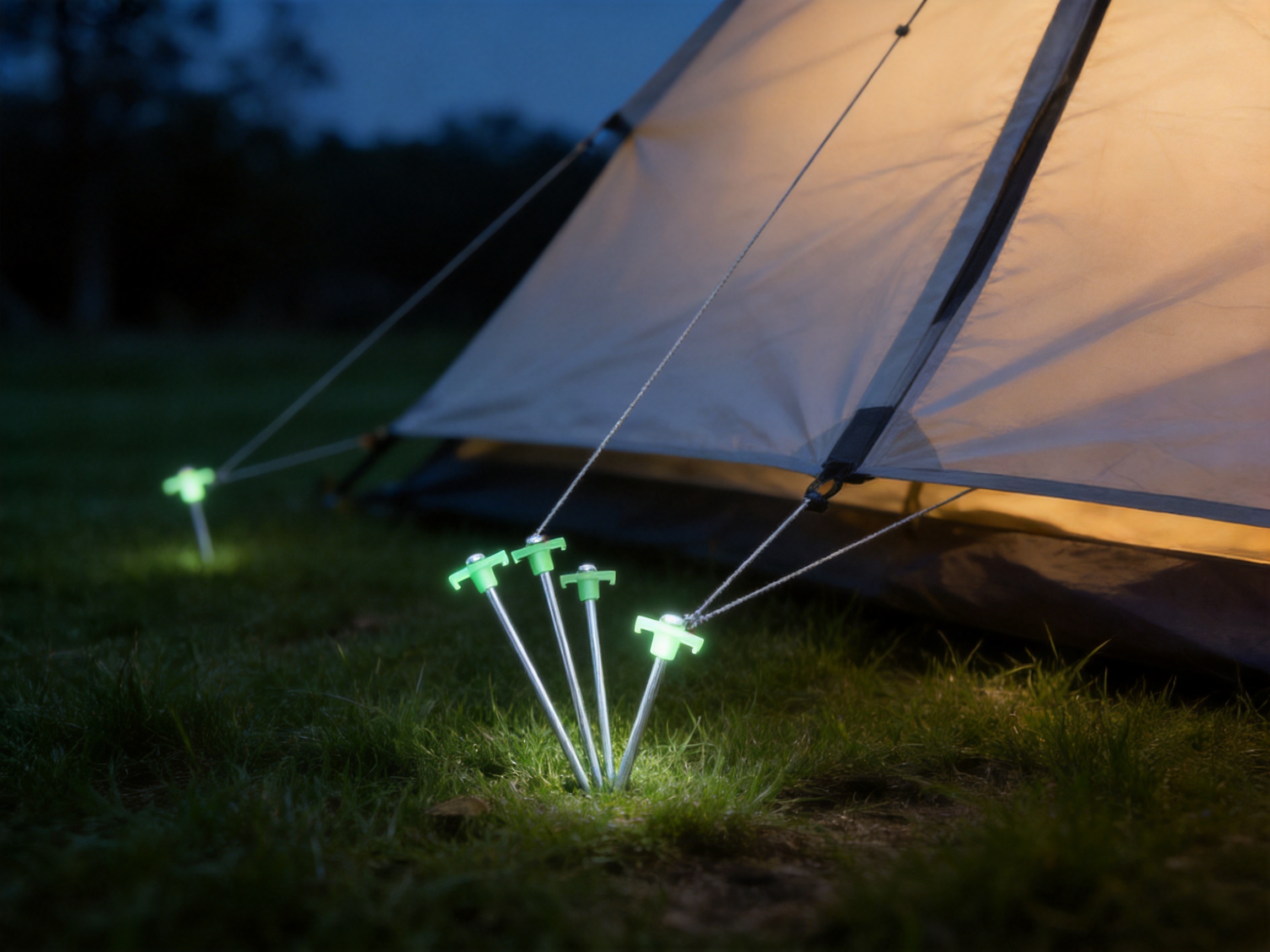
Nighttime visibility is a practical feature that many campers appreciate only after they have experienced the problem of invisible stakes. At night, standard dark metal pegs disappear into grass, sand, or shadow. Campers may trip over guy lines, step on exposed stake heads, or lose pegs during late-night adjustments. A glow-in-the-dark head helps make the stake easier to identify in low-light conditions.
This feature is particularly useful for family camping, group campsites, festival camping, beach evenings, and late arrivals. When a campsite is set up near dusk, users may need to adjust tension after dark. A visible head reduces frustration and helps locate anchor points quickly. In shared camping areas, improved visibility can also reduce accidental contact with guy lines and stakes.
Compared with ordinary metal stakes, this product offers an added layer of user-centered design. The glow feature does not replace careful campsite organization, but it improves awareness. It is a small detail that reflects attention to actual outdoor behavior. Campers do not always set up in perfect daylight. They may return to camp after hiking, cooking, or social activities. They may need to secure a tarp when wind rises at night. In those moments, visible hardware matters.
From a competitive standpoint, the glow-in-the-dark head differentiates the stake from basic steel pegs that rely only on strength. Many competitors offer durability but overlook nighttime usability. Others offer bright plastic heads but lack strong steel bodies. This product combines visibility with hardened high-carbon steel, allowing users to benefit from both convenience and structural strength.
Universal Hooks and Knot Compatibility
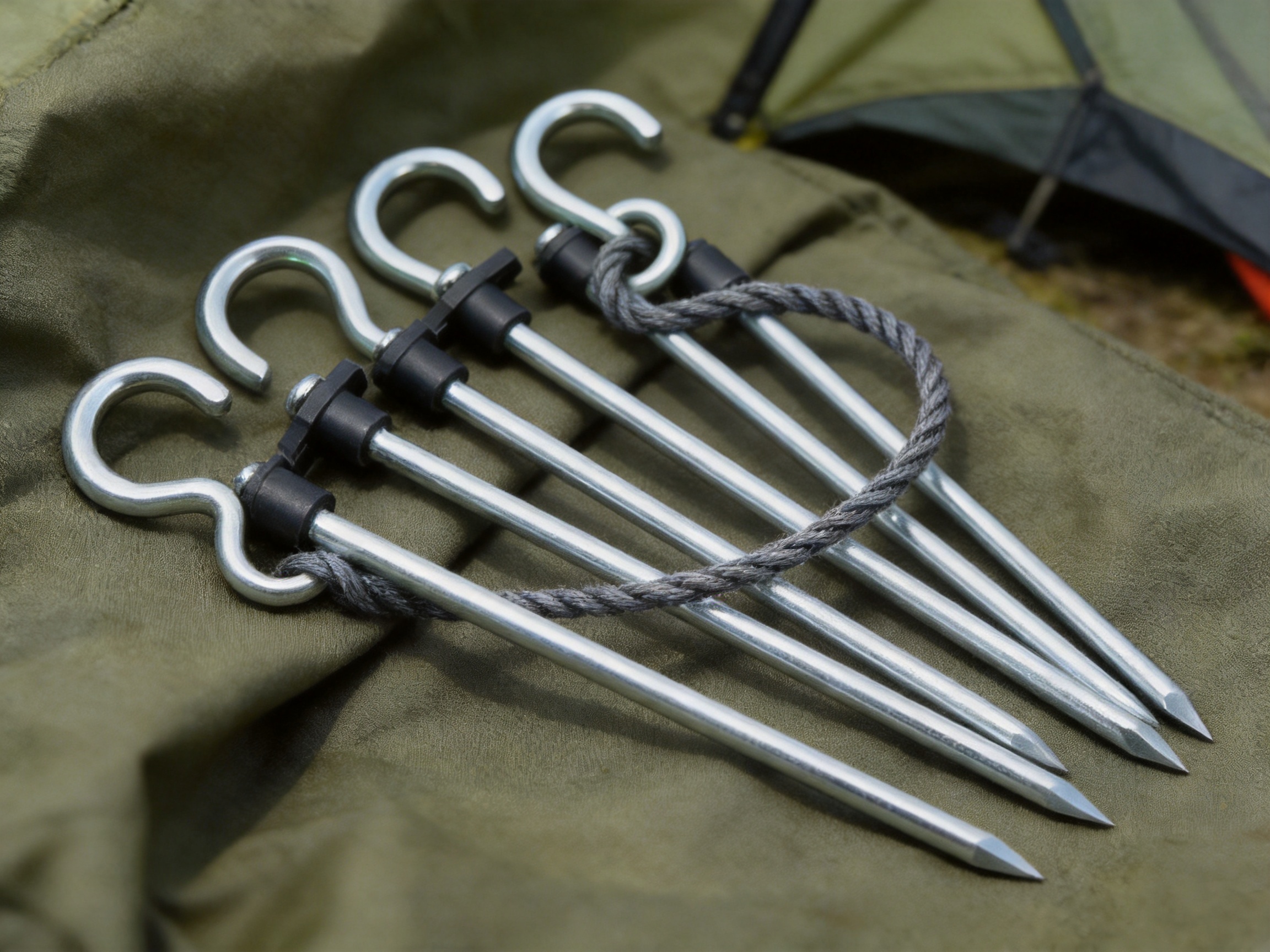
A ground stake must connect effectively with different types of cords, loops, webbing, and tarp lines. Camping gear is not standardized across all brands. Some tents use thin guy lines, others use thicker ropes, elastic loops, plastic tensioners, metal rings, or fabric tabs. A stake with limited attachment geometry may work for one system but not another. This product includes universal hooks and knot-friendly features to improve compatibility.
The hook design helps prevent ropes from slipping off under tension. This is especially important when wind pulls on a tarp or when the ground angle causes line movement. A secure hook point allows users to tension the shelter more confidently. Knot compatibility also gives campers flexibility when using improvised rope, replacement guy lines, beach tarp cords, or canopy tie-downs.
This universality makes the stake suitable for multiple product categories: tents, tarps, beach shelters, sunshades, awnings, picnic canopies, windbreaks, and outdoor covers. For retailers, this broad compatibility helps position the item as a general-purpose anchoring accessory rather than a narrow replacement part. For private-label programs, it allows one SKU to serve multiple user groups.
Competitor stakes may have simple round heads, weak hooks, or attachment points that do not hold well when the line angle changes. Some designs are difficult to remove because there is no convenient leverage point. Others damage ropes due to rough edges. A well-designed hook system must consider both secure holding and user handling. Manufacturing precision matters here because inconsistent hook geometry can affect performance and safety. CragHaven Outdoor’s commitment to sampling and optimization helps improve repeatability in such details.
25cm Length: A Practical Balance of Grip, Portability, and Versatility
The 25cm length is one of the stake’s most important functional features. Ground holding power depends on several factors, including soil type, stake shape, insertion angle, surface friction, and depth. Longer stakes generally provide better grip than short stakes because they engage more ground volume. In sandy or loose soil, depth becomes especially important because the material around the stake may shift under load.
At 25cm, the stake provides stronger anchoring than many compact pegs commonly included with budget tents. These shorter pegs may work in firm lawn soil but can pull out quickly in sand, wet ground, or windy conditions. The deeper reach of this stake improves stability for tarps and tent guy lines, especially when inserted at an appropriate angle away from the shelter.
At the same time, 25cm remains practical for transport. Extremely long stakes may be excellent for specialized sand anchoring or large commercial tents, but they can be inconvenient for general camping packs. They add weight, require more storage space, and may be unnecessary for typical family or recreational use. This product balances holding strength and portability, which is one reason it is suitable for both grass and beach environments.
The length also supports better performance when used with windproof tarpaulins. A tarp presents a large surface area to the wind. Even moderate wind can generate significant pulling force on anchor points. A deeper stake helps distribute that force into the ground. This is particularly useful on beaches, open campsites, and exposed grassy areas where wind can move freely.
Performance in Sandy Areas
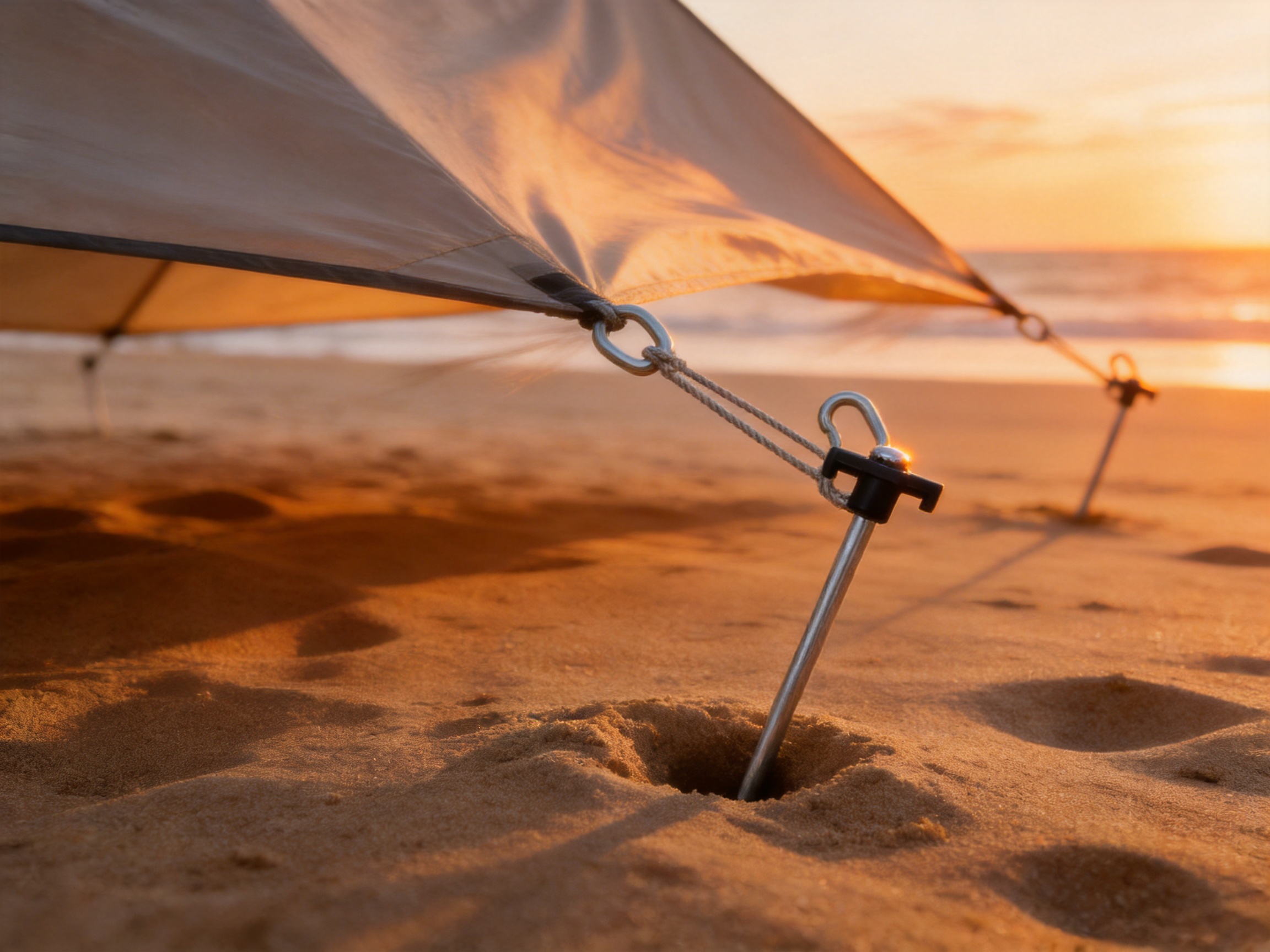
Sand is one of the most challenging surfaces for ordinary tent pegs. It lacks the compact structure of firm soil and can shift under load. Short, thin pegs often pull out easily, especially when the wind lifts a tarp or canopy. The 25cm high-carbon steel stake improves performance in sand by penetrating deeper and providing more engaged surface area than short pegs.
For beach tarpaulins, shade shelters, and seaside camping, reliable anchoring is essential. A loose tarp can flap aggressively, creating noise, stress on fabric, and possible safety risks. When inserted properly, a longer stake can improve resistance against pullout. Users may also angle the stake away from the direction of pull to increase holding strength. In very loose dry sand, additional anchoring methods such as burying the line, using sandbags, or wetting the sand may still be useful, but the 25cm steel stake provides a stronger baseline than many standard pegs.
The galvanized surface is also valuable for beach use because salt air and wet sand accelerate corrosion. While users should still clean and dry gear after coastal trips, a corrosion-resistant finish helps extend product life. The glow-in-the-dark head is convenient for evening beach setups when tarps remain installed after sunset.
Compared with plastic beach stakes, this steel model offers greater impact strength and bending resistance. Plastic stakes may be wide but can crack under force or become brittle with time and UV exposure. Compared with thin aluminum stakes, the high-carbon steel construction better resists deformation during insertion and removal. The result is a rugged, reusable beach anchoring accessory suited to frequent outdoor use.
Performance in Grassy and Firm Ground
Grassy campsites and firm soil require a different performance profile from sand. In compact ground, the main challenge is insertion resistance and bending risk. A soft stake may bend before it reaches full depth. A weak head may deform under hammering. A poorly finished stake may scrape, rust, or become difficult to remove. The hardened high-carbon steel body is well suited to this environment because it better tolerates impact and ground resistance.
In grassy areas, a 25cm stake can anchor tent corners, guy lines, tarps, and small canopy structures with dependable grip. The deeper penetration helps resist uplift forces from wind, while the hook head secures rope or loop attachments. Because grassy campsites are common in parks, campgrounds, hiking rest zones, and festival areas, this performance profile makes the stake broadly useful.
The glow-in-the-dark head is especially helpful in grass because dark stakes can disappear visually after sunset. Campers walking around a tent at night often encounter guy lines unexpectedly. A visible head helps identify the anchor point and reduces the chance of stepping directly on the stake or pulling the line accidentally.
Against competitors, this product offers a stronger alternative to the basic pegs often included in entry-level tents. Many included pegs are thin, short, and easily bent. Campers often replace them after a few trips. A durable 25cm galvanized steel stake can be marketed as an upgrade accessory that improves the usability and confidence of an existing tent system.
Table: Product Features and Practical Benefits
| Feature | Technical Purpose | User Benefit | Competitive Advantage |
|---|---|---|---|
| High-carbon steel body | Provides strength and structural integrity | Resists bending during hammering and wind tension | Stronger than many plastic, thin aluminum, or soft metal pegs |
| Hardened processing | Improves hardness and deformation resistance | Supports repeated use across different campsites | Better long-term durability than low-control untreated stakes |
| Galvanized surface | Helps resist corrosion from moisture and soil exposure | Extends service life and improves appearance after use | More suitable for damp grass, rain, and beach environments than bare steel |
| Glow-in-the-dark head | Improves low-light visibility | Helps users locate stakes at night and reduces trip risk | Adds user convenience beyond standard metal stakes |
| Universal hook and knot compatibility | Allows connection with different ropes, loops, and tarp lines | Works with tents, beach tarps, awnings, and canopies | Broader use range than single-purpose pegs |
| 25cm length | Creates deeper ground penetration | Improves grip in sandy and grassy areas | More holding power than many short stock tent pegs while remaining portable |
Advantages Over Common Competitor Products
The outdoor market contains many types of ground stakes. Each has a place, but many involve compromises. The featured 25cm high-carbon steel stake is designed to reduce those compromises by combining strength, corrosion resistance, visibility, compatibility, and versatile length.
Compared with Lightweight Aluminum Stakes
Aluminum stakes are popular because they are light. For ultralight backpacking, weight can be a decisive factor. However, aluminum stakes are often easier to bend when hammered into hard ground or when exposed to strong lateral force. Thin aluminum pegs can deform during removal, especially if twisted. For general camping, beach tarps, family shelters, and windy open areas, users may prefer stronger hardware even if it weighs more.
The high-carbon steel stake offers greater bending resistance and impact tolerance. It is better suited to situations where durability is more important than minimal pack weight. For retailers, this distinction allows the product to be positioned as a heavy-duty or reliable-use anchoring option rather than an ultralight specialty item.
Compared with Plastic Stakes
Plastic stakes are inexpensive, colorful, and sometimes effective in soft ground. However, they can crack under impact, deform under load, or become brittle over time. They are not ideal for firm soil and may not provide the same confidence in windy conditions. Plastic heads can break when struck with a mallet, especially in cold weather.
The steel stake provides a more rugged construction. Its glow-in-the-dark head preserves the visibility advantage often associated with plastic stakes, while the metal body delivers significantly stronger structural performance. This combination gives users the convenience of visibility without sacrificing strength.
Compared with Short Steel Pegs
Short steel pegs are common in budget tent kits. They may be strong enough in compact soil, but their limited length reduces holding power in loose terrain. In wind, short pegs can pull out more easily because they do not engage enough ground depth. They are also often untreated or poorly coated, leading to rust.
The 25cm length gives this product a stronger grip profile. Galvanization improves corrosion resistance, and the glow head improves usability. These features make it a meaningful upgrade over the standard short steel pegs supplied with many entry-level shelters.
Compared with Untreated Iron Stakes
Untreated iron or low-grade steel stakes may look durable at first, but rust can appear quickly after exposure to wet grass, rain, or beach conditions. Rust reduces surface quality and can eventually affect performance. Poorly controlled metal quality may also lead to inconsistent bending resistance.
The galvanized high-carbon steel stake offers a better long-term value proposition. It resists corrosion more effectively and benefits from a stronger material foundation. For buyers focused on customer satisfaction and fewer after-sales issues, this difference is important.
Manufacturing Philosophy: Built for Weather, Terrain, and Time
CragHaven Outdoor’s company philosophy is highly relevant to this product. The company states that it does not design products merely for catalogs, but for weather, terrain, and time. This idea means that a product must solve real-world usage problems, use materials that support long-term reliability, and go through sampling, testing, and optimization before production is finalized.
For a ground stake, the real-world usage problems are clear. Users need anchoring strength in varied ground. They need resistance to bending and rust. They need nighttime visibility. They need compatibility with many shelter systems. They need a product that survives more than one trip. These are not decorative features; they are practical requirements derived from field conditions.
The company’s manufacturing strength comes from combining outdoor product understanding with China’s mature and efficient manufacturing system. This combination supports stable, repeatable, scalable production. It also helps reduce uncertainty for international buyers who need reliable supply, consistent quality, and professional communication adapted to Western market expectations.
Rather than treating the stake as a commodity, the company can evaluate material grade, hardening behavior, coating quality, dimensional tolerance, head design, packaging requirements, and use-case positioning. This integrated perspective benefits both end users and business partners. A simple product becomes stronger when it is developed through a disciplined manufacturing process.
Advanced Manufacturing Processes Behind the Product
A high-quality steel ground stake requires more than cutting metal into a pointed shape. Each manufacturing stage influences performance. While exact factory procedures may vary depending on order requirements and production line configuration, the core manufacturing logic includes material selection, forming, hardening, surface treatment, head assembly or finishing, inspection, packaging, and batch control.
Material Selection
The process begins with choosing high-carbon steel suitable for outdoor stake production. Material consistency is essential because variations in composition can affect hardness, bending resistance, and response to heat treatment. Reliable sourcing reduces the risk of inconsistent batches. For B2B customers, this is important because one batch should not perform differently from another.
Forming and Shaping
The steel must be formed into a stake body with appropriate geometry for ground penetration and holding strength. The shape must support hammering, insertion, line attachment, and removal. Dimensional consistency ensures that each stake in a set performs similarly. Poorly formed stakes may have uneven tips, weak heads, rough edges, or inaccurate hook angles.
Hardening and Strength Optimization
Heat treatment or hardening improves the stake’s mechanical properties. The goal is to increase resistance to bending while maintaining enough toughness for impact use. This stage requires process control. Overprocessing can create brittleness, while underprocessing may leave the stake too soft. A manufacturer with practical outdoor product knowledge understands that laboratory hardness alone is not enough; the product must also survive field-style impact and leverage.
Galvanization
After forming and strengthening, the stake receives a galvanized finish to help protect against corrosion. Surface preparation is important because poor cleaning can reduce coating uniformity. A consistent zinc layer improves resistance to moisture and supports long-term appearance. Quality inspection may check coating coverage, surface defects, and overall finish.
Glow Head Integration
The glow-in-the-dark head must be durable enough for outdoor handling and visible enough for nighttime use. Its integration should not interfere with rope attachment or hammering performance. If the head is poorly attached or weak, it may become a failure point. Proper design and inspection ensure that the visibility feature adds value without compromising structural function.
Final Inspection and Packaging
Finished stakes should be inspected for straightness, surface finish, hook geometry, head quality, and overall appearance. Packaging must protect the product during shipping and make it convenient for retail or e-commerce sales. For international buyers, packaging can be adapted for private-label branding, set quantities, barcode needs, or market-specific presentation.
Quality Control: Reducing Risk for Users and Buyers
Quality control is a major differentiator in camping accessories. Because ground stakes are often seen as low-complexity items, some suppliers may reduce inspection standards. This can lead to inconsistent hardness, bent products, rough edges, poor galvanization, weak heads, or inaccurate dimensions. Such issues damage user trust and create supply chain problems for retailers.
CragHaven Outdoor aims to reduce uncertainty in the supply chain by participating in both design and manufacturing. This is different from simple factory sourcing. The company’s approach includes understanding how outdoor products are used, communicating in a Western-market-oriented way, and prioritizing stable long-term partnerships. For buyers, this means better alignment between product specification, real usage requirements, and production execution.
Potential quality checks for this type of product include visual inspection for surface defects, straightness checks, bend resistance evaluation, hook shape verification, head attachment inspection, corrosion resistance assessment, coating uniformity checks, and packaging review. For larger orders, batch sampling can help confirm consistency. These controls reduce the probability of defective products reaching end users.
Quality control also supports brand reputation. A camper may not think much about a ground stake when it works properly. But if it bends, rusts, or disappears in the grass at night, the problem becomes memorable. A reliable stake helps the entire shelter experience feel better. For retailers and distributors, dependable small accessories can drive repeat purchases and strengthen trust.
Design for Real Outdoor Use, Not Just Specifications
Many outdoor products are marketed through specifications alone: length, weight, material, coating, and quantity. Specifications matter, but they do not tell the whole story. A stake must be evaluated according to use patterns. How will people hammer it? What ground will they use it in? How will they remove it? Will they find it at night? Will it rust after storage? Will it work with different ropes?
The 25cm high-carbon steel stake reflects a use-driven design approach. Its material choice addresses bending. Its galvanized finish addresses corrosion. Its glow head addresses visibility. Its universal hook addresses compatibility. Its length addresses holding power. These features align directly with field problems rather than decorative marketing claims.
This practical design philosophy is especially important in the current outdoor market. Consumers are increasingly informed. They compare reviews, watch setup videos, and understand the difference between low-cost accessories and dependable gear. A product that performs well in everyday conditions has greater long-term value than one that only appears attractive in online images.
For business buyers, use-driven design also reduces returns and negative feedback. When an accessory solves real problems, customers are more likely to perceive it as a worthwhile upgrade. The stake can be sold as part of a tent kit, a beach tarp bundle, a camping accessory set, or a replacement hardware pack.
Applications Across Camping, Beach, and Outdoor Shelter Systems
The stake’s broad compatibility makes it useful in many outdoor scenarios. Its main applications include tent anchoring, tarp tie-downs, beach shelter support, awning stabilization, canopy anchoring, windbreak setup, picnic cover installation, and emergency outdoor shelter reinforcement. Because the product works in both sandy and grassy areas, it can move between environments without requiring separate specialized hardware for every trip.
In tent camping, the stakes can secure tent corners and guy lines. Better anchoring helps maintain fabric tension and improves weather performance. In windy conditions, properly installed guy lines reduce stress on poles and fabric panels. A strong stake contributes to the entire tent structure.
For beach tarps, the stakes provide deeper anchoring than short pegs. Users can secure shade cloths, sun shelters, or windbreak lines more confidently. The galvanized finish helps withstand moisture exposure, and the glow head helps locate anchor points after sunset.
For camping canopies and picnic shelters, the stakes can help hold ropes or tie-down lines. Canopies can catch wind easily, so anchoring hardware is important even in mild weather. While users must always match stake selection to shelter size and conditions, a 25cm high-carbon steel stake is a strong general-purpose option for many recreational setups.
In emergency or temporary outdoor use, such as securing a rain cover, storage tarp, or gear protection sheet, the universal hook design allows flexible rope attachment. This adaptability adds value for campers who prefer multi-purpose equipment.
Market Value for Retailers, Distributors, and Private-Label Buyers
From a commercial perspective, the product has several attractive qualities. It is practical, widely needed, easy to understand, and compatible with multiple outdoor categories. Ground stakes are replacement items because users bend, lose, or upgrade them. They are also bundle items that can be packaged with tarps, tents, rope kits, camping mallets, or beach shelter accessories.
Retailers can position the stake as a durable upgrade from standard tent pegs. E-commerce sellers can highlight its high-carbon steel body, 25cm length, corrosion-resistant galvanized finish, glow-in-the-dark head, and universal hook compatibility. Outdoor distributors can offer it as part of a stable camping accessory assortment. Private-label buyers can request customized packaging, set quantities, or market-specific presentation depending on project needs.
The product’s value is not only in individual performance, but in supply chain reliability. CragHaven Outdoor is based in Hangzhou, China, and focuses on mountaineering, hiking, and camping scenarios for global markets. The company combines outdoor product understanding with manufacturing participation, rather than only acting as a sourcing intermediary. This can help international partners reduce development uncertainty and improve product-market fit.
For global buyers, communication quality is also important. Outdoor products must be described accurately, packaged appropriately, and aligned with target-market expectations. CragHaven Outdoor emphasizes professional, Western-market-oriented communication and long-term partnerships. This can support smoother sampling, specification confirmation, quality expectations, and repeat production.
Sustainability Through Durability and Long-Term Use
Sustainability in outdoor gear is often discussed through recycled materials or minimal packaging, but durability is also a critical part of responsible product design. A stake that bends after one trip creates waste. A stake that rusts quickly is replaced sooner. A product that lasts longer reduces unnecessary consumption and improves user value.
The high-carbon steel construction, hardening, and galvanized surface all contribute to longer service life. The product is designed for repeated use rather than disposable convenience. This aligns with CragHaven Outdoor’s principle of choosing materials for durability, reliability, and long-term use rather than short-term trends.
Durability also supports customer trust. Outdoor users depend on their gear in real conditions. When equipment performs reliably over time, users are more likely to keep it, recommend it, and return to the brand or retailer for future purchases. In this way, long-term product value is both an environmental and commercial advantage.
Best Practices for Using 25cm Steel Ground Stakes
Even the best stake performs better when used correctly. Users should insert the stake at an angle away from the direction of pull, usually around 45 degrees depending on terrain and shelter setup. This improves resistance against pullout. The guy line should be tensioned firmly but not excessively, as overtensioning can stress fabric or cord components.
In firm ground, users should avoid striking the stake at an extreme side angle. A camping mallet or appropriate hammer should be used with controlled force. If the stake encounters a rock or root, repositioning may prevent unnecessary stress. In sandy ground, deeper insertion and a more horizontal pull angle can improve holding. In very loose sand, additional methods such as burying the anchor line or using wider sand anchors may be considered for large shelters or strong wind.
After use, stakes should be cleaned of mud, sand, and salt residue. They should be dried before long-term storage when possible. Although galvanization improves corrosion resistance, good maintenance extends product life further. Users should also store stakes in a pouch or dedicated compartment to protect tent fabric and other gear from abrasion.
At night, the glow-in-the-dark head helps identify anchor points, but users should still keep walking paths clear and avoid placing guy lines across high-traffic areas. For group camps, visible lines or reflective cord can further improve safety.
Why This Product Reflects Better Outdoor Manufacturing
Strong outdoor manufacturing is not only about factory capacity. It is about understanding the relationship between environment, material, process, and user behavior. This stake reflects that relationship. The terrain demands grip, so the stake uses a 25cm length. The weather brings moisture, so the product is galvanized. The ground resists insertion, so the body is high-carbon and hardened. Users operate after dark, so the head glows. Different shelters use different ropes, so the hook is universal.
This chain of reasoning is what separates purpose-built outdoor accessories from generic hardware. CragHaven Outdoor’s strengths lie in this type of reasoning: observing real outdoor usage, developing products around practical scenarios, relying on mature manufacturing systems, and optimizing through sampling and testing. The result is a product that can serve end users while also meeting the reliability expectations of international buyers.
The stake’s simple appearance should not hide the manufacturing discipline behind it. Material selection, hardening control, galvanization quality, head design, hook geometry, and final inspection all influence whether the product performs well. When these elements are handled carefully, a ground stake becomes a dependable part of the camping system rather than a weak link.
Q&A Section
What is the main purpose of this 25cm high-carbon steel ground stake?
Its main purpose is to anchor tents, tarps, beach shelters, canopies, awnings, and other outdoor covers securely to the ground. It is designed to provide strong grip in sandy and grassy areas while resisting bending and corrosion.
Why is high-carbon steel better than ordinary soft metal for this product?
High-carbon steel can provide stronger hardness and bending resistance when properly processed. This makes the stake more suitable for hammering into firm ground and resisting wind tension compared with many soft metal alternatives.
Does the galvanized finish prevent all rust?
Galvanization improves corrosion resistance by adding a protective surface layer, but no outdoor metal product is completely immune to harsh conditions. Cleaning and drying the stakes after wet or salty use will help extend their service life.
Why is the glow-in-the-dark head useful?
The glow-in-the-dark head improves visibility at night, making it easier to locate anchor points, adjust guy lines, and reduce the risk of tripping or losing stakes in grass or sand.
Can this stake be used on beaches?
Yes. The 25cm length provides better grip than many short pegs in sandy areas, and the galvanized finish helps resist moisture-related corrosion. In very loose dry sand or strong wind, users may combine the stake with additional anchoring methods for larger shelters.
Can this stake be used in firm grassy ground?
Yes. The hardened high-carbon steel body is designed to resist bending during insertion, making it suitable for grassy campsites and firmer soil conditions.
How does it compare with aluminum stakes?
Aluminum stakes are usually lighter, but they can bend more easily under impact or side load. This high-carbon steel stake is better suited for users who prioritize durability, grip, and repeated use over minimum weight.
Is this product suitable for private-label or wholesale outdoor gear programs?
Yes. Its broad application range, practical feature set, and manufacturing stability make it suitable for retailers, distributors, e-commerce sellers, and private-label camping accessory programs.
What makes this stake different from basic tent pegs included with many tents?
Many basic tent pegs are short, thin, untreated, or easily bent. This product offers a 25cm length, high-carbon steel construction, hardened processing, galvanized corrosion resistance, universal hook compatibility, and a glow-in-the-dark head.
How should users maintain the stakes after camping?
Users should remove soil, sand, and salt residue, dry the stakes before storage when possible, and keep them in a pouch or accessory bag to protect other gear.
Conclusion: A Reliable Anchor for Better Outdoor Shelter Performance
The 25cm high-carbon steel ground stake demonstrates how a seemingly simple camping accessory can deliver significant practical value when designed and manufactured with real outdoor use in mind. Its hardened high-carbon steel body provides strength and bending resistance. Its galvanized finish helps protect against corrosion. Its glow-in-the-dark head improves nighttime visibility. Its universal hook and knot compatibility support different shelter systems. Its 25cm length offers dependable grip in both sandy and grassy areas.
Compared with many competitor products, it provides a better balance of durability, usability, and versatility. It is stronger than many lightweight aluminum or plastic alternatives, more corrosion-resistant than untreated steel, and more secure in loose terrain than many short pegs. For campers, this means improved confidence during setup. For retailers and distributors, it means a practical product with clear selling points and broad market application.
CragHaven Outdoor’s manufacturing strengths further support the product’s value. The company’s emphasis on weather, terrain, and time leads to products designed around actual field problems. Its commitment to material durability, sampling, testing, optimization, and stable production helps reduce supply chain uncertainty for global partners. In a market crowded with generic camping accessories, this approach creates meaningful differentiation.
A shelter is only as stable as its anchor points. By improving those anchor points with stronger material, smarter finishing, better visibility, and versatile compatibility, this 25cm high-carbon steel ground stake becomes more than a small accessory. It becomes a dependable part of the outdoor experience, helping tents, tarps, and shelters remain secure when users need them most.
References
1. Outdoor Industry Association. Outdoor Recreation Product Durability and Consumer Use Patterns.
2. ASTM International. Standard Practices Related to Metallic Coatings and Corrosion Resistance Testing.
3. ASM International. Heat Treatment and Properties of Carbon and Alloy Steels.
4. The Mountaineers. Camping and Outdoor Shelter Setup Principles.
5. National Outdoor Leadership School. Field Practices for Campsite Safety and Shelter Anchoring.
6. Materials Engineering Handbook. Zinc Coatings, Galvanization, and Atmospheric Corrosion Protection.
Product: Outdoor camping tent with 25cm ground stakes, beach tarpaulin, and windproof steel studs


- Phone: +86-15968800379
- E-mail: [email protected]
- Address: Room 1002, Huishang Building, Gongshu District, Hangzhou City, Zhejiang Province.
Copyright © CragHaven Outdoor All Rights Reserved. Outdoor Gear Manufacturers Wholesale Mountaineering Camping Gear Suppliers
