

 English
 Deutsch
 Español
 Français

Two-Person Camping Outdoor Tent for Reliable Double Camping in Real Weather
Content
- 1 Product Overview: A Practical Shelter for Two Campers
- 2 Key Product Information
- 3 Why the Double-Layer Structure Matters
- 4 Rain Protection and Waterproof-Coated Polyester
- 5 The Importance of Fully Taped Seams
- 6 Breathable Inner Tent and Condensation Management
- 7 Manual Setup: Stability, Control, and Field Reliability
- 8 Advantages Over Common Competitor Tents
- 9 Designed for Real Camping Scenarios
- 10 Manufacturing Philosophy Behind the Product
- 11 Advanced Manufacturing Processes and Quality Control
- 12 Supply-Chain Strength for Global Buyers
- 13 Material and Construction Balance
- 14 User Experience: What Campers Notice
- 15 Commercial Value for Retailers and Private-Label Programs
- 16 Maintenance and Long-Term Use Guidance
- 17 Why Manufacturing Consistency Is a Competitive Advantage
- 18 Recommended Positioning in the Outdoor Market
- 19 Q&A Section
- 19.1 Q1: What is the main advantage of the double-layer structure?
- 19.2 Q2: Why are fully taped seams important?
- 19.3 Q3: Is polyester a good fabric for camping tents?
- 19.4 Q4: How does the breathable inner tent help campers?
- 19.5 Q5: Why choose manual setup instead of an automatic structure?
- 19.6 Q6: Is this tent suitable for rainy camping?
- 19.7 Q7: Who is the ideal user for this two-person tent?
- 19.8 Q8: What makes this product stronger than many low-cost competitors?
- 19.9 Q9: How does CragHaven Outdoor support product reliability?
- 19.10 Q10: Can the tent be adapted for different markets?
- 20 Conclusion
- 21 References
- 22 Product: Two-person camping outdoor tent
A two-person camping tent is not merely a sleeping shelter. For hikers, weekend campers, overland travelers, scouts, and outdoor retailers serving active users, it is a small, portable weather-management system. The Two-person camping outdoor tent, product model WFLY261001, is designed around that practical understanding. It combines a classic double-layer structure, a rainproof outer tent, a breathable inner tent, waterproof-coated polyester fabric, fully taped seams, and manual setup stability to create a dependable shelter for two-person camping scenarios.
This article examines the product from a professional outdoor equipment perspective. It explains why the double-layer design remains one of the most proven configurations for camping tents, how waterproofing and condensation control work together, why taped seams matter, how manual setup can improve reliability, and how manufacturing discipline directly affects performance in the field. It also highlights the strengths of CragHaven Outdoor as a manufacturing partner for global outdoor markets, especially in product development, material selection, sampling, testing, and long-term supply-chain cooperation.
For outdoor buyers, brand owners, distributors, and retailers, a tent must be evaluated beyond appearance. Color selection, packability, and marketing photos matter, but the most important questions are practical: Will the tent resist rain? Will it reduce condensation? Will the seams leak after repeated use? Can the setup process remain stable in changing outdoor conditions? Can the supplier maintain consistent quality across batches? WFLY261001 is positioned as a functional answer to those questions.
Two-person camping outdoor tent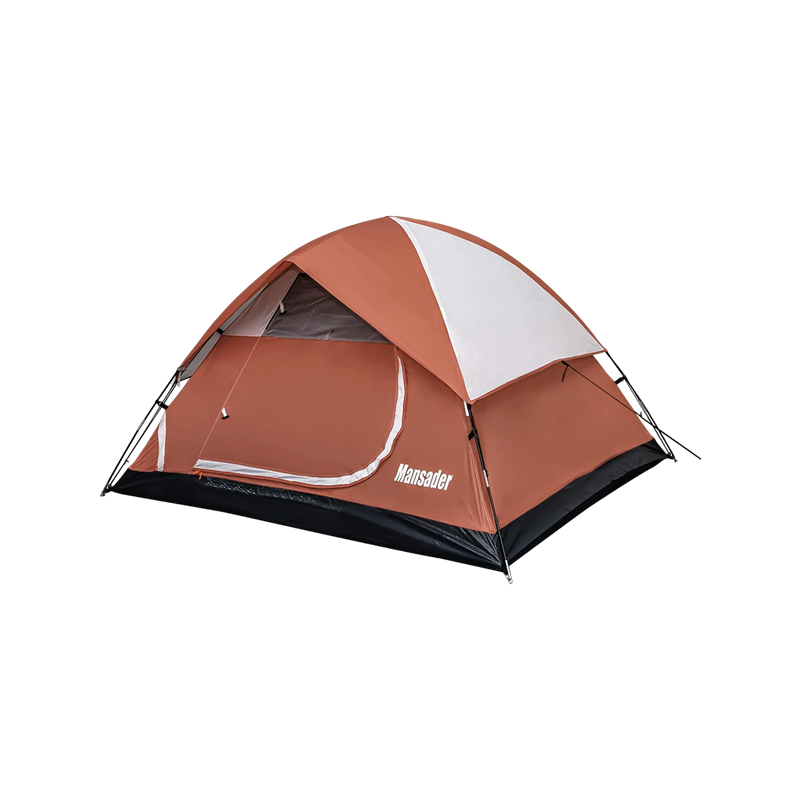
Product Overview: A Practical Shelter for Two Campers
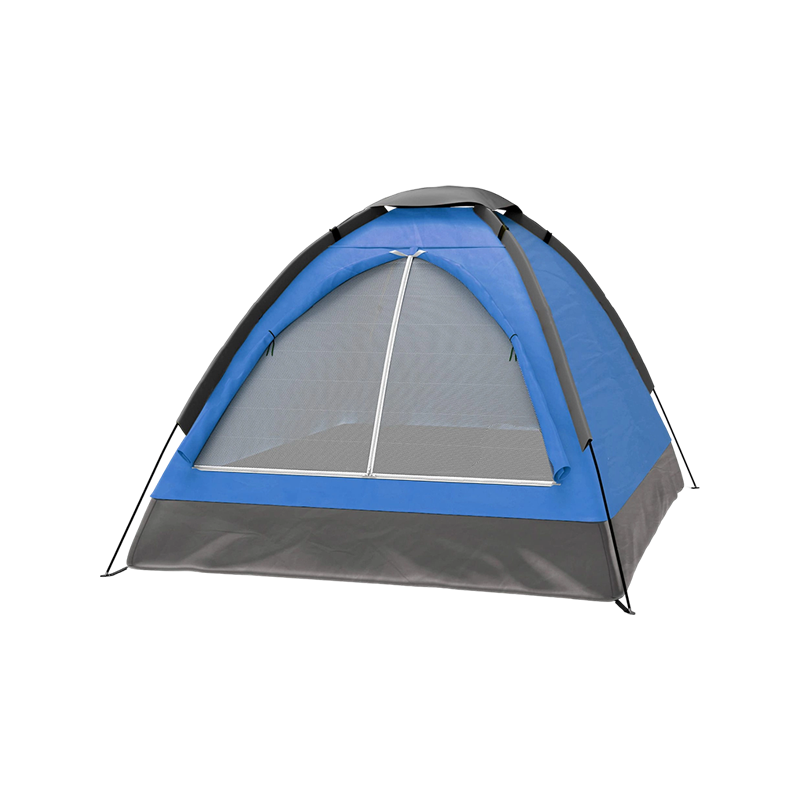
The Two-person camping outdoor tent is categorized as a camping tent for mountain-climbing and camping gear applications. Its core structure uses a classic double-layer design: an outer rainproof flysheet and an inner breathable compartment. This construction is widely respected in outdoor equipment because it separates the rain-protection layer from the sleeping area. Instead of forcing one fabric to manage both waterproofing and breathability, the tent assigns each layer a distinct job.
The rainproof outer tent is designed to block external precipitation and help guide water away from the sleeping area. The breathable inner tent supports ventilation and comfort inside the sleeping space. Together, the two layers help reduce condensation, one of the most common comfort problems in compact tents. Condensation can occur when warm, humid air from breathing and body heat meets cooler tent fabric. A double-layer structure gives moisture a better path to escape or collect away from the occupants.
The product uses polyester fabric with a waterproof coating. Polyester is a practical tent material because it offers a strong balance of weight, durability, dimensional stability, and cost efficiency. Compared with some nylon fabrics, polyester generally absorbs less water and stretches less when wet, which helps the tent maintain shape during rainfall. The waterproof coating adds an essential barrier against water penetration, while fully taped seams reinforce one of the most vulnerable areas in any tent: the stitched lines.
The tent is available in multiple colors to meet individual preferences and market positioning. Color options are more than cosmetic. Retailers may use different colors to target family camping, outdoor youth programs, adventure travel, or minimalist hiking markets. In outdoor use, color can also influence visibility, heat absorption, and the user’s emotional connection to the product.
The tent uses manual setup. While automatic mechanisms are popular in casual camping products, manual setup remains a reliable choice for users who prioritize stability, field repairability, and structural control. A properly designed manual tent can offer stronger tension distribution, more secure anchoring, and better adaptability to uneven ground. For two-person camping, where a compact but stable shelter is essential, manual setup is often the preferred approach.
Key Product Information
| Item | Details |
|---|---|
| Product Name | Two-person camping outdoor tent |
| Product Model | WFLY261001 |
| Category | Tent |
| Suitable Use | Two-person camping, hiking camps, outdoor travel, weekend camping |
| Structure | Classic double-layer design |
| Outer Layer | Rainproof outer tent |
| Inner Layer | Breathable inner tent |
| Fabric | Polyester with waterproof coating |
| Seam Treatment | Fully taped seams |
| Setup Type | Manual setup for stability and reliability |
| Color Options | Multiple colors available |
Why the Double-Layer Structure Matters
The double-layer tent structure is one of the most important advantages of this product. Many entry-level tents use a single-layer design because it can be simpler and cheaper to produce. However, single-layer tents often struggle to balance waterproof protection with ventilation. If the fabric is highly waterproof but poorly ventilated, condensation may form inside. If the fabric is highly breathable but not waterproof enough, rain resistance becomes weak. The double-layer design solves this conflict by separating functions.
In WFLY261001, the outer tent works as the first defense against weather. Rain, drizzle, wind-driven moisture, and morning dew are intercepted by the outer layer. The inner tent creates a breathable sleeping chamber that helps manage internal humidity. The gap between the outer and inner layers functions as a buffer zone. This space allows airflow and helps reduce direct contact between condensed moisture and the occupants’ sleeping bags or clothing.
For two campers, condensation control is especially important. A small tent contains limited air volume, and two sleeping people release significant moisture through breathing. In cool weather, the temperature difference between the inside and outside can create moisture on fabric surfaces. If a tent lacks effective ventilation and layer separation, users may wake up with damp sleeping bags, wet walls, or an uncomfortable interior. A double-layer design improves comfort and protects gear.
This structure also enhances seasonal flexibility. While the tent is not presented as an extreme expedition shelter, its design is suitable for general outdoor camping conditions where rain protection, breathability, and stability are necessary. For distributors, this broad usability is valuable because it allows the product to serve multiple consumer groups rather than a narrow niche.
Rain Protection and Waterproof-Coated Polyester
Rain protection is one of the defining responsibilities of a camping tent. A tent that looks attractive but fails under rain quickly damages user trust. WFLY261001 uses polyester fabric with a waterproof coating, which gives the shelter a practical foundation for wet-weather use.
Polyester is widely used in outdoor shelters because it performs consistently under varied conditions. It is generally resistant to stretching when wet, helping the tent maintain its intended shape during rainfall. When a tent fabric sags, water can collect in low points, tension can become uneven, and fabric may touch the inner layer. By helping retain shape, polyester contributes to reliable rain shedding.
The waterproof coating improves the fabric’s ability to resist water penetration. In tent manufacturing, coating quality matters as much as fabric selection. A coating must be applied evenly, cured properly, and matched to the intended product category. Poorly coated fabric may show weak points, uneven waterproof performance, or reduced long-term durability. CragHaven Outdoor’s product philosophy emphasizes material reliability and long-term use rather than short-term trends, which is essential for outdoor shelters.
Waterproof performance depends not only on the main fabric panel but also on the full construction. Fabric panels, seams, corners, zipper areas, guy-out points, and floor connections all influence real-world water resistance. This is why WFLY261001’s fully taped seams are a major advantage. Even if the main fabric is waterproof, needle holes created during sewing can allow water to pass through. Seam taping seals these stitched areas, improving the tent’s resistance to leakage.
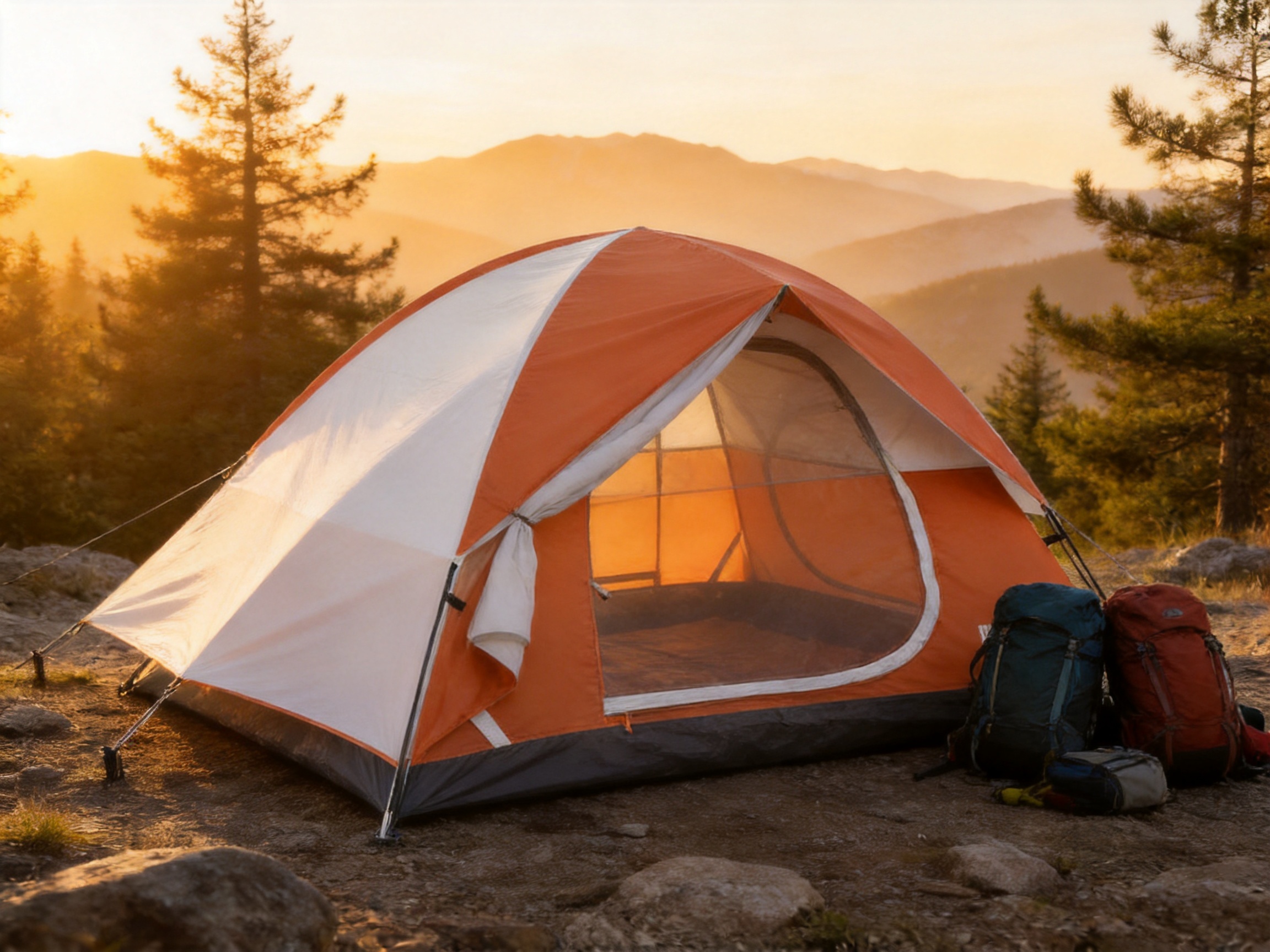
The Importance of Fully Taped Seams
Seams are often the hidden test of tent quality. Consumers may notice fabric color, shape, or size first, but experienced campers and professional buyers pay close attention to seam treatment. Every stitched seam creates small needle holes. Without proper sealing, these points may become leakage paths under sustained rain or pressure.
Fully taped seams provide a protective layer over the stitching. During manufacturing, seam tape is applied with controlled heat, pressure, and alignment. This process bonds the tape to the fabric and covers the needle holes. Good seam taping requires compatible materials, trained operators, consistent equipment settings, and careful inspection. If temperature is too low, the tape may not bond securely. If temperature is too high, the fabric or coating may be damaged. If pressure is uneven, tape adhesion can be inconsistent.
This is where manufacturing strength becomes visible. A supplier that treats seam taping as a routine step may overlook small defects. A professional outdoor manufacturer understands that seam sealing is directly connected to user experience. CragHaven Outdoor’s approach emphasizes sampling, testing, and optimization as standard processes. For a waterproof tent, that means the design cannot stop at a drawing or catalog image. It must be tested in ways that reflect actual outdoor use.
Compared with competitors that rely only on basic stitching or partial seam sealing, WFLY261001 provides a stronger rain-resistance solution. Fully taped seams support the product’s positioning as a practical double camping shelter. For buyers, this feature can also reduce after-sales complaints caused by water leakage. In competitive outdoor markets, fewer performance complaints mean stronger brand reputation and better long-term customer retention.
Breathable Inner Tent and Condensation Management
Condensation is frequently misunderstood. Many users assume that any moisture inside a tent means the tent is leaking. In reality, condensation can occur even when the tent is fully waterproof. Human breathing, damp clothing, wet ground, and temperature differences all contribute to moisture accumulation. A good tent design does not promise to eliminate condensation under every condition, but it can significantly reduce the likelihood of uncomfortable moisture buildup.
The breathable inner tent in WFLY261001 helps manage this issue. By allowing moisture vapor to move away from the sleeping area, the inner tent improves interior comfort. The double-layer structure also helps keep condensed moisture on the inside of the outer fly rather than directly against the campers. This is especially important when two people share the same compact shelter.
Ventilation is not only about comfort. It also helps protect sleeping bags, insulating clothing, electronic devices, and personal items. Damp gear can reduce warmth, increase odor, and create inconvenience during multi-day trips. A breathable inner tent supports better gear preservation and a more pleasant camping experience.
Compared with low-cost single-layer competitors, the breathable inner layer gives WFLY261001 a clear usability advantage. It is better suited for real outdoor conditions where temperature changes, humidity, and user activity create moisture challenges. For outdoor retailers, explaining condensation management can become an important selling point because it educates customers and reduces unrealistic expectations.
Manual Setup: Stability, Control, and Field Reliability
Manual setup is sometimes viewed as less convenient than instant or pop-up systems, but for many outdoor users it is the more reliable choice. A manual tent allows users to control pole placement, fabric tension, stake positioning, and guyline adjustment. This matters in real campsites, where the ground may be uneven, wind direction may change, and available space may be limited.
WFLY261001 uses manual setup for stability and reliability. Instead of relying on complex spring-loaded structures, the tent can be pitched with deliberate tensioning. This allows the outer tent to maintain proper shape, improving rain shedding and wind behavior. A well-tensioned flysheet is less likely to flap excessively, sag into the inner tent, or collect water.
Manual setup also supports easier field understanding. Users can see how the shelter works: poles create structure, stakes secure the base, guylines distribute stress, and fabric panels form protective surfaces. If something needs adjustment, users can usually identify the issue and correct it. With some automatic systems, failure of a mechanism may be difficult to repair outdoors.
For manufacturers and private-label buyers, manual setup can also support product consistency. It avoids overdependence on fragile mechanical components and focuses instead on fabric cutting accuracy, pole geometry, stitching quality, and tension design. In competitive markets, this can be an advantage because it combines user confidence with simpler long-term maintenance.
Advantages Over Common Competitor Tents
The two-person tent category is highly competitive. Many products look similar in product photos, but differences become clear in outdoor use. WFLY261001 distinguishes itself through a balanced combination of double-layer construction, waterproof-coated polyester, fully taped seams, condensation-conscious design, manual setup stability, and manufacturing discipline.
First, compared with basic single-layer tents, this model offers better separation between weather protection and living comfort. Single-layer tents may be attractive for low-cost markets, but they often create condensation problems. WFLY261001’s rainproof outer tent and breathable inner tent provide a more complete shelter solution.
Second, compared with tents that use waterproof fabric but neglect seam sealing, this product improves the weakest points of water resistance. Fully taped seams help prevent leakage along stitch lines. This is a meaningful performance advantage, especially in rainy camping conditions.
Third, compared with purely fashion-driven tents, WFLY261001 focuses on real outdoor needs. The product does offer multiple colors, but its foundation is functional: waterproofing, ventilation, stability, and reliable setup. This aligns with CragHaven Outdoor’s principle that products should be designed for weather, terrain, and time rather than for catalogs alone.
Fourth, compared with suppliers that only source existing factory products, CragHaven Outdoor participates in design and manufacturing decisions. This matters for global buyers because performance consistency depends on more than finding a low price. It depends on understanding usage scenarios, selecting appropriate materials, controlling production details, and improving products through testing.
Fifth, compared with overly complicated designs, this tent remains straightforward. A two-person camping tent must be practical for ordinary outdoor users. Excessive features can increase weight, failure points, and cost. WFLY261001 keeps the main value clear: dependable shelter for two campers.
Designed for Real Camping Scenarios
A tent intended for real use must consider how campers behave in the field. Users may arrive at camp near sunset, pitch the tent in light rain, handle poles with cold hands, place gear inside quickly, and expect the shelter to perform overnight. They may not have perfect ground conditions. They may need to repack the tent in the morning when the flysheet is damp. They may use the tent repeatedly over a season.
WFLY261001’s practical design supports these situations. The double-layer structure offers weather protection and breathability. Polyester fabric helps maintain shape in wet conditions. Taped seams address leakage risks. Manual setup allows stable pitching and adjustment. Multiple colors help retailers and buyers match different market preferences.
For two-person camping, space efficiency is important. A tent must provide enough sleeping room while remaining portable. Although exact packed dimensions and weight are not specified in the provided materials, the product concept clearly targets double camping use. The value lies in creating a shelter that two people can depend on for common outdoor trips, rather than an oversized family tent or a specialized alpine shelter.
This makes the tent suitable for weekend camping, hiking trips, outdoor education, campground travel, youth programs, festival camping where weather resistance is still needed, and general recreational outdoor use. It is also appropriate for global private-label programs that require a reliable mid-range two-person tent with proven construction logic.

Manufacturing Philosophy Behind the Product
CragHaven Outdoor is based in Hangzhou, China, and operates as an outdoor brand and cross-border manufacturing partner. The company focuses on mountaineering, hiking, and camping scenarios, delivering functional and reliable outdoor gear for global markets. Its manufacturing philosophy is especially relevant to a tent like WFLY261001 because outdoor shelters depend on material decisions, process consistency, and product testing.
The company’s development principles are clear: products should not be designed only for catalogs, but for weather, terrain, and time. Every feature must solve real-world usage problems. Materials should be selected for durability, reliability, and long-term use rather than temporary trends. Sampling, testing, and optimization are standard processes that cannot be omitted.
This philosophy directly supports the product’s strengths. A double-layer tent is not chosen merely because it is common; it is chosen because it solves the practical conflict between rain protection and breathability. Waterproof-coated polyester is not selected merely because it is available; it is chosen because it supports stable shelter performance in wet conditions. Fully taped seams are not a decorative specification; they are a response to the real leakage risks created by stitching.
CragHaven Outdoor also aims to reduce uncertainty in the supply chain. For international buyers, uncertainty is a major cost. Delayed communication, inconsistent materials, untested substitutions, and poor batch control can damage market launches. A manufacturing partner that understands outdoor use and communicates in a Western-market-oriented way can help reduce these risks.
Advanced Manufacturing Processes and Quality Control
Reliable tent manufacturing requires a connected production system. Each step affects the next. Fabric selection affects cutting, coating compatibility affects seam taping, stitching accuracy affects waterproofing, and final inspection affects user satisfaction. CragHaven Outdoor’s strength lies in its understanding that outdoor product quality cannot be added at the end; it must be built into every stage.
The process begins with product definition. Before production, the intended use scenario must be clear. A two-person camping tent needs different priorities from a family cabin tent or an ultralight expedition shelter. WFLY261001 is positioned for stable double camping, so the design emphasizes waterproofing, breathability, reliable setup, and practical durability.
Material selection follows. Polyester fabric with waterproof coating must be evaluated for hand feel, coating uniformity, water resistance, tear behavior, color consistency, and compatibility with sewing and seam taping. Good material sourcing is not simply buying fabric at the lowest cost. It requires selecting materials that can be manufactured consistently and perform reliably after repeated folding, pitching, packing, and exposure.
Pattern development and cutting are also important. Tent panels must be cut accurately to achieve proper shape and tension. If panels are inconsistent, the tent may pitch poorly, creating sagging areas that collect water or stress points that reduce durability. Computer-aided pattern management and disciplined cutting control can improve batch consistency.
Sewing quality determines structural strength. Stitch density, thread type, seam alignment, reinforcement placement, and operator skill all affect tent performance. A strong-looking seam may still fail if thread tension is wrong or if reinforcement is insufficient at stress points. For a tent that must withstand repeated setup and outdoor tension, sewing consistency is essential.
Seam taping is another advanced process area. As noted earlier, taped seams require controlled heat, pressure, and material compatibility. The process must be monitored carefully because small defects may not be visible to casual inspection but can become leakage points in the field. Professional manufacturing includes inspection of tape alignment, adhesion, and coverage.
Assembly testing completes the loop. A tent should be pitched and checked to confirm shape, tension, component fit, and usability. Sampling and testing help identify issues before mass production. CragHaven Outdoor’s emphasis on repeated sampling and optimization supports this kind of process discipline.
Supply-Chain Strength for Global Buyers
For global outdoor companies, product quality is only one part of supplier value. Communication, consistency, scalability, and long-term cooperation are equally important. CragHaven Outdoor presents itself as a cross-border manufacturing partner, not simply a factory source. This distinction matters because successful outdoor products require alignment between market expectations and production execution.
International buyers often need suppliers who understand Western outdoor markets. This includes realistic performance claims, clean product communication, practical packaging needs, regulatory awareness, and responsiveness during development. A supplier that understands how outdoor products are actually used can help prevent overpromising and underperforming.
CragHaven Outdoor’s location in Hangzhou, Zhejiang Province, supports access to China’s mature and efficient manufacturing system. This industrial environment helps transform design intent into stable, replicable, and scalable products. For a tent such as WFLY261001, scalability matters because buyers may start with smaller orders and later expand into larger programs. Consistent replication of materials, colors, seam quality, and packaging is essential.
The company’s focus on long-term, stable, and sustainable partnerships also benefits buyers. Outdoor product programs often evolve over multiple seasons. A tent may require color updates, packaging adjustments, material refinements, or custom branding. A dependable manufacturing partner can maintain the core construction while adapting details for specific markets.
Material and Construction Balance
A good camping tent is a balance of competing demands. It must be protective but not overly heavy, durable but not unnecessarily expensive, breathable but water resistant, stable but easy enough to pitch, and attractive but not superficial. WFLY261001 reflects this balance.
The polyester fabric supports durability and shape retention. The waterproof coating provides rain resistance. The breathable inner tent supports comfort. Fully taped seams address a critical vulnerability. Manual setup provides stability and control. Multiple colors support market flexibility.
This balanced construction is important because some competitor tents overemphasize one attribute at the expense of others. A very cheap tent may sacrifice seam sealing. A highly stylized tent may lack ventilation. An instant tent may be convenient but less stable in wind. A technical tent may be too expensive for general camping. WFLY261001 is positioned as a practical two-person shelter that prioritizes dependable field use.
For buyers building an outdoor product line, this type of tent can serve as a core item. It is not an experimental concept. It is based on proven outdoor shelter principles, supported by manufacturing processes that can be controlled and repeated.
User Experience: What Campers Notice
Campers judge tents through experience, not specifications alone. The first impression may come from setup. A tent that pitches cleanly and feels stable creates confidence. Manual setup allows campers to understand the structure and tension the shelter properly. When the flysheet sits correctly over the inner tent, users can see that the shelter is prepared for weather.
During rain, users notice whether water beads and runs off, whether seams remain dry, and whether the interior stays protected. Waterproof-coated polyester and fully taped seams help support this experience. Users also notice whether the inner tent feels stuffy. The breathable inner layer and double-wall structure help improve comfort.
In the morning, campers notice condensation, dampness, and ease of packing. While condensation depends on weather, campsite selection, and ventilation habits, the double-layer design improves the user’s chances of waking up with a more comfortable interior. For two people sharing a tent, this is a meaningful advantage.
Over repeated trips, users notice durability. Fabric that maintains shape, seams that remain secure, and waterproofing that continues to perform all contribute to satisfaction. A tent that performs reliably becomes part of the user’s outdoor routine. This kind of trust is valuable for brands and retailers because satisfied customers return for additional outdoor gear.
Commercial Value for Retailers and Private-Label Programs
WFLY261001 offers strong commercial value because it combines recognizable consumer benefits with credible construction details. Retailers can present it as a practical two-person tent with a double-layer structure, rainproof outer tent, breathable inner tent, waterproof-coated polyester, fully taped seams, and stable manual setup. These are understandable selling points that connect directly to user concerns.
For private-label buyers, the tent provides a reliable platform for market adaptation. Multiple colors allow segmentation. Packaging and branding can be adjusted to suit different retail channels. The product’s functional foundation reduces the risk of building a product line around a weak shelter design.
The two-person tent category is also commercially important because it serves many customer types. Couples, friends, solo campers wanting extra room, youth outdoor groups, festival campers, and casual hikers all may choose a two-person tent. A dependable design can therefore support broad market reach.
Another advantage is that the product’s strengths are easy to explain without exaggerated claims. It does not need unrealistic extreme-weather positioning. Its value is grounded in practical camping performance. This is useful in mature markets where consumers increasingly recognize the difference between marketing language and real construction quality.
Maintenance and Long-Term Use Guidance
Even a well-made tent benefits from proper care. Users should pitch the tent with balanced tension, avoid sharp ground when possible, use suitable ground protection when needed, and allow the tent to dry before long-term storage. If the tent must be packed wet, it should be unpacked and dried as soon as possible to reduce odor, coating stress, and mildew risk.
Campers should avoid open flames near the tent and should not use harsh detergents on coated fabric. Dirt can be removed with mild cleaning methods. Zippers, seams, and stress points should be inspected occasionally, especially after stormy use. Proper care extends the life of waterproof coatings and seam tape.
Retailers can improve customer satisfaction by providing simple care instructions. Many tent complaints are caused not by product failure but by improper storage, poor pitching, or misunderstanding condensation. Educating users helps preserve product reputation and reduces unnecessary returns.
Why Manufacturing Consistency Is a Competitive Advantage
In outdoor equipment, consistency is often more valuable than dramatic claims. A tent buyer does not want one excellent sample and one inconsistent production batch. They need the same fabric quality, seam taping, stitching, color, and setup performance across orders. CragHaven Outdoor’s focus on stable, replicable, and scalable products addresses this requirement.
Manufacturing consistency depends on process control. Fabric batches must be checked. Cutting must remain accurate. Operators must follow defined sewing standards. Seam taping settings must be maintained. Finished products must be inspected. Packaging must protect the product during shipping. Each step reduces uncertainty.
For global buyers, consistency also affects brand trust. A consumer who receives a well-made tent may recommend it. A consumer who receives a defective tent may post negative feedback. In the digital marketplace, quality variation becomes visible quickly. Working with a supplier that values process discipline is therefore a strategic decision, not just a procurement choice.
WFLY261001 benefits from a design that can be manufactured consistently because it uses proven construction principles. The double-layer structure, polyester fabric, waterproof coating, seam taping, and manual setup are all established technologies when executed correctly. The competitive advantage comes from doing these things reliably, not merely listing them as specifications.
Recommended Positioning in the Outdoor Market
This tent is best positioned as a reliable two-person camping shelter for general outdoor use. It should appeal to users who want more protection and comfort than a basic single-layer tent but do not require a highly specialized expedition tent. The strongest messaging should focus on double-layer weather protection, condensation reduction, waterproof-coated polyester, fully taped seams, and stable manual setup.
Retail product pages can emphasize that the outer tent helps resist rain while the inner tent improves breathability. Sales teams can explain that fully taped seams protect stitched areas from leakage. Marketing materials can highlight multiple color choices while keeping the primary message focused on performance.
For wholesale buyers, the tent can be positioned as a dependable core item in a camping range. It pairs naturally with sleeping bags, sleeping pads, camp lights, backpacks, trekking poles, and other outdoor accessories. Because it serves two-person camping, it can be promoted for weekend escapes, campground travel, hiking camps, and outdoor education.
Q&A Section
Q1: What is the main advantage of the double-layer structure?
The double-layer structure separates weather protection from interior comfort. The rainproof outer tent helps block precipitation, while the breathable inner tent supports ventilation and reduces direct contact with condensation. This creates a more comfortable shelter for two campers.
Q2: Why are fully taped seams important?
Seams are potential leakage points because sewing creates needle holes in the fabric. Fully taped seams cover these stitched areas and improve rain resistance. This feature is especially important during sustained rainfall or repeated outdoor use.
Q3: Is polyester a good fabric for camping tents?
Yes. Polyester is widely used for camping tents because it offers durability, practical weight, and good dimensional stability. It generally stretches less when wet than some other fabrics, helping the tent maintain its shape during rain.
Q4: How does the breathable inner tent help campers?
The breathable inner tent helps moisture vapor move away from the sleeping area. This reduces stuffiness and helps manage condensation, which is especially useful when two people sleep inside a compact tent.
Q5: Why choose manual setup instead of an automatic structure?
Manual setup gives users better control over pole placement, fabric tension, staking, and guyline adjustment. It supports stability and reliability, especially on uneven ground or in changing weather conditions.
Q6: Is this tent suitable for rainy camping?
The tent is designed with a rainproof outer layer, waterproof-coated polyester fabric, and fully taped seams, all of which support rainy-weather performance. As with any tent, correct pitching, proper tension, and suitable campsite selection also affect performance.
Q7: Who is the ideal user for this two-person tent?
The ideal users include couples, friends, solo campers who prefer extra space, weekend campers, hiking groups, outdoor education programs, and retailers seeking a practical two-person camping shelter.
Q8: What makes this product stronger than many low-cost competitors?
Its key advantages include double-layer construction, condensation-conscious design, waterproof-coated polyester, fully taped seams, and stable manual setup. Many low-cost tents may omit one or more of these features, especially full seam taping or breathable inner construction.
Q9: How does CragHaven Outdoor support product reliability?
CragHaven Outdoor focuses on real outdoor usage scenarios, material reliability, sampling, testing, optimization, and manufacturing consistency. The company participates in both design and manufacturing decisions, helping reduce supply-chain uncertainty for global buyers.
Q10: Can the tent be adapted for different markets?
Yes. Multiple color options make the tent suitable for different retail strategies and customer preferences. Its functional foundation also makes it appropriate for private-label and wholesale outdoor programs.
Conclusion
The Two-person camping outdoor tent WFLY261001 is a practical shelter built around proven outdoor principles. Its classic double-layer structure provides a rainproof outer tent and a breathable inner tent, helping balance weather protection with interior comfort. Polyester fabric with waterproof coating supports rain resistance and shape stability, while fully taped seams strengthen one of the most important areas of tent waterproofing. Manual setup adds reliability, tension control, and field confidence.
In a crowded market, the tent’s advantage is not based on unnecessary complexity. It is based on doing essential things well. It offers the features campers actually need: protection from rain, reduced condensation discomfort, stable pitching, practical durability, and color flexibility. For retailers and private-label buyers, these attributes create a clear and credible product story.
CragHaven Outdoor’s manufacturing strengths further increase the product’s value. The company’s focus on weather, terrain, time, material reliability, sampling, testing, and optimization reflects a professional approach to outdoor gear production. By combining real usage understanding with China’s mature manufacturing capabilities, the company supports stable, replicable, and scalable product development for global markets.
For buyers seeking a dependable two-person camping tent that can serve real outdoor users and support long-term market programs, WFLY261001 offers a strong balance of function, manufacturability, and commercial practicality.
References
1. Ryan, K. Outdoor Shelter Design: Principles of Weather Protection and Ventilation. Field Equipment Studies Press.
2. McCullough, E. Fabric Performance in Outdoor Applications: Waterproofing, Breathability, and Durability. Technical Textile Review.
3. Turner, M. Camping Equipment Engineering: Tent Structures, Materials, and Field Reliability. Alpine Product Development Series.
4. Hughes, D. Seam Sealing and Coated Fabric Construction for Lightweight Shelters. Journal of Outdoor Gear Manufacturing.
5. Peterson, L. Condensation Management in Double-Wall Tents. Wilderness Travel Equipment Handbook.
Product: Two-person camping outdoor tent


- Phone: +86-15968800379
- E-mail: [email protected]
- Address: Room 1002, Huishang Building, Gongshu District, Hangzhou City, Zhejiang Province.
Copyright © CragHaven Outdoor All Rights Reserved. Outdoor Gear Manufacturers Wholesale Mountaineering Camping Gear Suppliers
