

 English
 Deutsch
 Español
 Français

Envelope-Style Sleeping Bag for Cold-Season Camping, Travel, and Outdoor Rest
Content
- 1 Product Overview: A Practical Sleeping Bag for Cool-Weather Outdoor Use
- 2 Key Materials and Their Functional Advantages
- 3 Why the Envelope Design Matters
- 4 Temperature Range and Real-World Comfort
- 5 Advantages Over Competing Sleeping Bags
- 5.1 Balanced Warmth Without Excess Bulk
- 5.2 More Versatility Than Narrow Technical Bags
- 5.3 Better Maintenance Than Delicate Premium Fill Options
- 5.4 Improved User Experience Through Anti-Snag Zippers
- 5.5 Moisture-Resistant Shell for Practical Outdoor Conditions
- 5.6 Comfort-Oriented Shape for Broader Users
- 6 Manufacturing Philosophy: Designed for Weather, Terrain, and Time
- 7 Advanced Manufacturing Processes Behind the Sleeping Bag
- 7.1 Material Evaluation and Incoming Inspection
- 7.2 Precision Cutting and Pattern Control
- 7.3 Insulation Placement and Loft Management
- 7.4 Stitching and Seam Construction
- 7.5 Zipper Installation and Anti-Snag Performance
- 7.6 Cleaning and Care Considerations
- 7.7 Compression, Packing, and Final Quality Control
- 8 Use Scenarios: From Campsites to Daily Travel
- 9 Care, Storage, and Long-Term Use
- 10 Commercial Value for Global Buyers and Outdoor Retailers
- 11 How This Sleeping Bag Reflects a Better Product Development Approach
- 12 Frequently Asked Questions
- 12.1 What temperature range is this sleeping bag suitable for?
- 12.2 Can the sleeping bag be used in winter?
- 12.3 Is the outer fabric waterproof?
- 12.4 What is hollow cotton filling?
- 12.5 Can it be machine washed?
- 12.6 How is an envelope sleeping bag different from a mummy sleeping bag?
- 12.7 Can this sleeping bag be opened and used as a blanket?
- 12.8 Who is this product best suited for?
- 12.9 What makes the zipper better than ordinary sleeping bag zippers?
- 12.10 Why is this sleeping bag a good option for retailers?
- 13 References
- 14 Product: Autumn and winter outdoor envelope-style sleeping bag, camping sleeping bag, hollow cotton sleeping bag, nap sleeping bag
For campers, hikers, festival travelers, road-trippers, and outdoor families, a sleeping bag is not simply a soft item packed at the bottom of a backpack. It is the piece of gear that determines whether the night becomes restorative or uncomfortable. The autumn and winter outdoor envelope-style sleeping bag introduced here is designed around that exact reality: reliable warmth, simple use, easy care, and flexible comfort in changing outdoor conditions. Built with waterproof polyester fabric, warm hollow cotton filling, smooth anti-snag zippers, and a space-efficient storage format, it answers the most common needs of practical outdoor users who want dependable performance without unnecessary complexity.
This sleeping bag belongs to the camping and mountain-climbing gear category, yet its value is not limited to technical expeditions. Its envelope design makes it suitable for campgrounds, cabin stays, vehicle camping, tent camping, short-distance hiking, emergency rest, school trips, and even indoor naps during colder seasons. It is especially useful in temperatures from 5 to 15℃, making it a practical choice for autumn, early winter, spring nights, and cool mountain environments where daytime comfort can quickly shift into nighttime chill.
Many sleeping bags on the market attempt to compete by emphasizing extreme temperature ratings, decorative styling, or low price. This product takes a more balanced route. It focuses on the core qualities that most users actually experience: fabric feel, moisture resistance, insulation loft, zipper reliability, cleaning convenience, packing size, and multi-purpose usability. By combining these factors into one approachable envelope-style design, it offers a strong advantage for users and retailers seeking a dependable product that can serve a wide customer base.
CragHaven Outdoor, based in Hangzhou, China, develops and manufactures outdoor gear with a focus on real-world use rather than catalog-only specifications. The company’s philosophy emphasizes weather, terrain, and time. In practice, this means that the sleeping bag is not treated as a simple textile item, but as a comfort system that must perform repeatedly under variable outdoor conditions. Material selection, sampling, testing, stitching, zipper installation, packing, and quality control are all part of the manufacturing approach that supports the product’s reliability.
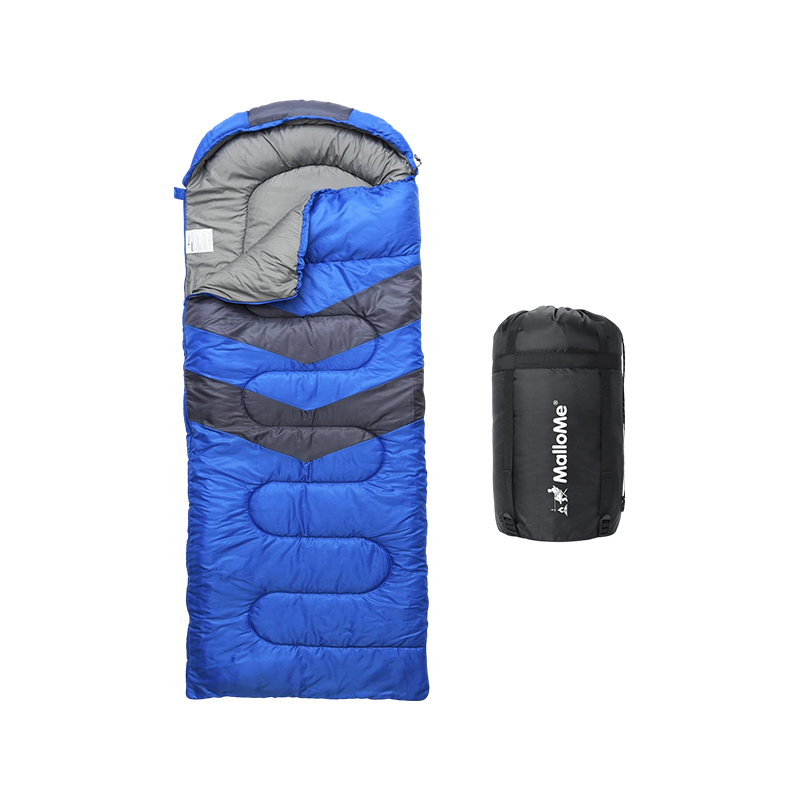
Product Overview: A Practical Sleeping Bag for Cool-Weather Outdoor Use
The autumn and winter outdoor envelope-style sleeping bag is built for users who want an easy-to-use sleeping solution with enough warmth for cool nights and enough flexibility for different travel situations. The outer fabric uses high-quality waterproof polyester, helping resist light moisture, tent condensation, and damp ground exposure when used with appropriate sleeping pads or mats. The filling is warm and fluffy hollow cotton, selected for its ability to trap air and provide insulation while maintaining a soft hand feel.
The recommended temperature range of 5 to 15℃ places this sleeping bag in a highly useful category. It is not a heavy expedition bag for extreme alpine winter conditions, nor is it a thin summer liner. Instead, it occupies the practical middle zone that many outdoor users need most often. In many regions, camping nights in spring, autumn, mountain areas, lakeside sites, and forest environments fall within this range. For families, youth groups, beginner campers, and recreational hikers, this is often the temperature band where comfort matters most.
The envelope-style structure is one of the product’s defining features. Unlike mummy sleeping bags, which prioritize close body fit and maximum thermal efficiency, envelope sleeping bags provide more internal movement space. Users can turn more naturally, stretch their legs, and sleep in positions closer to home bedding. This can be a major advantage for casual campers and users who dislike the restrictive feel of narrow sleeping bags. The same structure also allows the bag to be opened fully and used as a blanket, increasing its usefulness in cabins, cars, tents, offices, dormitories, and travel accommodation.
Another major advantage is the smooth anti-snag zipper system. Zipper failure is one of the most frustrating issues in sleeping bags, particularly in the dark, in cold weather, or when users need to enter and exit quickly. A durable zipper that moves smoothly reduces fabric catching, improves user experience, and extends product life. This feature may seem small on a product listing, but in actual camping use it often becomes one of the most noticeable indicators of quality.
Machine washability adds another practical benefit. Outdoor gear is exposed to sweat, dust, campfire odors, food crumbs, ground dirt, pet hair, and storage humidity. A sleeping bag that can be cleaned easily is more likely to be used often and maintained properly. For group buyers, rental programs, schools, camps, and retailers, easy care can significantly reduce post-use maintenance challenges.
Key Materials and Their Functional Advantages
The performance of a sleeping bag depends heavily on the relationship between shell fabric, insulation, lining comfort, zipper quality, and construction methods. A low-quality sleeping bag may look similar from a distance, but differences quickly appear during repeated use. Fabric may tear, filling may shift, zippers may jam, and insulation may compress unevenly. This product addresses these concerns with a material structure designed for practical durability and comfort.
The waterproof polyester fabric offers a strong balance between weight, durability, and moisture resistance. Polyester is widely used in outdoor gear because it has good abrasion resistance, dries relatively quickly, and maintains structural stability better than many natural fibers in damp conditions. For a sleeping bag intended for camping and travel, this is important. Users may pack the bag into a vehicle trunk, place it inside a tent, lay it on cabin floors, or handle it with gloves. The fabric must tolerate repeated folding, rolling, compression, and contact with other equipment.
Waterproof or water-resistant treatment on the polyester shell helps protect the insulation from incidental moisture. While no sleeping bag should be treated as a substitute for a waterproof shelter, the outer fabric provides an important first layer of defense. Tent condensation, mist, accidental splashes, and slightly damp environments are common in real camping. By slowing moisture penetration, the fabric helps the hollow cotton filling maintain loft and warmth more effectively.
Hollow cotton filling is selected for its warm, fluffy structure. The hollow fiber concept relies on air retention. Air is a poor conductor of heat, so insulation works by trapping stable pockets of air around the body. Hollow cotton creates loft that helps form this warm zone. Compared with ordinary flat or low-grade synthetic fill, quality hollow cotton provides better resilience, softer comfort, and more consistent thermal performance after compression and storage.
Synthetic hollow cotton also has advantages over down in many practical consumer contexts. Down is valued for premium warmth-to-weight performance, but it can be costly, requires careful cleaning, and loses loft when wet unless specially treated. Hollow cotton is more forgiving for everyday users. It can tolerate easier cleaning, performs more predictably in humid conditions, and is cost-effective for broad-market outdoor products. This makes the sleeping bag suitable for buyers who want a dependable balance of comfort, price, and care convenience.
The anti-snag zipper is another essential component. In outdoor equipment, zippers are stress points. They are pulled repeatedly, exposed to dirt, and often operated in low light. A smooth zipper reduces friction and helps prevent the shell or lining fabric from being caught in the teeth. This improves comfort and reduces the risk of sudden damage. Compared with low-end sleeping bags where zippers often snag, split, or jam after limited use, this construction offers a more durable experience.
| Feature | Material or Design Choice | User Benefit | Competitive Advantage |
|---|---|---|---|
| Outer Shell | High-quality waterproof polyester fabric | Resists light moisture, improves durability, and dries efficiently | Better protection than untreated low-cost fabrics |
| Insulation | Warm and fluffy hollow cotton filling | Traps heat, provides softness, and remains practical for cool nights | More user-friendly and easier to maintain than many delicate fillings |
| Shape | Envelope-style construction | Allows more sleeping space and can unfold into a blanket | More versatile than restrictive mummy-only designs |
| Zipper | Smooth durable anti-snag zipper | Easy entry and exit, fewer jams, longer service life | Improved reliability over basic zipper systems |
| Care | Machine washable design | Easy cleaning after camping, travel, or group use | Lower maintenance burden than hand-wash-only products |
| Storage | Compact packed volume | Convenient transport and storage at home or in vehicles | More practical for frequent use and retail shipping |
Why the Envelope Design Matters
The shape of a sleeping bag affects far more than appearance. A mummy bag narrows around the legs and often includes a hood, minimizing empty space to improve thermal efficiency. That design is excellent for mountaineering and cold expeditions, but many recreational users find it restrictive. The envelope-style sleeping bag uses a rectangular format that gives the sleeper more room to move. This matters for side sleepers, larger users, children who move frequently, and anyone who prefers a less confined sleeping experience.
Comfort is a form of performance. If a user cannot sleep well because the bag feels too tight, the theoretical insulation rating becomes less meaningful. The envelope shape supports a more natural rest posture, helping users relax during outdoor nights. For casual camping, road trips, and family use, this can be more important than shaving a small amount of weight or creating a highly tapered shape.
The ability to unfold fully into a blanket is a significant advantage. A sleeping bag that only works as a sleeping bag has a narrower usage value. This product can be spread over a cot, used as a quilt in a cabin, shared as a camp blanket, placed over a mattress, used during an outdoor picnic, or kept in a vehicle for emergency warmth. In mild weather, users may prefer it as a top blanket rather than a fully zipped bag. In colder conditions within the recommended range, they can zip it closed for better heat retention.
For retailers, this multi-function format broadens the customer base. The same product can be marketed to campers, students, travel groups, outdoor event participants, vehicle owners, and household users needing an extra blanket for guests. This versatility supports stronger inventory efficiency because one product can satisfy multiple demand scenarios.
Compared with some competitor products that prioritize either low price or specialized technical design, this sleeping bag occupies a flexible middle ground. It is comfortable enough for entry-level users, practical enough for frequent campers, and easy enough to maintain for institutional buyers. The envelope design is not simply a traditional shape; it is a strategic choice for broad usability.
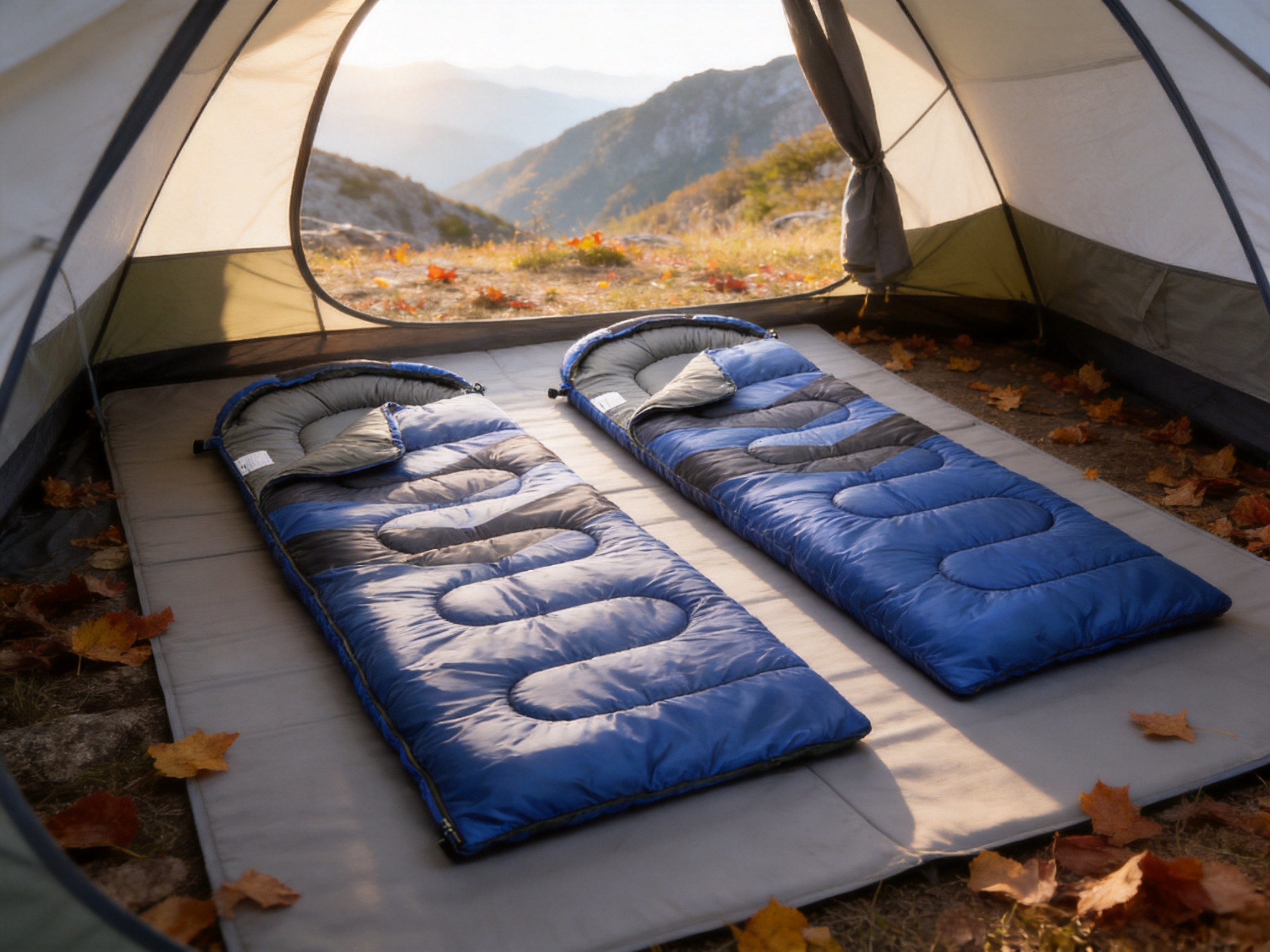
Temperature Range and Real-World Comfort
The stated suitable temperature range of 5 to 15℃ should be understood as a practical guidance range for cool-weather camping. Actual warmth always depends on many factors, including the user’s metabolism, clothing, sleeping pad insulation, tent ventilation, humidity, wind exposure, fatigue level, and meal intake before sleep. A sleeping bag works best as part of a full sleep system. When paired with an insulating sleeping pad and appropriate base layers, this bag is well suited to autumn and mild winter environments.
In outdoor retail, temperature ratings can be confusing. Some products promote extreme survival numbers that do not represent comfortable sleep. Users may then purchase a bag expecting warmth, only to discover that the rating indicates survival rather than comfort. This product takes a more realistic approach by positioning itself for the 5 to 15℃ range, where its materials and construction are aligned with practical comfort needs.
At around 15℃, the sleeping bag can be used loosely, partially unzipped, or opened as a blanket. This is useful in early autumn, late spring, or indoor travel situations. At around 10℃, most users will benefit from zipping the bag and wearing light thermal or comfortable sleep clothing. At around 5℃, proper use becomes more important: a sleeping pad should be used, the bag should be zipped fully, and users should avoid going to sleep in damp clothing.
The hollow cotton insulation supports steady warmth by maintaining loft around the body. Because the envelope shape has more internal space than a mummy bag, it gives better movement comfort but may contain slightly more air volume to warm. This is why the product is especially well suited to cool-weather camping rather than severe winter expedition use. Its design intentionally favors balanced comfort, versatility, and ease of use.
For buyers comparing this sleeping bag with very thin summer models, the advantage is clear. Summer bags may be compact and inexpensive, but they often fail when temperatures drop after midnight. This product provides more insulation and better shoulder-season usefulness. Compared with heavy winter mummy bags, it is less restrictive, easier to use in varied environments, and more suitable for customers who do not need extreme cold protection.
Advantages Over Competing Sleeping Bags
In a crowded market, sleeping bags often appear similar in online photographs. The differences emerge through use, care, storage, and repeated handling. This envelope-style hollow cotton sleeping bag offers several advantages over common competitors in the same practical outdoor category.
Balanced Warmth Without Excess Bulk
Some low-cost sleeping bags reduce material weight to lower price, but the result is poor loft and weak warmth. Others add heavy filling without attention to packability, making the bag inconvenient to carry or store. This product offers a balanced insulation level for 5 to 15℃ conditions while maintaining compact storage volume. That balance is important for users who need warmth but do not want a bulky product that fills an entire trunk or closet.
More Versatility Than Narrow Technical Bags
Highly technical mummy sleeping bags are useful in demanding environments, but they are not always comfortable for general use. This envelope-style bag can function as a sleeping bag, blanket, travel quilt, nap cover, or emergency bedding. Competitors with fixed narrow designs cannot offer the same level of daily versatility.
Better Maintenance Than Delicate Premium Fill Options
Down sleeping bags can be excellent, but they require careful washing, drying, and storage. Many casual users do not want that maintenance responsibility. The machine-washable hollow cotton construction makes this product easier to care for after real outdoor use. For families, youth camps, rental programs, and group buyers, this is a major practical advantage.
Improved User Experience Through Anti-Snag Zippers
Low-quality zippers are a frequent failure point in budget sleeping bags. A zipper that catches fabric repeatedly can damage the lining, frustrate the user, and shorten product life. This sleeping bag’s smooth anti-snag zipper design improves daily usability and helps maintain product integrity over time.
Moisture-Resistant Shell for Practical Outdoor Conditions
Untreated fabric can absorb moisture quickly, causing discomfort and reducing insulation performance. The waterproof polyester shell provides a protective advantage in damp tents, dewy mornings, and variable camp environments. While users should still protect any sleeping bag from heavy rain, this fabric choice improves resilience in normal outdoor conditions.
Comfort-Oriented Shape for Broader Users
Not every user wants a tight, technical sleeping system. Many people simply want to sleep well outdoors. The envelope shape offers more interior space, making the product more welcoming for beginners and recreational users. This comfort advantage can reduce returns and increase customer satisfaction in retail channels.
Manufacturing Philosophy: Designed for Weather, Terrain, and Time
CragHaven Outdoor approaches product development from a usage-first perspective. The company does not treat outdoor gear as a collection of decorative specifications. Instead, it studies how products behave in weather, terrain, and over time. This philosophy is particularly important for sleeping bags because comfort and reliability depend on details that may not be immediately visible: fabric coating consistency, filling distribution, stitching accuracy, zipper alignment, compression recovery, and long-term durability.
Located in Hangzhou, Zhejiang Province, CragHaven Outdoor benefits from access to China’s mature textile and outdoor manufacturing supply chain. This regional strength supports efficient material sourcing, sampling, production coordination, and export-oriented quality control. For global buyers, the company functions not only as a supplier but as a cross-border manufacturing partner capable of understanding both production realities and Western-market expectations.
The company emphasizes long-term value rather than short-term trends. In sleeping bag manufacturing, this matters because many visual features can be added cheaply, but true product quality depends on repeatable processes. A good sleeping bag must remain consistent from sample to bulk production. It must pack properly, loft correctly, zip smoothly, and withstand cleaning. These outcomes require manufacturing discipline.
CragHaven Outdoor’s approach includes material selection, sampling, testing, and optimization before scaling production. This helps reduce uncertainty for buyers. When a product is developed from actual usage scenarios, fewer problems appear after launch. The goal is not to create a sleeping bag that looks impressive only in product photos, but one that performs reliably across many nights of use.
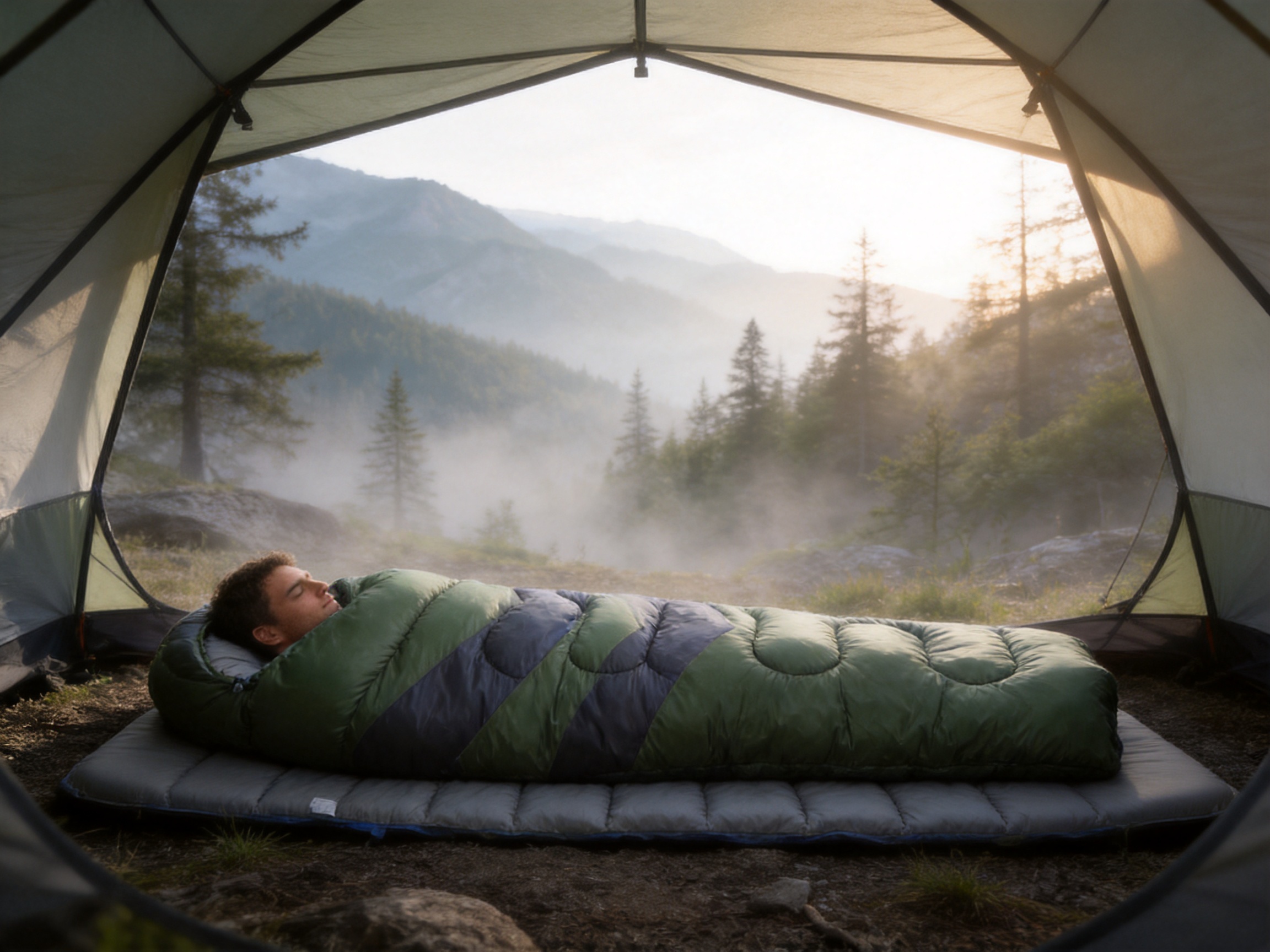
Advanced Manufacturing Processes Behind the Sleeping Bag
A sleeping bag may appear simple, but producing it consistently at scale requires coordinated processes. Each stage affects the final user experience. From fabric inspection to final packing, quality must be built into the product rather than checked only at the end.
Material Evaluation and Incoming Inspection
The process begins with material evaluation. Polyester shell fabric must be checked for weight, texture, coating quality, color consistency, and surface defects. Waterproof performance depends on both the base fabric and finishing treatment, so inspection helps ensure that the fabric can provide the intended moisture resistance. Hollow cotton filling must be evaluated for loft, distribution consistency, cleanliness, resilience, and hand feel. If insulation quality varies, the finished sleeping bags may feel uneven or perform inconsistently.
Incoming inspection is especially important for bulk orders. A sample may perform well, but production consistency depends on controlling the quality of every material batch. CragHaven Outdoor’s manufacturing mindset places importance on reducing variation before cutting and sewing begin.
Precision Cutting and Pattern Control
The envelope shape may look straightforward, but accurate cutting is necessary for proper alignment. If fabric panels are cut unevenly, the sleeping bag may twist, zipper tracks may misalign, or edges may become difficult to sew cleanly. Pattern control ensures that the product maintains its intended size, shape, and folding behavior. Consistent cutting also helps achieve better packing volume because the finished bag folds and rolls predictably.
Insulation Placement and Loft Management
Hollow cotton must be placed evenly to avoid cold spots. Uneven filling can cause certain areas to feel thin while others become bulky. Proper insulation distribution helps the sleeping bag maintain balanced warmth across the body. Loft management is also important during sewing and packing. Excessive compression during production can reduce the fluffy structure of insulation, so handling procedures should preserve resilience.
Stitching and Seam Construction
Stitching quality determines durability. Outdoor products are repeatedly folded, pulled, compressed, washed, and used on uneven surfaces. Seams must withstand this stress. Clean stitch lines also improve appearance, which matters for retail presentation. More importantly, consistent stitching helps secure insulation and maintain the structure of the sleeping bag over time.
Seam quality is one area where manufacturing experience becomes visible. Low-end products may use loose threads, uneven spacing, weak seam allowances, or insufficient reinforcement near stress points. A better manufacturing process addresses these risks through controlled sewing standards and in-line inspection.
Zipper Installation and Anti-Snag Performance
The zipper must be aligned accurately with the shell and lining fabric. Anti-snag performance depends not only on the zipper itself but also on how fabric is positioned around the zipper path. If the lining is too loose or poorly controlled, it can still catch. Proper zipper installation reduces this issue and creates smoother operation. For users, this means easier nighttime use and reduced risk of damage.
Cleaning and Care Considerations
Because the sleeping bag is machine washable, construction must account for washing stress. Fabric, insulation, seams, and zippers all experience movement during laundering. A product intended for easy care must be made with materials and stitching that can tolerate cleaning without immediate deformation. This feature is especially useful for high-frequency users and organizations managing multiple sleeping bags.
Compression, Packing, and Final Quality Control
Compact storage is achieved not only by design but also by final packing methods. The sleeping bag must compress efficiently while preserving insulation recovery. Final inspection should check appearance, zipper function, seam integrity, fabric cleanliness, labeling, folding, and packing. For export buyers, packing consistency affects logistics efficiency, warehouse handling, and customer unboxing experience.
Use Scenarios: From Campsites to Daily Travel
The broad usefulness of this sleeping bag is one of its strongest commercial and practical advantages. It is not limited to a single outdoor niche. Instead, it performs well across many situations where warmth, portability, and comfort are needed.
Autumn Camping
Autumn is one of the best seasons for camping, but nighttime temperatures can drop quickly. This sleeping bag provides suitable warmth for cool evenings while remaining less bulky than heavy winter expedition bags. The waterproof polyester shell also helps in dewy conditions common during autumn mornings.
Mild Winter Travel
In regions where winter temperatures remain moderate, this bag can support comfortable rest in cabins, tents with proper insulation, hostels, or vehicles. Users should match it with suitable sleeping pads and clothing when temperatures approach the lower end of the range.
Hiking and Short Outdoor Trips
For short-distance hiking or vehicle-supported hiking trips, the compact storage volume is practical. While ultralight backpackers may prefer specialized minimalist systems, many recreational hikers benefit more from durability, comfort, and easy care. This sleeping bag offers those qualities.
Family Camping
Families often prioritize comfort, cleaning convenience, and versatility. Children may use the sleeping bag as a blanket, adults may appreciate the roomier envelope shape, and parents may value machine washability after the trip. The product’s simple format reduces the learning curve for new campers.
Camping Events and Group Programs
Schools, outdoor education programs, youth camps, and event organizers need sleeping bags that are easy to issue, use, clean, and store. The product’s practical materials and maintenance-friendly construction make it a strong candidate for group-use environments.
Vehicle Emergency Kit
Keeping a sleeping bag in a vehicle can be useful during road trips, unexpected delays, cold-weather breakdowns, or emergency waiting situations. Because this bag packs compactly and can unfold as a blanket, it is suitable for vehicle storage.
Indoor Naps and Extra Bedding
The product is also useful indoors. It can serve as a nap sleeping bag in offices, dormitories, shared housing, or guest rooms. Its blanket function increases daily value beyond occasional camping.
Care, Storage, and Long-Term Use
Proper care extends the life of any sleeping bag. Although this product is machine washable, users should still follow sensible cleaning habits. Washing too frequently is unnecessary unless the bag is dirty, sweaty, or odor-affected. When washing is needed, gentle cycles and mild detergent are typically preferable for preserving fabric and insulation quality. Users should avoid harsh chemicals that may damage coatings or fibers.
Drying should be thorough before storage. Moisture trapped inside insulation can create odor or reduce loft over time. After drying, the bag should be aired completely. For long-term storage, it is generally better not to keep any insulated sleeping bag tightly compressed for months. While compact packing is excellent for travel, looser storage helps insulation recover and maintain loft. Users can store it in a larger breathable bag, on a shelf, or loosely folded when space allows.
During camping, the sleeping bag should be used inside a tent, shelter, cabin, or vehicle rather than directly exposed to rain. Waterproof polyester helps resist light moisture, but a sleeping bag is not a rainproof bivy shelter. Pairing the bag with a sleeping pad improves warmth dramatically because ground contact can drain heat from the body. This is especially important near the lower end of the recommended temperature range.
Users should also avoid entering the sleeping bag with wet clothing. Even synthetic insulation performs better when kept dry. If clothing becomes damp from hiking or rain, changing into dry sleep layers improves warmth and comfort. Small habits like airing the bag in the morning, shaking it to restore loft, and keeping sharp objects away from the fabric can significantly extend product life.
Commercial Value for Global Buyers and Outdoor Retailers
For distributors, retailers, and cross-border buyers, this envelope-style sleeping bag offers several business advantages. First, it targets a broad and stable demand category. Cool-weather camping, travel bedding, family outdoor activities, and emergency preparedness are not short-lived trends. Consumers continue to need affordable, reliable sleeping solutions that are comfortable and easy to maintain.
Second, the product’s feature set is easy to communicate. Waterproof polyester fabric, hollow cotton filling, 5 to 15℃ suitability, anti-snag zipper, machine washability, blanket conversion, and compact storage are benefits that customers can quickly understand. Products that require excessive explanation often face sales friction. This sleeping bag’s advantages are direct and practical.
Third, the envelope design reduces customer hesitation. Some consumers avoid mummy bags because they appear technical or restrictive. A rectangular sleeping bag feels familiar, like bedding, making it approachable for first-time campers. This can support conversion in both online and offline retail environments.
Fourth, the product is suitable for multiple sales channels. It can be sold through outdoor stores, camping equipment platforms, travel gear shops, general e-commerce, seasonal promotions, school supply programs, and emergency preparedness categories. This channel flexibility improves inventory potential.
CragHaven Outdoor’s role as a manufacturing partner adds further value. The company understands outdoor use scenarios and participates in both design and production. This helps buyers avoid the common problem of working with suppliers who only match surface-level specifications without understanding product performance. Professional communication, sampling, testing, and optimization support smoother development cycles and more reliable bulk delivery.
How This Sleeping Bag Reflects a Better Product Development Approach
The best outdoor products are not always the most extreme. They are the ones that solve real problems repeatedly. This sleeping bag reflects that principle through its emphasis on balanced warmth, comfort, durability, care convenience, and versatility. Each major feature corresponds to a real user need.
Waterproof polyester addresses damp outdoor environments. Hollow cotton addresses warmth and softness. The envelope shape addresses movement and multi-purpose use. Anti-snag zippers address one of the most common frustrations in sleeping bags. Machine washability addresses hygiene and maintenance. Compact storage addresses transport and home organization. Together, these features create a product that is practical rather than overcomplicated.
In competitor comparisons, this matters. Some sleeping bags are designed mainly to look impressive in advertisements. Others compete only on cost, sacrificing durability and comfort. This product aims for long-term value. It is not presented as an extreme alpine solution, but as a reliable cool-weather sleeping bag for the conditions many users actually face.
CragHaven Outdoor’s manufacturing philosophy supports this positioning. By focusing on weather, terrain, and time, the company recognizes that outdoor gear must survive more than a showroom inspection. It must work after being packed, transported, unrolled, slept in, washed, dried, and stored. This repeated-use perspective is what separates practical outdoor equipment from disposable seasonal merchandise.
Frequently Asked Questions
What temperature range is this sleeping bag suitable for?
This sleeping bag is suitable for temperatures from 5 to 15℃. Actual comfort depends on clothing, sleeping pad insulation, humidity, wind protection, personal metabolism, and shelter conditions. For colder nights near 5℃, users should pair it with a proper sleeping pad and dry warm sleepwear.
Can the sleeping bag be used in winter?
It can be used in mild winter or early winter conditions within the recommended temperature range. It is not intended for severe alpine winter or extreme sub-zero expeditions. Its strength is cool-weather camping, autumn use, mild winter travel, and versatile outdoor rest.
Is the outer fabric waterproof?
The sleeping bag uses high-quality waterproof polyester fabric, which helps resist light moisture, condensation, and damp campsite conditions. However, it should still be used inside a tent, cabin, vehicle, or shelter. It should not be treated as a substitute for a rainproof shelter.
What is hollow cotton filling?
Hollow cotton is a synthetic insulation material designed to trap air within and around its fiber structure. This trapped air helps retain body heat. It is warm, fluffy, practical, and easier to maintain than some delicate natural fillings.
Can it be machine washed?
Yes, the sleeping bag is machine washable, making it easier to clean after camping, travel, or group use. Gentle washing and thorough drying are recommended to help preserve fabric quality and insulation loft.
How is an envelope sleeping bag different from a mummy sleeping bag?
An envelope sleeping bag has a rectangular shape and provides more interior space. It allows users to move more naturally and can often be opened fully as a blanket. A mummy sleeping bag is narrower and more thermally efficient for extreme conditions, but it can feel restrictive for casual users.
Can this sleeping bag be opened and used as a blanket?
Yes. The envelope design allows it to be fully unfolded and used as a blanket. This increases its value for camping, cabins, road trips, indoor naps, guest bedding, and emergency use.
Who is this product best suited for?
It is suitable for campers, hikers, families, students, outdoor education groups, road travelers, event organizers, and users who need a practical sleeping bag for cool-weather rest. It is especially attractive to people who want comfort, easy maintenance, and multi-purpose use.
What makes the zipper better than ordinary sleeping bag zippers?
The sleeping bag uses a smooth and durable anti-snag zipper designed to reduce fabric catching. This improves entry and exit, especially at night, and helps extend the product’s service life compared with basic zipper systems that jam easily.
Why is this sleeping bag a good option for retailers?
It offers clear selling points, broad use scenarios, approachable comfort, and easy care. Its features are simple for customers to understand, and its versatility allows it to fit camping, travel, emergency, and household categories. CragHaven Outdoor’s manufacturing experience also supports stable supply and product consistency.
References
American Society for Testing and Materials. Standard Practices for Textile Testing and Performance Evaluation.
International Organization for Standardization. Outdoor Sleeping Bag Performance and Textile Quality Assessment Guidelines.
Holmér, I. Thermal Comfort and Cold Weather Protection in Outdoor Equipment Design.
Gibson, P. W. Effect of Moisture on Textile Insulation and Outdoor Comfort Performance.
Collier, B. J., and Epps, H. H. Textile Testing and Analysis: Material Performance in Consumer Products.
Outdoor Industry Association. Consumer Trends in Camping, Hiking, and Outdoor Recreation Equipment.
Horrocks, A. R., and Anand, S. C. Handbook of Technical Textiles: Fibers, Fabrics, and Functional Finishes.
Product: Autumn and winter outdoor envelope-style sleeping bag, camping sleeping bag, hollow cotton sleeping bag, nap sleeping bag



- Phone: +86-15968800379
- E-mail: [email protected]
- Address: Room 1002, Huishang Building, Gongshu District, Hangzhou City, Zhejiang Province.
Copyright © CragHaven Outdoor All Rights Reserved. Outdoor Gear Manufacturers Wholesale Mountaineering Camping Gear Suppliers
