

 English
 Deutsch
 Español
 Français


How to Choose a Reliable Quick-Setup Beach Tent for Camping, Sun Protection, and Outdoor Leisure
Content
- 1 Understanding the Product Concept
- 2 Hydraulic Spring Opening for Rapid Deployment
- 3 Double-Layer Construction for Sun and Rain Protection
- 4 High-Density Mesh and Cross-Ventilation
- 5 Space, Capacity, and Footprint Planning
- 6 Advantages Compared with Conventional Competitors
- 7 CragHaven Outdoor’s Manufacturing and Product Development Strengths
- 8 OEM and Private-Label Opportunities
- 9 Quality Control Considerations for Buyers
- 10 Care, Storage, and Service Life
- 11 Recommended Use Scenarios
- 12 How Retailers Can Position the Product
- 13 Sustainability and Long-Term Value
- 14 Frequently Asked Questions
- 14.1 What makes this tent different from a traditional camping tent?
- 14.2 How quickly can the tent be opened?
- 14.3 Is the tent suitable for two adults overnight?
- 14.4 Does the double-layer fabric make the tent completely waterproof?
- 14.5 Does the mesh block all insects?
- 14.6 Is the tent suitable for strong coastal wind?
- 14.7 Why is correct folding important?
- 14.8 Can the product be customized for private-label sales?
- 14.9 What should buyers inspect before placing a large order?
- 14.10 Who is the ideal customer for this product?
- 15 Conclusion
- 16 References
- 17 Product: Outdoor thickened tent, quick-setup beach tent, camping sun protection tent.
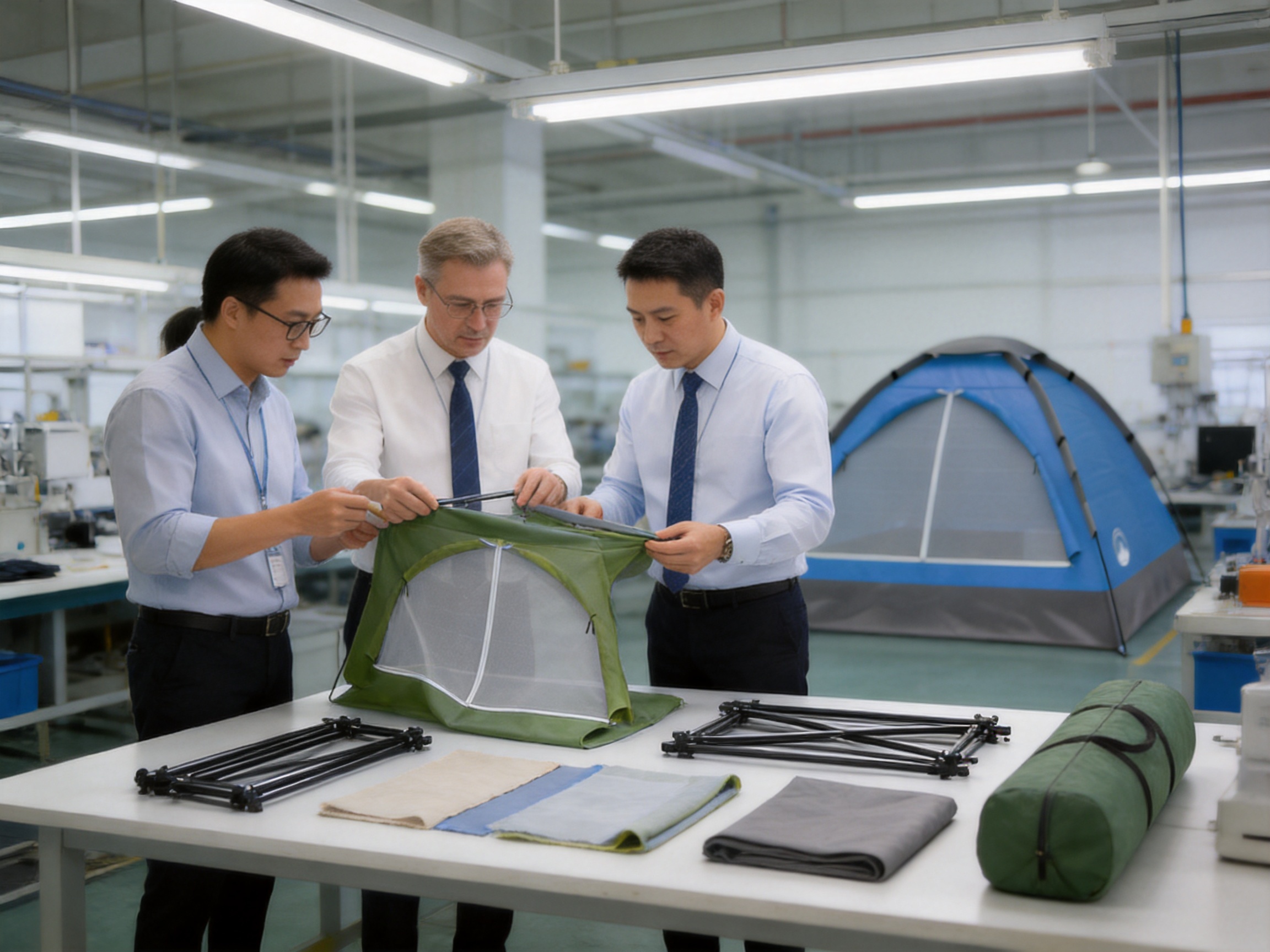
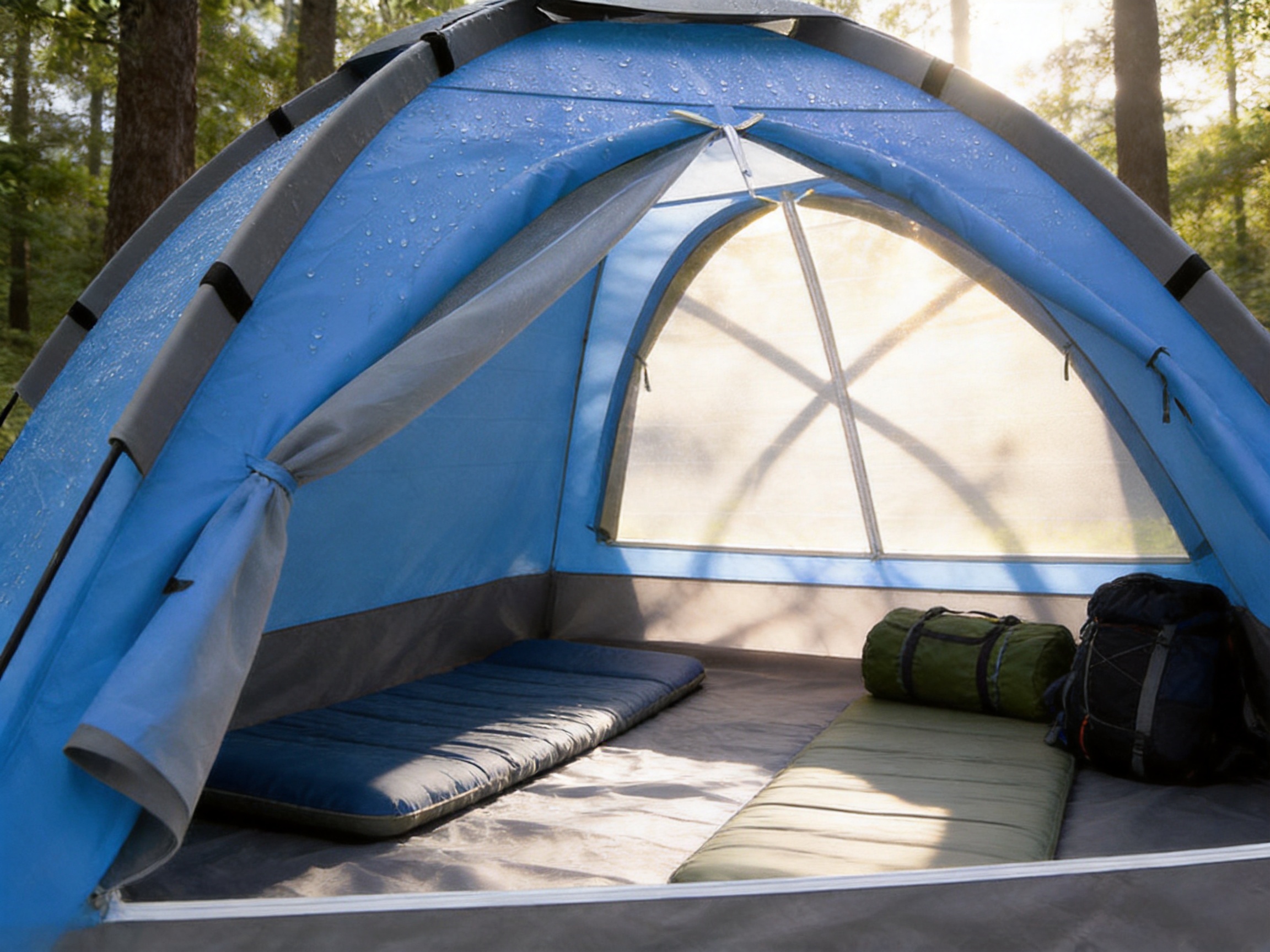
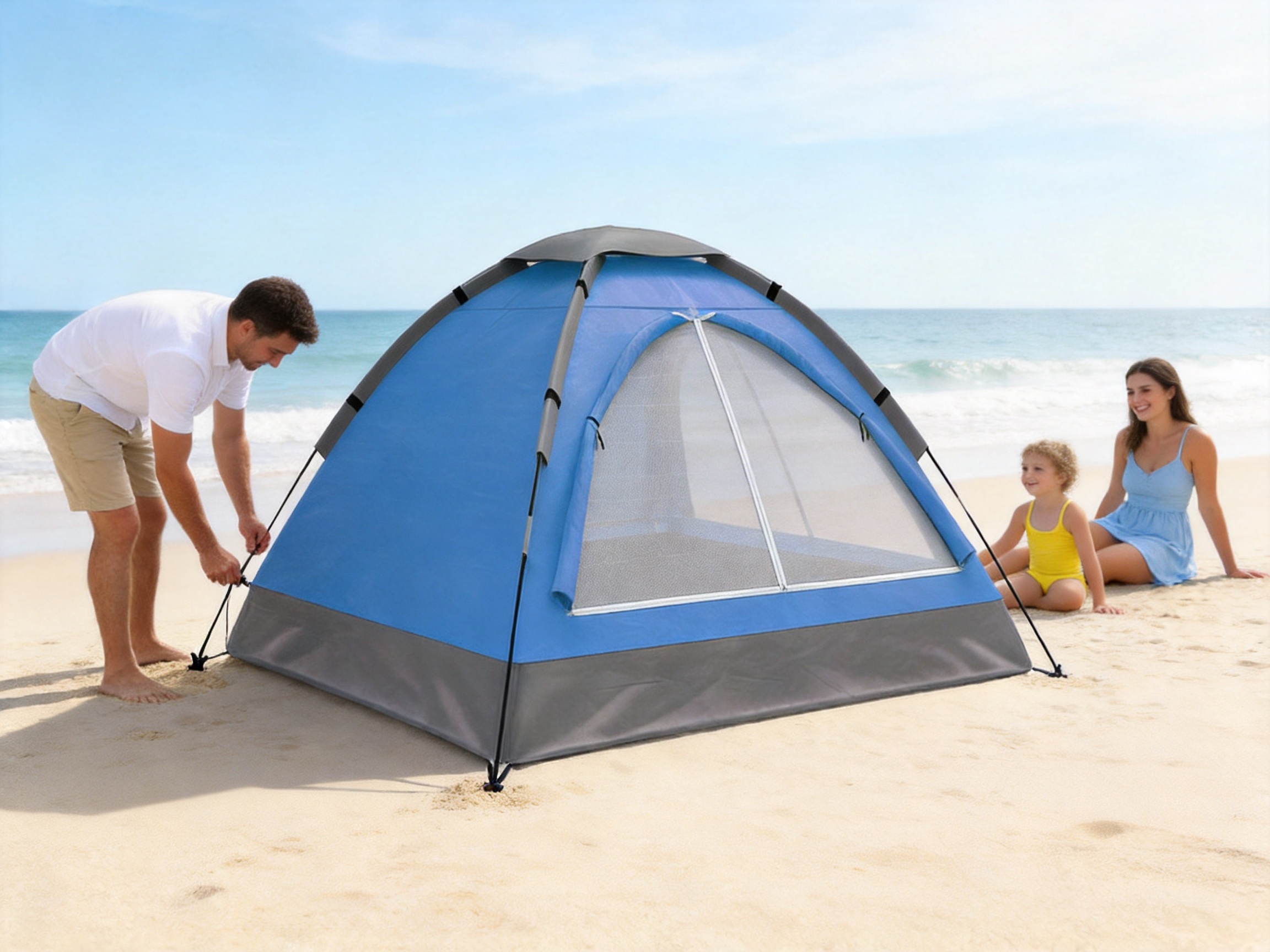
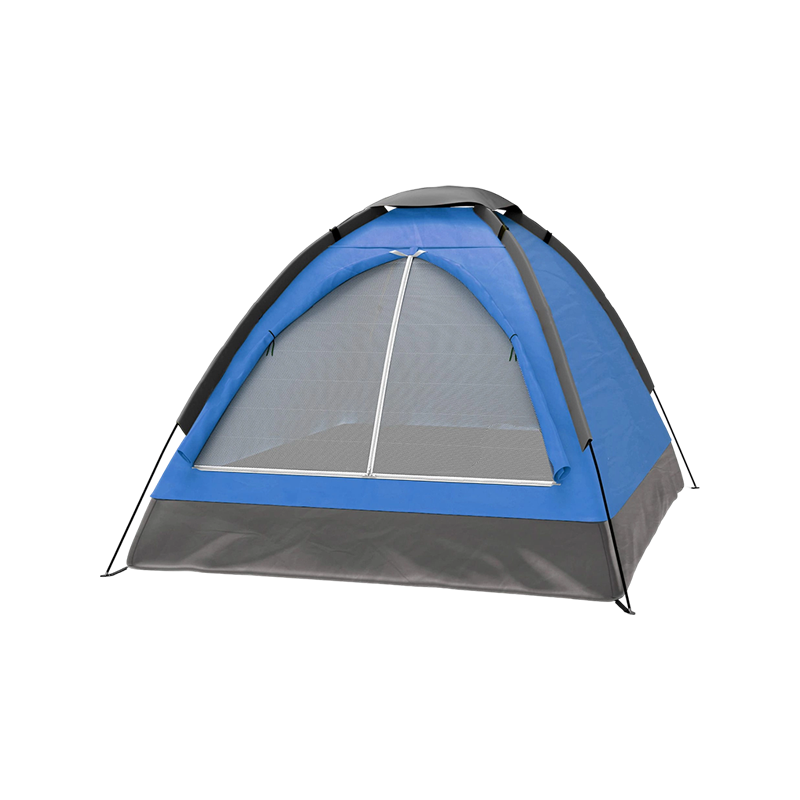
Outdoor thickened tent, quick-setup beach tent, camping sun protection tent.
Outdoor recreation continues to expand beyond traditional campsite holidays. Families spend weekends at beaches, parks, lakesides, and mountain viewpoints, while experienced campers look for equipment that reduces setup time without sacrificing protection or comfort. In these situations, a quick-setup beach tent can provide an effective balance between portability, shade, ventilation, and weather resistance. However, not every pop-up shelter offers the same level of performance. Frame construction, fabric thickness, waterproofing, mesh design, floor layout, storage convenience, and manufacturing consistency all influence the value of the finished product.
The outdoor thickened tent described in this article is designed for customers who need fast deployment and dependable protection in a wide range of outdoor settings. Its hydraulic spring opening mechanism allows the shelter to form rapidly, while its double-layer structure helps reduce direct solar exposure and provides improved rain protection compared with many basic single-layer shade tents. A spacious two-person interior, high-density mesh, and novice-friendly operation make it suitable for beach leisure, family camping, short outdoor trips, and casual overnight use.
For retailers, importers, and outdoor brands, the product also represents more than a consumer tent. It is an example of how practical design, controlled material selection, repeatable manufacturing, and scenario-based testing can create a product with a clearer market position. CragHaven Outdoor develops and supplies outdoor gear for global markets, with a focus on mountaineering, hiking, and camping applications. Its approach combines product development, sampling, manufacturing coordination, and quality improvement rather than relying only on catalog sourcing.
Understanding the Product Concept
A quick-setup beach tent must solve several problems at the same time. It needs to open quickly, remain stable during normal outdoor use, block sunlight, allow air to circulate, resist light rain, and pack into a manageable form after use. These requirements can conflict with one another. A fabric that is very dense may improve abrasion resistance but restrict ventilation. A frame that opens instantly may be convenient but require careful engineering to withstand repeated folding. A compact footprint may improve portability but reduce usable sleeping space.
The product is positioned as an outdoor thickened tent, quick-setup beach tent, and pop-up sun shelter tent. These terms describe its main functional advantages. “Outdoor thickened tent” indicates a focus on material strength and protection beyond a minimal shade canopy. “Quick-setup beach tent” highlights the automatic opening system and its suitability for sand, coastal environments, and leisure use. “Pop-up sun shelter tent” communicates the product’s ability to provide rapid shade without requiring a long pole assembly process.
The intended capacity is approximately two people. This rating should be interpreted realistically. Two adults can sleep inside when their equipment is kept to a practical minimum, but the interior will feel more comfortable when used by one person or by two people with limited luggage. For daytime beach use, the shelter can accommodate seated occupants, children, or personal belongings depending on how the floor area is arranged. Retailers should present the capacity honestly because clear expectations reduce product returns and improve customer satisfaction.
The tent is especially appropriate for users who value convenience. Novice campers may find conventional tents difficult because they involve pole identification, sleeve threading, clip attachment, and tension adjustment. The spring-loaded opening design reduces these steps. A user generally releases the retaining system, allows the frame to expand, and adjusts the fabric and support points as necessary. Packing requires a specific folding motion, but the initial deployment is substantially simpler than that of a traditional pole-and-sleeve shelter.
Hydraulic Spring Opening for Rapid Deployment
The central feature of this quick-setup beach tent is its hydraulic spring mechanism. In practical terms, the frame contains pre-tensioned spring steel ribs that remain folded during transport. When the retaining strap or locking system is released, the stored mechanical energy helps the ribs return to their designed dome shape. The process can form the basic tent structure in roughly two to three seconds, although final positioning, staking, and fabric adjustment still require attention.
This mechanism offers a clear advantage over many conventional tents. A traditional pole-and-sleeve design normally requires users to identify several pole sections, connect them, thread them through fabric channels, and secure them with clips or grommets. Depending on the design and the user’s experience, the process can take five to ten minutes or longer. In windy conditions or on uneven sand, the process may become even less convenient. A spring opening mechanism minimizes the number of assembly steps and allows users to spend more time enjoying the outdoor location.
Fast deployment is also valuable for commercial and organized outdoor use. Beach vendors, event staff, children’s activity providers, and rental businesses may need to open and close several shelters in one day. Reducing setup time can improve labor efficiency. For families, quick opening is helpful when children are tired, weather conditions change suddenly, or shade is needed immediately after arriving at a beach or campsite.
Nevertheless, automatic deployment should not be confused with complete automatic installation. A pop-up structure still needs to be placed on suitable ground. On a beach, sand anchors, stakes, or weighted points may be necessary depending on wind conditions. Users should inspect the frame, spread the floor, close zippers, and arrange the guy points correctly. Good product communication should explain that the mechanism accelerates setup but does not eliminate the need for safe anchoring.
Frame Durability and Spring Fatigue
The principal engineering challenge of spring-loaded tents is repeated cycling. Every opening and folding action places stress on the spring ribs. Low-quality spring steel or an excessively tight bend radius can lead to metal fatigue after repeated use. Once the frame loses its original tension, the shelter may open less completely, become difficult to fold, or fail to maintain its intended shape.
A more reliable design uses an appropriate spring gauge, controlled forming methods, and a bend radius that limits excessive stress concentration. Thicker spring material can improve resistance to fatigue, although the final frame must still remain flexible enough to fold into a practical storage size. The balance between strength, elasticity, weight, and packing volume is an important part of product engineering.
CragHaven Outdoor emphasizes material selection and repeated sampling as part of its manufacturing approach. Rather than treating the spring frame as an interchangeable component, the development process can evaluate how the frame works with the fabric, seams, retaining straps, and folding sequence. This systems-based approach is important because a strong frame alone does not guarantee a dependable tent. The frame must cooperate with the fabric pattern and the user’s operating method.
- Spring gauge influences resistance to repeated bending.
- Bend radius affects stress distribution and long-term frame reliability.
- Frame dimensions influence both interior space and folded package size.
- Locking straps help prevent accidental opening during transport.
- Folding instructions are necessary to reduce misuse and unnecessary frame stress.
Safe Handling of a Pop-Up Frame
Users should keep their hands and face clear of the frame’s expansion path when releasing the retaining system. The tent should be opened in an area free of obstacles, vehicles, fragile objects, and other people. The frame should not be forced into an unnatural shape during deployment. If fabric becomes trapped, the user should stop, identify the obstruction, and reposition the material rather than applying excessive pressure.
Before transport, the frame should be folded according to the supplied instructions and secured with its retaining strap. An unsecured spring frame may expand unexpectedly inside a vehicle or storage area. Retailers and distributors can improve the product experience by including clear diagrams, short operating instructions, and warnings in the packaging. These details are inexpensive compared with the cost of customer confusion, damage claims, or negative reviews.
Double-Layer Construction for Sun and Rain Protection
Many inexpensive beach shelters use a single layer of coated polyester. A single layer can block direct sunlight and provide basic shade, but it may allow considerable heat to build up inside the shelter. The outdoor thickened tent uses a double-layer construction intended to create a more protective barrier between the occupants and the external environment.
The outer layer can provide resistance to sunlight, wind, and light rain, while the inner layer contributes to shade, privacy, and thermal separation. The air gap between the layers slows heat transfer in a similar way to the space between two panes of glass. It does not make the tent air-conditioned, and the actual cooling effect depends on color, fabric coating, ventilation, wind, and exposure. However, the layered structure can create a more comfortable interior than a thin, single-sheet alternative under comparable conditions.
Double-layer construction also offers practical benefits for rain protection. Rain performance depends on more than fabric thickness. The coating, seam construction, panel geometry, zipper design, roof shape, and water-shedding angle all matter. A properly coated moderate-denier fabric with well-sealed seams can outperform a heavier fabric that has weak coating or poorly finished stitching.
Denier, Coating, and Abrasion Resistance
Denier is commonly used to describe the weight and thickness of synthetic fibers. A higher denier fabric generally offers greater resistance to abrasion and puncture, which is valuable in sandy environments where rough ground, shells, stones, and repeated folding can wear down lightweight materials. However, denier alone does not define overall quality. Fiber type, weave structure, coating adhesion, seam treatment, and manufacturing accuracy must be considered together.
Polyurethane coating is one factor that influences waterproof performance. The coating must be applied consistently and remain bonded to the fabric after folding, handling, temperature changes, and ordinary use. If the coating is too thin, water may penetrate during sustained rainfall. If it is applied unevenly, weak areas can appear across the panel. Excessive coating may add weight, reduce flexibility, or produce an unpleasant hand feel.
For this reason, product development should evaluate fabric and coating as a combined system. CragHaven Outdoor’s stated manufacturing philosophy places emphasis on material selection, sampling, testing, and optimization. This approach supports more reliable decisions about fabric weight, coating level, seam construction, and final product handling. It also helps the product remain consistent when produced in larger quantities for global retailers.
| Construction Factor | Primary Function | Importance in Outdoor Use |
|---|---|---|
| Fabric denier | Supports abrasion and puncture resistance | Important for sand, rough ground, and repeated packing |
| Polyurethane coating | Improves resistance to water penetration | Important during light rain and damp conditions |
| Double-layer air gap | Slows heat transfer and improves shade performance | Important for beach use under direct sunlight |
| Seam construction | Reduces leakage through stitched panel joins | Important during sustained exposure to rain |
| Raised floor edge | Helps limit entry of sand and surface water | Important on beaches and uneven outdoor ground |
High-Density Mesh and Cross-Ventilation
A comfortable shelter must control more than sunlight. Heat, humidity, insects, and condensation can make an enclosed tent unpleasant even when the fabric is strong. High-density mesh helps address these issues by allowing air movement while restricting many common insects. It can be especially useful at beaches, lakes, campsites, and grassy parks where mosquitoes, sand flies, and other small insects are present.
Mesh design involves a balance between hole size and airflow. Finer mesh can block smaller insects, but a very dense weave may restrict air movement. The solution is not simply to select the finest available material. Designers must consider total panel area, opening position, zipper placement, and the relationship between opposing ventilation points.
Cross-ventilation is generally more effective than relying on one small vent. When mesh openings are placed on opposite or adjacent sides, air can enter through one area and leave through another. This creates a more effective airflow path, particularly when a light breeze is present. Even without strong wind, differences in temperature and pressure can help move air through the shelter.
Large mesh panels also help reduce condensation. Occupants release moisture through breathing and perspiration, while damp ground can increase humidity inside a tent. If moisture cannot escape, it may collect on the inner surface of the outer fabric. Ventilation does not eliminate condensation in every climate, but it can reduce accumulation and improve perceived comfort.
- Fine mesh can help block smaller insects.
- Larger mesh areas help compensate for the airflow resistance of a fine weave.
- Opposing mesh panels support cross-ventilation.
- Zippered openings allow users to adjust airflow and privacy.
- Raised floor edges help reduce insect and sand entry near the ground.
Ventilation for Different Outdoor Conditions
On a hot beach, users may want maximum airflow and shade. In this situation, mesh panels can remain open while the external cover continues to provide solar protection. During light rain, openings should be adjusted to reduce water entry while maintaining some air exchange. At night, users may close the openings for privacy and insect protection, but adequate ventilation should still be maintained according to the operating instructions.
The tent is not intended to replace a specialized four-season mountaineering shelter. Its design is better suited to beach leisure, mild camping conditions, parks, family outings, and similar scenarios. Clear positioning is a strength rather than a limitation. A product performs best when its structure matches the conditions for which it was designed.
Space, Capacity, and Footprint Planning
A stated capacity of two people is a useful starting point, but floor area does not tell the entire story. A dome-shaped tent may provide good wind-shedding characteristics and rapid deployment, yet the curved walls reduce usable headroom near the edges. Two shelters with similar floor dimensions can feel very different depending on peak height, wall angle, entry position, and storage pockets.
For overnight use, two adults need room for sleeping pads, sleeping bags, clothing, and small personal items. If large backpacks or coolers must remain inside, the usable sleeping area becomes smaller. For beach shade, the same shelter may feel more spacious because occupants can sit or recline without arranging full sleeping equipment. Retail descriptions should explain this difference instead of presenting the capacity figure without context.
The footprint also affects site selection. A compact tent is easier to place on a crowded beach or a small campsite. A larger footprint may provide additional comfort but require more space and more anchoring points. Users should check the available ground area before opening the shelter and maintain sufficient clearance from water, fire, pathways, and neighboring camps.
CragHaven Outdoor’s scenario-based product philosophy is relevant here. Product development begins with actual environments and usage patterns rather than abstract specifications alone. By considering beach leisure, casual camping, and novice operation, the design can prioritize rapid setup, manageable size, ventilation, and practical interior space instead of pursuing unnecessary complexity.
Advantages Compared with Conventional Competitors
Faster Setup Than Pole-and-Sleeve Tents
The most visible competitive advantage is deployment speed. Conventional tents remain valuable for backpacking, extended camping, and specialized weather conditions, but they usually require more assembly. The quick-opening spring structure is more approachable for first-time users and more efficient for families who do not want to spend a long time setting up after arrival.
Speed also reduces the likelihood of assembly errors. A complicated tent may be incorrectly tensioned, assembled with poles in the wrong channels, or left partially unsecured. A pop-up design simplifies the basic structure, although users must still anchor it correctly and follow the folding instructions.
More Protection Than a Minimal Shade Canopy
A simple canopy can provide shade but may offer little privacy, limited insect protection, and no practical sleeping function. The double-layer tent combines shade with a floor, enclosed mesh, and a more complete shelter profile. This makes it more versatile for beach trips, picnics, children’s rest areas, and short camping stays.
Better Comfort Than a Single-Layer Pop-Up Shelter
Single-layer pop-up shelters are often lightweight and inexpensive, but their interior can become hot under direct sunlight. A double-layer structure creates an additional barrier and can improve the relationship between shade and ventilation. The result is not only a stronger marketing point but also a more meaningful comfort advantage when the product is used in warm conditions.
More Balanced Material Performance
Some competitors emphasize fabric thickness without addressing coating quality, seams, mesh, or frame fatigue. A balanced product considers all of these elements together. The outdoor thickened tent is designed around a combination of fabric durability, waterproof treatment, ventilation, frame performance, and folding practicality. This integrated approach is more useful than focusing on a single specification.
Suitable for Novice Campers
Many new campers are interested in outdoor recreation but hesitate because they believe tent setup is difficult. A quick-opening design lowers the learning barrier. The product can be introduced to families, casual travelers, beach users, and first-time campers who prioritize convenience. This broadens the addressable market beyond experienced outdoor enthusiasts.
CragHaven Outdoor’s Manufacturing and Product Development Strengths
CragHaven Outdoor is based in Hangzhou, China, and operates as an outdoor brand and cross-border manufacturing partner. Its product focus includes mountaineering, hiking, and camping gear for global markets. The company’s stated principles emphasize real usage scenarios, durable materials, repeatable sampling, and long-term supply relationships.
One important strength is the integration of design and manufacturing. A sourcing-only approach may focus on finding an existing item with a low unit price. That approach can be suitable for simple commodities, but it offers less control over frame behavior, fabric selection, packaging, and product improvement. A development-oriented manufacturing partner can participate earlier in the process and help translate market requirements into technical decisions.
Scenario-Based Design
The product is developed around recognizable outdoor situations: a family arriving at the beach, a novice camper preparing a campsite, a user seeking quick shade, or a retailer looking for a versatile shelter with a clear value proposition. Scenario-based design helps determine which features deserve priority. For this tent, rapid opening, double-layer shade, insect-resistant mesh, manageable capacity, and practical folding are more relevant than decorative complexity.
Material Selection and Sampling
Material decisions influence product performance, cost, appearance, weight, and durability. CragHaven Outdoor’s process includes material selection and repeated sampling before larger-scale production. Samples allow the development team to review the relationship between fabric, frame, seam placement, zippers, mesh, and packing size.
Sampling is also a way to identify problems that may not appear on a specification sheet. A sample may reveal that a zipper is difficult to operate when the fabric is under tension, that a mesh panel needs greater area for ventilation, or that a retaining strap is inconvenient to use. Correcting these issues before mass production can improve consistency and reduce downstream complaints.
Testing and Optimization
Outdoor products should be assessed through more than visual inspection. Practical evaluations may include deployment and folding cycles, seam review, water exposure, fabric abrasion, zipper operation, frame alignment, packaging compression, and stability checks. The specific test program should reflect the intended product category and the customer’s expected conditions.
For a spring-loaded tent, repeated opening and closing is especially important. The frame should maintain a functional shape after cycling, and the fabric should not become excessively stressed at connection points. The finished package should protect the tent during shipping while remaining easy for the end user to handle.
Manufacturing Consistency
Retailers require more than a good first sample. They need products that remain consistent across production batches. Cutting accuracy, seam allowance, coating uniformity, frame forming, hardware attachment, and final inspection all influence batch-to-batch performance. A manufacturing partner with an emphasis on repeatable processes can reduce variation and support more reliable inventory planning.
Consistency is also important for private-label and OEM programs. Brands may need specific colors, logos, packaging formats, instruction sheets, carton markings, or regional compliance documentation. A structured manufacturing workflow makes customization easier to manage without losing control over the core product design.
OEM and Private-Label Opportunities
The quick-setup beach tent has strong potential for OEM and private-label programs because its use cases are easy to communicate. Outdoor retailers, beach lifestyle brands, family travel companies, sporting-goods distributors, and promotional product businesses can adapt the product to their own market positioning.
Customization may include outer fabric color, logo application, carry bag graphics, packaging language, instruction design, mesh configuration, trim details, and accessory selection. For larger projects, buyers may also review dimensions, fabric specifications, frame finishes, zipper types, and storage systems. The degree of customization depends on order volume, tooling requirements, material availability, and the development schedule.
A professional OEM process should begin with a clear product brief. The brief should identify target users, expected climates, sales channels, packaging requirements, capacity claims, color preferences, and price objectives. It should also distinguish essential performance requirements from optional cosmetic features. This prevents unnecessary revisions and helps the manufacturer propose the most suitable configuration.
CragHaven Outdoor’s Western-market-oriented communication style can support international buyers who need technical explanations, product positioning, and practical documentation. Clear communication is particularly important when discussing capacity, waterproof performance, cycle durability, and intended use. Accurate claims help protect both the supplier and the customer’s brand reputation.
Quality Control Considerations for Buyers
Buyers evaluating a quick-setup tent should review the entire product rather than relying on photographs. The frame should open smoothly and hold its shape. The retaining strap should secure the folded tent without excessive looseness or difficulty. The fabric should be free from obvious defects, uneven coating, skipped stitches, or frayed edges.
Seams should be inspected at high-stress points, including the frame attachment areas, corners, floor joins, zipper ends, and strap connections. Mesh should be evenly attached and free of holes unrelated to the design. Zippers should operate without snagging and should remain aligned when the fabric is under moderate tension.
Packaging should protect the product during transport. The carry bag should be large enough for correct folding but not so loose that the tent shifts excessively. Instructions should explain both deployment and folding. Since incorrect folding is a common source of frustration with pop-up products, diagrams and step-by-step guidance are valuable.
For commercial orders, buyers can request pre-production samples, production approval samples, inspection standards, carton specifications, and agreed defect classifications. A written quality plan supports clearer communication and helps resolve issues objectively if questions arise during shipment inspection.
Care, Storage, and Service Life
Correct care can extend the service life of the tent. After use at the beach, users should remove loose sand before folding whenever possible. Sand trapped in zippers, seams, or frame joints can increase wear. If the tent becomes wet, it should be dried thoroughly before long-term storage. Packing a damp shelter can encourage mildew and create unpleasant odors.
The fabric should be cleaned according to the care instructions. Harsh chemicals, aggressive scrubbing, and high heat may damage coatings or weaken synthetic fibers. Small tears should be repaired promptly so that they do not expand during folding or wind exposure.
The frame should not be used as a climbing support or forced beyond its intended folding path. Users should inspect the spring ribs and connectors after accidental impact. If the frame becomes sharply bent, cracked, or unable to lock in the folded position, the tent should not be used until it has been assessed.
Storage should take place in a dry, ventilated location away from direct sunlight and extreme heat. Prolonged exposure to ultraviolet radiation can gradually weaken many synthetic fabrics, even when the product is designed for sun protection. Regular inspection is particularly important for rental businesses and commercial users who operate the tent frequently.
Recommended Use Scenarios
Beach Leisure
The tent provides shade, privacy, and a protected place to rest during beach visits. The raised floor edge and mesh can help reduce contact with sand and insects, while the fast-opening frame is convenient when users are carrying chairs, towels, coolers, or children’s equipment.
Family Camping
Families can use the shelter as a sleeping space for two people, a children’s rest area, or a secondary storage and changing shelter. Its quick deployment can simplify campsite organization, particularly when several pieces of equipment need to be assembled.
Picnics and Parks
The product can create a shaded area for reading, resting, or protecting personal belongings. Users should still anchor the shelter appropriately in open areas because sudden gusts can affect lightweight structures.
Outdoor Events
Event staff, vendors, and activity organizers may benefit from the rapid opening and closing process. When several shelters are required, reduced setup time can improve site preparation efficiency. Commercial users should select anchoring methods suitable for the local surface and weather conditions.
Short Overnight Trips
For mild-weather overnight camping, the two-person configuration can provide a convenient sleeping shelter. Users should confirm the local forecast and understand that the tent is designed for general outdoor leisure rather than severe storms, snow loading, or technical mountaineering.
How Retailers Can Position the Product
Retailers should sell the product through practical benefits rather than vague claims. The strongest messages include rapid automatic opening, double-layer sun protection, breathable insect-resistant mesh, two-person capacity, and suitability for novice campers. Product images and packaging should show the tent in realistic beach and camping situations.
Capacity should be communicated with care. A statement such as “comfortable for two people with compact gear” is more useful than an unsupported claim that the shelter is spacious for every situation. Retailers can also explain the difference between daytime beach capacity and overnight sleeping capacity.
Instructions should highlight the importance of anchoring, ventilation, drying, and correct folding. These points help customers use the product safely and can reduce avoidable service requests. A retailer that provides practical education often builds greater trust than one that focuses only on the lowest price.
For online sales, concise specification panels can summarize fabric construction, frame type, approximate setup method, ventilation features, packed form, and intended use. More detailed content can explain the advantages of double-layer fabric and spring-frame engineering for customers who want to compare alternatives.
Sustainability and Long-Term Value
Long-term value is closely related to product durability. A tent that remains functional through repeated use may create less waste than a cheaper shelter that must be replaced after a short period. Stronger fabric, reliable frame components, repairable accessories, and careful quality control can all contribute to a longer useful life.
Manufacturers should also consider packaging efficiency. A compact folded product can reduce storage and transport volume compared with a larger rigid shelter. Packaging materials should protect the item without unnecessary layers. Clear care instructions may further extend service life by helping customers avoid damage caused by damp storage or incorrect folding.
Sustainability should be communicated accurately. No fabric product is impact-free, and claims should be based on documented materials and processes. A practical sustainability message can focus on durability, responsible material selection, efficient manufacturing, reduced replacement frequency, and long-term customer use rather than relying on unsupported environmental language.
Frequently Asked Questions
What makes this tent different from a traditional camping tent?
The main difference is the hydraulic spring opening frame. Instead of requiring users to assemble multiple poles and thread them through sleeves, the pre-tensioned frame expands into shape when released. The tent also combines a double-layer structure, high-density mesh, and a two-person layout for a broader range of beach and camping applications.
How quickly can the tent be opened?
The frame can form its basic shape in approximately two to three seconds after the retaining system is released. Users still need to position the tent, adjust the fabric, close or arrange the openings, and anchor it according to ground and weather conditions.
Is the tent suitable for two adults overnight?
Yes, it is designed for approximately two people, particularly when users bring compact sleeping equipment. Large backpacks, coolers, and additional personal belongings will reduce available sleeping space. Buyers should compare the floor dimensions and peak height with their intended equipment.
Does the double-layer fabric make the tent completely waterproof?
The double-layer construction improves protection from light rain and direct sun, but no general-purpose beach tent should be described as suitable for every storm. Waterproof performance depends on the coating, seams, zippers, setup, and weather intensity. The tent should be used within its intended outdoor conditions.
Does the mesh block all insects?
High-density mesh is designed to reduce the entry of many common insects, but no mesh system can guarantee complete exclusion in every condition. Users should close zippers properly and avoid leaving openings exposed for long periods when insects are active.
Is the tent suitable for strong coastal wind?
The shelter should be anchored carefully whenever it is used outdoors, especially on an exposed beach. Spring deployment improves convenience but does not eliminate the need for stakes, sand anchors, or weights. Users should avoid using the tent in weather beyond its intended design conditions.
Why is correct folding important?
The spring frame is designed to fold through a specific twist-and-fold sequence. Forcing the frame in the wrong direction can increase stress on the ribs, fabric, and connectors. Following the instructions helps preserve the frame’s shape and makes the packed product easier to store.
Can the product be customized for private-label sales?
OEM and private-label options may include colors, logos, packaging, carry bags, instruction sheets, and selected material or hardware details. Customization depends on order volume, design requirements, production schedules, and material availability. Buyers should confirm the project specifications with the manufacturing team.
What should buyers inspect before placing a large order?
Buyers should review a sample, evaluate frame opening and folding, inspect seams and mesh, check zipper operation, confirm fabric and coating specifications, review packaging, and agree on quality standards. It is also useful to clarify capacity claims, intended use, anchoring guidance, and after-sales procedures.
Who is the ideal customer for this product?
The product is suitable for families, novice campers, beach visitors, casual outdoor users, event operators, and retailers seeking a convenient shelter with more protection than a basic shade canopy. It is best positioned for mild outdoor conditions rather than extreme mountaineering or severe-weather expeditions.
Conclusion
The outdoor thickened quick-setup tent combines several practical features into one accessible shelter. Its hydraulic spring mechanism reduces setup time, while the double-layer structure improves shade and rain protection compared with many single-layer alternatives. High-density mesh supports ventilation and insect resistance, and the two-person footprint offers a useful balance between portability and comfort.
Its competitive value comes from the way these features work together. A fast frame without durable materials may have a short service life. Thick fabric without ventilation may create an uncomfortable interior. A spacious floor without a manageable package may be difficult to transport. The product is more effective because its frame, fabric, mesh, floor, and capacity are considered as parts of one outdoor-use system.
CragHaven Outdoor supports this product concept through scenario-based design, material selection, sampling, testing, and manufacturing coordination. Its role as both an outdoor brand and cross-border manufacturing partner allows it to participate in product development rather than simply supplying an anonymous catalog item. For global retailers and private-label buyers, this can provide a stronger foundation for consistent quality, practical customization, and long-term cooperation.
When correctly matched to beach leisure, family camping, parks, events, and mild overnight use, this quick-opening tent offers an efficient and comfortable outdoor shelter. Its value is not limited to the speed of deployment. It also lies in reducing user uncertainty, simplifying the camping experience, and providing a balanced product platform for international outdoor markets.
References
1. International Organization for Standardization. ISO 5912, Camping Tents: Requirements and Test Methods.
2. International Organization for Standardization. ISO 811, Textiles: Determination of Resistance to Water Penetration—Hydrostatic Pressure Test.
3. International Organization for Standardization. ISO 6330, Textiles: Domestic Washing and Drying Procedures for Textile Testing.
4. American Society for Testing and Materials. Standard Practices for Outdoor Recreation Products and Textile Performance Evaluation.
5. Textile Institute. Principles of Synthetic Fiber Construction, Coating, and Outdoor Fabric Performance.
6. Outdoor Industry Association. Consumer Use Patterns in Camping, Beach Recreation, and Family Outdoor Activities.
7. Product development and manufacturing information supplied for the outdoor thickened quick-setup beach tent.
Product: Outdoor thickened tent, quick-setup beach tent, camping sun protection tent.


- Phone: +86-15968800379
- E-mail: [email protected]
- Address: Room 1002, Huishang Building, Gongshu District, Hangzhou City, Zhejiang Province.
Copyright © CragHaven Outdoor All Rights Reserved. Outdoor Gear Manufacturers Wholesale Mountaineering Camping Gear Suppliers
