CragHaven Outdoor
Deng Yuli — International Sales Manager
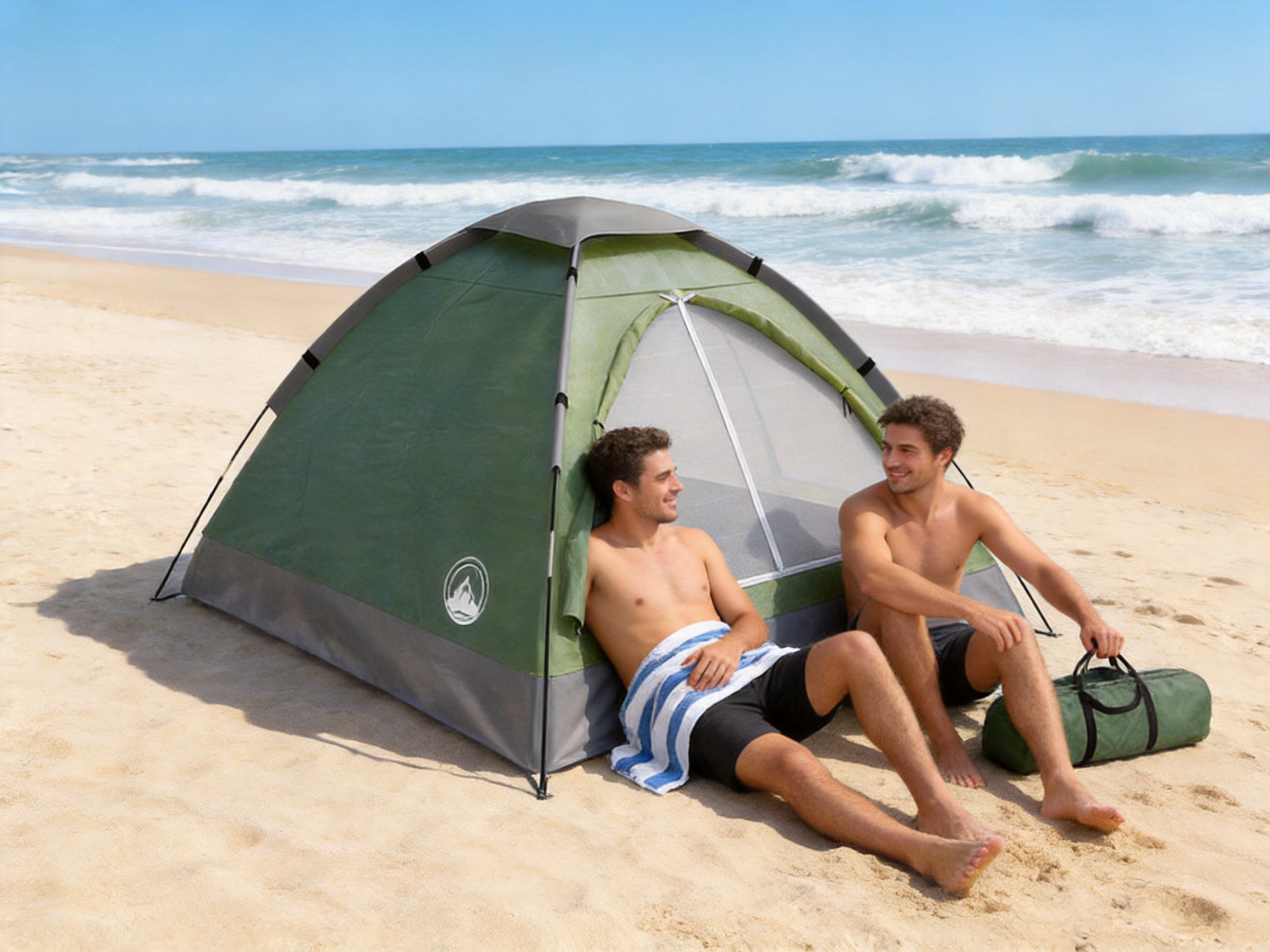
  • Quick-Setup Thickened Camping Tent for Beach Shelter, Sun Protection, and Two-Person Outdoor Comfort

    Quick-Setup Thickened Camping Tent for Beach Shelter, Sun Protection, and Two-Person Outdoor Comfort

    2026-05-29
    Modern camping users expect shelter that is fast, protective, comfortable, and reliable in changing outdoor conditions. A tent is no longer judged only by its sleeping capacity or folded size. It is judged by how quickly it can be deployed, how calmly it performs in sun and rain, how well it keeps insects out, how easy it is for beginners to handle, and whether it can survive repeated use without frustrating the user. The Outdoor Thickened Tent, Quick-Setup Beach Tent, Camping Sun Protection Tent, product code WFLY261004, is designed around exactly these practical expectations. This product belongs to the tent category for mountain-climbing, camping, beach leisure, family recreation, hiking rest stops, and general outdoor shelter use. Its core value is simple: it offers a hydraulic spring quick-opening structure that allows the tent to form automatically without complicated assembly. Instead of requiring users to connect multiple poles, read confusing instructions, and spend valuable time struggling with setup, this design makes shelter preparation faster and more intuitive. For novice campers, casual beach users, weekend travelers, and buyers who prioritize convenience, this is a major advantage. The tent also uses a double-layered structure to help provide sun protection and rain protection. In real outdoor environments, weather can shift quickly. A sunny beach afternoon can become windy or damp, and a camping trip can easily involve both hot daylight and cooler evening moisture. A double-layer design helps create a more versatile shelter compared with single-layer beach shades or basic low-cost tents. Combined with a thickened construction approach, breathable high-density mesh, and a space layout suitable for two people, the product is positioned as a dependable, user-friendly shelter for outdoor comfort. CragHaven Outdoor, based in Hangzhou, China, develops and manufactures outdoor products with a focus on real-use conditions rather than catalog decoration. The company’s philosophy emphasizes weather, terrain, and time. In other words, features must solve real outdoor problems, materials must support long-term reliability, and manufacturing decisions must produce stable, repeatable quality for global markets. This article examines the product’s design logic, competitive advantages, manufacturing strengths, quality-control approach, and ideal application scenarios. Outdoor thickened tent, quick-setup beach tent, camping sun protection tent. Product Overview and Core Positioning The Outdoor Thickened Tent is built for users who need a shelter that can be deployed quickly and used with confidence. It is described as a quick-setup beach tent and camping sun protection tent, but its usefulness extends beyond the beach. It can function as a short-stay camping shelter, a resting tent during hiking, a shaded space at outdoor events, a mosquito-resistant sleeping area for two people, or a convenient shelter for beginners who do not want a complicated pole system. The hydraulic spring quick-opening design is one of its defining features. Traditional tents often require users to thread poles through sleeves, connect joint sections, stake the body, attach a rainfly, adjust tension points, and repeat the process if a pole is inserted incorrectly. For experienced campers, this may be manageable. For beginners, families with children, beach users carrying multiple bags, or travelers arriving at a campsite near sunset, it can be inconvenient. A quick-opening tent removes much of that burden by allowing the frame and tent body to form rapidly through an integrated opening mechanism. The product is also designed with a double-layered tent structure. This matters because outdoor comfort depends on more than fabric overhead. A single-layer sunshade may block direct sunlight but can become stuffy. A thin single-wall tent may struggle with condensation, rain, and ventilation balance. A double-layer structure supports a more adaptable environment by separating protective coverage from inner comfort. When properly designed, this type of structure can help users manage airflow, shade, and moisture more effectively. The tent is spacious enough to comfortably sleep two people. Two-person capacity is one of the most popular categories in outdoor leisure because it fits couples, friends, parent-child use, solo campers who want extra space, and beach users who need room for bags and personal items. A shelter of this size is more manageable than large family tents while still offering better comfort than ultracompact emergency shelters. High-density mesh adds another practical advantage. Outdoor comfort is often disrupted not by major weather but by small annoyances: mosquitoes, flies, insects, heat buildup, and poor airflow. Mesh must be dense enough to reduce insect entry while remaining breathable enough to prevent the interior from feeling sealed and uncomfortable. This product’s mesh design addresses that balance, helping users rest more peacefully in campsites, near water, at beaches, and in warm-weather environments. Why Quick Setup Matters in Real Outdoor Use Speed is not merely a convenience feature. In outdoor scenarios, setup time affects safety, comfort, and user confidence. A quick-opening tent can be especially valuable when the weather changes suddenly, when the ground is hot or wet, when insects are active, or when users are tired after travel. The faster a shelter is formed, the faster users can protect themselves and their belongings. For beach use, rapid setup is particularly important. Sand can make traditional staking and pole assembly more difficult. Wind near shorelines can catch loose fabric before the tent is fully formed. A quick-opening system helps reduce the time during which the tent is vulnerable to flapping fabric and incomplete structure. Users can establish a shaded resting area more quickly and then focus on anchoring, organizing, and relaxing. For novice campers, quick setup reduces anxiety. Many first-time users hesitate to buy tents because they fear complicated assembly or embarrassment at campsites. A hydraulic spring quick-opening design provides a smoother first experience. When users can deploy a tent without specialized skills, they are more likely to enjoy outdoor activity and more likely to repeat the experience. For families, setup speed reduces stress. Parents often manage children, food, luggage, and campsite organization at the same time. A shelter that forms quickly allows families to create a base area sooner. Children can rest in shade, belongings can be placed inside, and adults can continue arranging the campsite without struggling through a lengthy tent assembly process. For cross-border retail and wholesale markets, quick setup also supports product appeal. Online buyers often make decisions based on visible usability. A tent that can be shown opening quickly in product images or videos has strong commercial value. It communicates simplicity and convenience immediately, which can reduce purchase hesitation and increase customer satisfaction after delivery. Hydraulic Spring Quick-Opening Design The hydraulic spring quick-opening structure is the technical heart of this tent. While traditional tents depend on separate pole systems, a quick-opening tent integrates the frame and canopy into a more unified mechanism. The user can open the tent with less manual assembly, allowing the shelter to form automatically or near-automatically. This design is especially suitable for users who want a balance between structure and convenience. Competitor products in the low-cost segment often use basic pop-up wire frames. These can be quick, but they may be difficult to fold, unstable in wind, or less durable over repeated use. Other competitors use traditional pole systems, which may offer rigidity but require longer setup time and more user skill. A hydraulic spring quick-opening design aims to occupy a better middle ground: faster than conventional pole tents and more controlled than simple twist-and-fold pop-up shelters. The quick-opening frame must be engineered carefully. It needs enough spring force to open smoothly, but not so much that it becomes difficult to control. It must resist deformation from repeated opening and folding cycles. It must align the fabric tension evenly so the tent shape remains stable rather than sagging in key areas. The joints and connection points need consistent manufacturing quality because they carry mechanical stress each time the tent is deployed. From a manufacturing perspective, the quick-opening system requires coordination between frame engineering, fabric cutting, stitching accuracy, and final assembly. If the fabric panels are not cut correctly, the frame may not open evenly. If seams are misaligned, the tent may pull unevenly. If joints are inconsistent, the opening action may feel stiff or unreliable. CragHaven Outdoor’s strength lies in treating these elements as one integrated product system rather than separate components. For end users, the result is a tent that feels simple. That simplicity is valuable because it hides a great deal of engineering behind an easy action. Good outdoor design often works this way: the user should not need to think about every technical detail. The product should simply perform when needed. Double-Layer Structure for Sun and Rain Protection A double-layered tent structure provides practical advantages over basic single-layer shelters. In outdoor use, a tent must manage multiple environmental pressures at once: sunlight, heat, moisture, wind, insects, and condensation. A single fabric wall can block some direct exposure, but it often creates trade-offs. If the fabric is too sealed, ventilation suffers. If it is too open, rain and insects become problems. A double-layer approach allows the design to distribute these tasks more effectively. The outer layer can focus on shielding the shelter from sun and light rain. It helps create shade and reduces direct exposure to weather. The inner layer can focus on user comfort, airflow, and insect resistance. This separation supports a more comfortable interior environment, especially during warm-weather camping and beach use. Sun protection is critical for beach and summer camping scenarios. Users often spend long hours outdoors, and direct sunlight can quickly make an exposed area uncomfortable. A tent that creates dependable shade helps protect users from heat stress, sun fatigue, and excessive exposure. While users should still follow safe sun practices, a well-designed shelter is an important part of outdoor comfort. Rain protection is equally important, even for a product marketed for beach and leisure use. Many buyers expect a tent to handle unexpected drizzle or damp conditions. A double-layer design gives the product stronger versatility than a simple sunshade. It is not positioned as a high-altitude expedition tent for severe storms, but for normal camping, leisure, beach, and mild-weather shelter use, the double-layer construction increases practicality. Another advantage of the double-layer structure is improved airflow management. When combined with mesh panels, the tent can allow air movement while maintaining a protective barrier. This is especially useful in humid environments, where trapped heat and moisture can make a shelter unpleasant. A tent that breathes well is more likely to be used repeatedly, because comfort is one of the strongest drivers of customer satisfaction. Thickened Construction and Durability-Oriented Material Selection The word “thickened” signals a product direction: the tent is built to feel more substantial than extremely thin disposable-style shelters. In outdoor gear, thickness alone is not the only measure of quality, but material strength, fabric hand feel, stitching integrity, and wear resistance all influence user confidence. A tent used on sand, grass, compacted soil, or campsite surfaces needs to resist routine abrasion and folding stress. CragHaven Outdoor’s material philosophy focuses on durability, reliability, and long-term use rather than short-term trends. This approach is important because many outdoor products fail not during the first use but after repeated packing, unpacking, tensioning, exposure, and storage. A tent may look attractive when new, but weak fabric, poor stitching, low-quality zippers, or unstable frame joints will reveal themselves over time. Thickened fabric construction can improve the perceived and functional quality of the tent. Users often notice whether a tent feels flimsy when touched, whether the floor feels vulnerable, and whether the canopy pulls smoothly over the frame. A more robust construction helps the tent maintain shape and provides a more reassuring experience. Material choice must also consider weight and portability. A tent that is too heavy may be inconvenient for casual use, while one that is too light may lack comfort and durability. The design challenge is to deliver enough strength for real use while preserving easy transport. This is particularly important for beach and camping users who may carry chairs, coolers, backpacks, sleeping equipment, and personal items. Competitor tents sometimes reduce costs by using minimal fabric weight, simplified stitching, and low-grade accessories. Such products can be appealing at first glance, especially in online marketplaces, but they may result in poor reviews when users encounter tearing, difficult folding, weak mesh, or unstable frames. A durability-oriented tent provides stronger long-term value, especially for distributors and retailers who want fewer complaints and better repeat purchases. High-Density Mesh for Breathability and Mosquito Protection Mesh quality is one of the most important comfort factors in a warm-weather tent. Users want air circulation, but they also want protection from mosquitoes and insects. If the mesh openings are too large, insects can enter. If the mesh is too dense or poorly positioned, airflow may be restricted. A high-density mesh system aims to balance these needs. In beach leisure, lakeside camping, forest edges, and summer fields, insects can turn a pleasant outing into an uncomfortable experience. A tent with effective mesh gives users a place to rest, nap, change clothes, protect children, or store belongings away from insects. For overnight use, mosquito resistance becomes even more important because bites can interrupt sleep and reduce the overall camping experience. Breathability is equally important. A fully sealed tent in warm weather can become hot and humid quickly. Mesh panels allow airflow while maintaining a protected interior. This supports comfort during daytime shade use and nighttime sleeping. It also helps reduce the feeling of confinement that some users experience in small shelters. Compared with some entry-level competitors, high-density mesh offers a clear advantage. Low-cost mesh can tear easily, deform after tension, or feel rough and fragile. Poor mesh attachment can create gaps around seams or zippers. A well-manufactured mesh system requires accurate cutting, strong stitching, and careful connection to the tent body. These are manufacturing details that directly affect user satisfaction. For a two-person quick-setup tent, mesh also supports flexible use. Users may keep the outer layer adjusted for shade and rain while using mesh for ventilation. This adaptability makes the tent useful across different temperatures and environments. Two-Person Space: Practical Comfort Without Excess Bulk A two-person tent must be designed carefully because comfort depends on usable space, not just nominal capacity. A tent may technically fit two people but feel cramped if the shape slopes too sharply or if the floor area is poorly organized. The Outdoor Thickened Tent is described as spacious enough to comfortably sleep two people, which positions it as a practical shelter for couples, friends, or solo users who want additional room. For camping, two-person capacity provides a flexible balance. It is easier to carry and set up than a large family tent, but it offers more comfort than a narrow single-person shelter. For beach use, the space can accommodate users sitting or resting, along with towels, bags, clothing, food containers, or small outdoor accessories. For festival, park, or picnic use, it can serve as a compact private resting area. Interior comfort also depends on entry access, ventilation layout, and fabric tension. A quick-opening structure helps create the tent shape quickly, but the design must also maintain enough headroom and side space to avoid a collapsed or cramped feeling. This is where pattern engineering and frame geometry are important. A well-designed tent uses its structure efficiently so the interior feels larger than the folded package might suggest. Compared with low-cost pop-up beach shelters, a two-person thickened double-layer tent can feel more protective and private. Compared with larger traditional camping tents, it is easier to handle and faster to deploy. This balance makes it suitable for a wide range of users, including beginners, casual campers, weekend travelers, and retailers seeking a versatile product category. Competitive Advantages at a Glance The tent’s advantages become clearer when compared with common alternatives in the market. Many competitors focus on only one selling point: low price, ultralight weight, quick pop-up action, or visual style. This product is stronger because it combines quick setup, double-layer protection, two-person comfort, breathable insect-resistant mesh, and thickened construction into one practical package. Feature Outdoor Thickened Quick-Setup Tent Typical Low-Cost Pop-Up Shelter Traditional Pole Tent Setup Method Hydraulic spring quick-opening design for fast automatic forming Fast opening but often difficult folding and less controlled structure Manual pole assembly requiring more time and skill Weather Adaptability Double-layer structure supports sun and light rain protection Often mainly for shade, with limited rain management Can be protective, depending on model, but slower to set up User Skill Requirement Beginner-friendly and suitable for casual outdoor users Easy to open but sometimes confusing to fold Moderate to high, especially for first-time campers Comfort Two-person sleeping space with breathable high-density mesh May have limited ventilation and privacy Varies by design; comfort often depends on correct setup Durability Focus Thickened construction and integrated manufacturing control Often built for low cost and occasional use Can be durable but depends heavily on pole and fabric quality Best Use Camping, beach leisure, novice users, weekend trips, shaded rest Short beach shade and casual temporary shelter Longer camping trips where setup time is less important This comparison shows that the product does not compete only by being fast. Its real advantage is balanced performance. A quick tent that lacks comfort is not enough. A durable tent that is hard to set up may discourage beginners. A beach shelter that cannot handle insects or light rain has limited use. By combining multiple practical features, the Outdoor Thickened Tent delivers broader value. Manufacturing Philosophy Behind the Product CragHaven Outdoor is not positioned merely as a sourcing intermediary. The company participates in design and manufacturing decisions, aiming to reduce uncertainty in the supply chain. This matters because outdoor gear quality depends on process discipline. A product may have a good concept, but without reliable sampling, testing, material control, and assembly standards, the final goods may vary from batch to batch. The company’s development principles are especially relevant to this tent. First, products are designed for weather, terrain, and time, not only for catalog appearance. For a quick-setup tent, that means evaluating how users open it, how the frame behaves after repeated cycles, how fabric tension changes, and how the shelter handles common outdoor conditions. Second, every feature must solve a real usage problem. The hydraulic opening system solves setup difficulty. The double layer addresses sun and rain. Mesh addresses airflow and insects. Two-person space addresses practical comfort. Third, materials are selected for durability and long-term reliability rather than short-term trends. Advanced manufacturing for this category includes more than sewing fabric panels. It involves coordinating the mechanical frame, fabric pattern, mesh placement, accessory quality, seam strength, folding logic, packaging, and final inspection. The product must open correctly, fold consistently, pack efficiently, and arrive to customers in good condition. These requirements demand process control from the earliest sample stage. Sampling and optimization are especially important. A quick-opening tent may require multiple rounds of adjustment before it achieves the right balance of opening force, fabric tension, interior space, folding size, and visual appearance. If one element changes, others may need adjustment. For example, a thicker fabric may improve durability but affect folding behavior. A stronger frame may improve structure but increase weight. A larger mesh panel may improve ventilation but require stronger seam reinforcement. A capable manufacturer must understand these trade-offs and refine the product accordingly. Material Preparation and Pattern Engineering The first stage of reliable tent manufacturing is material preparation and pattern engineering. Fabric, mesh, frame parts, connectors, zippers, stitching thread, ground materials, and packaging components must be selected according to the product’s intended use. For a thickened quick-setup tent, the materials must support repeated folding, tension, and outdoor exposure. Pattern engineering determines how flat fabric becomes a three-dimensional tent. This process is more complex than it appears. Each panel must match the frame geometry. Seam allowances must be consistent. Mesh panels must align with openings and closure systems. The outer and inner layers must work together without excessive sagging or tension imbalance. Good pattern engineering helps the tent open smoothly and maintain a clean shape. In lower-quality production, pattern inconsistency can create visible defects such as uneven sides, twisted openings, loose mesh, or difficulty folding. These problems may not always appear in product photos, but users notice them immediately during use. CragHaven Outdoor’s emphasis on sampling, testing, and optimization helps reduce these risks. Cutting accuracy is also essential. Automated or carefully controlled cutting processes can improve consistency across production batches. When fabric panels are cut precisely, stitching teams can assemble the tent more efficiently, and the final product is more likely to match approved samples. Consistency is particularly important for cross-border buyers, because overseas retailers need stable quality across repeated orders. Frame Integration and Opening Mechanism Control The hydraulic spring quick-opening mechanism requires special attention during manufacturing. The frame is not simply an accessory; it is the structural system that defines the user experience. If the frame opens smoothly, the product feels premium and convenient. If it jams, twists, or feels weak, the entire product experience declines. Frame components must be evaluated for strength, elasticity, connection stability, and repeated-cycle performance. Joints should move predictably. Springs should provide appropriate support. Connection points between frame and fabric must be secure. Stress must be distributed so that repeated opening does not tear fabric or loosen stitching. During assembly, workers must align the frame with fabric channels or attachment points correctly. Even small misalignment can create tension imbalance. In a quick-opening tent, this can affect both appearance and function. A reliable manufacturing process includes inspection checkpoints during frame installation, not only at final packaging. Competitors that focus on low-cost production may overlook these details. The tent may open well during the first demonstration but become difficult after several uses. CragHaven Outdoor’s process orientation helps improve long-term performance by treating the opening mechanism as a quality-critical component. Stitching, Seam Reinforcement, and Structural Reliability Stitching quality is one of the most visible and important signs of tent durability. A tent is exposed to pulling forces from the frame, wind, user handling, packing, and ground contact. Weak seams can fail even if the fabric itself is acceptable. Therefore, stitch density, thread selection, seam alignment, and reinforcement at stress points are essential. For a double-layer tent, stitching must also maintain separation and alignment between layers. Poor assembly can cause the inner layer to sag, interfere with ventilation, or reduce usable space. Mesh seams require special care because mesh behaves differently from solid fabric. It can stretch, distort, or tear if handled incorrectly. Reinforcement is particularly important around corners, door openings, frame connection points, zipper ends, and areas subject to repeated folding. These are the places where outdoor products commonly fail. A durability-oriented production process identifies such points during sample testing and strengthens them before mass production. Seam neatness also affects brand perception in retail markets. Consumers may not know the technical details of seam construction, but they can recognize uneven stitching, loose threads, and poorly finished edges. Clean workmanship communicates quality and supports premium positioning. Ventilation, Insect Protection, and User Comfort Testing A tent can be structurally sound but uncomfortable if ventilation is poor. User comfort testing should evaluate airflow, heat buildup, mesh placement, entry convenience, and interior space. The high-density mesh must be positioned to allow air movement while protecting users from insects. The openings must function smoothly and close securely. In warm-weather shelters, the relationship between sun protection and ventilation is critical. A tent that blocks sun but traps heat may be unpleasant. A tent that ventilates well but allows too much exposure may not provide enough protection. The double-layer structure and mesh system are designed to balance these needs. Testing can include repeated opening and closing of doors or mesh panels, checking for snagging, verifying that zippers or closures align properly, and assessing whether the interior remains comfortable for two users. While laboratory tests are useful, real-world scenario evaluation is also important. Beach, campsite, grassland, and park conditions all reveal different product behaviors. Quality Control for Stable Cross-Border Supply For global buyers, product quality is only one part of the equation. Consistency is equally important. A supplier must be able to reproduce the approved sample across production batches. CragHaven Outdoor’s advantage lies in its understanding of both real outdoor usage and Western-market expectations. This helps reduce communication gaps and supports stable cooperation with retailers, wholesalers, and brand partners. Quality control for this tent can include incoming material inspection, frame component checks, fabric cutting verification, sewing-line inspection, opening mechanism testing, visual inspection, packaging inspection, and random final checks. Each checkpoint reduces the chance that defects reach customers. Final inspection should confirm that the tent opens correctly, folds properly, has no obvious fabric damage, includes required accessories, and is packed according to order requirements. For cross-border shipments, packaging matters because products may experience long transport routes, stacking pressure, humidity changes, and handling impacts. Proper packaging helps protect the quick-opening frame and fabric from deformation or damage. Stable quality control also reduces after-sales risk. Tents that arrive defective or fail quickly can create returns, negative reviews, and retailer dissatisfaction. A manufacturing partner that focuses on long-term reliability helps customers protect their market reputation. Advantages for Retailers, Distributors, and Outdoor Brands This tent is attractive not only for end users but also for business customers. Retailers and distributors need products that are easy to explain, easy to display, and easy to sell. The main selling points of this tent are immediately understandable: quick setup, double-layer protection, two-person comfort, breathable mosquito-proof mesh, and thickened construction. These features can be communicated clearly in online listings, showroom demonstrations, and sales materials. The product also fits multiple sales channels. It can be positioned for camping, beach leisure, family outdoor recreation, beginner camping kits, summer travel, picnic shelters, festival use, or general outdoor shade. This flexibility helps businesses expand audience reach without needing entirely separate product lines for each scenario. Another business advantage is reduced customer education. Traditional tents may require detailed setup instructions and create user complaints when buyers fail to assemble them properly. A quick-opening tent simplifies the user journey. When a product is easier to use, customer satisfaction often improves, and support requirements decrease. For private-label or cross-border manufacturing programs, CragHaven Outdoor’s process knowledge is valuable. The company can communicate in a professional, Western-market-oriented way, which helps international partners clarify specifications, packaging needs, quality standards, and product positioning. Its location in Hangzhou also supports access to China’s mature and efficient manufacturing ecosystem. Ideal Use Scenarios The Outdoor Thickened Tent is suitable for a broad range of outdoor conditions where speed, comfort, and moderate protection are priorities. It is particularly well suited for beach shade because users can create a resting space quickly. The double-layer construction helps reduce direct sun exposure, while breathable mesh improves comfort during warm conditions. For camping, the tent is a strong choice for beginners or weekend users who value simplicity. It is not necessary to master complicated pole assembly before enjoying the outdoors. The two-person capacity makes it suitable for couples, friends, or solo campers with gear. The mosquito-resistant mesh improves rest quality in warm seasons. For hiking or mountain recreation, the tent can serve as a temporary rest shelter depending on the travel style and carrying requirements. Users should always match shelter choice to terrain, weather expectations, and trip duration. For casual hiking rest points, base leisure, and short outdoor stays, the quick-opening structure can be highly convenient. For family outings, the tent can become a shaded rest zone for children, a changing area, a place to store bags, or a nap shelter. Its easy setup reduces the workload for adults and improves the overall outing experience. For outdoor events, picnics, music festivals, sports days, and park gatherings, the tent offers privacy and shade. Many users in these scenarios are not experienced campers, so the beginner-friendly setup is a major benefit. How This Tent Stands Above Many Competitors Many tents in the market are built around a single advantage. Some are inexpensive but fragile. Some are fast to open but troublesome to fold. Some are protective but heavy and complicated. Some are visually attractive but lack ventilation. The Outdoor Thickened Tent stands out because it combines several practical advantages into one coherent design. First, it reduces setup time without relying on an overly simplistic structure. The hydraulic spring quick-opening design offers convenience while supporting a more organized tent shape. This is an important distinction from basic pop-up shelters that may open quickly but lack structure and long-term durability. Second, it offers double-layer protection. A tent intended for real use should not be limited to one weather condition. The double-layer structure improves versatility for sun and light rain, making the product more useful across different outdoor scenarios. Third, it addresses comfort. The two-person capacity and high-density mesh show that the design considers how people actually use tents. Users need space, airflow, and insect protection, not just a fabric cover. Fourth, it reflects manufacturing discipline. A quick-opening tent can fail if the frame, fabric, and stitching are not integrated properly. CragHaven Outdoor’s emphasis on sampling, testing, optimization, and material reliability supports more stable product performance. Fifth, it offers business value. For global retailers and outdoor brands, a product that is easy to demonstrate, easy to understand, and suitable for multiple use cases can strengthen sales potential. When quality is consistent, it also supports long-term cooperation and reduces supply-chain uncertainty. Care, Use, and Practical Recommendations To maximize service life, users should open the tent on a reasonably clear surface whenever possible. Sharp stones, broken shells, branches, and rough ground can damage any tent fabric over time. A groundsheet or mat can provide additional protection in abrasive environments. After use in damp conditions, the tent should be dried before long-term storage. Moisture trapped inside folded fabric can cause odor, mildew, or material degradation. Even tents designed for outdoor use benefit from proper care. Users should avoid forcing the frame during folding. Quick-opening mechanisms are designed to follow a specific motion. If resistance is felt, it is better to check alignment than to apply excessive force. Proper folding preserves frame performance and fabric shape. At the beach, users should secure the tent appropriately according to local wind conditions. Any tent or shelter can be affected by wind if not anchored. Sand pockets, stakes suitable for sand, or weighted items may help depending on the final accessory configuration and local conditions. For rain, users should remember that product performance depends on intensity, duration, setup, and site selection. A double-layer structure improves protection for common outdoor use, but users should avoid low ground where water pools and should not treat leisure tents as substitutes for specialized expedition shelters. Q&A Section What makes this tent different from an ordinary pop-up beach tent? The key difference is its balanced design. Many ordinary pop-up beach tents focus only on fast opening and shade. This product combines a hydraulic spring quick-opening structure, double-layer sun and rain protection, thickened construction, two-person space, and high-density mosquito-resistant mesh. It is designed to be more versatile for both beach leisure and camping use. Is this tent suitable for beginners? Yes. The quick-opening design is especially friendly for novice campers and casual outdoor users. It reduces the need for complicated pole assembly and allows users to create shelter quickly. This makes it suitable for first-time campers, families, beach users, and weekend travelers. Can two people sleep inside comfortably? The tent is designed to be spacious enough for two people to sleep. It is suitable for couples, friends, parent-child use, or solo users who prefer extra space for gear. As with all tents, comfort also depends on user height, sleeping equipment, and the amount of gear stored inside. Does the tent protect against mosquitoes? Yes. The product uses high-density mesh designed to support breathability while helping block mosquitoes and insects. This is valuable for warm-weather camping, lakeside use, beach evenings, forest edges, and other outdoor environments where insects are common. Is the tent only for beach use? No. Although it is suitable as a quick-setup beach tent and sun protection shelter, it can also be used for camping, picnics, park outings, outdoor events, family recreation, and short rest stops during outdoor activity. Its double-layer design and two-person interior make it more versatile than a simple sunshade. How does the double-layer structure improve performance? The double-layer structure helps separate weather protection from interior comfort. The outer layer contributes to sun and rain shielding, while the inner area can support ventilation and insect protection through mesh. This makes the tent more adaptable than many single-layer shelters. Why is manufacturing quality important for a quick-opening tent? A quick-opening tent depends on accurate integration of frame, fabric, seams, and folding geometry. If these elements are not manufactured consistently, the tent may open unevenly, fold poorly, or experience stress at weak points. Good manufacturing control helps ensure smoother operation and longer-lasting performance. What type of buyers can benefit from this product? End users benefit from convenience, comfort, and protection. Retailers, distributors, and outdoor brands benefit from a product that is easy to explain, suitable for multiple scenarios, and aligned with popular outdoor leisure demand. It is especially attractive for markets where beginner-friendly camping gear is growing. Company Strengths Supporting the Product CragHaven Outdoor is based in Hangzhou, Zhejiang Province, one of China’s important commercial and manufacturing regions. The company focuses on mountaineering, hiking, and camping scenarios, delivering functional and reliable outdoor gear for global markets. Its work is guided by the idea that outdoor products should be built for real environments rather than designed only for catalog appeal. The company’s strength comes from connecting product understanding with manufacturing execution. Many suppliers can provide products that look similar in photos, but fewer can explain how the product will be used, where it may fail, and how to improve it before mass production. CragHaven Outdoor emphasizes real outdoor usage experience, sampling, testing, and optimization. This approach is valuable for international buyers. Cross-border outdoor products must satisfy customer expectations in different markets. Buyers often need clear communication, stable quality, professional documentation, packaging coordination, and responsive problem solving. CragHaven Outdoor aims to reduce uncertainty by participating in both design and manufacturing rather than acting only as a factory source. The company also values long-term partnerships. In outdoor manufacturing, long-term cooperation allows suppliers and buyers to improve products over time. Feedback from customers can be translated into updated materials, adjusted patterns, stronger accessories, improved packaging, or expanded color and style options. A stable manufacturing partner helps brands build a more reliable product line. Why This Product Fits Today’s Outdoor Market Outdoor participation has become more diverse. Not every user is an expert mountaineer or long-distance backpacker. Many customers are families, casual campers, beach travelers, weekend hikers, festival visitors, or people seeking simple contact with nature. These users want gear that lowers the barrier to outdoor enjoyment. A quick-setup, comfortable, protective tent fits this trend well. At the same time, customers are becoming more critical of quality. Low-cost outdoor products may sell quickly, but negative experiences can damage trust. Buyers increasingly look for products that combine convenience with durability. A thickened, double-layer quick-opening tent answers this demand by providing a stronger sense of reliability than basic temporary shelters. The product also fits the growth of visual online selling. Quick setup can be demonstrated clearly in short videos and product photos. Mesh ventilation, two-person space, and double-layer coverage are easy to communicate. For e-commerce platforms, products with obvious functional benefits often perform better because shoppers can understand the value quickly. For wholesale and private-label programs, the tent offers a flexible foundation. It can be positioned as a beach tent, camping tent, beginner shelter, sun protection tent, family leisure tent, or outdoor rest tent. This adaptability allows businesses to tailor marketing to different seasons and customer groups. Conclusion The Outdoor Thickened Tent, Quick-Setup Beach Tent, Camping Sun Protection Tent, product code WFLY261004, offers a strong combination of convenience, protection, comfort, and manufacturing reliability. Its hydraulic spring quick-opening design reduces setup difficulty and makes outdoor shelter accessible to beginners and casual users. Its double-layered structure supports sun and rain protection, while high-density mesh improves breathability and mosquito resistance. Its two-person space provides practical comfort without unnecessary bulk. Compared with many competitor products, it stands out through balance. It is more protective than a simple beach shade, easier to use than many traditional pole tents, more comfortable than minimal pop-up shelters, and more commercially versatile than single-scenario products. The thickened construction and durability-oriented design further strengthen its long-term value. Behind the product is CragHaven Outdoor’s manufacturing philosophy: design for weather, terrain, and time; ensure every feature solves a real problem; and use sampling, testing, and optimization to support stable quality. For end users, this means a tent that is easier to trust. For retailers, distributors, and brand partners, it means a product with clear selling points and a supplier focused on reliable execution. In a market crowded with tents that look similar at first glance, genuine value comes from practical design and disciplined manufacturing. This quick-setup thickened tent delivers that value by making shelter simpler, more comfortable, and more dependable for real outdoor life. References 1. Ryan, K. Outdoor Shelter Design Principles: Weather Protection, Ventilation, and User Comfort. Outdoor Equipment Technical Review. 2. Miller, J. Camping Gear Manufacturing and Quality Control: Fabric, Frame, and Seam Performance. Textile Product Engineering Journal. 3. Anderson, P. Recreational Tent Usage Patterns in Beach and Family Camping Markets. Leisure Outdoor Industry Report. 4. Chen, L. Functional Textile Selection for Lightweight Outdoor Shelters. Applied Materials and Outdoor Products Review. 5. Thompson, E. Consumer Expectations in Beginner Camping Equipment: Convenience, Safety, and Durability. Global Outdoor Retail Studies. Product: Outdoor thickened tent, quick-setup beach tent, camping sun protection tent. .profile-card { display: flex; align-items: flex-start; gap: 2rem; background-color: white; padding: 2rem; border-radius: 12px; box-shadow: 0 2px 10px rgba(0,0,0,0.05); } .profile-avatar { width: 120px; height: 120px; border-radius: 50%; overflow: hidden; flex-shrink: 0; } .profile-avatar img { width: 100%; height: 100%; object-fit: cover; display: block; } .profile-info { flex-grow: 1; } .profile-name { font-size:27px; font-weight: 900; margin-bottom: 1rem; color: #1a1a1a; } .profile-bio { line-height: 1.6; color: #333; } @media (max-width: 600px) { .profile-card { flex-direction: column; align-items: center; text-align: center; gap: 1.5rem; } } Deng Yuli — International Sales Manager 10 years of B2B sales experience in outdoor equipment manufacturing, focusing on key account development, quotation negotiation, product proposal preparation, and long-term cooperation with overseas distributors and private-label brands.
    View Article
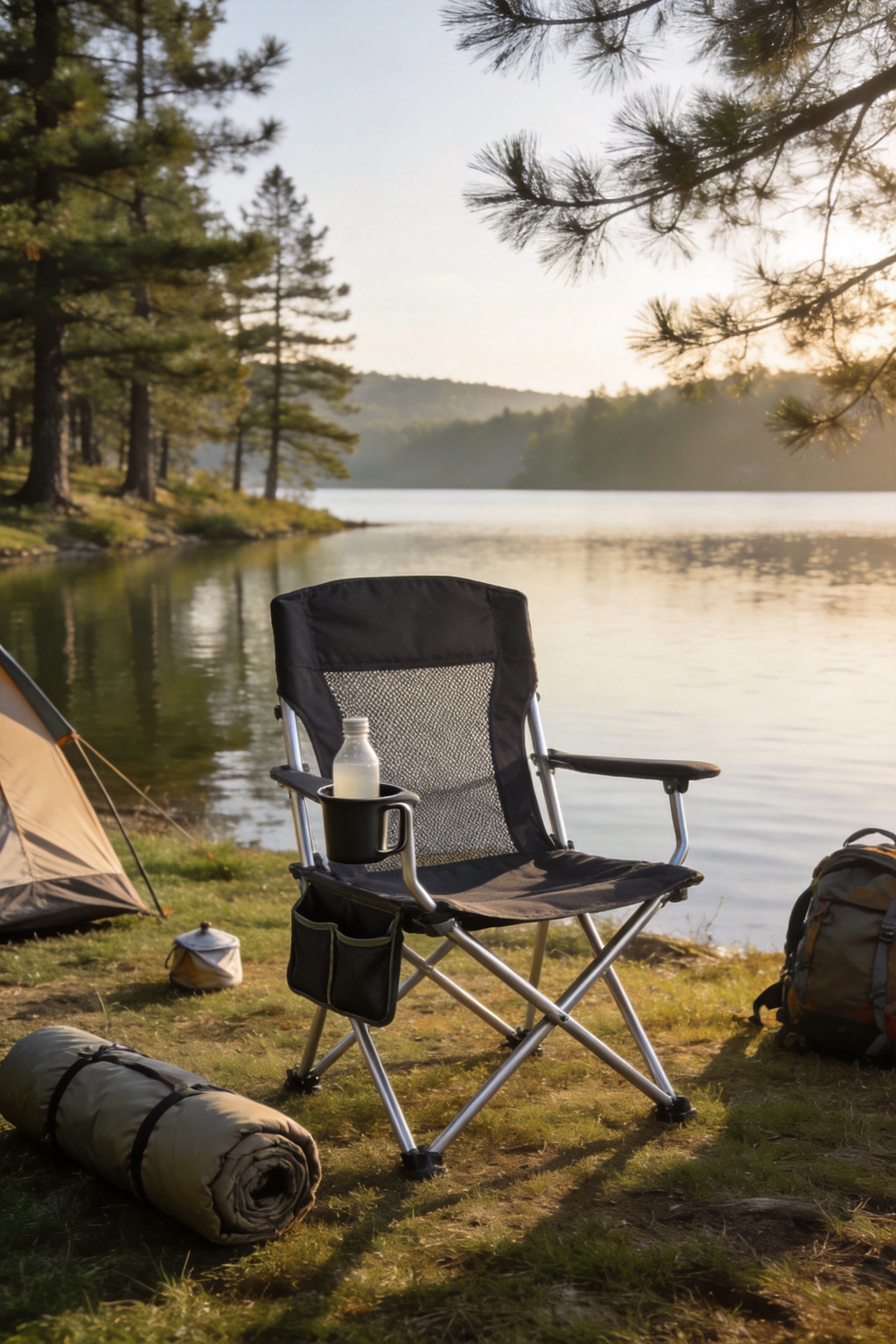
  • Portable Folding Camping Chair Built for Comfort, Stability, and Real Outdoor Use

    Portable Folding Camping Chair Built for Comfort, Stability, and Real Outdoor Use

    2026-05-23
    Outdoor seating is often treated as a simple accessory, yet anyone who has spent long hours at a campsite, mountain base, lakeside rest area, festival ground, or overland travel stop knows that a chair can change the entire outdoor experience. A reliable camping chair must do more than unfold and hold weight. It must pack down efficiently, resist repeated transport, remain comfortable during extended sitting, manage heat and moisture, and offer practical storage where users actually need it. The Outdoor folding chair, portable multi-functional camping chair, model WFLY262002, is designed around these real usage conditions. It combines an aviation-grade aluminum alloy frame, Oxford cloth seating surface, breathable mesh back panel, side storage pockets, cup holders, and quick-folding construction into a compact and user-friendly camping furniture solution. The product is suitable for camping, hiking rest areas, mountain-climbing support camps, fishing, outdoor events, road trips, and leisure use in backyards or parks. Unlike generic folding chairs that focus only on low cost or basic appearance, this chair emphasizes a balanced outdoor performance profile: lightweight structure, dependable support, comfort during long sitting sessions, organized storage, fast deployment, and compact transport. These elements make it attractive for retail brands, outdoor distributors, e-commerce sellers, promotional buyers, and sourcing teams seeking a practical camping furniture product with long-term market potential. Behind the product is CragHaven Outdoor, an outdoor brand and cross-border manufacturing partner based in Hangzhou, China. The company focuses on mountaineering, hiking, and camping scenarios, with a development philosophy centered on durability, reliability, real-world function, and supply-chain stability. Instead of designing products only for catalog photography, the company approaches product development through weather, terrain, repeated use, and time. Product Overview The WFLY262002 portable multi-functional camping chair is built to serve the modern outdoor user who wants convenience without sacrificing structural confidence. The aviation-grade aluminum alloy frame gives the chair a strong yet lightweight foundation, while Oxford cloth provides a durable and practical seating surface. The breathable mesh back panel helps reduce stuffiness during warm-weather use or extended sitting, and the integrated side pockets and cup holders keep essentials close at hand. In the camping furniture category, portability is essential. A chair that is comfortable but difficult to carry loses value for many outdoor users. This model is designed for quick folding and space-saving storage, making it easier to load into a vehicle, carry to a campsite, move between locations, or store at home when not in use. The product supports a wide range of outdoor lifestyles, from family camping and weekend hiking to mountain base rest zones and recreational travel. The chair’s design is not overloaded with unnecessary decorative elements. Instead, its features are purpose-driven. The frame supports mobility and stability. The fabric supports comfort and durability. The mesh supports airflow. The side storage supports convenience. The cup holder supports everyday campsite habits. The folding structure supports fast setup and packing. Each feature serves a practical role in improving outdoor usability. Core Product Specifications and Functional Advantages Product Element Material or Function User Benefit Competitive Advantage Frame Aviation-grade aluminum alloy Lightweight handling with dependable structural support Better portability than many heavy steel-frame chairs and stronger confidence than low-grade light frames Seat Fabric Oxford cloth Durable sitting surface suitable for repeated outdoor use More practical for rugged use than thin decorative fabrics Back Panel Breathable mesh Improved ventilation during long sitting sessions Reduces the stuffy feeling common in fully fabric-backed camping chairs Storage Design Side pockets and cup holders Keeps phones, bottles, small tools, and personal items nearby More functional than basic folding chairs without organized storage Folding System Quick-folding structure Fast setup, compact packing, and easier storage Improves mobility and saves space in vehicles, tents, and storage areas Application Camping, hiking, outdoor leisure, mountain support use Versatile seating for multiple scenarios Broader market appeal than single-purpose outdoor seating products Why a Better Camping Chair Matters Outdoor comfort is not a luxury; it is part of energy management. After hiking, climbing, cooking, fishing, driving, or setting up camp, users need a stable place to rest. Poor seating can cause fatigue, discomfort, heat buildup, and inconvenience. A badly designed chair may be heavy, unstable, difficult to fold, or uncomfortable after only a short period. These problems reduce the user’s overall outdoor experience and can damage customer satisfaction for retailers and brands. The WFLY262002 chair addresses these concerns by treating the camping chair as an essential piece of outdoor equipment rather than a disposable accessory. It is built around the realities of field use: users carry gear, sit for extended periods, need nearby storage, drink water or coffee around camp, and often move equipment several times a day. A chair that is easy to open, easy to carry, comfortable to sit in, and simple to store has direct value in these conditions. For sourcing managers and product planners, a chair like this also has commercial importance. Camping furniture is a competitive category, and customers compare products quickly. Visible features such as breathable mesh, side pockets, cup holders, and aluminum framing help communicate value at retail and online. Practical details increase perceived quality and help distinguish the product from low-end alternatives. Aviation-Grade Aluminum Alloy Frame: Lightweight Strength for Outdoor Mobility The frame is one of the most important components of any folding chair. It determines portability, structural feel, corrosion resistance potential, and long-term user confidence. The WFLY262002 uses an aviation-grade aluminum alloy frame, giving the chair a favorable balance between strength and weight. Many entry-level camping chairs rely on heavier steel frames. Steel can provide strength, but it often increases total carry weight and may be less convenient for users who frequently transport equipment. For car camping, an extra kilogram may not seem important at first, but users notice weight when carrying multiple items from a parking area to a campsite, moving gear across uneven ground, or packing a vehicle with limited space. Aluminum alloy offers an advantage because it supports a lighter, more travel-friendly product structure. Compared with lower-grade lightweight frames, aviation-grade aluminum alloy offers improved confidence in product positioning. It supports a more premium perception and aligns well with outdoor consumers who care about reliable materials. In outdoor furniture, users may not always analyze technical specifications, but they quickly recognize whether a chair feels cheap, flimsy, or unstable. A well-selected aluminum alloy frame helps deliver a stronger product impression. The aluminum structure also supports cross-border market appeal. Many Western outdoor consumers expect camping gear to be functional, packable, and durable. A lightweight frame is especially important for e-commerce because shipping efficiency, package size, and customer handling all influence sales performance. By combining portability with structural performance, this chair serves both user needs and business needs. Oxford Cloth Seat: Practical Durability for Repeated Use The seat material must resist tension, friction, movement, and contact with outdoor clothing, dust, and occasional moisture. Oxford cloth is a practical choice for camping furniture because it offers durability and usability in common outdoor conditions. It is not selected only for appearance; it is selected for repeated sitting, folding, packing, and transport. Some low-cost folding chairs use thin or weak fabric that may stretch, tear, or lose shape after repeated use. Others use materials that appear attractive in photos but are less suitable for rugged outdoor conditions. The Oxford cloth seat on this chair supports a more dependable product experience. It gives users a stable seating surface and helps maintain the chair’s functional value over time. The fabric choice also matters for manufacturing consistency. For global buyers, stable material sourcing is essential. A product line must be repeatable from sample to bulk production. Oxford cloth is widely recognized in outdoor and luggage categories, making it easier to align user expectations, production planning, and quality control. When paired with proper stitching and reinforced construction, it contributes to a camping chair that can withstand routine outdoor use. Breathable Mesh Back Panel: Comfort During Long Sitting Sessions Comfort is not only about softness. Ventilation is equally important, especially in warm seasons or humid environments. A fully covered fabric back can trap heat and moisture, causing discomfort during extended sitting. The breathable mesh back panel of the WFLY262002 helps solve this problem by allowing better airflow across the user’s back. This feature is particularly valuable for camping, hiking rest stops, fishing, outdoor cooking, festivals, and mountain support camps. Users may sit for long periods while preparing meals, waiting for weather changes, relaxing after exertion, or socializing around a campsite. Breathability helps maintain comfort and reduces the stuffy feeling often associated with basic folding chairs. The mesh back panel also gives the chair a lighter visual and physical character. It communicates ventilation and outdoor practicality immediately. In retail presentation, this is a visible advantage over chairs that appear bulky or hot to sit in. For online product pages, breathable construction is easy to explain and easy for customers to understand. Multi-Functional Storage: Pockets and Cup Holders Where Users Need Them Good outdoor design often comes from small details. Side pockets and cup holders may appear simple, but they solve frequent real-world problems. Campers need places for phones, maps, flashlights, snacks, gloves, small tools, power banks, and water bottles. Without built-in storage, these items end up on the ground, inside bags, or scattered around camp. The WFLY262002 includes convenient side storage pockets and cup holders that support organized outdoor living. A user can keep a drink nearby while cooking, reading, talking, or resting. A phone can be placed within reach instead of being lost in a tent or backpack. Small items can be separated from dirt, sand, or damp grass. This functional storage also improves the product’s competitiveness. Many basic chairs only provide a seat. A multi-functional chair provides a more complete campsite experience. For consumers comparing products, storage pockets and cup holders are tangible value points. For distributors and retailers, these features support stronger marketing messages and higher perceived usefulness. Quick Folding and Space-Saving Design Outdoor equipment must be easy to deploy and easy to pack. Complicated setup discourages use and frustrates customers. The quick-folding design of this chair helps users transition quickly between transport and relaxation. It is suitable for frequent movement, short stops, vehicle-based camping, event use, and storage in compact home spaces. Space saving is especially important in modern outdoor lifestyles. Many users pack tents, sleeping bags, cooking equipment, lighting, coolers, backpacks, trekking poles, and personal items into a single vehicle. Furniture must compete for limited cargo space. A chair that folds quickly and stores compactly increases its likelihood of being brought on trips rather than left at home. From a business perspective, compact folding design also supports logistics efficiency. Although package specifications may vary according to final buyer requirements, products that are designed with space awareness can better support warehousing, shipping, retail display, and e-commerce fulfillment. A chair that is easier to handle throughout the supply chain creates value beyond the campsite. Advantages Over Common Competitor Products The camping chair market includes many low-cost models, heavy-duty steel chairs, compact ultralight chairs, oversized lounge chairs, and promotional folding seats. Each type has strengths, but many also involve compromises. The WFLY262002 aims to deliver a balanced solution that avoids the most common weaknesses. Compared with low-end promotional chairs, it offers a more considered material combination, better comfort features, and more complete functionality. Low-end products may look similar at a distance, but they often suffer from weak fabric, poor stitching, heavy frames, limited storage, or uncomfortable back construction. This model is designed to feel more purposeful and durable. Compared with heavy steel-frame chairs, the aviation-grade aluminum alloy frame supports easier carrying and a more premium material identity. Heavy chairs may be stable but inconvenient, particularly when users must walk from a vehicle to a campsite or carry several items at once. A lighter chair improves mobility and increases actual usage frequency. Compared with minimalist ultralight stools or compact hiking chairs, this chair provides more campsite comfort and storage convenience. Ultralight products are useful for specialized backpacking, but they often sacrifice sitting comfort, back support, and practical organization. The WFLY262002 is better suited for users who want comfort, functionality, and portability in a single product. Compared with oversized lounge chairs, this model is more space-conscious and easier to transport. Large lounge chairs can be comfortable, but they often occupy too much vehicle and storage space. For many outdoor users, the ideal camping chair is not the largest chair; it is the chair that provides dependable comfort while remaining easy to carry and store. Designed for Real Outdoor Scenarios The product’s value becomes clearer when viewed through actual outdoor scenarios. In a mountain-climbing support camp, users need a place to rest between activities, sort equipment, drink water, and discuss route plans. The chair’s lightweight frame makes movement easier, while the storage pockets help keep small essentials within reach. At a family campsite, comfort and convenience are equally important. Parents may need a cup holder for a drink, a pocket for a phone, and breathable seating for long evenings around a fire or cooking area. Quick folding helps when weather changes or when the family needs to leave quickly. During fishing or lakeside recreation, users often sit for extended periods. Breathable back support and nearby storage are practical advantages. The chair can hold small accessories, drinks, or personal items while reducing the need to repeatedly reach into a tackle bag or backpack. For road trips and overland travel, packability matters. A chair that folds quickly and stores efficiently is easier to use during short rest stops, scenic breaks, and overnight camps. The product’s balanced construction makes it suitable for travelers who need reliable seating without unnecessary bulk. For outdoor events, festivals, and public gatherings, users value seating that can be carried, opened, used comfortably, and packed again without difficulty. Cup holders and pockets add convenience, while the breathable back panel supports comfort in crowded or warm environments. Manufacturing Philosophy: Built for Weather, Terrain, and Time CragHaven Outdoor’s product development philosophy is based on the belief that outdoor gear should be designed for weather, terrain, and time rather than simply for catalog presentation. This approach is important because outdoor users judge products through experience, not slogans. A chair must perform when the ground is uneven, when the air is warm, when it is carried repeatedly, and when it is folded and unfolded many times. The company does not treat features as decorations. Every component must solve a usage problem. The aluminum alloy frame addresses weight and structural confidence. Oxford cloth addresses durability. Mesh addresses ventilation. Side storage addresses organization. Quick folding addresses transport and storage. This problem-solving approach results in a chair that is easier to understand, easier to sell, and more satisfying to use. The company also emphasizes material selection for durability and long-term value rather than short-term trends. Outdoor products often fail when materials are chosen only for cost reduction or temporary visual appeal. By focusing on reliable material choices and repeatable production methods, the company supports stable product quality for global markets. Sampling, Testing, and Optimization Sampling is a critical step in outdoor product development. A chair may look correct in a drawing, but only physical samples reveal how the frame feels, how the fabric responds to tension, how the folding action works, and how storage pockets perform in actual use. CragHaven Outdoor treats sampling, testing, and optimization as standard processes that cannot be omitted. During development, prototypes can be reviewed for seating comfort, folding convenience, material compatibility, stitching placement, storage access, and overall handling. If a chair is difficult to fold, the structure must be adjusted. If a pocket is poorly placed, it must be repositioned. If a fabric panel does not provide the intended comfort, the pattern or material may need refinement. This iterative process helps transform a concept into a stable and scalable product. Testing also supports confidence in bulk production. For cross-border buyers, a beautiful sample is not enough. The product must be manufacturable at scale with consistent quality. A systematic development process helps reduce uncertainty and supports reliable delivery across orders. Advanced Manufacturing Strengths CragHaven Outdoor benefits from China’s mature and efficient manufacturing system while maintaining a product-development mindset rooted in real outdoor use. This combination is valuable for international buyers. The company is not simply sourcing from factories; it participates in design and manufacturing decisions, helping convert market needs into practical product specifications. Advanced manufacturing in this context is not only about machines. It is also about process discipline, material control, sampling management, production communication, and quality awareness. A camping chair requires coordination among frame production, fabric cutting, sewing, mesh integration, folding structure assembly, accessory placement, inspection, packaging, and shipment planning. Weakness in any step can affect the final product. The company’s approach supports stable production because it begins with product logic. When the purpose of each feature is clear, manufacturing decisions become more precise. Frame material must support lightweight strength. Fabric must support durability and comfort. Mesh placement must support ventilation. Storage pockets must be usable. Folding mechanisms must support convenient packing. These requirements guide production and inspection. For buyers serving Western markets, communication is another major strength. CragHaven Outdoor understands the importance of professional, market-oriented communication. Product details must be explained clearly, specifications must match customer expectations, and samples must be evaluated through the standards of the target market. This helps reduce misunderstandings and improves project efficiency. Quality Control Considerations Quality control for a portable folding camping chair should cover materials, workmanship, structure, function, and packaging. The aluminum alloy frame should be checked for surface finish, connection consistency, alignment, and folding performance. Oxford cloth should be inspected for fabric quality, cutting accuracy, stitching strength, and tension balance. Mesh panels should be reviewed for ventilation function, attachment quality, and comfort. Storage pockets and cup holders should be evaluated for placement, usability, stitching security, and capacity for common campsite items. The folding system should be checked repeatedly to ensure smooth operation and practical packing. Packaging should protect the product during transport and support efficient handling for international logistics. Because outdoor products are used in variable conditions, quality control cannot be limited to visual inspection. Functional checks are important. The chair should open properly, sit evenly, fold efficiently, and present a consistent user experience. These details influence reviews, repeat purchases, and brand reputation. Value for Global Buyers and Outdoor Brands The WFLY262002 chair offers value not only to end users but also to global buyers. It is a product with clear selling points: lightweight aluminum alloy frame, Oxford cloth durability, breathable mesh comfort, side pockets, cup holders, quick folding, and multi-scenario use. These are easy to communicate in product listings, retail displays, catalogs, and sales presentations. For e-commerce sellers, the product’s advantages are customer-friendly. Shoppers can quickly understand why the chair is useful. It solves common problems such as heat buildup, lack of storage, heavy carrying, and inconvenient folding. These features can support stronger product descriptions, comparison charts, and review-driven marketing. For distributors, the chair fits a broad outdoor category. It can be positioned as camping furniture, festival seating, fishing seating, travel seating, or general outdoor leisure furniture. This flexibility helps expand market channels and reduce dependence on a single customer segment. For private-label brands, CragHaven Outdoor’s manufacturing and development strengths provide partnership value. The company can support product refinement, material discussions, sampling processes, and market-oriented communication. Buyers seeking stable long-term supply relationships can benefit from a partner that understands both outdoor use and manufacturing execution. Ergonomics and User Experience A camping chair does not need to be overly complex to be comfortable, but it must respect the way people sit outdoors. Users often lean back, shift weight, reach for drinks, hold phones, eat meals, or talk for long periods. The chair’s structure and materials must support these behaviors without creating discomfort. The breathable mesh back panel improves comfort by reducing heat accumulation. The Oxford cloth seat provides a practical sitting surface that can handle normal movement. The side pockets and cup holders reduce unnecessary reaching or standing. The folding structure allows users to spend less time managing equipment and more time enjoying the outdoors. Comfort also includes psychological ease. A chair that feels unstable or inconvenient distracts the user. A chair that opens quickly, supports the body, keeps essentials nearby, and packs away easily contributes to a smoother outdoor experience. This is the kind of value that users remember after the trip. Material Balance: Avoiding Overdesign and Underdesign Outdoor products can fail in two opposite ways: underdesign and overdesign. Underdesigned products are too weak, too simple, or too uncomfortable. Overdesigned products may be bulky, expensive, complicated, or unsuitable for everyday users. The WFLY262002 aims for a balanced middle ground. The aluminum alloy frame improves portability without turning the chair into an extreme ultralight product that sacrifices comfort. Oxford cloth provides durability without unnecessary luxury materials that raise cost without improving outdoor function. Mesh ventilation adds comfort without complicated mechanical systems. Storage pockets and cup holders add utility without making the chair cumbersome. Quick folding supports convenience without requiring complex assembly. This balance is important for broad market success. Most outdoor consumers want reliable, comfortable, practical products at reasonable value. They do not necessarily need the most technical product in the market; they need a product that works every time they use it. This chair is designed around that practical expectation. Supply Chain Stability and Long-Term Partnership Potential In global outdoor product sourcing, uncertainty can be expensive. Delayed samples, inconsistent materials, unclear communication, and unstable production quality can disrupt sales plans. CragHaven Outdoor aims to reduce uncertainty in the supply chain by combining product understanding with manufacturing coordination. The company’s focus on long-term, stable, and sustainable partnerships is especially relevant for buyers who plan seasonal launches, private-label programs, or multi-year product lines. A camping chair may appear simple, but repeated orders require consistency. Buyers need confidence that the second order will match the approved sample and that production refinements will be communicated clearly. Because the company participates in both design and manufacturing considerations, it can help bridge the gap between market demand and factory execution. This is an advantage over simple sourcing models where the supplier only searches for existing products and does not deeply understand how the item will be used. Outdoor equipment benefits from a partner that understands field conditions, user expectations, and production realities. Western-Market-Oriented Product Communication Successful cross-border outdoor products require more than manufacturing capacity. They require clear communication in the language of the target market. Features must be translated into benefits. Materials must be explained in terms of user value. Product positioning must match how consumers compare alternatives. For this chair, the strongest communication points are practical and easy to understand. The aluminum alloy frame supports lightweight portability. Oxford cloth supports durability. Mesh supports breathability. Pockets and cup holders support organization. Quick folding supports convenience. Multi-scenario use supports versatility. These messages work well for outdoor retail, online listings, wholesale catalogs, and buyer presentations. CragHaven Outdoor’s professional communication approach helps buyers develop product narratives that are credible rather than exaggerated. In outdoor markets, trust matters. Overpromising can lead to dissatisfaction, while clear and accurate product positioning supports long-term brand reputation. Environmental and Practical Longevity Considerations Durability is also an environmental consideration. Products that last longer reduce the need for frequent replacement. While no camping chair is immune to wear, a product designed with stronger materials and practical construction can support longer useful life under normal conditions. This aligns with a more responsible approach to outdoor consumption. The company’s philosophy of choosing materials for long-term use rather than short-term trends supports this idea. A chair should not be designed only to look fashionable for one season. It should continue to provide value across repeated trips. Practical longevity benefits consumers, retailers, and brands by reducing complaints and improving satisfaction. Outdoor users are increasingly aware of waste and product quality. A chair that feels disposable may attract short-term purchases but can weaken brand trust. A chair that feels thoughtfully built can support repeat customers and positive word of mouth. Retail and Merchandising Potential The WFLY262002 chair has strong retail potential because its advantages are visible and demonstrable. In a physical store, customers can touch the fabric, feel the frame, test the folding action, sit in the chair, and see the pockets and cup holders. These tactile experiences help justify the product’s value. In online sales, the same features can be presented through structured product descriptions, comparison charts, lifestyle photography, and customer-use scenarios. The product is easy to categorize and easy to explain. It fits common search intentions related to portable camping chairs, folding outdoor chairs, breathable camping seating, lightweight camp furniture, and multi-functional outdoor chairs. For seasonal promotions, the chair can be included in camping bundles, hiking rest kits, outdoor event packages, or family camping collections. Its broad usability makes it suitable for multiple sales periods, including spring camping launches, summer festival season, autumn hiking promotions, and holiday gift programs. Risk Reduction for Buyers Product sourcing always involves risk. Buyers must consider whether the product will meet expectations, whether production can remain consistent, whether packaging will protect the goods, and whether customer reviews will support future sales. A supplier with outdoor product understanding and manufacturing discipline helps reduce these risks. The WFLY262002 chair is based on straightforward, proven user needs rather than speculative trends. People need portable seating. They need comfort. They need ventilation. They need storage. They need quick folding. These needs are stable across markets and seasons. This reduces the risk associated with overly trendy or niche products. CragHaven Outdoor’s emphasis on sampling, testing, and optimization further supports risk reduction. Buyers can evaluate the product before bulk production, request refinements where needed, and align final details with market expectations. This process helps create a more predictable path from concept to shipment. Q&A Section What is the main purpose of this portable folding camping chair? The chair is designed to provide comfortable, convenient, and portable outdoor seating for camping, hiking rest areas, mountain support camps, fishing, outdoor events, road trips, and general leisure use. What makes the frame different from many basic camping chairs? The chair uses an aviation-grade aluminum alloy frame, which helps balance lightweight handling with dependable structural support. This gives it an advantage over many heavier steel-frame chairs and lower-grade lightweight alternatives. Why is Oxford cloth used for the seat? Oxford cloth is practical for outdoor furniture because it offers durability, usability, and resistance to repeated sitting, folding, and transport. It supports a more reliable seating surface than thin decorative fabrics commonly found on low-end chairs. How does the breathable mesh back panel improve comfort? The mesh back panel allows better airflow, helping reduce heat and stuffiness during long sitting sessions. This is especially useful in warm weather, humid conditions, outdoor events, and extended campsite relaxation. What storage features does the chair include? The chair includes side storage pockets and cup holders. These features help users keep drinks, phones, snacks, small tools, and personal items within reach while reducing clutter around the campsite. Is the chair suitable for mountain-climbing support scenarios? Yes. While it is not climbing equipment, it is suitable as support-camp furniture for resting, organizing small items, drinking water, and recovering between outdoor activities near mountain or hiking environments. How does the quick-folding design benefit users? The quick-folding structure makes setup and packing faster. It also saves space during transport and storage, which is valuable for camping trips, road travel, events, and home storage. How does this chair compare with oversized lounge chairs? Oversized lounge chairs may offer comfort but often require more storage and transport space. This chair provides a more balanced solution by combining comfort, portability, storage, and compact folding. How does this chair compare with ultralight minimalist stools? Minimalist stools are highly compact but often lack back support, storage, and extended-sitting comfort. This chair offers a fuller outdoor seating experience while remaining portable and easy to use. What manufacturing strengths support the product? The product is supported by CragHaven Outdoor’s focus on real outdoor usage, material selection, sampling, testing, optimization, manufacturing coordination, and professional cross-border communication. These strengths help improve product consistency and reduce sourcing uncertainty. Can the product be suitable for private-label programs? Yes. Its clear feature set, broad market appeal, and practical camping furniture positioning make it suitable for private-label outdoor brands, distributors, retailers, and e-commerce sellers. Why is supplier experience important for a camping chair? A camping chair involves frame design, fabric selection, stitching, folding function, storage layout, inspection, and packaging. A supplier that understands both outdoor use and manufacturing execution can help deliver more consistent quality and better market fit. Conclusion The WFLY262002 Outdoor folding chair, portable multi-functional camping chair, is a practical and competitive product in the camping furniture category. It combines an aviation-grade aluminum alloy frame, Oxford cloth seat, breathable mesh back panel, side storage pockets, cup holders, and quick-folding structure into a chair designed for real outdoor use. Its advantages are clear: lighter handling than many heavy steel-frame chairs, stronger functional value than basic promotional seats, better comfort than minimalist stools, and better portability than oversized lounge chairs. It offers the balanced performance that many outdoor users actually need: comfort, convenience, durability, ventilation, organization, and easy transport. The product is also strengthened by the manufacturing philosophy and capabilities of CragHaven Outdoor. Based in Hangzhou, China, the company focuses on mountaineering, hiking, and camping scenarios, emphasizing practical design, reliable materials, sampling, testing, optimization, and long-term manufacturing partnerships. Its approach is built around weather, terrain, and time, not temporary catalog trends. For global buyers, retailers, distributors, and private-label outdoor brands, this chair provides a compelling combination of user-centered design and production support. It is easy to explain, easy to position, and relevant to a wide range of outdoor activities. In a crowded market, the best product is not always the most complicated one. Often, it is the product that understands real users most clearly. This portable folding camping chair is designed with that understanding at its core. References Outdoor Industry Association. Outdoor Recreation Participation and Consumer Behavior Reports. American Society for Testing and Materials. General Guidance on Textile Performance and Outdoor Product Testing. Industrial Fabrics Association International. Technical Notes on Oxford Fabric Applications in Outdoor Equipment. Aluminum Association. Aluminum Alloy Properties and Applications in Lightweight Structures. Human Factors and Ergonomics Society. Ergonomic Principles for Seating Comfort and User-Centered Product Design. Camping and Outdoor Retail Product Development Handbooks. Practical Guidelines for Portable Furniture Design, Inspection, and Merchandising. .profile-card { display: flex; align-items: flex-start; gap: 2rem; background-color: white; padding: 2rem; border-radius: 12px; box-shadow: 0 2px 10px rgba(0,0,0,0.05); } .profile-avatar { width: 120px; height: 120px; border-radius: 50%; overflow: hidden; flex-shrink: 0; } .profile-avatar img { width: 100%; height: 100%; object-fit: cover; display: block; } .profile-info { flex-grow: 1; } .profile-name { font-size:27px; font-weight: 900; margin-bottom: 1rem; color: #1a1a1a; } .profile-bio { line-height: 1.6; color: #333; } @media (max-width: 600px) { .profile-card { flex-direction: column; align-items: center; text-align: center; gap: 1.5rem; } } Deng Yuli — International Sales Manager 10 years of B2B sales experience in outdoor equipment manufacturing, focusing on key account development, quotation negotiation, product proposal preparation, and long-term cooperation with overseas distributors and private-label brands.
    View Article
  • Retractable External-Lock Trekking Poles for Reliable Mountain Travel

    Retractable External-Lock Trekking Poles for Reliable Mountain Travel

    2026-05-19
    Modern trekking poles are no longer simple walking sticks. For mountain hikers, camping travelers, backpackers, and expedition buyers, they are stability tools, load-management tools, terrain-reading tools, and confidence-building equipment. The retractable external-lock trekking poles introduced here are designed for real outdoor movement rather than catalog appearance. Built with an aerospace-grade aluminum alloy shaft, a professional 3LS external locking system, an EVA foam handle, an adjustable wrist strap, and a three-section telescopic structure, this product responds to the practical needs of hikers who move across steep trails, loose gravel, wet ground, forest paths, campsites, and long-distance routes. Product code WFDS262003 represents a trekking pole concept centered on dependable locking strength, manageable weight, hand comfort, and compact portability. The pole is especially suitable for mountain-climbing and camping gear markets where retailers, distributors, and outdoor brands need products that can withstand repeated use, changing weather, and varied user profiles. While many low-cost trekking poles focus only on appearance or basic adjustability, this model is built around the daily realities of outdoor use: a pole must lock securely, adjust smoothly, resist bending, feel comfortable during long movement, and pack down easily when the terrain no longer requires it. CragHaven Outdoor, based in Hangzhou, China, positions this type of product within a broader philosophy: outdoor gear should be designed for weather, terrain, and time. That means each feature should solve a field problem. The locking system should reduce slippage. The shaft should balance strength and weight. The handle should remain comfortable when hands sweat. The strap should adapt to different hand sizes. The telescopic structure should make storage practical. This article explores the product’s functional advantages, manufacturing logic, competitive strengths, quality-control priorities, and suitability for international outdoor markets. Product Overview: A Three-Section Trekking Pole Built for Practical Terrain The retractable external-lock hiking pole is a three-section telescopic trekking pole designed for users who need both compact carrying and stable support. The three-section layout allows the pole to collapse into a shorter size for transport, storage, and attachment to a backpack. When extended, the pole provides the length adjustment needed for uphill climbing, downhill walking, flat-ground hiking, and users of different heights. This adjustability is important because trekking poles are not used in one fixed position throughout a journey. Mountain terrain changes constantly, and the pole must adapt quickly. The central structural material is aerospace-grade aluminum alloy. In outdoor equipment, aluminum alloy remains one of the most trusted shaft materials because it offers a strong balance between impact resistance, durability, and cost efficiency. Carbon fiber can be lighter, but it is often more vulnerable to sudden fracture under side impact. Basic low-grade aluminum can be inexpensive, but it may bend too easily or feel heavy. The selected aluminum alloy used in this pole provides a practical middle ground: it is tough enough for demanding trekking use while remaining light enough for long-distance carrying. The pole is equipped with a 3LS professional external lock mechanism. External locking systems are widely valued because they are easy to inspect, easy to operate, and more intuitive than many internal twist-lock structures. When a hiker is wearing gloves, dealing with cold air, or adjusting pole length on a steep slope, a visible external lever is easier to use than a hidden internal system. The 3LS design is intended to deliver a strong, slip-resistant lock, helping prevent unexpected pole collapse during downward pressure. The EVA foam handle adds another key layer of field comfort. EVA foam is lightweight, soft to the touch, sweat-absorbent, and non-slip. It remains comfortable through long use and helps reduce hand fatigue compared with harder plastic handles. The adjustable wrist strap supports different hand shapes and gives users better control over the pole without gripping too tightly. Together, these elements form a trekking pole that is simple, durable, and practical for outdoor travel. Why External Locking Matters in Mountain and Camping Use The locking mechanism is one of the most important parts of a trekking pole. A pole can have an attractive handle and a light shaft, but if the locking system slips under load, the user loses trust in the product. In mountain travel, a slipping pole can create more than inconvenience. It can cause instability during downhill steps, river crossings, rocky transitions, and fatigue-heavy sections of a trail. This is why the 3LS external lock system is central to the product’s value. External locking systems provide clear advantages over many traditional twist-lock designs. Twist locks rely on internal expansion parts that may wear, become contaminated with dust, or become difficult to tighten evenly. Users may also over-tighten or under-tighten them without immediate visual confirmation. External locks, by contrast, provide a visible clamping action. The user can see whether the lock is closed, adjust it more easily, and operate it quickly with less guesswork. This is especially helpful in cold, wet, or muddy environments where fine hand movements may be limited. The 3LS professional external lock mechanism is designed to create strong clamping force around the pole sections. A strong lock helps maintain the selected pole length when the user applies body weight through the shaft. This matters during descents, where each pole strike may carry significant downward force. It also matters when a hiker uses poles to push forward on steep climbs or to stabilize a loaded backpack while stepping across uneven ground. Compared with entry-level trekking poles that may use weak plastic clamps or inconsistent locking tolerances, this external-lock structure is intended for repeatable performance. It supports efficient adjustment while giving the user confidence that the pole will remain stable. For retailers and buyers, this is a major selling point because lock reliability strongly affects customer satisfaction, return rates, and brand reputation. A trekking pole is often judged after months of field use, not just at the moment of purchase, and the locking system is one of the first components users notice when quality is poor. Aerospace-Grade Aluminum Alloy: Strength Without Unnecessary Weight The shaft material determines how a trekking pole feels, performs, and survives impact. Aerospace-grade aluminum alloy is used here because it offers a strong combination of structural reliability and weight control. For trekking poles, the ideal material is not simply the lightest possible material. It must also handle repeated compression, accidental knocks against rocks, side pressure from uneven placement, and the stress of being packed, transported, and used in changing weather. Aluminum alloy has long been trusted in outdoor and sports equipment because it bends before it catastrophically fails in many situations. This characteristic can be valuable in mountain environments. A pole that deforms slightly after severe abuse may still provide partial support until the user returns safely, while a brittle failure can be more dangerous. High-quality aluminum alloy also allows manufacturers to control wall thickness, tube diameter, and surface treatment to achieve a reliable strength-to-weight balance. Compared with low-cost steel or inferior aluminum shafts, aerospace-grade aluminum alloy reduces unnecessary carrying weight. This is important because trekking poles are moved thousands of times during a long hike. Every swing of the arm and every planted step contributes to fatigue. A lighter shaft improves comfort, especially over long distances. At the same time, the material avoids the fragility concerns that some users associate with ultralight carbon poles in rough terrain. The material also supports scalable manufacturing. Aluminum alloy tubes can be formed with consistent dimensions, treated for corrosion resistance, and assembled into telescopic sections with controlled tolerances. For professional buyers, this consistency matters as much as the material name itself. A pole must perform reliably across batches, not only in a single sample. When tube quality, surface finish, and section fit are controlled, the final pole feels smoother to adjust, locks more securely, and presents a more professional appearance to the end user. EVA Foam Handle: Comfort, Grip, and Long-Distance Usability The handle is the user’s most direct point of contact with the trekking pole. Over a short walk, almost any grip can feel acceptable. Over hours of hiking, poor handle design can lead to hand fatigue, rubbing, sweating, hot spots, and unnecessary tension in the wrist and forearm. The EVA foam handle used in this product is chosen to improve comfort in long-duration outdoor movement. EVA foam is valued because it is soft, light, and pleasant to hold. It provides a warmer feel than metal or hard plastic in cold weather and a more forgiving surface during continuous gripping. Its sweat-absorbent and non-slip qualities are especially useful in mountain and camping scenarios, where users may encounter heat, rain, humidity, or rapid changes in exertion. When a user climbs uphill, hands often sweat quickly. A slippery grip can cause over-gripping, which increases fatigue. EVA foam helps maintain contact without requiring excessive hand pressure. Compared with cork handles, EVA foam can offer a more consistent feel across different production batches and can be easier to shape for ergonomic support. Cork remains popular in certain premium trekking categories, but it may vary in density and can be less suitable for buyers seeking stable large-scale supply. Compared with hard rubber or plastic, EVA is generally lighter and more comfortable for long use. The handle on this pole is therefore positioned for practical field value rather than decorative styling. The handle works together with the adjustable wrist strap. A well-used trekking pole should not be controlled by grip strength alone. The strap transfers part of the load to the wrist and helps the hand guide the pole naturally. When adjusted correctly, the user can relax the fingers slightly, reducing hand strain on long trails. This combination of EVA handle and adaptable strap makes the pole more inclusive for different hand sizes and hiking styles. Three-Section Telescopic Design for Easy Transport and Flexible Adjustment A trekking pole must be strong when extended and compact when stored. The three-section telescopic design answers both needs. By dividing the shaft into three adjustable sections, the pole can collapse to a more convenient length for packing in luggage, attaching to a backpack, storing in a vehicle, or carrying when poles are not required. This is especially valuable for travelers who combine hiking with camping, public transportation, air travel, or multi-activity trips. The telescopic structure also supports multiple use scenarios. On flat trails, users typically set trekking poles near a standard elbow-angle position. On uphill climbs, shorter pole length often improves leverage and reduces awkward arm extension. On downhill sections, a longer setting can help the user reach lower terrain and reduce knee strain by transferring some load to the upper body. In snow, scree, forest paths, or river crossings, users may adjust pole length again according to ground conditions. A fixed-length pole cannot offer this flexibility. The three-section design must be engineered carefully because every joint introduces a possible source of movement. This is where locking quality, tube tolerance, and assembly precision become essential. A poorly made telescopic pole may rattle, slip, or feel unstable. A well-made one should extend smoothly, lock confidently, and feel integrated during use. The 3LS external lock mechanism helps address this requirement by providing reliable clamping at the adjustment points. For outdoor retailers and private-label brands, the three-section format is a strong commercial choice. It appeals to beginners because it is easy to carry and adjust. It appeals to experienced users because it can be adapted to varied terrain. It also suits e-commerce packaging and cross-border logistics because compact dimensions reduce handling inconvenience. In a market where consumers often compare storage length, weight, comfort, and locking reliability, the three-section design provides a balanced and easily understood advantage. Competitive Advantages Over Common Trekking Pole Alternatives The trekking pole market includes a wide range of competing designs: entry-level twist-lock poles, ultralight carbon poles, fixed-length poles, folding Z-poles, and decorative low-cost poles intended mainly for casual walking. The retractable external-lock aluminum alloy pole competes by offering a practical balance of reliability, durability, adjustability, and accessible performance. Compared with basic twist-lock poles, the external-lock design is easier to operate and inspect. Many hikers have experienced twist locks that gradually slip, become difficult to tighten, or fail because internal parts wear or collect debris. An external lock is more visible and more user-friendly. It also communicates quality more clearly at the point of sale because buyers can feel the clamp action immediately. Compared with ultralight carbon fiber poles, the aerospace-grade aluminum alloy shaft offers strong impact tolerance and dependable value. Carbon poles can be excellent for fast hiking and racing, but they may not be ideal for all users or all terrain. In rocky mountain environments, camping trips with heavy gear, and general consumer use, aluminum alloy often provides a safer durability profile and better cost-performance ratio. Many mainstream hikers prefer equipment that can tolerate rough handling rather than equipment optimized only for minimal weight. Compared with fixed-length poles, this telescopic model offers far greater versatility. Fixed-length poles can be strong and simple, but they are inconvenient for travel and less adaptable to terrain changes. The three-section retractable design supports different users, different slopes, and different packing needs. Compared with some folding Z-poles, telescopic poles may provide more intuitive length adjustability and a more familiar structure for general outdoor consumers. The EVA foam handle also improves competitiveness against low-cost hard-grip products. Comfort is a powerful differentiator in real use. A customer may not fully understand alloy grade or locking geometry, but they quickly notice whether the grip feels secure and comfortable. The adjustable wrist strap further broadens the user base by accommodating different hand shapes. Together, these features create a product that can be marketed as durable, comfortable, field-ready, and suitable for real hiking rather than occasional sidewalk walking. Feature and Benefit Comparison Product Feature Practical User Benefit Advantage Over Basic Alternatives 3LS professional external lock mechanism Strong, slip-resistant length control during hiking, climbing, and descending Easier to inspect and operate than many internal twist-lock systems Aerospace-grade aluminum alloy shaft Reliable strength with manageable weight for long-distance use More impact-tolerant than many ultralight fragile options and lighter than low-grade heavy materials EVA foam handle Sweat-absorbent, non-slip, and comfortable during extended gripping More comfortable than hard plastic grips and consistent for scalable production Adjustable wrist strap Adapts to different hand shapes and reduces the need for excessive gripping Improves control and comfort compared with fixed or poorly shaped straps Three-section telescopic structure Easy to carry, store, and adjust for different terrain and user heights More portable than fixed-length poles and more adjustable than many folding designs Field-oriented manufacturing philosophy Features are selected for real weather, terrain, and long-term use Stronger value than catalog-driven products focused only on appearance Manufacturing Philosophy: Designed for Weather, Terrain, and Time Outdoor equipment succeeds only when it performs outside the showroom. CragHaven Outdoor’s manufacturing philosophy is based on three practical principles: products are designed for weather, terrain, and time; every feature must solve a real usage problem; and materials are selected for durability, reliability, and long-term value rather than temporary trends. These principles are especially relevant for trekking poles because the product is repeatedly loaded, adjusted, carried, dropped, exposed to moisture, and used on unpredictable ground. Designing for weather means considering how materials and parts behave in heat, cold, humidity, rain, and dust. The EVA foam handle must remain comfortable when the user sweats. The external lock must remain operable when hands are cold or when gloves are used. The aluminum alloy shaft must resist the ordinary environmental challenges of outdoor travel. Even packaging and storage considerations matter because cross-border products may experience different climates before reaching the end user. Designing for terrain means recognizing that a trekking pole is not used only on smooth paths. It may be planted between stones, pressed into mud, dragged against rock, used to test ground firmness, or loaded unevenly when a hiker loses balance. A field-oriented pole needs stable locking, adequate shaft strength, and a grip system that supports control. The product must help users manage uncertainty rather than create new uncertainty. Designing for time means planning beyond the first impression. Outdoor buyers increasingly recognize that reliable gear should survive many trips. A trekking pole should maintain lock function, grip comfort, and shaft integrity through repeated adjustment and use. Sampling, testing, and optimization are therefore not optional steps. They are part of the path from design intent to stable production. This long-term view supports both end-user satisfaction and stronger supply-chain relationships for global buyers. Advanced Manufacturing Processes Behind a Reliable Trekking Pole A trekking pole may look simple, but producing a dependable telescopic model requires coordination across material selection, tube forming, surface treatment, component molding, assembly, inspection, and packaging. Advanced manufacturing is not defined only by expensive machines. It is defined by process control, repeatability, and the ability to translate product design into stable batch production. The aluminum alloy shaft begins with material selection and tube preparation. Tube diameter, wall thickness, straightness, and surface finish all influence final performance. If tolerances are poor, pole sections may wobble, lock unevenly, or feel rough during adjustment. Controlled tube forming and sizing help ensure that the three sections fit together smoothly while maintaining enough structural strength for outdoor use. Surface treatment can improve corrosion resistance, appearance, and handling durability. The external lock components require careful molding and assembly. A lock must close firmly without feeling brittle or difficult to operate. The clamping geometry must match the shaft dimensions so that pressure is distributed effectively. Too little clamping force may cause slipping, while too much force may make adjustment inconvenient or damage components. The 3LS mechanism is therefore not merely an accessory; it is a precision-related performance component. The EVA foam handle must also be produced with attention to density, shape, bonding, and finish. A grip that is too soft may wear quickly, while one that is too hard may reduce comfort. The wrist strap must be securely attached and adjustable, with stitching or fastening methods that support repeated use. Final assembly requires workers and inspection teams to check extension smoothness, lock engagement, grip alignment, strap function, and appearance consistency. For cross-border outdoor markets, packaging and documentation also form part of manufacturing strength. Poles must be protected during transport, presented clearly to retailers or consumers, and delivered with consistent specifications. A strong manufacturing partner reduces uncertainty by managing these details from sampling through production. Quality Control: From Sampling to Batch Consistency Quality control is essential for trekking poles because small defects can become serious field problems. A slightly inconsistent tube dimension may create lock slippage. A poorly attached handle may rotate under pressure. A weak strap connection may fail when the user needs support. A rough telescopic surface may frustrate customers and make the product feel cheap. Therefore, dependable production requires inspection at multiple stages rather than only at the end. Sampling is the first stage. Before mass production, samples should confirm that the design concept works in real handling. The pole should extend and retract smoothly. The 3LS external lock should clamp securely. The handle should feel comfortable in dry and sweaty conditions. The strap should be easy to adjust. The collapsed length and extended length should match product requirements. Sampling also allows improvements before tooling, procurement, and production schedules are fully locked. Material inspection is another important stage. Aluminum alloy tubes should be checked for straightness, dimensions, surface defects, and consistency. Lock parts should be checked for fit and mechanical function. EVA grips should be checked for density, shape, and surface quality. Straps should be inspected for stitching, adjustability, and attachment strength. When components are controlled before assembly, final product quality becomes more predictable. During assembly, workers should confirm that every section fits correctly and every lock functions as intended. Finished poles should be tested for adjustment smoothness, lock security, visual appearance, grip alignment, and packing accuracy. Random load checks and repeated lock operation tests can help identify issues that might not appear during a quick visual inspection. For global buyers, this process reduces after-sales risk and helps protect brand reputation. CragHaven Outdoor emphasizes sampling, testing, and optimization as standard processes that cannot be omitted. This approach is especially important in outdoor gear because real users test products with their full body weight, in changing weather, and often far from immediate assistance. A consistent quality-control system is therefore a direct contributor to user safety, product value, and long-term customer trust. Comfort and Stability During Real Hiking Scenarios The true value of trekking poles appears on the trail. On uphill sections, poles help distribute effort between the legs and upper body. A hiker can push through the poles to maintain rhythm, especially while carrying a backpack. The adjustable length allows the poles to be shortened for a natural climbing position. The EVA handle supports grip comfort during high-exertion movement, while the wrist strap allows the user to apply force without squeezing too hard. On downhill terrain, trekking poles can reduce impact on the knees by helping transfer some load through the arms and shoulders. This is where lock reliability becomes especially important. The pole may receive strong downward pressure with each step. A slipping lock can disrupt balance and confidence. The 3LS external lock system is designed to resist this problem by maintaining length under load. The aluminum alloy shaft contributes the strength needed for repeated compression and occasional side contact. On uneven ground, poles serve as additional points of contact. They help the user test surfaces, cross shallow streams, move over roots, or stabilize during rocky transitions. The three-section telescopic design allows users to adjust one or both poles when traversing slopes or dealing with irregular ground. The external lock makes these adjustments efficient and visible. At camp, trekking poles can also serve secondary roles. They may support lightweight shelter configurations, help users walk around uneven campsites after fatigue sets in, or assist with balance when carrying water, food, or equipment. Portability becomes important when poles are not in active use. The retractable design allows them to be stowed neatly instead of becoming awkward long objects around the campsite. For beginner hikers, the pole provides confidence. For experienced trekkers, it provides efficiency. For older users or those carrying heavier loads, it can provide meaningful support. This broad usability is one reason the product is well suited for international outdoor markets. Supply-Chain Strength for Global Outdoor Buyers Product performance is only one part of value. For distributors, retailers, private-label brands, and cross-border sellers, supply-chain dependability is equally important. A trekking pole program must support stable quality, repeatable production, clear communication, and reliable delivery. CragHaven Outdoor aims to reduce uncertainty in the supply chain by combining outdoor product understanding with manufacturing participation, rather than acting only as a sourcing intermediary. This distinction matters. A supplier that understands real outdoor use can identify problems before they become market complaints. For example, a catalog-focused supplier may emphasize color, price, and packaging while overlooking lock strength, grip comfort, or shaft tolerance. A field-oriented manufacturing partner pays attention to how the pole will actually be loaded, adjusted, and carried. This helps buyers develop products with stronger market fit. Hangzhou, Zhejiang Province, provides access to China’s mature and efficient manufacturing system. This environment supports material sourcing, component production, assembly coordination, and export operations. When combined with product development experience, it allows design intent to become stable, replicable, and scalable production. Scalability is important for buyers who need consistent quality across repeat orders or seasonal demand cycles. Professional, Western-market-oriented communication is another advantage. Outdoor buyers in Europe, North America, and other international markets often require clear specifications, realistic production planning, and product positioning that matches consumer expectations. Communication gaps can lead to wrong materials, weak packaging, unclear instructions, or inconsistent branding. A partner familiar with Western outdoor market language can help reduce these risks. Long-term cooperation also improves product quality. When buyers and manufacturers work together over multiple orders, feedback can be used to refine details such as lock tension, grip shape, strap length, packaging configuration, and accessory options. CragHaven Outdoor’s emphasis on stable and sustainable partnerships supports this improvement cycle. Market Positioning and Buyer Benefits The retractable external-lock aluminum alloy trekking pole is positioned as a practical, dependable, mid-to-high-value product for hiking, mountain-climbing, and camping gear assortments. It is not limited to extreme mountaineers, nor is it a basic casual walking accessory. Its ideal market position is for users who want real outdoor functionality without unnecessary complexity or excessive cost. Retailers can present the pole around clear selling points: professional external locking, aluminum alloy strength, EVA comfort grip, adjustable wrist strap, and compact three-section portability. These benefits are easy for consumers to understand. The pole does not require technical explanation to demonstrate value. A customer can open the lock, adjust the section, hold the grip, feel the strap, and immediately understand the main advantages. For e-commerce sellers, the product supports strong content creation. Images can highlight the external lock, telescopic structure, handle texture, strap adjustability, and compact packed form. Product descriptions can focus on trail stability, downhill support, long-distance comfort, and travel convenience. Because the features solve real user problems, marketing can remain honest and practical rather than relying on exaggerated claims. For private-label outdoor brands, the product provides a strong foundation for customization. Color, packaging, accessories, and branding can potentially be adapted according to market needs, while the core performance structure remains stable. A consistent base product helps brands reduce development risk and speed up market entry. Buyers can build a line around reliable function rather than starting from uncertain untested designs. The product is also suitable for camping retailers that want cross-category value. Campers often hike around campsites, access remote locations, or carry gear across uneven terrain. Trekking poles complement tents, backpacks, footwear, sleeping bags, and outdoor apparel. As part of a complete mountain and camping gear offering, they increase basket value while meeting a genuine user need. Sustainability Through Durability and Long-Term Use Sustainability in outdoor gear is often discussed through materials, packaging, and manufacturing energy, but durability is one of the most practical sustainability factors. A product that lasts longer reduces replacement frequency, waste, and customer dissatisfaction. The design philosophy behind this trekking pole supports long-term value by prioritizing reliable materials and functional features over short-lived trends. The aerospace-grade aluminum alloy shaft contributes to durability. A strong shaft is less likely to fail under normal outdoor use, and aluminum alloy’s practical toughness supports long service life. The external lock system supports maintainable usability because its function is visible and easy for users to understand. When users can operate equipment correctly, they are less likely to damage it through misuse. The EVA handle and adjustable strap add comfort that encourages continued use rather than abandonment after a few uncomfortable trips. Long-term use also depends on consistent manufacturing. A product may be durable in concept but fail if production quality is inconsistent. That is why sampling, testing, and optimization are important. Stable production ensures that the durability designed into the product actually reaches the customer. For global buyers, this reduces waste caused by returns, replacements, and unsellable inventory. Durability also supports brand loyalty. Outdoor consumers remember equipment that performs reliably during difficult travel. A trekking pole that holds its lock on a steep descent or remains comfortable during a long approach becomes part of a positive outdoor experience. This emotional trust can be more valuable than a short-term price advantage. Buyers who select durable products build stronger customer relationships over time. Practical Use and Care Recommendations To get the best performance from the trekking poles, users should adjust pole length according to terrain. On flat ground, the elbow should generally form a comfortable angle when the pole tip contacts the surface. On uphill climbs, shortening the pole can improve pushing efficiency. On downhill trails, lengthening the pole can improve reach and stability. Users should always close the external lock fully before applying body weight. The wrist strap should be adjusted so the hand can guide the pole without excessive gripping. A properly fitted strap supports the wrist and helps transfer force efficiently. Users should avoid relying only on finger strength, especially during long hikes. The EVA foam handle should be held naturally, with relaxed pressure whenever possible. After hiking in rain, mud, sand, or dusty conditions, users should wipe the pole sections before collapsing them for long-term storage. Keeping the telescopic sections clean helps preserve smooth adjustment. If the poles are exposed to saltwater or heavy mud, they should be cleaned and dried carefully. Storage in a dry place helps maintain material condition and prevents unnecessary wear. Users should inspect the locks periodically. If a lock feels loose, it should be adjusted according to the product’s structure or checked before continued use. Pole tips and baskets, if included in a final accessory configuration, should also be inspected because they contact the ground directly and experience wear. Proper care extends product life and maintains performance. These recommendations are simple, but they reflect an important truth: reliable outdoor equipment works best when design quality and user care meet. A well-manufactured pole gives the user a strong foundation, and basic maintenance protects that value over time. Q&A Section Q1: What is the main advantage of the 3LS external lock mechanism? The main advantage is secure, visible, and user-friendly length control. The 3LS external lock is designed to create a strong, slip-resistant hold on the telescopic sections. Compared with many internal twist-lock systems, it is easier to inspect, easier to operate, and more convenient when users need quick adjustments on changing terrain. Q2: Why use aerospace-grade aluminum alloy instead of carbon fiber? Aerospace-grade aluminum alloy provides a strong balance of durability, impact resistance, manageable weight, and cost-performance value. Carbon fiber can be lighter, but it may be more vulnerable to sudden fracture under sharp side impact. For general mountain hiking, camping, and broad consumer use, aluminum alloy offers dependable toughness and long-term practicality. Q3: Is the EVA foam handle suitable for long hikes? Yes. EVA foam is lightweight, sweat-absorbent, and non-slip, making it suitable for extended use. It feels softer and more comfortable than hard plastic, especially when users hike for many hours or when their hands sweat during uphill movement. Q4: Why is a three-section telescopic design useful? The three-section telescopic design allows the pole to collapse into a compact size for carrying and storage while still offering adjustable length during use. This helps users adapt to uphill, downhill, flat, and uneven terrain. It also makes the pole easier to pack for camping trips, travel, and cross-border retail shipping. Q5: How does the adjustable wrist strap improve performance? The adjustable wrist strap helps transfer force from the hand and wrist to the pole, reducing the need for constant tight gripping. It also adapts to different hand shapes and sizes. When adjusted correctly, it improves control, comfort, and efficiency during long-distance trekking. Q6: What types of users are best suited for this trekking pole? The pole is suitable for hikers, mountain travelers, campers, backpackers, outdoor beginners, experienced trekkers, and users who want dependable support on varied terrain. It is also appropriate for retailers and private-label brands seeking a practical trekking pole with clear consumer benefits. Q7: What makes this product competitive in international markets? Its competitiveness comes from the combination of a professional external lock, aluminum alloy strength, EVA grip comfort, adjustable wrist support, and compact telescopic portability. These are easy-to-understand benefits that solve real outdoor problems. The product is also supported by a manufacturing philosophy focused on durability, testing, and stable supply. Q8: How does the manufacturer support long-term buyer cooperation? CragHaven Outdoor supports buyers by combining product development understanding, manufacturing participation, sampling, testing, optimization, and professional communication. This helps reduce uncertainty in sourcing and supports stable, repeatable production for global markets. Conclusion: A Field-Ready Trekking Pole for Stable Outdoor Movement The retractable external-lock aluminum alloy trekking pole is a practical product built around the core needs of mountain and camping users: stability, strength, comfort, adjustability, and portability. Its 3LS professional external lock mechanism addresses one of the most important performance concerns in trekking poles: secure length control. Its aerospace-grade aluminum alloy shaft offers dependable durability without unnecessary weight. Its EVA foam handle and adjustable wrist strap improve long-distance comfort and control. Its three-section telescopic structure makes it convenient for transport, storage, and changing terrain. In a competitive market, this product stands out because its features are not decorative. Each one solves a real outdoor problem. The lock helps prevent slipping. The alloy shaft supports strength and impact tolerance. The foam grip manages sweat and hand comfort. The strap adapts to different users. The telescopic design improves packability and field flexibility. These advantages make the pole suitable for serious hiking assortments, camping gear lines, private-label programs, and cross-border outdoor retail. Equally important is the manufacturing approach behind the product. CragHaven Outdoor’s emphasis on weather, terrain, time, material reliability, sampling, testing, and optimization reflects a long-term view of outdoor equipment. The company’s role as a design-aware and manufacturing-oriented partner helps buyers reduce uncertainty and develop products that match real user expectations. In global outdoor markets, where customer trust depends on field performance, this kind of disciplined approach is a meaningful advantage. For buyers seeking a trekking pole that balances function, durability, comfort, and scalable production value, product WFDS262003 provides a strong foundation. It is designed not merely to look like outdoor equipment, but to perform as outdoor equipment when the trail becomes steep, the weather changes, the backpack feels heavy, and the user needs reliable support with every step. References British Mountaineering Council. Hill Walking and Trekking Equipment Guidance. International Mountaineering and Climbing Federation. Recommendations for Mountain Walking Safety and Equipment Use. Outdoor Industry Association. Outdoor Participation and Consumer Gear Trends Reports. Mountaineers Books. Freedom of the Hills: Mountaineering and Outdoor Travel Principles. Materials Science and Engineering Handbook. Aluminum Alloy Properties and Applications in Lightweight Structures. Ergonomics in Product Design. Human Grip Comfort, Load Transfer, and Repetitive Use Considerations. .profile-card { display: flex; align-items: flex-start; gap: 2rem; background-color: white; padding: 2rem; border-radius: 12px; box-shadow: 0 2px 10px rgba(0,0,0,0.05); } .profile-avatar { width: 120px; height: 120px; border-radius: 50%; overflow: hidden; flex-shrink: 0; } .profile-avatar img { width: 100%; height: 100%; object-fit: cover; display: block; } .profile-info { flex-grow: 1; } .profile-name { font-size:27px; font-weight: 900; margin-bottom: 1rem; color: #1a1a1a; } .profile-bio { line-height: 1.6; color: #333; } @media (max-width: 600px) { .profile-card { flex-direction: column; align-items: center; text-align: center; gap: 1.5rem; } } Deng Yuli — International Sales Manager 10 years of B2B sales experience in outdoor equipment manufacturing, focusing on key account development, quotation negotiation, product proposal preparation, and long-term cooperation with overseas distributors and private-label brands.
    View Article
  • Ultralight Shock-Absorbing Aluminum Trekking Pole for Long-Distance Hiking and Mountain Travel

    Ultralight Shock-Absorbing Aluminum Trekking Pole for Long-Distance Hiking and Mountain Travel

    2026-05-15
    In mountain-climbing, hiking, camping, and long-distance trekking, a trekking pole is more than a simple walking aid. It is a piece of functional outdoor equipment that influences balance, joint comfort, energy management, and safety on varied terrain. The ultralight, internally locking aluminum alloy straight handle trekking pole with telescopic strap and shock absorption is designed for users who need dependable support across rocky trails, forest paths, steep ascents, gravel descents, wet campsites, and daily hiking routes. This product, categorized as a trekking pole and identified by the model reference WFDS262002, combines a built-in spring shock absorption system, an internal locking structure, an aerospace-grade aluminum alloy body, an ergonomic non-slip straight handle, and a telescopic strap. Each feature is intended to solve a real outdoor problem: reducing impact on knees, maintaining stable pole length, improving hand comfort, supporting repeated extension and retraction, and offering reliable performance during extended use. Unlike low-cost trekking poles that focus only on appearance or catalog specifications, this pole is developed around real terrain, real weather, and real user fatigue. It is suitable for outdoor brands, distributors, camping gear retailers, cross-border e-commerce sellers, and professional sourcing teams looking for a stable product that can serve both recreational hikers and frequent trekkers. CragHaven Outdoor, based in Hangzhou, China, positions this product within a broader philosophy of functional reliability and long-term value. The company focuses on mountaineering, hiking, and camping gear, with a product development approach that emphasizes actual usage scenarios, durability-oriented material selection, repeated sampling, testing, and manufacturing consistency. For business partners, this means the pole is not treated as an isolated commodity but as part of a systematic outdoor gear development process. Product Overview The trekking pole features a straight handle design, an aluminum alloy shaft, an internally locking adjustment mechanism, a telescopic strap, and a spring-based shock absorption system. Its overall purpose is to provide dependable support while minimizing unnecessary weight. In outdoor use, every gram matters, but lightweight construction must not come at the expense of structural reliability. The aluminum alloy body provides an effective balance between manageable weight, impact resistance, and long-term durability. The internal locking structure is one of the most important functional elements. External clamps may be quick and visible, but they can also catch on vegetation, become contaminated by mud, or loosen under repeated vibration if not well designed. An internal locking system keeps the adjustment mechanism protected inside the pole body, creating a cleaner profile and improving durability during long-distance movement. This makes the pole suitable for narrow mountain paths, dense brush, and travel conditions where equipment is frequently packed, unpacked, and handled. The shock absorption system is built around a spring mechanism that helps reduce the impact transferred from the ground to the wrist, arm, and knee joints. When hikers descend long slopes, walk across hard stone steps, or move on compacted trails, repeated impact can build fatigue quickly. A pole with effective shock absorption can help smooth the walking rhythm and reduce discomfort, especially for users carrying backpacks or traveling over long distances. The ergonomic non-slip handle is designed to provide comfort during extended use. A handle must remain secure when the user’s palms sweat, when rain increases surface moisture, or when gloves are worn. A poor handle can lead to blisters, reduced grip confidence, and inefficient pole planting. This product’s handle is shaped for steady hand placement, helping hikers maintain control through changing terrain. The telescopic strap supports wrist engagement and hand security. When adjusted properly, a strap allows part of the downward force to transfer through the wrist rather than relying entirely on grip strength. This is important for long hikes because it reduces hand fatigue and improves walking efficiency. The strap also helps prevent accidental pole loss during water crossings, uneven stepping, or quick transitions between walking and climbing motions. Why Trekking Pole Design Matters in Real Outdoor Conditions Outdoor users often underestimate how much a trekking pole affects movement efficiency. On smooth pavement, almost any pole may appear adequate. On real terrain, however, the difference between a basic pole and a carefully engineered trekking pole becomes obvious. Mountain trails involve constant changes in surface angle, ground hardness, step height, and traction. A pole must manage these changes without distracting the user. During ascent, a trekking pole helps distribute effort between the lower and upper body. It allows hikers to push against the ground and maintain momentum, especially on steep inclines. During descent, the pole becomes a stabilizing tool that reduces knee load and improves balance. On uneven ground, it provides an additional point of contact, helping the user test surfaces before committing body weight. In wet or loose terrain, it can help prevent slips by improving body positioning. A poorly designed trekking pole can create problems rather than solve them. If it collapses unexpectedly, it may cause a loss of balance. If it is too heavy, it increases arm fatigue. If the handle is uncomfortable, it becomes a source of irritation. If the shock absorption system is weak or inconsistent, it may feel unstable. If the shaft material bends easily, the pole will not survive demanding use. Therefore, the engineering of the pole must consider the complete user experience rather than isolated specifications. This aluminum alloy shock-absorbing trekking pole is developed with these realities in mind. It combines lightweight handling with a practical internal locking structure, comfortable grip design, and impact-reducing spring system. The result is a product suitable for both occasional hikers and repeat outdoor users who value predictable performance. Core Product Features Ultralight Aluminum Alloy Construction The shaft is made from aerospace-grade aluminum alloy, chosen for its combination of low weight, strength, and resistance to deformation under common trekking conditions. Aluminum alloy remains one of the most practical materials for trekking poles because it offers a favorable balance of durability and cost efficiency. Compared with many carbon fiber poles, aluminum alloy can be more tolerant of sudden impacts, side loads, and rough handling. While carbon fiber is known for being very light, it can fail sharply when overloaded or damaged. Aluminum alloy, by contrast, often bends or shows visible deformation before complete failure, giving users a clearer warning sign. For outdoor brands and distributors, this material choice is especially important. It allows the product to serve a broad range of users without positioning it only as an expensive specialist item. The aluminum alloy body supports stable mass production while maintaining dependable field performance. This makes it well suited for global retail programs, private label projects, and cross-border sales channels where durability and value must be balanced. Internal Locking Structure The internal locking structure is designed to keep the pole length stable after adjustment. A trekking pole must stay locked under repetitive vertical pressure, twisting motion, and vibration. If the length slips during use, the user loses confidence and may face safety risks on steep or uneven terrain. The internal lock provides a clean appearance and helps protect the mechanism from external abrasion. Compared with many external clamp designs, internal locks can offer a smoother profile and reduced snagging risk. External levers may be convenient, but they are exposed to accidental impact, dirt, and repeated contact with backpacks or rocks. The internal mechanism is more discreet and better protected. For users who pack poles into luggage, attach them to backpacks, or move through narrow trails, this cleaner design can be a meaningful advantage. Built-In Spring Shock Absorption The built-in spring shock absorption system is a defining feature of this trekking pole. Its function is to reduce the impact felt when the pole tip contacts hard ground. This is especially useful during downhill travel, where each step produces greater force through the knees and lower body. By absorbing part of the impact, the pole helps improve comfort and supports a smoother walking rhythm. Shock absorption is not only about comfort. It also affects endurance. When users hike for hours, repeated small impacts can accumulate into fatigue. A spring-based system helps reduce this accumulation, making the pole suitable for long-distance treks, daily hiking, and outdoor travel involving mixed terrain. The system is also useful for older hikers, users recovering from previous joint discomfort, and anyone carrying additional backpack weight. Ergonomic Non-Slip Straight Handle The straight handle is designed for a stable, direct grip. Ergonomic shaping supports natural hand placement, while the non-slip surface improves control in wet, sweaty, or gloved conditions. A good handle should not force the wrist into an awkward angle, and it should remain comfortable during repeated pole planting. The straight handle design offers simplicity and familiarity, making the pole easy to use for beginners while still practical for experienced hikers. Compared with low-grade plastic handles, an ergonomic non-slip handle provides better tactile security. It helps reduce grip pressure because users do not need to squeeze excessively to maintain control. This can reduce hand fatigue and improve comfort on longer routes. For retailers, handle comfort is also important because customers often judge trekking pole quality immediately by how the handle feels in the hand. Telescopic Strap for Secure Adjustment The telescopic strap improves hand security and walking efficiency. A properly adjusted strap supports the wrist, helps transfer force, and reduces the chance of dropping the pole. The telescopic design allows different users to adjust the strap according to hand size, glove thickness, and walking style. This is valuable for family use, rental programs, retail customers, and outdoor groups where users may have different preferences. Strap quality is often overlooked, but it has a direct effect on real comfort. A poorly adjusted or rough strap can irritate the skin, while a secure and adjustable strap improves confidence. The strap on this pole supports stable use without adding unnecessary complexity. Technical Feature Summary Feature Product Solution User Benefit Competitive Advantage Shaft Material Aerospace-grade aluminum alloy Lightweight handling with reliable strength Better impact tolerance than many fragile lightweight alternatives Locking System Internal locking structure Stable length adjustment and clean pole profile Reduced snagging and better mechanism protection compared with exposed designs Shock Absorption Built-in spring system Reduced impact on knees, wrists, and arms Improved comfort on descents and hard surfaces Handle Ergonomic non-slip straight handle Comfortable grip and improved control Better long-distance usability than basic hard plastic grips Strap Telescopic adjustable strap Secure wrist support and reduced hand fatigue Adaptable fit for different users and conditions Application Long-distance trekking, daily hiking, camping travel Versatile use across multiple outdoor scenarios Suitable for broad retail and private label markets Advantages Over Competing Trekking Poles Balanced Weight and Durability Many competing trekking poles emphasize either low weight or high strength, but not both. Some ultralight poles become too fragile for rough users, while some heavy-duty poles become tiring on long routes. This aluminum alloy trekking pole is designed to occupy a practical middle ground. It is light enough for long-distance walking but strong enough for common outdoor impact and repeated use. For most hikers, this balance is more important than achieving the lowest possible weight on paper. Real users need equipment that survives transport, trail contact, accidental drops, and repeated adjustments. A pole that saves a few grams but cracks under pressure can create more risk than value. The aluminum alloy body provides a dependable solution for users who want confidence without excessive weight. Protected Locking Mechanism Competitor products with exposed locking levers can work well in controlled conditions, but they may be vulnerable to damage or contamination. Mud, sand, and vegetation can interfere with exposed mechanisms. A lever may also loosen when repeatedly pressed against luggage or backpack straps. The internal locking structure of this pole helps protect the adjustment system and maintains a cleaner exterior. This advantage is particularly relevant for cross-border e-commerce and wholesale distribution. Customers often use trekking poles in unpredictable ways. They pack them into suitcases, strap them to backpacks, lend them to friends, or use them in mixed weather. A protected locking design reduces the chance of external damage and improves perceived product quality. Shock Absorption for Comfort-Oriented Users Some basic trekking poles offer only rigid support. While rigid poles can be efficient for certain technical users, many recreational hikers prefer a more forgiving feel. The built-in spring shock absorption system makes this product more comfortable on hard ground and long descents. This gives it an advantage in consumer markets where comfort, joint care, and ease of use influence purchasing decisions. The shock-absorbing structure is especially useful for users who hike on stone paths, compacted soil, city-to-trail routes, and mountain stairs. These surfaces can create repetitive impact. By reducing the sharpness of each pole plant, the product supports a smoother experience and may help users remain active for longer periods. Comfortable Handle for Extended Use Inexpensive trekking poles sometimes use handles that look acceptable but feel uncomfortable after extended use. Hard edges, slippery surfaces, and poor shaping can quickly become problems. This pole’s ergonomic non-slip handle improves the user experience by supporting a more natural grip and reducing unnecessary hand tension. Handle comfort also affects customer satisfaction after purchase. A buyer may not immediately understand alloy grade or locking structure, but they will notice whether the handle feels secure and pleasant. For retailers and outdoor brands, this feature helps improve perceived value and reduces the risk of dissatisfaction. Adaptable Strap Design The telescopic strap gives the product an advantage over poles with fixed or poorly adjustable straps. Outdoor users vary widely in hand size, glove use, and preferred wrist position. Adjustable straps allow a better fit and improve control. This is important for markets with diverse consumer groups, including beginners, travelers, families, and outdoor clubs. Practical Design Instead of Over-Engineering Some trekking poles become overly complicated, adding features that increase cost and failure points without improving real usage. This product focuses on practical functions: stable length adjustment, lightweight strength, shock absorption, secure grip, and wrist support. This design philosophy aligns with real outdoor needs. Every feature serves a clear purpose, making the product easy to explain, easy to use, and suitable for scalable manufacturing. Performance in Key Outdoor Scenarios Long-Distance Trekking On long-distance routes, small design differences become significant. A pole that feels acceptable during a short walk may become tiring after several hours. The lightweight aluminum body reduces arm fatigue, while the shock absorption system helps manage repetitive impact. The ergonomic handle and adjustable strap support comfort over time. Together, these features make the pole suitable for users who spend full days on trails. Long-distance trekking also demands consistency. Gear must perform the same way on the first kilometer and the last. The internal locking system supports stable length adjustment, and the aluminum alloy shaft maintains dependable structural behavior under normal trekking loads. For users crossing mixed terrain, this consistency is crucial. Mountain Descents Descending is often harder on the knees than climbing. Each step transfers body weight and backpack load downward, increasing pressure on joints. Trekking poles help by allowing the upper body to share part of the load. The built-in spring shock absorption system further improves comfort by reducing the sharpness of ground contact. This makes the pole particularly valuable on steep paths, stone steps, and gravel slopes. Daily Hiking Not every user is planning a multi-day expedition. Many customers want a pole for local trails, weekend hikes, park routes, or travel. This product is suitable for daily hiking because it is easy to handle, comfortable, and practical. The internal locking system provides straightforward adjustment, while the non-slip handle and strap support secure use by different types of hikers. Camping and Outdoor Travel Camping trips often involve carrying equipment across uneven ground, walking between campsites, collecting water, or exploring nearby trails. A trekking pole can improve stability during these activities. The pole’s telescopic design makes it convenient for transport, while its aluminum construction can tolerate the practical demands of camping environments. For camping gear retailers, this product pairs naturally with backpacks, tents, sleeping bags, and other hiking accessories. Wet and Variable Weather Outdoor products must work in changing weather. Rain can make handles slippery and trails unstable. A non-slip handle and secure strap improve control in damp conditions. The internal locking structure also reduces external exposure compared with open clamp systems. While all trekking poles require proper care after wet use, the design supports reliable performance in common outdoor weather scenarios. Manufacturing Philosophy Behind the Product CragHaven Outdoor develops outdoor gear with an emphasis on weather, terrain, and time. This means products are not created simply to fill catalogs. They are developed to solve real usage problems and remain dependable through repeated use. For a trekking pole, that philosophy affects material selection, structural design, comfort details, and quality control. The company’s manufacturing approach benefits from China’s mature and efficient outdoor gear production ecosystem. Based in Hangzhou, Zhejiang Province, CragHaven Outdoor is positioned to coordinate product development, sampling, manufacturing, and export-oriented communication. The company focuses not only on factory sourcing but also on the connection between design intent and replicable production. In practical terms, this means the trekking pole is developed with attention to how it will be produced at scale. A product that performs well in one sample but cannot be manufactured consistently is not suitable for global markets. CragHaven Outdoor emphasizes stable, repeatable, and scalable product outcomes, which are essential for distributors, importers, and private label buyers. Advanced Manufacturing Processes and Quality Strengths Material Selection and Alloy Control The aluminum alloy shaft begins with material selection. For trekking poles, the alloy must provide strength without excessive weight. It must also be suitable for forming, finishing, and long-term use. Aerospace-grade aluminum alloy is selected because it offers a strong balance between structural performance and manageable mass. Proper material selection reduces the risk of bending, cracking, or premature wear. In competitive manufacturing, material consistency is critical. If batches vary too much, finished poles may feel different, lock differently, or perform inconsistently. A disciplined sourcing and inspection process helps ensure that raw material quality supports stable production. This is especially important for business buyers who need consistent product quality across repeat orders. Tube Forming and Dimensional Precision The pole shaft must be manufactured with accurate dimensions. Telescopic poles depend on proper tube fit. If tolerances are too loose, the pole may wobble. If tolerances are too tight, extension and retraction may become difficult. Precision in tube forming helps ensure smooth adjustment and stable locking performance. Dimensional control also affects user perception. A pole that extends smoothly and locks securely feels more professional. This sense of quality begins with manufacturing accuracy rather than surface decoration. CragHaven Outdoor’s development approach recognizes that outdoor product value depends on functional consistency, not just appearance. Surface Finishing and Durability Surface finishing protects the aluminum shaft and improves appearance. A well-finished pole resists everyday abrasion better and maintains a clean look during retail handling and field use. Surface treatment also contributes to corrosion resistance when the pole is exposed to moisture, sweat, and soil. While proper user care remains important, quality finishing helps extend product life. For global sales, surface consistency is also a branding advantage. Products displayed online or in stores must look uniform across inventory. Scratches, color inconsistency, or uneven finishing can reduce customer confidence. Manufacturing control helps maintain visual and tactile quality. Internal Lock Assembly The internal locking structure must be assembled with careful attention to engagement strength and adjustment smoothness. A reliable lock should hold the pole length under normal trekking pressure while still allowing users to adjust the pole without excessive force. The internal design requires alignment between shaft sections and locking components. Compared with simpler fixed-length poles, telescopic locking poles require more detailed assembly control. Each section must interact correctly. This is where manufacturing experience matters. CragHaven Outdoor’s emphasis on sampling, testing, and optimization supports the development of mechanisms that can be produced consistently rather than only functioning in a prototype. Spring Shock Absorption Calibration The built-in spring shock absorption system must be tuned for practical outdoor use. If the spring is too soft, the pole may feel unstable or inefficient. If it is too stiff, the user may not notice meaningful shock reduction. The goal is to reduce impact while maintaining control. Proper calibration affects comfort, rhythm, and user confidence. This process requires understanding how hikers actually use poles. The system must respond to repeated pole plants, not just a single laboratory compression. It must remain comfortable during long descents and stable during normal walking. Manufacturing quality depends on spring consistency, assembly alignment, and functional testing. Handle and Strap Integration The handle and strap are direct contact points between the user and the product. Even if the shaft is strong, poor handle integration can weaken the overall experience. The ergonomic non-slip handle must be securely attached, shaped consistently, and comfortable in the hand. The telescopic strap must adjust smoothly and remain stable during use. Manufacturing attention to these components helps improve customer satisfaction. In outdoor retail, comfort details often determine whether customers recommend a product. A well-integrated handle and strap show that the product is designed for repeated real-world use rather than short-term display. Functional Testing and Optimization Sampling, testing, and optimization are central to CragHaven Outdoor’s product development process. For trekking poles, functional testing may include extension and retraction checks, locking stability evaluation, shaft straightness inspection, shock absorption feel assessment, handle security checks, strap adjustment checks, and surface finish review. These steps help identify issues before products enter broader distribution. Testing is not merely a final inspection step. It informs design improvement. If a sample reveals that a lock feels too tight, the mechanism can be optimized. If a handle texture does not provide enough grip, the material or surface pattern can be adjusted. This iterative process is one of the company’s strengths because it connects design ideas with manufacturing reality. Company Strengths for Global Buyers CragHaven Outdoor serves as both an outdoor brand and a cross-border manufacturing partner. This dual role is valuable because the company understands both product function and international market expectations. Many sourcing suppliers focus only on price and production capacity. CragHaven Outdoor emphasizes real outdoor usage, professional communication, and long-term cooperation. The company is based in Room 1002, Huishang Building, Gongshu District, Hangzhou City, Zhejiang Province. Its location in Hangzhou provides access to China’s mature manufacturing resources, logistics networks, and export services. For global buyers, this supports efficient communication, sampling, coordination, and order management. One of the company’s key strengths is its focus on reducing uncertainty in the supply chain. Outdoor gear buyers often face problems such as inconsistent quality, unclear communication, unstable factories, and products that look good in catalogs but fail in real use. CragHaven Outdoor addresses these concerns by participating in product design and manufacturing decisions rather than acting only as a basic sourcing intermediary. The company also communicates in a professional, Western-market-oriented way. This matters for buyers selling in North America, Europe, Australia, and other markets where product descriptions, quality expectations, packaging requirements, and customer service standards may differ from domestic manufacturing assumptions. Clear communication reduces misunderstandings and helps align product specifications with market demand. CragHaven Outdoor prioritizes long-term, stable, and sustainable partnerships. For distributors and private label brands, this is important because outdoor product programs often require repeated orders, seasonal updates, packaging adjustments, and consistent after-sales support. A stable manufacturing partner can help brands build product lines rather than simply purchase one-time inventory. Design Philosophy: Weather, Terrain, and Time The company’s guiding principle is that products should be designed for weather, terrain, and time. This idea is particularly relevant to trekking poles. Weather affects grip, corrosion resistance, and trail difficulty. Terrain affects shaft strength, locking stability, and shock absorption. Time affects fatigue, durability, and long-term customer satisfaction. Designing for weather means considering wet hands, muddy trails, temperature changes, and storage conditions. The non-slip handle, protected locking structure, and durable aluminum alloy body all support this requirement. Designing for terrain means acknowledging that users will encounter rocks, roots, gravel, inclines, declines, and uneven steps. The pole’s shock absorption, stable lock, and strong shaft help address these challenges. Designing for time means creating a product that remains useful after repeated trips, not one that performs only during first impressions. This philosophy separates practical outdoor gear from decorative outdoor products. A trekking pole must prove itself through thousands of ground contacts. Its value is measured not only by specifications but by how it feels after hours of use and how reliably it performs after repeated adjustment. Business Value for Retailers, Importers, and Private Label Brands This trekking pole offers strong business value because it combines broad consumer appeal with practical manufacturing feasibility. It is suitable for customers who want comfort, stability, and durability without entering the highest-cost technical category. The aluminum alloy construction, shock absorption system, internal locking mechanism, ergonomic handle, and telescopic strap create a complete feature set that is easy to market and easy for customers to understand. For retailers, the product can be positioned as a dependable hiking and trekking accessory for beginners and intermediate users. For outdoor specialty stores, it can serve as an accessible performance pole with comfort-oriented features. For cross-border e-commerce sellers, its clear selling points support product listings, comparison charts, and customer education. For private label brands, it provides a strong foundation for customization in packaging, color, branding, and market positioning. The pole also supports bundled sales. It can be paired with backpacks, hiking shoes, camping accessories, rain gear, gaiters, and travel equipment. Because trekking poles are frequently purchased by users preparing for trips, they fit naturally into seasonal outdoor campaigns and adventure travel promotions. From a supply chain perspective, a product with practical materials and scalable construction is easier to manage than highly specialized equipment with narrow demand. Aluminum alloy trekking poles remain popular across many markets because they are understandable, useful, and cost-effective. Adding shock absorption and internal locking improves value without making the product overly complex. User Experience and Field Benefits The user experience begins when the hiker adjusts the pole length. The internal locking structure allows the user to set the desired height and prepare for terrain. During walking, the aluminum alloy shaft provides a sense of reliable support without excessive heaviness. The handle gives a secure contact point, and the strap helps transfer force through the wrist. When the pole tip contacts hard ground, the spring shock absorption system helps reduce impact. On uphill sections, the pole assists forward movement. On downhill sections, it helps reduce stress and improve confidence. On uneven ground, it provides an additional point of stability. During fatigue, it helps maintain rhythm. These benefits are simple but meaningful. They are the reasons trekking poles have become essential gear for many hikers. The product’s design is also friendly to less experienced users. It does not require complex setup or technical knowledge. The straight handle is intuitive, the strap is adjustable, and the shock absorption system works automatically. This makes it suitable for broad consumer markets where buyers may be purchasing their first trekking pole. Care and Maintenance Recommendations Proper care helps extend the life of any trekking pole. After use in rain, mud, sand, or salt air, users should wipe the pole clean and allow it to dry before storage. Telescopic sections should be checked periodically to ensure smooth extension and retraction. If dirt enters the adjustment area, cleaning can help maintain locking performance. The handle and strap should also be dried after wet use to prevent odor and material wear. Users should avoid forcing the pole beyond its intended adjustment range. They should also avoid using trekking poles as pry bars or load-bearing climbing tools. While the aluminum alloy shaft is durable for trekking support, every outdoor product has appropriate usage limits. Clear user guidance can reduce damage and improve customer satisfaction. Retailers and brands can include simple care instructions in packaging or online listings. This helps customers understand how to maintain performance and reduces preventable after-sales issues. Sustainability Through Durability Sustainability in outdoor products is not only about material labels. It is also about useful life. A product that lasts longer reduces unnecessary replacement and waste. CragHaven Outdoor’s emphasis on durability, reliability, and long-term use supports this practical approach. By selecting robust materials and focusing on real-world function, the trekking pole is designed to provide lasting value. Durability also supports brand trust. Customers who have a positive experience with a trekking pole are more likely to buy related outdoor gear from the same brand or retailer. For business partners, reliable products help create repeat customers and reduce the hidden costs of returns, complaints, and reputation damage. Q&A Section Q1: What type of user is this trekking pole best suited for? This trekking pole is suitable for long-distance hikers, daily walkers, camping travelers, recreational mountain users, and outdoor consumers who want a balance of lightweight handling, support, and comfort. It is especially useful for users who hike on mixed terrain or want shock absorption during descents and hard-surface walking. Q2: What makes the aluminum alloy shaft a good choice? The aerospace-grade aluminum alloy shaft provides a practical balance of strength, weight, and durability. It is lighter than many basic metal poles while offering better impact tolerance than some fragile ultralight alternatives. This makes it suitable for real outdoor use and scalable retail markets. Q3: How does the shock absorption system help hikers? The built-in spring shock absorption system helps reduce impact when the pole contacts hard ground. This can improve comfort for the wrists, arms, and knees, especially during downhill travel, long-distance walking, and hiking on stone or compacted surfaces. Q4: Why use an internal locking structure instead of an external clamp? An internal locking structure keeps the adjustment mechanism protected inside the pole body and creates a cleaner exterior. This reduces snagging risk, protects the mechanism from external contact, and gives the pole a smooth profile for packing and trail use. Q5: Is the straight handle comfortable for long hikes? Yes. The ergonomic non-slip straight handle is designed to support stable hand placement and reduce unnecessary grip tension. Its non-slip surface improves control in sweaty, wet, or gloved conditions, making it suitable for extended use. Q6: Can the strap be adjusted for different users? Yes. The telescopic strap can be adjusted to suit different hand sizes, glove thicknesses, and walking preferences. A properly adjusted strap helps transfer force through the wrist and reduces hand fatigue. Q7: How does this product compare with low-cost basic trekking poles? Compared with basic poles, this product offers a stronger feature combination: aluminum alloy construction, internal locking, spring shock absorption, ergonomic non-slip grip, and adjustable strap support. These features improve comfort, stability, and perceived quality. Q8: Is the product suitable for private label or wholesale programs? Yes. The product is suitable for outdoor retailers, importers, distributors, cross-border e-commerce sellers, and private label brands. Its practical feature set, scalable construction, and broad market appeal make it a strong candidate for customized outdoor gear programs. Q9: What manufacturing strengths support product consistency? CragHaven Outdoor emphasizes material selection, sampling, testing, optimization, functional design, and scalable manufacturing. The company focuses on turning design intent into stable, repeatable, and market-ready outdoor products. Q10: How should users maintain the trekking pole? Users should wipe the pole clean after use, dry it before storage, avoid forcing the telescopic sections, and remove dirt from adjustment areas when needed. Proper care helps maintain smooth adjustment, locking performance, and overall product life. Conclusion The ultralight, internally locking aluminum alloy straight handle trekking pole with telescopic strap and shock absorption is a practical and reliable solution for hiking, trekking, camping, and mountain travel. It addresses the most important needs of outdoor users: stability, comfort, durability, adjustability, and impact reduction. Its aerospace-grade aluminum alloy body provides a strong yet lightweight foundation. Its internal locking system supports secure adjustment and a clean exterior. Its built-in spring shock absorption system helps reduce repeated impact. Its ergonomic non-slip handle and telescopic strap improve control and comfort during extended use. For consumers, the product offers a dependable companion on long trails, daily hikes, and outdoor travel routes. For retailers and distributors, it provides a clear feature set that is easy to explain and market. For private label buyers, it offers a strong manufacturing foundation with room for brand positioning and customization. For global supply chain partners, CragHaven Outdoor brings the advantages of real outdoor product understanding, China-based manufacturing coordination, professional communication, and a long-term cooperation mindset. In a market filled with products that often compete only on price or appearance, this trekking pole stands out through practical engineering and user-centered design. It is built not merely to look like outdoor gear, but to perform in weather, terrain, and time. References 1. UIAA Safety Commission. Recommendations and general guidance on mountaineering equipment performance and user safety. 2. International Organization for Standardization. General principles for product quality management and manufacturing consistency. 3. Whiting, W. C., and Zernicke, R. F. Biomechanics of Musculoskeletal Injury. Human Kinetics. 4. REI Expert Advice Editorial Team. General educational materials on trekking pole selection, adjustment, and trail use. 5. American Hiking Society. Hiking safety, trail preparation, and equipment usage guidance. 6. Aluminum Association. General technical references on aluminum alloy properties and applications. 7. Outdoor Industry Association. Market observations and consumer trends related to hiking and outdoor recreation equipment. .profile-card { display: flex; align-items: flex-start; gap: 2rem; background-color: white; padding: 2rem; border-radius: 12px; box-shadow: 0 2px 10px rgba(0,0,0,0.05); } .profile-avatar { width: 120px; height: 120px; border-radius: 50%; overflow: hidden; flex-shrink: 0; } .profile-avatar img { width: 100%; height: 100%; object-fit: cover; display: block; } .profile-info { flex-grow: 1; } .profile-name { font-size:27px; font-weight: 900; margin-bottom: 1rem; color: #1a1a1a; } .profile-bio { line-height: 1.6; color: #333; } @media (max-width: 600px) { .profile-card { flex-direction: column; align-items: center; text-align: center; gap: 1.5rem; } } Deng Yuli — International Sales Manager 10 years of B2B sales experience in outdoor equipment manufacturing, focusing on key account development, quotation negotiation, product proposal preparation, and long-term cooperation with overseas distributors and private-label brands.
    View Article