

 English
 Deutsch
 Español
 Français
How to Choose the Right Camping Gear for Different Outdoor Adventures?
Content
- 1 What Is Camping Gear and Why Is It Important for Outdoor Activities?
- 2 Essential Camping Gear for Beginners: What Should New Campers Prepare?
- 3 How to Use a Camping Gear Checklist for Complete Preparation?
- 4 Why Is Lightweight Camping Gear Becoming More Popular?
- 5 How to Choose Camping Gear for Different Weather Conditions?
- 6 How to Maintain and Store Camping Gear?
- 7 How to Build a Personalized Camping Gear System?
- 8 Conclusion: Choosing the Right Camping Gear Creates Better Outdoor Experiences
With the growing popularity of outdoor camping, hiking, and nature exploration, Camping Gear has become an essential factor that influences the overall outdoor experience. A comfortable, safe, and enjoyable camping trip depends not only on the destination and weather conditions but also on whether the prepared equipment is suitable and reliable.
Many beginners believe that camping only requires a tent and a sleeping bag. However, outdoor activities involve much more preparation. Different seasons, terrains, and activity types have different requirements for Camping Gear. For example, weekend recreational camping focuses more on comfort and convenience, while backpacking trips require lightweight and highly portable equipment.
Choosing the right Camping Gear can improve convenience, enhance safety, and help campers better deal with changing weather conditions and unexpected situations. Understanding the purpose of different equipment categories and building a suitable gear system is an important skill for every outdoor enthusiast.
What Is Camping Gear and Why Is It Important for Outdoor Activities?
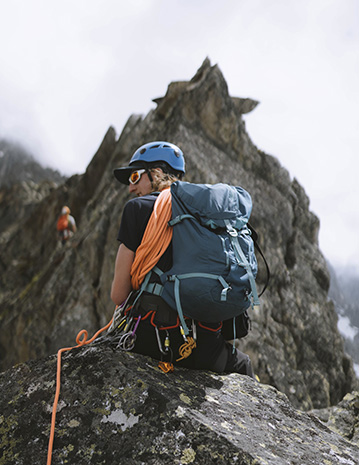
Camping Gear refers to various equipment and accessories used for camping and outdoor activities. It covers a wide range of products, from basic shelter equipment to cooking tools, lighting equipment, safety supplies, and environmental protection accessories.
A complete Camping Gear system usually includes several major categories:
| Equipment Category | Main Purpose | Common Components |
|---|---|---|
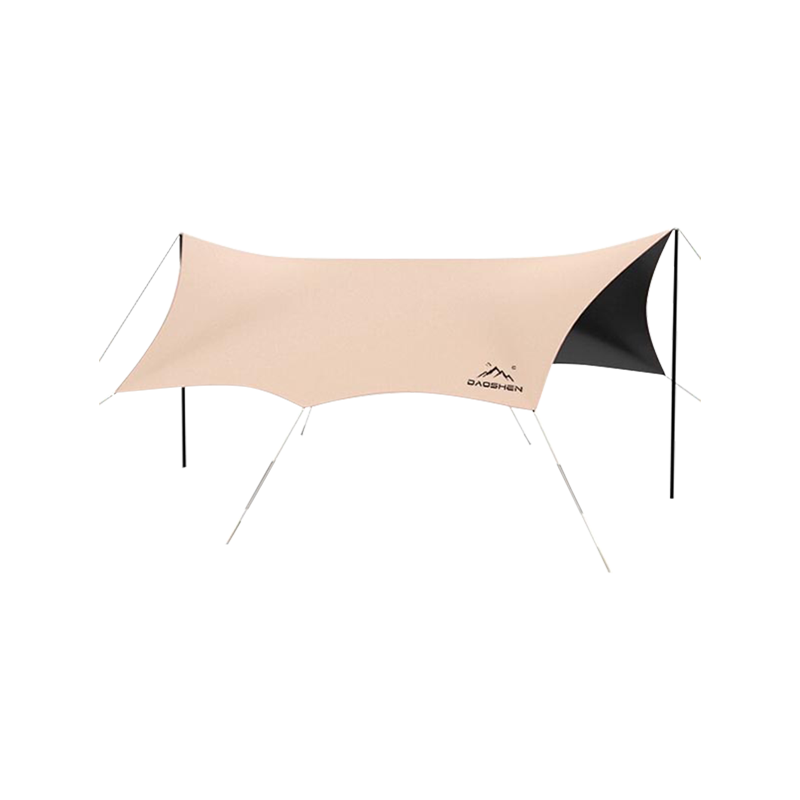
| Shelter Equipment | Provides protection and a resting area | Tents, tarps, ground sheets, tent stakes |
| Sleeping Equipment | Improves sleeping comfort | Sleeping bags, sleeping pads, outdoor pillows |
| Cooking Equipment | Supports outdoor food preparation | Stoves, cookware, water containers |
| Lighting Equipment | Provides support for nighttime activities | Camping lights, headlamps, backup lighting |
| Safety Equipment | Helps handle unexpected situations | First aid supplies, navigation tools, protective equipment |
High-quality Camping Gear does not mean carrying as much equipment as possible. The goal is to find the right balance between actual needs and the outdoor environment. Too much equipment increases carrying pressure, while insufficient equipment may reduce safety and comfort.
Essential Camping Gear for Beginners: What Should New Campers Prepare?
For people who are new to camping, building a basic equipment system is more important than collecting complicated gear. Essential Camping Gear for Beginners should focus on meeting fundamental needs such as shelter, safety, and daily outdoor living.
Shelter Equipment
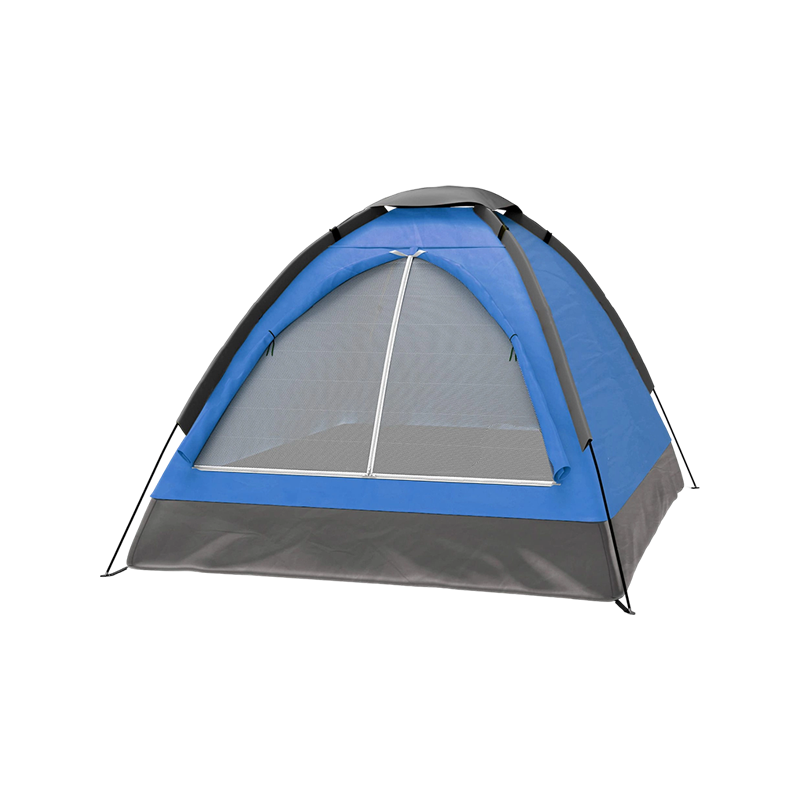
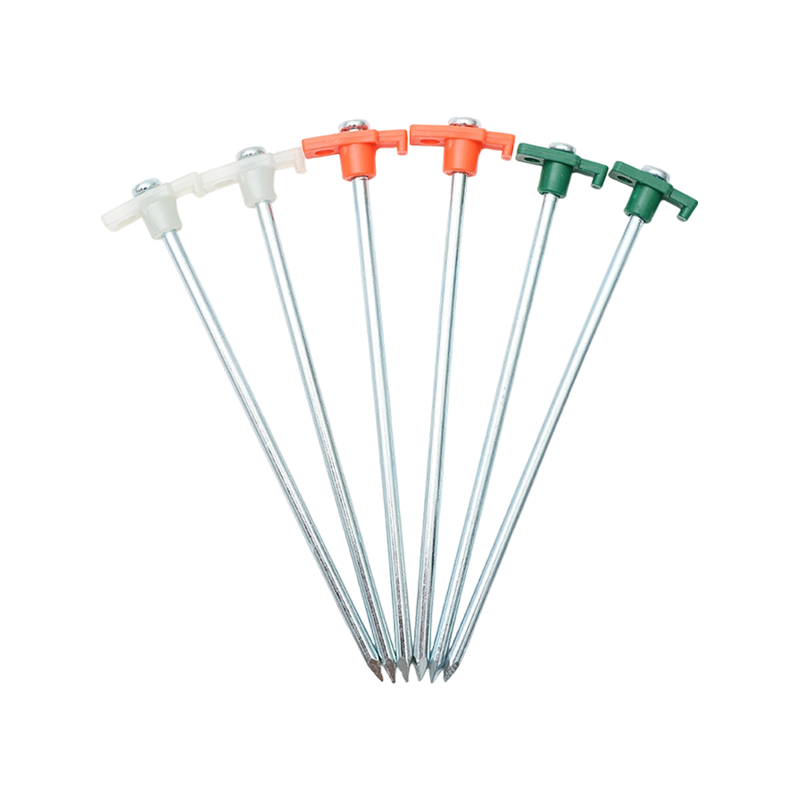
Shelter equipment is one of the most important parts of camping. A tent should be selected according to the number of users, season, and environmental conditions. Besides the tent itself, ground sheets, tent stakes, and fixing ropes are also important because they improve stability and help the shelter perform better in windy or humid environments.
Sleeping Equipment
Sleeping equipment directly affects the quality of outdoor rest. Temperature changes, ground moisture, and personal comfort preferences all influence sleeping conditions. Therefore, sleeping bags and sleeping pads are essential parts of Camping Gear.
Cooking and Safety Equipment
Simple cooking tools, lighting equipment, and basic safety supplies are also important parts of beginner camping preparation.
| Basic Beginner Gear | Purpose |
|---|---|
| Tent | Provides shelter and weather protection |
| Sleeping Bag | Keeps campers warm during the night |
| Sleeping Pad | Separates the body from cold and damp ground |
| Lighting Tools | Supports nighttime activities |
| Cooking Equipment | Provides basic food preparation capability |
| First Aid Supplies | Handles basic outdoor emergencies |
When preparing Camping Gear, beginners should focus on practicality and frequency of use instead of adding unnecessary equipment. Simple, reliable, and easy-to-use gear is usually the best choice for first camping experiences.
How to Use a Camping Gear Checklist for Complete Preparation?
Before starting an outdoor trip, creating a Camping Gear Checklist can help prevent important items from being forgotten. Many camping problems happen not because campers lack advanced equipment, but because they overlook basic details.
A practical Camping Gear Checklist should be adjusted according to the type of activity. Short camping trips and long outdoor adventures require different levels of preparation.
| Category | Key Considerations |
|---|---|
| Shelter | Tent, rain protection, fixing accessories |
| Sleeping | Sleeping bag, sleeping pad, warm clothing |
| Food Preparation | Water, cooking tools, food preparation equipment |
| Personal Items | Clothing, sun protection, hygiene supplies |
| Safety | First aid tools, communication equipment, navigation assistance |
The value of a Camping Gear Checklist is not simply listing equipment names. It helps campers develop a systematic preparation method and gradually create a gear list that matches their personal habits.
Why Is Lightweight Camping Gear Becoming More Popular?
With the development of hiking, mountaineering, and backpacking activities, Lightweight Camping Gear has become an increasingly important trend.
Traditional camping often relies on vehicle transportation, so equipment weight is less important. However, for long-distance hiking and backpacking, every extra item increases physical effort and affects movement efficiency.
Main Advantages of Lightweight Camping Gear
First, lightweight equipment reduces unnecessary weight. Outdoor users should select gear according to real needs and avoid carrying items with repeated functions.
Second, lightweight equipment improves portability. Compact and easy-to-store gear makes long-distance travel more convenient.
Third, lightweight design should maintain reliable performance. Reducing weight does not mean sacrificing durability but finding a balance between weight, strength, and functionality.
| Lightweight Gear Type | Main Features |
|---|---|
| Lightweight Tent | Easy to carry and suitable for hiking environments |
| Compact Sleeping System | Reduces storage space and carrying pressure |
| Multi-purpose Outdoor Tools | Reduce the number of separate items needed |
| Portable Cooking Equipment | Improves outdoor mobility |
For outdoor enthusiasts who enjoy exploring nature, suitable Lightweight Camping Gear can significantly improve the overall adventure experience.
How to Choose Camping Gear for Different Weather Conditions?
Weather conditions are one of the most important factors affecting outdoor activities. Therefore, Camping Gear for Different Weather Conditions should always be considered when preparing equipment.
Camping Gear for Summer Conditions
Summer camping requires attention to ventilation, sun protection, and lightweight design. In hot environments, good airflow improves comfort and reduces heat-related discomfort.
Camping Gear for Rainy Conditions
In rainy or humid environments, waterproof performance becomes essential. Tents, protective layers, and storage methods should provide good moisture resistance to prevent equipment from becoming damaged by water exposure.
Camping Gear for Cold Conditions
Cold-weather camping requires stronger insulation performance. Sleeping bags, wind protection equipment, and thermal accessories should be selected according to temperature conditions.
| Environment | Camping Gear Focus |
|---|---|
| Summer Conditions | Ventilation, lightweight design, sun protection |
| Rainy Conditions | Water resistance, moisture protection, quick drying |
| Cold Conditions | Insulation, wind resistance, heat retention |
| High-altitude Conditions | Durability, safety, environmental adaptability |
Choosing suitable Camping Gear for different environments can reduce uncertainty during outdoor activities and allow campers to enjoy nature with greater confidence.
How to Maintain and Store Camping Gear?
Proper maintenance can extend the lifespan of Camping Gear and help maintain its performance.
After every outdoor activity, equipment should be cleaned and checked carefully. Dirt, moisture, and debris should be removed in time. Items such as tents and sleeping bags should be completely dried before storage.
During long-term storage, avoid placing equipment in damp, high-temperature, or continuously exposed environments. Regularly checking connection parts, materials, and accessories can help identify potential problems early.
Proper maintenance of Camping Gear not only reduces damage but also ensures that equipment remains reliable for future outdoor activities.
How to Build a Personalized Camping Gear System?
Everyone has different outdoor needs, so there is no single perfect Camping Gear setup for everyone.
| Usage Scenario | Camping Gear Focus |
|---|---|
| Weekend Camping | Comfort, simplicity, easy operation |
| Family Camping | Space, safety, convenience |
| Hiking Trips | Lightweight design, durability, portability |
| Long Outdoor Exploration | Overall performance and environmental adaptability |
As outdoor experience increases, campers can continuously improve their Camping Gear system and create a setup that better matches their personal habits and activity requirements.
Conclusion: Choosing the Right Camping Gear Creates Better Outdoor Experiences
Camping Gear is an important connection between people and nature. Whether it is a short weekend camping trip or a long outdoor adventure, suitable equipment can improve safety, comfort, and overall enjoyment.
When selecting Camping Gear, outdoor enthusiasts should consider activity type, weather conditions, personal experience, and carrying ability. The best equipment system is not the one with the most items, but the one that provides the right functions for individual needs.
As outdoor lifestyles continue to grow, learning how to choose and use Camping Gear properly will help more people explore nature in a safer, easier, and more enjoyable way.


- Phone: +86-15968800379
- E-mail: [email protected]
- Address: Room 1002, Huishang Building, Gongshu District, Hangzhou City, Zhejiang Province.
Copyright © CragHaven Outdoor All Rights Reserved. Outdoor Gear Manufacturers Wholesale Mountaineering Camping Gear Suppliers
