

 English
 Deutsch
 Español
 Français
Custom Outdoor Camping Gear
Search
Camping Gear Suppliers
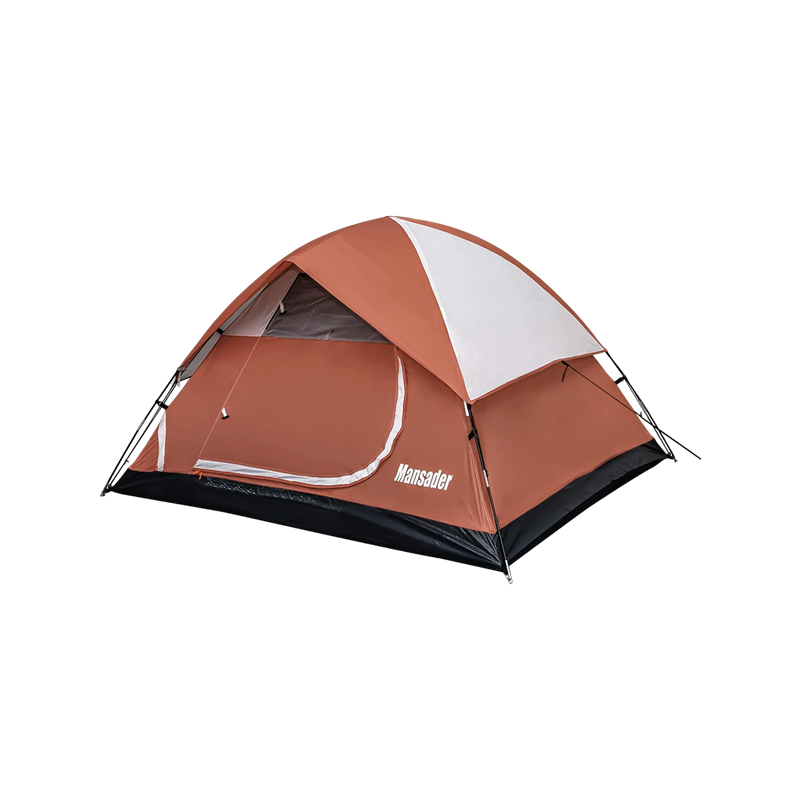
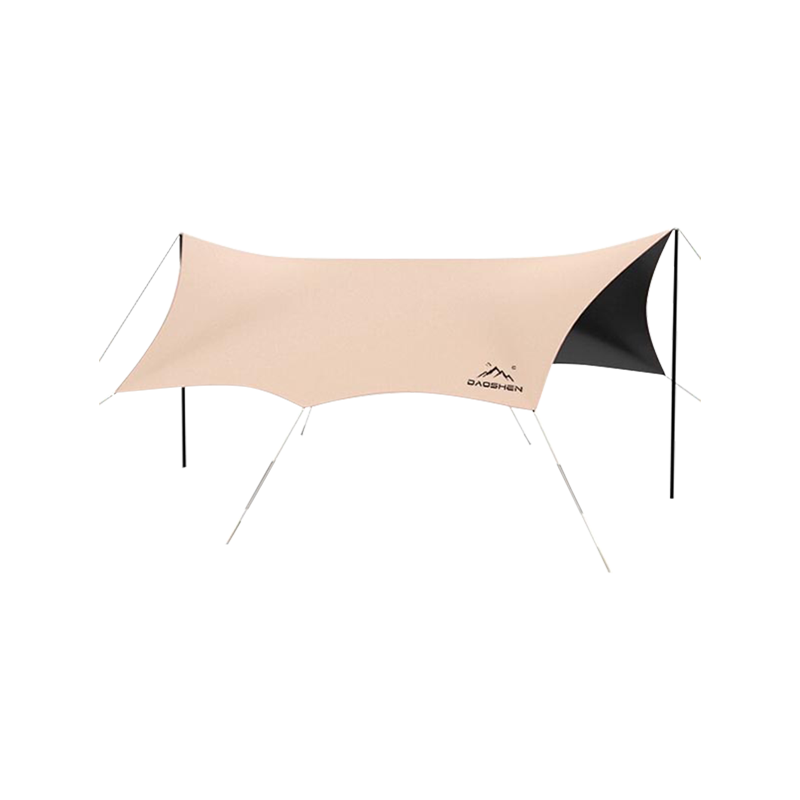
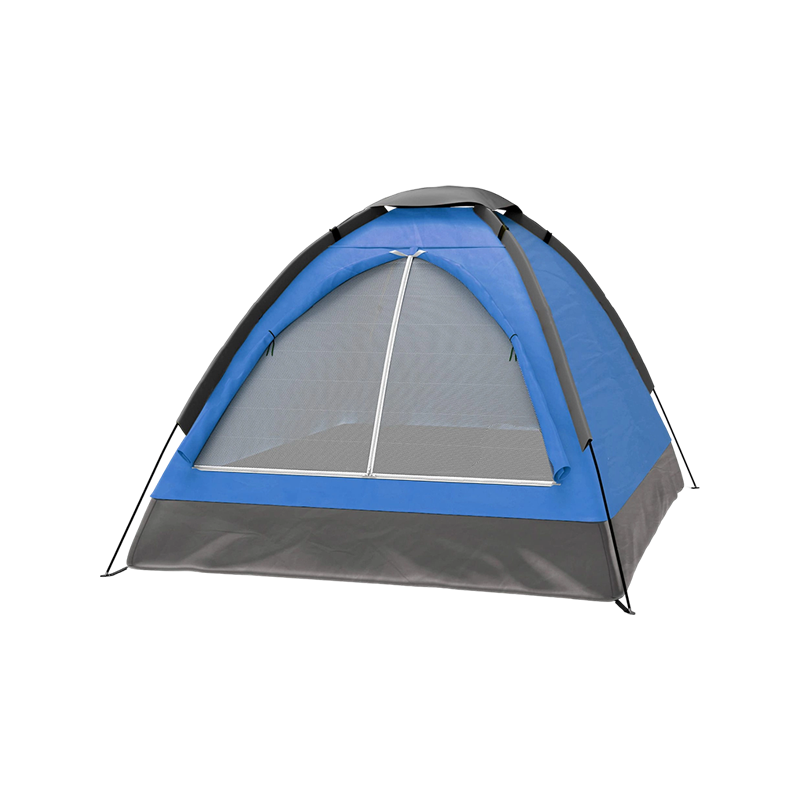

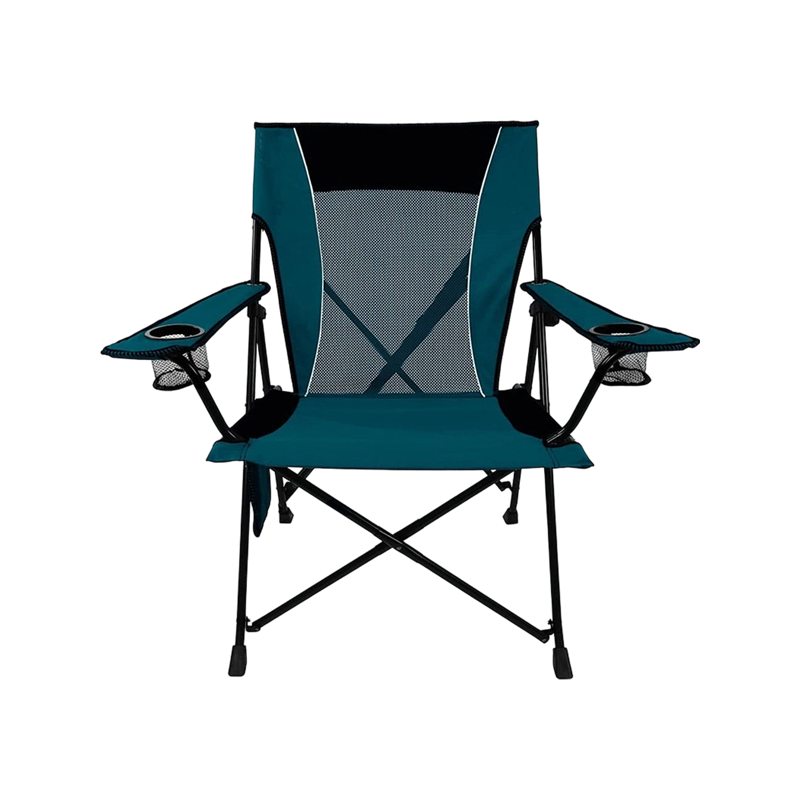
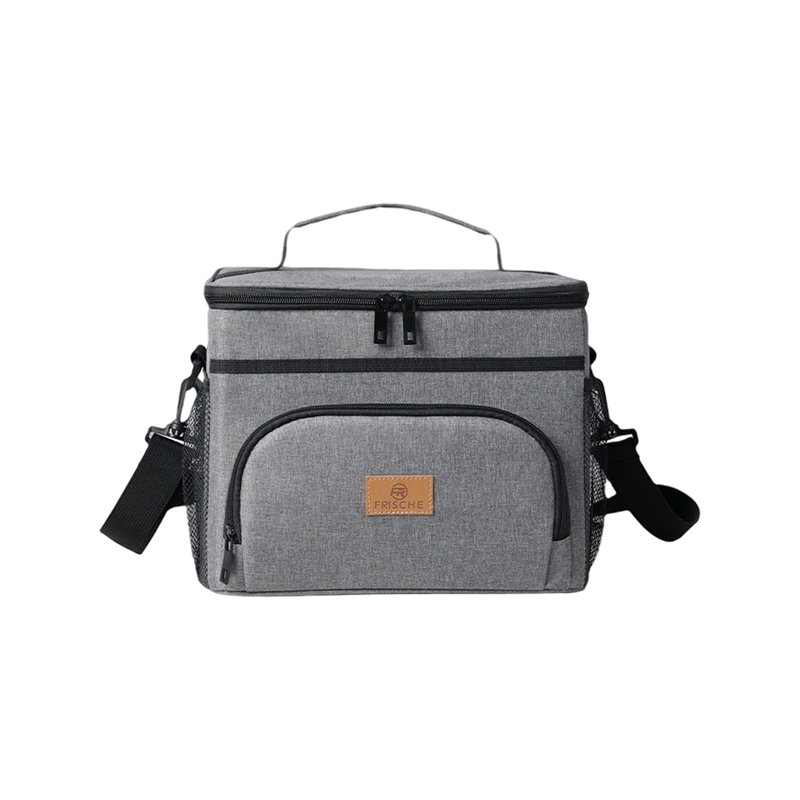
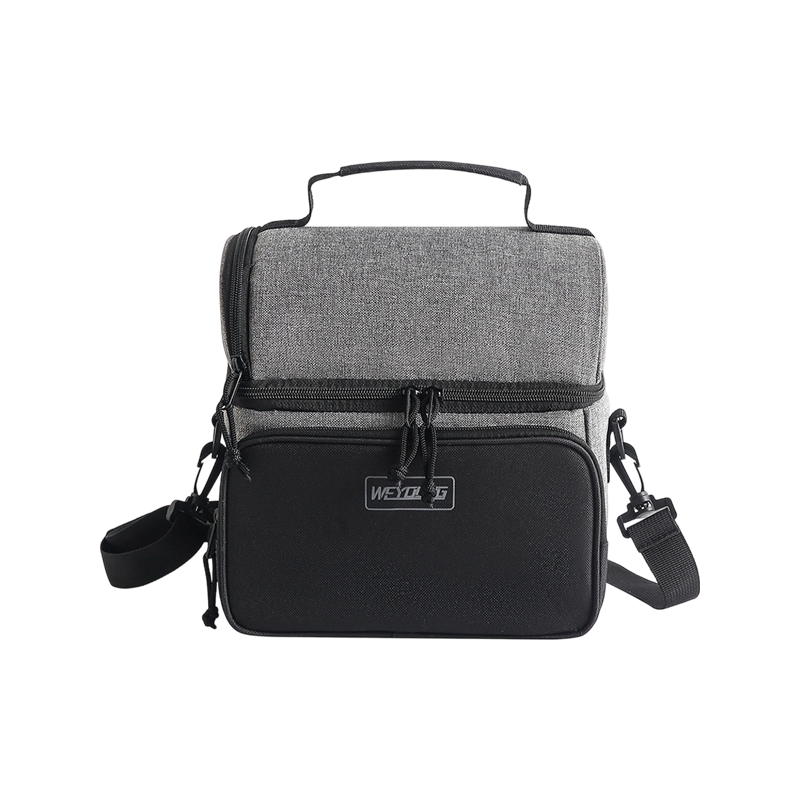
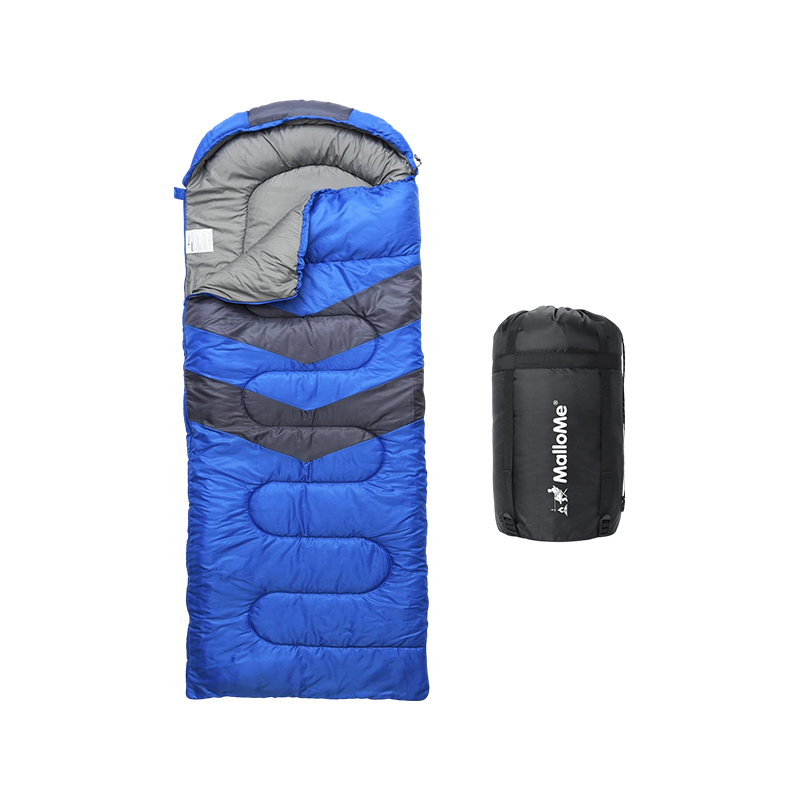
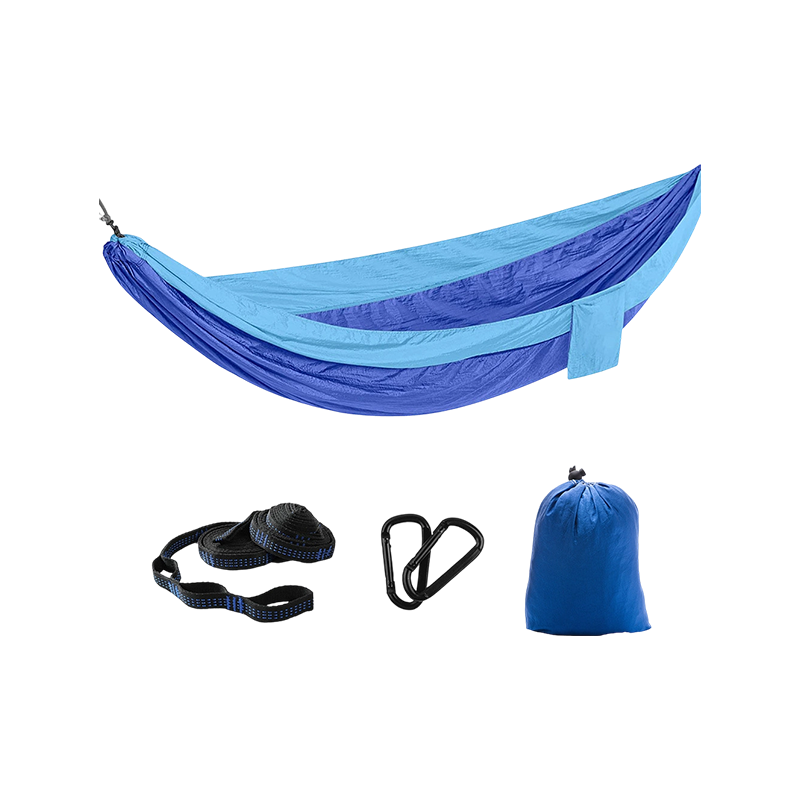
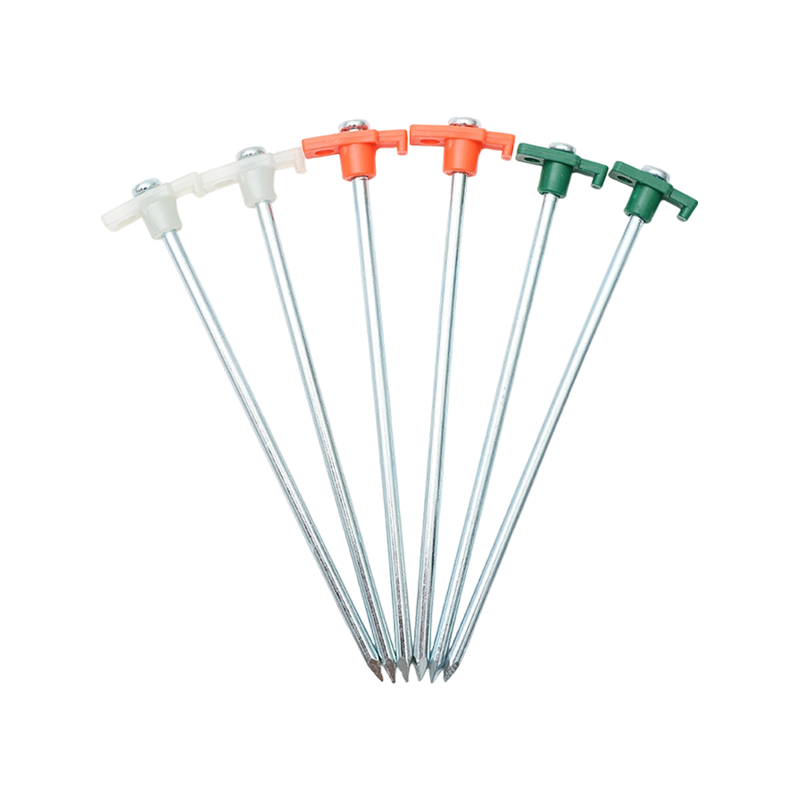
We offer a complete range of solutions for creating mobile outdoor homes, from tents and tarps for shelter from the wind and rain to sleeping bags and hammocks for rest and relaxation, from folding tables and chairs for cooking and dining to picnic gear for food preservation and storage, and various accessories for stabilizing campsites. Whether it's sunbathing on the beach, deep camping in the forest, or weekend picnics in the park, our product series covers all scenarios, including quick-opening tents, vinyl tarps, egg roll tables, and insulated picnic bags, ensuring comfort and peace of mind every night in nature, and a pleasant and relaxed outdoor dining experience.

About CragHaven
CragHaven Outdoor is an outdoor brand and cross-border manufacturing partner based in Hangzhou, China.
As China Outdoor Camping Gear Company and Camping Gear Suppliers, we focus on mountaineering, hiking, and camping scenarios, delivering functional, reliable, and long-term value outdoor gear for global markets.
The name “CragHaven” reflects balance and stability in nature. This philosophy guides our approach to product design, material selection, and manufacturing decisions.
Related products
News
-
With the growing popularity of outdoor camping, hiking, and nature exploration, Camping Gear has become an essential factor that influences the overall outdoor...
READ MORE -
Introduction Outdoor recreation is now a key part of modern life as people seek nature, stress relief, and flexible travel. Among outdoor gear, camping tents r...
READ MORE -
Hiking poles, also referred to as trekking poles or walking poles, are essential equipment for outdoor activities ranging from casual trail walking to technica...
READ MORE -
[China, Hangzhou] — CragHaven Outdoor, a manufacturer specializing in functional outdoor gear for the global market, has officially launched its highly anticipa...
READ MORE -
[China, Hangzhou] —— In an era where fast fashion is sweeping through the sports equipment industry, a Hangzhou-based outdoor brand, CragHaven Outdoor, is spark...
READ MORE
Message Feedback
Camping Gear Industry knowledge
What Makes Shelter Fabric Actually Weatherproof
A tent's ability to keep a campsite dry has less to do with the fabric itself and more to do with how it's coated and seamed. Most modern tarps and tent flysheets rely on a polyurethane (PU) or silicone coating applied to a polyester or nylon base, and the thickness of that coating determines the hydrostatic head rating — the industry's standard measure of waterproofness, expressed in millimeters. A rating below 1,500mm will handle light drizzle, but sustained rain or wind-driven moisture calls for 3,000mm or higher, especially at stress points like the tent floor and seams.
Seam construction matters just as much as the fabric coating. Stitched seams create thousands of tiny needle holes that, left untreated, become the weakest point in an otherwise waterproof shell. That's why quality outdoor gear uses taped or heat-sealed seams rather than relying on fabric alone. From our production line, this is one of the details our team pays closest attention to, since a single untreated seam can undermine an entire shelter's performance in real-world conditions.
UV degradation is a less obvious but equally important factor. PU coatings break down faster under prolonged sun exposure than PVC-based vinyl tarps, which is why vinyl remains a popular choice for tarps that stay pitched for extended periods, such as at semi-permanent campsites or beach setups, while lighter PU-coated fabrics suit backpackers who prioritize weight over long-term sun exposure.
Sleep System Design: Matching Insulation to Conditions
A sleeping bag's comfort rating is only meaningful when paired with the right insulation type. Down fill offers the best warmth-to-weight ratio and compresses smaller for transport, but it loses insulating power when wet unless treated with a hydrophobic coating. Synthetic insulation, typically polyester fiber, costs less, dries faster, and continues to insulate even when damp — a practical advantage for humid forest camping or trips near water.
Hammock camping introduces a different insulation challenge entirely. Because a hammock compresses insulation underneath the body, a standard sleeping bag loses much of its effectiveness there; an underquilt or dedicated hammock sleeping system is needed to maintain warmth from below. This is a distinction that CragHaven's product development team factors into how sleep gear is paired and recommended across different camping scenarios, rather than treating tents and hammocks as interchangeable sleep setups.
Temperature ratings printed on sleeping bags are typically based on the EN 13537 or ISO 23537 testing standard, which provides three figures: a comfort rating, a lower limit, and an extreme rating. For most campers, the comfort rating — not the extreme rating — is the number that should guide purchasing decisions, since it reflects the temperature at which an average sleeper stays warm through the night rather than merely survives it.
Campsite Efficiency: Setup Speed and Ergonomics
Quick-opening tents have shifted campsite setup from a 15-20 minute process to under two minutes, using pre-tensioned pole systems that pop into shape rather than requiring pole-by-pole assembly. This design is particularly valuable for beach outings and weekend park picnics, where setup time directly affects how much of a trip is actually spent relaxing versus assembling gear. Sourcing camping gear designed around this kind of rapid deployment has become a growing priority for outdoor retailers responding to casual, short-duration camping trends.
Folding tables and chairs designed for outdoor dining follow a different set of engineering priorities than shelter gear: load capacity, pack size, and joint durability under repeated folding cycles. An egg roll table design — where the tabletop rolls into a compact cylinder around the folded legs — reduces pack volume significantly compared to flat-folding designs, making it a preferred format for car camping and tailgate-style setups where trunk space is limited.
Ground stability accessories are often an afterthought in gear planning, but stake type and tension system choice can determine whether a shelter survives a windy night. Sand or snow stakes differ meaningfully in holding power from standard steel stakes, and matching stake type to terrain is a detail that separates a stable overnight setup from a collapsed one.
Food Storage and Insulation for Outdoor Dining
Insulated picnic bags rely on closed-cell foam or reflective foil lining rather than thickness alone to maintain temperature. A well-lined bag can hold perishable food safely for 4-6 hours in moderate outdoor temperatures, which is typically sufficient for a day trip but not for multi-day deep camping, where a dedicated cooler with ice packs becomes necessary instead.
Outdoor dining setups benefit from thinking about food preservation and food preparation as separate systems rather than a single piece of gear. Preservation gear like insulated bags and coolers focuses on temperature retention, while preparation surfaces such as folding tables need to prioritize stability and easy cleaning, since spills and food debris are inevitable in outdoor settings.
Selecting reliable outdoor camping equipment for food storage and dining ultimately comes down to matching gear to trip duration and environment; a beach day and a week-long forest expedition demand very different insulation and storage strategies, and treating them the same is one of the more common gear-planning mistakes campers make. In our own product line, this is why CragHaven separates picnic-focused gear from expedition-focused gear rather than offering one-size-fits-all solutions.

Ready to Build Reliable Outdoor Products?
Start an OEM / Wholesale Inquiry
Link
Products
Office
- Phone: +86-15968800379
- E-mail: [email protected]
- Address: Room 1002, Huishang Building, Gongshu District, Hangzhou City, Zhejiang Province.
Get In Touch
Copyright © CragHaven Outdoor All Rights Reserved. Outdoor Camping Gear Company Custom Camping Gear
