

 English
 Deutsch
 Español
 Français
Wholesale Hiking Backpack
Search
Mountaineering Backpack Manufacturers
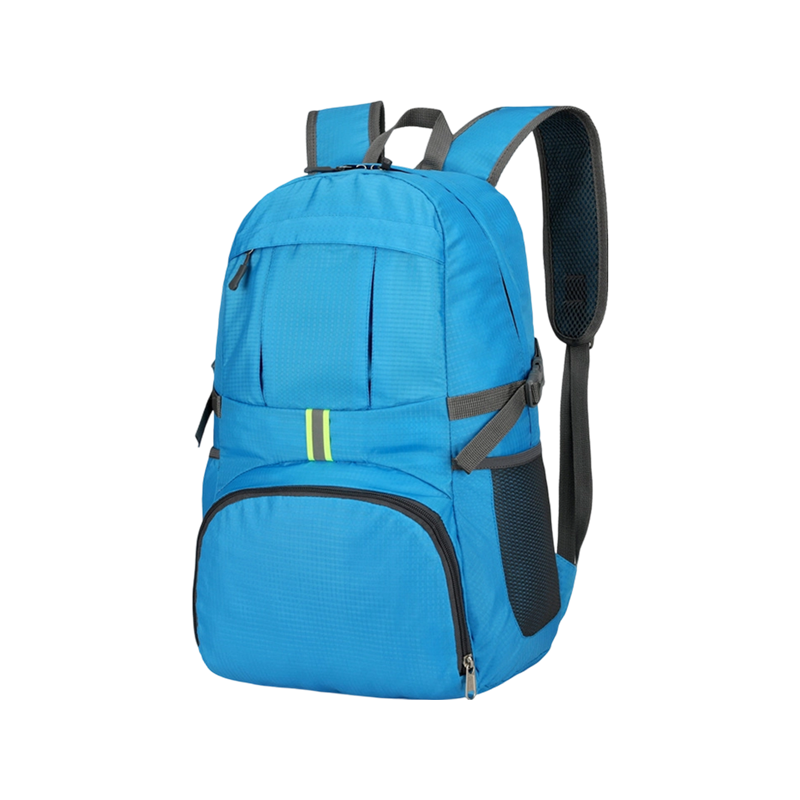
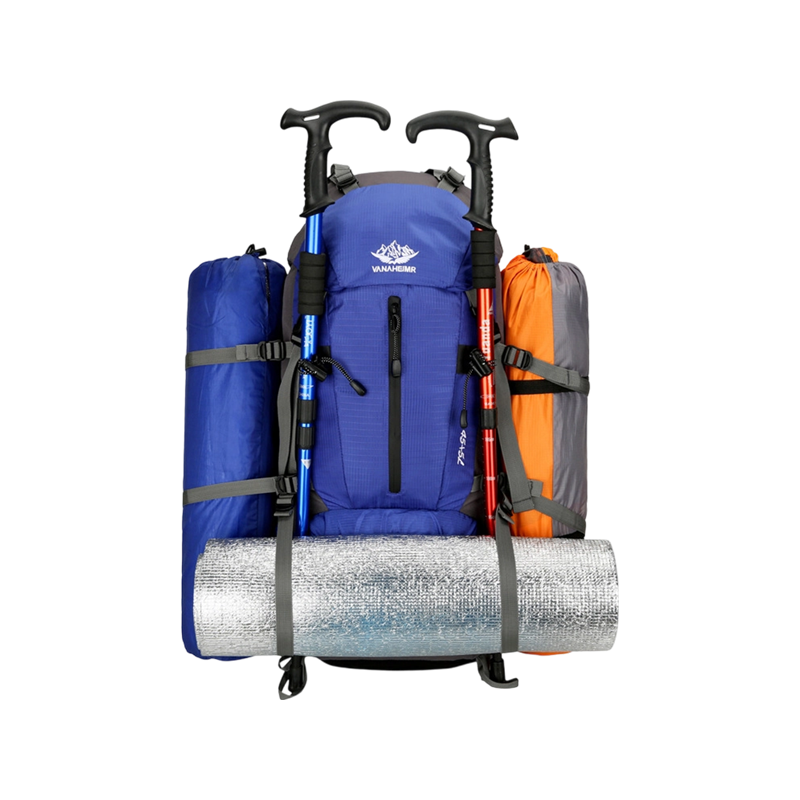
Carrying systems designed specifically for mountainous environments range from lightweight, foldable day packs to professional, high-capacity expedition backpacks. They feature waterproof and durable fabrics and ergonomic carrying structures, equipped with trekking pole anchors and multi-functional attachment points to meet diverse needs from urban commuting to high-altitude climbing.

About CragHaven
CragHaven Outdoor is an outdoor brand and cross-border manufacturing partner based in Hangzhou, China.
As China mountaineering backpack manufacturers and hiking backpack suppliers, we focus on mountaineering, hiking, and camping scenarios, delivering functional, reliable, and long-term value outdoor gear for global markets.
The name “CragHaven” reflects balance and stability in nature. This philosophy guides our approach to product design, material selection, and manufacturing decisions.
Related products

News
-
With the growing popularity of outdoor camping, hiking, and nature exploration, Camping Gear has become an essential factor that influences the overall outdoor experience. A comfortable, safe, and enjoyable camping trip depends not only on the destination and weather conditions but also on whether the prepared equipme...
READ MORE -
Introduction Outdoor recreation is now a key part of modern life as people seek nature, stress relief, and flexible travel. Among outdoor gear, camping tents remain essential for providing reliable shelter across various activities. Tents have evolved beyond basic weather protection. Today's users demand durability, c...
READ MORE -
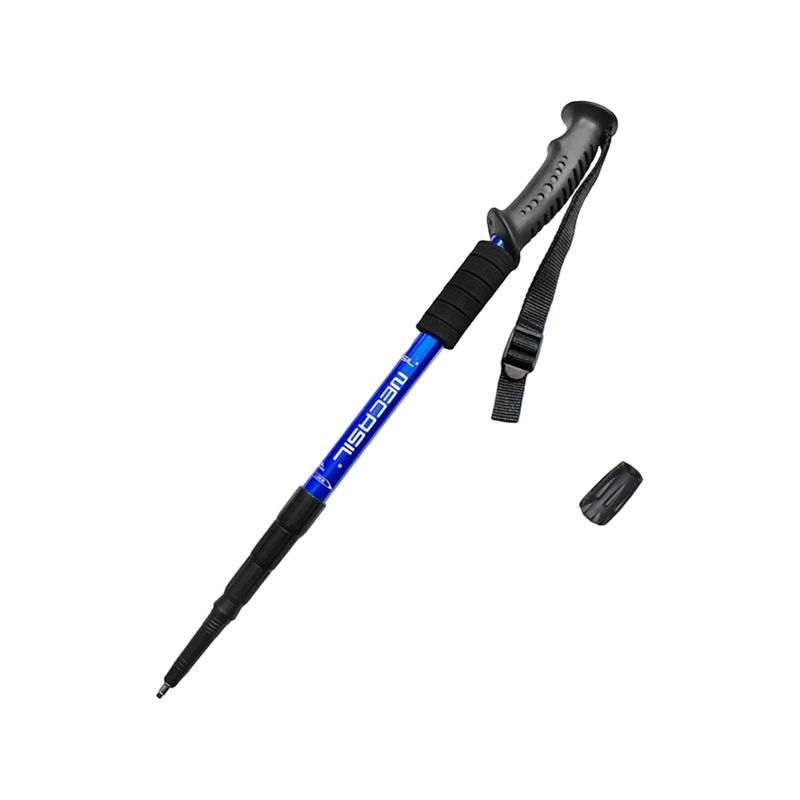
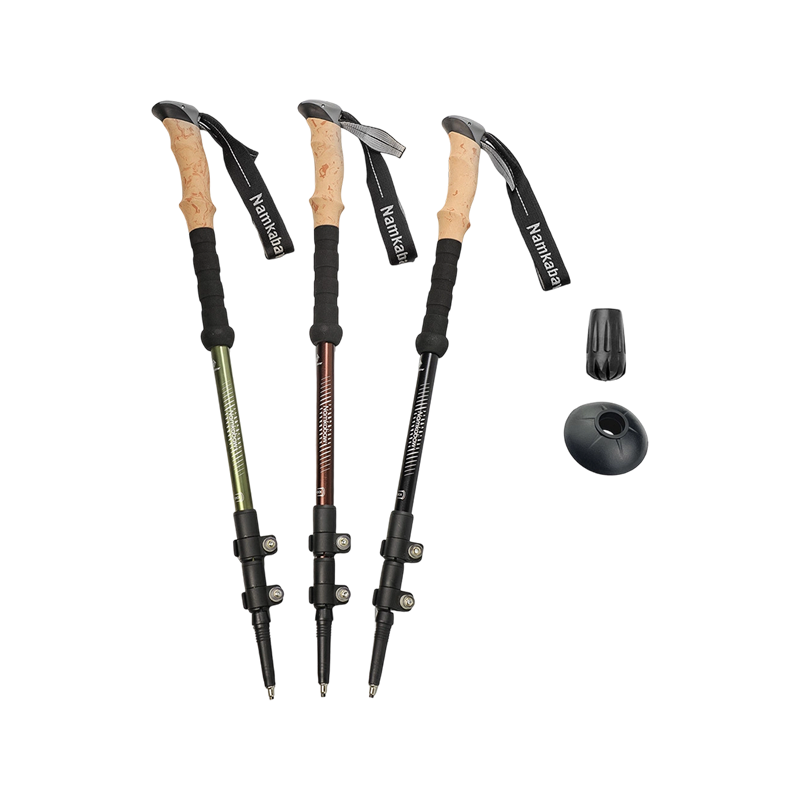
Hiking poles, also referred to as trekking poles or walking poles, are essential equipment for outdoor activities ranging from casual trail walking to technical mountaineering. These tools serve to enhance stability, distribute weight more evenly across the body, and reduce impact forces on lower joints during movemen...
READ MORE
Message Feedback
Mountaineering Backpack Industry knowledge
Why Torso Length Matters More Than Pack Volume
Most buyers size a backpack by liter capacity alone, but fit is determined primarily by torso length, not height. Torso length is measured from the C7 vertebra at the base of the neck to the iliac crest at hip level, and a mismatch of even a few centimeters can shift a pack's weight away from the hips and onto the shoulders, causing fatigue on long ascents well before the trip's mileage would otherwise justify it. Packs built around a single fixed frame size often fit a narrower range of bodies than adjustable-frame designs, which use a sliding harness system to accommodate torso variation within the same shell.
Hip belt sizing follows a separate measurement — the iliac crest circumference — and should sit directly over the hip bones rather than the waist, since the hips are structurally suited to carry sustained load in a way the lower back is not. This is a detail our design team at CragHaven treats as inseparable from torso fit, because a well-matched torso length paired with a poorly sized hip belt still results in an uncomfortable carry.
Load capacity ratings, usually expressed in liters, only tell part of the story. A 65-liter alpine pack and a 65-liter trekking pack can carry meaningfully different loads comfortably, since alpine packs are typically built with more rigid frames intended for heavier, denser loads like ropes and hardware, while trekking packs prioritize compressibility for bulkier, lighter gear.
Internal Versus External Frame Systems
Internal frame packs, built around aluminum stays or a molded plastic frame sheet, have become the dominant design for both mountaineering and general hiking because they keep the pack's center of gravity close to the body, which improves balance on uneven or exposed terrain. External frame packs, while largely phased out of mainstream use, still appear in specialized applications where maximum ventilation and heavy, irregularly shaped loads matter more than close-body balance, such as carrying game or oversized equipment.
Suspension design determines how effectively a frame transfers weight to the hips. A well-tuned suspension system routes roughly 80% of total pack weight to the hip belt and the remaining 20% to the shoulders, and this ratio is what separates a pack that feels stable during scrambling or exposed ridgeline travel from one that shifts unpredictably with each step.
Frame flexibility is a tradeoff rather than a simple quality marker. A rigid frame improves load transfer for heavy, technical carries but reduces the pack's ability to move naturally with the body during scrambling, while a more flexible frame favors mobility at the cost of some stability under heavy load — a tradeoff worth weighing against the specific terrain a pack is intended for.
Hip Belt Biomechanics and Load Distribution
The hip belt's job goes beyond simple weight-bearing; its shape and padding density influence how load pressure is distributed across the iliac crest. A belt with excessive padding can actually reduce stability by allowing the pack to shift during dynamic movement, while a firmer, contoured belt keeps the load locked against the body — a distinction that matters more on technical, uneven ground than on flat trails.
Load lifter straps, positioned at the top of the shoulder harness, fine-tune how weight is angled between the shoulders and hips. Over-tightening them pulls the pack's upper weight backward and off the hips entirely, which is a common fitting mistake even among experienced hikers. Choosing a mountaineering backpack with a properly adjustable harness system makes this fine-tuning possible in the field rather than only at initial fitting.
Sternum straps, though often overlooked, play a stabilizing role by pulling the shoulder straps inward, which prevents them from sliding outward under load and improves lateral stability during scrambling or off-camber trail sections. CragHaven positions sternum strap height as an adjustable feature on its mountaineering packs specifically because chest anatomy varies enough that a fixed position compromises fit for a meaningful share of users.
Fabric Durability and Attachment Systems for High-Altitude Use
Denier count, which measures fabric thread thickness, is a useful but incomplete indicator of durability. A high-denier fabric resists abrasion well but adds weight, while ripstop weaves — which interlace reinforcing threads at intervals — prevent small tears from spreading without requiring the fabric to be as thick overall. For alpine use, where packs are frequently set against rock, this tear-resistance often matters more than raw abrasion resistance.
Trekking pole anchors and ice axe loops need to hold gear securely without adding bulk when unused, which is why most technical packs pair a lower loop with an upper elastic or webbing retention strap rather than relying on a single attachment point. A hiking backpack intended for mixed terrain benefits from attachment points that work for both trekking poles on approach trails and ice axes on technical sections, since many trips involve both within a single day.
Multi-functional attachment points — daisy chains, gear loops, and compression straps — serve different purposes depending on load type. Daisy chains suit modular, frequently repositioned gear, while compression straps are better suited to stabilizing a partially full pack, preventing internal load shift that can throw off balance on technical terrain.

Ready to Build Reliable Outdoor Products?
Start an OEM / Wholesale Inquiry
Link
Products
Office
- Phone: +86-15968800379
- E-mail: [email protected]
- Address: Room 1002, Huishang Building, Gongshu District, Hangzhou City, Zhejiang Province.
Get In Touch
Copyright © CragHaven Outdoor All Rights Reserved. Hiking Backpack Manufacturers Wholesale Mountaineering Backpack
