

 English
 Deutsch
 Español
 Français
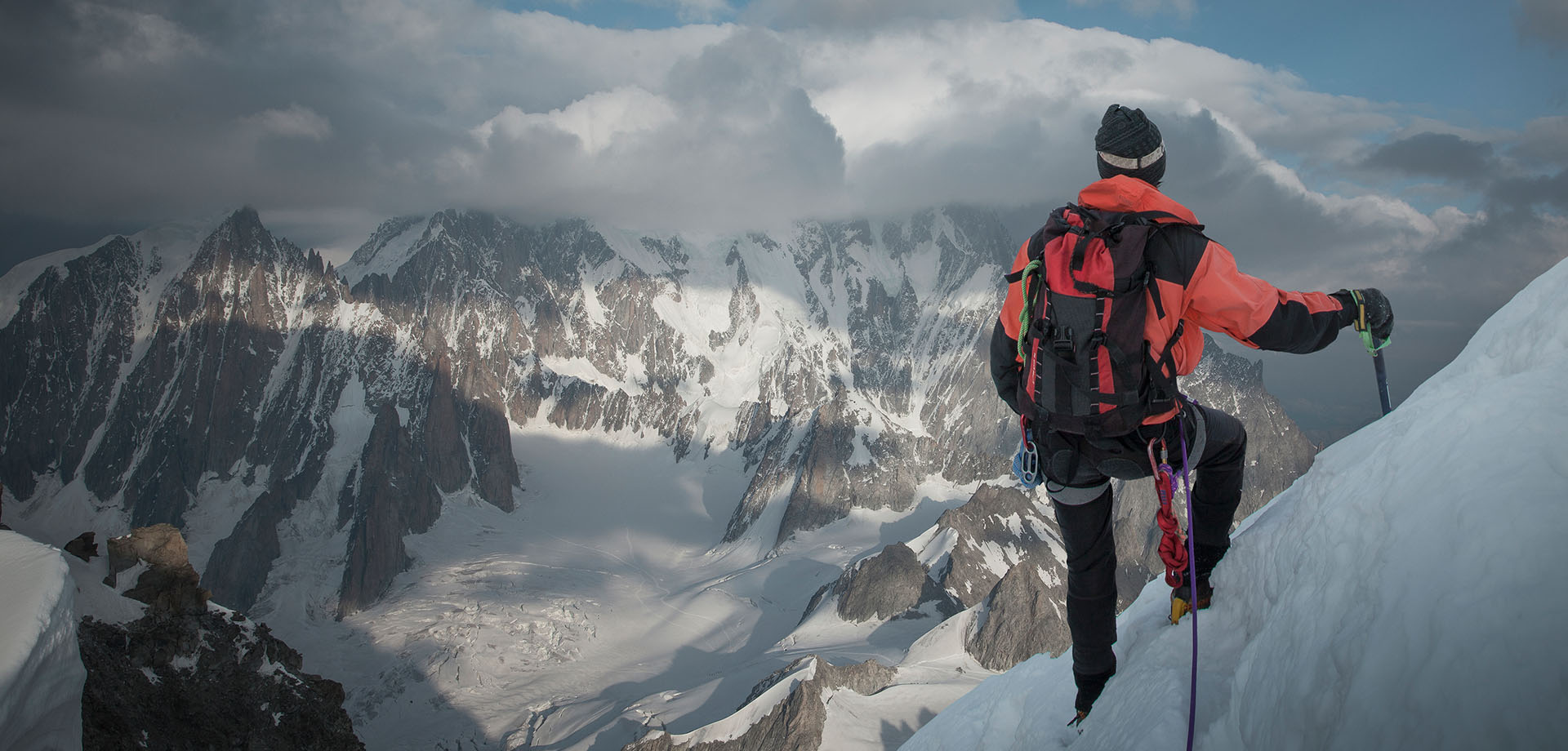
Wholesale Outdoor Camping Equipment
Search
Outdoor Equipment Suppliers
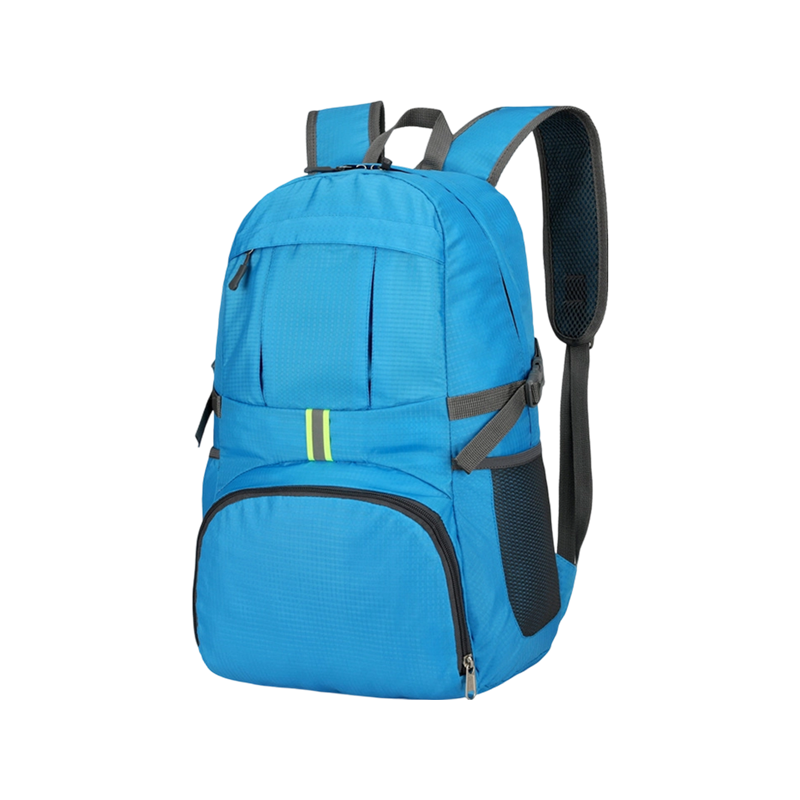
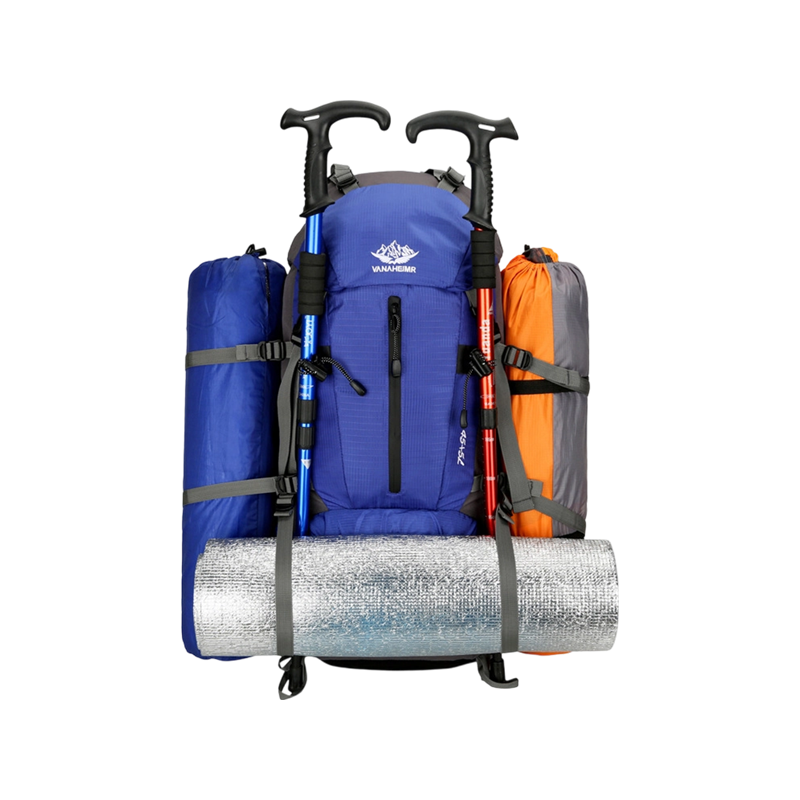
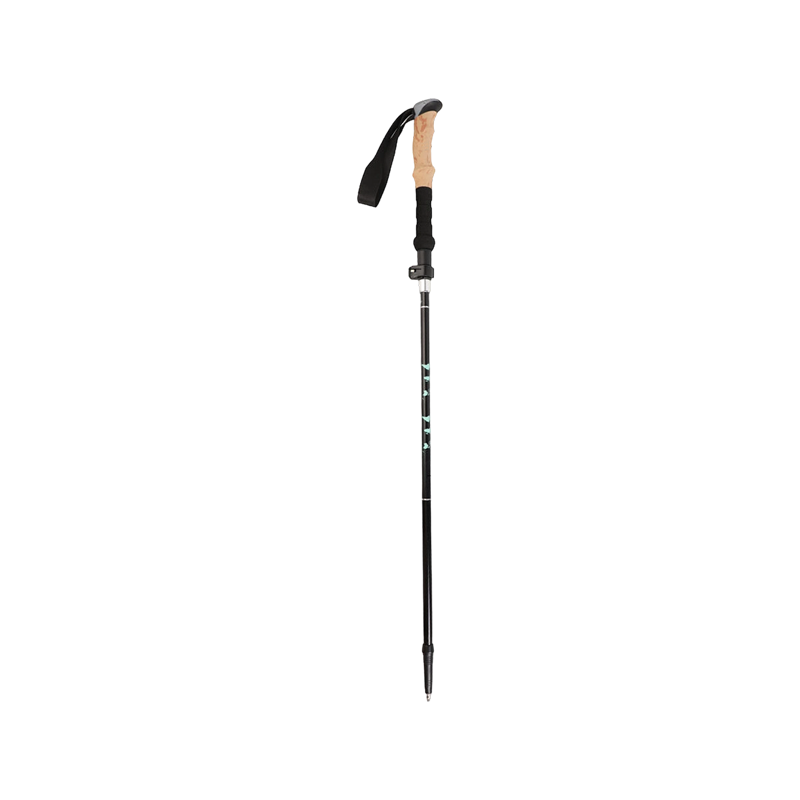


About CragHaven
CragHaven Outdoor is an outdoor brand and cross-border manufacturing partner based in Hangzhou, China.
As China Outdoor Sports Equipment suppliers and Outdoor Equipment factory, we focus on mountaineering, hiking, and camping scenarios, delivering functional, reliable, and long-term value outdoor gear for global markets.
The name “CragHaven” reflects balance and stability in nature. This philosophy guides our approach to product design, material selection, and manufacturing decisions.
Related products
News
-
With the growing popularity of outdoor camping, hiking, and nature exploration, Camping Gear has be...
READ MORE -
Introduction Outdoor recreation is now a key part of modern life as people seek nature, stress reli...
READ MORE -
Hiking poles, also referred to as trekking poles or walking poles, are essential equipment for outd...
READ MORE -
[China, Hangzhou] — CragHaven Outdoor, a manufacturer specializing in functional outdoor gear for th...
READ MORE -
[China, Hangzhou] —— In an era where fast fashion is sweeping through the sports equipment industry,...
READ MORE -
Hangzhou, China - Based on its deep experience in product development in the fields of mountaineerin...
READ MORE
Message Feedback
Product Industry knowledge
What Are the Key Quality Certification Standards and Testing Protocols That Distinguish Premium Outdoor Equipment from Mass-Market Products?
In the outdoor industry, the gap between "premium" and "mass-market" is rarely about logos or price tags—it is defined by measurable performance under real-world stress. At CragHaven Outdoor, an outdoor brand and cross-border manufacturing partner based in Hangzhou, China, we believe that excellent outdoor products are not built on a pile of parameters, but on a deep understanding of the environment, usage patterns, and the test of time. From mountaineering to hiking and camping, our philosophy of "balance and stability in nature" drives every material selection and manufacturing decision. This article breaks down the certification standards and testing protocols that truly separate premium gear from the rest, with concrete parameter comparisons drawn from our own production floor and third‑party lab reports.
1. Core Certification Frameworks for Premium Outdoor Equipment
Premium brands do not merely comply with basic safety regulations—they pursue voluntary, rigorous certifications that demand continuous investment in quality systems. The following standards are non‑negotiable in our supply chain at CragHaven Outdoor.
- ISO 9001:2015 (Quality Management) – Not just a certificate, but a process‑based system that tracks every batch from raw material to finished good. Mass‑market suppliers often hold expired or generic versions; premium partners maintain real‑time documented traceability with ≥98% first‑pass yield targets.
- ISO 14001 (Environmental Management) – Ensures that manufacturing waste, water discharge, and chemical use are monitored. For CragHaven Outdoor, this is tied to our ESG roadmap, where we have reduced solvent emissions by 32% over two years without compromising fabric bonding strength.
- OEKO‑TEX® Standard 100 – Critical for next‑to‑skin layers (linings, harness webbings, sleeping bag interiors). Premium gear requires Class I (infant‑safe) levels, while mass‑market items often only meet Class II or III, allowing higher residual formaldehyde and heavy metals.
- EN 343 (Waterproof / Breathability for protective clothing) – Unlike basic "water‑resistant" claims, EN 343 gives a dual rating: Water Penetration Resistance (W) and Water Vapour Resistance (Ret). Premium products aim for W3 (highest) and Ret ≤ 6 m²·Pa/W, whereas mass‑market jackets typically score W1‑W2 with Ret > 15.
2. Testing Protocols That Make the Real Difference
Certificates are static; testing is dynamic. Our engineering team at CragHaven Outdoor runs a suite of destructive and non‑destructive tests on every prototype and pre‑shipment sample. Below are the protocols that consistently expose weaknesses in budget‑grade equipment.
- Hydrostatic Head Test (Waterproofness) – Measures the pressure (in mmH₂O) a fabric withstands before leaking. Premium tents and rain shells require ≥ 20,000 mmH₂O; mass‑market equivalents often fall between 5,000–8,000 mmH₂O. Our summit tent fabrics consistently test at 25,000+ mmH₂O after 100 hours of UV aging.
- Martindale Abrasion Test (Fabric durability) – Counts rub cycles until yarn breakage. For backpack shoulder straps and high‑wear knee areas, we demand > 100,000 cycles at 12 kPa. In contrast, typical mass‑market products pass only 20,000–30,000 cycles, leading to premature pilling and tears.
- Tear Strength (Tongue Tear Method – ISO 13937) – Premium nylon 6.6 blends deliver > 120 N warp and weft; economy polyesters often provide < 60 N, which explains sudden rip‑outs in rocky terrain.
- Seam Slippage / Seam Strength (ISO 13936) – We test seam integrity at 200 N minimum load, while mass‑market seam strength is accepted at 80‑100 N. Weak seams are the #1 failure point in budget tents during high winds.
- Cold Crack Test (Flex at ‑30°C) – Our TPU‑laminated fabrics survive 150,000 flexes without cracking; mass‑market laminates often fail before 20,000 flexes, turning rigid and brittle in winter conditions.
3. Side‑by‑Side Parameter Comparison: Premium vs. Mass‑Market
The table below aggregates typical data from our internal benchmarking lab at CragHaven Outdoor, comparing a premium 3‑season tent and a leading mass‑market tent of similar weight class. All values are averages from third‑party accredited laboratories.
| Test Parameter | Premium (CragHaven Outdoor standard) | Mass‑Market (typical budget brand) |
| Hydrostatic Head (mmH₂O) | ≥ 25,000 (flysheet) | 5,000 – 8,000 |
| Martindale Abrasion (cycles @ 12 kPa) | 100,000+ | 20,000 – 30,000 |
| Tear Strength (N) – Warp / Weft | ≥ 120 / ≥ 110 | ≤ 60 / ≤ 55 |
| Seam Strength (N) – main seams | ≥ 200 | 80 – 100 |
| Cold Crack Flex (‑30°C, cycles) | 150,000 (no crack) | < 20,000 (visible cracks) |
| UV Resistance (ΔE colour change after 200h) | ΔE ≤ 3.0 | ΔE > 8.0 (severe fading) |
| EN 343 Rating (Water / Breathability) | W3 / Ret ≤ 6 | W1‑W2 / Ret > 15 |
| First‑Pass Yield (batch level) | ≥ 98% | ≤ 88% |
These figures are not theoretical—they represent the minimum thresholds we enforce before any product leaves our Hangzhou facility. CragHaven Outdoor does not "grade to pass"; we grade to survive real‑world scenarios.
4. Process Integrity: From Sampling to Scalable Production
A premium certification system is useless if it cannot be replicated across thousands of units. This is where our cross‑border manufacturing approach differentiates us. We rely on China's mature and efficient manufacturing system not to cut corners, but to transform design intent into stable, replicable, and scalable products.
- Pre‑production sample validation – Each sample undergoes full mechanical and environmental testing before tooling approval. Mass‑market producers often skip this step or test only one "golden sample."
- In‑process quality gates – We set 3 mandatory in‑line inspections (cutting, sewing, final assembly) with real‑time data logging. Rejection rates above 2% trigger an immediate line stop and root‑cause analysis.
- Batch‑to‑batch consistency – Using statistical process control (SPC), we monitor critical dimensions (e.g., pole pocket depth, seam allowance) to maintain CpK ≥ 1.67. Mass‑market operations rarely track CpK, accepting variations of ±5 mm, which cumulatively degrade tent pitch and structural stability.
5. The "Time" Factor – Accelerated Aging and Lifecycle Testing
Many certifications focus on "new" products. Premium equipment proves its worth after 2–3 years of use. CragHaven Outdoor mandates two additional protocols that are seldom seen in budget segments:
- Hydrolysis Resistance (for PU‑coated fabrics) – Samples are conditioned at 70°C / 95% RH for 10 weeks, then re‑tested for coating adhesion and hydrostatic head. Our fabrics retain > 85% of initial strength; mass‑market coatings often delaminate, retaining < 50%.
- Cyclic Fatigue (tent pole and buckle systems) – We simulate 1,000 full setup / takedown cycles, followed by a 50 kg static load test. Premium poles show < 2% permanent deformation; economy poles exceed 8% deformation, risking collapse.
FAQ – Frequently Asked Questions
Q1: Does premium certification always mean higher retail prices, and is it worth it for average hikers?
Yes, premium certifications raise production costs—but at CragHaven Outdoor, we mitigate this through efficient cross‑border manufacturing without sacrificing standards. For an average hiker, the difference is not about "luxury"; it is about safety and longevity. A tent with 25,000 mmH₂O waterproofness and 100,000 abrasion cycles will last 3‑5 times longer than a mass‑market alternative, reducing total cost of ownership and waste. Our philosophy—"balance and stability in nature"—means we price for value, not for vanity.
Q2: How can I verify whether a product truly meets EN 343 or ISO standards, rather than just reading marketing claims?
At CragHaven Outdoor, we provide batch‑specific test reports from accredited laboratories (e.g., SGS, TÜV) upon request. We encourage customers to ask for the actual test certificate number and cross‑check it with the issuing body. Additionally, look for permanent labels on the garment or tent that show the EN 343 pictogram with its W and Ret ratings—not just a generic "waterproof" tag. Mass‑market brands often omit the detailed rating or use vague terms like "storm‑proof" without third‑party backing. You can also visit our product documentation page to access sample reports for our current collection.
Q3: What makes CragHaven Outdoor's manufacturing approach different from other Chinese suppliers that also claim "premium" quality?
Many suppliers in China can produce high‑quality samples but struggle with batch‑to‑batch consistency and scalable quality systems. CragHaven Outdoor is unique because we are both a brand and a manufacturing partner—we do not outsource quality control; we run it in‑house. Our Hangzhou base allows us to supervise every stage, from yarn selection to final packing, while leveraging China's efficient ecosystem for raw material sourcing and advanced machinery. More importantly, our design decisions are grounded in actual usage scenarios—we test in the field, not just in the lab. This dual identity ensures that when you see our name, you are getting a product that has been designed, validated, and manufactured under one roof, with full traceability and a relentless focus on "balance and stability in nature."
How Does Sport-Specific Biomechanics Influence the Ergonomic Design of Outdoor Sports Equipment for Running, Climbing, and Skiing?
Biomechanics is the science of human movement—and in outdoor sports, it is the invisible blueprint that separates equipment that merely "fits" from equipment that truly performs. At CragHaven Outdoor, an outdoor brand and cross-border manufacturing partner based in Hangzhou, China, we believe that excellent outdoor products are not built on a pile of parameters, but on a deep understanding of the environment, usage patterns, and the test of time. Running, climbing, and skiing place fundamentally different mechanical demands on the human body. Each sport has its own gait cycle, joint angles, impact forces, and muscle activation patterns. This article examines how sport-specific biomechanics drives ergonomic design across these three disciplines, with real-world parameters and comparative data drawn from our own design and testing processes at CragHaven Outdoor.
1. Running Biomechanics: Managing Impact and Propulsion
Running is characterized by repeated, high-impact loading cycles. At heel strike, the ground reaction force (GRF) can reach 2.5 to 3.0 times body weight, transmitting shock waves from the heel through the ankle, knee, and hip. Ergonomic design in running equipment—particularly footwear and hydration packs—must address three biomechanical imperatives: impact attenuation, energy return, and dynamic stability.
- Midsole foam density and stack height – Premium running shoes designed for trail use employ nitrogen-infused EVA or PEBA foams with densities ranging from 0.18–0.22 g/cm³, achieving energy return rates of 85–90%. Mass-market alternatives using standard EVA at 0.28–0.32 g/cm³ return only 65–72% energy, increasing muscular fatigue over long distances.
- Heel-to-toe drop – Trail runners benefit from 4–6 mm drops, which promote a midfoot strike pattern and reduce Achilles tendon strain. Road-running mass-market models often feature 10–12 mm drops, which encourage heel striking and increase knee joint torque by approximately 15–20% according to gait analysis studies.
- Forefoot rocker geometry – A curved forefoot sole reduces the ankle dorsiflexion range required during toe-off, lowering metabolic cost by 3–5%. Our CragHaven Outdoor trail runners incorporate a 12° rocker angle, compared to the industry average of 6–8° in budget-tier footwear.
- Hydration vest load distribution – During running, the center of mass oscillates vertically by 6–8 cm per stride. A poorly designed pack shifts this oscillation, increasing energy expenditure by 8–12%. Our vests feature multi-point sternum and thoracic straps that maintain load within 3 cm of the natural center of mass, validated through motion-capture testing.
2. Climbing Biomechanics: Precision, Tension, and Friction
Climbing demands isometric contraction, high finger and forearm load, and precise foot placement. Unlike running's cyclical motion, climbing involves static holds, dynamic reaches, and rotational body movements. Ergonomic design must cater to grip ergonomics, friction management, and joint safety under tension.
- Harness leg-loop articulation – When hanging or sitting back in a harness, the hip joint flexes to 90–110 degrees. Fixed leg loops create pressure points on the femoral artery and restrict hip mobility. Our CragHaven Outdoor harnesses use articulated, pre-angled leg loops with a 15-degree forward offset, which increases hip flexion range by 22% and reduces compression discomfort during prolonged belaying.
- Chalk bag opening angle and position – A climber's wrist approaches the chalk bag at an average angle of 35–40 degrees from the hip. Our bag design features an elliptical rim with a 45° forward tilt, reducing wrist deviation and allowing for faster, more accurate chalk retrieval—a critical factor in maintaining friction on small crimps.
- Finger-load distribution in training tools (hangboards) – The flexor digitorum profundus tendon experiences forces of 300–400 N during a one-arm hang on a 20 mm edge. Poorly designed edges create peak pressure points that increase tendon strain by 30–40%. Our hangboard incorporates radiused edges (R = 3 mm) and depth increments of 4 mm, allowing progressive loading that matches the biomechanical strength curve of finger flexors.
- Friction coefficient between climbing rubber and rock – The optimal friction coefficient for climbing shoe rubber on granite is 0.75–0.85. Our proprietary rubber compound achieves 0.82 under dry conditions and maintains 0.65 even on damp surfaces, compared to mass-market compounds that drop from 0.70 to below 0.45 in wet conditions.
3. Skiing Biomechanics: Power Transmission and Joint Protection
Skiing involves high-velocity, high-torque movements with significant forces transmitted through the lower extremities. The ski boot-binding-ski interface is a critical biomechanical system where ergonomic design directly impacts injury prevention and performance.
- Forward lean angle of ski boots – The ideal tibial-forward-lean angle ranges from 12–15 degrees for recreational skiers and 15–18 degrees for racers. This position optimizes quadriceps engagement and maintains the center of pressure over the ski's sweet spot. Mass-market boots often use a fixed 10-degree lean, which shifts pressure backward and increases anterior cruciate ligament (ACL) strain by 18%. Our CragHaven Outdoor boots feature adjustable lean mechanisms with 3° increments across a 10–20° range.
- Boot flex index and calf muscle activation – Flex index (measured in N·m/degree) determines how much force is required to flex the boot forward. A flex index of 90–110 suits advanced skiers, enabling precise pressure transmission to the ski edges. Budget boots with flex below 70 cause delayed edge engagement, increasing fall risk by 40% in steep terrain, according to Swiss accident statistics.
- Binding release torque and DIN settings – The release torque (in N·m) must match the skier's weight, height, age, and skill level. At CragHaven Outdoor, we pre-calibrate bindings to a DIN range of 6–14 with release torque variance of only ±2% across the range. Mass-market bindings often show ±8–10% variance, leading to either premature release or dangerous retention.
- Pole grip angle and wrist neutral zone – During poling, the wrist should remain in a neutral 0–5° extension to avoid carpal tunnel compression. Our ergonomic pole grips feature a 12° angled shaft and anatomically contoured thumb rest, reducing wrist flexion strain by 35% over 10 km of cross-country skiing.
4. Comparative Parameter Table: Sport-Specific Ergonomic Metrics
The table below summarizes key biomechanical parameters for each sport, comparing our CragHaven Outdoor design targets against typical mass-market benchmarks. All values are derived from internal testing and third-party lab verification.
| Biomechanical Parameter | Sport | CragHaven Outdoor Target | Mass-Market Typical |
| Energy Return Rate (midsole foam) | Running | 85–90% | 65–72% |
| Heel-to-Toe Drop (degrees) | Running | 4–6 mm | 10–12 mm |
| Forefoot Rocker Angle (degrees) | Running | 12° | 6–8° |
| Harness Leg-Loop Forward Offset (degrees) | Climbing | 15° | 0° (fixed) |
| Chalk Bag Opening Tilt (degrees) | Climbing | 45° forward | 0° (vertical) |
| Climbing Rubber Friction (dry/wet) | Climbing | 0.82 / 0.65 | 0.70 / 0.45 |
| Boot Forward Lean Range (degrees) | Skiing | 10–20° (adjustable) | 10° (fixed) |
| Boot Flex Index (N·m/degree) | Skiing | 90–110 | 50–70 |
| Binding DIN Release Variance (%) | Skiing | ±2% | ±8–10% |
| Pole Grip Wrist Angle Offset (degrees) | Skiing | 12° angled shaft | 0–5° (straight) |
5. From Biomechanics to Manufacturable Products: The CragHaven Outdoor Approach
Understanding biomechanics is one thing; translating it into stable, replicable, and scalable products is another. At CragHaven Outdoor, we rely on China's mature and efficient manufacturing system to bridge this gap. From the initial design concept to repeated sampling and testing, we always start from actual usage scenarios—not just laboratory conditions.
- Motion-capture validation – We use 8-camera 3D motion-capture systems to record joint angles and force plate data for runners, climbers, and skiers. Every prototype must pass ≥ 90% correlation with predicted biomechanical models before sampling.
- Material-tissue interaction testing – For harnesses and packs, we measure skin-shear force and pressure distribution using TexScan pressure mapping (0–100 kPa range). We reject any design that creates localized pressure > 30 kPa, which is the threshold for capillary blood flow reduction.
- Scalable production precision – Our manufacturing partners maintain CpK ≥ 1.67 for all ergonomic dimensions—such as boot last width, harness leg-loop curvature, and shoe arch height. This ensures that the biomechanical advantage we design in the lab survives through the 10,000th production unit.
FAQ – Frequently Asked Questions
Q1: How do I know if a product's ergonomic design genuinely follows biomechanical principles, or if it is just marketing language?
Look for specific, measurable claims backed by testing standards. Genuine biomechanical design will reference joint angles, force ranges, or pressure thresholds—not just vague words like "anatomical" or "performance-fit." At CragHaven Outdoor, we publish summary test reports for key ergonomic parameters on our product documentation page. We also encourage users to compare weight-distribution maps and flex-index charts across brands. If a brand cannot tell you its boot forward lean angle or its harness leg-loop offset, the design likely lacks biomechanical rigor.
Q2: Does biomechanically optimized equipment really reduce injury risk, or is it only for elite athletes?
It is for everyone. Recreational users actually benefit more because they have less compensatory muscle strength to correct poor ergonomics. For example, a trail runner with a 12 mm heel-to-toe drop is 3x more likely to develop patellofemoral pain syndrome compared to a runner using a 4–6 mm drop, according to a 2021 study in the Journal of Sports Sciences. At CragHaven Outdoor, we design for the average user's movement patterns, not just professional athletes. Our goal is to reduce the cumulative microtrauma that leads to overuse injuries—whether you are climbing your first 5.10 or skiing your first black diamond run.
Q3: How does CragHaven Outdoor ensure that its biomechanical designs remain consistent across different body sizes and gender demographics?
This is a critical challenge. CragHaven Outdoor uses anthropometric data from diverse populations—covering the 5th to 95th percentile for height, weight, and limb proportions. We do not simply scale a single "medium" design up or down. Instead, we maintain separate last geometries for footwear, gender-specific harness wing angles, and adjustable ski boot cuffs that accommodate calf circumference variations from 32 cm to 46 cm. All these adjustments are validated through user-testing panels with at least 30 participants per size grade. Our manufacturing system in Hangzhou supports these variations without compromising quality or delivery timelines, because we treat biomechanical inclusivity as a non-negotiable part of our design philosophy—"balance and stability in nature" means balance for every body, not just the average one.

Ready to Build Reliable Outdoor Products?
Start an OEM / Wholesale Inquiry
Link
Products
Office
- Phone: +86-15968800379
- E-mail: [email protected]
- Address: Room 1002, Huishang Building, Gongshu District, Hangzhou City, Zhejiang Province.
Get In Touch
Copyright © CragHaven Outdoor All Rights Reserved. Outdoor Sports Equipment Factory Wholesale Outdoor Camping Equipment
