Why Black Vinyl Coating Blocks More Sun Than Standard Fabric
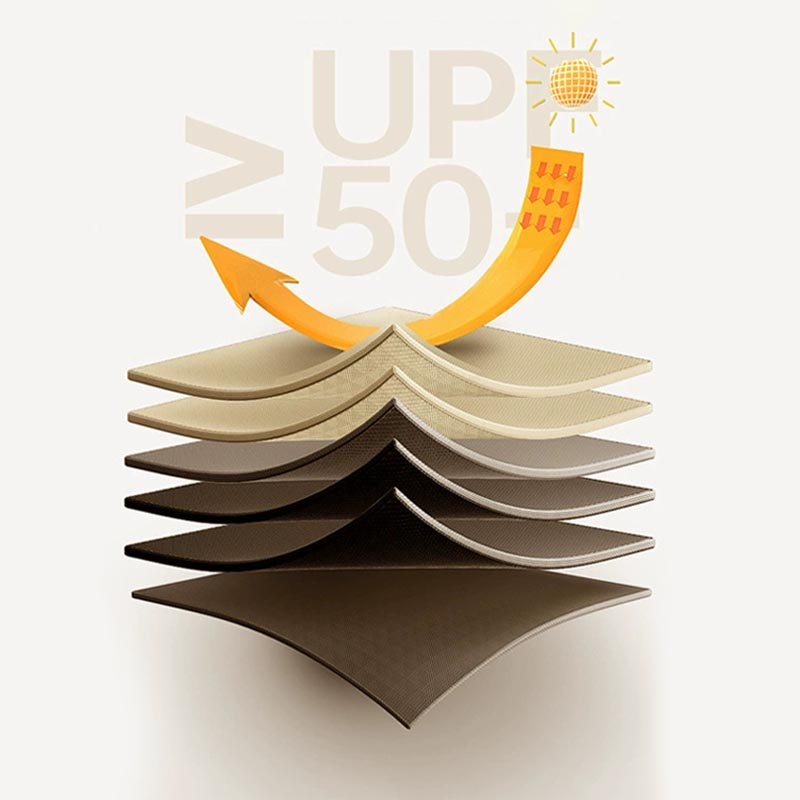
Choosing an outdoor picnic camping black vinyl tent over a standard polyester canopy comes down to how each material handles solar radiation. Black vinyl coating absorbs a large share of incoming UV rays at the surface layer rather than letting them pass through to the underside, which is why black-coated canopies consistently deliver higher UPF (Ultraviolet Protection Factor) ratings than uncoated or lighter-colored fabrics of similar thickness. Lighter canopy colors reflect more visible light but allow more UV transmission through the fabric weave itself.
Vinyl coating also outperforms PU-coated fabric under prolonged sun exposure specifically because it resists UV-driven degradation better over time. PU coatings tend to break down and lose waterproof performance faster when left pitched in direct sun for extended periods, while vinyl maintains both its water resistance and structural integrity across repeated seasonal use — a key reason vinyl remains the preferred coating for canopies meant to stay set up through a full day of sun exposure rather than a quick overnight pitch.
The tradeoff with vinyl coating is weight and flexibility: it's heavier and less packable than PU-coated alternatives. CragHaven builds its vinyl canopies with this tradeoff in mind, positioning them for stationary use at beaches, parks, and family picnic sites rather than backpacking, where pack weight is the priority.
210D Oxford Cloth and Real-World Tear Resistance
Oxford cloth's denier rating measures the thickness of individual fabric threads, and 210D sits in a middle range that balances durability against weight better than either lighter or heavier alternatives. Fabrics below 150D tend to tear more easily under sustained wind load or when set down on rough ground, while fabrics above 300D add considerable weight without a proportional gain in day-to-day durability for canopy applications, which don't face the same abrasion demands as backpack fabric or tent floors.
The weave pattern matters as much as the denier number itself. Oxford weave uses a basket-style interlacing of threads that distributes stress across multiple fibers rather than concentrating it along a single thread line, which is part of why 210D Oxford resists small punctures spreading into larger tears better than a plain weave fabric at the same denier rating would. This is a fabric choice CragHaven applies specifically to canopy products where repeated setup, ground contact, and wind stress accumulate over a product's lifespan.
Abrasion resistance also depends on how the fabric is finished after weaving. A calendared or coated finish smooths the fabric surface and reduces friction against branches, sand, or rocky ground, extending usable fabric life well beyond what the raw denier rating alone would suggest.
Frame Height, Thickness, and Wind Stability
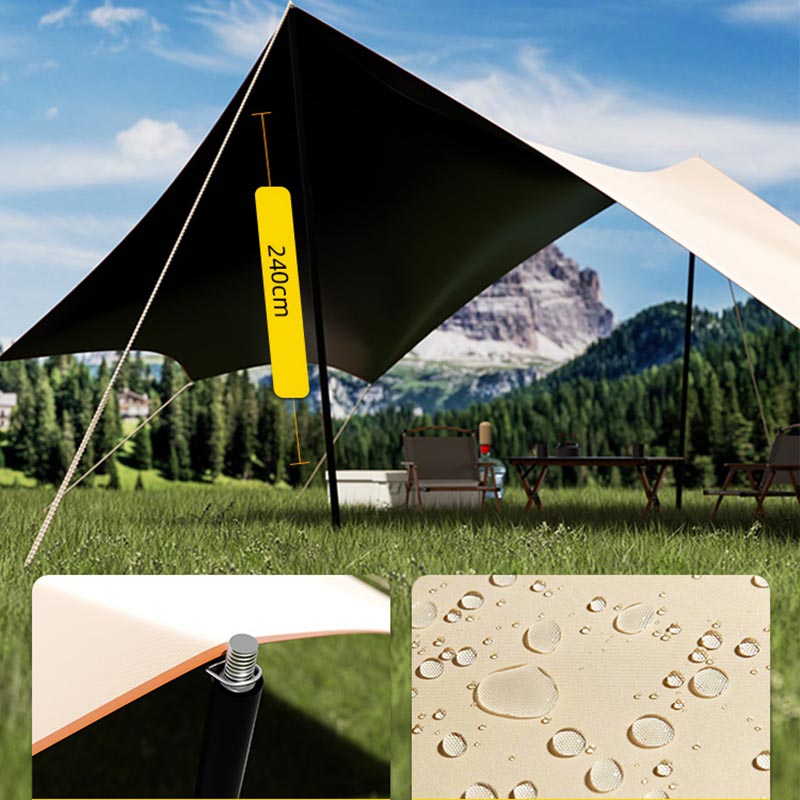
A taller steel frame increases usable headroom underneath a canopy, but height alone can reduce wind stability if pole thickness doesn't scale accordingly, since taller structures experience greater leverage forces at the base during gusts. Manufacturers address this by increasing tube wall thickness on taller frame designs, which adds resistance to bending without necessarily adding significant height-to-weight disadvantage.
Steel frame joints are frequently the failure point during wind stress rather than the tubing itself. Welded or reinforced joint connections distribute load across a wider surface area than simple friction-fit connections, which is why frame quality assessments should focus as much on joint construction as on tube gauge when evaluating wind resistance claims.
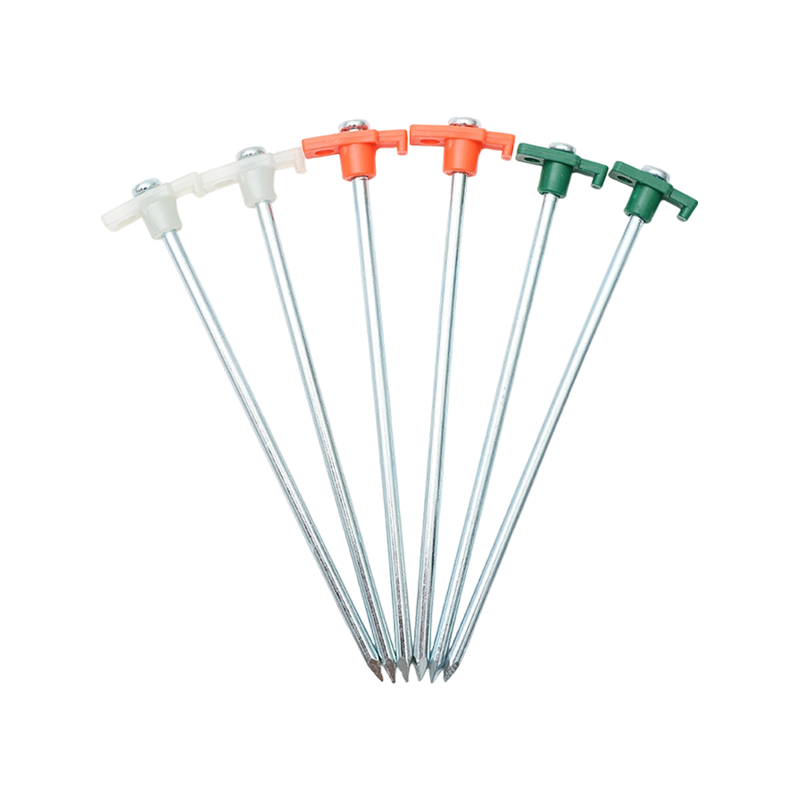
Ground anchoring compounds frame stability rather than substituting for it. Even a well-engineered steel frame benefits from proper staking or sandbag weighting at the base, since wind load on a large canopy surface transfers directly through the frame to whatever is anchoring it at ground level. This is why CragHaven's canopy frames are engineered as one system with their anchoring hardware rather than treating the two as separate components.
How Butterfly Canopy Geometry Maximizes Shade Coverage
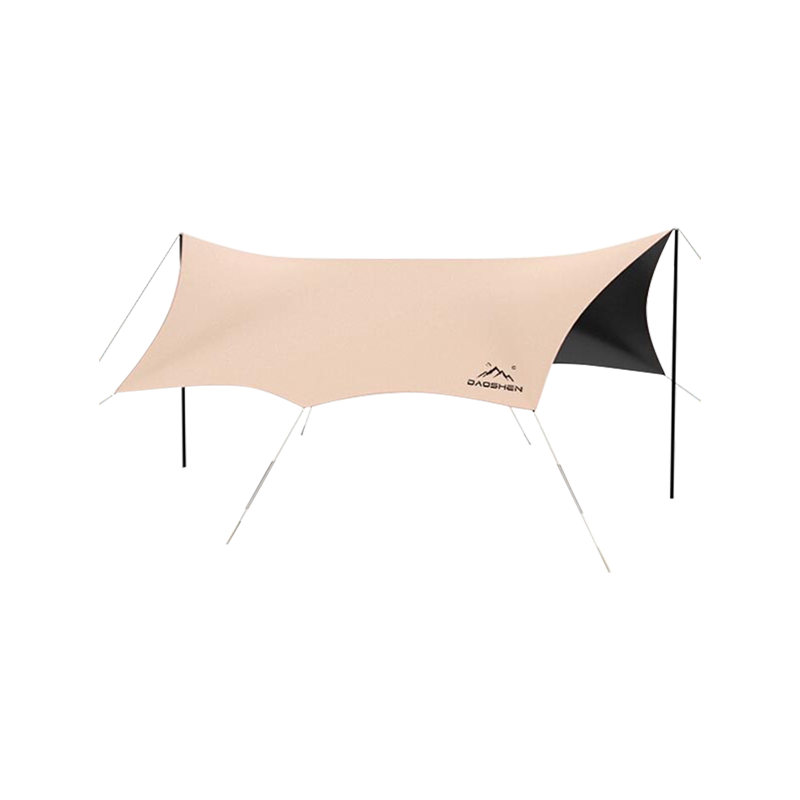
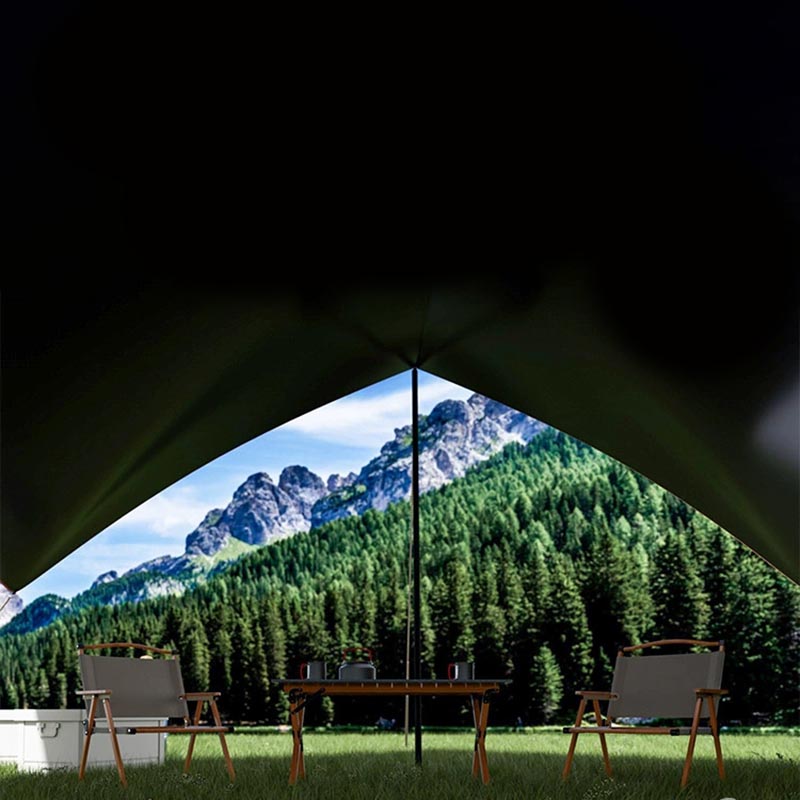
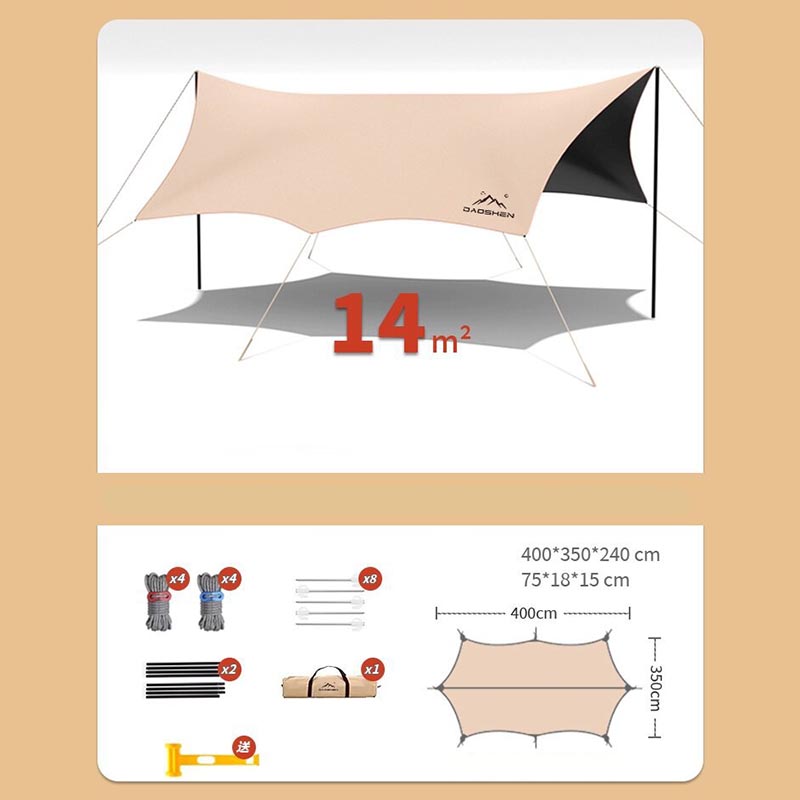
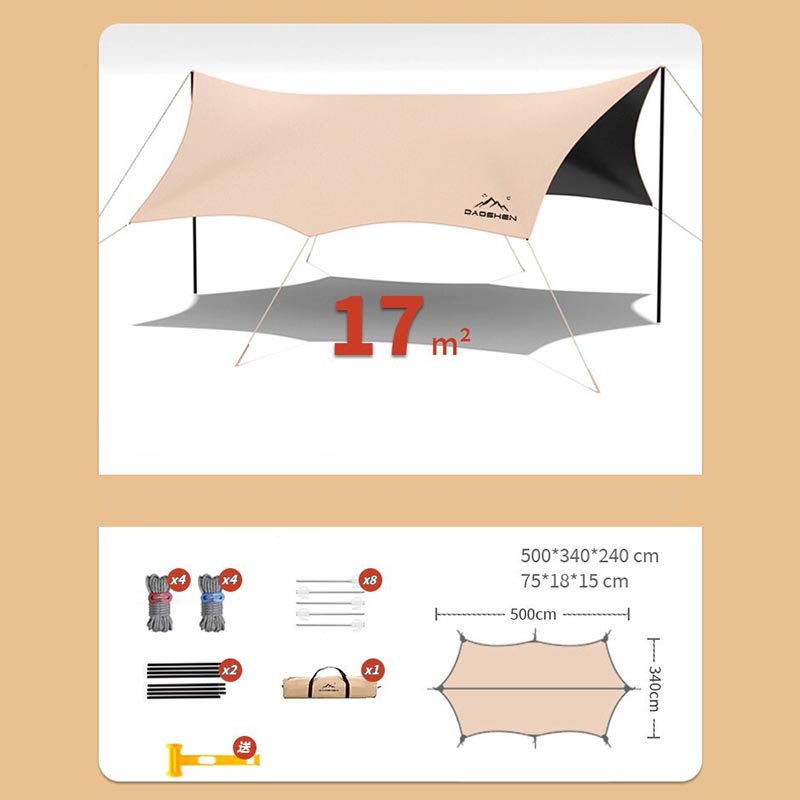
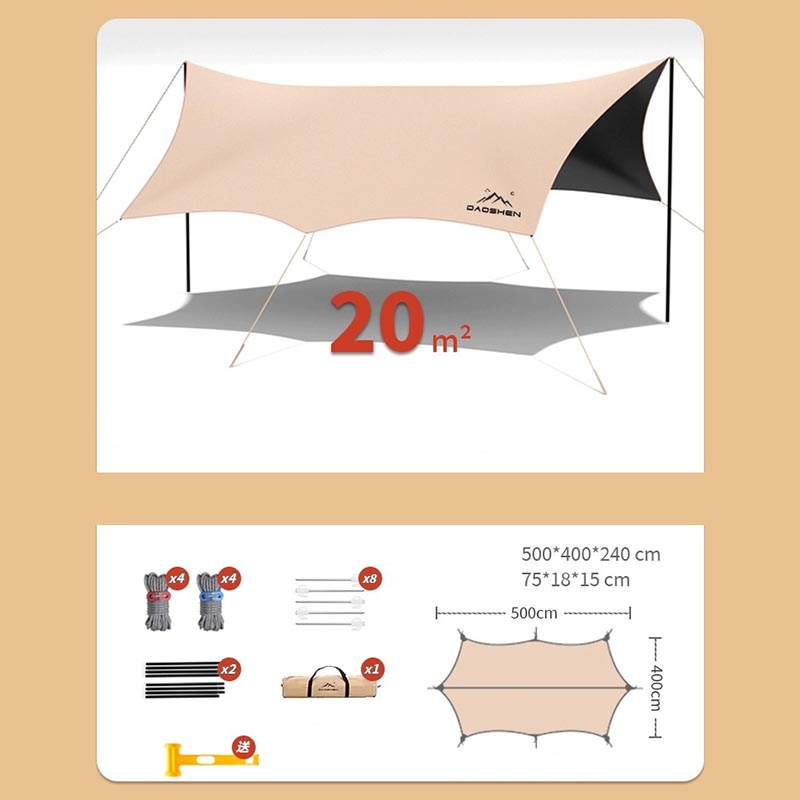
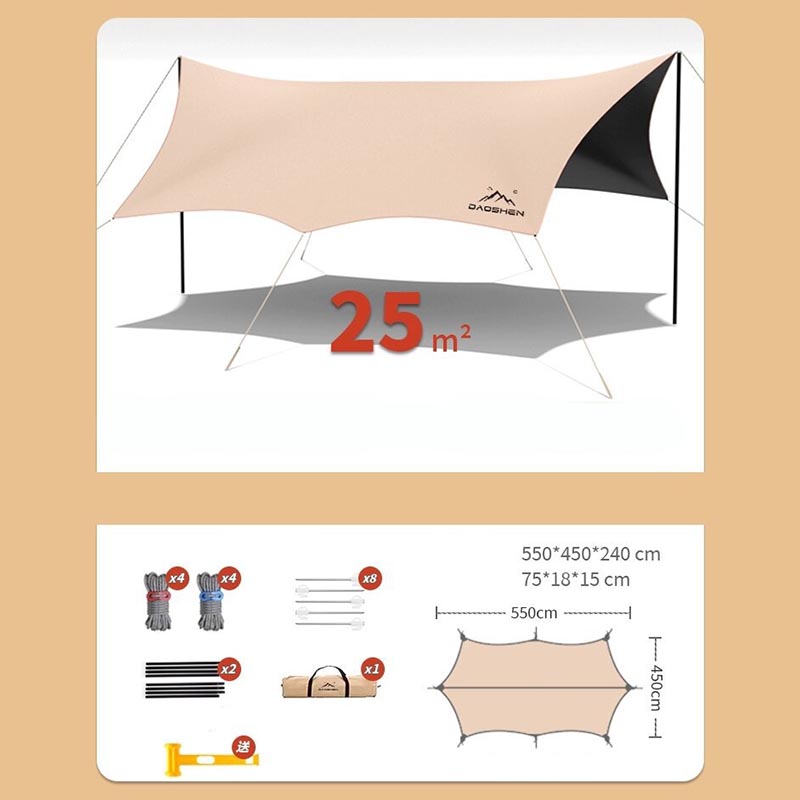
A butterfly-shaped canopy uses a peaked, dual-slope roofline rather than a single flat plane, which increases the shaded footprint relative to the canopy's actual fabric area. The raised center peak also improves rain runoff and reduces water pooling compared to flat-top designs, since standing water on a flat canopy surface adds weight and stress that can eventually compromise the frame or fabric over repeated use.
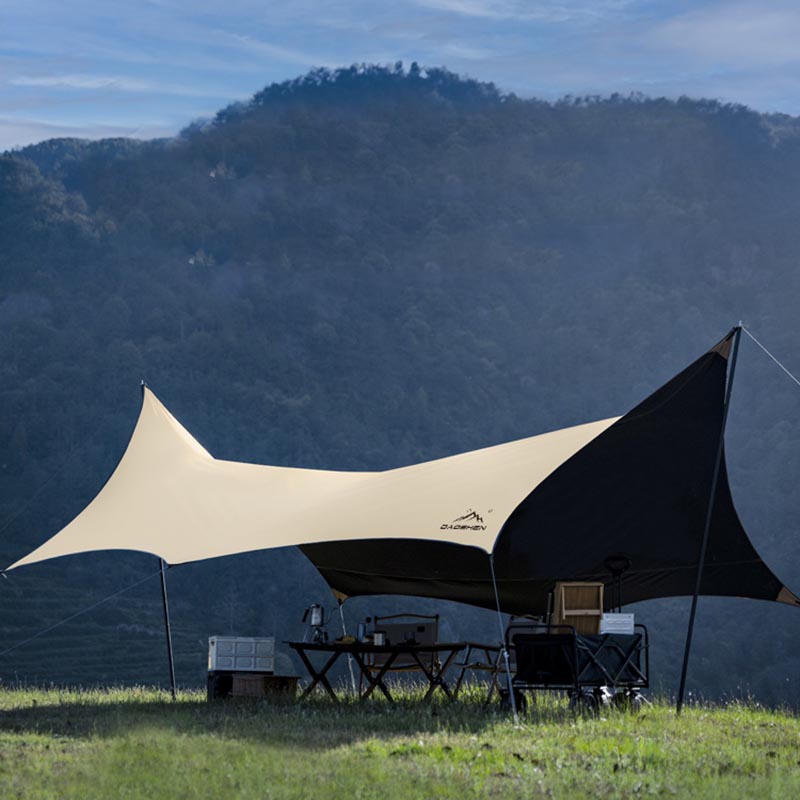
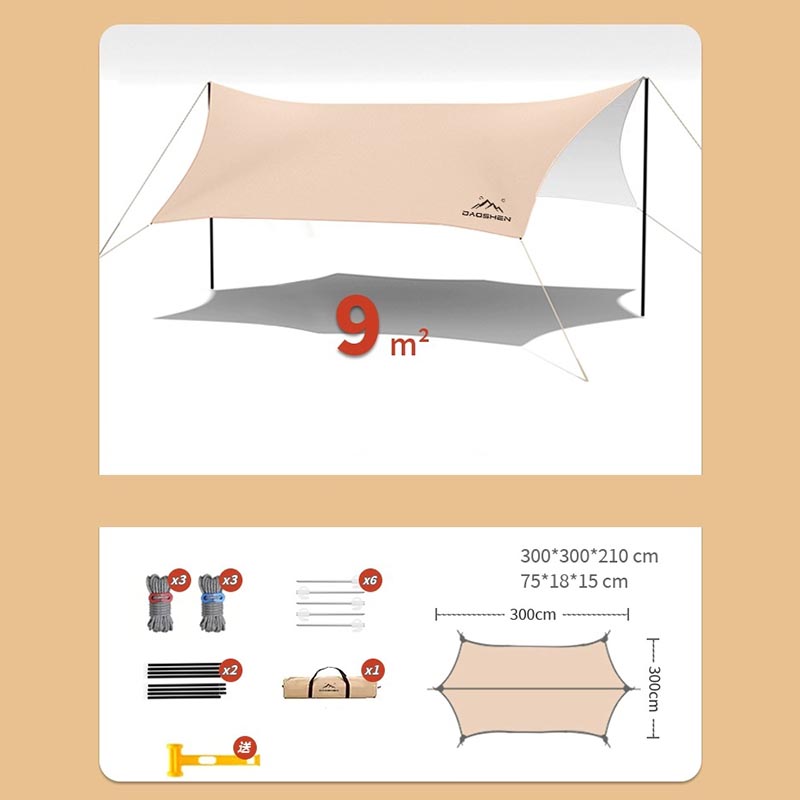
Shade angle changes throughout the day as the sun moves, and a wider butterfly-style canopy footprint provides more consistent shade coverage across those changing angles than a narrower canopy of similar overall fabric area. This consistency is a core reason CragHaven designs its picnic canopies around the butterfly profile rather than a simpler flat-top shape, since a family seated in a fixed arrangement for hours benefits more from steady coverage than from peak shade at a single point in time.
The butterfly profile also tends to perform better in mild-to-moderate wind conditions than flat-top designs, since the sloped roofline lets wind deflect off the surface rather than catching it like a sail. That wind performance, combined with wide shade coverage, is why an outdoor picnic camping black vinyl tent built with this canopy geometry suits beach settings, where wind exposure is typically higher than in a park or backyard.



 English
 Deutsch
 Español
 Français