How Durable Is a Large Capacity Nylon Backpack in Harsh Environments?
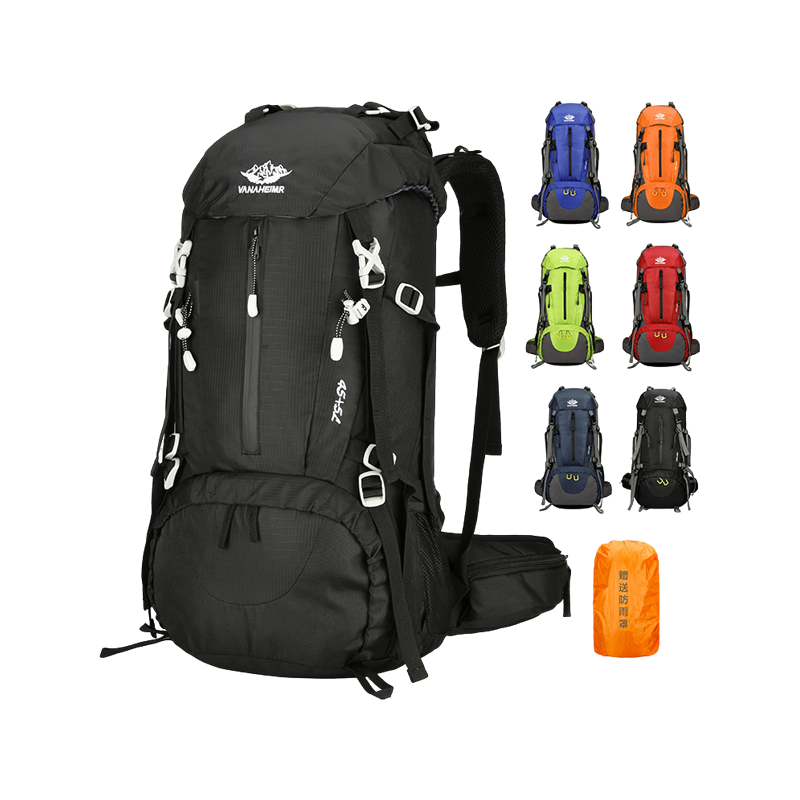
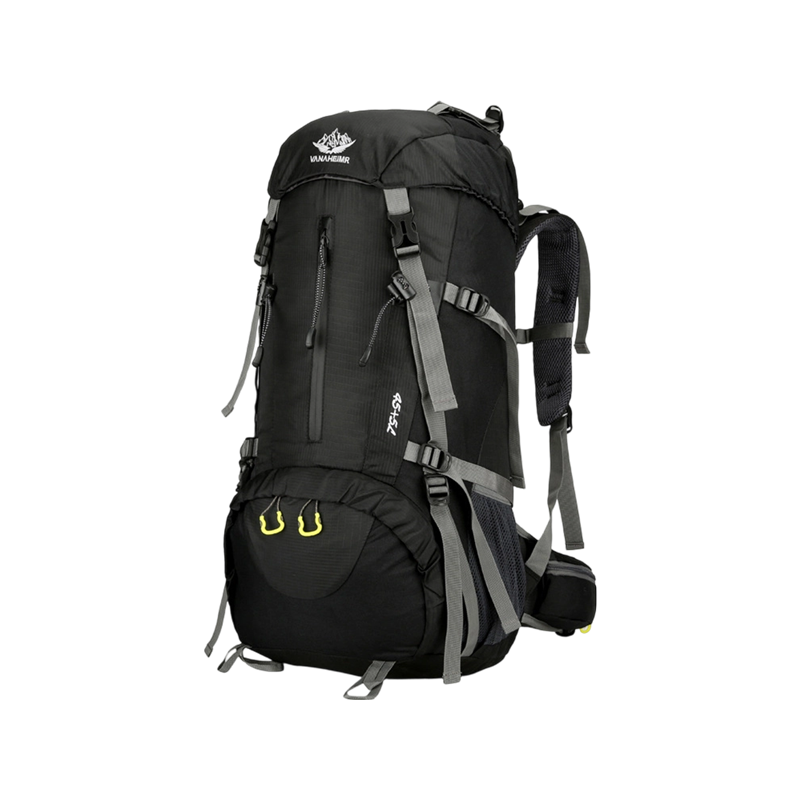
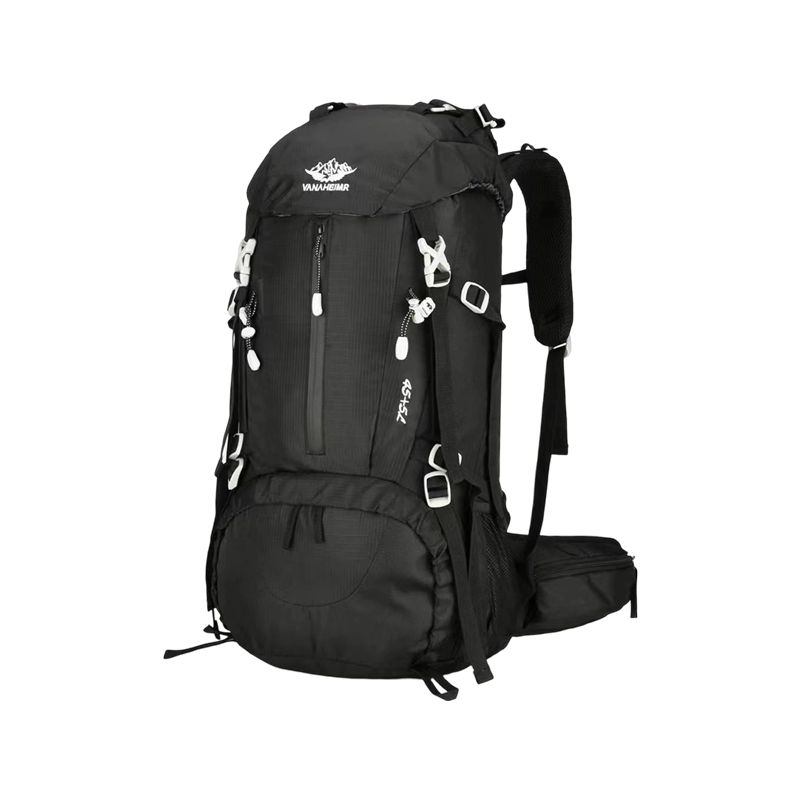
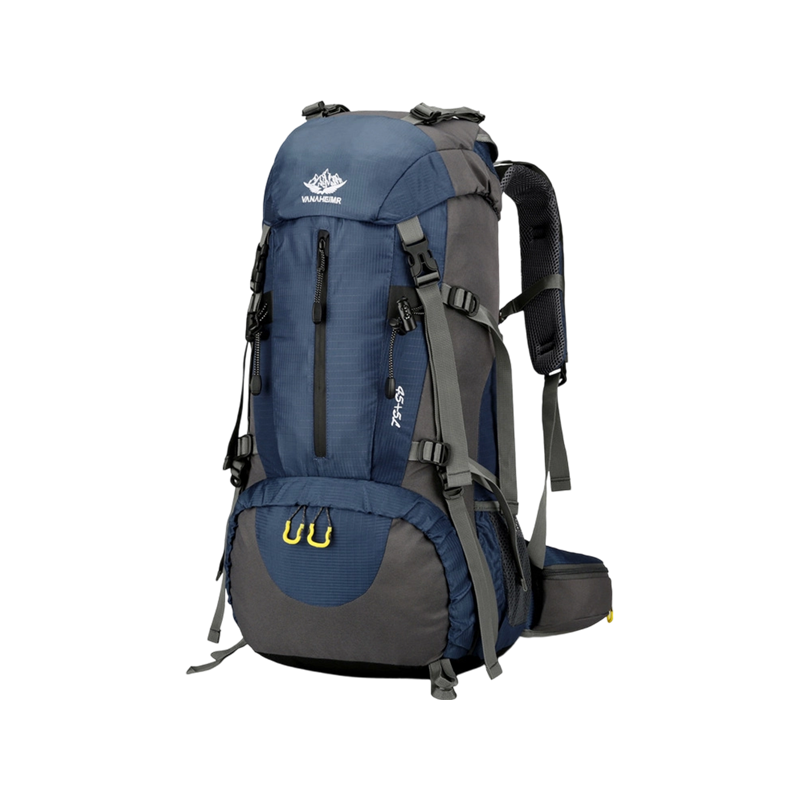
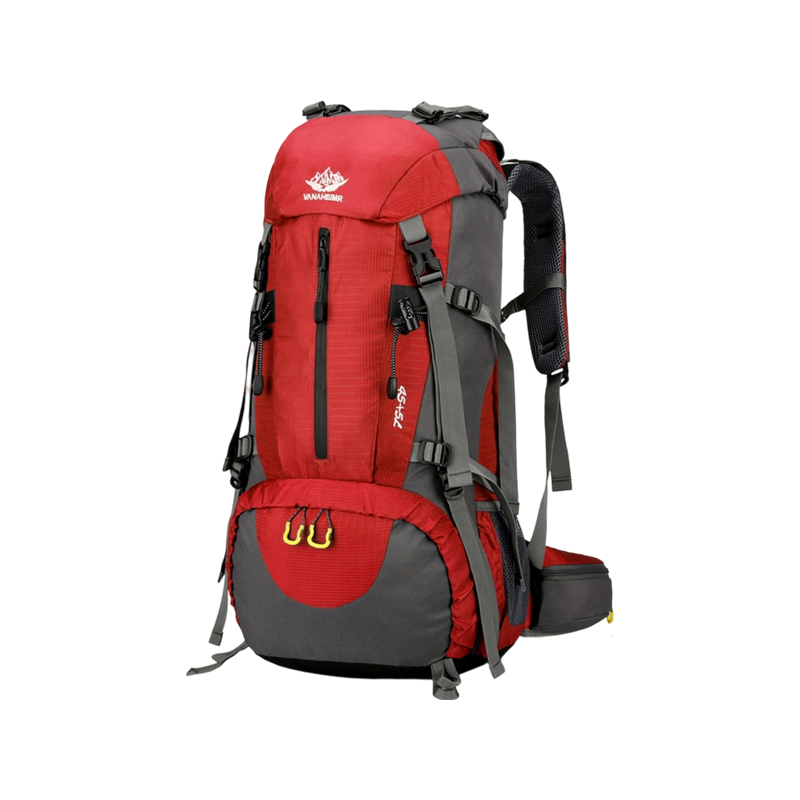
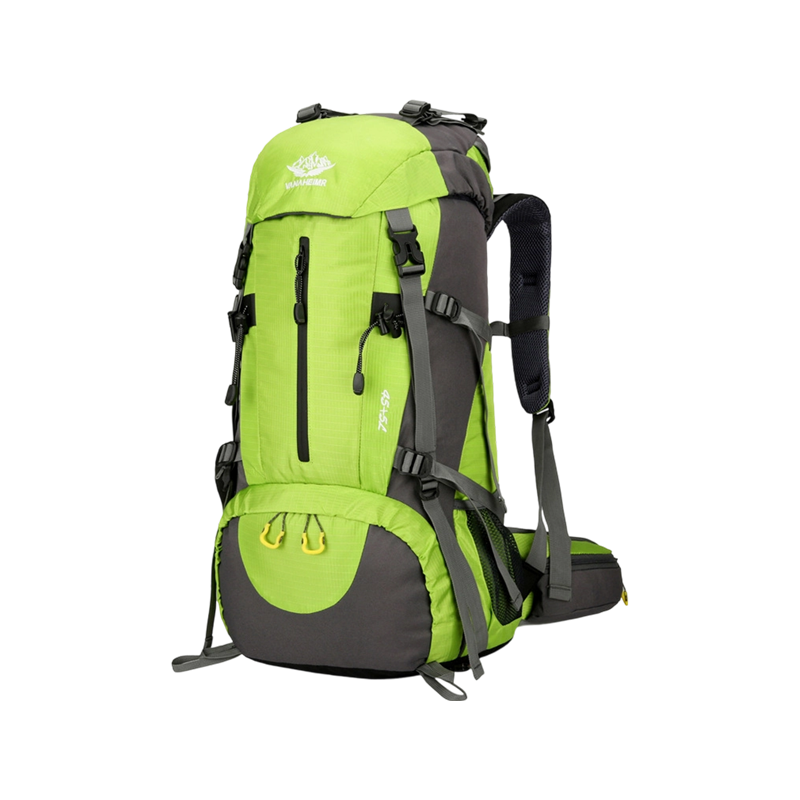
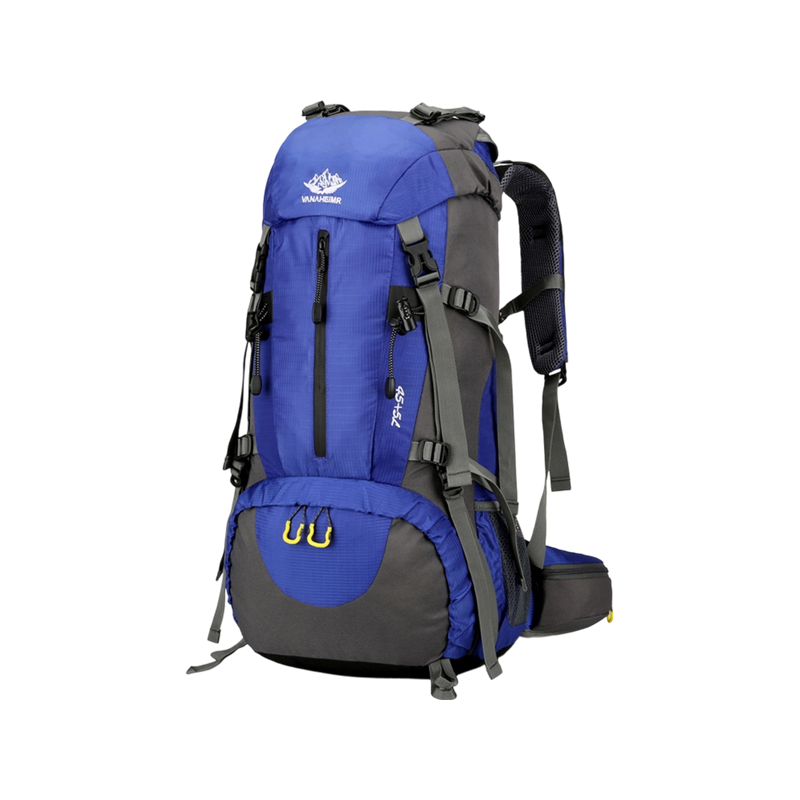
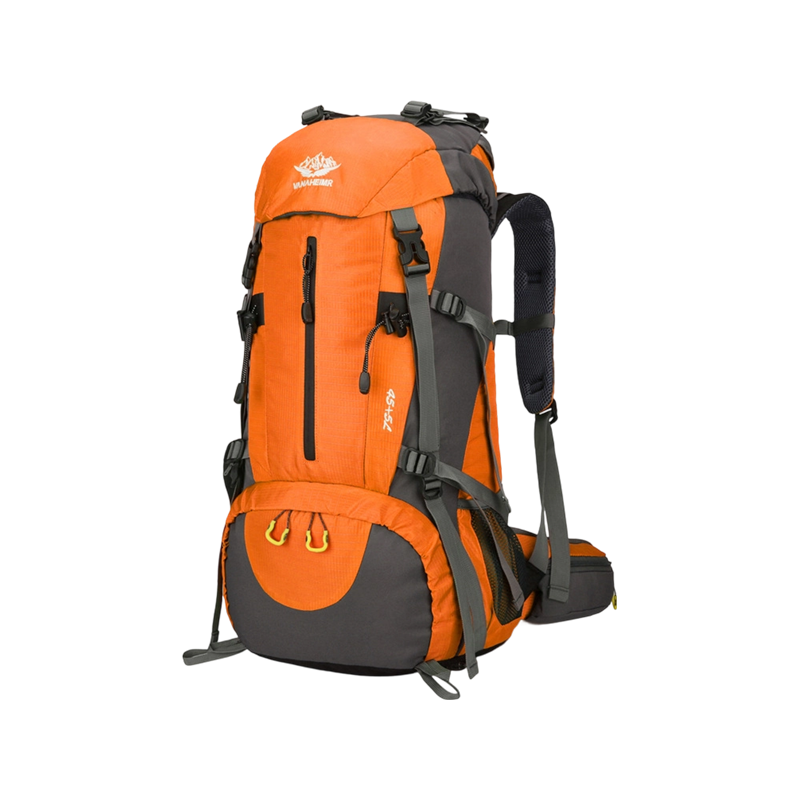
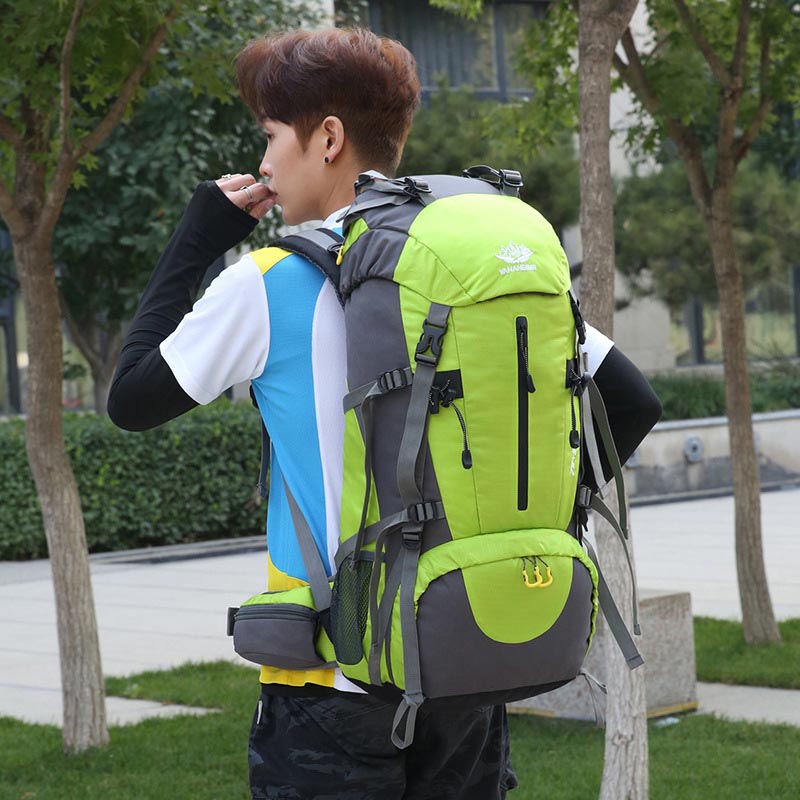
The durability of a Large Capacity Nylon Backpack depends on several factors, including fabric quality, yarn density, coating technology, reinforcement methods, hardware components, and manufacturing precision. When designed for demanding outdoor applications, a nylon backpack can withstand abrasion, moisture, heavy loads, temperature fluctuations, and repeated use across mountain trails, forests, snowfields, and rugged terrain.
For buyers sourcing outdoor equipment, evaluating these performance factors helps determine whether a backpack is suitable for mountaineering, trekking, camping, rescue operations, or long-distance expeditions.
Why Nylon Is Widely Used for Outdoor Backpacks
Nylon is one of the most commonly selected materials for technical outdoor backpacks because it combines high tensile strength with relatively low weight. Compared with many traditional fabrics, nylon provides excellent resistance to tearing and abrasion while maintaining flexibility during repeated folding and movement.
- High strength-to-weight ratio.
- Excellent abrasion resistance.
- Good tear resistance.
- Fast drying after exposure to moisture.
- Suitable for long-term outdoor use.
- Compatible with waterproof coatings and reinforcement treatments.
Material Comparison for Outdoor Backpack Fabrics
| Material |
Abrasion Resistance |
Water Resistance |
Typical Applications |
| 420D Nylon |
Good |
Good with coating |
Day hiking and travel |
| 600D Nylon |
Very Good |
Good with PU coating |
Camping and outdoor recreation |
| 1000D Nylon |
Excellent |
Excellent with coating |
Professional mountaineering and tactical use |
| Ripstop Nylon |
Excellent |
Depends on coating |
Long-distance trekking and expedition backpacks |
Comparison of common outdoor backpack fabric materials
Key Factors That Influence Durability
Material alone does not determine the lifespan of a backpack. Buyers should also evaluate the overall construction quality.
| Component |
Importance |
| Fabric Density |
Higher denier fabrics generally improve wear resistance. |
| Reinforced Stitching |
Strengthens high-stress load-bearing areas. |
| PU or TPU Coating |
Improves resistance to water penetration. |
| Zipper Quality |
Supports repeated opening and closing cycles. |
| Buckles and Hardware |
Improve overall reliability during heavy-load use. |
| Bottom Reinforcement |
Reduces wear when the backpack contacts rough surfaces. |
Construction components that influence overall backpack durability
Performance Under Different Outdoor Conditions
| Environment |
Durability Requirements |
| Mountain Trails |
Abrasion-resistant fabric and reinforced seams |
| Snow and Ice |
Water-resistant coating and low-temperature durability |
| Forests |
Tear-resistant ripstop construction |
| Rocky Terrain |
Heavy-duty bottom panels and durable hardware |
| Multi-Day Expeditions |
High load capacity with stable carrying system |
Durability requirements for backpacks used in different outdoor conditions
Recommended Technical Parameters
| Parameter |
Recommended Specification |
| Fabric |
420D–1000D Nylon or Ripstop Nylon |
| Capacity |
40–70 L for extended outdoor trips |
| Water Resistance |
PU-coated or TPU-coated fabric |
| Weight |
Approximately 1.2–2.2 kg depending on capacity |
| Load Support |
Adjustable shoulder straps, chest strap, and waist belt |
| Reinforcement |
Double stitching at major stress points |
Recommended technical parameters for a durable outdoor nylon backpack
How Proper Maintenance Extends Backpack Life
- Clean dirt and mud after each outdoor trip.
- Allow the backpack to dry naturally before storage.
- Avoid prolonged exposure to direct sunlight when not in use.
- Inspect zippers, buckles, and seams regularly.
- Store in a cool, dry environment to preserve fabric performance.
Why Manufacturing Quality Matters
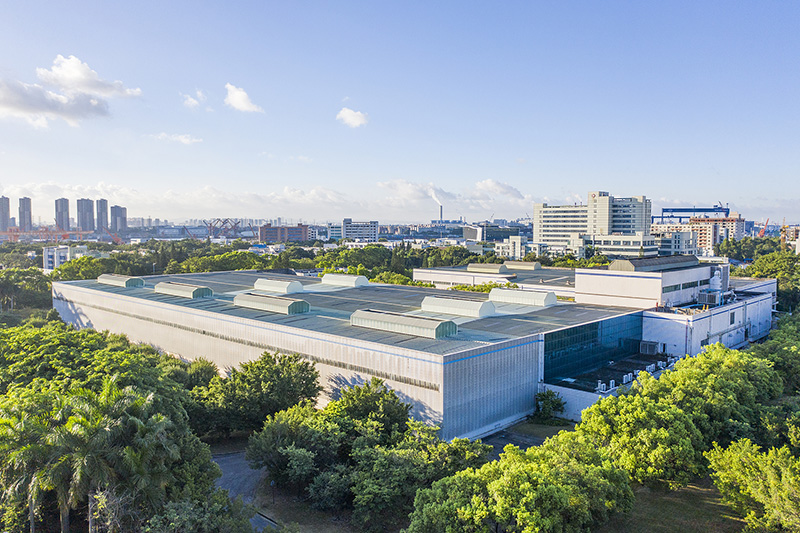
Consistent manufacturing standards are essential for producing durable outdoor backpacks. Material selection, precision cutting, reinforced stitching, hardware quality, and strict inspection procedures all contribute to reliable long-term performance in demanding environments.
CragHaven Outdoor is an outdoor brand and cross-border manufacturing partner based in Hangzhou, China. The company focuses on mountaineering, hiking, and camping scenarios, delivering functional, reliable, and long-term value outdoor gear for global markets. Guided by the philosophy of balance and stability reflected in the name "CragHaven," the company emphasizes thoughtful product design, careful material selection, and dependable manufacturing processes to create outdoor equipment capable of performing across a wide range of environments.
FAQs
1. Which nylon fabric is most suitable for harsh outdoor environments?
For demanding conditions, 600D, 1000D, and ripstop nylon fabrics are commonly selected because they provide high abrasion resistance, excellent tear strength, and reliable performance under heavy loads. CragHaven Outdoor develops outdoor equipment for mountaineering, hiking, and camping, combining durable materials with dependable manufacturing to support long-term outdoor use.
2. Can a large capacity nylon backpack handle heavy equipment?
Yes. A backpack with reinforced stitching, a supportive suspension system, durable hardware, and an adjustable waist belt is designed to distribute heavier loads more efficiently, making it suitable for extended expeditions and technical outdoor activities.
3. How does CragHaven Outdoor ensure the durability of its outdoor backpacks?
CragHaven Outdoor combines its expertise as an outdoor brand and cross-border manufacturing partner to develop products for mountaineering, hiking, and camping. The company focuses on balanced product design, careful material selection, precision manufacturing, and strict quality control to deliver functional, reliable, and long-term value outdoor gear for customers around the world.



 English
 Deutsch
 Español
 Français