What Should Buyers Consider When Choosing a Foldable Hiking Backpack?
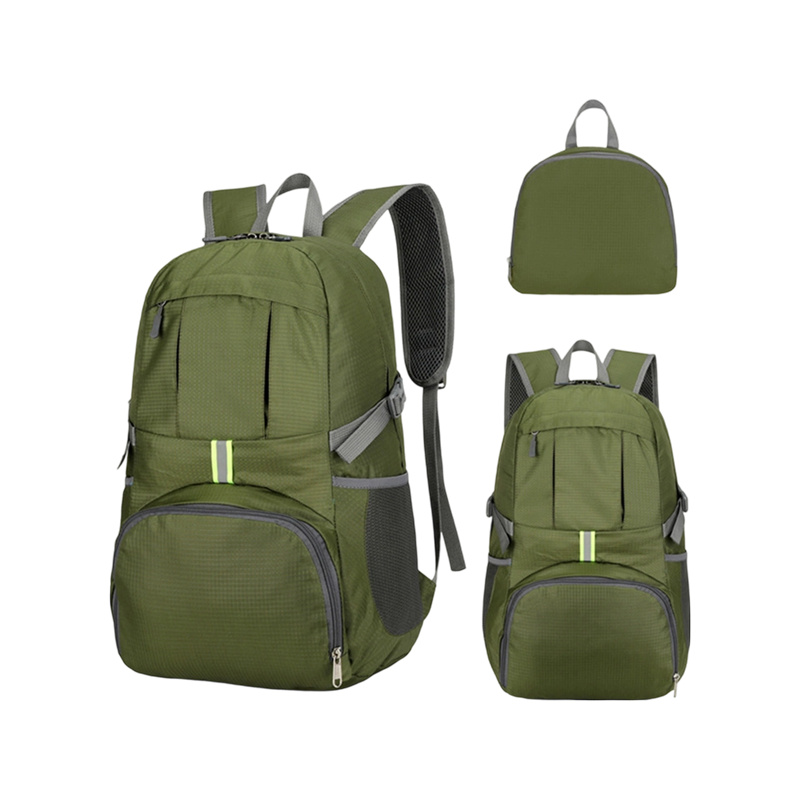
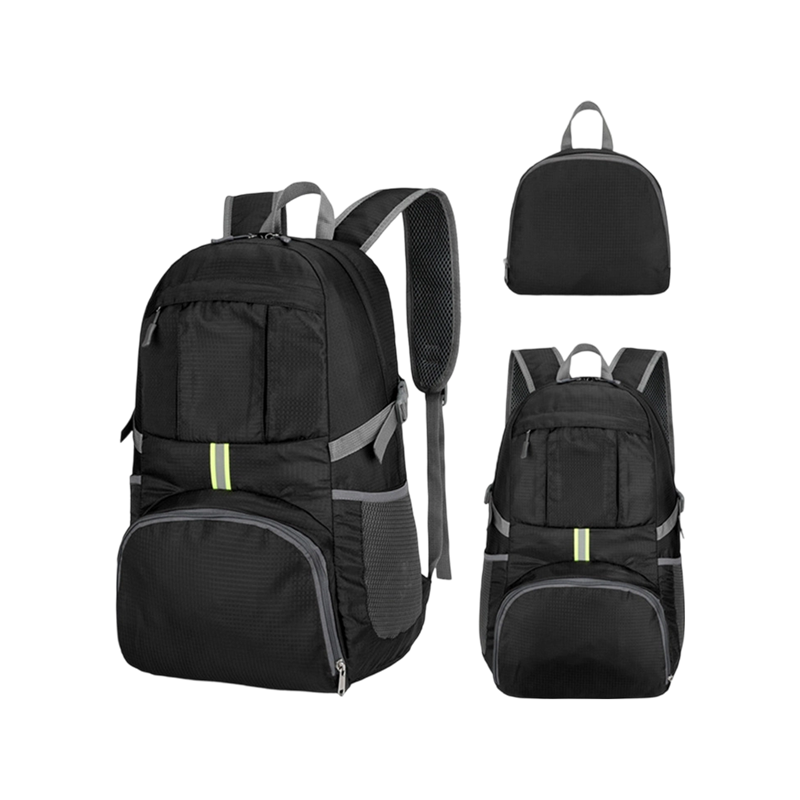
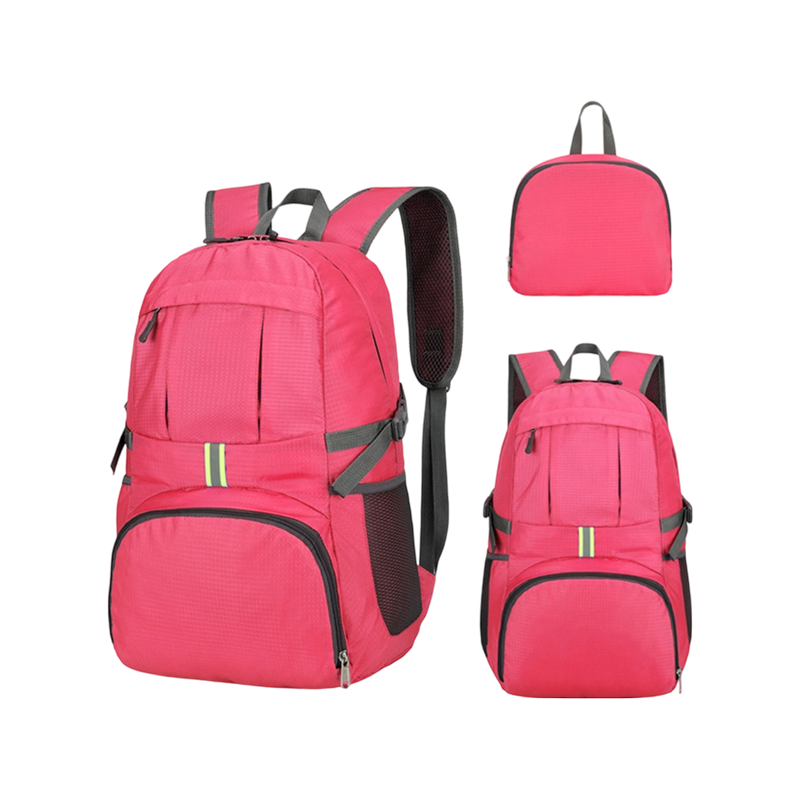
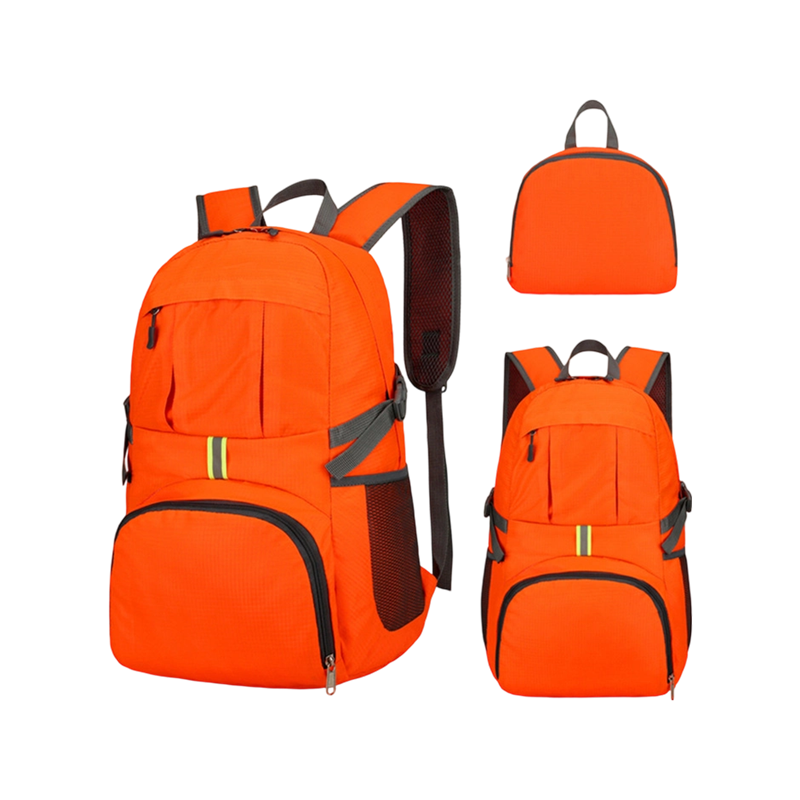
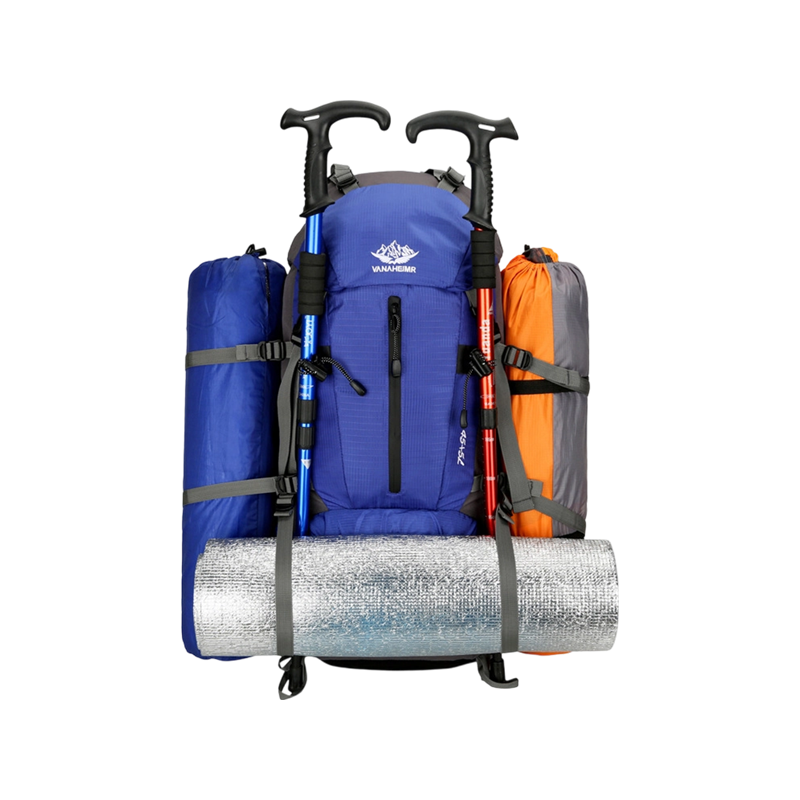
Choosing the right Foldable Hiking Backpack requires evaluating more than storage capacity. Buyers should consider material durability, packability, carrying comfort, weather resistance, weight, and intended outdoor applications. Whether sourcing products for retail, private labeling, or outdoor equipment distribution, selecting a backpack with balanced performance helps meet the needs of hikers, travelers, campers, and mountaineers.
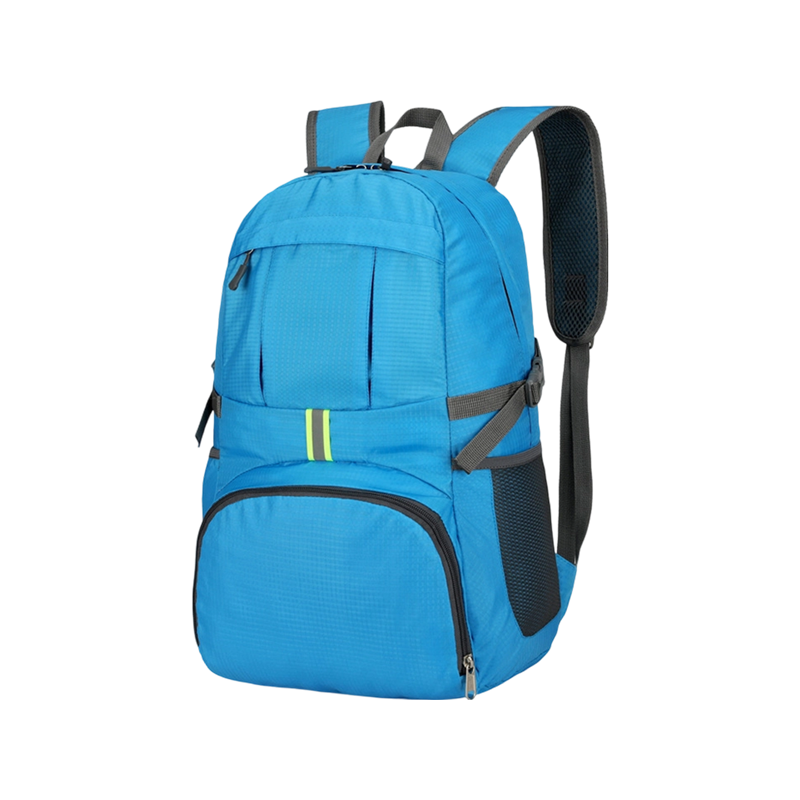
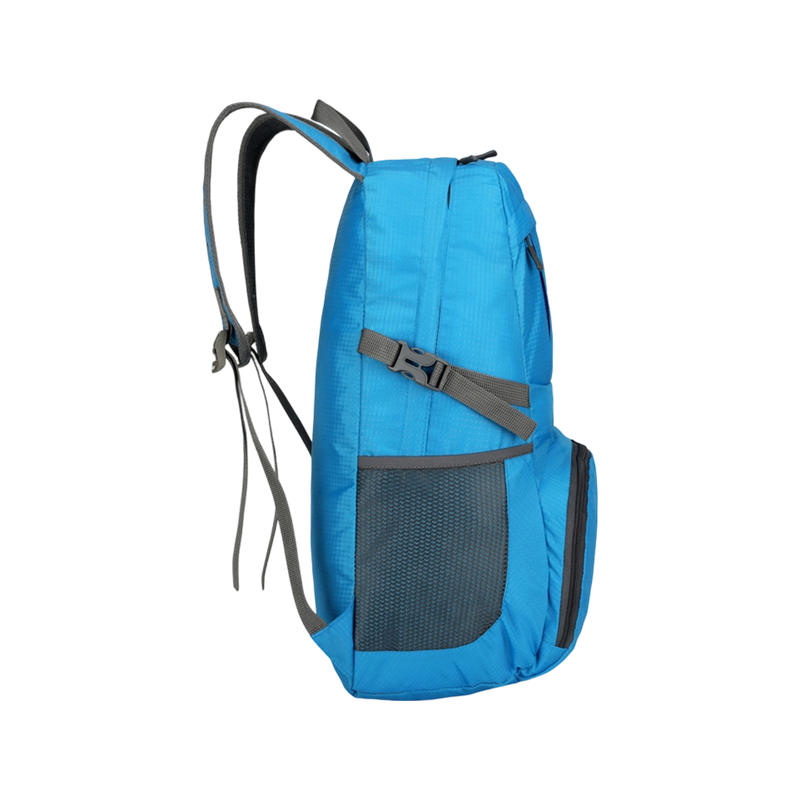
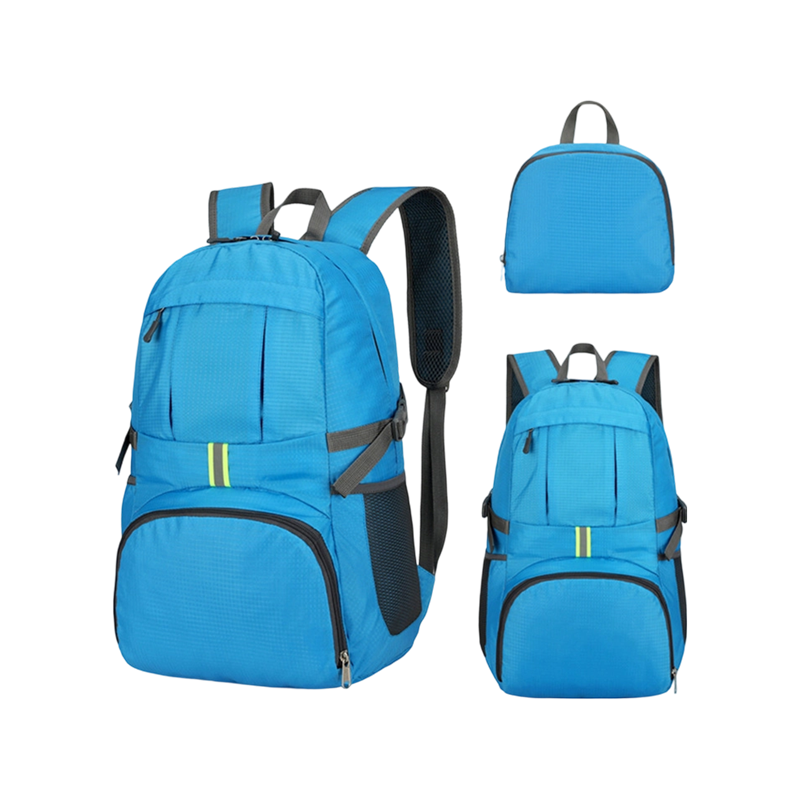
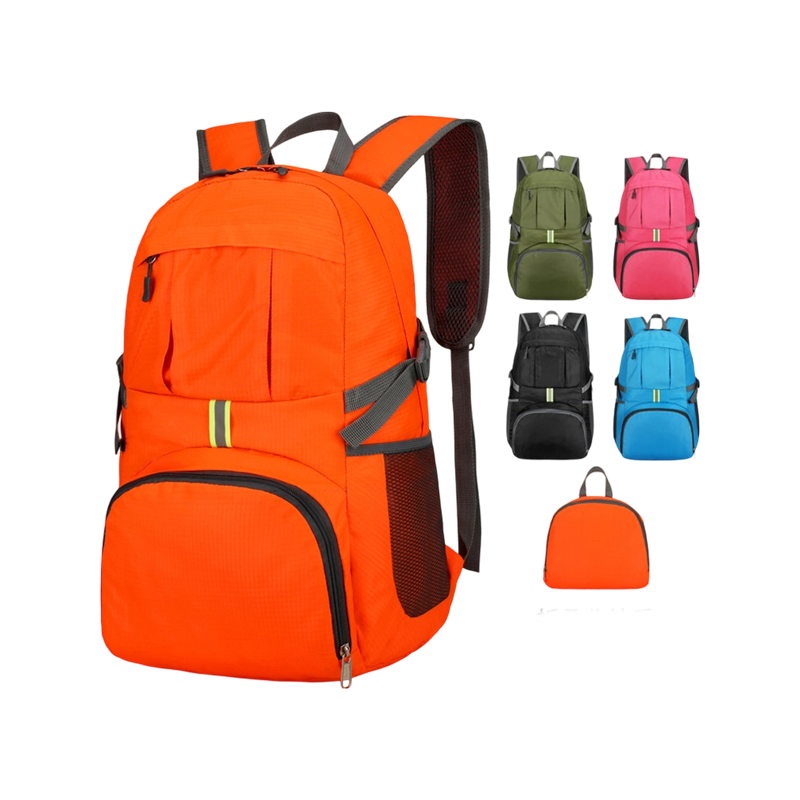
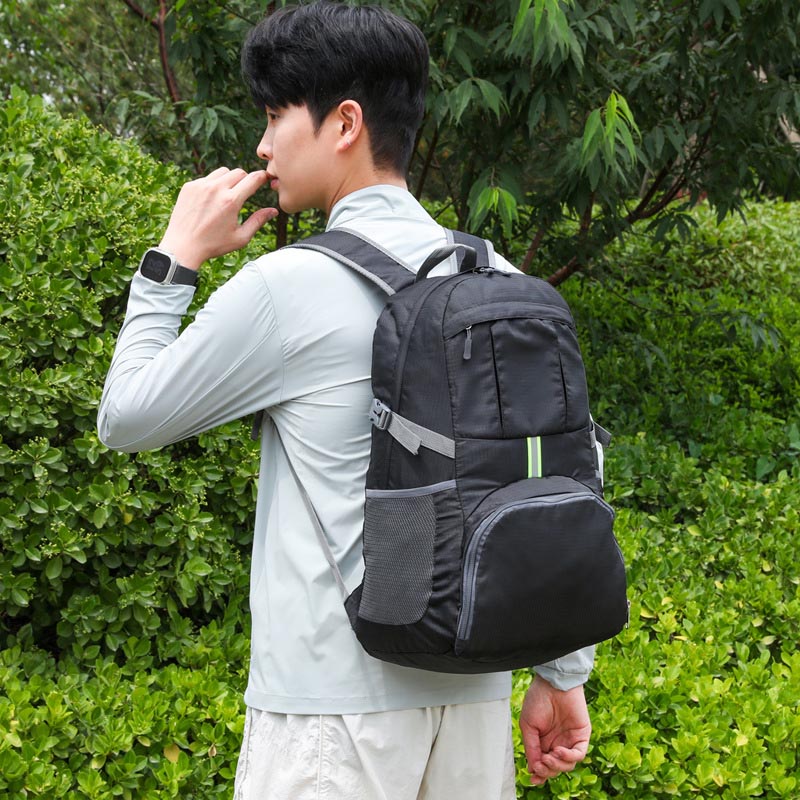
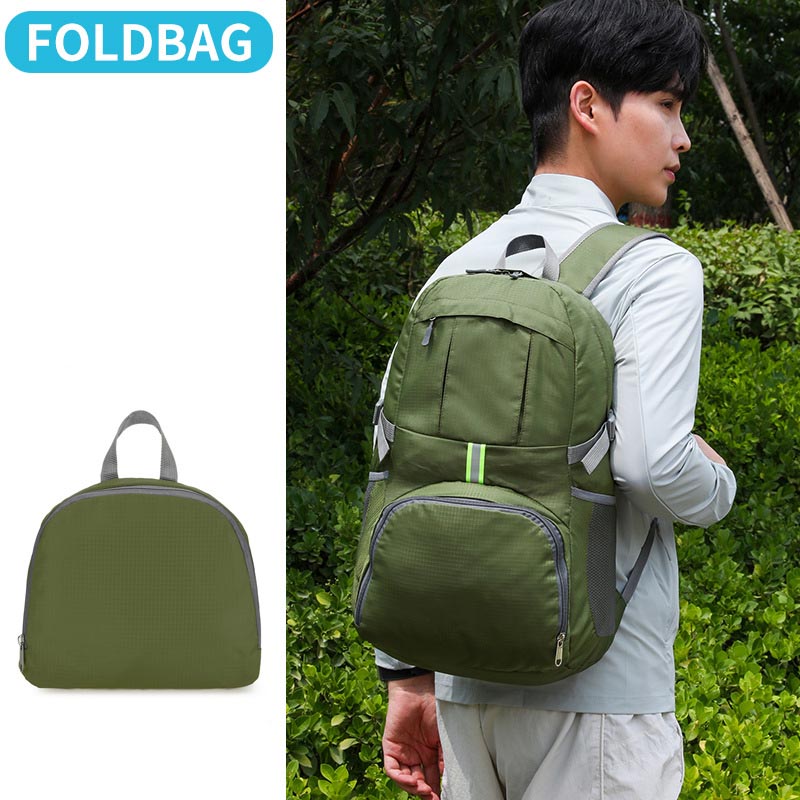
A foldable hiking backpack is designed to provide sufficient carrying capacity while minimizing storage space when not in use. This makes it suitable for day hikes, travel, emergency backup, camping, and lightweight outdoor adventures.
Define the Intended Outdoor Applications
Different activities require different backpack configurations. Identifying the primary use helps buyers select appropriate specifications.
| Application |
Recommended Features |
| Day Hiking |
Lightweight construction, 15–25 L capacity, breathable shoulder straps |
| Camping |
25–35 L capacity, multiple storage compartments, water bottle pockets |
| Travel |
Compact folding size, luggage-friendly design, lightweight fabric |
| Mountaineering |
Durable fabric, reinforced stitching, adjustable chest and waist straps |
| Emergency Backup |
Ultra-compact folding design with minimal storage volume |
Recommended backpack features by outdoor application
Compare Backpack Materials
Material selection directly affects durability, weight, abrasion resistance, and weather protection.
| Material |
Main Advantages |
Typical Applications |
| Ripstop Nylon |
Lightweight, tear resistant, excellent strength-to-weight ratio |
Hiking and backpacking |
| Polyester |
Good dimensional stability and color retention |
General outdoor activities |
| PU-Coated Fabric |
Enhanced water resistance |
Rainy environments |
| High-Density Nylon |
Excellent abrasion resistance and durability |
Frequent outdoor use |
Comparison of common foldable backpack fabric materials
Evaluate Capacity Based on User Needs
Capacity is one of the most important purchasing considerations because it determines how much equipment can be carried comfortably.
| Capacity |
Recommended Use |
| 10–20 L |
Short walks, city travel, emergency backpack |
| 20–30 L |
Day hiking and light outdoor activities |
| 30–40 L |
Camping and extended hiking trips |
| 40 L and above |
Multi-day trekking and mountaineering |
Recommended backpack capacity ranges by intended use
Check Foldability and Storage Efficiency
The folding mechanism should allow the backpack to collapse into a compact size without damaging the fabric or structural integrity.
- Compact folded dimensions for easy storage.
- Integrated storage pouch for convenient packing.
- Quick folding and unfolding process.
- Minimal additional weight after folding.
- Easy transportation inside larger luggage or backpacks.
Assess Carrying Comfort
A lightweight backpack should still provide comfortable load distribution during extended outdoor use.
| Comfort Feature |
Purpose |
| Breathable Shoulder Straps |
Improve ventilation and reduce pressure |
| Adjustable Chest Strap |
Increase carrying stability |
| Waist Strap |
Distribute heavier loads more effectively |
| Padded Back Panel |
Improve comfort during long hikes |
| Ergonomic Design |
Support natural body movement |
Carrying comfort features and their purpose
Review Weather Resistance and Durability
Outdoor backpacks should perform reliably in changing weather conditions.
| Performance Factor |
Recommended Specification |
| Water Resistance |
PU coating or water-repellent treatment |
| Tear Resistance |
Ripstop woven construction |
| Abrasion Resistance |
High-density fabric reinforcement |
| Zipper Quality |
Smooth operation with repeated opening cycles |
| Stitching Strength |
Reinforced stress points for extended service life |
Weather resistance and durability specifications to review
Why Manufacturing Quality Is Important
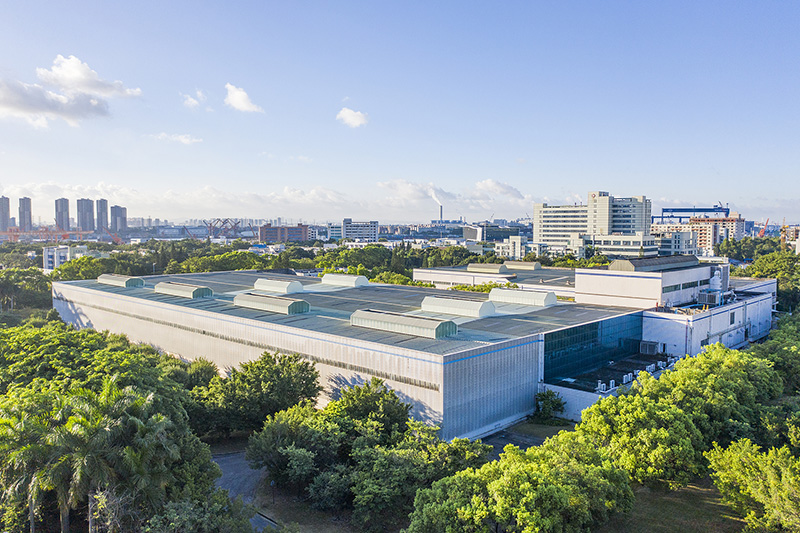
Consistent manufacturing quality contributes to product reliability, especially for outdoor equipment exposed to repeated folding, heavy loads, and varying weather conditions. Material consistency, precision stitching, durable hardware, and quality inspections all influence long-term performance.
CragHaven Outdoor is an outdoor brand and cross-border manufacturing partner based in Hangzhou, China. The company focuses on mountaineering, hiking, and camping scenarios, delivering functional, reliable, and long-term value outdoor gear for global markets. Inspired by the balance and stability represented by the name "CragHaven," the company integrates thoughtful product design, careful material selection, and dependable manufacturing processes to develop outdoor equipment suitable for diverse environments and international customers.
FAQs
1. What capacity is most suitable for a foldable hiking backpack?
For most day hiking activities, a capacity between 20 L and 30 L provides a practical balance between storage space and portability. CragHaven Outdoor develops outdoor products for hiking, camping, and mountaineering while emphasizing functional design, reliable materials, and consistent manufacturing quality for global markets.
2. Which material offers better durability for foldable hiking backpacks?
Ripstop nylon and high-density nylon are commonly selected because they combine lightweight performance with excellent tear and abrasion resistance. Polyester fabrics also provide good dimensional stability and are suitable for a wide range of outdoor applications.
3. How does CragHaven Outdoor support buyers looking for foldable hiking backpacks?
CragHaven Outdoor serves as both an outdoor brand and a cross-border manufacturing partner. The company focuses on mountaineering, hiking, and camping products, applying its philosophy of balance and stability throughout product design, material selection, and manufacturing to deliver functional, reliable, and long-term value outdoor gear for customers worldwide.



 English
 Deutsch
 Español
 Français