Why Choose Aluminum Trekking Poles for Long-Distance Hiking?
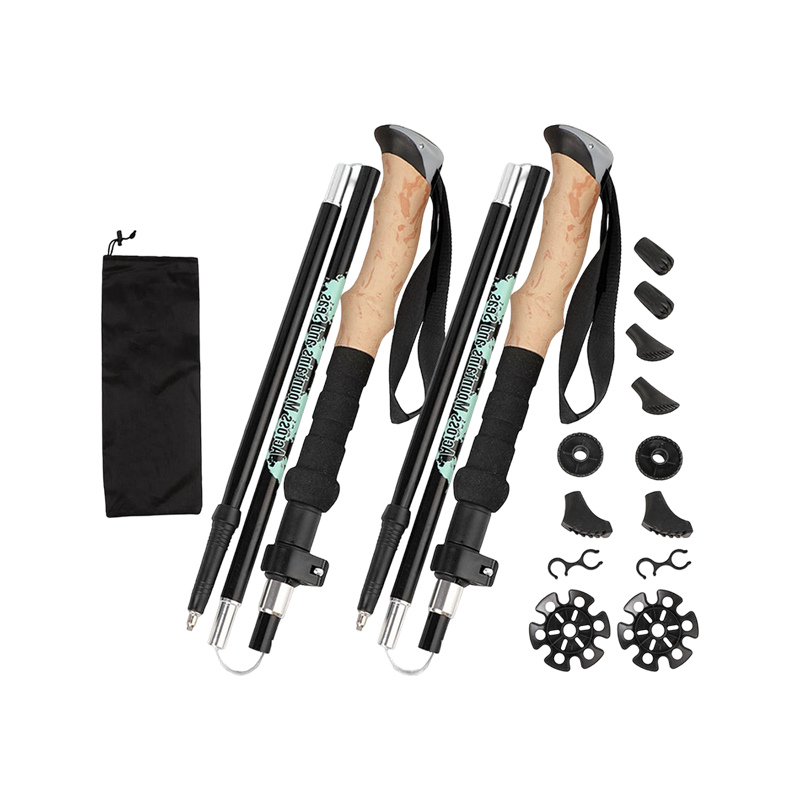
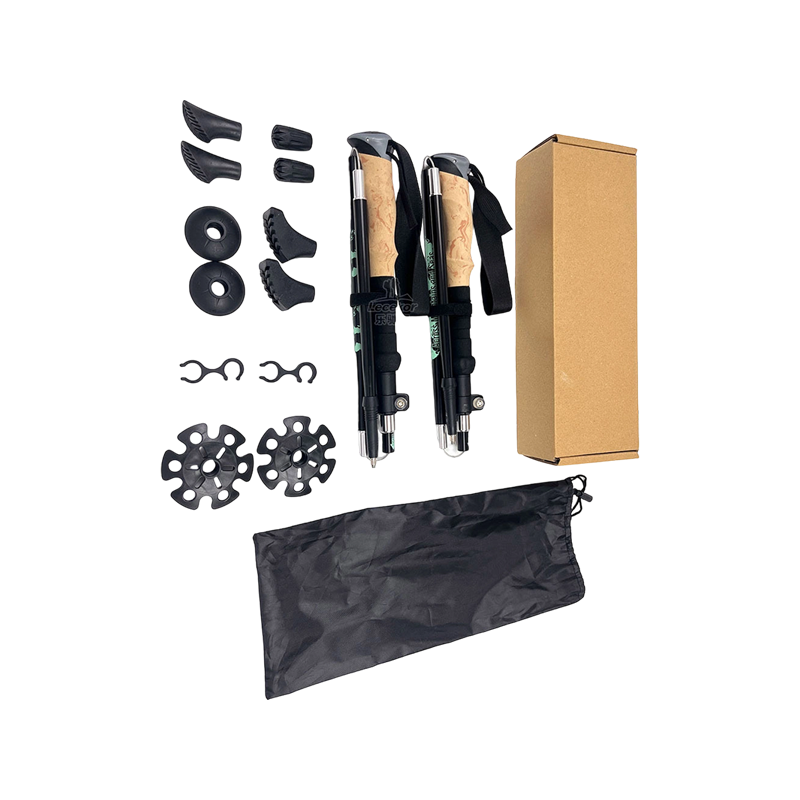
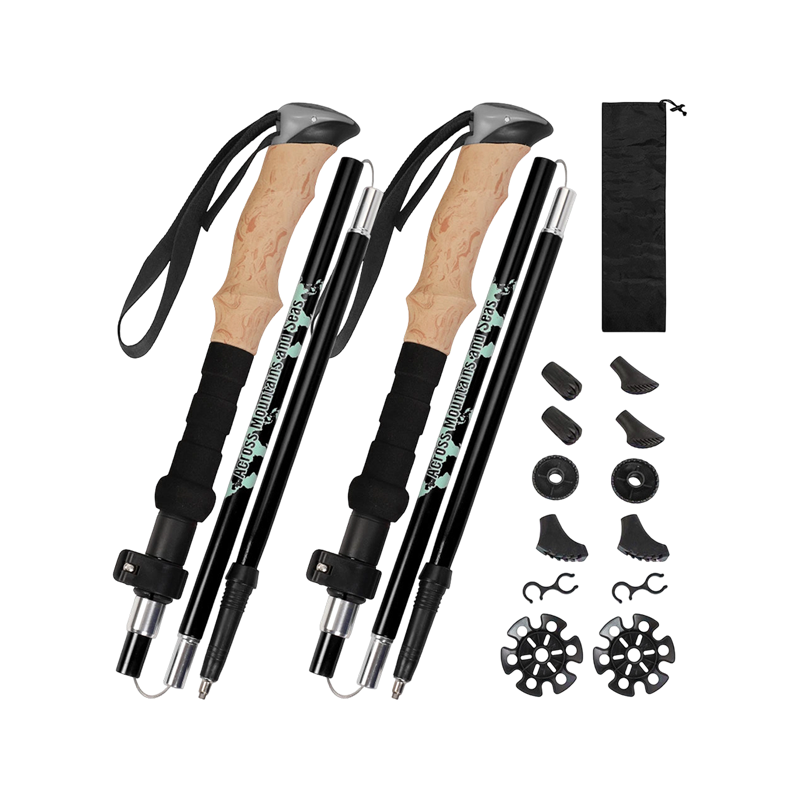
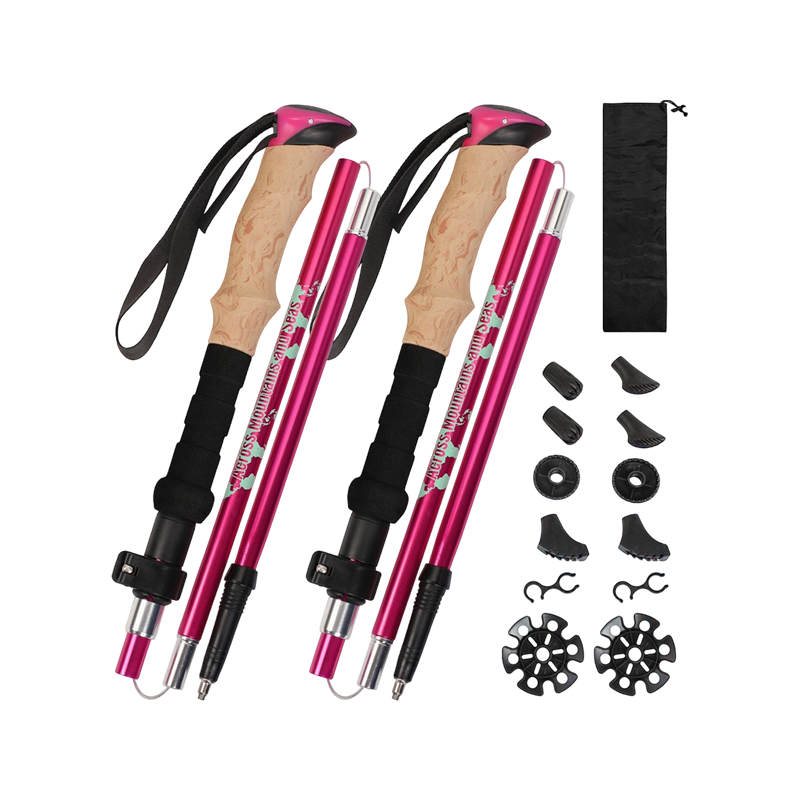
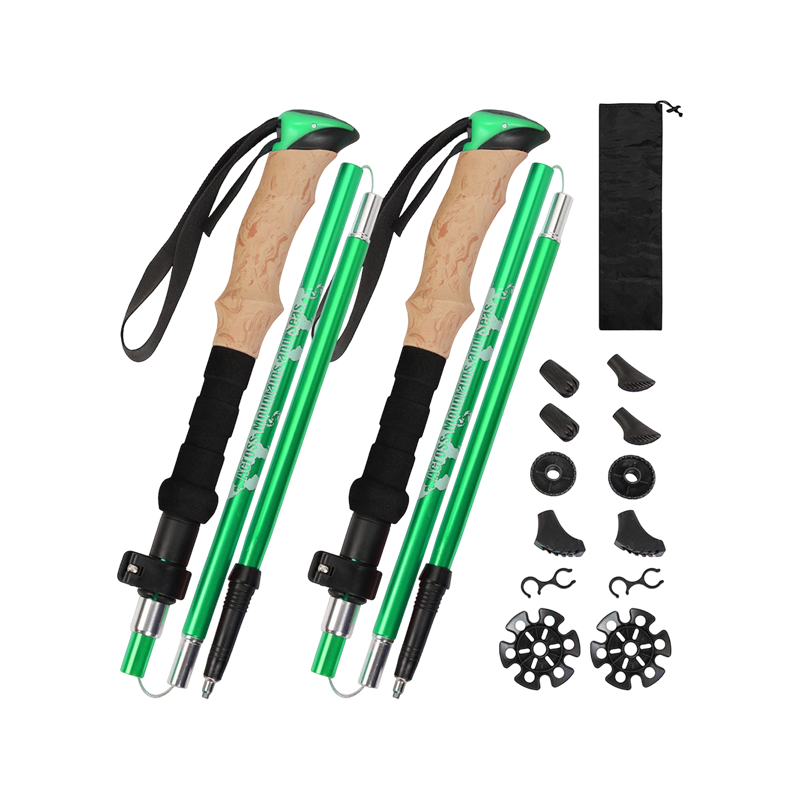
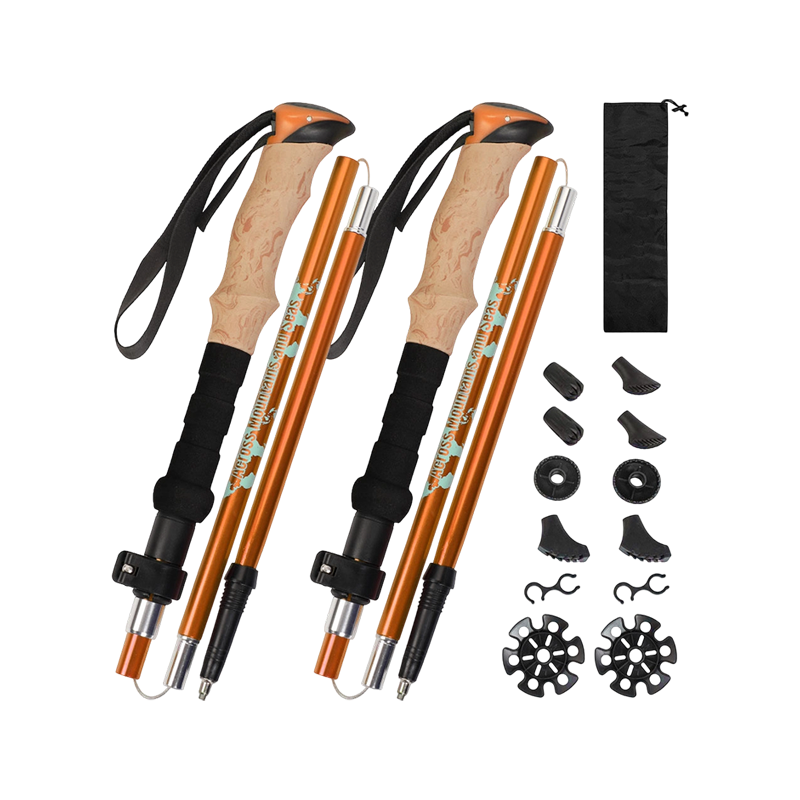
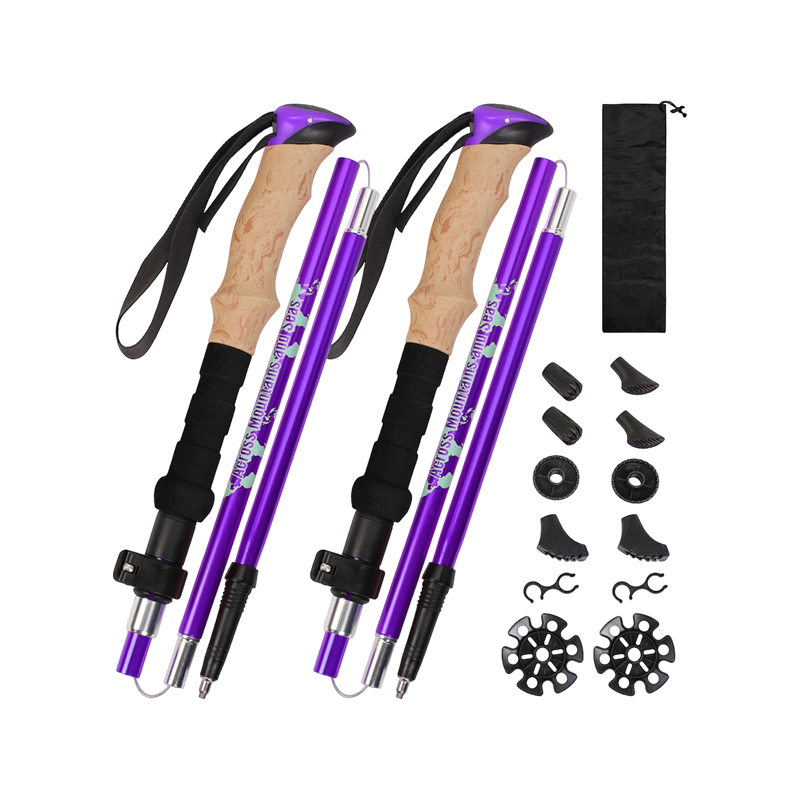
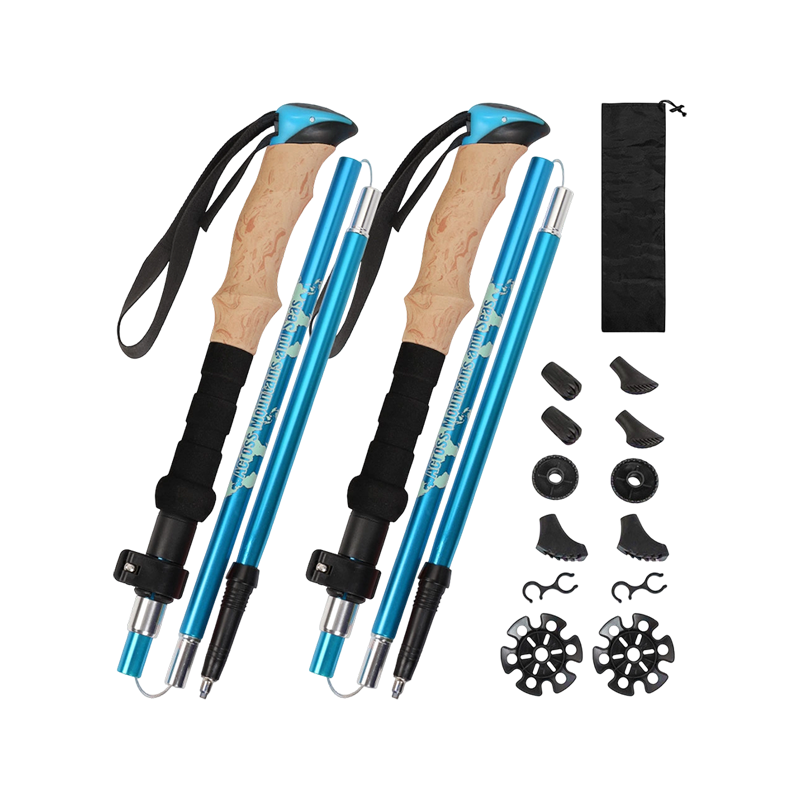
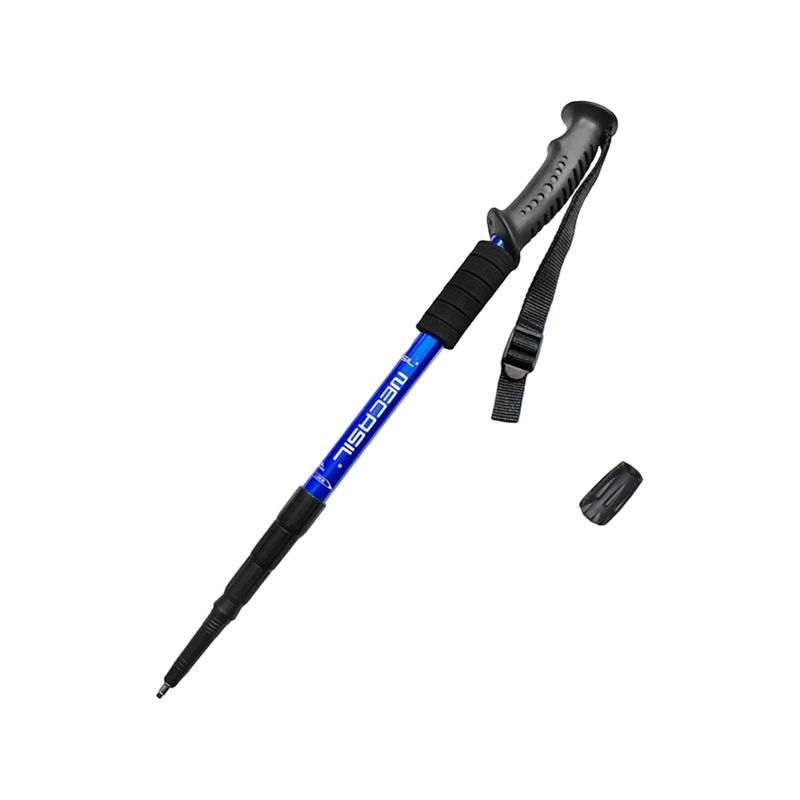
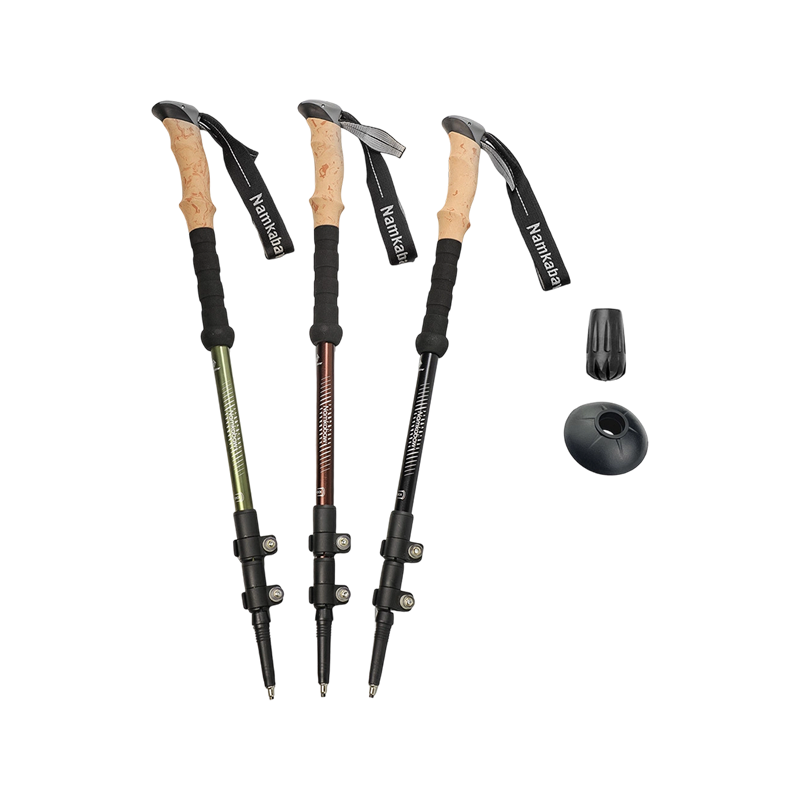
Long-distance hiking requires equipment that can provide reliable support, durability, and comfort throughout extended journeys. An Aluminum Trekking Pole is widely used by hikers and outdoor professionals because it offers a balanced combination of strength, impact resistance, stability, and cost efficiency. Compared with some lightweight alternatives, aluminum trekking poles are designed to handle demanding terrain, heavier loads, and frequent outdoor use.
For outdoor equipment buyers, distributors, and brands, understanding the performance characteristics of aluminum trekking poles helps select suitable products for hiking, trekking, camping, and mountaineering applications.
Why Are Aluminum Trekking Poles Suitable for Long-Distance Hiking?
During long-distance hiking, trekking poles experience repeated pressure from uneven terrain, elevation changes, and body weight transfer. Aluminum alloy provides the structural reliability needed for continuous outdoor use.
- High impact resistance: Aluminum shafts can withstand repeated stress from rocky trails and uneven surfaces.
- Stable support: The rigid structure provides dependable balance when carrying backpacks.
- Long service life: Aluminum materials maintain performance under frequent outdoor conditions.
- Easy maintenance: Aluminum poles are simple to inspect, clean, and maintain.
- Balanced weight: They provide a practical balance between portability and durability.
Material Comparison: Aluminum vs Carbon Fiber Trekking Poles
Material selection directly affects trekking pole performance. Aluminum and carbon fiber are two commonly used shaft materials with different advantages.
| Feature |
Aluminum Trekking Pole |
Carbon Fiber Trekking Pole |
| Weight |
Moderate |
Very lightweight |
| Impact Resistance |
Excellent |
Good but more sensitive to sharp impacts |
| Durability |
Suitable for frequent and demanding use |
Suitable for lightweight applications |
| Vibration Absorption |
Good |
Excellent |
| Terrain Suitability |
Rocky trails, mountains, mixed terrain |
Long-distance hiking with weight reduction focus |
Comparison of aluminum and carbon fiber trekking pole characteristics
Key Specifications to Consider When Choosing Aluminum Trekking Poles
Buyers should evaluate several technical specifications to ensure the trekking poles match different hiking requirements.
| Parameter |
Recommended Range or Feature |
| Material |
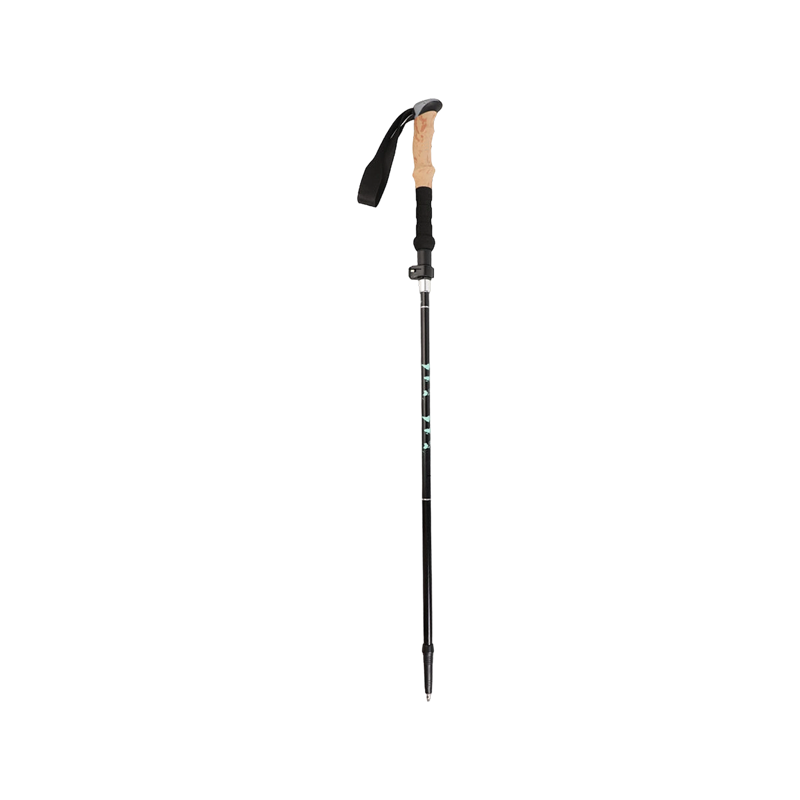
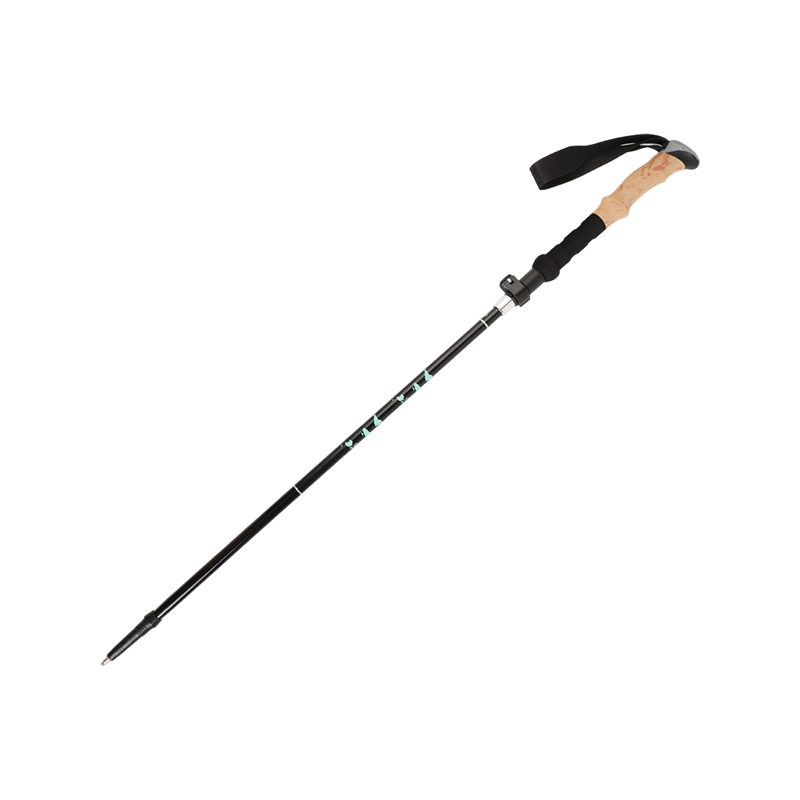
Aluminum alloy shaft construction |
| Section Design |
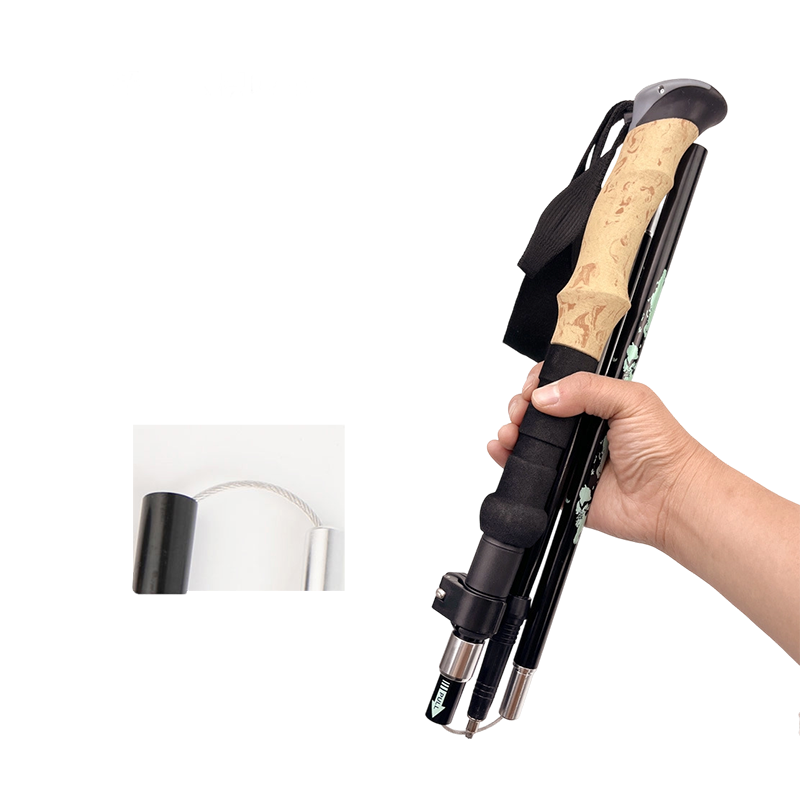
Two-section or three-section adjustable structure |
| Length Adjustment |
Approximately 100–135 cm depending on user height |
| Locking System |
External lever lock for quick adjustment and reliable fixation |
| Grip Material |
Cork, EVA foam, or ergonomic rubber grip |
| Tip Material |
Tungsten carbide tip for improved traction |
Key specifications to evaluate when choosing aluminum trekking poles
How Aluminum Trekking Poles Improve Hiking Performance
Long-distance hiking often involves thousands of steps across changing terrain. Proper trekking poles help distribute body weight and improve movement efficiency.
- Reduce pressure on knees during downhill sections.
- Improve balance on uneven surfaces.
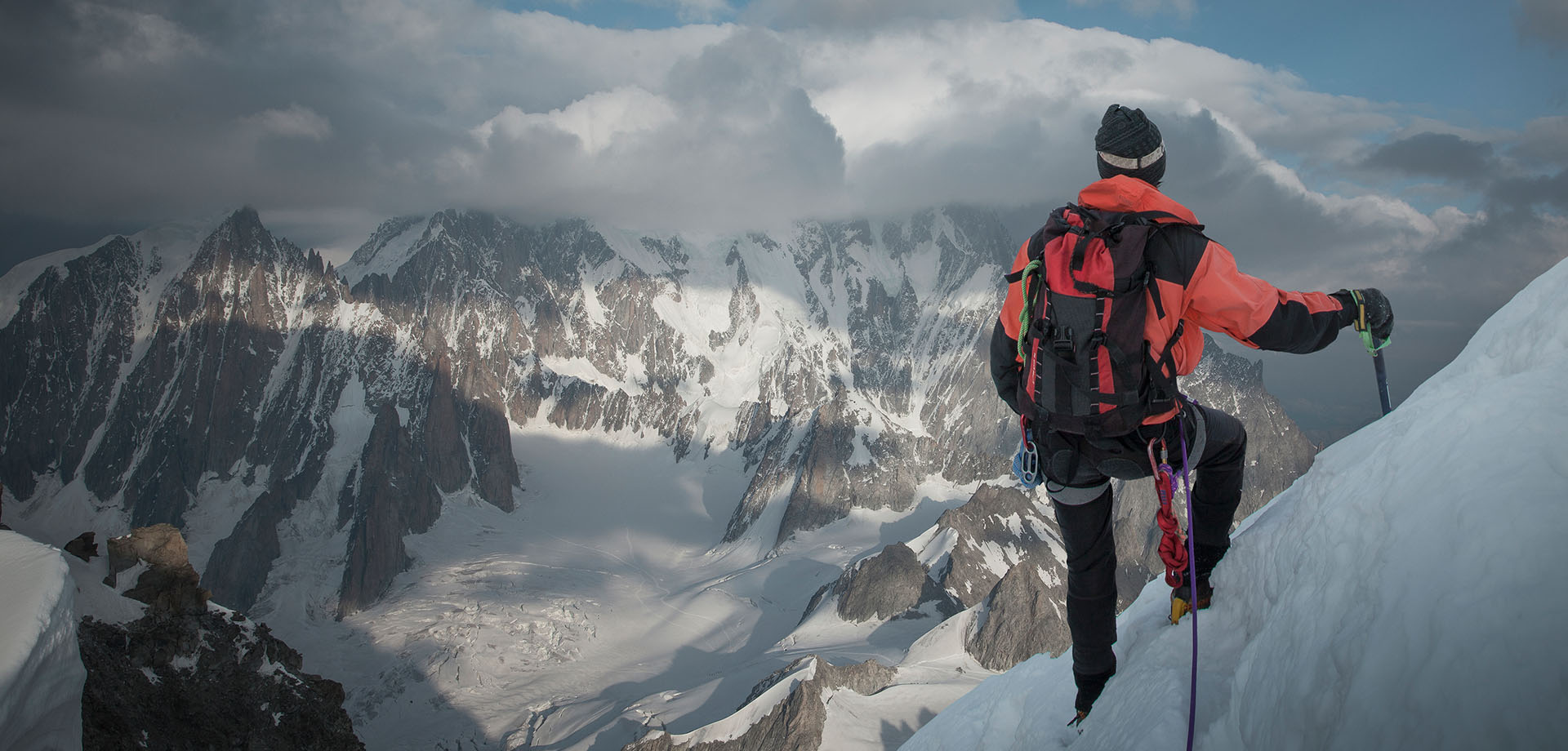
- Provide additional stability when crossing rocks and slopes.
- Support better posture during extended hiking.
- Increase confidence when carrying heavy backpacks.
Applications of Aluminum Trekking Poles in Different Environments
| Environment |
Advantages of Aluminum Trekking Poles |
| Mountain Trails |
Provides stable support on uneven terrain |
| Rocky Areas |
Handles repeated impact and pressure |
| Long-Distance Routes |
Offers reliable performance during extended use |
| Camping Trips |
Supports heavier loads and outdoor equipment |
| Mixed Weather Conditions |
Maintains structural stability across different environments |
Applications and advantages of aluminum trekking poles across outdoor environments
Why Manufacturing Quality Matters for Aluminum Trekking Poles
The performance of aluminum trekking poles depends not only on the aluminum alloy itself but also on manufacturing processes. Accurate tube forming, reliable locking systems, surface treatment, and quality inspection contribute to consistent performance and longer service life.
CragHaven Outdoor is an outdoor brand and cross-border manufacturing partner based in Hangzhou, China. The company focuses on mountaineering, hiking, and camping scenarios, delivering functional, reliable, and long-term value outdoor gear for global markets. The name "CragHaven" reflects balance and stability in nature. This philosophy guides the company's approach to product design, material selection, and manufacturing decisions, helping develop outdoor equipment that supports diverse environments and user requirements.
FAQs
1. Are aluminum trekking poles suitable for long-distance hiking?
Yes. Aluminum trekking poles are suitable for long-distance hiking because they provide strong impact resistance, reliable support, and long-term durability. CragHaven Outdoor focuses on mountaineering, hiking, and camping equipment, combining functional design and dependable manufacturing to provide outdoor gear for global markets.
2. What makes aluminum trekking poles different from carbon fiber trekking poles?
Aluminum trekking poles generally provide higher impact resistance and durability, making them suitable for rugged terrain and frequent outdoor use. Carbon fiber trekking poles are lighter and provide excellent vibration reduction, making them suitable for users prioritizing weight savings.
3. How does CragHaven Outdoor ensure the quality of aluminum trekking poles?
CragHaven Outdoor combines outdoor product development with cross-border manufacturing capabilities. The company emphasizes balanced product design, careful material selection, and reliable manufacturing processes to create trekking equipment that delivers functional performance and long-term value for hiking, mountaineering, and camping applications.



 English
 Deutsch
 Español
 Français