What Is the Difference Between Internal Lock and External Lock Trekking Poles?
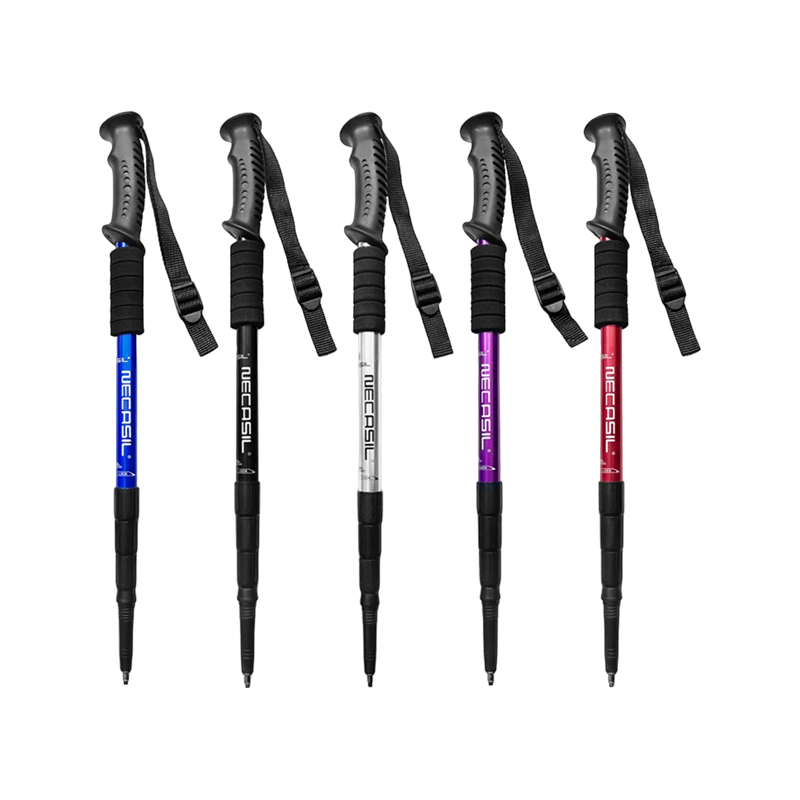
Choosing the right trekking pole is essential for improving stability, reducing physical stress, and enhancing safety during hiking and mountaineering activities. Among different types of hiking poles, the locking system is one of the most important structural factors that affects adjustment convenience, durability, and overall user experience. The two common designs are the internal lock trekking pole and the external lock trekking pole. Although both systems are designed to secure pole sections at different lengths, they have noticeable differences in structure, operation, and suitable outdoor environments.
For outdoor enthusiasts, understanding the differences between these locking mechanisms helps select a suitable folding trekking pole or adjustable hiking pole based on terrain conditions, carrying requirements, and usage habits.
What Is an Internal Lock Trekking Pole?
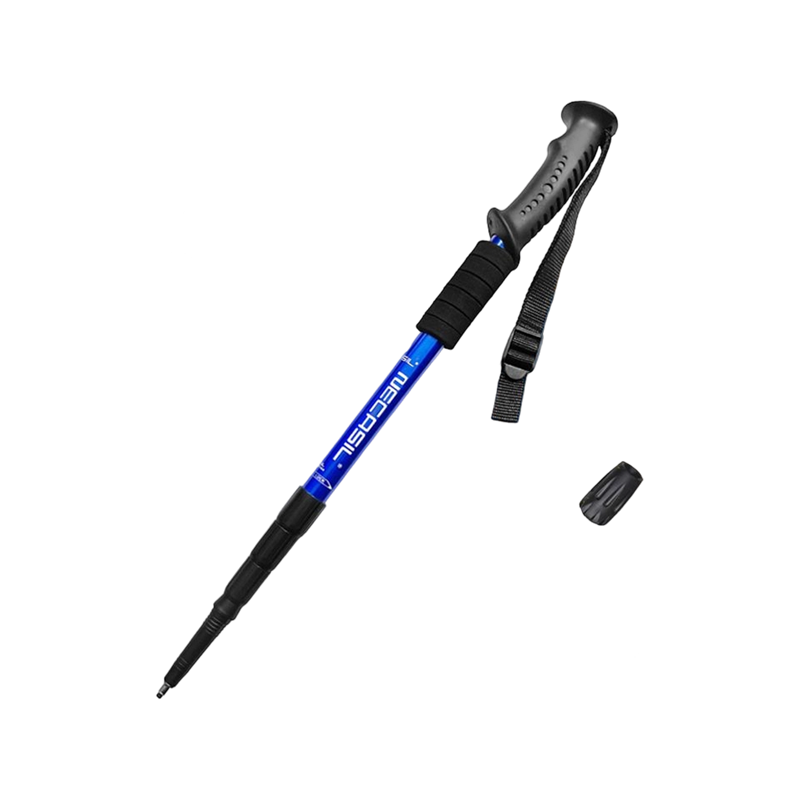
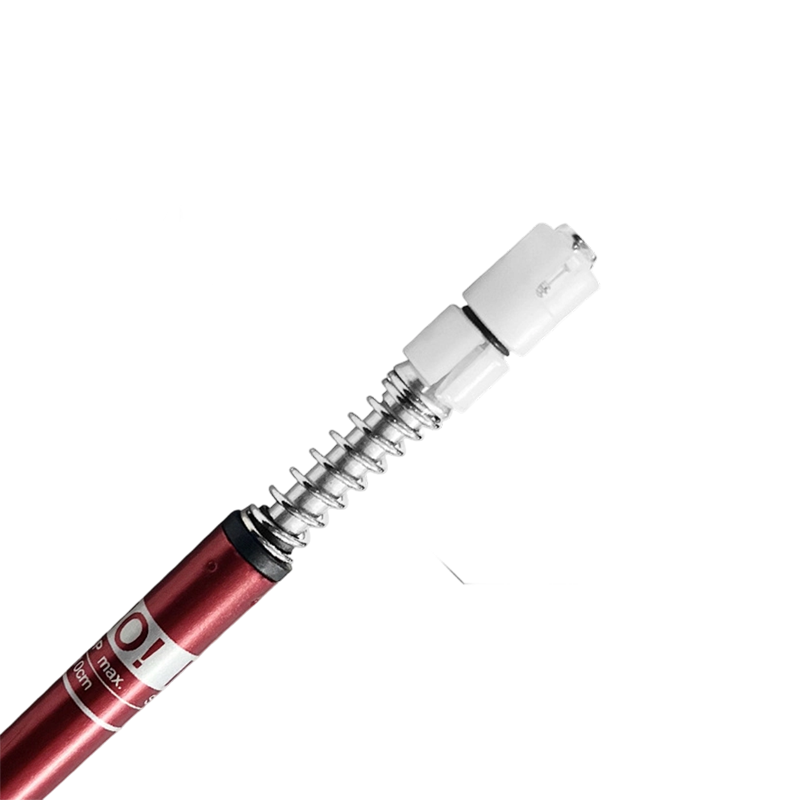
An internal lock trekking pole uses an internal expansion mechanism located inside the pole tube to fix the pole sections. When users rotate the sections, the internal locking structure expands and presses against the inner wall of the tube, creating a secure connection.
This design provides a clean external appearance because the locking components are integrated inside the pole shaft. It is commonly used in lightweight trekking poles designed for hiking, backpacking, and long-distance outdoor activities where portability and compact structure are important.
The internal locking system usually requires a simple twisting motion for adjustment. Its hidden mechanism reduces exposed parts, making the pole surface smoother and less likely to catch on branches, clothing, or backpacks during outdoor movement.
What Is an External Lock Trekking Pole?
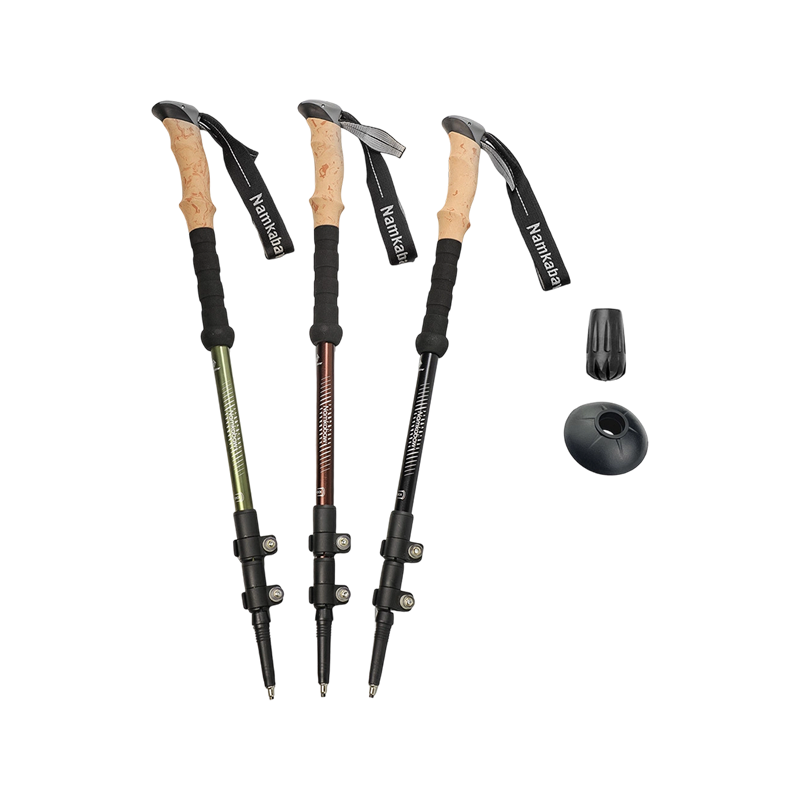
An external lock trekking pole uses a visible clamp mechanism located outside the pole shaft. Users adjust the length by opening or closing the external lever lock, allowing quick adjustment between different heights.
Compared with an internal locking structure, an external lock provides a more direct locking operation. Users can easily check whether the clamp is fully closed, which makes it suitable for environments where frequent adjustments are needed, such as changing between uphill and downhill sections.
External locking systems are widely used in adjustable hiking poles because of their simple structure and easy maintenance. The visible locking mechanism also allows users to quickly identify and solve potential adjustment issues during outdoor activities.
Key Differences Between Internal Lock and External Lock Trekking Poles
Although both systems serve the same purpose, their designs create different advantages in practical applications.
| Comparison Aspect |
Internal Lock Trekking Pole |
External Lock Trekking Pole |
| Locking Structure |
Internal expansion mechanism inside the shaft |
External clamp mechanism outside the shaft |
| Adjustment Method |
Twist to lock or release |
Open and close the lever clamp |
| Appearance |
Cleaner and more streamlined design |
More visible mechanical structure |
| Portability |
Lightweight and compact, suitable for backpacking |
Slightly larger structure but easy to operate |
| Adjustment Speed |
Requires more rotation time |
Allows faster length adjustment |
| Maintenance |
Internal components require careful inspection |
External parts are easier to check and maintain |
| Suitable Applications |
Long-distance hiking, trekking, lightweight travel |
Variable terrain, frequent height adjustment |
Comparison of internal lock and external lock trekking pole characteristics
Performance Comparison in Different Outdoor Environments
The choice between an internal lock trekking pole and an external lock trekking pole depends largely on outdoor conditions and user requirements.
For long-distance hiking and backpacking, weight control and compact storage are often key considerations. An internal lock trekking pole provides a smooth structure with fewer external components, making it suitable for users who prioritize lightweight equipment and comfortable carrying.
For mountain routes with frequent elevation changes, external lock trekking poles can provide faster adjustment. Hikers can quickly change pole length when moving between steep climbs, descents, and flat terrain.
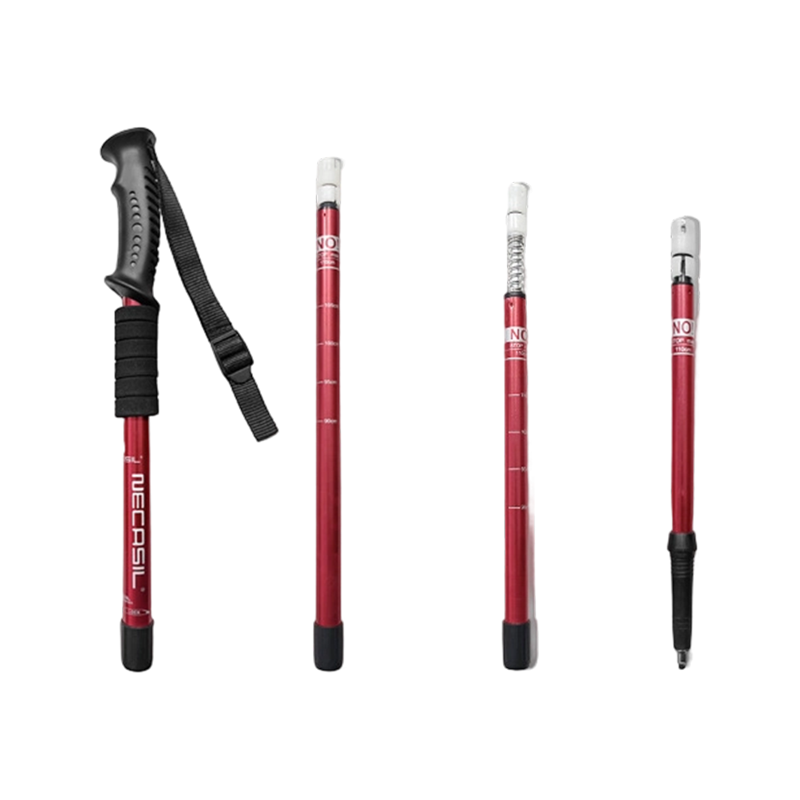
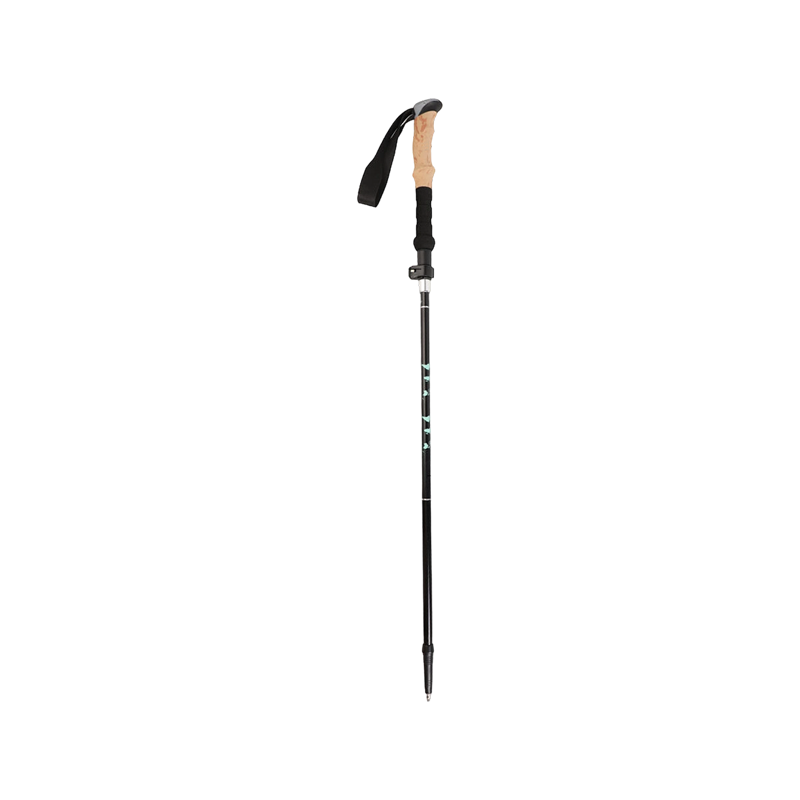
For camping trips that require equipment versatility, a folding trekking pole with a reliable locking system can offer easier storage and transportation. Folding designs typically focus on reducing packed size while maintaining sufficient support during outdoor activities.
Material Selection and Structural Design Considerations
The locking system is only one part of trekking pole performance. Materials, shaft construction, grip design, and tip durability also influence overall functionality.
High-quality trekking poles generally combine lightweight shaft materials with strong locking components to achieve a balance between portability and stability.
| Component |
Common Material Choice |
Functional Purpose |
| Pole Shaft |
Aluminum alloy or lightweight composite materials |
Provides strength while reducing weight |
| Locking System |
Reinforced polymer and metal components |
Ensures stable adjustment and long-term use |
| Handle |
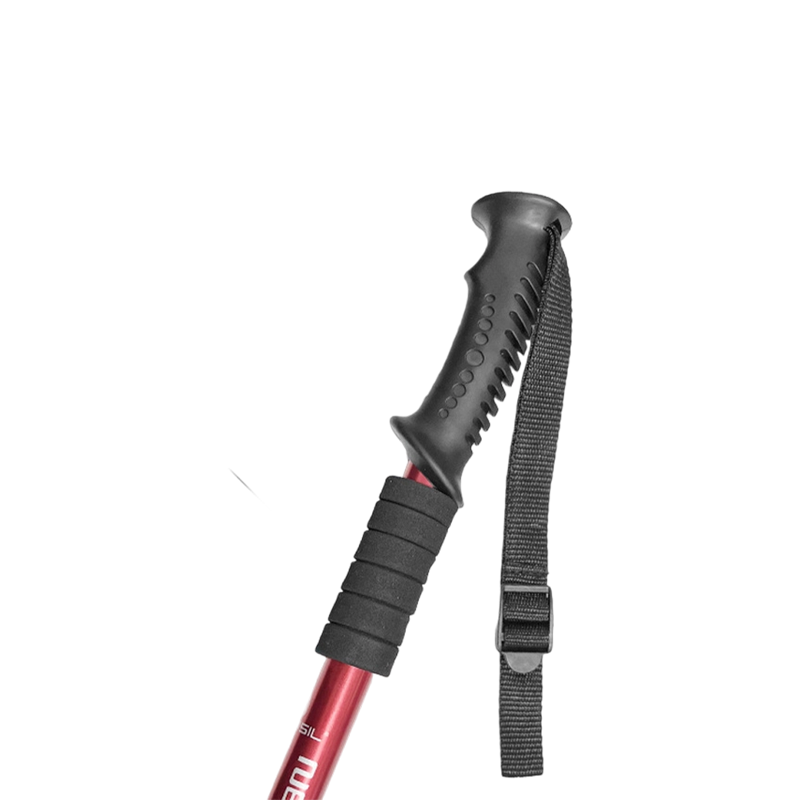
EVA foam, cork, or ergonomic materials |
Improves grip comfort and moisture management |
| Pole Tip |
Wear-resistant materials |
Enhances traction on different surfaces |
Common trekking pole components and their material choices
A well-designed hiking pole should maintain reliable support under changing loads. Whether using an internal or external locking structure, manufacturing precision and material compatibility are important factors affecting product performance.
How CragHaven Develops Reliable Trekking Pole Solutions
CragHaven Outdoor focuses on mountaineering, hiking, and camping scenarios, delivering functional and reliable outdoor gear for global markets. The brand philosophy is based on balance and stability in nature, which guides product design, material selection, and manufacturing decisions.
CragHaven Outdoor originated from long-term observation of real outdoor usage experience. Its product development approach emphasizes practical performance rather than focusing only on technical specifications.
The design process combines outdoor application requirements with manufacturing capabilities. Through manufacturing-driven design, CragHaven supports stable production while maintaining consistency in product quality.
By leveraging China's mature outdoor manufacturing ecosystem, CragHaven Outdoor integrates efficient supply chain resources to provide reliable trekking equipment solutions. The company also focuses on long-term partnership development, helping customers receive dependable outdoor products that meet different market needs.
How to Choose the Right Trekking Pole Locking System?
When selecting between an internal lock trekking pole and an external lock model, users should consider their typical outdoor activities.
- For lightweight backpacking and long-distance hiking, an internal locking system offers a cleaner structure and convenient carrying experience.
- For technical hiking routes requiring frequent adjustments, an external locking system provides faster operation.
- For travelers who need compact storage, a folding trekking pole design can provide better portability.
- For users who frequently hike in different environments, durability and adjustment reliability should be prioritized over appearance.
The best trekking pole is not determined only by the locking method but by the combination of structure, materials, comfort, and intended use.
FAQ
1. What is an internal lock trekking pole?
An internal lock trekking pole uses an internal expansion mechanism inside the shaft to secure different pole sections. It provides a clean design and is often preferred for lightweight hiking and backpacking applications.
2. Are external lock trekking poles stronger than internal lock models?
Both locking systems can provide reliable support when properly designed and manufactured. External locks offer visible adjustment control, while internal locks provide a more integrated structure.
3. Is a folding trekking pole suitable for long-distance hiking?
Yes. A folding trekking pole is designed for portability and easy storage. When combined with durable materials and a reliable locking system, it can meet the needs of various hiking activities.
4. Which trekking pole locking system is easier to adjust?
External lock trekking poles are generally faster to adjust because users can directly operate the external clamp. Internal lock trekking poles require twisting adjustments but offer a cleaner structure.
5. What factors should be considered when buying hiking poles?
Users should consider locking type, shaft material, grip comfort, weight, folding size, and the outdoor environments where the poles will be used.



 English
 Deutsch
 Español
 Français