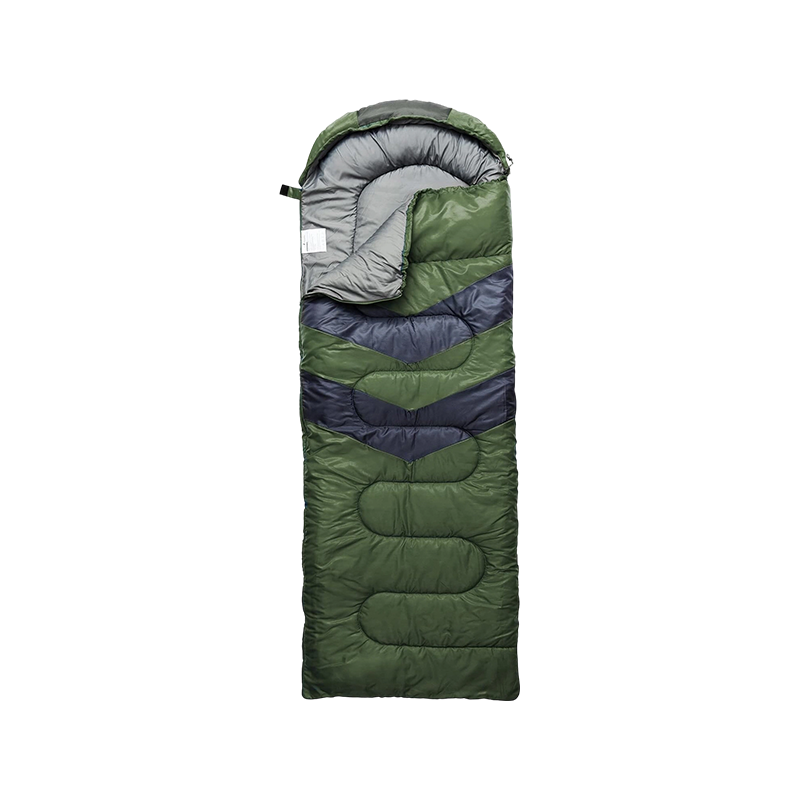
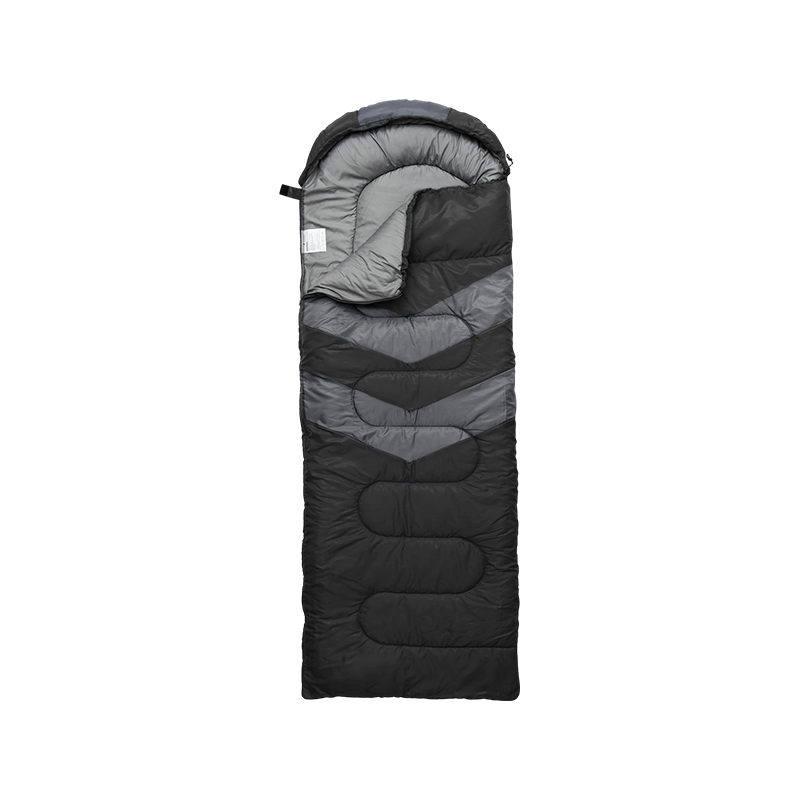
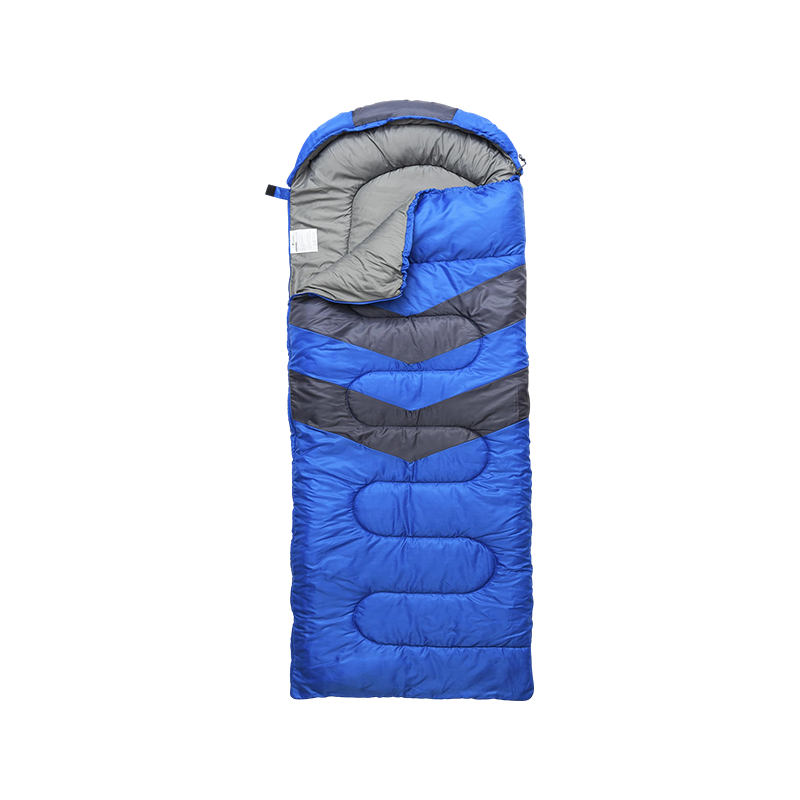
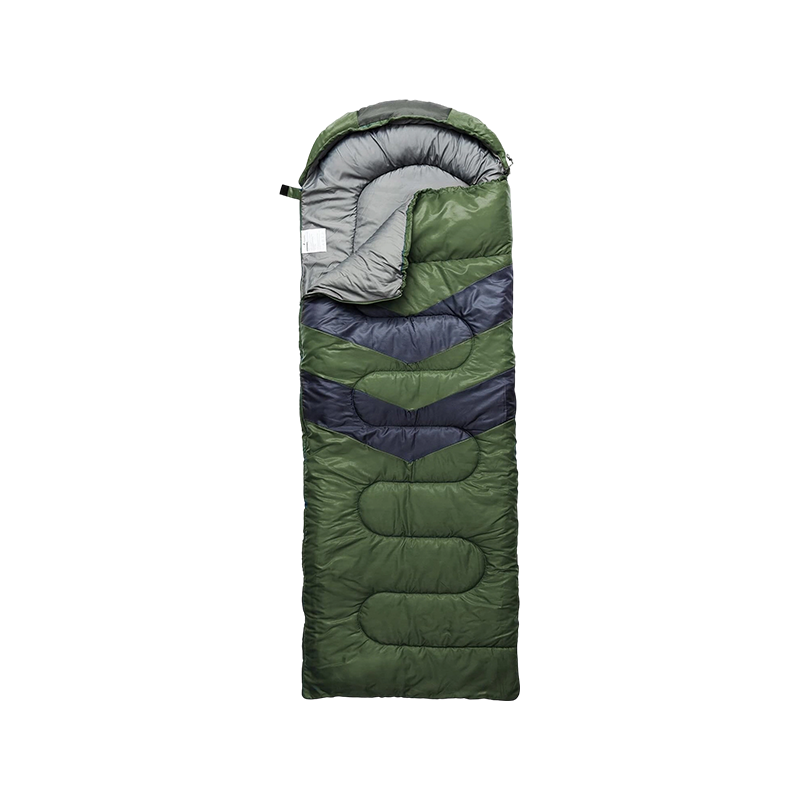
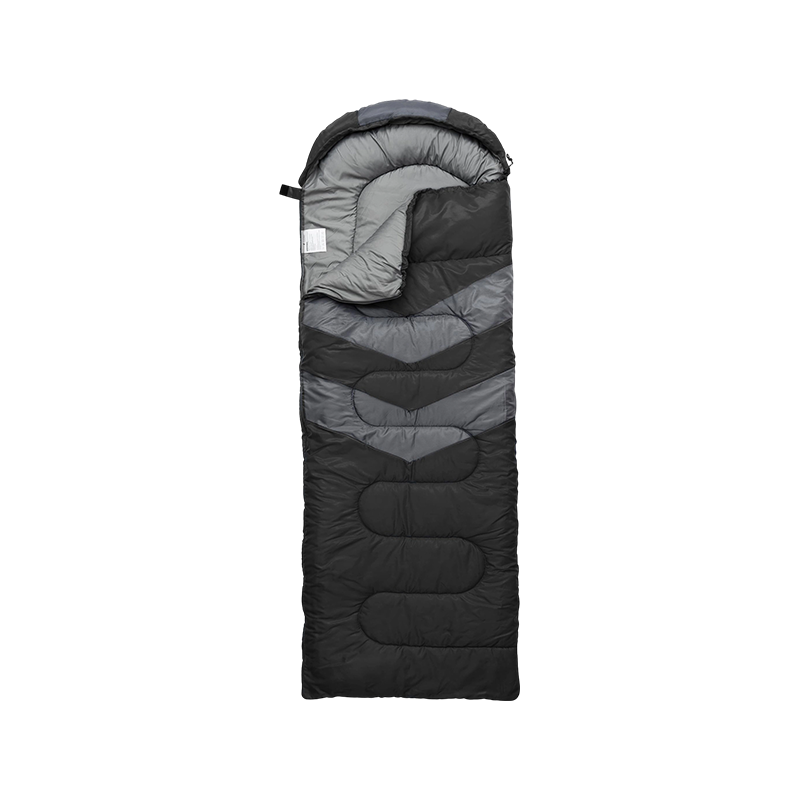
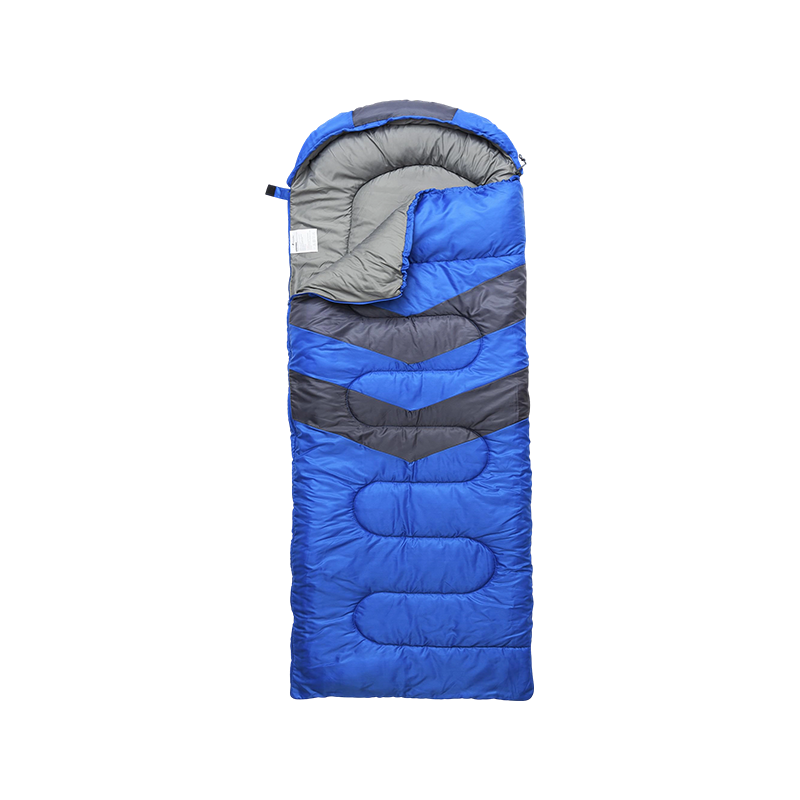
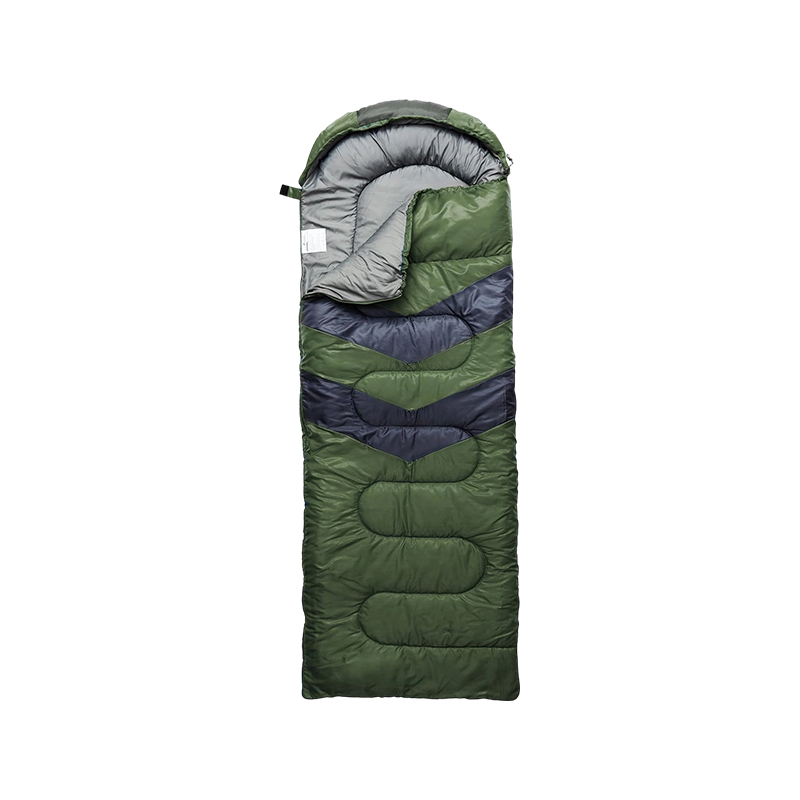
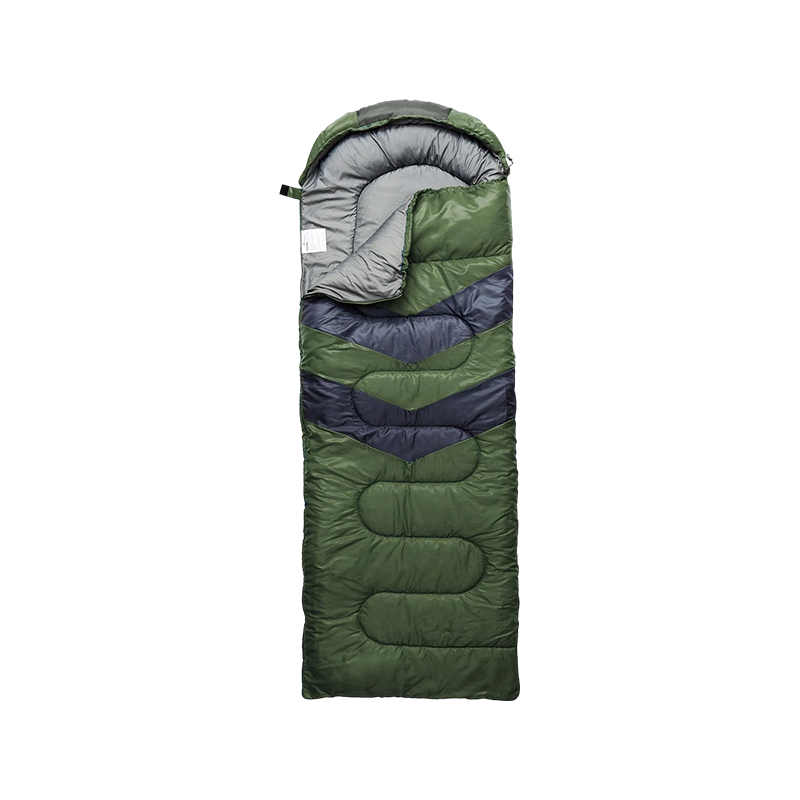
What Makes an Autumn and Winter Outdoor Envelope-Style Sleeping Bag Ideal for Outdoor Adventures?
As outdoor camping, hiking, and mountaineering activities gradually gain popularity in autumn and winter, more and more outdoor enthusiasts are seeking longer and deeper nature experiences. However, unlike spring and summer camping, the low temperatures, humidity, and unpredictable weather in autumn and winter place higher demands on sleep gear. An ordinary sleeping bag may only meet basic warmth needs, while a professional autumn and winter outdoor envelope-style sleeping bag needs to strike a balance between insulation, spacious comfort, portability, and adaptability to various usage scenarios.
For those planning autumn camping, winter hiking, forest exploration, or mountain travel, choosing the right envelope-style sleeping bag not only affects the quality of sleep at night but also directly impacts the safety and overall experience of the outdoor trip.
Why Is a Professional Envelope-Style Sleeping Bag Even More Necessary for Autumn and Winter Outdoor Activities?
In warmer seasons, campers may focus more on the weight and ease of packing their gear, but in autumn and winter, lower temperatures, stronger winds, and cold ground all affect the retention of body heat.
During sleep, the human body continuously loses heat, especially at night when at rest, as the body's ability to regulate temperature decreases. If a sleeping bag cannot create a stable, warm environment, even wearing thick clothing can lead to cold air penetration and disrupt rest.
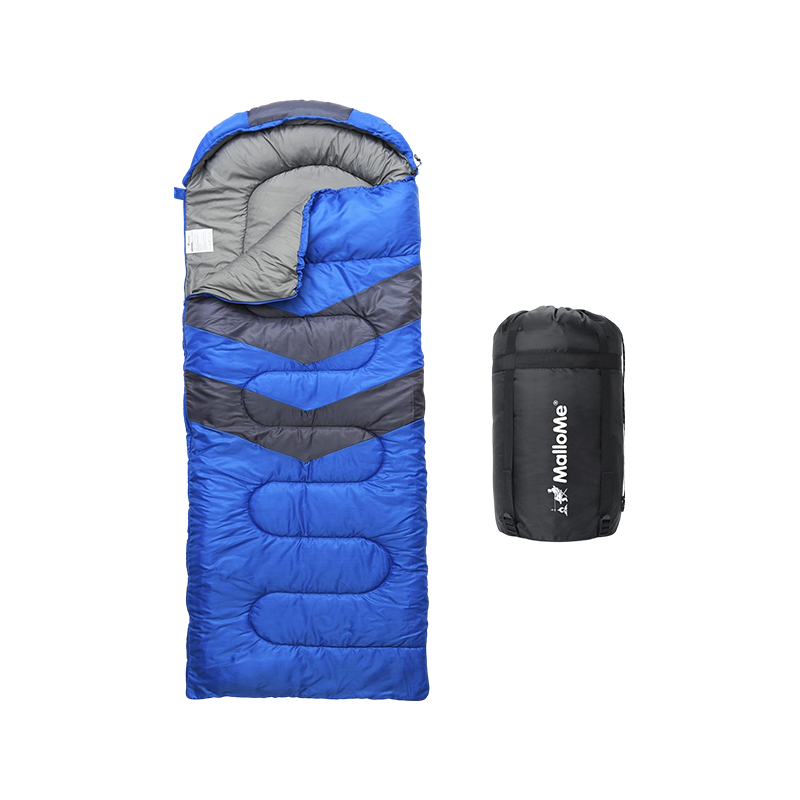
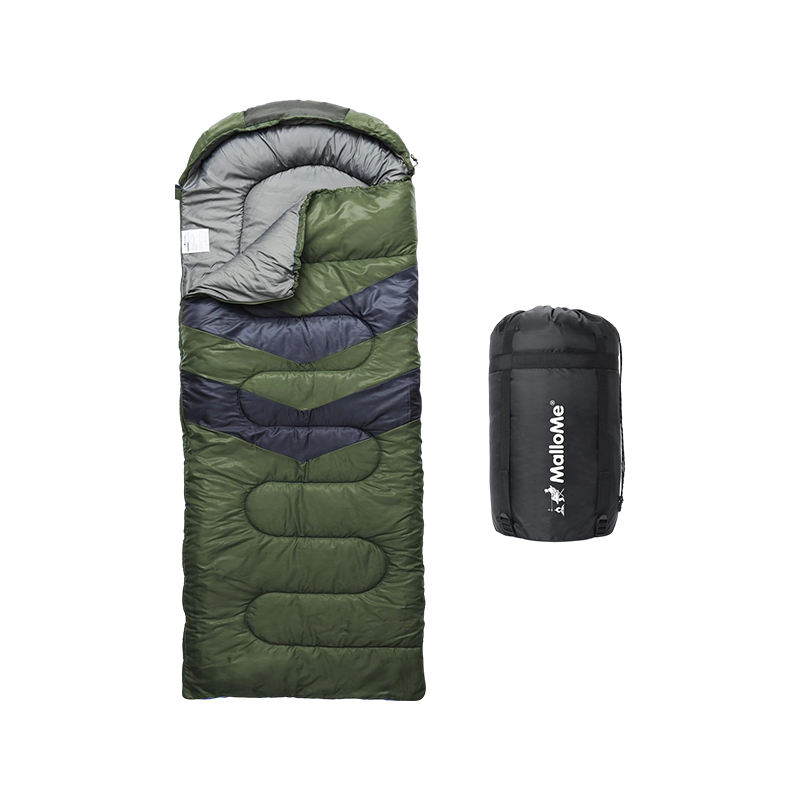
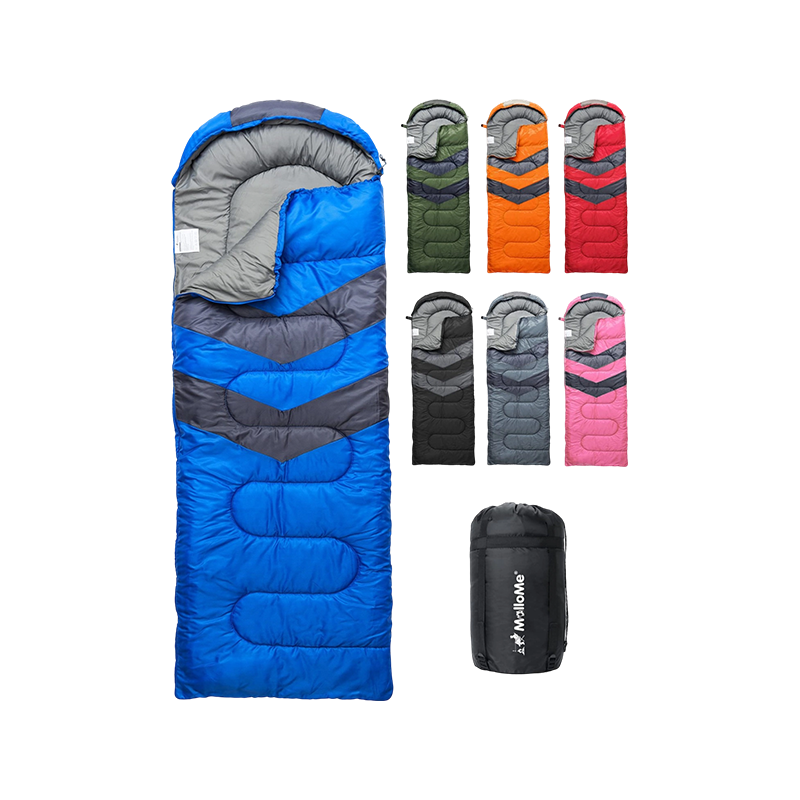
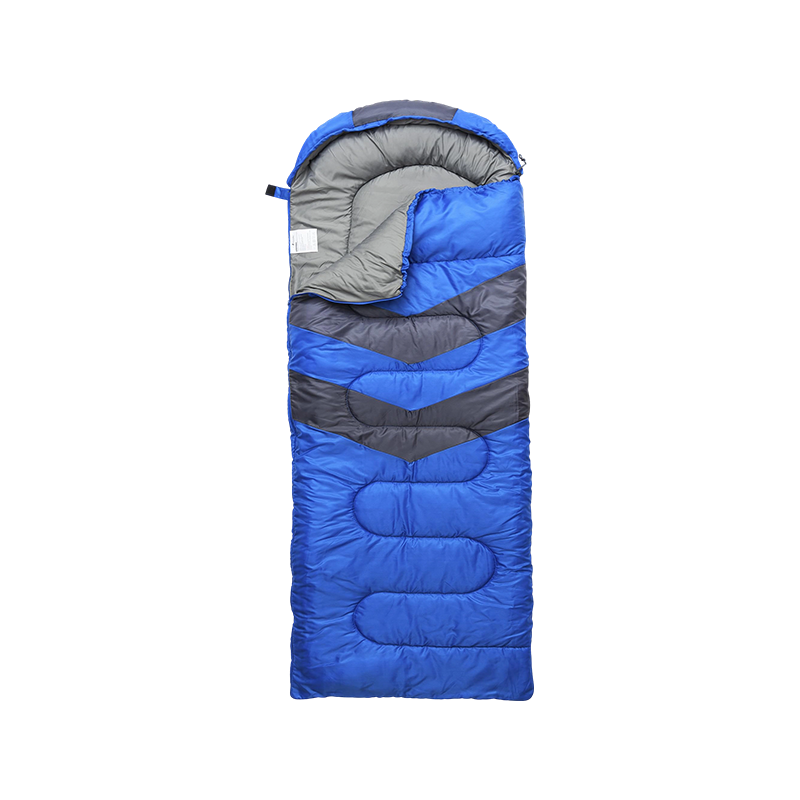
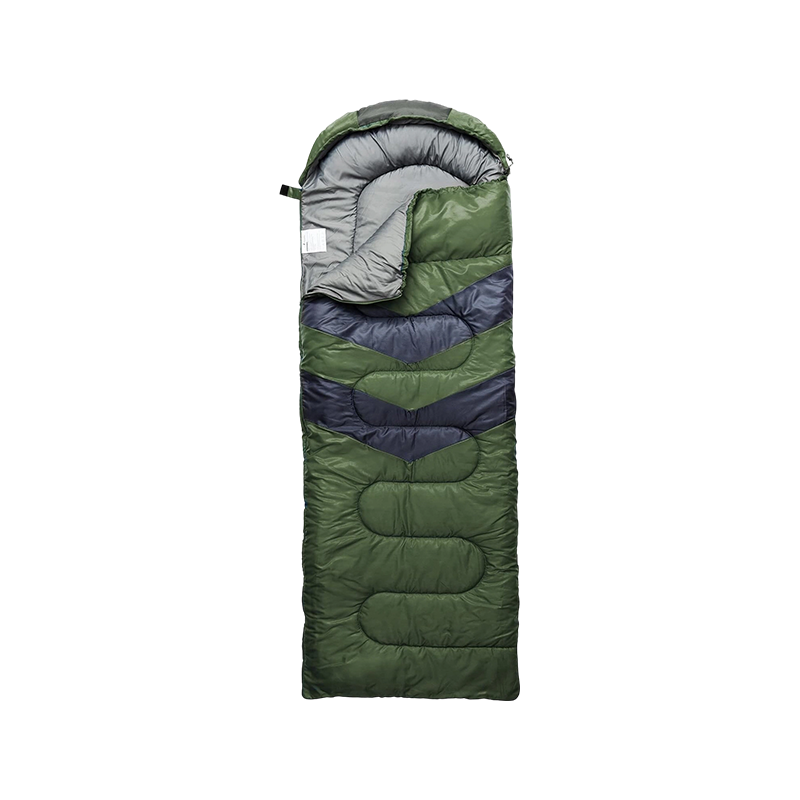
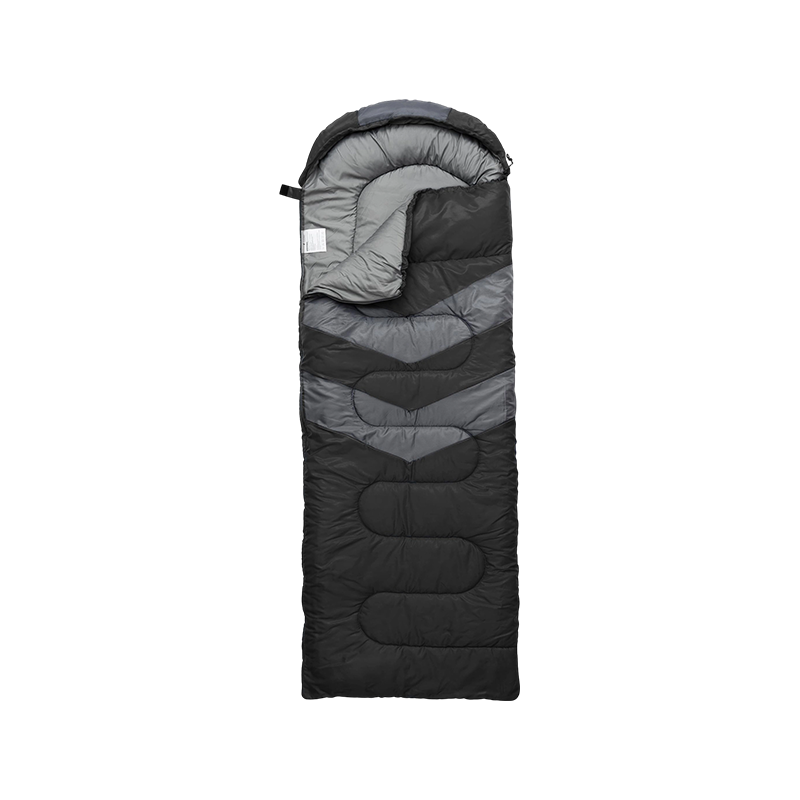
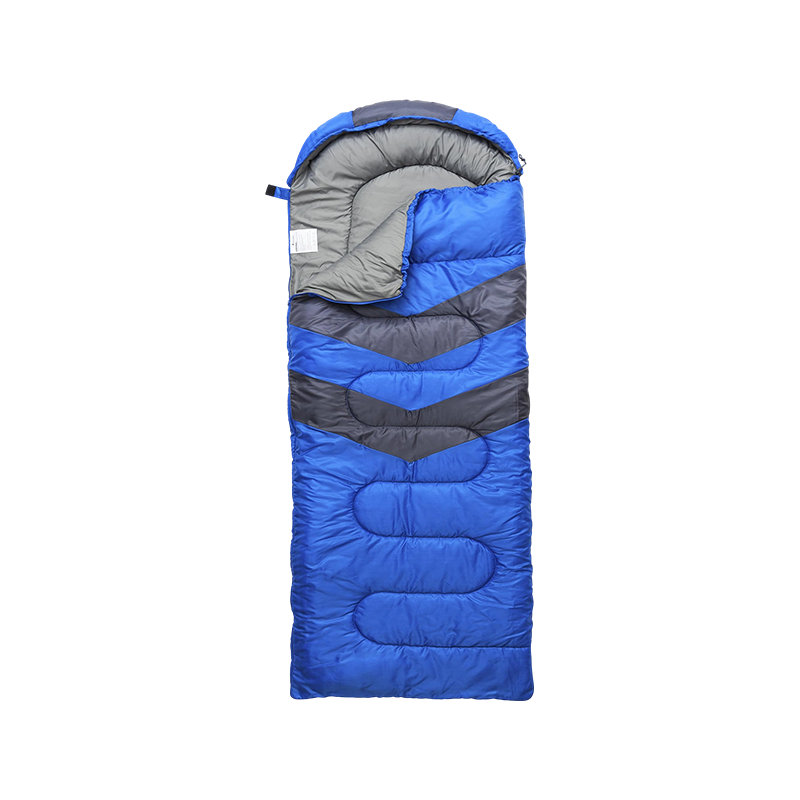
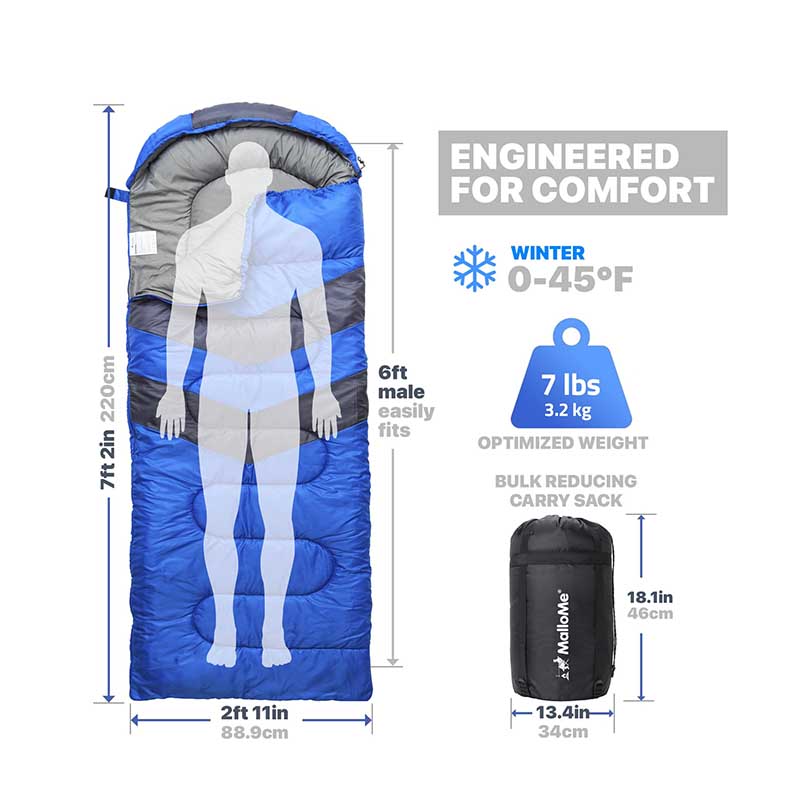
Envelope sleeping bags, with their rectangular, wrap-around structure, offer more internal space than traditional mummy-style sleeping bags, allowing users more freedom of movement and reducing feelings of restriction. This design is particularly suitable for those who prioritize a comfortable sleep experience, car camping, family camping, and outdoor activities at low to medium altitudes.
In autumn and winter environments, a good envelope sleeping bag typically needs to possess:
Better insulation to reduce heat loss;
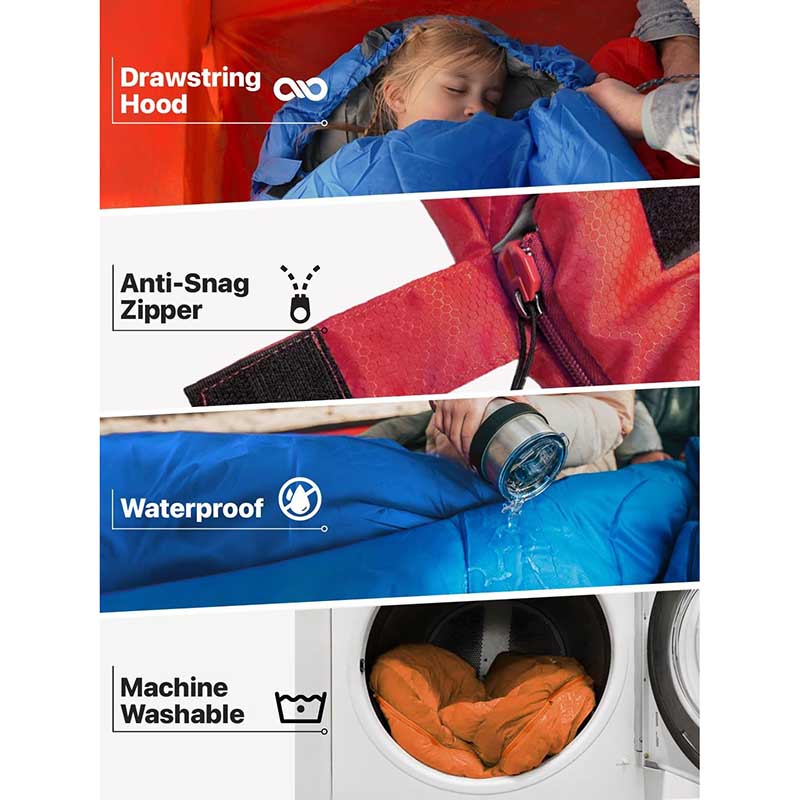
Windproof and moisture-proof outer materials to cope with damp and cold environments;
A well-designed internal space to improve long-term comfort;
Easy packing and carrying for various outdoor scenarios.
Therefore, autumn and winter outdoor envelope sleeping bags are not simply about adding more filling material, but about enhancing nighttime protection through overall structural design.
What Should Be Considered as the Core Performance Characteristics of an Autumn and Winter Envelope Sleeping Bag?
Warmth Insulation: More Than Just Filling Thickness, Overall Design Matters
Many consumers focus solely on the weight of the filling when choosing a sleeping bag, but factors truly affecting warmth include the filling material, structural design, stitching, and windproof details.
High-quality autumn/winter sleeping bags typically use high-loft insulation materials that lock in heat through air layers while reducing the entry of cold air. For example, synthetic fiber fillings are moisture-resistant and easy to maintain, making them more suitable for variable weather conditions; while high-quality down fillings offer a better weight-to-warmth ratio, ideal for mountaineers seeking lightweight gear.
The location of the zipper, the shoulder insulation structure, and the design of the footwell all affect the actual user experience. A well-designed envelope-style sleeping bag should keep heat inside, rather than constantly losing it through small gaps.
Comfortable Space: Making Outdoor Sleep More Like Everyday Experience
Compared to mummy-style sleeping bags that emphasize a close fit to the body's curves, the biggest advantage of envelope-style sleeping bags is their more open space.
For some users, the biggest challenge of outdoor sleeping isn't temperature, but the discomfort caused by a cramped space. Especially during long camping trips, the inability to naturally turn over or adjust sleeping position can easily reduce sleep quality.
Autumn/winter outdoor envelope sleeping bags, with their more spacious internal design, allow users to enter the sleeping bag while wearing warm clothing, while still maintaining good freedom of movement. This design is ideal for:
Autumn and winter weekend camping;
RV travel;
Outdoor leisure vacations;
Short forest and mountain expeditions.
Comfort doesn't mean sacrificing functionality, but rather providing a better user experience while ensuring reliable warmth.
How to Choose the Right Autumn/Winter Envelope Sleeping Bag for Your Outdoor Environment?
Different environments have significantly different requirements for sleeping bags.
If you're mainly doing low-altitude autumn camping, focus on comfort, moisture resistance, and easy packing. Choosing a medium-insulation, spacious envelope sleeping bag will meet most leisure camping needs.
If you plan to go to cold mountainous areas or winter outdoor environments, you need to pay more attention to the sleeping bag's temperature rating, wind resistance, and filling performance. In low-temperature environments, the sleeping bag not only needs to retain heat but also needs to reduce the impact of external moisture.
Sleeping mats are also an essential component of an autumn/winter sleep system. Many people focus only on sleeping bags, neglecting heat loss through ground conduction. For professional outdoor use, sleeping bags, sleeping mats, and moisture-proofing measures should form a complete insulation system.
How Does CragHaven Create Reliable Outdoor Sleep Gear?
As an outdoor brand and cross-border manufacturing partner based in Hangzhou, China, CragHaven Outdoor focuses on providing the global market with functional outdoor gear suitable for mountaineering, hiking, and camping.
CragHaven's brand philosophy stems from the balance and stability of the natural environment. The name "CragHaven" reflects balance and stability in nature. "Crag" represents rock walls and challenges, while "Haven" represents safety and shelter. This philosophy guides our approach to product design, material selection, and manufacturing decisions.
In developing autumn/winter outdoor sleeping bags, CragHaven focuses not only on aesthetic design but also on long-term value in actual outdoor environments. From insulation structure planning to fabric durability testing and production process control, every step revolves around reliability.
As an outdoor supply partner with cross-border manufacturing experience, CragHaven can combine the needs of users in different markets to provide stable product development and supply support for brands, retailers, and outdoor channel customers.
Whether targeting cold-region markets or meeting the needs of everyday campers, CragHaven aims to create a more reassuring outdoor experience for users through a balance of functionality, quality, and design.
FAQ: Frequently Asked Questions About Envelope Sleeping Bags for Autumn/Winter
Q1: Are envelope sleeping bags suitable for winter use?
Whether they are suitable for winter use depends mainly on the sleeping bag's temperature rating, filling material, and the actual ambient temperature. For light winter camping, a good insulation autumn/winter sleeping bag is sufficient, while for extremely cold environments, a professional model designed for low temperatures is necessary.
Q2: What Is the Difference Between Envelope Sleeping Bags and Mummy Sleeping Bags?
Envelope sleeping bags offer more internal space, suitable for users who prioritize comfort and freedom of movement. Mummy sleeping bags conform more closely to the body, typically offering better insulation, and are more suitable for extreme environments such as high-altitude mountaineering.
Q3: Do I Need to Use a Sleeping Pad With My Sleeping Bag in Autumn and Winter?
It's recommended. A sleeping bag primarily reduces heat loss from the body, while a sleeping pad insulates against the cold ground, improving overall warmth.
Q4: How Do I Care for My Outdoor Sleeping Bag in Autumn and Winter?
After use, allow it to air dry thoroughly and avoid prolonged compression. When cleaning, choose an appropriate method based on the filling material to maintain the sleeping bag's fluffiness and insulation.



 English
 Deutsch
 Español
 Français