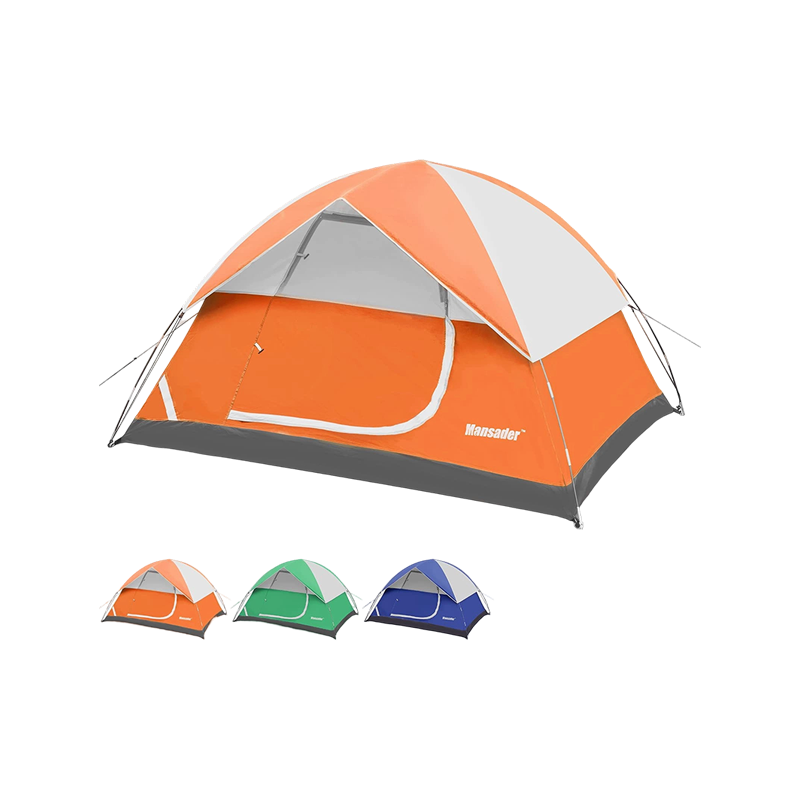
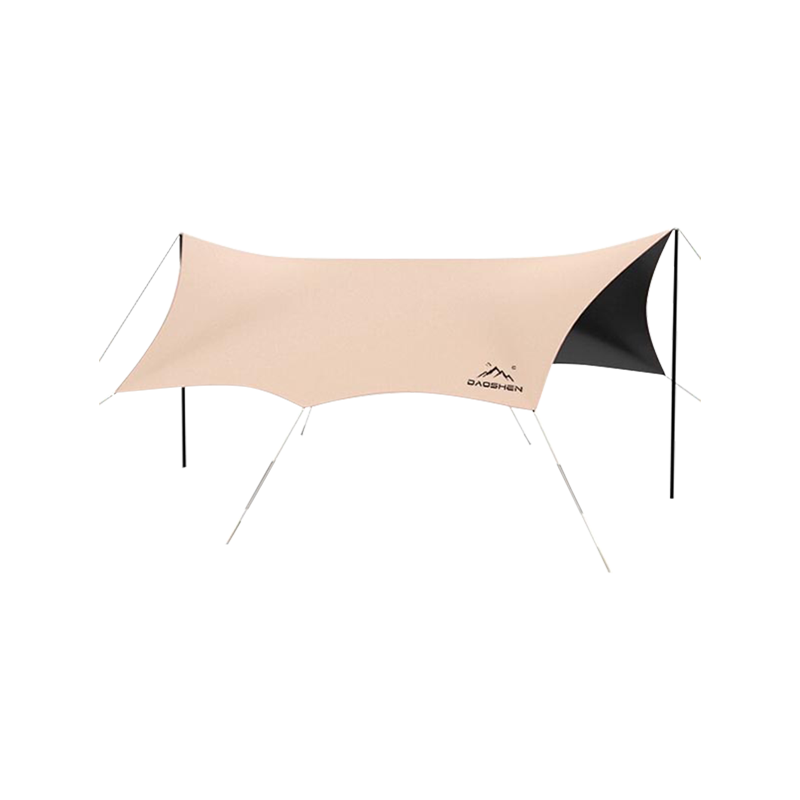
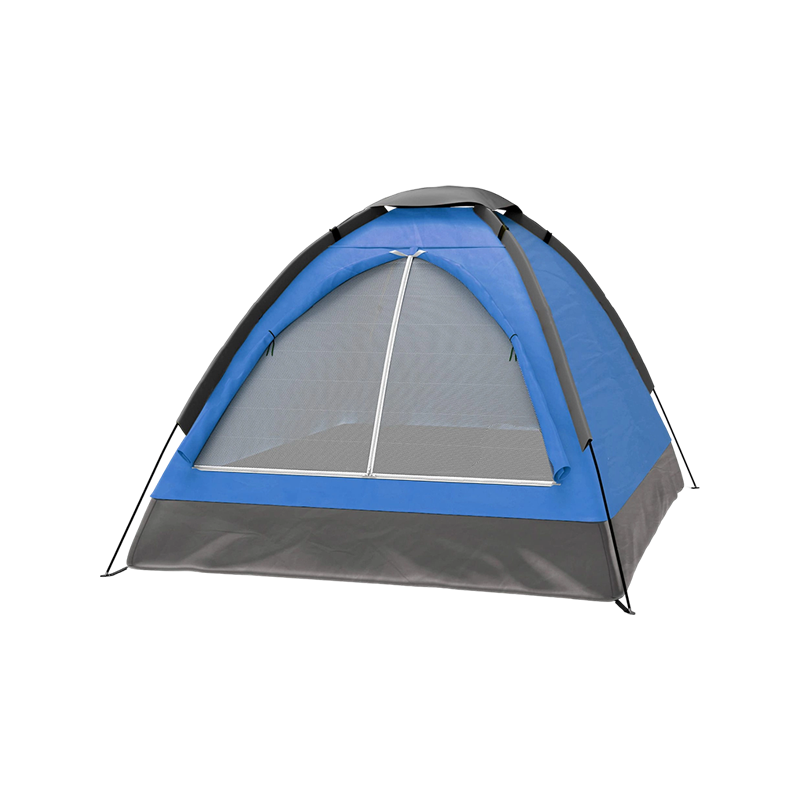
The Science Behind Double-Layer Tent Construction
A double-layer tent's inner and outer shells serve two distinct functions that a single-wall design can't replicate. The breathable inner tent lets water vapor from breathing and body heat pass through, while the waterproof outer fly blocks rain and wind, and the air gap between the two layers gives that vapor somewhere to go before it condenses. Single-wall tents skip this gap, which is why they're lighter but far more prone to interior condensation, especially in humid climates or during cooler overnight temperature drops.
Condensation forms when warm, moisture-laden air inside the tent meets the cooler surface of the fly, and the size of the air gap directly affects how much moisture actually reaches that surface versus escaping through ventilation points first. Tents with mesh inner panels near the top perform better in humid conditions because they let warm air rise and exit before it has a chance to condense against the fly overhead.
Ground-level airflow matters just as much as top ventilation. A fly that extends close to the ground blocks wind-driven rain effectively but can trap humid air near the tent floor if there's no low vent to let it circulate out. Balancing weather protection against airflow this way, rather than maximizing one at the expense of the other, is a principle CragHaven applies consistently across its double-layer tent designs.
What Waterproof Coating and Seam Taping Actually Prevent
Polyester fabric treated with a polyurethane waterproof coating resists water penetration at the fabric surface, but the coating alone doesn't make a tent fully waterproof — the stitched seams do. Every needle hole from sewing the panels together creates a potential leak point, which is why fully taped seams, where a waterproof strip is heat-bonded over each seam line, matter as much as the coating itself for keeping a tent dry through sustained rain.
Polyester's advantage over nylon in tent fabric comes down to how each material behaves when wet. Nylon absorbs a small amount of moisture and stretches slightly, which can loosen a tent's pitch overnight during rain, while polyester holds its shape and coating performance more consistently across humidity changes — one reason it remains the standard choice for double-layer, coated tent flies. Our team at CragHaven treats seam taping as a non-negotiable production step rather than an optional upgrade, since a single untaped seam undermines an otherwise well-coated fabric.
Coating wears down gradually with UV exposure and repeated packing, which is why waterproof coatings on well-used tents typically need reapplication every few seasons; storing a tent dry and loosely packed, rather than damp and tightly rolled, meaningfully extends coating lifespan.
Pole Structure and Setup Stability
Manual setup tents using shock-corded aluminum or fiberglass poles remain the preferred structure for two-person tents because pole placement can be tuned to terrain, unlike pre-tensioned pop-up designs that offer speed but less structural flexibility. A dome or tunnel pole configuration, where poles cross at multiple points, distributes wind load across the structure more evenly than a single-hoop design, which matters most in open or exposed campsites.
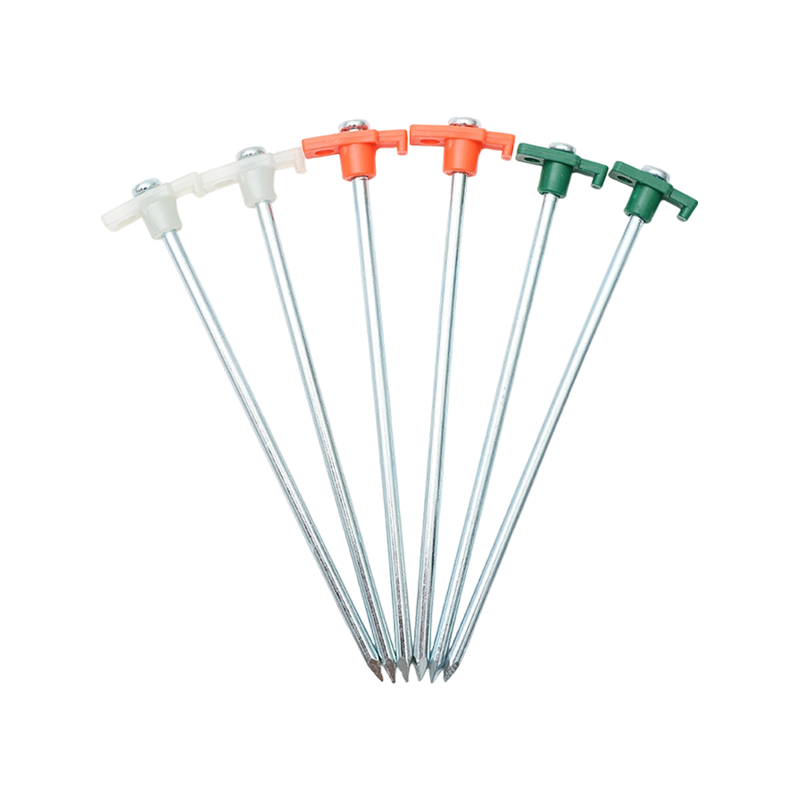
Guy lines and stake angle affect stability more than most campers assume. A stake driven straight down offers far less holding power than one angled roughly 45 degrees away from the tent, since the angled stake resists the direct pull of a taut guy line rather than working against it. In gusty conditions, this detail can determine whether a well-built tent holds its shape or collapses under wind load its fabric and poles were otherwise rated to handle.
Pole material choice trades weight against durability. Aluminum poles resist bending and return to shape after flexing under wind load, while fiberglass poles are more affordable but prone to splintering after repeated stress cycles. This is why CragHaven builds its manual-setup tents around aluminum poles as the standard, reserving fiberglass for lighter-duty, occasional-use products.
Sizing a Tent for Two: Livable Space Versus Floor Area
Floor area alone can be misleading when evaluating a two-person tent, since usable livable space depends just as much on wall angle and peak height. A tent with steep, near-vertical walls delivers more usable interior room at shoulder height than one with the same floor dimensions but sharply sloped walls, even though both might list identical square footage on a spec sheet. This is a distinction worth checking closely when comparing a 2 person camping tent against another model with similar dimensions.
Vestibule space, the covered area outside the inner tent but under the fly, is often underweighted in sizing decisions despite being where wet boots, packs, and cooking gear typically stay overnight. A generous vestibule effectively expands usable storage without adding to the tent's sleeping footprint, which matters most on multi-day trips carrying more gear than a single overnight outing would require — a balance CragHaven's two-person tent line is specifically designed around.
For two-person use specifically, comfortable sleeping width generally starts around 130cm of interior floor width, since anything narrower tends to feel cramped once two sleeping pads and bags are laid side by side. Choosing a two person outdoor tent with peak height sufficient for sitting upright also makes a meaningful difference on multi-day trips where extended time may be spent inside during poor weather.



 English
 Deutsch
 Español
 Français