CragHaven Outdoor
Ruan Qizhen — Senior Product After-Sales Specialist
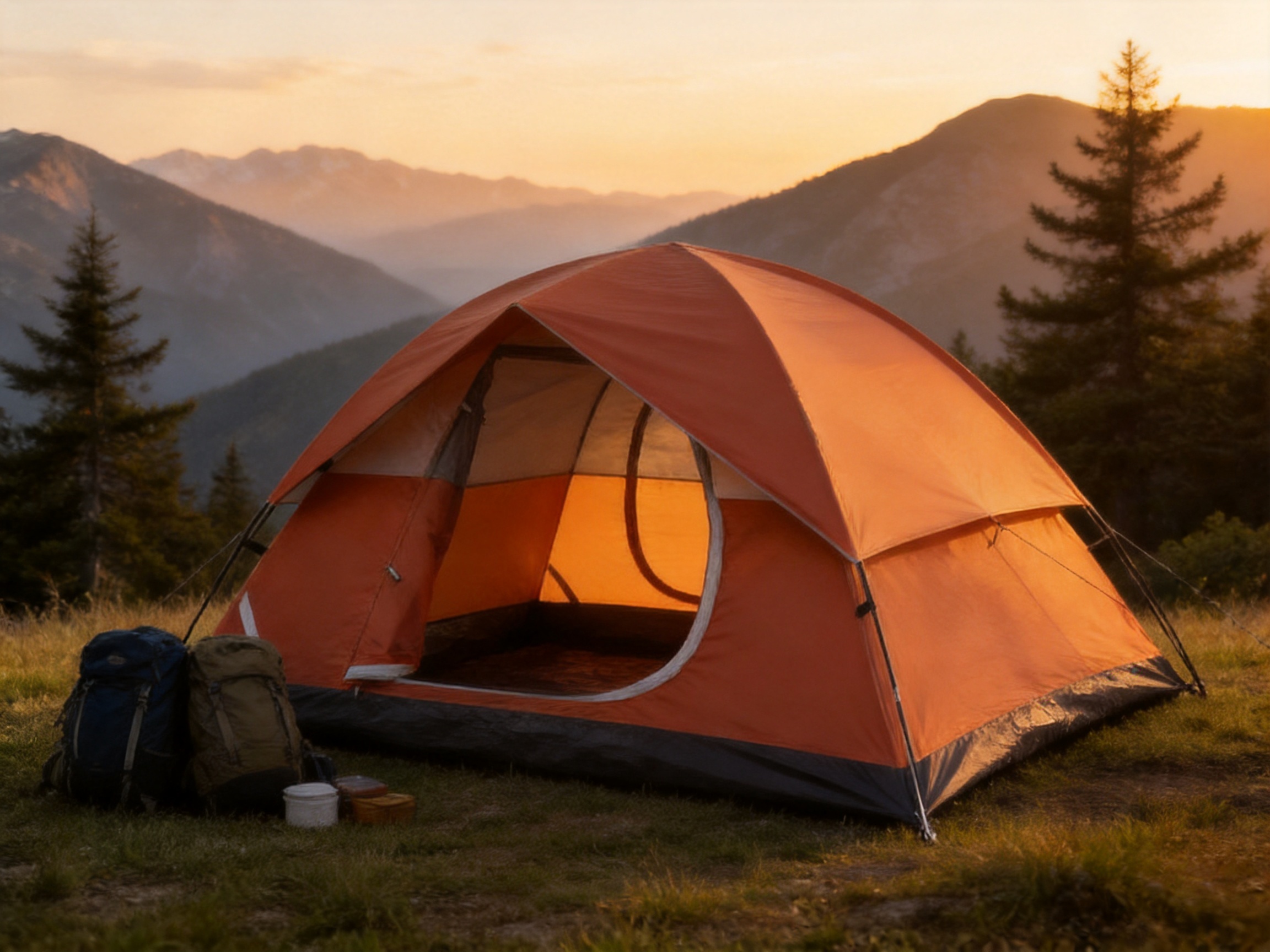
  • Two-Person Double-Layer Camping Tent for Reliable Outdoor Shelter

    Two-Person Double-Layer Camping Tent for Reliable Outdoor Shelter

    2026-06-04
    In outdoor travel, the tent is more than a temporary place to sleep. It is the barrier between people and weather, the private space that restores energy after a demanding day, and the most important piece of equipment for maintaining comfort when the environment changes unexpectedly. A well-designed two-person camping tent must balance protection, breathability, usable space, stable structure, packability, and repeatable quality. The Two-person camping outdoor tent, model WFLY261001, is developed around these practical requirements, combining a classic double-layer shelter system with waterproof polyester fabric, fully taped seams, a breathable inner tent, and stable manual setup. This product is positioned for camping, hiking, and general outdoor use where two users need dependable shelter without unnecessary complexity. Its design does not chase exaggerated specifications or decorative features. Instead, it focuses on the essential problems real campers face: rain penetration, condensation, unstable pitching, uncomfortable airflow, and inconsistent manufacturing quality. The result is a reliable two-person tent that is suitable for double camping and adaptable to different consumer preferences through multiple available color options. For buyers, distributors, and outdoor product developers, the value of this tent is not limited to its individual features. Its greater strength comes from the manufacturing philosophy behind it. CragHaven Outdoor approaches outdoor gear from actual usage scenarios, not from catalog trends. Material selection, sampling, testing, seam treatment, and production control are treated as connected stages in a complete product-development system. This makes the tent not only a consumer shelter, but also a stable, scalable, and market-ready product for global outdoor supply chains. Two-person camping outdoor tent Product Overview The Two-person camping outdoor tent is a double-layer outdoor shelter designed for two users. It includes a rainproof outer tent and a breathable inner tent, forming a functional structure that improves weather resistance while reducing moisture accumulation inside the sleeping area. The outer layer serves as the first defense against rain and wind-driven moisture, while the inner layer provides ventilation and separation from condensation that may form on the underside of the flysheet. The tent uses polyester fabric with a waterproof coating. Polyester is widely valued in outdoor shelters because it offers dimensional stability, practical durability, and good resistance to stretching when wet. Compared with materials that sag noticeably after rain exposure, polyester helps preserve the tent’s shape more effectively, which is important for maintaining proper fly tension, water runoff, and living space. The waterproof coating improves resistance against rain, while fully taped seams address one of the most common weak points in tent construction. Fully taped seams are a major advantage in real outdoor use. Many lower-grade tents may advertise waterproof fabric but leave stitching lines insufficiently protected. Since needle holes can create tiny pathways for water, seam sealing is essential. In this model, seam treatment is integrated as a standard part of the waterproofing concept, helping the tent perform more consistently under wet conditions. The tent is manually set up, which supports stable and reliable pitching. Manual setup may sound simple, but simplicity is often an advantage in camping equipment. It allows the user to understand the structure, tension the fabric correctly, inspect the shelter during setup, and make adjustments according to terrain or wind direction. Unlike overly complicated systems, a well-designed manual tent can be easier to maintain, easier to repair, and more dependable over repeated outdoor trips. Multiple colors are available to meet different market needs and individual preferences. For retail buyers, this supports product assortment planning. For brand owners and importers, it creates flexibility for regional markets, seasonal collections, and differentiated product lines. For end users, color choice can reflect practical needs, such as visibility, outdoor style, or campsite aesthetics. Why a Double-Layer Tent Matters A double-layer tent is one of the most proven structures in camping shelter design. Its core advantage is separation of functions. The outer tent focuses on rain protection and environmental shielding, while the inner tent focuses on breathability, comfort, and sleeping-area separation. This division allows the shelter to handle moisture more intelligently than many single-layer structures. Condensation is one of the most misunderstood problems in camping. Even when there is no rain, moisture can collect inside a tent because users breathe, perspire, and bring damp gear into the sleeping area. Temperature differences between the inside and outside of the tent can cause water vapor to condense on cooler fabric surfaces. In a single-layer tent, that moisture may form directly on the interior surface near the occupants. In a double-layer tent, the breathable inner layer helps separate users from the flysheet, reducing direct contact with condensation and improving perceived comfort. This tent’s classic double-layer structure is therefore not an outdated concept; it is a proven answer to a recurring outdoor challenge. It allows airflow to operate between layers while maintaining protection from external rain. When properly pitched, the outer fly sheds water, and the inner tent helps maintain a more breathable sleeping space. This is especially useful for two-person use, where two occupants produce more moisture than one and require greater attention to ventilation. Compared with competitors that rely on a simplified single-wall structure for cost reduction, this double-layer model provides a more complete solution for weather and moisture management. Single-wall products can be compact and lightweight in certain specialized categories, but for general camping and broad consumer use, a double-layer structure often offers better comfort and reliability. It reduces the likelihood that campers will mistake normal condensation for fabric leakage, and it improves the user experience across varied climates. For outdoor businesses, this matters because product satisfaction is closely linked to how a tent performs during the first rainy or humid night. Customers may forgive a tent for being slightly heavier or requiring a few more minutes to pitch, but they are much less forgiving when their sleeping bag becomes damp or the shelter feels wet from within. The WFLY261001 model is designed around this practical reality. Weather Protection Through Fabric, Coating, and Seam Control The waterproof performance of a tent does not depend on fabric alone. It depends on the interaction between fabric quality, coating consistency, seam construction, seam tape application, pattern design, and pitching geometry. A tent can be made from waterproof material yet still leak through poorly treated seams, stressed corners, or weak attachment points. This product addresses protection as a system rather than as a single claim. The polyester fabric with waterproof coating gives the outer tent its main rain-resistant function. Polyester is a strong choice for general camping because it balances durability, cost efficiency, and shape retention. When coated properly, it can resist rain while remaining suitable for scalable manufacturing. The coating must be evenly applied and compatible with seam-taping processes, because inconsistent coating can create problems during heat sealing or long-term use. Fully taped seams help improve waterproof reliability. During sewing, needles pass through the fabric and create holes along seam lines. Without proper sealing, water may travel through these holes, especially where rain accumulates or wind pressure pushes water against the surface. Seam tape covers these stitch lines and forms a protective barrier. For a tent intended for real camping rather than decorative display, this detail is essential. CragHaven Outdoor’s manufacturing approach emphasizes sampling, testing, and optimization, which is particularly important for waterproof products. A seam-taped tent must be validated not only in design but in production. Tape width, heat level, pressure, alignment, and fabric compatibility all affect final performance. A stable factory process ensures that the first production unit and the thousandth production unit maintain similar quality. Compared with low-cost competitors that may use waterproof fabric but skip comprehensive seam treatment, this tent offers a stronger protection package. The advantage becomes obvious in sustained rain, wet ground conditions, or repeated trips. Customers may not notice seam quality immediately in a showroom, but they notice it quickly when rain begins. This is why seam control is a key manufacturing and sales advantage. Another important aspect is the outer tent’s ability to shed water efficiently. A well-pitched shelter should guide rain away from sleeping areas and reduce pooling. Manual setup allows the user to tension the tent correctly, which supports water runoff. The relationship between structure and waterproofing should not be underestimated. Even high-quality fabric can perform poorly if the tent shape collapses or sags. The manually pitched structure is intended to remain stable and reliable when assembled properly. Breathability and Interior Comfort for Two Campers Two-person camping introduces a specific comfort challenge. Two occupants generate more heat and moisture than one, but they also need enough personal space to sleep, change clothing, and store small essentials. A tent must manage the microclimate inside the sleeping area without feeling sealed, damp, or overly restrictive. The breathable inner tent is central to this product’s comfort performance. The inner tent is designed to support airflow and reduce direct exposure to condensation. It forms a softer and more livable interior environment, separating users from the outer rainfly. In humid or cool conditions, this separation can significantly improve the sleeping experience. Campers may still need to ventilate properly, but the double-layer system gives them a better foundation for moisture control. In competing products, interior comfort is often reduced to basic floor area or visual appearance. However, comfort is not only about space; it is also about air, dryness, fabric contact, entry convenience, and psychological security during bad weather. A tent that looks spacious but becomes damp overnight will not satisfy experienced users. This model’s emphasis on a breathable inner layer reflects a more practical understanding of outdoor shelter needs. The two-person size is especially suitable for couples, close friends, and individual users who want additional gear space. For solo campers, a two-person tent can provide a comfortable balance between portability and interior room. For two users, it offers a functional shelter designed for shared trips without turning setup into a complicated process. This flexibility improves market appeal because the product can serve both actual two-person use and spacious solo use. The interior experience also benefits from the stability of a manually pitched structure. When a tent is properly tensioned, the inner and outer layers are less likely to touch each other. This separation is important because contact between layers can transfer moisture inward. A stable pitch helps preserve airflow channels and reduces fabric movement in wind. As a result, user comfort is linked directly to structural design and setup reliability. Manual Setup as a Practical Advantage In modern outdoor equipment, convenience is often presented as automation. Instant tents, pre-attached frames, and mechanical hub systems can be attractive for casual use, but they may introduce extra weight, bulk, mechanical failure points, and repair difficulty. For many campers, especially those who value reliability, a manually set up tent remains a preferred solution. The manual setup of this two-person tent supports stability and control. Users can choose the best direction for pitching, adjust tension according to ground conditions, and inspect the fly and inner tent during assembly. This creates a more engaged and reliable setup process. It also makes the tent easier to understand, which is useful when camping in unfamiliar weather. Manual structures are often easier to pack efficiently. They can also be more flexible for manufacturing because components can be inspected separately and replaced more easily if necessary. This supports long-term product value. A tent should not become unusable because a complex pre-assembled mechanism fails. Simpler structures, when engineered well, often produce better durability over multiple seasons. Compared with competitors that emphasize fast setup at the expense of packed size or repairability, this product offers a balanced approach. It is simple enough for general campers but serious enough for repeated outdoor use. It avoids unnecessary mechanical complexity while retaining the essential function of a stable shelter. This is consistent with CragHaven Outdoor’s product philosophy: features should solve real usage problems rather than exist only for marketing. Manual setup also supports training and customer education. Retailers and distributors can explain the structure clearly. Users can learn how to pitch the tent for better airflow, better rain shedding, and improved wind behavior. A product that users understand is often a product they maintain better, use longer, and recommend more confidently. Product Feature Summary Feature Practical Benefit Competitive Advantage Double-layer structure Separates weather protection from sleeping-area comfort Better condensation management than many single-layer budget tents Rainproof outer tent Protects occupants from rain and external moisture Improves confidence in changing weather Breathable inner tent Supports airflow and reduces direct contact with condensation More comfortable for two users overnight Polyester fabric with waterproof coating Provides durable, practical rain resistance Balances performance, scalability, and cost efficiency Fully taped seams Reduces leakage through stitch lines Stronger real-world waterproofing than untaped or partially taped designs Manual setup Allows controlled pitching and stable structure Fewer complex mechanisms and better long-term reliability Multiple color options Supports personal preference and market differentiation Useful for retailers, distributors, and regional product planning Two-person capacity Suitable for shared camping or spacious solo use Broad appeal across camping, hiking, and recreational outdoor markets Advantages Over Common Competitor Designs The camping tent market includes many products that appear similar at first glance. However, meaningful differences become visible when the product is examined from the perspective of weather, terrain, time, and repeat use. This two-person double-layer tent stands out because it addresses core performance areas in an integrated way. First, it offers a better moisture-management concept than many basic single-layer tents. Budget single-wall shelters may reduce material cost, but they often make condensation more noticeable. In damp conditions, users may wake up to interior moisture and assume the tent has leaked. A double-layer design reduces that risk by separating the sleeper from the outer surface where condensation is most likely to form. Second, fully taped seams provide a more complete waterproof solution. Some competitors rely heavily on waterproof fabric claims but leave stitching insufficiently sealed. In actual rain, the seam line is often the first failure point. By treating seams as part of the waterproof system, this tent improves reliability where it matters most. Third, the polyester fabric with waterproof coating supports practical durability and shape control. Tents must maintain tension to shed water and preserve interior space. If fabric stretches too much when wet, the shelter may sag, reducing performance. Polyester offers a useful balance for outdoor shelters, especially for products intended for broad consumer use and repeatable manufacturing. Fourth, manual setup creates a dependable relationship between user and structure. Some instant tents are convenient for short fair-weather trips, but their mechanisms can add weight and reduce flexibility. A manual setup tent remains understandable and serviceable. Users can adapt pitching to the campsite rather than relying entirely on a fixed frame behavior. Fifth, the product supports multiple colors, which improves commercial versatility. Competitors may offer only one or two standard colors, limiting assortment planning. Multiple color options allow buyers to match product lines with target markets, seasonal campaigns, or consumer preferences. In cross-border trade, this flexibility can help a product perform better across different regions. Finally, the tent benefits from a manufacturing partner that understands both design and production. Many supply chains separate product concept from factory execution, creating quality gaps. CragHaven Outdoor participates in design, material selection, sampling, testing, and manufacturing coordination. This integrated approach reduces uncertainty for buyers and helps maintain consistent product quality. Manufacturing Philosophy Behind the Tent CragHaven Outdoor is based in Hangzhou, China, and operates as an outdoor brand and cross-border manufacturing partner focused on mountaineering, hiking, and camping scenarios. The company’s development philosophy is shaped by a clear principle: outdoor products should be designed for weather, terrain, and time, not merely for catalog presentation. This is especially relevant for tents, because shelter performance depends on many hidden details that customers may not see until they face difficult conditions. The company emphasizes functional, reliable, and long-term value outdoor gear for global markets. In tent manufacturing, long-term value means more than fabric selection. It includes consistent pattern cutting, controlled stitching, stable seam taping, material compatibility, packaging discipline, and pre-shipment quality evaluation. Each stage can influence how the final product performs in the field. CragHaven Outdoor does not treat sampling as a formality. Sampling is the stage where design intent meets physical reality. A tent may look correct in drawings but reveal issues when pitched, tensioned, folded, wetted, or packed. The company’s process includes repeated sampling and optimization, allowing problems to be identified before mass production. This reduces the risk of defects and improves product maturity. Testing is another important part of the manufacturing process. For a waterproof tent, testing may involve checking coating consistency, evaluating seam-tape adhesion, inspecting stitch quality, and verifying setup behavior. While specific test values are not stated for this product, the process-oriented approach is important because outdoor reliability comes from disciplined control rather than isolated claims. The company also benefits from China’s mature and efficient manufacturing system. Hangzhou and the surrounding regional supply chain provide access to textile expertise, sewing capacity, coating suppliers, packaging resources, and export experience. However, manufacturing capacity alone is not enough. CragHaven Outdoor’s strength lies in using that capacity with outdoor-specific judgment. The company understands how products are actually used and translates that understanding into stable, replicable production. Material Selection and Production Control Material selection is one of the most important decisions in tent development. A fabric must support waterproofing, durability, sewing stability, coating adhesion, packing performance, and acceptable cost. Polyester with waterproof coating is a practical choice for this two-person camping tent because it can be produced consistently and performs well in general outdoor conditions. During production, fabric quality must be checked for defects, coating irregularities, color consistency, and handling characteristics. Even a strong design can be compromised by unstable fabric supply. For global buyers, this is a critical issue because inconsistent lots can create product complaints, returns, and brand damage. A professional manufacturing partner must manage material sourcing carefully and communicate clearly about production feasibility. Cutting accuracy also affects tent performance. Tent panels must align properly to create the intended shape. If panels are cut inaccurately, the shelter may pitch unevenly, create stress points, or fail to maintain proper layer separation. Accurate cutting helps preserve the geometry that supports rain shedding, airflow, and interior space. Sewing quality is equally important. Stitch density, thread selection, seam allowance, reinforcement placement, and operator skill all influence durability. Tents experience tension during setup, movement in wind, repeated packing, and stress at corners and attachment points. A neat seam is not only an aesthetic detail; it is a structural element. Seam taping requires controlled equipment and trained operators. Heat, pressure, and speed must be matched to the fabric and coating. If tape is applied with insufficient heat, adhesion may be weak. If excessive heat is used, fabric or coating may be damaged. Proper seam-taping control is therefore a sign of manufacturing maturity. It transforms waterproofing from a material feature into a product-level performance system. Color production also requires discipline. Multiple color options are commercially valuable, but they introduce complexity in fabric sourcing, inventory control, shade matching, and batch management. A capable manufacturing partner must manage these variables to maintain consistent appearance and delivery reliability. This is one area where CragHaven Outdoor’s cross-border manufacturing experience can support buyers who need both customization and stable execution. Design for Real Outdoor Use A camping tent must be judged in context. It is used on uneven ground, in changing weather, by tired people, often in low light, and sometimes by users with limited outdoor experience. A design that works only under ideal showroom conditions is not enough. This tent is developed around real usage patterns, where simplicity, protection, and comfort matter more than ornamental complexity. The double-layer structure reflects the reality of overnight camping. Campers need rain protection, but they also need airflow. They need shelter from external moisture, but they also need internal humidity to escape. A breathable inner tent and rainproof outer tent create a balanced approach that is suitable for many recreational and light adventure scenarios. The manual setup reflects the reality of varied campsites. Ground conditions differ. Wind direction changes. Users may need to reposition or retension the shelter. A manual system gives them control. It also encourages correct pitching habits, which are essential for maximizing waterproof performance and interior comfort. Fully taped seams reflect the reality that rain finds weak points. Water does not care about marketing language. It moves through stitch holes, poorly sealed corners, and stressed fabric zones. Seam tape is a practical response to this reality. It is one of the clearest signs that the product is intended for actual wet conditions rather than only visual appeal. The use of polyester fabric reflects the reality of repeatable outdoor gear production. Materials must be durable enough for use, stable enough for manufacturing, and suitable for the expected market price. This balance is important for buyers who need a product that can sell competitively while still supporting customer satisfaction. CragHaven Outdoor’s product philosophy is well matched to this kind of tent. The company believes excellent outdoor products are built not on a pile of parameters, but on understanding environment, usage patterns, and the test of time. This is especially true for shelters. A tent is successful when it remains understandable, protective, and comfortable after repeated use. Supply Chain Value for Global Buyers For importers, distributors, retailers, and private-label outdoor brands, product quality is only one part of the decision. Supply chain reliability is equally important. A tent that performs well in a sample but cannot be produced consistently creates risk. CragHaven Outdoor aims to reduce uncertainty in the supply chain by combining outdoor product understanding with manufacturing coordination. The company is not simply a factory sourcing contact. It participates in design and manufacturing decisions. This is valuable because many quality problems begin before production starts. If a material is poorly matched to a coating, if a seam design is difficult to tape, or if a color choice creates supply instability, problems may appear later as delays, defects, or customer complaints. A partner with both design and production awareness can identify risks earlier. Professional communication is another strength. Cross-border outdoor markets require clear product explanations, realistic claims, and Western-market-oriented communication. Overstated specifications can damage trust. Under-explained features can reduce sales. CragHaven Outdoor’s approach supports buyers who need accurate product positioning and long-term cooperation. Long-term partnership is particularly important in outdoor categories. Product lines evolve. Buyers may need color updates, packaging changes, seasonal adjustments, or improvements based on customer feedback. A stable manufacturing partner can support continuity while making controlled improvements. This helps brands build trust with their own customers. Scalability also matters. A tent like WFLY261001 can serve as a core model in a camping collection. Its double-layer structure, waterproof coating, seam taping, and two-person size make it suitable for broad market use. With multiple colors available, buyers can adapt it for different sales channels without changing the core design. This reduces development risk and supports efficient product planning. Positioning in the Camping and Mountain-Outdoor Market The product category includes mountain-climbing and camping gear, but this tent is best understood as a practical camping shelter suitable for outdoor travel, hiking camps, weekend trips, and recreational use. It offers the type of weather protection and comfort that many campers need without entering into highly specialized expedition-tent territory. This positioning is commercially important because the largest outdoor market is often made up of users who need reliable, accessible equipment rather than extreme technical products. For beginner campers, the tent provides a trustworthy structure that is easy to understand. The double-layer design helps them experience better comfort in humid or rainy conditions. The manual setup teaches fundamental pitching skills without overwhelming them with excessive complexity. Fully taped seams provide reassurance when weather changes. For experienced recreational campers, the tent offers familiar and proven design logic. They will recognize the value of a rainfly, breathable inner, stable pitch, and seam sealing. They may also appreciate the practicality of polyester fabric and the absence of fragile mechanical gimmicks. For retailers, the tent is easy to explain. Its selling points are clear: double-layer protection, waterproof coating, taped seams, breathable inner tent, manual stability, two-person capacity, and color options. These features correspond directly to customer concerns, making the product suitable for online listings, in-store sales training, and outdoor product assortments. For private-label buyers, the product provides a strong base for customization. Multiple color options already support differentiation, and the manufacturing process can support consistent production. Because the product is built around proven construction principles, it can serve as a dependable core SKU rather than a risky novelty item. User Experience from Setup to Overnight Stay The value of a tent becomes visible through the full user journey. Before the trip, users want a product that is understandable and packable. At the campsite, they want setup to be logical. During the night, they want dryness, airflow, and security. After the trip, they want the tent to dry, fold, and be stored for future use. This product is designed to support that complete cycle. During setup, the manual structure allows users to engage directly with the tent. They can position the shelter according to terrain and weather. They can ensure the outer tent is tensioned and separated from the inner tent. Correct setup helps maximize the advantages of the double-layer structure and waterproof construction. During rain, the outer tent and coated polyester fabric work together to resist moisture. Fully taped seams help protect stitch lines, reducing the chance of leakage through vulnerable areas. Proper tension supports water runoff and prevents unnecessary sagging. During humid conditions, the breathable inner tent contributes to comfort. By separating users from the outer layer, it reduces the likelihood of contact with condensation. Two campers can sleep with better confidence because the structure is designed to manage the moisture produced inside the tent. After use, the practical materials and construction support repeated trips. As with any tent, users should dry it before long-term storage, avoid sharp ground surfaces where possible, and clean it appropriately. A well-maintained double-layer tent can provide lasting value, especially when built with stable seams and reliable fabric treatment. Quality Details That Influence Long-Term Value Outdoor gear quality is often hidden in details. A consumer may first notice color and shape, but long-term satisfaction depends on seam strength, coating consistency, fabric handling, reinforcement, and how the tent behaves after repeated folding. CragHaven Outdoor’s emphasis on durability and reliability supports these less visible but highly important aspects. Fully taped seams are one such detail. They require additional process time and quality control, but they significantly improve real-world waterproof confidence. Breathable inner construction is another detail. It adds material and assembly complexity compared with single-layer shelters, but it improves comfort. Manual setup may appear simple, but it requires the structure to be designed logically so that users can pitch it correctly and consistently. Color availability also requires careful quality management. Different dyes and fabric batches can behave differently under coating, sewing, and light exposure. Managing multiple colors responsibly is part of professional manufacturing. It allows buyers to offer variety without sacrificing consistency. Packaging and pre-shipment inspection are also important. Tents include multiple components, and missing or inconsistent parts can create immediate customer dissatisfaction. A disciplined production system must ensure that every unit is complete, properly folded, and ready for retail or distribution. While packaging details are not specified here, the company’s broader manufacturing approach emphasizes stable and replicable production, which includes final product control. Commercial Benefits for Retail and Distribution From a commercial perspective, this tent offers several advantages. Its feature set is easy to communicate, its target user group is broad, and its construction is based on proven outdoor shelter principles. These qualities make it suitable for online marketplaces, outdoor specialty stores, camping equipment distributors, and private-label programs. The product’s name and function are clear. Customers searching for a two-person camping tent can quickly understand its purpose. The double-layer structure provides a strong selling point, especially when compared with simpler budget tents. Waterproof coating and fully taped seams support confidence in rain protection. The breathable inner tent gives sales teams a meaningful comfort story. Manual setup can be positioned as stable, reliable, and practical rather than outdated. Multiple colors support merchandising. Retailers can offer choice without confusing the technical positioning. A neutral outdoor color may appeal to traditional campers, while brighter or more distinctive colors may appeal to casual users, festival campers, or families. Color variation can also help distributors serve different regional preferences. The tent also supports value-based selling. It does not need to compete only on the lowest price. Instead, it can be positioned around reliability, comfort, and manufacturing consistency. This is important in markets where consumers increasingly read reviews and compare product details. A tent that performs well during real trips can generate better satisfaction and repeat purchase behavior. For wholesale buyers, the company’s role as a cross-border manufacturing partner adds value beyond the physical product. Professional communication, product understanding, and stable production processes reduce procurement friction. This can be especially important for buyers who need dependable seasonal delivery and consistent quality across batches. Responsible Product Development and Long-Term Partnerships CragHaven Outdoor prioritizes long-term, stable, and sustainable partnerships. In the outdoor industry, this approach is practical as well as ethical. Products that are designed for durability and long-term use reduce waste caused by premature failure. Stable partnerships also improve production planning, material consistency, and quality learning over time. The company’s belief that features must solve real-world usage problems helps prevent unnecessary overdesign. A camping tent does not need meaningless decorations or exaggerated claims. It needs to keep users more comfortable, more protected, and more confident outdoors. The WFLY261001 model reflects this focus through its double-layer system, waterproof coating, taped seams, and practical setup method. Long-term development also means listening to market feedback. Outdoor users are highly sensitive to real performance. Their experiences reveal whether a product is easy to pitch, comfortable overnight, and reliable in rain. A manufacturing partner that values testing and optimization can use this feedback to refine future production and product lines. This approach benefits all parties. End users receive better gear. Retailers receive fewer complaints. Importers reduce supply chain uncertainty. The manufacturer builds stronger relationships and improves product maturity. In a category where trust is built over time, this is a meaningful competitive strength. Q&A Section Q1: What type of camper is this two-person tent best suited for? This tent is suitable for two campers on recreational camping trips, hiking camps, weekend outdoor travel, and general campsite use. It is also a good option for solo campers who prefer extra interior room for gear and comfort. Q2: Why is the double-layer structure important? The double-layer structure separates the rainproof outer tent from the breathable inner tent. This improves moisture management, reduces direct contact with condensation, and creates a more comfortable sleeping environment compared with many basic single-layer shelters. Q3: Does waterproof fabric alone make a tent rainproof? No. Waterproof fabric is only one part of tent protection. Seams, stitching, fabric tension, coating consistency, and setup quality all affect rain performance. This tent uses waterproof-coated polyester fabric and fully taped seams to create a more complete waterproof system. Q4: What is the advantage of fully taped seams? Stitching creates small needle holes in fabric. Fully taped seams cover these stitch lines and help prevent water from entering through them. This is especially important during steady rain or when wind pushes moisture against the tent surface. Q5: Is manual setup a disadvantage compared with instant tents? Not necessarily. Manual setup gives users more control over positioning, tension, and stability. It also avoids some mechanical complexity found in instant systems. For repeated outdoor use, a well-designed manual tent can be practical, reliable, and easier to understand. Q6: How does the breathable inner tent improve comfort? The breathable inner tent supports airflow and separates occupants from the outer rainfly. This helps reduce the discomfort caused by condensation and improves the sleeping environment, especially when two people are inside the tent overnight. Q7: Why use polyester fabric? Polyester is a practical tent fabric because it offers good dimensional stability, useful durability, and compatibility with waterproof coatings. It helps the tent maintain shape and tension more effectively in wet conditions than some materials that stretch noticeably. Q8: Can the tent be offered in different colors? Yes. Multiple colors are available, allowing buyers and users to choose according to personal preference, retail strategy, regional market needs, or seasonal product planning. Q9: What makes this product different from many budget camping tents? Its key advantages include a double-layer structure, breathable inner tent, waterproof-coated polyester fabric, fully taped seams, stable manual setup, and manufacturing support from a company focused on real outdoor usage and consistent production quality. Q10: Why is the manufacturer’s process important for buyers? Consistent tent quality depends on controlled material selection, cutting, sewing, seam taping, sampling, testing, and production management. CragHaven Outdoor’s process-oriented approach helps reduce supply chain uncertainty and supports stable long-term cooperation. Conclusion The Two-person camping outdoor tent, model WFLY261001, is a practical and reliable shelter designed around the real needs of campers. Its classic double-layer structure combines a rainproof outer tent with a breathable inner tent, helping users manage both external weather and internal moisture. Polyester fabric with waterproof coating provides the foundation for rain resistance, while fully taped seams strengthen protection at one of the most vulnerable points in tent construction. The product’s manual setup supports stability, user control, and long-term reliability. Multiple color options improve commercial flexibility and allow the tent to serve different markets and consumer preferences. As a two-person shelter, it fits a broad range of outdoor scenarios, from weekend camping to hiking-based travel and comfortable solo use. Its competitive strength comes not only from visible features but also from the manufacturing philosophy behind it. CragHaven Outdoor designs and develops outdoor gear based on weather, terrain, time, and actual usage patterns. The company emphasizes durable materials, practical features, repeated sampling, testing, optimization, and stable manufacturing. For global buyers, this means a product that is easier to position, easier to explain, and more dependable across production batches. In a market crowded with tents that look similar, meaningful value comes from details that protect comfort in real conditions: layer separation, seam sealing, fabric stability, controlled setup, and production consistency. This two-person camping tent brings those elements together in a balanced and commercially practical form. It is a shelter built not for empty specifications, but for nights outdoors when protection, breathability, and reliability matter most. References International Organization for Standardization. ISO 5912: Camping Tents — Requirements and Test Methods. International Organization for Standardization. ISO 811: Textiles — Determination of Resistance to Water Penetration — Hydrostatic Pressure Test. ASTM International. ASTM D751: Standard Test Methods for Coated Fabrics. American Association of Textile Chemists and Colorists. AATCC TM127: Water Resistance — Hydrostatic Pressure Test. International Organization for Standardization. ISO 13935: Textiles — Seam Tensile Properties of Fabrics and Made-Up Textile Articles. Collier, B. J., and Epps, H. H. Textile Testing and Analysis. Pearson Education. Horrocks, A. R., and Anand, S. C. Handbook of Technical Textiles. Woodhead Publishing. Ryan, K. Outdoor Gear Design and Material Performance Principles. Outdoor Industry Technical Notes. Product: Two-person camping outdoor tent .profile-card { display: flex; align-items: flex-start; gap: 2rem; background-color: white; padding: 2rem; border-radius: 12px; box-shadow: 0 2px 10px rgba(0,0,0,0.05); } .profile-avatar { width: 120px; height: 120px; border-radius: 50%; overflow: hidden; flex-shrink: 0; } .profile-avatar img { width: 100%; height: 100%; object-fit: cover; display: block; } .profile-info { flex-grow: 1; } .profile-name { font-size:27px; font-weight: 900; margin-bottom: 1rem; color: #1a1a1a; } .profile-bio { line-height: 1.6; color: #333; } @media (max-width: 600px) { .profile-card { flex-direction: column; align-items: center; text-align: center; gap: 1.5rem; } } Ruan Qizhen — Senior Product After-Sales Specialist 8 years of experience supporting outdoor gear clients across European and North American markets, handling warranty cases, product feedback analysis, replacement coordination, and after-sales process improvement for mountaineering and camping products.
    View Article
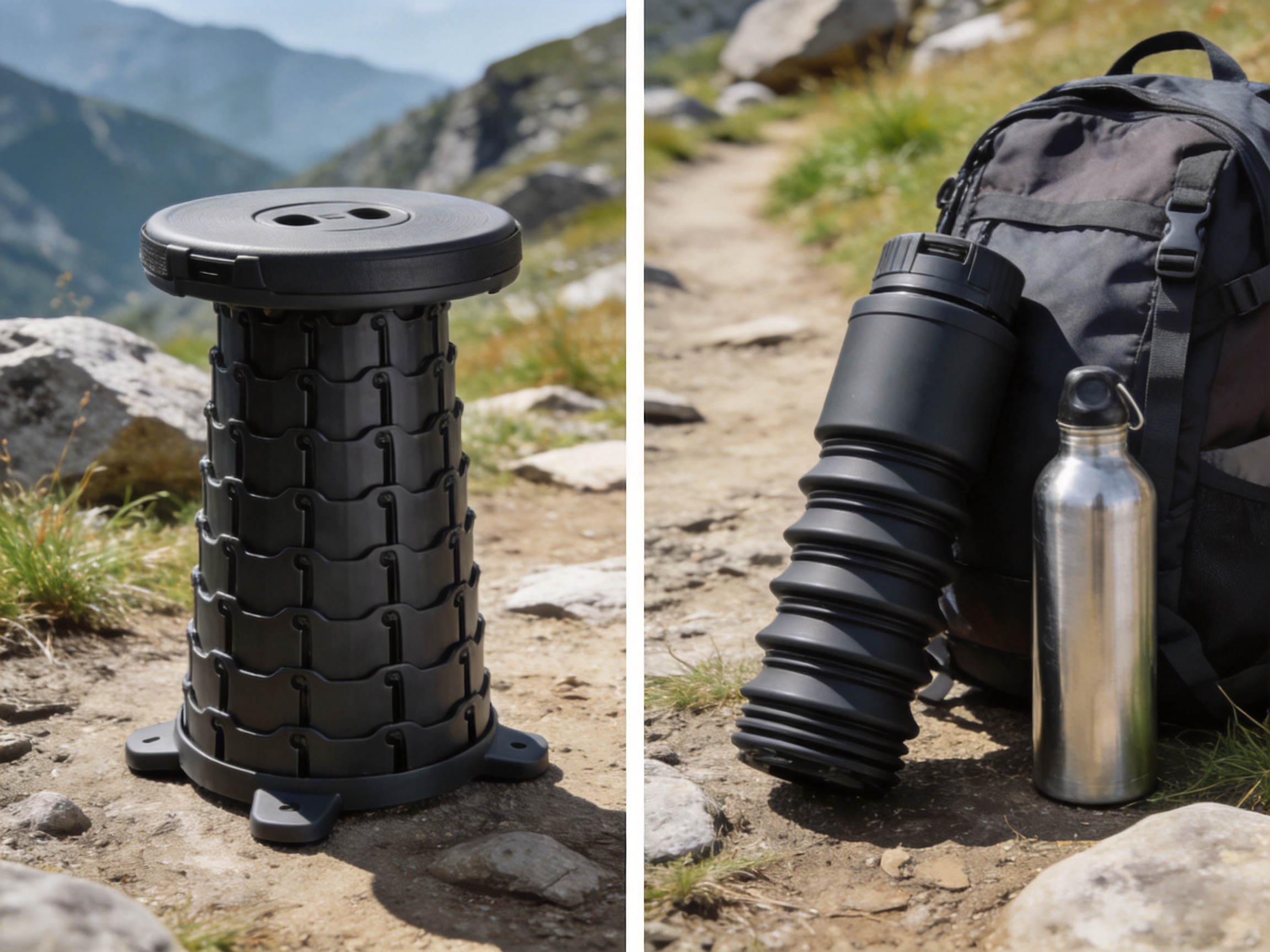
  • Portable Adjustable Folding Stool for Hiking, Camping, Queuing, and Fishing

    Portable Adjustable Folding Stool for Hiking, Camping, Queuing, and Fishing

    2026-05-21
    Outdoor comfort is often defined by small pieces of equipment that solve repeated, practical problems. A portable outdoor storage folding extendable stool may appear simple at first glance, yet in real hiking, camping, mountaineering support, fishing, queuing, and travel scenarios, it becomes a compact answer to fatigue, uneven terrain, limited pack space, and the need for fast rest. This adjustable hiking stool is designed around a straightforward promise: unfold it quickly, sit securely, adjust the height when needed, and fold it back into a compact form that occupies very little room in a backpack or vehicle. The product described here is a foldable, extendable outdoor stool made with thickened PP material and an innovative folding structure. When deployed, it provides a stable sitting platform with high seat load-bearing capacity. When collapsed, it becomes similar in size to a water bottle, making it easy to carry for camping trips, mountain approaches, fishing sessions, outdoor events, travel lines, roadside breaks, and temporary rest during long walks. Its most important value is not only portability, but also the balance between portability, strength, height adjustability, and outdoor practicality. In the competitive camping and mountaineering accessories market, many compact stools sacrifice either stability, comfort, durability, or usability. Some are too low for adults to use comfortably for longer periods. Others are too bulky to fit into a daypack. Some folding stools rely on thin fabric or weak metal frames that can deform, rust, or wobble under repeated use. This extendable stool takes a different approach by using a structural telescoping concept, thickened PP material, and a compact cylindrical folded profile. The result is a practical companion that emphasizes fast deployment, easy carrying, adaptable height, and dependable everyday outdoor use. Product Overview and Core Positioning This portable folding extendable stool belongs to the mountaineering accessories and camping gear category, but its range of use is much wider than mountain climbing alone. It is suitable for hikers who need quick rest stops on trails, campers who want extra seating around the campsite, anglers who need a small and movable seat near water, travelers who must wait in long queues, and outdoor workers who require a compact temporary stool. Its folded shape allows users to treat it like a bottle-sized object rather than a bulky chair, which is a major advantage when pack volume matters. The stool features an innovative folding structure that allows it to unfold and become usable almost immediately. The user does not need to assemble separate legs, attach fabric, tighten screws, or carry a tool kit. This is particularly important outdoors, where cold weather, gloves, muddy ground, limited daylight, and fatigue can make complicated gear frustrating. With a simple expansion and locking action, the stool converts from compact storage mode to seating mode. After use, it folds back down quickly, allowing the user to keep moving without wasting time. The height can be adjusted freely within its intended range, helping the stool adapt to different terrain and user needs. On a flat campsite, a higher setting may be comfortable for eating or resting. On uneven ground, a lower profile may feel more stable. During fishing, the user may prefer a moderate height to reduce strain on the knees. During queuing or temporary waiting, the stool can be adjusted to a practical sitting position without occupying much space. This flexibility makes the stool more versatile than fixed-height mini stools. Its thickened PP construction supports strength, durability, and reliable use. Polypropylene is widely valued in outdoor and consumer products because it can provide a favorable combination of toughness, impact resistance, light weight, and processability. When properly designed and manufactured, PP components can form strong interlocking structures and resist many everyday outdoor conditions. The thickened material design helps improve load-bearing capacity and reduces the feeling of fragility that users often experience with cheaper compact stools. Why Compact Seating Matters in Outdoor Gear Outdoor equipment is often judged by large features: shelter waterproofing, backpack capacity, boot grip, stove efficiency, or sleeping bag warmth. Yet the ability to sit comfortably at the right moment can change the entire experience of a trip. During a mountain approach, sitting on wet rocks or cold ground can drain warmth and energy. Around a campsite, standing all evening is inconvenient. While fishing, remaining crouched or standing for hours becomes uncomfortable. In travel queues, elderly users, children, and tired adults may need immediate rest. A compact stool offers a simple but meaningful improvement. The challenge is that seating usually creates a conflict between comfort and portability. Full-size camping chairs offer comfort but take up considerable space. Ultralight tripods can be portable but may feel unstable or uncomfortable. Fabric folding chairs may have protruding frames that are awkward to pack. Inflatable seats require inflation and can puncture. A telescoping folding stool solves the problem from another direction: it creates a structured seat that collapses vertically into a small cylinder. This shape is efficient for storage and easy to place in the side pocket of a backpack, inside a vehicle compartment, or alongside other camping gear. For mountaineering and hiking users, every item must justify its volume and weight. Although a stool is not always considered essential for technical climbing, it becomes extremely useful in base camp, trailhead preparation, rest breaks, photography waiting points, outdoor cooking areas, and group support activities. It can also be helpful for guides, event staff, outdoor educators, and rescue support teams who need portable seating during long periods of standby. A stool that folds to the size of a water bottle is far easier to justify than a conventional chair. Key Product Advantages at a Glance Feature Practical Benefit Competitive Advantage Folding extendable structure Fast setup and quick storage No complex assembly compared with many frame-style stools Adjustable height Adapts to different users, activities, and terrains More flexible than fixed-height compact stools Thickened PP material Improved strength, impact resistance, and stable support More durable than thin plastic or weak fabric constructions Water-bottle-sized folded form Easy to store in backpack, car, boat, or gear bin More portable than traditional camping chairs High seat load-bearing capacity Reliable sitting support for everyday outdoor use Greater confidence than ultra-cheap lightweight stools Multi-scenario usability Suitable for camping, hiking, fishing, queuing, and travel Broader application value than activity-specific seats Structural Design: Simple Operation, Strong Function The defining feature of this stool is its folding extendable structure. Instead of relying on separate legs and fabric, it uses a compact stacked structure that extends vertically and locks into position. This kind of structure requires careful balance. It must be easy enough for users to operate without instruction, yet secure enough to remain stable when seated. It must collapse smoothly, yet not collapse accidentally under load. It must be compact when folded, yet wide and supportive enough when opened. Achieving this balance depends on both product design and manufacturing control. In practical use, fast deployment matters. At a mountain rest point, users often want to stop briefly, drink water, adjust gear, check a map, or eat a snack. If a stool requires multiple steps or separate pieces, it may remain unused. The advantage of an immediate-use folding stool is that it reduces the barrier between carrying the product and benefiting from it. The user can remove it from a pack, open it, adjust the height, sit, and then store it again with minimal interruption. Compared with many competing stools, this product avoids the common weakness of flexible fabric sagging. Fabric-based stools can be lightweight, but their seating surface may stretch, absorb moisture, retain odors, or wear at stitching points. Metal-framed stools can offer strength, but hinges and rivets may loosen, and metal parts may corrode or become uncomfortable in cold weather. A well-designed PP telescoping stool provides a more integrated structural solution, with fewer loose external components and a cleaner folded shape. The stool’s cylindrical folded profile also contributes to user convenience. Cylindrical objects are easier to slide into side pockets, bottle holders, vehicle storage areas, and gear bags. Rectangular folding stools may fit poorly among soft goods, cookware, and clothing. The water-bottle-sized storage format means the stool can be treated as a frequent-carry item rather than a special bulky accessory reserved only for car camping. Material Strength: The Role of Thickened PP Material selection is critical in outdoor accessories. A stool experiences direct compression, bending, torsion, repeated opening and closing, ground contact, and occasional impact during transport. The use of thickened PP material supports the product’s goal of high seat load-bearing capacity and repeated practical use. Polypropylene has a favorable strength-to-weight relationship and is commonly used where toughness, moldability, and resistance to everyday wear are required. Thickened material does not simply mean adding mass. In a good design, thickness is used strategically in high-stress areas, locking interfaces, rim structures, and load-transfer pathways. The stool must distribute the user’s weight through the seat surface and down through the extended structure. If the material is too thin, the stool may feel unstable or may deform over time. If the material is too heavy, portability is reduced. The product’s value lies in finding the correct balance between structural reinforcement and carry-friendly dimensions. Outdoor users are highly sensitive to perceived reliability. A stool that creaks, flexes excessively, or feels uncertain will not inspire confidence, even if it is technically light. Thickened PP helps create a more solid sitting experience. It can also improve resistance to small impacts, such as being dropped on hard ground, bumped against rocks, or packed tightly with cookware and tools. For camping and hiking accessories, these everyday abuses are often more important than laboratory specifications alone. Another advantage of PP is its compatibility with mature injection molding and controlled production. This allows consistent component geometry, repeatable locking structures, and scalable manufacturing. For global buyers, repeatability matters because a single good sample is not enough. A product must be produced batch after batch with stable quality, consistent feel, and reliable performance. This is where advanced manufacturing processes and supplier discipline become essential. Height Adjustability and Terrain Adaptation One of the product’s most practical advantages is adjustable height. Outdoor environments rarely provide ideal seating conditions. Ground may be sloped, rocky, damp, sandy, grassy, or uneven. Users also vary in body size, mobility, and preferred sitting posture. A fixed-height stool forces all users and all environments into one geometry. An adjustable stool gives the user more control and improves comfort across different situations. In hiking, a lower height can be useful during short rest breaks, especially when the user wants stability and quick access to a backpack placed nearby. In camping, a higher setting may be preferable when eating at a low table or preparing food. For fishing, height can be adjusted depending on the water edge, rod position, and duration of sitting. For queuing, the stool can be extended enough to reduce pressure on knees and hips while remaining compact in crowded spaces. Adjustability also improves inclusiveness. Outdoor gear is increasingly used by families, older adults, casual campers, and urban travelers, not only by elite climbers or minimalist hikers. A stool that can accommodate different sitting preferences is more valuable in retail and wholesale markets because it serves a broader customer base. One product can satisfy multiple user groups, reducing inventory complexity for distributors and outdoor retailers. From an engineering point of view, height adjustability requires reliable engagement between extension sections. Each height position must remain secure during normal use. The locking relationship must resist accidental slippage while remaining easy to release when folding. Poorly manufactured adjustable stools may jam, misalign, or lose locking strength after repeated cycles. A professionally produced stool must maintain smooth operation and stable support throughout its expected life. Portability: Folded to the Size of a Water Bottle The folded size of this stool is one of its strongest selling points. In outdoor gear, packability often determines whether a product is used regularly or left at home. A full-size chair may be comfortable but is not suitable for many hiking routes. A compact stool that folds to a water-bottle-like size can travel in places where conventional seating cannot. It can fit in a backpack side pocket, camping storage box, car trunk, fishing bag, bicycle basket, or travel luggage. This compactness is especially valuable for users who combine activities. A person may hike to a fishing location, camp overnight, attend an outdoor festival, or wait at a viewpoint for photography. Carrying a large chair would be inconvenient, but carrying a compact stool is reasonable. The stool becomes part of a flexible outdoor kit rather than a burden. Portability also improves safety and energy management. Fatigue can affect decision-making on trails and during travel. Having a clean, dry, stable seat available allows users to rest without searching for a suitable rock, log, curb, or patch of ground. In cold or wet conditions, sitting directly on the ground can reduce body warmth and comfort. A raised stool provides a simple barrier between the user and the environment. For retailers and importers, compact folded size also supports logistics. Products that occupy less space can be shipped, stored, displayed, and bundled more efficiently. A water-bottle-sized stool is easier to package attractively and easier for consumers to understand at a glance. The compact shape can also support multi-unit carton packing and reduce wasted storage volume compared with irregular chair frames. High Load-Bearing Capacity and User Confidence Load-bearing capacity is one of the most important performance expectations for any stool. Users must feel safe when sitting down, shifting weight, and standing up. The thickened PP material and structural design aim to provide high seat load-bearing capacity while preserving portability. This is a crucial advantage over low-cost competitors that may look similar but feel weak or unstable in use. Load support depends on multiple factors, including material thickness, geometry, locking engagement, seat diameter, base contact, and production consistency. A stool can fail if any one of these areas is neglected. For example, a strong seat surface is not enough if the locking structure is weak. A thick body is not enough if the base is unstable. A good design must create a continuous load path from the seated user through the structure to the ground. User confidence is also psychological. When users sit outdoors, they often sit quickly, sometimes while wearing a backpack or holding gear. They may not lower themselves gently every time. A stool intended for outdoor use must tolerate realistic behavior rather than ideal laboratory handling. A robust, thickened design helps reduce the risk of wobble, flex, and premature wear, which improves user satisfaction and lowers return rates. Compared with fabric stools, the solid PP seat can feel more direct and supportive. Compared with thin plastic mini stools, the thickened construction can provide more reassuring strength. Compared with metal stools, it avoids the same level of cold-touch discomfort and corrosion concerns. Each seating technology has advantages, but for compact everyday outdoor use, this product offers an appealing balance of durability, convenience, and cost effectiveness. Use Case: Hiking and Mountain Approaches During hiking and mountain approaches, rest breaks are essential. Even experienced hikers benefit from short pauses to hydrate, adjust socks, check route information, eat, or reduce muscle fatigue. Many trails do not provide benches, and natural sitting surfaces may be wet, dirty, sharp, or unstable. A compact adjustable stool gives hikers a controlled sitting option without requiring them to unload heavily or search for an ideal location. The stool’s small folded size makes it suitable for day hikes where pack space is limited. Unlike a full camping chair, it does not dominate the backpack. It can be carried in a side pocket, attached externally, or placed near frequently used items. Since it unfolds quickly, the user is more likely to use it during short stops rather than saving it only for camp. Height adjustment is helpful on sloped trails, rocky rest areas, and forest floors. A hiker may select a lower position for stability or a higher position for easier standing. The product is especially useful for people who prefer not to sit on the ground due to knee issues, cold weather, insects, damp soil, or hygiene concerns. It can also be helpful for outdoor photographers waiting for light conditions, birdwatchers staying quietly in one position, or guides managing a group during pauses. For mountaineering accessory markets, the stool is not positioned as a technical climbing device but as a practical support product. It belongs in the broader ecosystem of comfort, organization, and endurance equipment that helps outdoor users maintain energy and convenience before, during, and after demanding activities. Use Case: Camping and Camp Life Camping creates many moments when extra seating is needed. Around a tent, near a stove, beside a table, or at a scenic rest point, people need places to sit. Full-size chairs are comfortable for car camping but may be excessive for lightweight trips. The adjustable folding stool offers a compact alternative that can be carried in greater numbers and stored easily when not in use. At camp, the stool can be used for cooking preparation, eating, resting, changing shoes, organizing gear, or sitting near a fire area where appropriate and safe. Its fast folding design means it can be moved around the campsite as tasks change. Unlike larger chairs, it does not require a wide footprint or complex arrangement. This is useful in small campsites, crowded festival areas, or narrow tent platforms. The thickened PP construction also supports easy cleaning. Camping equipment often gets dirty from soil, sand, food residue, and moisture. A solid plastic surface can generally be wiped clean more easily than fabric seating. This is a practical advantage for family users and group operators who need gear that can be cleaned quickly between uses. For retailers, the camping market values products that are understandable, demonstrable, and giftable. A stool that opens quickly, adjusts height, and folds compactly has strong in-store demonstration appeal. Customers can immediately understand the benefit, which can support conversion in both online and offline sales channels. Use Case: Fishing, Queuing, and Daily Outdoor Waiting Fishing is one of the most suitable applications for this type of stool. Anglers often move between spots, wait for long periods, and carry many small items. A heavy chair may be inconvenient, especially when walking along banks, piers, reservoirs, or coastal areas. A compact folding stool provides portable seating without adding excessive volume to fishing gear. The adjustable height allows the angler to choose a comfortable posture based on rod position and ground condition. Queuing is another important use case. In urban and travel settings, people may wait outside stores, stations, event venues, tourist attractions, hospitals, or public offices. Standing for long periods can be tiring, especially for older adults or anyone with reduced stamina. A water-bottle-sized folding stool can be carried discreetly and deployed when waiting becomes uncomfortable. It occupies less space than a chair and is easier to move as the line progresses. The stool can also support outdoor workers, vendors, photographers, event staff, and parents supervising children at parks or sports fields. Because it is not limited to one sport, it has strong cross-category sales potential. It can be marketed as camping gear, hiking support equipment, fishing seating, travel waiting gear, and general portable seating. This multi-scenario value makes it more attractive than products designed for only one narrow application. Competitive Comparison: Where This Stool Stands Out The outdoor stool market includes several common types: fabric tripod stools, aluminum frame folding stools, fixed plastic stools, inflatable cushions, and telescoping plastic stools. Each product type has strengths, but many have limitations. The portable outdoor storage folding extendable stool stands out by combining compact storage, adjustable height, quick operation, and strong PP construction into one practical form. Fabric tripod stools can be very light, but they often have small seating surfaces and may feel unstable on soft or uneven ground. The fabric can sag or tear, and the frame points may sink into soil. Aluminum frame stools are more rigid, but hinges, rivets, and fabric joints may wear over time. They also tend to fold into longer shapes that are less convenient to pack. Fixed plastic stools can be strong and inexpensive, but they are bulky and lack height adjustment. Inflatable cushions are compact but do not provide the same raised sitting posture and can be vulnerable to puncture. This adjustable folding stool addresses many of these weaknesses. Its folded cylinder is easier to carry than many frame stools. Its adjustable height is more versatile than fixed stools. Its thickened PP structure offers a more solid seating platform than fabric-only designs. Its immediate-use folding mechanism is faster and simpler than products requiring assembly. For users who want a practical balance rather than an extreme specialization, it offers a compelling solution. Another competitive advantage is the product’s suitability for scalable manufacturing. Some outdoor seating products require complex sewing, metal forming, coating, assembly, and hardware inspection. Those processes can create quality variation if not tightly controlled. A PP structural stool produced with precise molds and controlled assembly can achieve consistent dimensions and repeatable mechanical performance. This supports large-volume export, private label programs, and stable long-term supply. Manufacturing Philosophy Behind the Product CragHaven Outdoor, based in Hangzhou, China, approaches outdoor product development through real use scenarios rather than catalog decoration. The company focuses on mountaineering, hiking, and camping environments, emphasizing functional, reliable, and long-term value products for global markets. This approach is particularly relevant for a folding adjustable stool because the product must succeed in repeated ordinary use, not only in a showroom or product photo. The company’s philosophy is based on three practical principles: products should be designed for weather, terrain, and time; every feature should solve a real-world usage problem; and materials should be chosen for durability and reliability rather than short-lived trends. For this stool, those principles appear in the compact folded size, fast deployment, adjustable height, thickened PP material, and focus on high load-bearing capacity. Designing for weather means considering moisture, dirt, temperature variation, and cleaning. Designing for terrain means thinking about uneven ground, campsite conditions, trail rest areas, and compact stability. Designing for time means considering repeated opening and folding, long-term consumer satisfaction, and consistent production quality. A stool that works only during a first demonstration is not enough. It must remain useful after many trips, many folds, and many storage cycles. The company also emphasizes sampling, testing, and optimization as standard processes that cannot be omitted. This matters because folding structures are sensitive to small design variations. Locking engagement, extension smoothness, seat rigidity, and folded compactness all require iterative adjustment. By testing samples and optimizing details, the manufacturer can reduce uncertainty before mass production and improve reliability for distributors, brands, and end users. Advanced Manufacturing Processes and Quality Control Producing a reliable folding extendable stool requires more than simply molding plastic parts. It involves material control, mold precision, structural design, assembly accuracy, functional testing, and packaging consistency. The thickened PP components must be formed with stable dimensions so that the folding and locking mechanism operates smoothly. If parts are too loose, the stool may wobble. If parts are too tight, users may struggle to open or close it. Precision and repeatability are essential. Advanced manufacturing begins with material selection and incoming inspection. PP material should meet the required performance expectations for toughness, consistency, and process stability. Batch variation can affect color, flexibility, impact resistance, and dimensional shrinkage. A serious manufacturing partner controls material sourcing and checks whether the material is suitable for the intended structural use. Injection molding quality is another key factor. Mold temperature, injection pressure, cooling time, and part ejection can influence dimensional accuracy and surface quality. For an extendable stool, the geometry of interlocking sections must remain consistent. Warping, sink marks in critical areas, flash on locking edges, or inconsistent wall thickness can reduce function. Process control helps ensure that each unit opens, locks, supports weight, and folds as intended. After molding, assembly and functional inspection become critical. Each stool should be checked for smooth extension, secure locking, stable standing, seat surface integrity, and proper folding. Load-related testing may be used to verify structural performance. Cycle testing can help evaluate repeated opening and closing. Packaging checks ensure the product arrives in marketable condition after international shipping. For global buyers, these steps reduce returns, complaints, and reputation risk. Why Supply Chain Reliability Matters Outdoor brands and retailers need more than a good product concept. They need reliable supply. A compact stool may be sold in seasonal campaigns, camping promotions, fishing categories, travel accessories, or private label programs. If production is inconsistent, delivery is late, or quality varies across batches, the buyer faces lost sales and customer complaints. CragHaven Outdoor aims to reduce uncertainty in the supply chain by participating in both design and manufacturing rather than acting only as a factory sourcing intermediary. This integrated involvement is important because product success depends on communication between concept, engineering, sampling, production, inspection, and market feedback. When design intent is separated from manufacturing reality, details may be lost. For example, a buyer may request stronger load capacity, smoother folding, specific packaging, or adjusted color. A partner that understands both usage scenarios and production constraints can respond more effectively. The company’s location in Hangzhou, Zhejiang Province, places it within China’s mature and efficient manufacturing ecosystem. This supports access to material suppliers, tooling resources, production capacity, logistics networks, and export experience. However, manufacturing ecosystem alone is not enough. The value comes from combining that ecosystem with outdoor product understanding, sampling discipline, and Western-market-oriented communication. For importers, distributors, and brands, professional communication reduces friction. Clear specifications, realistic lead times, sample confirmation, quality standards, packaging requirements, and after-sales feedback processes are all essential. A manufacturing partner that understands global market expectations can help buyers avoid misunderstandings and build long-term, stable product programs. Design for Real Outdoor Problems, Not Catalog Decoration A common weakness in consumer outdoor accessories is overemphasis on appearance or exaggerated specifications while ignoring actual field use. A stool can be brightly colored, heavily advertised, or described with impressive claims, but if it is difficult to open, uncomfortable to carry, unstable on common ground, or weak after repeated use, it will disappoint users. The strongest outdoor products are those that solve simple problems reliably. This adjustable folding stool solves several real problems. It provides a clean place to sit when the ground is wet or dirty. It reduces fatigue during waiting. It packs small enough to be carried frequently. It adjusts to different heights rather than forcing one posture. It opens quickly when the user is tired. It uses thickened PP material to improve confidence and durability. These are not decorative features; they are functional responses to common outdoor and travel situations. For product managers, this makes the stool easy to position. It does not need to be explained with complex technical language. The benefit is visible: small when folded, useful when opened, adjustable when needed, and strong enough for practical use. This clarity is valuable in online listings, retail displays, wholesale catalogs, and cross-border e-commerce platforms. User Experience: From Backpack to Seat in Seconds The best compact gear becomes part of a user’s routine. A hiker reaches for a bottle, map, snack, or jacket without hesitation because the item is accessible and easy to use. This stool aims for the same kind of routine value. When folded, it is small enough to be carried near the top of a pack or in an external pocket. When needed, it can be removed and opened quickly. After a rest, it folds back into a compact shape and returns to storage. This convenience increases actual usage frequency. Many outdoor products fail not because they are useless, but because they are inconvenient. A chair that takes too long to set up may remain in the car. A stool that is awkward to pack may be left at home. A seat that is too low may be used once and forgotten. By focusing on rapid setup, height adjustment, and compact storage, this product increases the chance that users will carry and use it often. The user experience also benefits from easy cleaning and simple handling. Outdoor gear is exposed to mud, grass, sand, water, and food. A smooth PP structure can generally be wiped down more conveniently than fabric-and-frame seating. Since there are no separate poles or fabric sleeves to manage, the product is straightforward for users of different ages and experience levels. Retail and Wholesale Market Potential This stool has strong potential across several sales channels. In outdoor retail, it can be displayed with camping chairs, hiking accessories, picnic gear, fishing equipment, and travel products. In cross-border e-commerce, it can appeal to consumers searching for portable seating, folding stools, adjustable camping stools, hiking stools, fishing stools, and queue stools. In wholesale programs, it can serve as a practical, high-volume accessory with broad consumer appeal. Its compact size supports attractive packaging and efficient shipping. Retailers can stock multiple units without dedicating the same shelf space required by full-size chairs. The product is also suitable for bundle offers, such as camping kits, fishing starter sets, festival packs, emergency travel kits, and family outdoor packages. Because it is practical and easy to demonstrate, it may also perform well in promotional channels. For private label buyers, the product offers opportunities for color customization, packaging design, instruction card development, barcode integration, and market-specific positioning. The core product concept is universal, but messaging can be adapted. In some markets, the focus may be camping comfort. In others, it may be travel queuing, fishing convenience, or compact emergency seating. Safety and Proper Use Considerations Like all portable seating products, the stool should be used responsibly. Users should place it on stable ground, ensure it is fully opened and locked before sitting, avoid sudden side loading, and use it within the intended load range. It should not be used as a ladder, step platform, climbing aid, or support for jumping. Outdoor gear performs best when used according to its design purpose. On uneven terrain, users should choose the most stable available surface and adjust height appropriately. Lower settings may provide a more secure feeling in some environments. On soft soil, sand, or mud, users should check whether the base remains level and supported. In wet or icy conditions, extra caution is necessary, as with any stool or chair. These practical guidelines help maximize product life and user safety. Maintenance is simple. Users should remove dirt after outdoor use, wipe the stool dry before long storage, and avoid prolonged exposure to unnecessary extreme conditions when not in use. Periodic inspection of the locking structure and seat surface is recommended, especially after heavy use or accidental impact. Proper care supports reliable long-term performance. Environmental and Long-Term Value Perspective Outdoor products should be evaluated not only by purchase price but also by durability, usability, and replacement frequency. A very cheap stool that breaks quickly creates waste, inconvenience, and customer dissatisfaction. A better-designed stool made with appropriate material thickness and controlled manufacturing can provide longer service life and better value. Long-term use is one of the most practical forms of sustainability in outdoor accessories. CragHaven Outdoor’s stated emphasis on durability, reliability, and long-term use aligns with this perspective. Rather than chasing short-term trends, the company focuses on products that remain useful across seasons and activities. A compact adjustable stool is an example of a product with continuing value because the need for portable seating does not disappear. Camping, hiking, fishing, and travel all involve waiting, resting, and adapting to limited comfort. By designing products for real environments and optimizing them through sampling and testing, manufacturers can reduce premature failure and unnecessary returns. For global buyers, this contributes to better brand reputation and lower after-sales costs. For consumers, it means greater trust and more satisfying outdoor experiences. Company Strengths Supporting Product Success CragHaven Outdoor is an outdoor brand and cross-border manufacturing partner based in Hangzhou, China. The company focuses on mountaineering, hiking, and camping scenarios, delivering functional and reliable outdoor gear for global markets. Its name reflects balance and stability in nature, and that philosophy guides design, material selection, and manufacturing decisions. For a product such as an adjustable folding stool, balance and stability are not abstract ideas; they are core performance requirements. The company’s strength lies in connecting real outdoor usage understanding with China’s mature manufacturing system. This combination supports products that are not only attractive in concept but also stable, replicable, and scalable in production. The company does not treat manufacturing as a detached final step. Instead, design concepts are transformed through sampling, testing, adjustment, and production control. Another advantage is Western-market-oriented communication. Outdoor buyers in North America, Europe, and other global markets often require clear product positioning, quality standards, packaging expectations, compliance awareness, and responsive communication. A supplier that can communicate professionally and understand these expectations reduces project risk. This is especially important for cross-border buyers who may not be able to inspect every detail in person. The company aims to prioritize long-term, stable, and sustainable partnerships. In practical terms, this means focusing on consistent product quality, realistic production planning, and continuous improvement. For buyers sourcing a portable folding stool, such partnership values can be as important as the product itself. A good manufacturing partner helps protect the buyer’s brand and supports repeat business. How This Stool Supports Brand Differentiation For outdoor brands and retailers, differentiation is essential. Many camping accessories look similar online, and consumers often compare price, images, and basic specifications quickly. A product must communicate clear reasons to choose it. This stool offers several differentiation points: compact water-bottle-sized folding, height adjustability, thickened PP construction, quick deployment, high load-bearing design, and multi-scenario usability. These features can be translated into clear marketing messages. For hikers, the message is portable rest without pack burden. For campers, it is extra seating without bulky storage. For anglers, it is movable comfort beside the water. For travelers, it is a discreet seat for long waits. For families, it is a simple, easy-to-clean outdoor stool. This flexibility allows brands to target multiple consumer groups with one product platform. Manufacturing consistency further supports differentiation. If a brand can offer a stool that feels more solid, opens more smoothly, and lasts longer than low-cost competitors, customer reviews and repeat purchases improve. In online marketplaces, reliability often becomes visible through ratings. A better-manufactured product can create long-term advantage beyond initial price competition. Packaging, Instructions, and Customer Education Because the stool is simple to use, packaging and instructions do not need to be complicated. However, clear customer education still adds value. Packaging can highlight folded size, adjustable height, quick folding, thickened PP material, and multi-scenario use. Simple diagrams can show opening, locking, height adjustment, folding, and safe-use reminders. Good instructions reduce misuse and improve satisfaction. For retail displays, showing the stool in both folded and opened states is especially effective. Consumers immediately understand the transformation from compact storage to usable seating. For online listings, images and short videos can demonstrate the same process. The product’s visual transformation is one of its strongest sales tools. Wholesale buyers may also benefit from packaging that fits regional expectations. Some markets prefer minimalist recyclable packaging; others value colorful retail boxes. Some channels require multilingual instructions, barcode placement, warning labels, or carton marking. A capable manufacturing partner can support these details and help prepare the product for smooth market entry. Q&A Section Q1: What is the main purpose of this portable folding extendable stool? The main purpose is to provide compact, adjustable, and reliable seating for outdoor and everyday waiting situations. It is suitable for hiking, camping, fishing, queuing, travel, outdoor events, and temporary rest breaks. It gives users a clean and stable place to sit without carrying a bulky chair. Q2: What makes it different from ordinary camping stools? Its major differences are the folding extendable structure, adjustable height, thickened PP material, and water-bottle-sized folded form. Many ordinary camping stools are fixed-height, bulky, fabric-based, or frame-based. This stool combines portability with practical support and fast deployment. Q3: Why is thickened PP material useful for this product? Thickened PP material improves structural confidence, impact resistance, and load-bearing performance while keeping the stool relatively lightweight and easy to manufacture consistently. It also supports easy cleaning after outdoor use. Q4: Is the stool only for mountaineering? No. Although it belongs to the mountaineering accessories category, it is suitable for many scenarios beyond mountaineering. It can be used for camping, hiking, fishing, queuing, travel, outdoor work, photography waiting, family picnics, and event seating. Q5: How does the adjustable height improve comfort? Adjustable height allows users to choose a seating position based on body size, activity, and terrain. A lower setting may feel more stable on uneven ground, while a higher setting may be more comfortable for eating, waiting, or standing up easily. Q6: Why is folded size important? Folded size determines whether users are willing to carry the product. Since this stool folds to approximately the size of a water bottle, it can fit into backpacks, vehicles, fishing bags, and storage bins more easily than traditional camping chairs. Q7: What types of buyers can benefit from this product? Outdoor retailers, camping brands, fishing gear distributors, travel accessory sellers, cross-border e-commerce operators, promotional product buyers, and private label brands can all benefit from this product because it has broad consumer appeal and multi-scenario usability. Q8: How does CragHaven Outdoor support product reliability? CragHaven Outdoor supports reliability through real-use product development, material selection, sampling, testing, optimization, manufacturing process control, and professional cross-border communication. The company focuses on long-term value rather than short-term catalog trends. Q9: What should users remember before sitting on the stool? Users should ensure the stool is fully opened and locked, place it on stable ground, avoid excessive side loading, and use it only as seating rather than as a ladder or step platform. Proper use improves safety and extends product life. Q10: Why is this stool suitable for global markets? It solves universal problems: fatigue, lack of seating, limited storage space, and the need for portable comfort. Its simple operation, compact size, and practical material design make it easy to understand and market across different regions. Conclusion The portable outdoor storage folding extendable stool is a compact solution to a common outdoor problem: people need to sit, rest, wait, and recover, but they do not always have space for a full-size chair. By combining an innovative folding structure, thickened PP material, adjustable height, high seat load-bearing capacity, and water-bottle-sized folded storage, the product delivers strong practical value for hiking, camping, fishing, queuing, and travel. Its advantages over many competing stools are clear. It is more compact than traditional camping chairs, more adjustable than fixed stools, more structurally supportive than many fabric mini stools, and easier to deploy than products requiring assembly. Its design reflects real user needs rather than decorative complexity. For consumers, it offers convenience and comfort. For retailers and brands, it offers broad market positioning and efficient logistics. For wholesale buyers, it offers a product platform suitable for private label development and repeat sales. Behind the product, CragHaven Outdoor provides manufacturing and development strengths rooted in outdoor usage understanding, material discipline, sampling, testing, optimization, and scalable production. Based in Hangzhou and connected to China’s mature manufacturing ecosystem, the company aims to reduce supply chain uncertainty and support long-term global partnerships. This combination of practical design and manufacturing reliability makes the adjustable folding stool a strong choice in the modern outdoor accessories market. References 1. Ashby, Michael F. Materials Selection in Mechanical Design. Butterworth-Heinemann. 2. Crawford, R. J. Plastics Engineering. Butterworth-Heinemann. 3. McLellan, Todd. Things Come Apart: A Teardown Manual for Modern Living. Thames and Hudson. 4. Norman, Donald A. The Design of Everyday Things. Basic Books. 5. Petroski, Henry. Small Things Considered: Why There Is No Perfect Design. Vintage Books. 6. International Organization for Standardization. General Principles for Product Quality Management and Testing Practices. 7. Outdoor Industry Association. Outdoor Participation and Consumer Behavior Reports. 8. Ulrich, Karl T., and Eppinger, Steven D. Product Design and Development. McGraw-Hill Education. .profile-card { display: flex; align-items: flex-start; gap: 2rem; background-color: white; padding: 2rem; border-radius: 12px; box-shadow: 0 2px 10px rgba(0,0,0,0.05); } .profile-avatar { width: 120px; height: 120px; border-radius: 50%; overflow: hidden; flex-shrink: 0; } .profile-avatar img { width: 100%; height: 100%; object-fit: cover; display: block; } .profile-info { flex-grow: 1; } .profile-name { font-size:27px; font-weight: 900; margin-bottom: 1rem; color: #1a1a1a; } .profile-bio { line-height: 1.6; color: #333; } @media (max-width: 600px) { .profile-card { flex-direction: column; align-items: center; text-align: center; gap: 1.5rem; } } Ruan Qizhen — Senior Product After-Sales Specialist 8 years of experience supporting outdoor gear clients across European and North American markets, handling warranty cases, product feedback analysis, replacement coordination, and after-sales process improvement for mountaineering and camping products.
    View Article
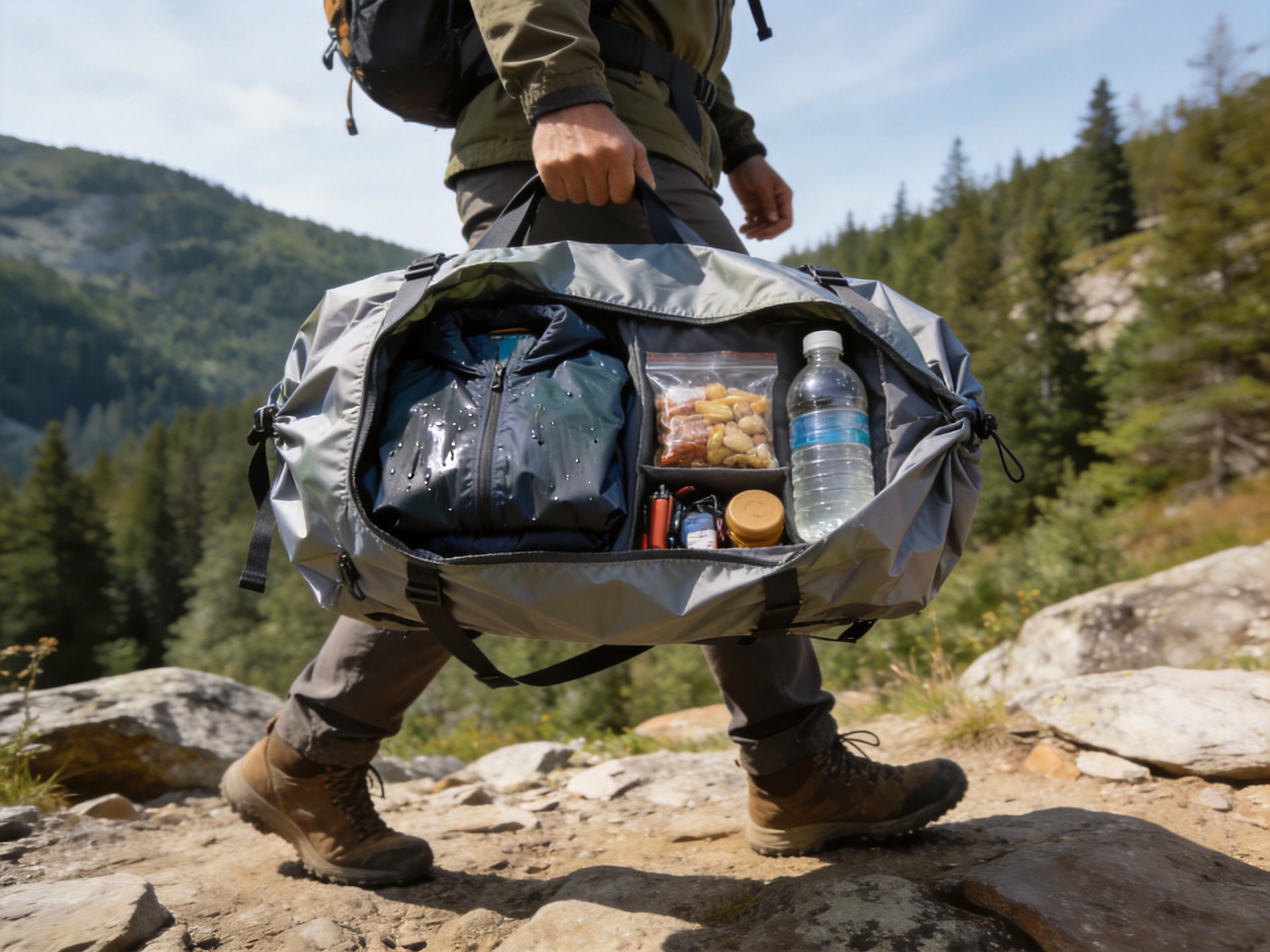
  • Ultralight Folding Hiking Backpack for Fast, Practical Outdoor Travel

    Ultralight Folding Hiking Backpack for Fast, Practical Outdoor Travel

    2026-05-13
    Modern hiking is changing. More outdoor users are choosing shorter trips, mixed transportation, lightweight packing systems, and gear that can move easily between city, trail, campsite, and travel bag. In this environment, a backpack must do more than hold items. It must reduce unnecessary weight, pack down when not in use, resist daily abrasion, handle changing weather, and remain simple enough to be useful in real outdoor situations. The ultralight folding outdoor hiking backpack, large capacity backpack, model WFDS261001, is designed for precisely this kind of practical outdoor use. This mountaineering backpack is made with high-density, ultra-lightweight polyester fabric. The fabric is selected for abrasion resistance, tear resistance, and packability. Its surface is treated with a DWR water-repellent coating, helping light rain bead and roll away rather than immediately soaking into the material. The backpack can be folded quickly and stored inside a larger backpack, suitcase, vehicle compartment, or travel kit. These characteristics make it especially suitable for lightweight hiking, short outdoor trips, camping support, travel backup use, and daily carry in unpredictable weather. Many lightweight backpacks on the market focus only on low weight. Others provide capacity but become bulky, stiff, or inconvenient when they are not actively being used. This product is positioned between those extremes. It offers a large-capacity carrying solution while preserving the convenience of a foldable structure. For outdoor users, retailers, distributors, and sourcing teams, this balance creates clear value: less storage space, lower carry burden, practical protection against light rain, and a design that fits real user behavior rather than showroom assumptions. CragHaven Outdoor, based in Hangzhou, China, develops outdoor gear for mountaineering, hiking, and camping scenarios. The company’s approach is grounded in practical field use: products are not designed merely for catalog presentation, but for weather, terrain, movement, packing habits, and repeated use over time. This philosophy is especially relevant for folding backpacks, because a compact bag is only valuable if it remains reliable after being opened, loaded, folded, carried, stored, and reused many times. Product Overview The ultralight folding outdoor hiking backpack is a large-capacity mountaineering backpack built for users who need mobility and storage efficiency. Its core purpose is simple: provide a dependable outdoor carrying option without adding unnecessary bulk. It can be packed into another bag during travel, unfolded when extra capacity is needed, and used for hiking, camping, day trips, sightseeing, short routes, grocery runs during travel, or emergency carry situations. The product’s key material is high-density polyester fabric. Polyester is widely used in outdoor gear because it offers a favorable balance of strength, weight, drying speed, dimensional stability, and cost efficiency. In this design, the material is described as ultra-lightweight while still retaining resistance to abrasion and tearing. This matters because foldable backpacks are often exposed to friction against rocks, tree branches, vehicle interiors, luggage surfaces, and rough campsite objects. A very thin or poorly selected fabric may save grams but fail quickly. A heavier fabric may last longer but undermine the benefit of a folding backpack. The selected fabric aims to balance both needs. The backpack’s DWR finish is another important feature. DWR stands for durable water repellent, a surface treatment that helps water bead on the fabric instead of spreading and soaking in immediately. This does not make the backpack a fully waterproof dry bag, and responsible product communication should avoid that exaggeration. However, it does provide valuable protection against light rain, mist, splashes, damp vegetation, and brief exposure during changing weather. For lightweight hikers and short-trip users, this level of water resistance often matches the real conditions they face. Its folding structure improves storage and transport efficiency. When not in use, the backpack can be folded and placed into a suitcase, larger trekking pack, camping box, car trunk, or gear organizer. This makes it useful as a secondary bag on travel days, a summit or side-trip bag after reaching camp, or a backup backpack for unexpected purchases or extra layers. Compared with rigid daypacks, the foldable design significantly reduces storage friction. Key Specifications and Functional Summary Feature Area Product Detail User Benefit Product Type Ultralight folding outdoor hiking backpack Easy to carry as a primary or backup bag for short outdoor routes and travel Category Mountaineering backpack Suitable for hiking, camping support, mountain travel, and outdoor daily use Model Reference WFDS261001 Clear identification for sourcing, sampling, and order communication Main Fabric High-density ultra-lightweight polyester Balances low weight with abrasion and tear resistance Surface Treatment DWR water-repellent coating Helps resist light rain and moisture exposure Storage Method Quick folding and compact packing Fits easily into a backpack, suitcase, or vehicle storage area Capacity Positioning Large-capacity structure Accommodates layers, snacks, travel essentials, and outdoor accessories Usage Scenario Lightweight hiking and short trips Practical for users who need mobility without heavy gear burden Why Foldability Matters in Real Outdoor Use Foldability is often treated as a convenience feature, but in outdoor gear it can be a strategic advantage. A folding backpack supports flexible trip planning. A traveler may board a train or plane with one main suitcase, then unfold the backpack for a mountain walk, a campground supply run, or a city exploration day. A camper may keep the folded pack inside a larger duffel and use it for collecting water bottles, carrying a rain shell, or transporting small cooking items. A hiker may carry it as a backup for an unexpected gear split between group members. Traditional daypacks often maintain their shape even when empty. That structure can be beneficial for heavy loads, but it is less efficient for travel and storage. A rigid pack occupies closet space, suitcase volume, vehicle room, and warehouse capacity. A foldable backpack solves this problem by becoming small when its full structure is not needed. For retailers and distributors, foldability can also reduce packaging volume and improve product handling efficiency. Some competing foldable backpacks sacrifice usability by becoming too flimsy. They may pack small, but when loaded, they sag, pull uncomfortably, or place stress on weak seams. The advantage of this product is that it is not presented only as a novelty travel pouch. It is positioned as a practical outdoor backpack made from high-density fabric and developed around repeated hiking and short-trip use. The emphasis on abrasion resistance, tear resistance, and water repellency gives the backpack a more credible outdoor identity. For end users, the ideal foldable backpack is one they do not notice until they need it, and then can trust once they load it. It should not occupy much space inside luggage. It should unfold quickly. It should carry essentials without immediate fabric strain. It should resist light rain long enough to protect basic contents during a short exposure. It should be easy to dry and store. This product is built around that pattern of use. Material Advantage: High-Density Ultra-Lightweight Polyester Fabric selection determines the personality of a backpack. High-density polyester is a logical choice for an ultralight folding pack because it provides practical durability while remaining flexible enough to fold. Density matters because a more tightly structured fabric can better resist surface wear and accidental tearing than loosely constructed lightweight materials. In outdoor scenarios, a backpack may rub against rock, bark, gravel, tent poles, zippers, and packed equipment. Abrasion resistance is not an abstract laboratory value; it directly influences product life. Polyester also has good dimensional stability. Compared with some fibers that absorb more moisture and stretch significantly, polyester tends to maintain shape and dry relatively quickly. For a backpack that may be folded after use, moisture management is important. A fabric that stays wet for a long time can create odor, discomfort, and storage issues. While users should always dry gear before long-term storage, a water-repellent polyester fabric improves practical handling in damp conditions. The ultra-lightweight nature of the fabric supports the backpack’s central promise. Outdoor users increasingly count not only the weight of major gear but also the cumulative burden of accessories. A backpack that adds unnecessary weight undermines the comfort of short trips. When a foldable bag is carried inside another pack, its own weight must remain low enough to justify bringing it. This product’s fabric choice supports that requirement. Compared with inexpensive low-density fabrics used in some promotional bags, high-density polyester offers a more convincing balance of strength and portability. Promotional drawstring bags or thin shopping-style foldable packs may work for casual indoor use, but outdoor travel exposes gear to greater stress. By using a fabric selected for abrasion and tear resistance, this backpack provides a more suitable solution for hiking and camping-related use. DWR Water-Repellent Protection for Light Rain Weather changes quickly in outdoor environments. A sunny trailhead can become misty, windy, or rainy within an hour. Short-trip hikers often prefer not to carry a heavy rain cover or fully waterproof expedition pack, but they still need basic protection for clothing layers, snacks, maps, small electronics, or personal items. The DWR finish on this backpack addresses that practical need. A DWR coating works by reducing the surface energy of the fabric so that water forms beads rather than immediately spreading across the material. When water beads, it is more likely to roll away or be shaken off. This helps delay wet-out during light rain or brief contact with moisture. For many users, this is enough protection during quick exposure, especially when combined with sensible packing practices such as placing sensitive electronics in inner pouches or waterproof sleeves. The distinction between water-repellent and waterproof is important. Waterproof backpacks typically require coated fabrics, sealed seams, roll-top closures, or specialized construction. Those features may add weight, stiffness, cost, and reduced breathability. This ultralight folding backpack instead chooses a water-repellent approach that fits lightweight hiking and short-trip use. It improves weather confidence without turning the product into a heavy waterproof system. Competitor products sometimes overstate rain protection, creating unrealistic expectations. A more professional approach is to describe performance honestly. This backpack is ideal for light rain and moisture exposure, not prolonged immersion or heavy storms. That honest positioning helps retailers reduce customer dissatisfaction and helps users select the right gear for the right conditions. Large Capacity Without Unnecessary Bulk Capacity is one of the most visible characteristics of a backpack, but capacity must be evaluated alongside packability. A large backpack that cannot be stored easily may be inconvenient for travel. A tiny folding backpack may be compact but not useful for real outdoor items. This product is described as a large-capacity backpack while remaining foldable, making it suitable for users who need both space and storage efficiency. In a short hiking scenario, a user may need to carry a windbreaker, light rain shell, water bottle, trail snacks, compact first-aid kit, power bank, camera, gloves, hat, and personal items. During travel, the same backpack may hold documents, a light jacket, souvenirs, food, or daily essentials. At a campsite, it can support short walks away from the tent, supply organization, or shared group tasks. Large capacity allows the backpack to serve these varied roles. The advantage over many minimal packable bags is versatility. Extremely small foldable packs often lack the volume needed for layers or outdoor essentials. They become useful only for very light errands. On the other hand, standard daypacks may provide volume but remain too bulky to keep as a backup. This backpack occupies a practical middle ground: large enough for meaningful use, light and foldable enough to carry when not needed. For wholesale buyers, this balance also increases market reach. The same product can appeal to hikers, campers, travelers, students, day-tour participants, outdoor event organizers, and casual urban users. Products that function across multiple scenarios often perform better in retail because consumers can justify the purchase more easily. Comfort and Practical Load Behavior Although the provided product details emphasize material, folding, capacity, and water repellency, comfort remains a key factor in any backpack evaluation. In a folding backpack, comfort depends on how well the fabric structure distributes load, how stable the bag feels when walking, and how the construction resists deformation. A lightweight pack cannot be expected to carry the same load as a framed expedition backpack, but it should remain practical for short-trip essentials. A well-designed foldable hiking backpack should avoid excessive sagging. When a bag sags too much, weight shifts downward and backward, creating shoulder strain and unstable movement. Pattern engineering, seam placement, and material selection all influence this behavior. High-density polyester helps by providing a stronger fabric body than many ultra-thin alternatives. Manufacturing quality also matters because weak stitching can cause deformation even when fabric quality is acceptable. For users, comfort is also connected to simplicity. A folding backpack should be easy to open, load, close, and carry. Complex structures can add weight and failure points. The best lightweight outdoor products often avoid unnecessary details and instead focus on dependable essentials. This product’s value lies in its direct response to common needs: low weight, storage convenience, practical capacity, and resistance to basic environmental stress. Competitive Advantages Over Common Alternatives The market for compact outdoor backpacks includes promotional foldable bags, travel daypacks, entry-level hiking packs, waterproof dry-style packs, and fashion-oriented casual backpacks. Each type has strengths, but many also have limitations. This ultralight folding outdoor hiking backpack competes by combining practical advantages that are often separated across different product categories. Compared with promotional foldable bags, it offers a more outdoor-oriented material approach. Promotional bags are often designed mainly for low cost and branding visibility. They may use thin fabrics, basic seams, and minimal treatment. This product uses high-density polyester with abrasion and tear resistance, making it more suitable for trail and travel conditions. Compared with standard daypacks, it offers superior packability. A normal daypack may be comfortable and structured, but it occupies space even when empty. For users who need a secondary bag or travel-friendly option, that bulk becomes inconvenient. The folding design allows this backpack to be stored quickly in a larger bag or suitcase. Compared with heavy waterproof packs, it offers lighter everyday usability. Fully waterproof packs are excellent for paddling, severe rain, or wet expeditions, but they may be overbuilt for short hikes and travel. They can be stiffer, heavier, and less convenient for casual packing. The DWR-treated fabric provides light rain protection while preserving the product’s ultralight and foldable character. Compared with fashion backpacks, it is more function-driven. Fashion bags may look attractive but often lack outdoor fabric performance, quick-drying behavior, and compact storage capability. This product is developed for actual outdoor movement and changing conditions, not just appearance. Compared with ultra-minimalist niche packs, it offers broader accessibility. Some ultralight specialist gear is expensive, delicate, or designed for expert users who carefully manage every gram. This backpack provides lightweight convenience in a more practical form for general outdoor users, retailers, and travel markets. Designed for Lightweight Hiking Lightweight hiking is not simply about carrying less. It is about carrying what is necessary in the most efficient way. A lightweight backpack must support essential items while avoiding excessive structure and weight. This product fits hiking routes where users do not need overnight expedition capacity but still require a reliable bag for food, water, clothing layers, and small safety items. For short mountain routes, users often encounter changes in temperature and wind. A backpack must hold layers that are removed during climbs and added during rest stops. It must manage snacks and hydration. It may need to carry trekking accessories, a compact emergency blanket, sunscreen, insect repellent, and personal items. A foldable large-capacity backpack is useful because it can expand the user’s carrying flexibility without imposing a heavy starting burden. Because the backpack is easy to store, it can also support group hiking. One member may bring it as an extra bag in case the group needs to redistribute items. Families can use it when children become tired of carrying their own small bags. Travel guides can keep several folded packs available for clients. Outdoor instructors can use such bags for organizing small equipment during field activities. Useful for Camping and Short Trips Camping creates many small transport tasks. Campers move items between vehicle and tent, tent and cooking area, campsite and water source, or campsite and trail. A large expedition backpack is not always necessary for these movements. A foldable backpack is often more convenient because it is light, quick to deploy, and easy to store when the task is complete. During short trips, the backpack can carry a fleece, rain shell, portable lamp, snacks, camera, small tools, and personal items. It can serve as a day bag after the main camp is established. It can also be used for travel transitions, such as carrying essentials while the main luggage remains at accommodation. The product’s light rain resistance is useful in camp environments where dew, mist, and brief showers are common. Compared with tote bags or plastic storage bags, a backpack frees the hands and improves mobility. This matters when walking over uneven ground, carrying trekking poles, holding a child’s hand, or moving around camp after dark. The backpack format is naturally suited to outdoor movement. Manufacturing Philosophy Behind the Product CragHaven Outdoor approaches outdoor product development through real usage scenarios rather than purely decorative design. The company states a clear principle: products should be designed for weather, terrain, and time, not merely for catalogs. This mindset is particularly important in the folding backpack category because the product must endure repeated transformation. Folding, unfolding, packing, loading, and carrying create stress patterns that differ from those in rigid backpacks. The company’s design and manufacturing process emphasizes durability, reliability, and long-term use rather than short-term visual trends. Material selection is not treated as a cosmetic decision. For a backpack, fabric, coating, thread, seams, reinforcement points, and folding behavior all determine whether the final product will satisfy users after repeated use. A product that looks good in a photograph but fails during a rainy walk or tears after rubbing against rough surfaces does not meet professional outdoor expectations. CragHaven Outdoor also positions itself as a manufacturing partner rather than only a factory-sourcing intermediary. This distinction matters for global buyers. A sourcing-only approach may identify a supplier and quote a price, but it may not fully manage product intent, testing, optimization, and market communication. A development-oriented manufacturing partner can help transform a product concept into a stable, replicable item suitable for long-term supply. Advanced Material Selection and Validation The first stage of reliable backpack manufacturing is material selection. High-density polyester must be evaluated not only for appearance and hand feel but also for weight, tensile strength, tear resistance, abrasion behavior, coating compatibility, color stability, and folding performance. A fabric that performs well when flat may crease poorly after repeated folding. A coating that repels water initially may lose effectiveness if applied inconsistently. A material that looks lightweight may not withstand trail abrasion. Advanced manufacturing teams evaluate these variables before production. Fabric rolls can be checked for consistency, defects, coating uniformity, color variance, and surface finish. For water-repellent products, DWR performance should be assessed through controlled spray or beading observations. For outdoor bags, abrasion and tear resistance are key considerations because fabric failure is one of the most visible and frustrating product problems. CragHaven Outdoor’s stated commitment to sampling, testing, and optimization supports this process. Sampling allows the team to confirm whether selected materials behave correctly after being cut, stitched, folded, and loaded. Testing identifies weaknesses before mass production. Optimization adjusts design, fabric, seam location, reinforcement, or packing method to improve final reliability. Pattern Engineering and Foldability Control A foldable backpack is not just a standard backpack made with soft material. It requires careful pattern engineering. The panels must create enough usable volume when opened while collapsing efficiently when folded. Seam placement must support both load behavior and compact storage. If panels are shaped poorly, the backpack may become awkward to pack, uncomfortable to carry, or difficult to fold neatly. Pattern engineering also affects fabric stress. Corners, openings, strap attachment points, and high-load seams experience repeated tension. A manufacturing team must understand where stress concentrates and how to reduce the risk of tearing. This may involve seam allowance control, reinforcement, bartacking, binding, or adjusted panel geometry. Even when the final product appears simple, the underlying pattern decisions can determine performance. Foldability control is especially relevant for user satisfaction. A packable backpack should not require complicated instructions each time it is stored. The folding process should be intuitive and quick. Fabric thickness, coating feel, seam bulk, and shape all influence this experience. Too much structure makes folding difficult; too little structure makes carrying unstable. The product’s balance of high-density lightweight fabric and flexible construction supports practical foldability. Cutting, Stitching, and Seam Reliability Manufacturing quality is often most visible in seams. Outdoor users may not know the technical name of a stitch type, but they immediately notice loose threads, uneven sewing, weak attachment points, and seams that distort under load. A reliable folding backpack requires controlled cutting and consistent stitching because small errors can affect both appearance and function. Precise cutting ensures that panels match correctly and that the finished backpack keeps its intended shape. Inconsistent cutting may create twisting, uneven folding, or misaligned seams. For lightweight fabrics, cutting accuracy is particularly important because there is less material stiffness to hide mistakes. Clean panel preparation also improves production efficiency and reduces defects. Stitching must be selected according to load requirements. Areas that experience greater force, such as shoulder strap connections and structural seams, require stronger sewing control than purely decorative seams. Reinforcement techniques such as bartacks can help distribute stress at critical points. Thread quality and tension control also matter. If thread tension is too tight, fabric may pucker or weaken. If it is too loose, seams may open under stress. CragHaven Outdoor’s focus on reliability and long-term value supports attention to these details. For global buyers, seam consistency is not only a technical issue but also a brand trust issue. Returns, complaints, and negative reviews often arise from preventable construction weaknesses. Strong manufacturing control reduces these risks. DWR Application and Quality Control The DWR treatment is a core feature of the backpack, so its application must be consistent. A water-repellent finish that varies across fabric sections can create uneven performance. Some areas may bead water effectively while others wet out quickly. Proper quality control helps ensure that the finished backpack provides the expected light rain protection. DWR performance also depends on fabric preparation and finishing conditions. Manufacturing teams must consider coating compatibility, curing or finishing parameters, handling after treatment, and storage conditions. If fabric is contaminated or treated unevenly, the water-repellent effect can decline. If the product is compressed or stored improperly before shipment, appearance and surface performance may be affected. For buyers, the key advantage is predictable performance. A single sample that performs well is not enough; bulk production must match the approved sample. This requires material traceability, incoming inspection, process control, and final checks. CragHaven Outdoor’s emphasis on stable, replicable, and scalable products aligns with these requirements. Sampling, Testing, and Optimization Sampling is one of the most important stages in outdoor gear development. A design sketch or digital specification cannot fully reveal how a backpack feels when loaded, folded, exposed to moisture, or used repeatedly. A physical sample allows teams to test assumptions and make improvements before production investment increases. Testing can include practical load checks, folding trials, seam observation, surface water-repellency checks, abrasion review, packing trials, and user handling feedback. Even simple field-simulation tests can reveal valuable information. Does the pack fold easily after being filled? Do seams remain stable after repeated loading? Does the fabric resist scuffing? Does light rain bead on the surface? Is the capacity useful for typical short-trip items? Optimization follows testing. A seam may need reinforcement. A panel may need reshaping. A fabric weight may need adjustment. A folding method may need simplification. This iterative process helps transform a product from a general idea into a dependable commercial item. CragHaven Outdoor’s statement that sampling, testing, and optimization cannot be omitted is an important strength for international buyers seeking reliable supply. Supply Chain Stability and Cross-Border Manufacturing Strength Outdoor product buyers often face uncertainty: inconsistent quality, unclear communication, changing material availability, delayed sampling, weak technical support, and products that do not match market expectations. CragHaven Outdoor aims to reduce this uncertainty through its role as both an outdoor brand and cross-border manufacturing partner based in Hangzhou, China. Hangzhou benefits from access to China’s mature and efficient manufacturing ecosystem. This includes textile suppliers, accessory providers, sewing factories, coating and finishing resources, packaging suppliers, logistics networks, and experienced production teams. For a backpack product, this ecosystem supports material sourcing, sampling speed, production scalability, and cost control. The company also emphasizes Western-market-oriented communication. This is important because outdoor gear buyers in global markets often require accurate specification language, realistic performance claims, clear sample feedback, and reliable order coordination. Miscommunication can lead to incorrect materials, unrealistic product descriptions, or mismatched expectations. A partner that understands both manufacturing realities and market communication can help bridge this gap. Long-term partnerships are another stated priority. For buyers, stable cooperation can reduce repeated supplier searches, improve product consistency, and support future product development. A backpack like WFDS261001 may serve as a base product for seasonal assortments, private-label programs, travel collections, promotional outdoor campaigns, or retail outdoor accessories. Stable manufacturing support makes these programs easier to manage. Real-World User Scenarios Scenario one is the weekend hiker. This user drives or takes public transportation to a trail, walks for several hours, and needs a lightweight bag for essentials. The backpack’s low weight, large capacity, and DWR treatment match this use well. It can carry a jacket, snacks, water, basic safety items, and personal belongings without the weight of a larger technical pack. Scenario two is the traveler who wants a backup daypack. A suitcase may hold clothing and main gear, but a daypack is needed for sightseeing, local walks, and short outdoor routes. Because the backpack folds quickly, it can stay inside luggage until needed. This makes travel packing more efficient. Scenario three is the camper. At camp, the backpack can carry small items between areas, support short walks, or serve as a personal organizer. Its light rain resistance is useful during damp mornings or brief showers. Scenario four is the outdoor retailer or distributor. The backpack offers a practical product story: high-density lightweight polyester, abrasion and tear resistance, DWR water repellency, large capacity, and compact folding. These features are easy to explain to consumers and relevant across multiple market segments. Scenario five is the group organizer. Schools, clubs, travel groups, outdoor training providers, and event organizers may need lightweight packs that are easy to distribute, store, and transport. Foldability simplifies bulk handling, while outdoor-oriented fabric improves practical durability compared with low-grade promotional alternatives. Responsible Use and Care Guidance To extend the life of the backpack, users should avoid overloading it beyond reasonable short-trip needs. Although the fabric is abrasion and tear resistant, ultralight foldable backpacks are not intended to replace heavy expedition packs for sharp, dense, or excessive loads. Proper use helps maintain seam integrity and carrying comfort. Users should also be realistic about weather protection. The DWR surface treatment is designed for light rain and moisture resistance. In heavy rain, prolonged exposure, or situations involving sensitive electronics, contents should be protected with inner waterproof pouches or dry bags. This layered approach is common in outdoor packing and helps prevent unnecessary damage. After wet use, the backpack should be dried before long-term storage. Dirt and mud should be gently removed according to appropriate fabric care practices. Harsh detergents, high heat, or aggressive scrubbing may reduce water-repellent performance. Over time, like most DWR-treated gear, the surface repellency may require maintenance depending on frequency of use and cleaning methods. Why This Backpack Creates Value for Buyers For retailers, the backpack’s value lies in its clear and practical feature set. Customers can understand it quickly: it is lightweight, foldable, spacious, resistant to abrasion and tearing, and treated to resist light rain. These are concrete benefits, not vague lifestyle claims. The product can be positioned for hiking, camping, travel, emergency backup, and daily outdoor use. For distributors, the product offers broad market compatibility. It does not depend on a narrow technical niche. It can fit outdoor stores, travel accessory channels, camping assortments, online marketplaces, gift programs, and seasonal promotional collections. Its compact nature may also simplify storage and shipping compared with more rigid bags. For private-label buyers, CragHaven Outdoor’s manufacturing approach can support customization discussions, sampling, and quality expectations. The company’s experience in design and production allows it to participate in product development rather than merely execute an order without context. This reduces the risk of a product that meets a price target but fails in user experience. For end consumers, the value is everyday confidence. The backpack is not overcomplicated. It solves common problems: needing more carrying space, wanting less luggage bulk, facing light rain, and avoiding fragile disposable bags. Good outdoor gear often succeeds because it becomes useful again and again in small but important moments. Q&A Section What is the main purpose of this ultralight folding backpack? The backpack is designed for lightweight hiking, short outdoor trips, camping support, travel backup use, and practical daily carry. It provides large-capacity storage while folding compactly when not in use. Is the backpack waterproof? The backpack is water-repellent, not fully waterproof. Its DWR-treated surface helps protect against light rain, mist, and brief moisture exposure. For heavy rain or sensitive items, users should add inner waterproof protection. What material is used in the backpack? It is made with high-density ultra-lightweight polyester fabric. This material is selected to balance low weight, abrasion resistance, tear resistance, and foldability. How is this backpack different from cheaper foldable bags? Many low-cost foldable bags use thin fabrics and basic construction intended mainly for casual carrying. This backpack is developed for outdoor scenarios, using abrasion-resistant and tear-resistant polyester with DWR water-repellent treatment. Can it replace a full expedition backpack? No. It is best suited for lightweight hiking, short trips, travel, and camping support. Heavy expedition loads require a more structured backpack with specialized suspension and load-bearing features. Why is foldability important? Foldability allows the backpack to be stored inside a suitcase, larger backpack, car, or camping kit. It becomes available when extra carrying capacity is needed without occupying much space beforehand. What makes the product suitable for global buyers? The backpack has a clear feature set, broad use scenarios, practical material advantages, and support from CragHaven Outdoor’s manufacturing and development process, including sampling, testing, material selection, and production optimization. How should users care for the backpack? Users should avoid excessive loads, dry the backpack before long-term storage, clean dirt gently, and protect sensitive contents separately during heavy rain. Proper care helps preserve fabric condition and DWR performance. Conclusion The ultralight folding outdoor hiking backpack, model WFDS261001, represents a practical direction in modern outdoor gear: lighter, more flexible, easier to store, and still strong enough for real-world use. Its high-density ultra-lightweight polyester fabric provides abrasion and tear resistance, while the DWR water-repellent finish offers useful protection against light rain. The large-capacity structure makes it more versatile than tiny packable bags, and the quick-folding design makes it more convenient than conventional rigid daypacks. Its competitive advantage comes from balance. It does not attempt to be a heavy expedition pack, a fully waterproof dry bag, or a purely fashion accessory. Instead, it focuses on the needs of lightweight hikers, short-trip travelers, campers, and users who want dependable extra capacity without extra bulk. This realistic positioning makes the backpack easy to understand and easy to recommend. Behind the product, CragHaven Outdoor contributes manufacturing strength through material understanding, design participation, sampling, testing, optimization, and access to China’s mature production ecosystem. The company’s philosophy of designing for weather, terrain, and time gives the backpack a stronger foundation than products created only for catalog appearance. For buyers seeking a reliable foldable outdoor backpack with practical features and scalable manufacturing support, this product offers a compelling solution. References American Association of Textile Chemists and Colorists. Technical Manual: Water Repellency and Textile Performance Testing. Booth, J. E. Principles of Textile Testing: An Introduction to Physical Methods of Testing Textile Fibres, Yarns, and Fabrics. Horrocks, A. R., and Anand, S. C. Handbook of Technical Textiles. Kadolph, S. J. Textiles: Basics. Outdoor Industry Association. Outdoor Participation and Consumer Gear Trends Reports. Shishoo, R. Textiles in Sport. Watkins, S. M., and Dunne, L. E. Functional Clothing Design: From Sportswear to Spacesuits. .profile-card { display: flex; align-items: flex-start; gap: 2rem; background-color: white; padding: 2rem; border-radius: 12px; box-shadow: 0 2px 10px rgba(0,0,0,0.05); } .profile-avatar { width: 120px; height: 120px; border-radius: 50%; overflow: hidden; flex-shrink: 0; } .profile-avatar img { width: 100%; height: 100%; object-fit: cover; display: block; } .profile-info { flex-grow: 1; } .profile-name { font-size:27px; font-weight: 900; margin-bottom: 1rem; color: #1a1a1a; } .profile-bio { line-height: 1.6; color: #333; } @media (max-width: 600px) { .profile-card { flex-direction: column; align-items: center; text-align: center; gap: 1.5rem; } } Ruan Qizhen — Senior Product After-Sales Specialist 8 years of experience supporting outdoor gear clients across European and North American markets, handling warranty cases, product feedback analysis, replacement coordination, and after-sales process improvement for mountaineering and camping products.
    View Article